
Why Massachusetts Gardeners Are Adding More Texture With Ornamental Grasses
Follow us on Google
Massachusetts gardens are shifting away from flat, predictable planting schemes, and ornamental grasses are a big reason why. Their fine blades, soft plumes, and upright forms add movement that flowers alone cannot deliver.
If your yard feels visually static after midsummer, grasses can make every bed look richer, deeper, and more intentional. The appeal is not just style either – these plants fit real New England conditions in ways many homeowners appreciate.
They Create Four-Season Structure
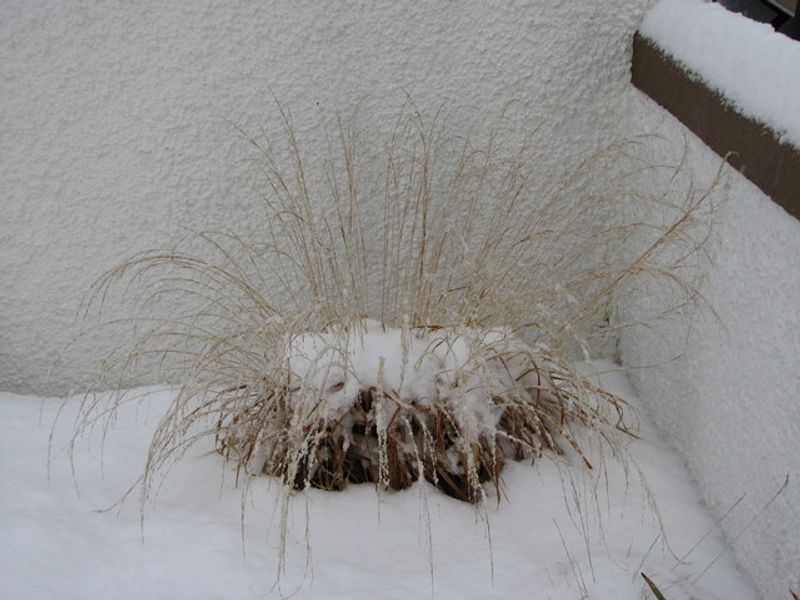
Garden beds can lose definition fast once summer flowers fade, but ornamental grasses keep the layout readable. You still get strong vertical lines, rounded mounds, and airy screens that hold a border together when other plants start looking tired.
That matters in Massachusetts, where the growing season feels full one minute and visibly winding down the next.
Instead of relying only on bloom color, you gain shape that lasts from spring emergence into winter. A clump of switchgrass or feather reed grass can anchor a front walkway the same way a small shrub would, but with a lighter look.
If you want your planting design to feel intentional in October, November, and even January, structure is the reason many gardeners start here.
There is also a practical design benefit you notice right away. Beds with strong forms look less messy between maintenance sessions, so you are not constantly editing every stem.
In a region where frost, rain, and wind can flatten softer perennials, ornamental grasses give your yard a backbone that keeps texture visible long after flowers have stepped back.
They Add Movement in Coastal and Inland Breezes
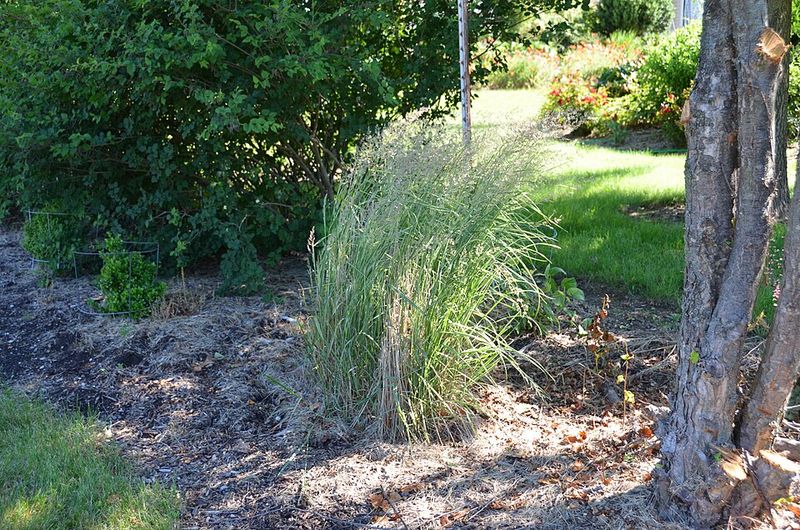
A still garden can feel heavy, especially when every plant holds the same rigid shape all season. Ornamental grasses change that by catching even light air and turning it into motion you can actually notice from the porch or kitchen window.
In Massachusetts, where breezes come off the coast or move across open inland yards, that motion adds life without requiring more flowers.
You are not just planting for what a border looks like in a photo. You are planting for the way it behaves through the day, and grasses deliver a softer, more dynamic experience than many shrubs or annuals.
Morning wind through little bluestem, for example, creates a shimmer that makes nearby black-eyed Susans and asters look better simply because the scene feels active.
This is one of the easiest ways to make a smaller property feel layered and expensive without overplanting. A few drifts of grass can break up static foundation beds and make the entire design seem more relaxed.
When people talk about texture in a Massachusetts garden, they often mean movement as much as they mean foliage, and ornamental grasses give you both at once.
They Contrast Beautifully With Perennials
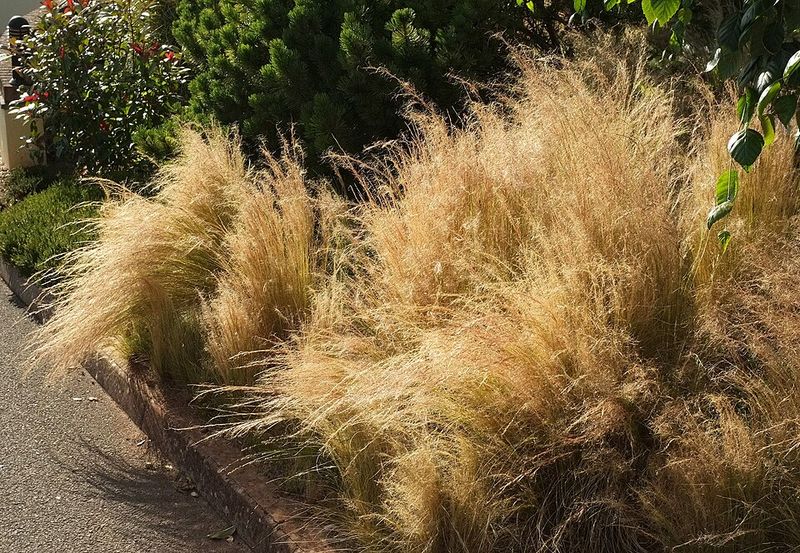
Texture becomes more convincing when opposites sit next to each other, and ornamental grasses excel at that job. Their narrow blades and feathery seed heads make broad-leaved perennials, dense flower clusters, and sturdy shrubs stand out more clearly.
If a border currently feels like one continuous mass, adding grass often solves the problem faster than adding another colorful bloom.
Think about how sedum looks beside a fountain-shaped grass, or how asters read against upright switchgrass in late summer. You get a conversation between coarse and fine textures, rounded and vertical forms, stillness and movement.
That contrast is especially useful in Massachusetts gardens, where many popular perennials peak around the same time and can blur together if every plant has similar leaf shape.
You also gain flexibility as the season progresses. When flower color starts to fade, the grass still keeps the composition interesting because the texture relationship remains strong.
For homeowners trying to build borders that feel curated rather than crowded, grasses act like visual punctuation, helping every neighboring plant read more clearly and giving the entire bed a cleaner, more balanced finish.
They Fit Smaller Suburban Yards
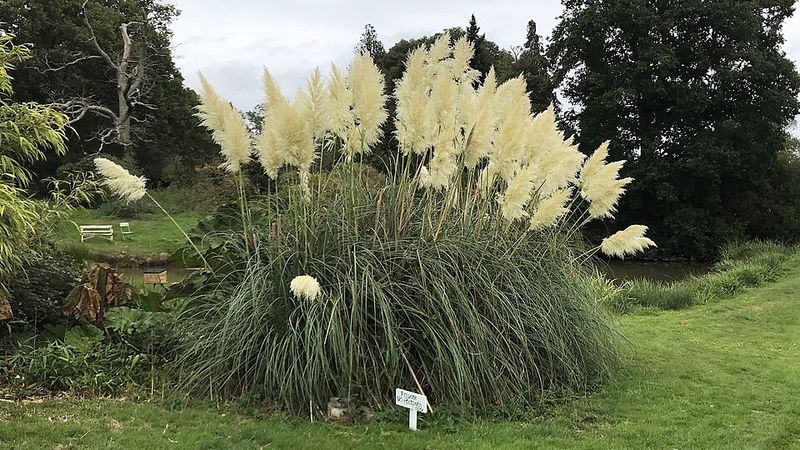
Not every Massachusetts gardener has room for sweeping meadow-style plantings, and that is exactly why ornamental grasses are catching on in suburban neighborhoods. Many varieties offer texture without demanding a huge footprint, so you can tuck them near a mailbox, front walk, patio edge, or foundation bed.
A compact grass gives you movement and contrast where a large shrub might feel too bulky.
Scale matters more in smaller yards because every plant is noticed. When you choose a tidy selection like blue fescue, prairie dropseed, or a dwarf panicum, you get a strong visual effect without overwhelming the house or crowding neighboring perennials.
That makes these plants especially useful in towns where front gardens are narrow but homeowners still want something distinctive and layered.
There is also less pressure to chase constant bloom. In a compact space, too many flowers can read cluttered, while ornamental grasses provide breathing room that makes the design look calmer and more intentional.
If your property feels visually busy from spring annuals, foundation shrubs, and hardscape lines, adding a few carefully placed grasses can create texture that reads sophisticated rather than stuffed.
They Handle New England Weather Better Than Many Trendy Plants
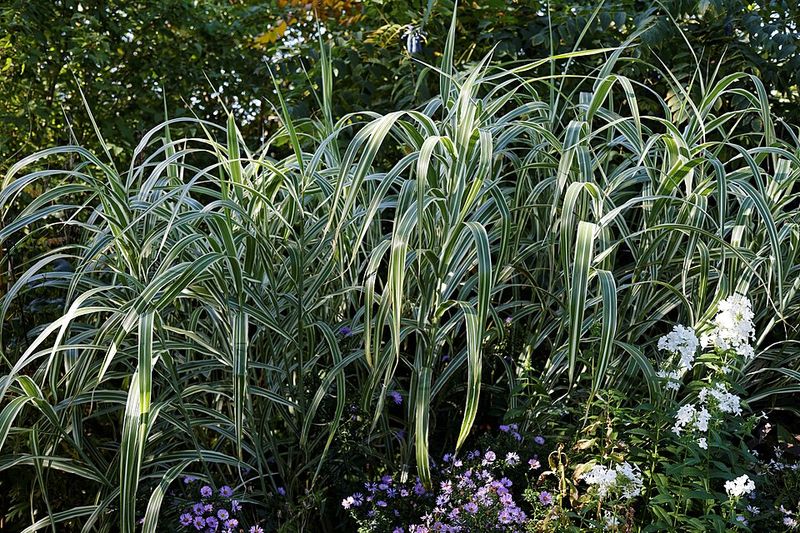
Garden trends do not always translate well to New England, and Massachusetts homeowners learn that quickly. Plants that look perfect in warmer regions may sulk in wet springs, freeze-thaw cycles, or humid late summers, while many ornamental grasses keep performing with less drama.
That reliability makes them appealing if you want texture without gambling on fragile choices.
Hardy grasses are built for variation, which matters in a state where coastal exposure, inland cold, heavy snow, and sudden rain can all shape a planting plan. Switchgrass, little bluestem, and certain sedges tolerate conditions that would stress fussier ornamental picks.
You still need the right plant for the right site, but the overall category offers a durability that fits real Massachusetts gardening.
Performance is part of style, even if people do not say it that way. A border only looks good when plants hold their form through wind, downpours, humidity, and seasonal swings, and grasses often do exactly that.
If you are tired of replacing trendy annual fillers or disappointed perennials, adding a few resilient grasses can bring lasting texture while reducing the guesswork that comes with less adaptable plants.
They Offer a Lower-Maintenance Look People Actually Want
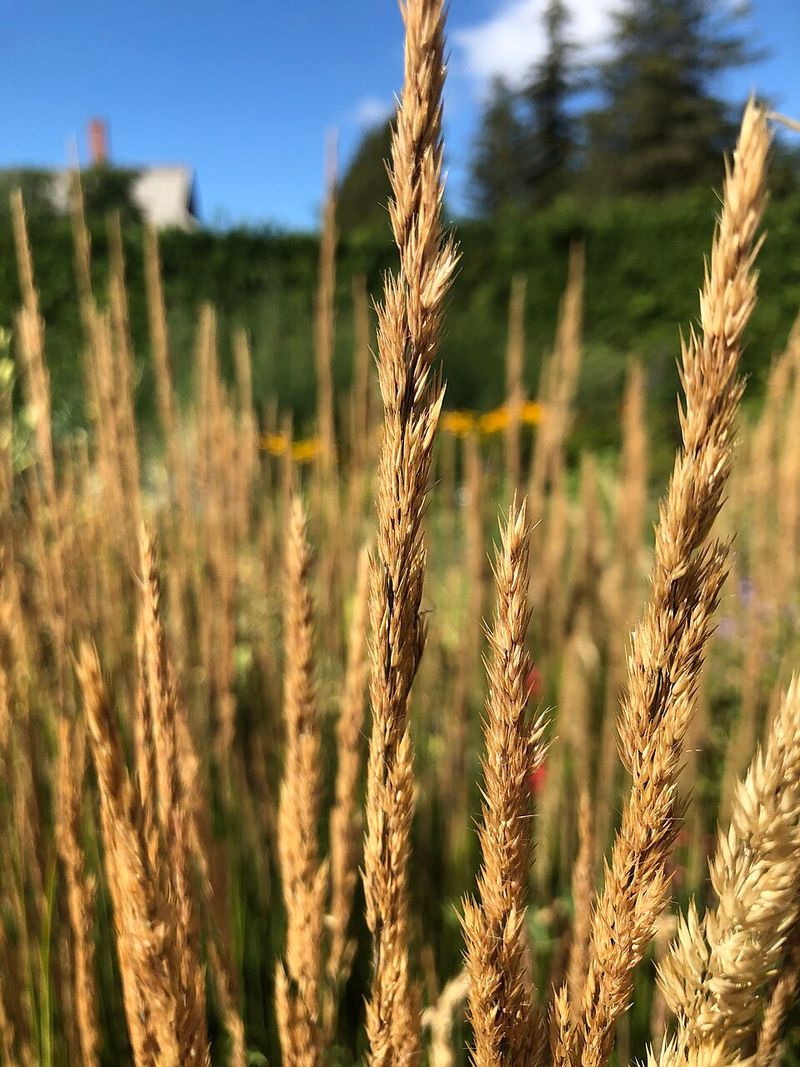
Many gardeners want a yard that looks designed, not one that demands constant weekend attention. Ornamental grasses help bridge that gap because they provide a refined appearance while generally asking for less deadheading, staking, and seasonal fuss than heavy-blooming plantings.
For busy homeowners in Massachusetts, that tradeoff feels increasingly attractive.
You are still doing garden work, of course, but the rhythm changes. Instead of chasing flower cleanup every few days in peak summer, you get long-lasting texture that stays useful visually with fewer interventions.
A spring cutback and sensible watering while new plants establish often go further than people expect, especially with hardy varieties suited to local conditions.
That lower-maintenance appeal also matches how many people want their landscape to feel now – relaxed, layered, and a little more natural without looking abandoned. Grasses soften stone edges, loosen formal foundation beds, and make simple shrub plantings seem more thoughtful.
If your goal is a garden that remains attractive between errands, work, family obligations, and unpredictable weather, ornamental grasses offer texture that earns its place without constantly asking for your attention.
They Support Wildlife Without Looking Wild
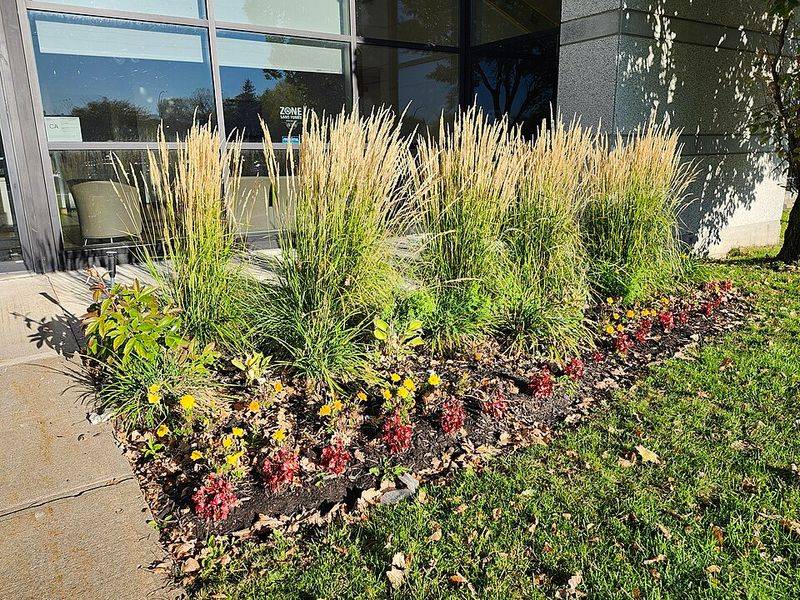
Wildlife-friendly planting is important to many Massachusetts gardeners, but not everyone wants a yard that looks unmanaged. Ornamental grasses land in a comfortable middle ground by offering cover, nesting material, and seasonal seed interest while still fitting polished residential landscapes.
That balance makes them especially useful in neighborhoods where curb appeal and ecological value both matter.
You can pair grasses with native perennials and still keep the layout clean by repeating shapes and leaving clear edges. Birds use the clumps for shelter, beneficial insects find habitat nearby, and seed heads extend usefulness beyond flower season.
The effect is softer than a rigid foundation planting, yet more intentional than simply letting an area grow unchecked.
For many homeowners, that visual balance is the real selling point. A drift of little bluestem beside a walkway can support local ecology and still look tailored when framed with stone, mulch, or a clipped shrub.
If you have wanted to make your garden more welcoming to wildlife without inviting criticism that it looks messy, ornamental grasses offer a practical path that adds texture, motion, and habitat in one thoughtful move.
They Modernize Foundation Beds
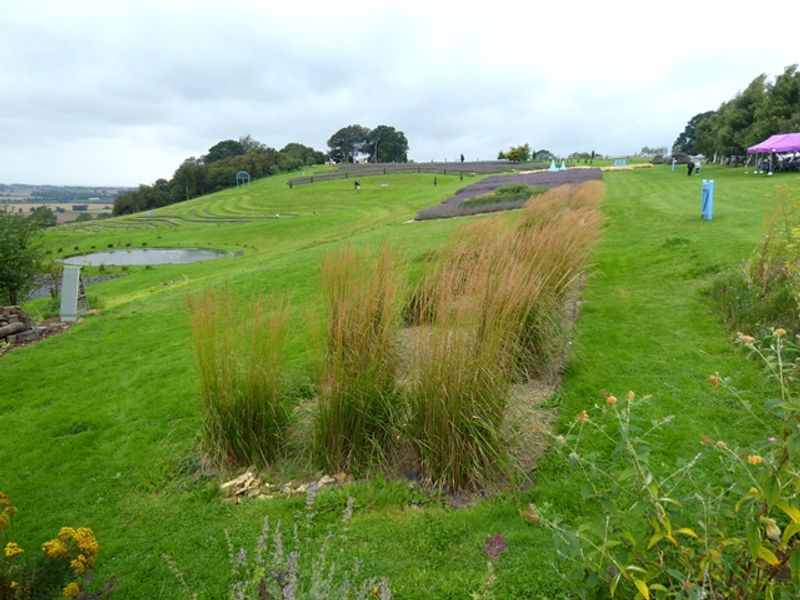
Foundation plantings across Massachusetts often rely on the same evergreen shrubs repeated from one house to the next. Ornamental grasses break that pattern by introducing finer texture and vertical or fountain-like forms that make the front of a home look current without becoming flashy.
Even one or two well-placed clumps can shift a bed from ordinary to intentionally styled.
Clean architecture especially benefits from this contrast. The straight lines of siding, steps, and walkways look better when softened by grasses that move and catch light, while broader shrubs gain depth when layered behind or beside them.
If your front beds feel heavy, a grass with an airy habit can visually lift the whole composition without requiring a total redesign.
There is a budget advantage here too. Swapping a few repetitive shrubs for ornamental grasses often changes the character of an entrance faster than a major hardscape update would.
You keep the structure you need near the house but add a designer-like texture that photographs well in every season.
For homeowners
They Soften Hardscaping Around Patios and Walkways
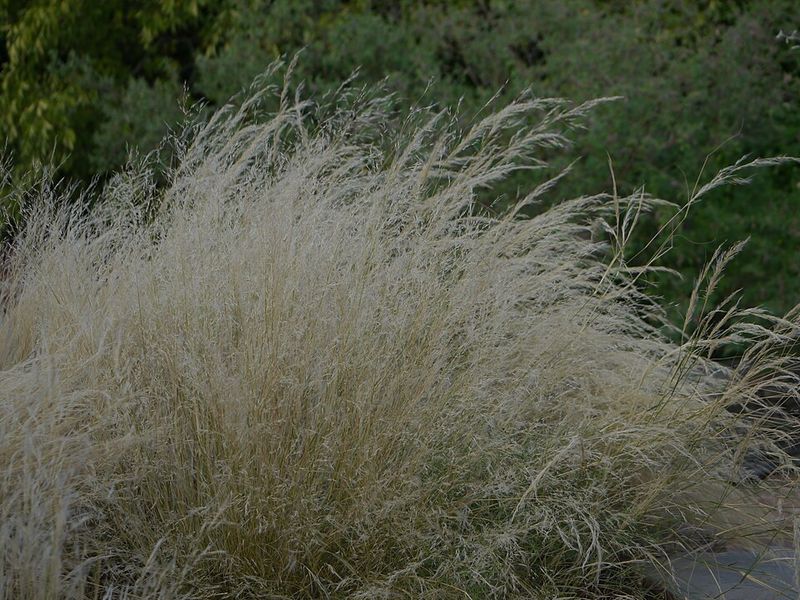
Massachusetts yards often have plenty of stone – bluestone walks, granite steps, brick edging – and all that hardscape can start to feel a little stiff. Ornamental grasses loosen those lines without making the space look messy.
Their fine blades and arching shapes give patios and paths a softer edge that still feels intentional.
That balance is a big reason gardeners keep reaching for them. You get texture that plays well with masonry, plus a planted look that feels calm instead of crowded.
In suburban backyards especially, that contrast can make outdoor living spaces feel more finished and welcoming.
They Make Fall Gardens Feel Richer Without More Flowers
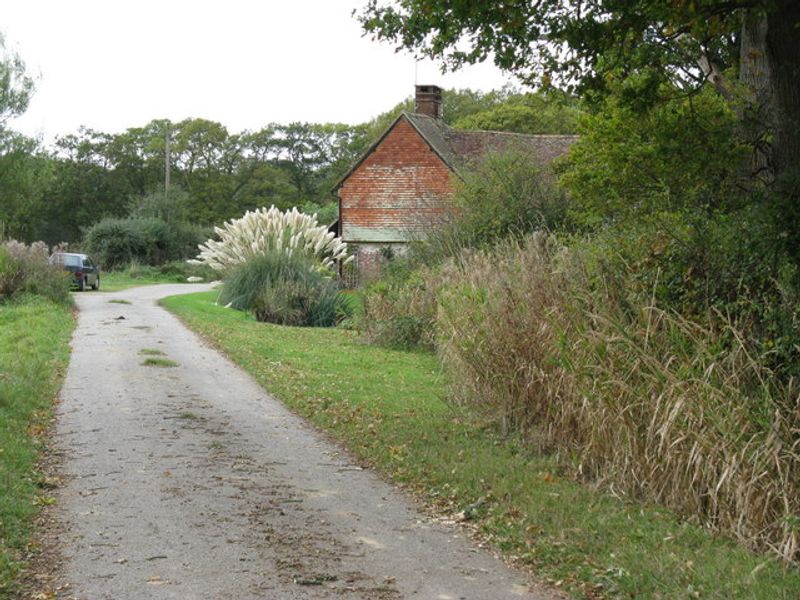
By late summer, a lot of Massachusetts gardens start leaning heavily on whatever is still blooming. Ornamental grasses help the whole space feel layered even when flowers are tapering off.
Seed heads, plumes, and warm-toned blades bring depth that reads rich rather than empty.
That is especially useful in September and October, when the light turns softer and every texture stands out more. A border with grasses feels fuller, more seasonal, and less dependent on nonstop color to carry the show.
For gardeners who want a fall landscape with real presence, that extra texture can do as much work as another round of late-blooming perennials.