
The North Carolina Container Plants That Thrive On Hot Apartment Balconies
Follow us on Google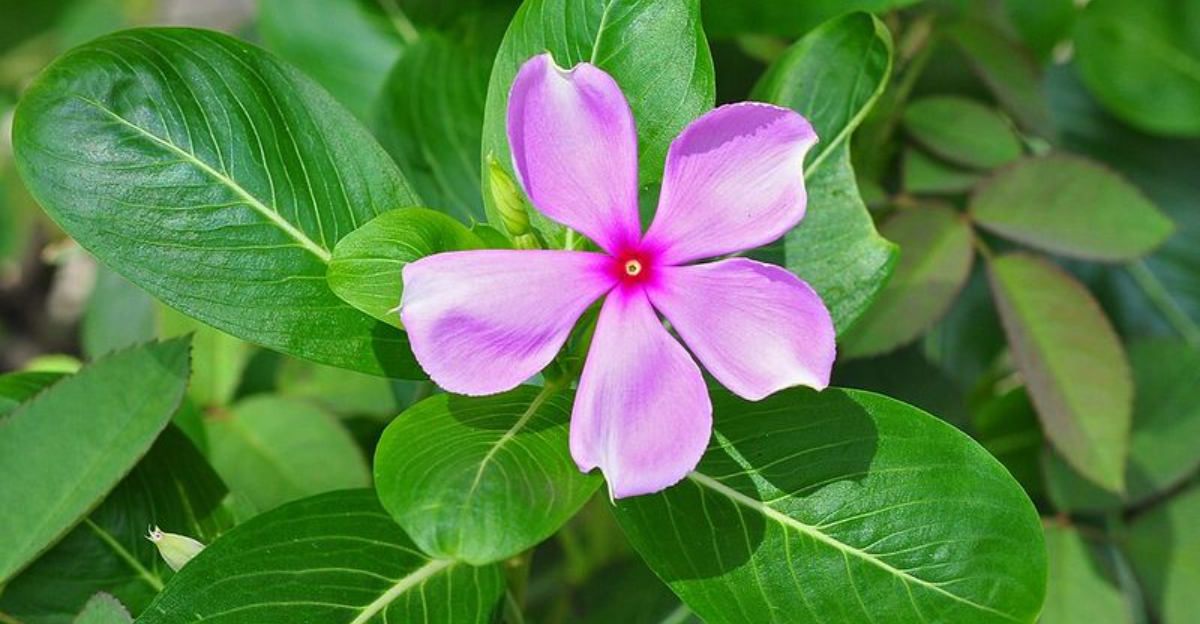
A scorching balcony in North Carolina can feel more like a skillet than a garden spot, but some container plants genuinely love the heat. If your apartment gets blazing afternoon sun, reflected warmth from walls, and fast-drying pots, the right picks will save you time and frustration.
These are the reliable performers that keep color, texture, and flavor coming even when summer turns sticky. You will also find practical tips that make each plant easier to grow in a real balcony setup, not just in a perfect backyard.
Lantana

Few balcony plants earn their keep like this heat-loving bloomer. In North Carolina summers, it handles blazing sun, reflected heat, and occasional missed waterings better than most flowering annuals you will see at the garden center.
That matters when your apartment balcony feels like an oven by midafternoon.
Choose a container with fast drainage and fill it with a lightweight potting mix, not heavy garden soil. You will get the best flowering if the pot receives at least six hours of direct sun, and deadheading lightly every week keeps new color coming without turning maintenance into a chore.
Compact varieties work especially well when space is tight.
Water deeply, then let the top inch of soil dry before watering again. That rhythm encourages stronger roots and reduces the soggy conditions that lantana dislikes, especially during humid stretches common across the state.
A diluted bloom fertilizer every two weeks can help, but overfeeding creates more leaves than flowers.
Butterflies love the clustered blooms, so your balcony can feel more alive with very little effort. If you want a plant that still looks upbeat after a brutal ninety-five-degree afternoon, this one deserves a front-row spot near the railing where sun is strongest.
Moss Rose
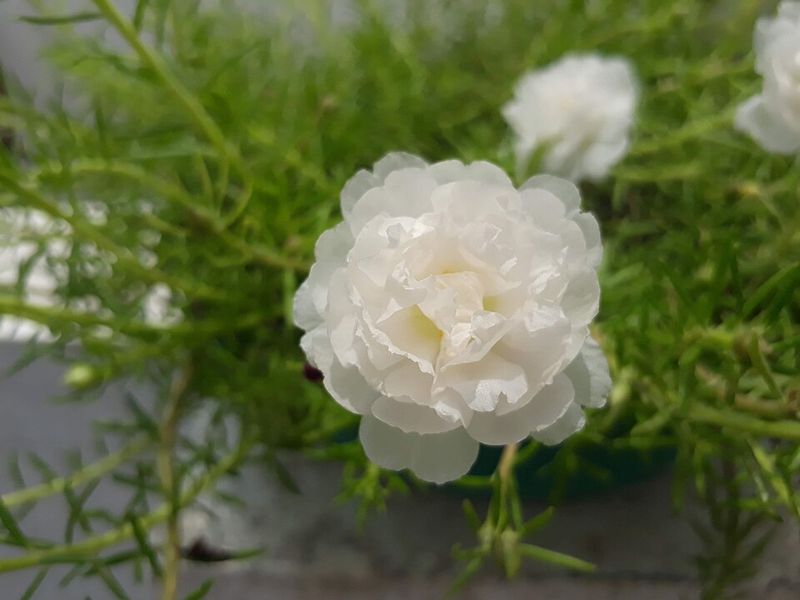
When a balcony gets so hot that other flowers sulk before lunch, this trailing annual keeps going. Its succulent leaves store moisture, which helps it shrug off dry spells and reflected heat from concrete, brick, and metal railings.
That makes it one of the smartest picks for top-floor apartments.
Shallow bowls, window boxes, and wide planters suit it beautifully because the stems can spill over the edges. Use a gritty potting mix with added perlite if your containers tend to stay damp after rain, since this plant prefers quick drainage and hates sitting wet.
Full sun is nonnegotiable if you want nonstop flowering.
Morning watering works best because it gives the roots a chance to drink before the hottest part of the day. You do not need much fertilizer, and too much feeding can actually reduce blooming, so a light monthly dose is plenty.
Faded flowers usually disappear on their own, keeping upkeep refreshingly simple.
On a small balcony, it pairs nicely with upright plants because it softens container edges without becoming unruly. If your schedule is busy and your summers are intense, this is one of those dependable choices that still looks cheerful when the forecast stays hot for days.
Angelonia
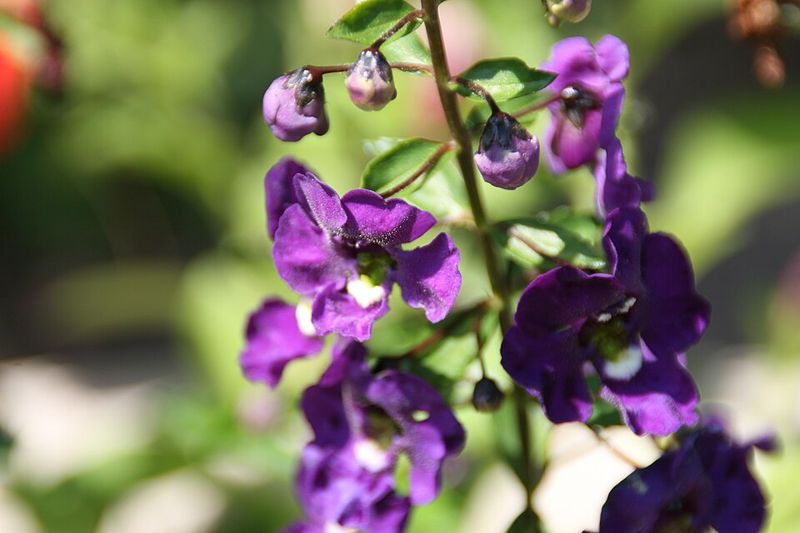
For vertical color that can handle Southern heat, this upright bloomer is hard to beat. The flower spikes keep their shape through sticky North Carolina afternoons, and the plant does not collapse the way some softer annuals do when temperatures climb.
It gives containers a polished look without demanding constant fuss.
Tall patio pots or mixed planters make the most of its neat, narrow habit. Place it where it gets six to eight hours of direct sun, and use fresh potting mix that drains well while still holding enough moisture for hot weeks.
Dwarf and mid-sized varieties are best for apartment balconies because they stay tidy.
Consistent moisture helps it flower longer, but you still want the container to dry slightly between soakings. During stretches of extreme heat, watering every day may be necessary for smaller pots, especially dark containers that heat up fast.
A balanced liquid fertilizer every two weeks keeps the flower spikes coming.
One reason people keep buying it is how clean it looks all season. You rarely need to deadhead heavily, and the blooms keep appearing in purple, pink, white, and bicolor shades that work beautifully against brick walls, black railings, and the bright, hard light common on exposed balconies.
Pentas
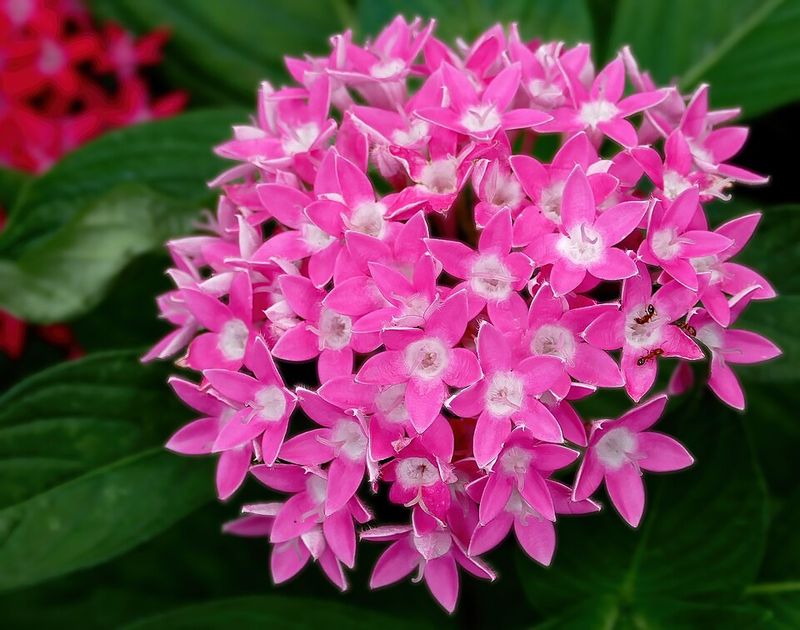
Clusters of starry flowers make this plant feel lively even on a compact balcony. In hot North Carolina conditions, it keeps blooming through long humid spells and draws butterflies that add movement to a space that might otherwise feel all concrete and railings.
That extra life makes a small balcony feel bigger.
Use a medium to large container so the roots have room to handle summer stress. Full sun produces the heaviest bloom set, though a touch of late-day shade can be helpful on balconies that reflect extreme heat from pale walls or large windows.
Rich, well-drained potting mix keeps it performing steadily.
Regular watering is more important here than with succulent-type choices. Once the soil dries too far, flowering slows, so check pots often during July and August, especially if you are using porous terracotta.
Pinching off spent clusters helps the plant redirect energy into fresh buds instead of seed production.
Red, pink, lavender, and white varieties all show up well from inside the apartment, which is a detail worth considering. If you like sitting near the door with coffee and watching pollinators drift in and out, this is one of the most rewarding flowering container plants you can choose.
Rosemary
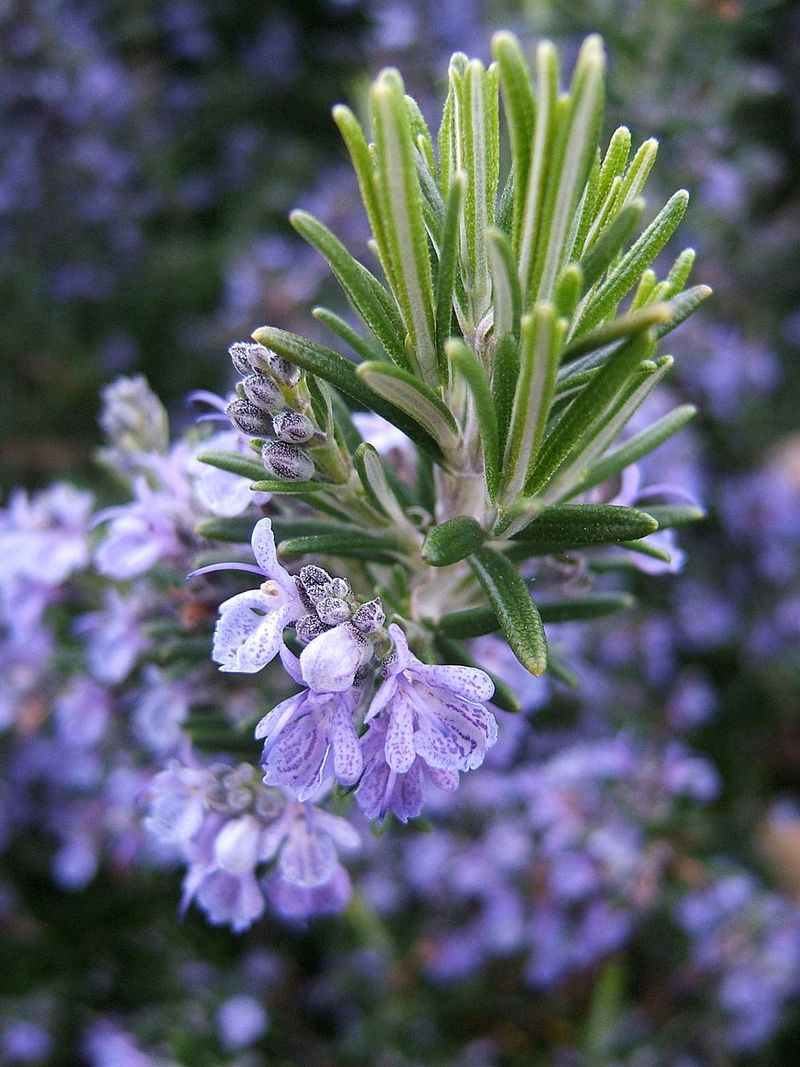
Herbs are not just practical on a balcony, and this one proves it with fragrance, texture, and serious heat tolerance. On a North Carolina apartment balcony that bakes all afternoon, rosemary often looks better than fussier flowering plants, especially when airflow is decent and the pot drains quickly.
You also get fresh stems for cooking.
Terracotta containers are especially useful because they help excess moisture evaporate faster. Choose a pot only slightly larger than the root ball, fill it with sharply draining mix, and avoid rich soil that stays wet for too long after thunderstorms.
Full sun is essential if you want compact growth and strong flavor.
Water deeply, then wait until the top couple inches feel dry before watering again. The biggest mistake is treating rosemary like a thirsty annual, since constantly damp roots lead to decline much faster than a short dry spell.
Light pruning keeps the plant dense and stops stems from getting woody too quickly.
Near a seating area, brushing against the foliage releases that clean, resinous scent that instantly makes the space feel intentional. If your balcony needs one hardworking plant that looks good, smells good, and earns its square footage in the kitchen, this is an easy favorite for long summers.
Madagascar Periwinkle
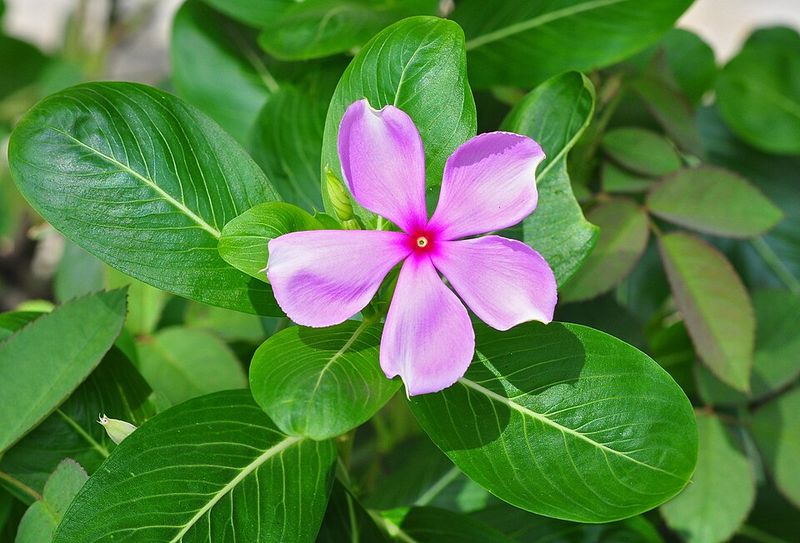
Some flowers melt when humidity and heat arrive together, but this one keeps a cool appearance. Glossy leaves stay neat, blooms keep popping in pink, white, red, and lavender shades, and the plant handles the brutal combination of sun and sticky air that defines much of a North Carolina summer.
It is especially useful for gardeners who want tidy color.
Use containers with generous drainage holes because overly wet soil is the main thing that causes trouble. A lightweight potting mix with a little extra perlite helps roots breathe, and placing the pot where it gets strong direct sun for most of the day encourages dense growth.
Crowding several plants together can reduce airflow, so leave some breathing room.
Once established, it is more drought tolerant than many flowering annuals, though smaller balcony pots still dry quickly in peak heat. Water at the soil line instead of splashing the foliage, and let the surface dry slightly before watering again.
You usually will not need to deadhead much, which saves time during busy weeks.
For apartment dwellers who want dependable color without babysitting every bloom, this is a smart, low-drama choice. It also looks crisp from indoors, so even a quick glance through the glass door can give you that little hit of summer color after a long day.
Ornamental Pepper
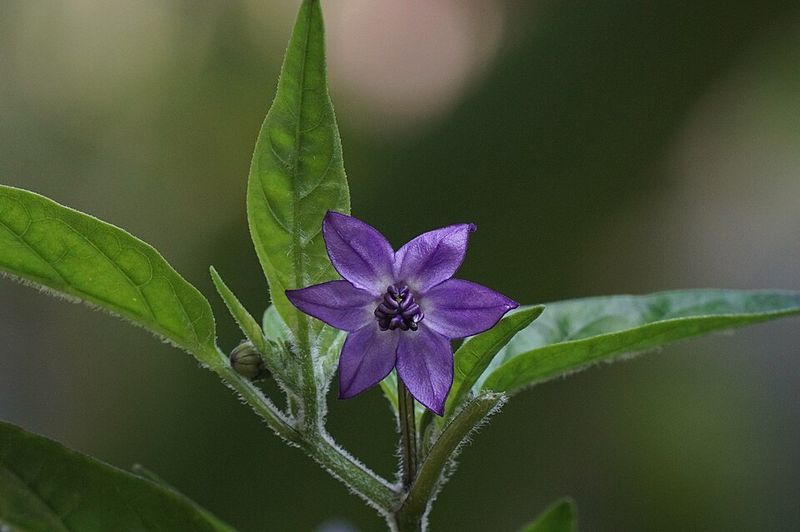
Color does not always have to come from flowers, and this plant proves the point beautifully. The peppers shift through shades of purple, cream, yellow, orange, and red, giving you a long display that stands up to heat without looking tired by midsummer.
On a balcony with lots of hard surfaces, that bold color reads from a distance.
Choose a sunny spot where the container gets at least six hours of direct light, though more is even better. A medium pot works for compact varieties, and well-drained potting mix is important because soggy roots can quickly ruin an otherwise sturdy plant.
Slow-release fertilizer at planting usually covers most of the season.
Water consistently rather than erratically, since wide swings between bone dry and drenched can stress the plant and reduce fruit set. If your balcony is especially windy, cluster containers to create a little shelter and slow moisture loss.
Checking pots in the evening during heat waves is a practical habit that prevents crisped foliage.
These peppers are often treated as decorative accents, but they bring real structure to a small container arrangement. Tucked beside chartreuse vines or silver foliage, they make a balcony feel designed instead of random, which is helpful when every square foot needs to work harder.
Sweet Potato Vine
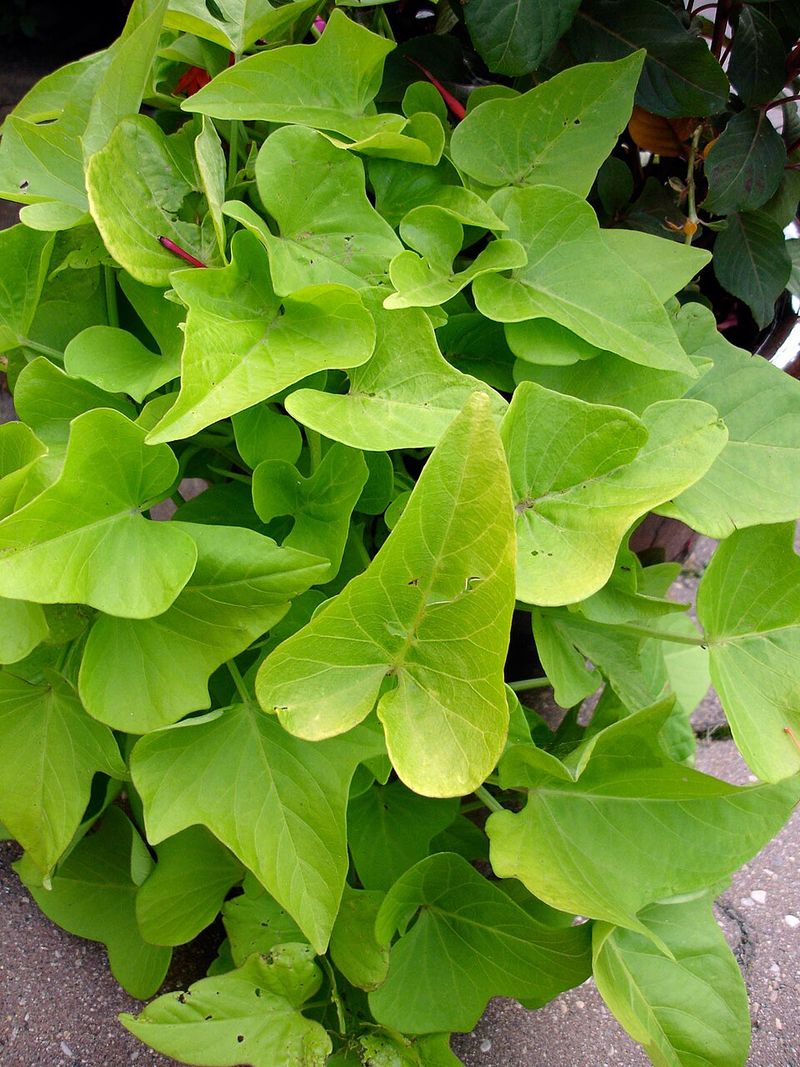
Trailing foliage can make a balcony feel softer fast, and few plants fill that role better in summer heat. Large leaves in chartreuse, bronze, or deep purple spill over container edges and handle North Carolina warmth with impressive stamina, even when pavement and railings throw extra heat back at the pot.
That visual movement helps a small space feel less boxy.
Give it a roomy container because growth can be vigorous once temperatures rise. Standard potting mix works well if drainage is solid, and placing the pot in full sun brings the strongest leaf color, though some varieties appreciate a little afternoon relief on especially exposed upper floors.
Pinching stems now and then keeps the shape fuller.
This plant likes regular moisture more than drought specialists do, so check soil frequently during stretches of intense heat. When leaves start looking limp, that is usually your cue to water deeply rather than lightly sprinkling the surface.
A monthly feeding keeps foliage rich and energetic without pushing weak, floppy growth.
Use it to trail from rail planters, anchor mixed containers, or soften the base of upright flowering plants. If your balcony needs instant fullness and a strong color contrast that survives hot weather, this one earns its spot quickly and keeps earning it through the whole season.
Society Garlic
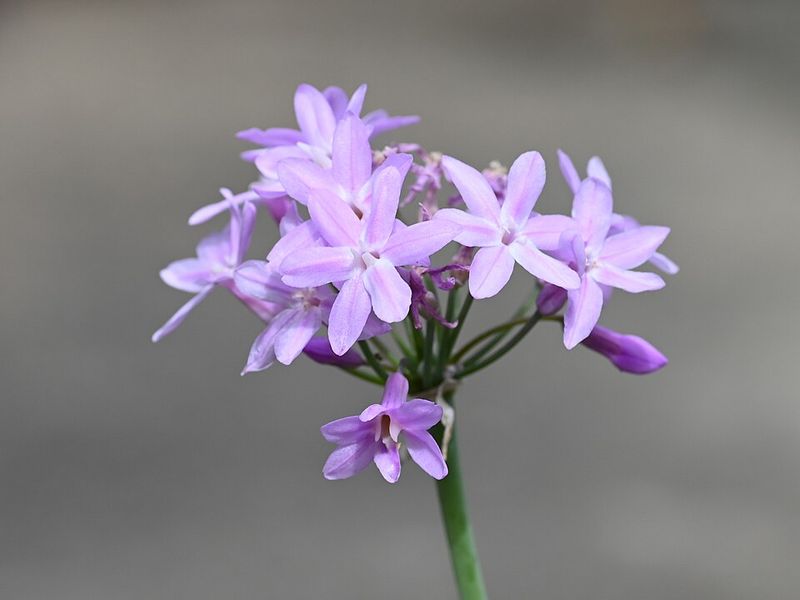
Strappy foliage and lavender blooms give this plant a clean, architectural look that suits apartment balconies well. It tolerates heat beautifully, shrugs off bright sun, and brings a subtle garlic scent that can discourage some pests while adding personality to your container lineup.
In North Carolina summers, that kind of resilience is worth noticing.
Use a pot with excellent drainage and a loose potting mix, since soggy conditions are the quickest route to trouble. Full sun keeps the leaves sturdy and encourages repeat blooming, though the plant still looks attractive between flower flushes because the grassy foliage stays upright and composed.
It fits easily into modern or cottage-style balcony designs.
Water when the top inch or two feels dry, and avoid overdoing fertilizer because too much feeding can produce floppy growth. Removing spent flower stems keeps the clump neat and encourages new blooms later in the season.
If winter is mild where you are, it may even return for another year.
Near a chair or small bistro table, it adds structure without becoming bulky or messy. Pair it with trailing foliage or bright annuals if you want contrast, or let it stand alone in a sleek pot if your balcony style leans simple, tidy, and low maintenance.