
Why Massachusetts Yards Are Seeing More Native Ferns This Summer
Follow us on Google
You may have noticed more feathery, unfurling greenery popping up along fences, under maples, and beside old stone walls this summer. Across Massachusetts, native ferns are showing up in places that used to feel too dry, too bare, or too tidy for them to settle in.
The shift is not random – it reflects changes in weather, landscaping habits, and the way many homeowners now manage their yards. Once you know what is helping these plants spread, you will start spotting the pattern almost everywhere.
Shadier Summers and Tree Canopies
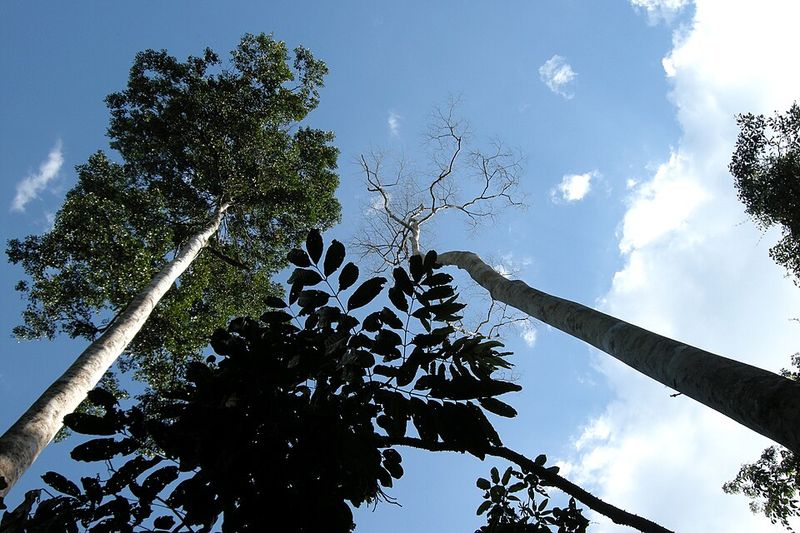
Stand under an older maple in July, and the difference is easy to feel. Many Massachusetts yards now have thicker canopies than they did twenty years ago, especially in neighborhoods where planted trees have finally matured.
That added shade lowers soil temperature, slows evaporation, and creates the cool, protected pockets that native ferns prefer.
You can see this in side yards, along north-facing foundations, and under ornamentals that were once too young to change much. Where turfgrass used to struggle in dry, patchy light, ferns now find a gentler place to settle.
Species like Christmas fern and lady fern respond quickly when sunlight softens and moisture lingers a little longer after rain.
If your yard has become noticeably dimmer by midafternoon, that alone may explain the increase. I would check areas where fallen leaves collect naturally, because those spots often hold the loose organic matter fern roots appreciate.
Even a narrow band beneath shrubs can turn into a quiet fern nursery without much help from you.
Instead of fighting the shade with more lawn seed, many homeowners are starting to work with it. Once mowing gets harder and grass thins out, native ferns become an obvious fit.
They look settled, they support a woodland feel, and they often arrive right when the landscape starts asking for a new direction.
Wetter Springs, Steadier Soil
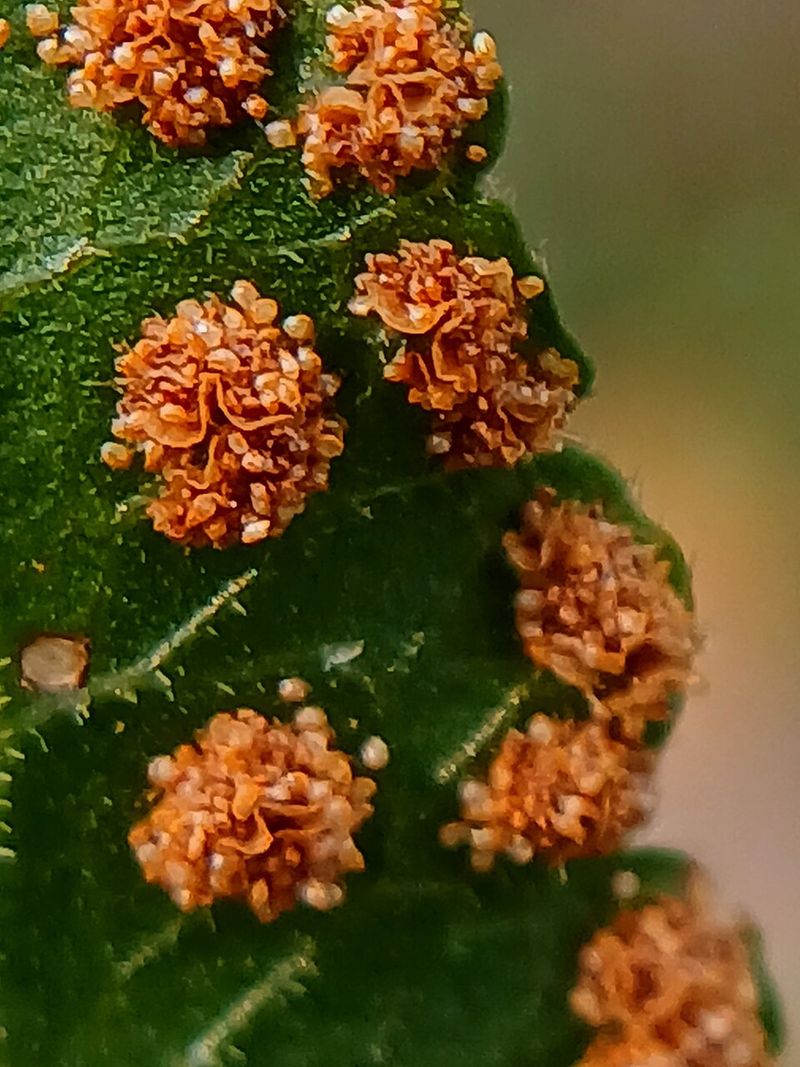
After several wet springs, plenty of Massachusetts yards are staying moist longer into early summer. That matters because fern spores and young crowns need steady moisture to establish, especially before hotter weather arrives.
A few extra weeks of damp soil can make the difference between a plant fading out and quietly taking hold.
You might notice the pattern near downspouts, along sloped beds, or in low spots that never fully dry by June. Those are not always problem areas anymore.
For native ferns, they can act like starter sites where cinnamon fern, sensitive fern, or interrupted fern gain a foothold and begin expanding.
It is not only about heavy rain totals. Cooler nights, higher humidity, and longer periods of cloud cover also reduce stress on shallow-rooted woodland plants.
When the ground does not swing so abruptly from soggy to dusty, ferns get a more reliable runway for growth than they did during sharper dry spells.
If you have been mulching with shredded leaves or letting natural debris break down in place, that benefit compounds. Organic matter works like a sponge, helping the soil hold moisture between storms.
Once that softer, wetter layer develops, native ferns often appear as if they arrived overnight, even though conditions have been quietly improving for several seasons.
Less Lawn, More Layered Planting
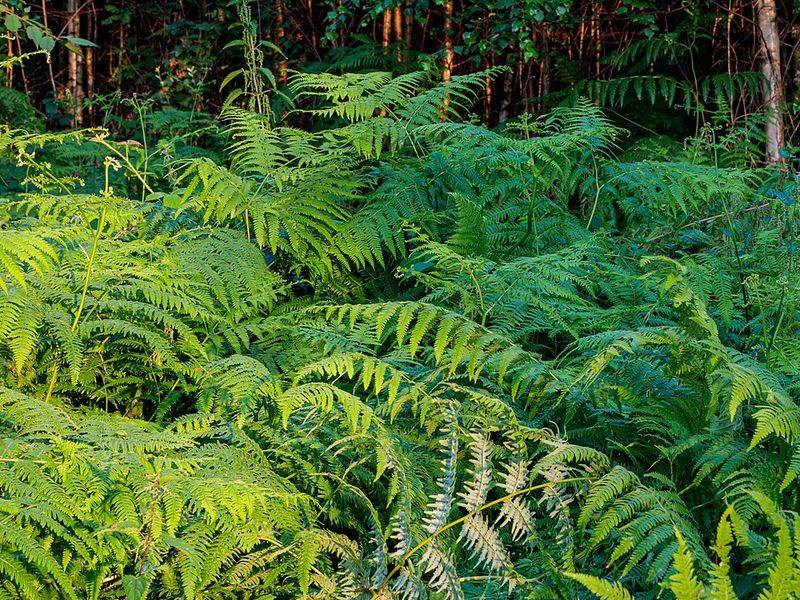
Across many neighborhoods, the classic wall-to-wall lawn is slowly giving way to mixed planting beds. That shift opens space for native ferns in ways a tightly mowed yard never could.
Once grass is removed and the soil stops being compacted every week, woodland plants get a real chance to settle in.
You can see it where homeowners add shrubs, widen foundation beds, or create mulched paths through side yards. Those layered spaces hold moisture better, collect leaves, and provide the shelter fern roots need.
A planting that combines sedges, foamflower, and native ferns often ends up looking fuller with less watering than a struggling patch of grass.
This change also reflects practical frustration. People get tired of reseeding bare shade spots, dragging hoses, and paying for lawn fixes that do not last.
Ferns solve a very specific problem because they handle filtered light, adapt to woodland soil, and soften awkward corners that otherwise look sparse by midsummer.
If you are seeing more ferns nearby, it may be because your neighbors are redesigning for maintenance, not just aesthetics. Replacing a difficult lawn strip with layered native plants is easier than forcing turf where it does not belong.
Once those beds are established, ferns often spread gently, making the whole yard feel more settled and less demanding.
Gardeners Are Choosing Natives
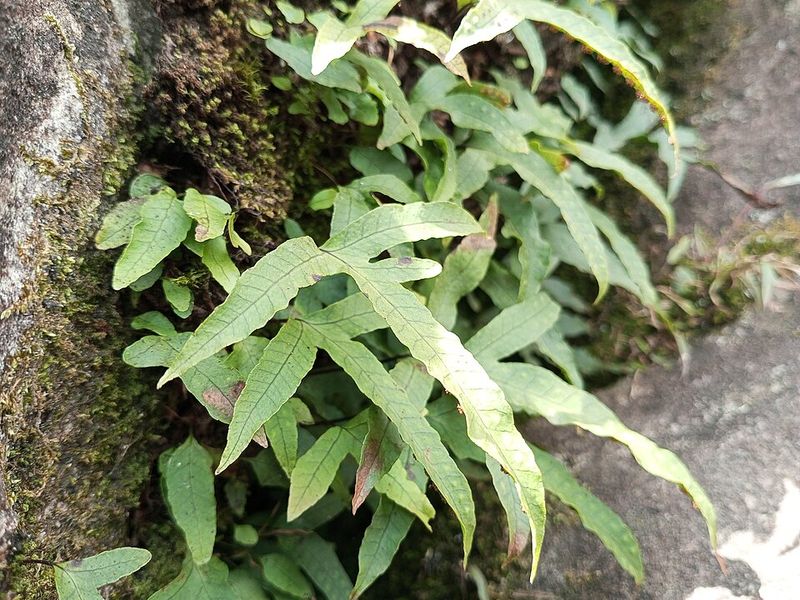
Walk through a local nursery now, and you are far more likely to see native ferns labeled and promoted than you were a decade ago. Gardeners in Massachusetts are actively choosing plants that fit local conditions instead of forcing thirsty imports into difficult sites.
That simple buying decision is one major reason more native ferns are appearing this summer.
People want landscapes that make sense. If a shady corner already behaves like woodland edge habitat, it is easier to plant Christmas fern or lady fern than keep experimenting with sun-loving perennials that never look right.
Once one or two clumps go in and perform well, adding more becomes an easy next step.
There is also a stronger interest in ecological gardening. Homeowners are reading plant tags, asking about regional natives, and learning that ferns support healthier soil communities even if they are not flashy bloomers.
That mindset change matters because it shifts fern planting from an afterthought to a deliberate design choice.
You can probably trace some local fern sightings back to this exact trend. A new shade bed at one house often inspires the next yard over, especially when the planting looks calm and low effort by August.
Native ferns earn trust quickly because they hold up through heat, fit New England gardens naturally, and rarely demand constant rescue.
Woodland Edges Are Expanding
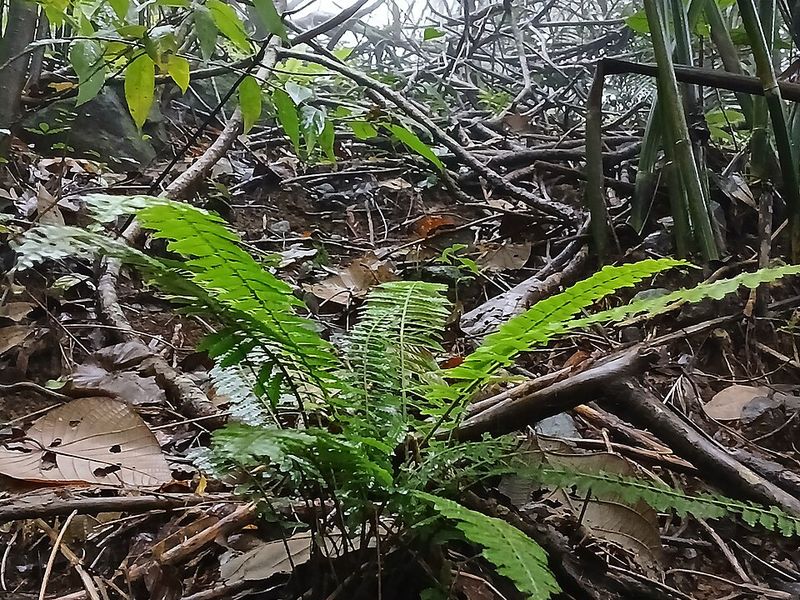
Some of the best fern habitat in Massachusetts is not deep forest. It is that in-between zone where lawn, shrub bed, fence line, and woods begin to blur together.
As yards age and maintenance becomes lighter at the edges, native ferns find exactly the kind of uneven, protected ground they prefer.
You might have a back corner where leaves are no longer raked, branches filter the sun, and the mower rarely reaches after June. Those neglected spots are often ideal.
Ferns thrive where disturbance is low but not absent, especially when roots can tuck into decaying leaves, old mulch, and loose woodland soil.
This helps explain why they seem to appear suddenly along property lines and around old trees. The conditions have probably been developing for years.
A little less trimming, a little more shade, and one wet spring can turn a forgotten boundary into prime territory for hay-scented fern, New York fern, or lady fern.
If your yard borders conservation land, a stream corridor, or even just an overgrown neighboring lot, the effect is stronger. Woodland edges act like stepping stones that let native plants move gradually into residential spaces.
Once a fern settles in one protected pocket, nearby microhabitats often become easier for the next generation to claim.
Wildlife and Wind Spread Spores
It is easy to forget that ferns do not need seeds to travel. They reproduce by spores, and those tiny particles can move through the air, settle in damp crevices, and wait for the right conditions to develop.
In a summer with reliable humidity, that quiet form of spread becomes much more noticeable in home landscapes.
Wind does part of the work, but wildlife helps too. Birds, small mammals, and even your own shoes can carry bits of soil and organic material from one area to another.
When a spore lands in a shaded crack beside stone, mulch, or mossy ground, it may find a perfect place to begin.
This is why ferns often show up where nobody remembers planting them. One year there is only leaf litter under a rhododendron, and the next year a small fan of fronds appears.
Native species are especially good at taking advantage of these subtle openings because they are already adapted to local weather patterns and soils.
If you want to encourage that natural process, focus less on planting every inch and more on creating hospitable conditions. Leave some leaf mold, avoid overcleaning shady beds, and keep the soil structure intact.
Once spores have a landing zone that stays cool and moist, your yard can start recruiting native ferns on its own.
Lower-Maintenance Gardening Trends
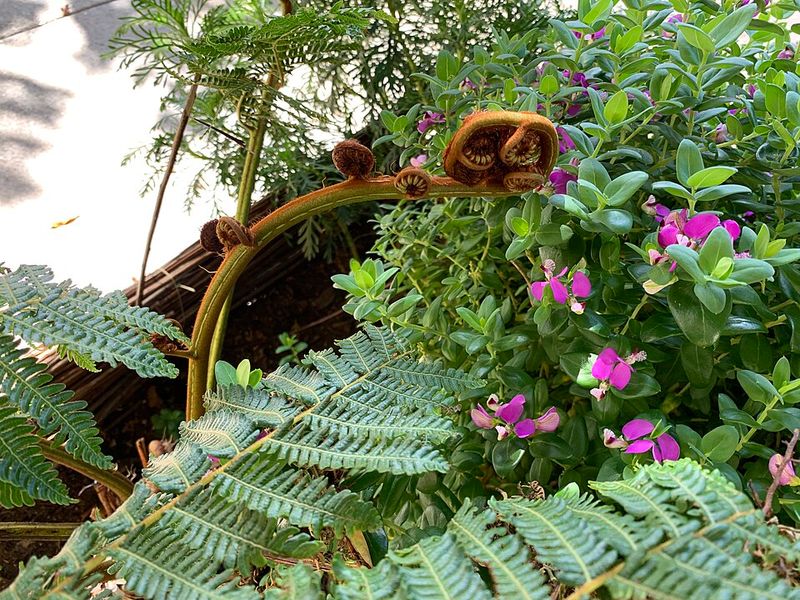
A lot of homeowners are simply tired of high-maintenance landscaping, and native ferns fit the mood of the moment. They do not ask for constant deadheading, frequent dividing, or endless watering once established in the right place.
In shaded Massachusetts yards, that makes them a practical answer to both time pressure and rising garden costs.
You can see the appeal in spaces that used to be labor traps. Thin grass under trees, muddy side yards, and foundation beds that bake one month and flood the next all consume energy without giving much back.
Native ferns steady those areas, soften the look, and reduce the need for repeated seasonal fixes.
There is also a style shift happening. More people want gardens that feel calm, grounded, and tied to the local landscape instead of tightly controlled.
Ferns support that look beautifully because they blend with stone, moss, shade shrubs, and woodland perennials while still reading as intentional rather than messy.
If your yard has become a weekend chore list, this trend probably makes immediate sense. Choosing plants that already like your conditions is the easiest way to reduce maintenance without sacrificing beauty.
Native ferns are appearing more often because they solve real problems, hold up through summer, and make a yard feel finished with far less effort from you.
Cooler Corners and Old Foundations
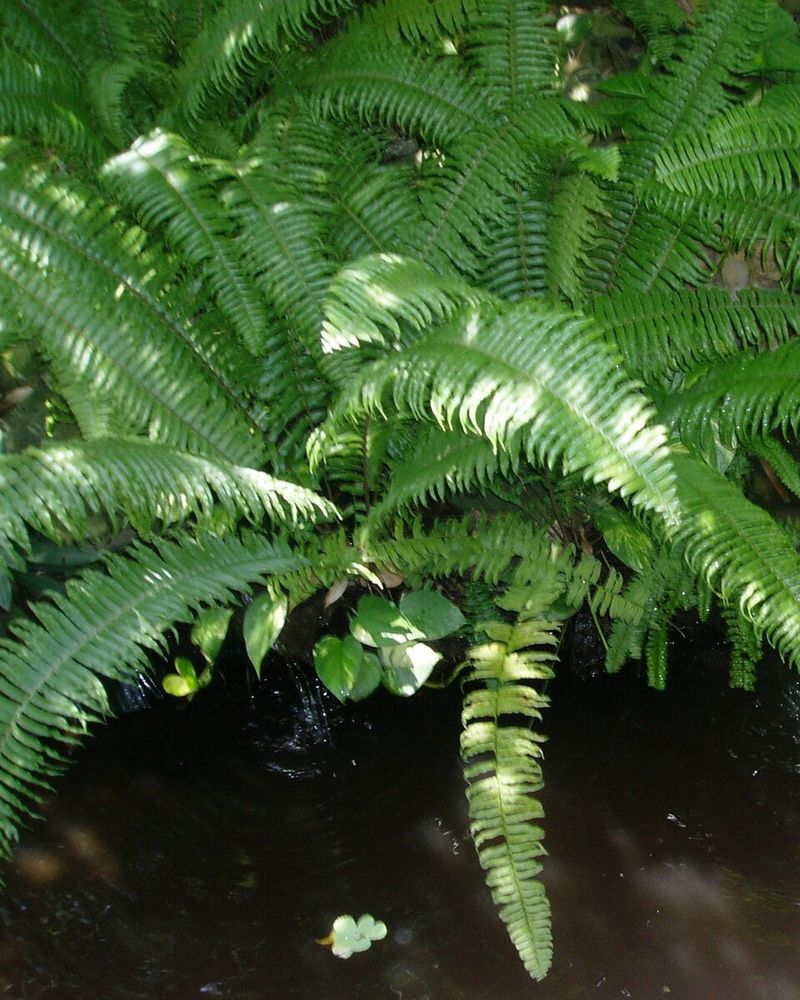
Walk behind an old garage, along a stone wall, or beside a north-facing foundation, and you can see why ferns are settling in. These overlooked corners stay cooler than open beds, hold humidity a little longer, and escape the harshest afternoon sun.
In many Massachusetts yards, those small sheltering pockets add up.
Native ferns do not need a huge woodland to get started. They just need a modest patch where roots stay protected and heat does not build too quickly.
Once those quiet microclimates form, summer fronds can appear in places that used to seem too ordinary for them each year.
Fewer Chemicals, Softer Ground
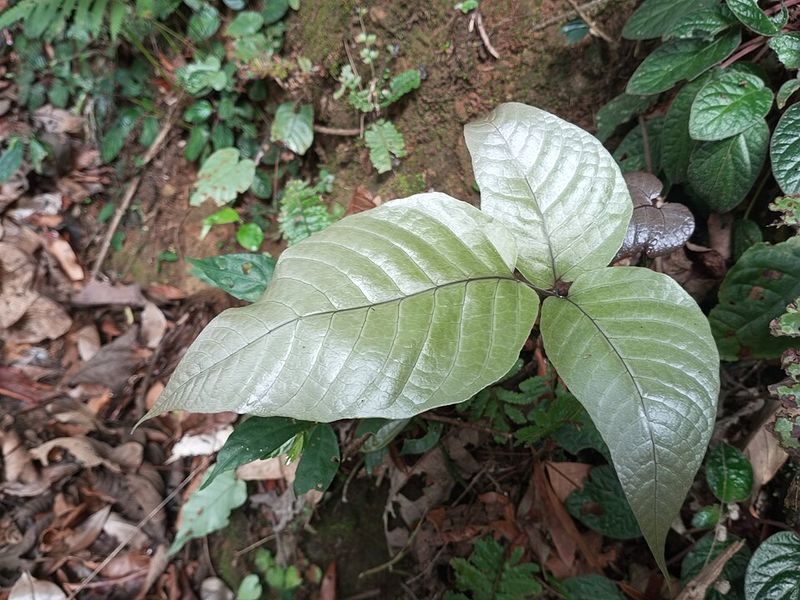
Another quiet shift is happening closer to the soil itself. More homeowners are skipping broad fertilizer programs, spraying less, and letting leaves break down where they fall.
That lighter touch builds softer organic layers, supports fungi and insects, and creates ground that feels more like a forest floor than a managed lawn edge.
Ferns respond well to that kind of patience. Their roots prefer steady moisture, loose soil, and fewer disturbances from digging or chemical treatments.
When a yard is managed less aggressively, native species often have an easier time holding on through summer and sending up fuller growth the next season.
Rain Gardens and Moist Microclimates
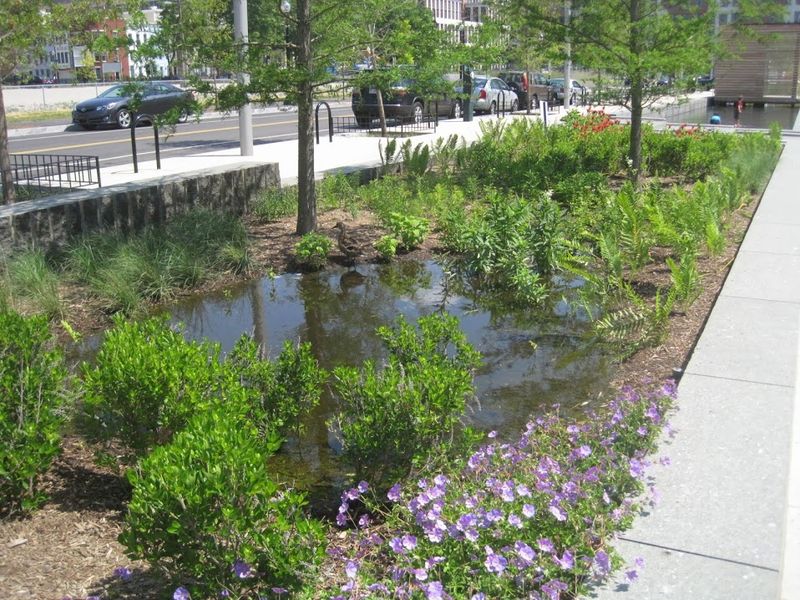
Yards with swales, rain gardens, and redirected downspouts are also giving native ferns new openings. Even when these features are planted for runoff control, they often keep nearby ground cooler and more evenly moist during dry stretches.
That steadier pattern matters in July, when shallow-rooted plants usually feel stress first.
Not every fern wants wet feet, but many native species appreciate moisture that lingers without turning stagnant. A gentle slope, a mulched basin, or a low spot near shrubs can create exactly that balance.
In those places, ferns look less like a lucky surprise and more like a natural next step.