
Why Florida Gardeners Are Planting More Trees For Natural Backyard Shade
Follow us on Google
Florida backyards can feel beautiful for about ten minutes before the heat sends everyone running inside. That is exactly why more gardeners are looking up and thinking beyond patios, umbrellas, and quick fixes.
Trees offer a cooler, smarter kind of shade that works with the climate instead of fighting it. Once you see how much comfort, beauty, and function a well-placed canopy adds, the trend makes perfect sense.
Cooler Outdoor Living Spaces
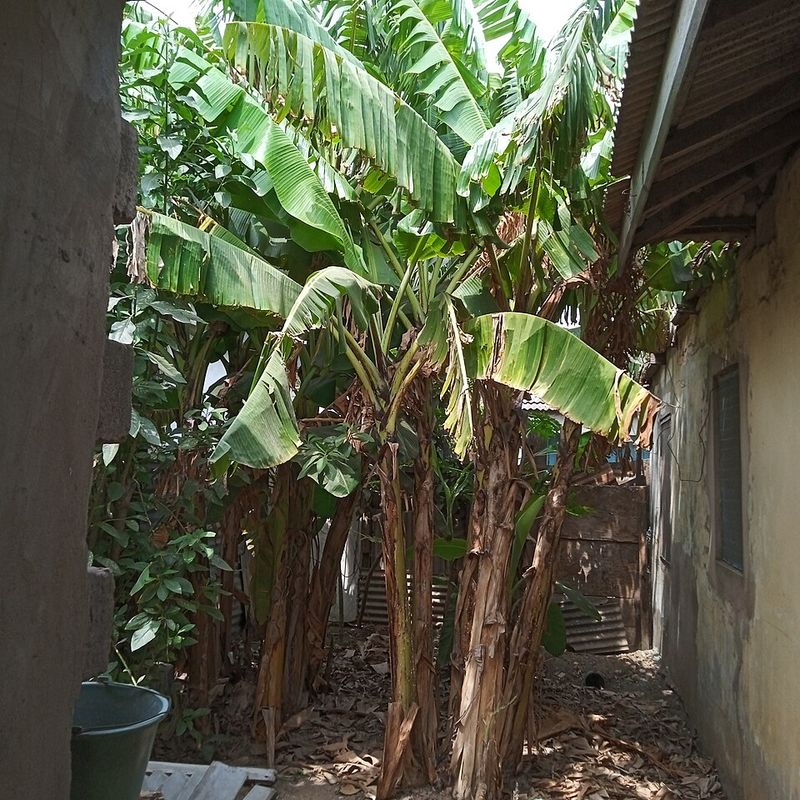
Step outside in a Florida summer and you feel the difference immediately. Hard surfaces hold heat, screened patios trap warmth, and unshaded yards become uncomfortable long before lunch.
A well-placed tree changes that by cooling the air, softening glare, and making your backyard usable for more of the day.
Shade works better than many people expect because it blocks direct sun before it reaches the ground. That means pavers stay cooler, chair cushions do not scorch, and pets can move around without hopping from one hot patch to another.
You also get the benefit of evapotranspiration, which helps lower surrounding temperatures naturally.
For families who actually want to use their yard, that matters. Dinner on the patio becomes realistic, kids stay outside longer, and weekend gardening stops feeling like a race against heat exhaustion.
You are not just planting for looks – you are creating a space that invites you back outside.
In many Florida neighborhoods, this comfort is the main reason gardeners start adding canopy trees. It feels less mechanical than relying on fans and less temporary than a fabric shade sail.
Once the canopy fills in, your yard starts working with the climate instead of against it.
Lower Home Cooling Costs
Electric bills get plenty of attention in Florida, especially when air conditioning runs for months without much of a break. More gardeners are planting trees because shade can reduce how much heat reaches walls, windows, and roofing.
That simple change helps the house stay cooler during the hottest part of the day.
Placement matters more than people realize. Trees on the west and southwest sides can cut intense afternoon sun, while carefully chosen canopy near windows helps limit indoor heat gain without making the yard feel closed in.
Done right, that shading effect supports your air conditioner instead of forcing it to work overtime.
The savings may not appear overnight, since young trees need time to grow, but the long-term payoff is hard to ignore. Lower indoor temperatures can mean shorter cooling cycles, less strain on equipment, and a home that feels more comfortable even before sunset.
That is practical landscaping, not just decorative planting.
I like that this approach keeps giving back year after year. Unlike temporary shade structures, a healthy tree can improve energy performance while adding beauty and value at the same time.
For budget-conscious homeowners, planting now often feels smarter than continuing to pay for every extra degree of heat later.
Better Protection From Harsh Sun
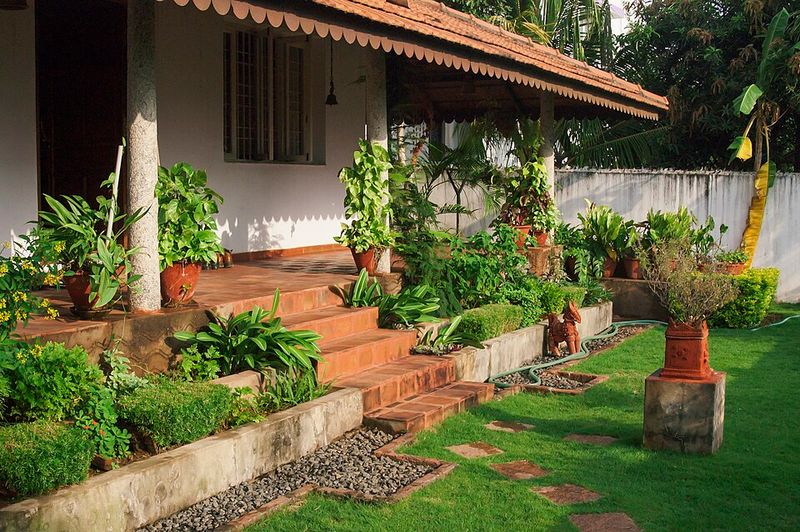
Sunshine is part of Florida living, but constant exposure gets old fast. Strong UV, reflected glare, and relentless brightness can make even a nice backyard feel hostile by midday.
Gardeners are planting more trees because natural shade creates a softer, safer environment without shutting out the light completely.
Dappled cover is especially useful around play areas, seating zones, and outdoor kitchens. It reduces the sting of direct sun on skin, keeps surfaces from becoming painfully hot, and makes it easier to stay outside without feeling drained after twenty minutes.
That matters if you want your yard to be a daily living space, not just something you admire through the window.
There is also a visual comfort that trees provide. Bright sun can bleach out color and create harsh contrast, while filtered light makes plants, furniture, and water features easier on the eyes.
The whole backyard feels calmer, more balanced, and more inviting for reading, relaxing, or hosting friends.
Many Florida gardeners see this as a quality-of-life upgrade rather than a luxury. You still get sunlight, breeze, and open-sky appeal, but with enough protection to actually enjoy them.
A well-grown canopy gives you the kind of shade that feels natural, gentle, and far more pleasant than baking under direct exposure.
A More Storm-Smart Landscape
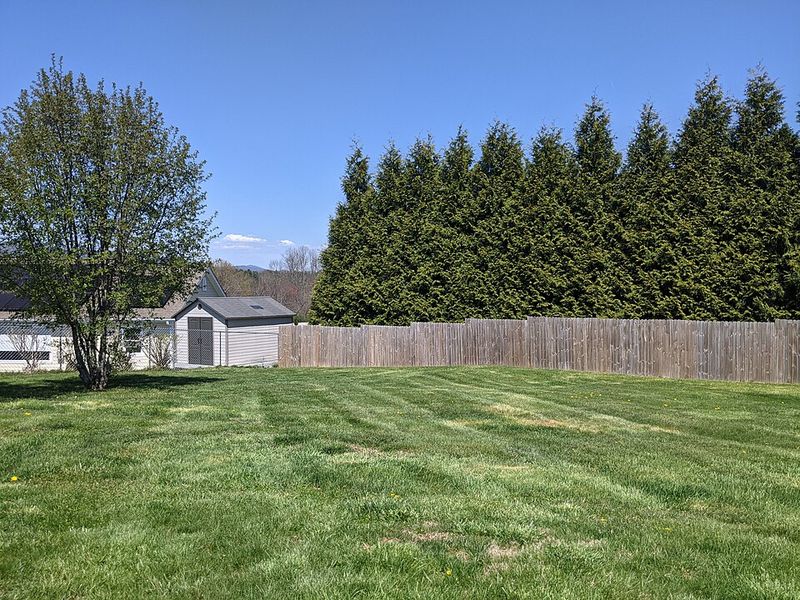
Hurricane season shapes almost every gardening decision in Florida, so tree planting naturally raises questions about safety. The shift toward more backyard trees is not about cramming in anything tall.
It is about choosing wind-tolerant species, planting them properly, and maintaining strong structure from the start.
Gardeners have learned that the right tree can be an asset instead of a hazard. Species with good branch attachment, deeper root systems, and proven storm performance tend to hold up better than brittle, fast-growing options that split under pressure.
Pruning also matters, because a balanced canopy usually handles wind more effectively than neglected, top-heavy growth.
That practical mindset changes the whole conversation. Instead of avoiding trees altogether, many homeowners now focus on smarter selection, more generous spacing, and early training while trees are young.
You get shade benefits without ignoring the reality of summer storms and tropical weather.
There is also something reassuring about investing in resilience rather than reacting in fear. A backyard lined with appropriate native or Florida-friendly trees can look beautiful while still respecting local conditions.
When gardeners plant with wind, water, and mature size in mind, shade becomes part of a thoughtful landscape plan, not an afterthought that creates future problems.
More Birds, Butterflies, and Pollinators
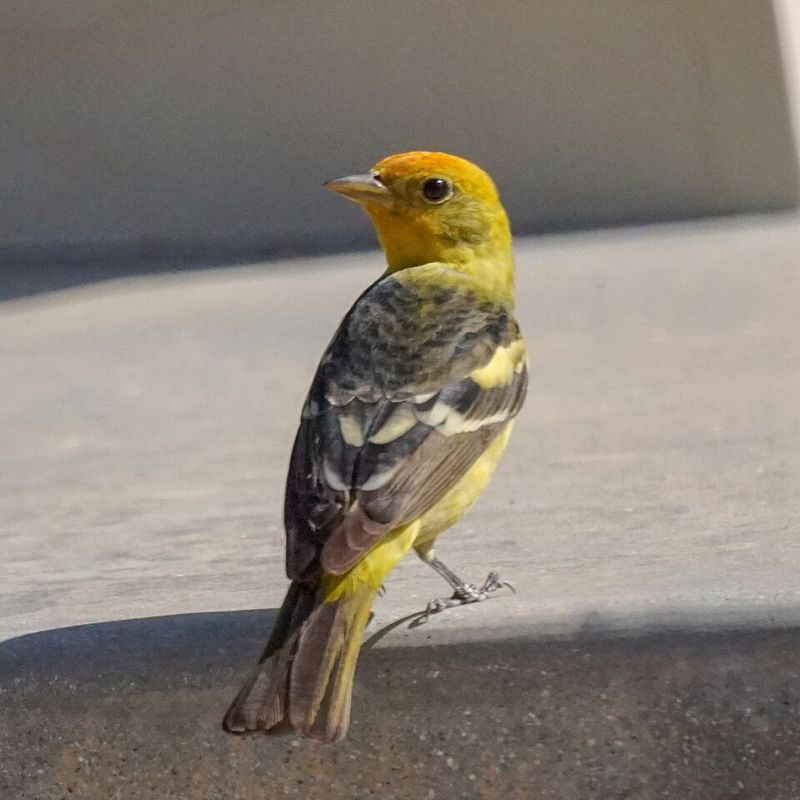
A shady backyard often becomes a livelier backyard. Trees give birds places to perch, nest, and shelter, while flowers, berries, and leaves support pollinators and beneficial insects throughout the year.
That is a big reason many Florida gardeners see shade planting as an ecological choice, not just a comfort upgrade.
Native species are especially valuable because local wildlife already knows how to use them. A live oak, red maple, or gumbo limbo can do far more than cast shadow across the lawn – it can feed caterpillars, support birds, and create a layered habitat that smaller ornamentals cannot match.
Even one well-chosen tree can increase backyard activity noticeably.
If you enjoy watching nature, the payoff feels immediate. You start noticing more movement in the branches, more songs in the morning, and more butterflies drifting through the garden after rain.
The yard becomes less static and more connected to the surrounding environment.
That sense of life is hard to manufacture with hardscape alone. Trees create structure overhead, and that vertical layer makes the whole landscape more functional for wildlife.
For gardeners who want beauty with purpose, planting shade trees is one of the simplest ways to invite more of Florida’s natural character right into the backyard.
Natural Privacy That Feels Softer
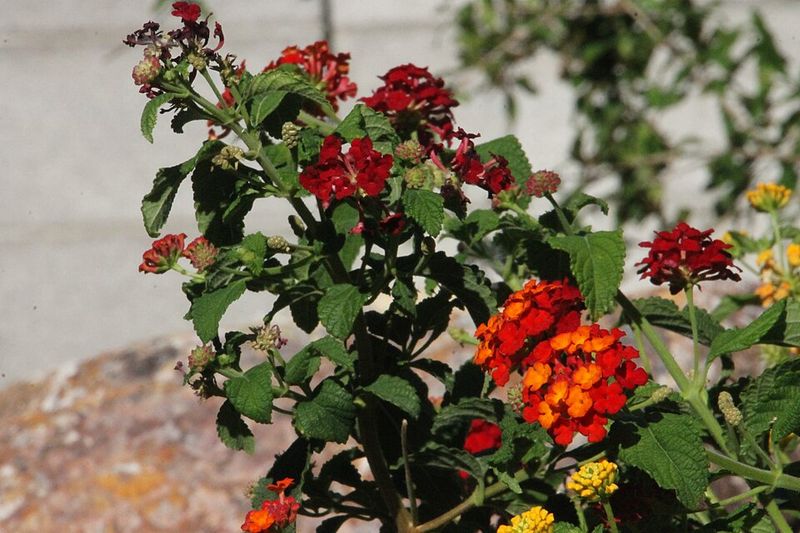
Backyards feel smaller when houses are close together, and many Florida neighborhoods offer little separation beyond a fence line. Trees help solve that problem in a way that feels softer and more attractive than adding taller barriers.
Their canopies break sightlines, filter views, and create a stronger sense of enclosure without making the space feel boxed in.
That privacy works especially well when trees are layered with shrubs or smaller understory plants. Instead of staring straight into a neighbor’s lanai or second-story window, you get movement, leaves, and changing light.
The effect is more relaxed and natural than a solid wall of hedge, especially in yards that still need airflow.
You can also shape the amount of screening you want. A broad canopy near a seating area creates overhead shelter, while staggered planting around the perimeter gives privacy where it matters most.
This makes outdoor dining, reading, or even quick morning coffee feel more comfortable and less exposed.
Many gardeners choose trees because they improve how a yard feels emotionally, not just visually. A little separation from nearby homes can make the backyard seem quieter, more personal, and easier to enjoy.
In busy subdivisions, that gentle buffer often becomes one of the most appreciated benefits of natural shade.
Higher Curb Appeal and Property Value
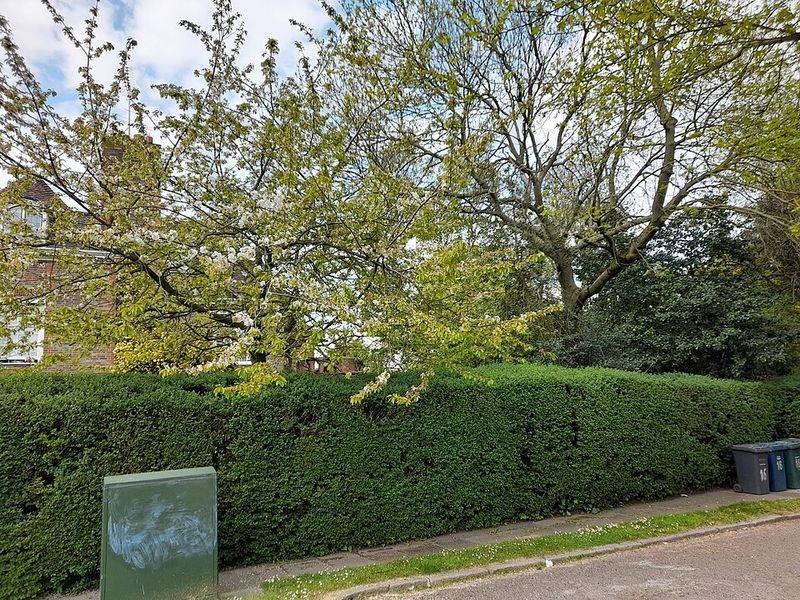
Good trees make a property look established, cared for, and more inviting from the street and from the backyard. In Florida, that visual maturity stands out because newer landscapes can feel sparse and overly exposed.
Gardeners know that adding canopy helps a home look more finished while also improving how it functions.
Buyers notice shade for practical reasons too. A cooler patio, a more comfortable yard, and less direct sun on the house all suggest lower maintenance stress and better livability.
Even before anyone discusses species names or irrigation, the presence of healthy trees signals thoughtful planning.
There is also a scale issue that trees solve beautifully. They connect the house to the land, soften rooflines, and make large walls or fences feel less dominant.
That balance can make a modest home look more charming and a larger home feel more grounded within its lot.
No single plant guarantees a resale premium, but mature trees consistently contribute to perceived value. People respond to comfort, beauty, and a sense of permanence, and trees deliver all three.
For homeowners investing in their outdoor space, that combination is part of the appeal – you get everyday enjoyment now and a stronger overall impression later.
Better Drainage and Soil Protection
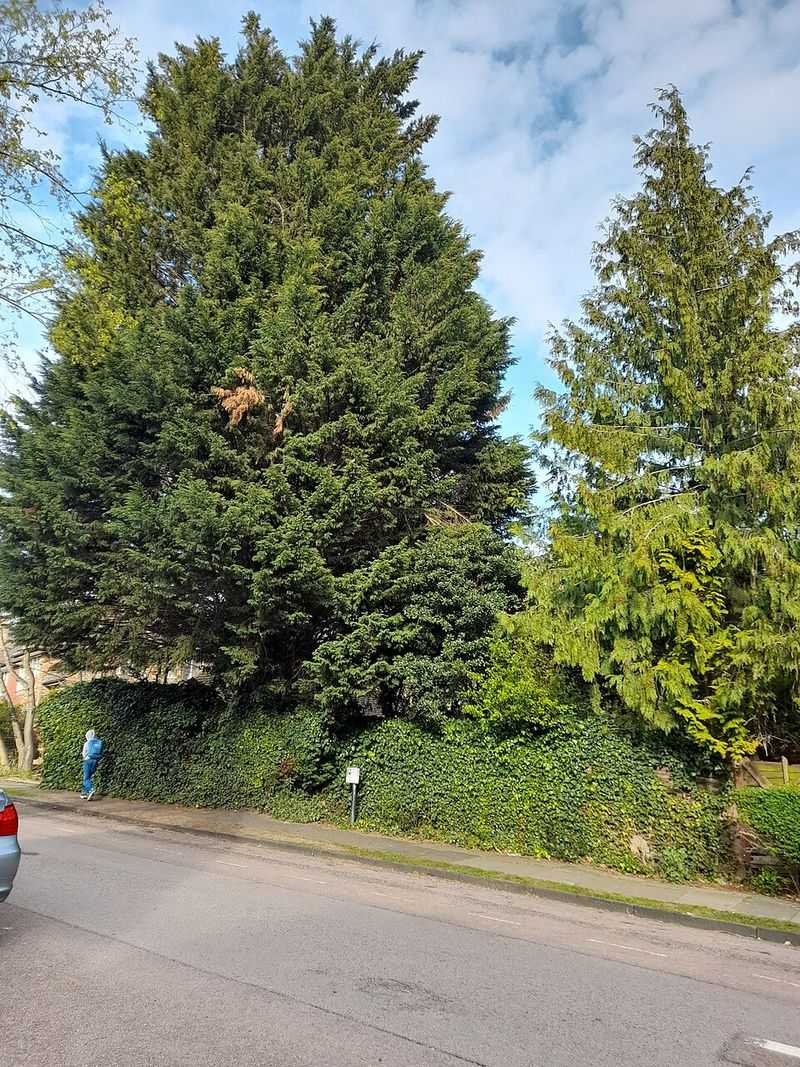
Florida gardeners deal with two extremes that often show up in the same month – pounding rain and drying heat. Trees help moderate both by intercepting rainfall, slowing runoff, and improving soil structure over time.
Their roots create channels that help water move into the ground instead of racing across compacted surfaces.
That matters in backyards where puddling, erosion, or washed-out mulch are common problems. A tree canopy softens the impact of heavy rain, while fallen leaves and root activity gradually build healthier soil below.
The result is ground that holds moisture more evenly and supports surrounding plants better.
Mulched root zones also play a role. They reduce evaporation, protect soil from baking in direct sun, and keep turf from competing too aggressively with young trees.
If you have ever watched rainwater rush off a bare, hot yard, you can appreciate how valuable that slower, steadier absorption becomes.
Gardeners are increasingly drawn to trees because they solve several site issues at once. Shade is the visible benefit, but improved soil performance often becomes the hidden win that changes the whole landscape.
Healthier ground means healthier planting beds, less stress after storms, and a backyard that behaves more predictably through Florida’s swings in weather.
A Friendlier Microclimate for Plants
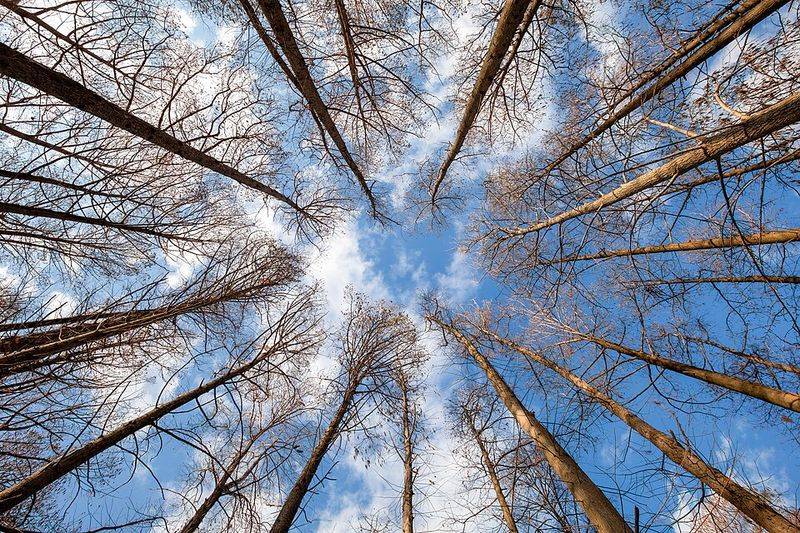
Not every plant wants to bake in all-day Florida sun. Once trees begin casting shade, the backyard opens up to a wider range of understory plants that would struggle in exposed conditions.
Gardeners can grow ferns, caladiums, gingers, bromeliads, and other shade-tolerant favorites with much better success.
The cooling effect is only part of the story. Filtered light reduces leaf scorch, slows moisture loss, and creates gentler conditions for tender foliage.
That means less constant watering, fewer fried edges, and a garden that looks better through the hardest part of summer.
This microclimate also gives you more design flexibility. Instead of relying only on sun-loving shrubs and turf, you can build layered planting with texture, color, and seasonal interest beneath the canopy.
The yard starts feeling more dimensional because there is something happening overhead, at eye level, and near the ground.
Many Florida gardeners plant trees for their own comfort first, then discover the planting opportunities that follow. One shaded corner can become a favorite bed for tropical foliage or a quiet retreat with pots and a bench.
If your garden feels limited by heat and glare, trees often create the conditions that make creative planting possible.
Healthier Time Outside
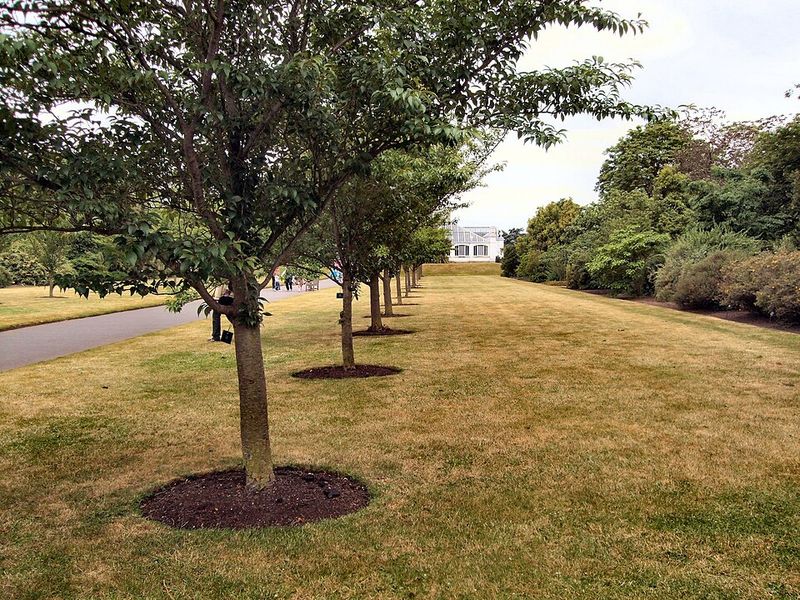
People use their yards more when those yards stop feeling punishing. That sounds obvious, but it explains a lot about why shade trees are becoming such a priority in Florida gardens.
A cooler backyard encourages walking, watering, stretching, chatting, and lingering outside instead of rushing back into air conditioning.
Daily habits tend to improve when the environment supports them. You are more likely to drink coffee on the patio, pull a few weeds after work, or let kids play longer when the sun is filtered and the ground is not radiating heat.
Even small routines feel easier when comfort is built into the landscape.
There is a mental benefit too. Trees create movement, birdsong, and softer light, which can make a backyard feel restorative rather than overstimulating.
Sitting under a canopy for fifteen minutes often feels more calming than sitting beside a blank fence under direct glare.
That is why many gardeners talk about shade in terms of lifestyle, not just horticulture. They want a yard that supports real life in a hot climate, from weekend meals to quiet evenings after work.
Planting trees becomes a long-term investment in outdoor time, and that can be just as valuable as any visual improvement.
Less Reliance on Temporary Shade Fixes
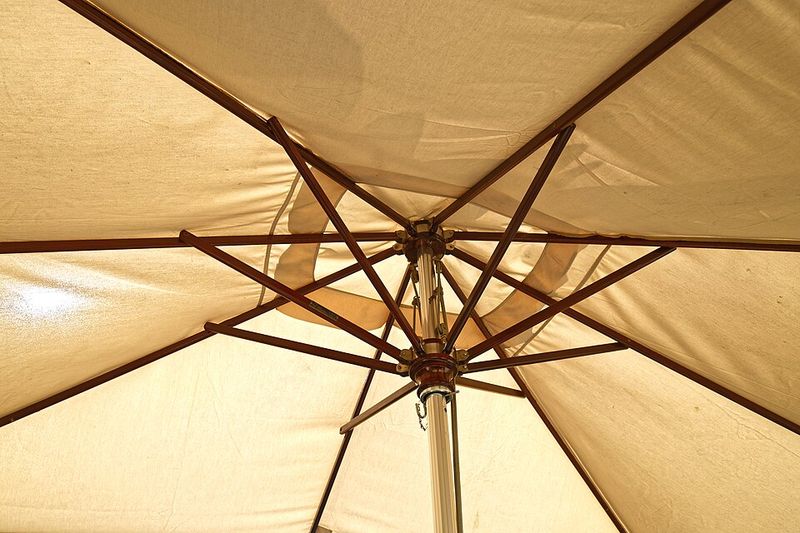
Umbrellas, pergolas, and shade sails all have their place, but many Florida homeowners are discovering their limits. Fabric fades, hardware loosens, and coverage often falls short once the sun shifts across the yard.
Trees offer a more integrated solution that grows with the landscape instead of feeling added on.
Natural shade moves differently across a space, and that can be an advantage. Rather than covering one small table or a narrow strip of patio, a canopy cools larger areas and improves the surrounding air at the same time.
You get comfort that feels broader and less engineered.
There is also an aesthetic benefit that is hard to ignore. A mature tree can make a backyard look settled and intentional, while temporary structures sometimes read as stopgap measures.
If you want beauty and function together, planting a tree often feels like the cleaner long-term choice.
That does not mean every built shade feature should disappear. In many yards, the best setup combines a patio cover with strategically planted trees for layered protection.
Still, gardeners are planting more trees because they want a living solution – one that cools, shelters, and improves the property while reducing dependence on replacements and seasonal fixes.