
Why Pennsylvania Homeowners Are Creating More Backyard Wildlife Corners
Follow us on Google
Across Pennsylvania, more homeowners are setting aside small backyard spaces for birds, pollinators, frogs, and beneficial insects. It is not just about making a yard look charming – it is a practical response to changing weather, shrinking habitat, and a growing desire to feel more connected at home.
A simple wildlife corner can lower maintenance, support local species, and turn an ordinary view out the window into something surprisingly alive. Once you notice how much activity a few native plants and a shallow water source can attract, it is easy to see why this trend keeps growing.
Native Plants Make Success Easier
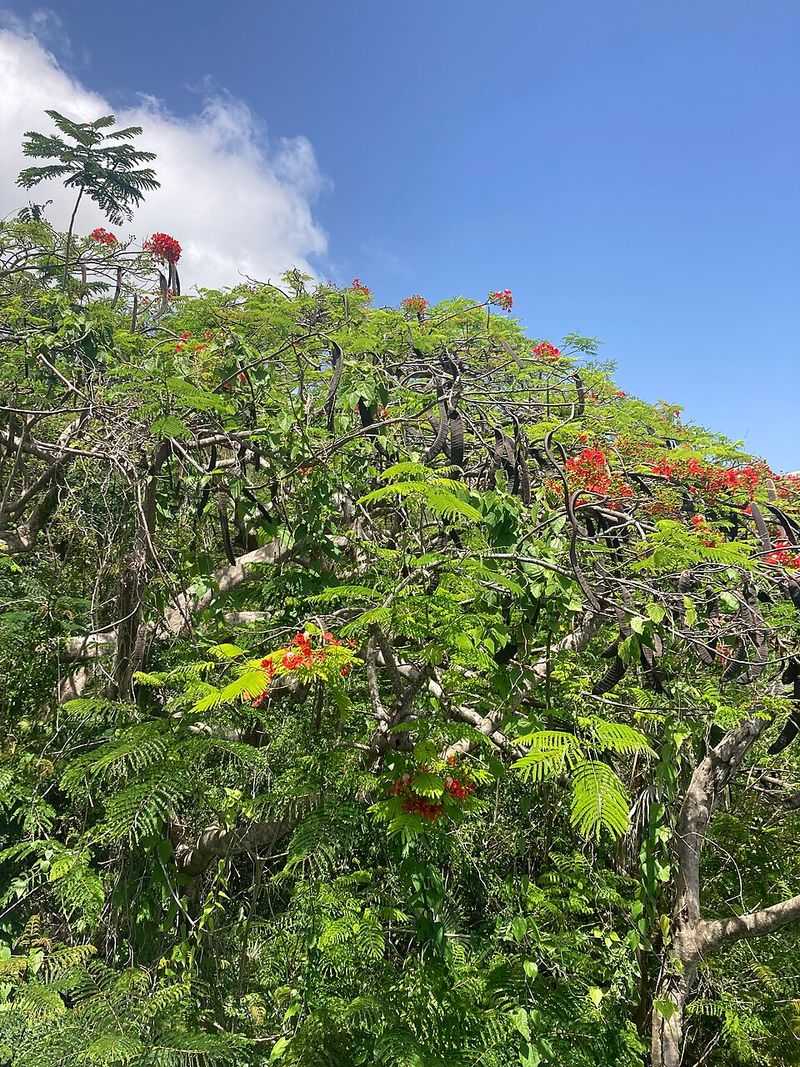
Plenty of Pennsylvania homeowners are learning that wildlife corners work best when the planting list matches the region. Native flowers, grasses, and shrubs already know how to handle local soils, seasonal swings, and the mix of rain, humidity, and cold that defines much of the state.
That means you spend less time babying plants and more time noticing goldfinches, swallowtails, and native bees showing up on their own.
A small patch of milkweed, asters, bee balm, and little bluestem can do more than a row of thirsty ornamentals. You get nectar across multiple seasons, seed heads for birds, and shelter for insects that quietly support the whole backyard.
If your property sits near woods, fields, or a stream corridor, native choices also help connect your yard to the wider habitat around it.
Many people start because they want a prettier corner, then realize the practical payoff is even better. Fewer replacements, less fertilizer, and less watering add up fast during a Pennsylvania summer.
When a garden begins to feel self-sustaining, it becomes easier to keep expanding that wildlife-friendly approach into other parts of the yard.
Homeowners Want Lower Maintenance Landscapes
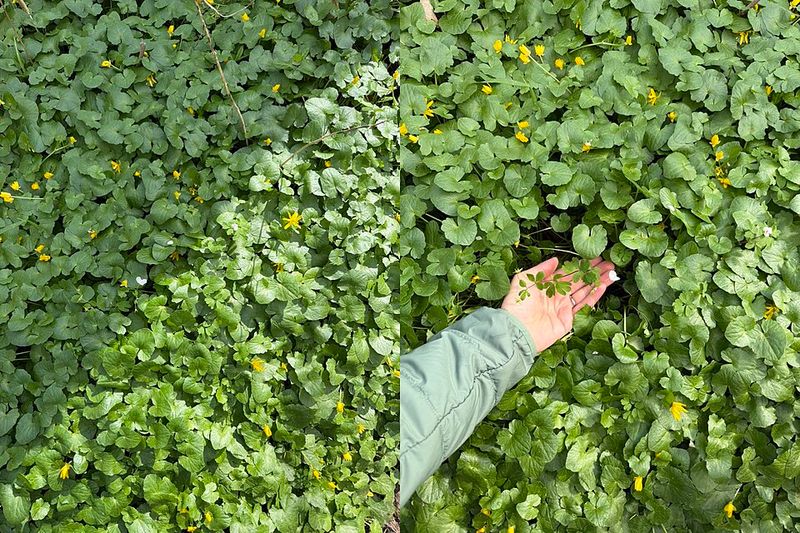
Traditional lawns ask for constant attention, and many homeowners are simply tired of the routine. Mowing, edging, fertilizing, reseeding, and watering can eat up weekends, especially during wet springs and hot summer stretches in Pennsylvania.
A wildlife corner offers a smarter trade, because a planted area with layered native species often needs less work once it gets established.
Instead of fighting to keep every square foot tidy and uniform, you let one section of the yard function more naturally. Leaves can stay longer, stems can stand through winter, and mulch can suppress weeds without endless trimming.
That shift saves labor while also creating cover for birds, overwintering insects, and small creatures that usually find no shelter in a conventional lawn.
There is also a financial side that people notice quickly. Lower water use, fewer chemical inputs, and fewer replacement plants can make the change feel practical, not just idealistic.
When one easygoing corner starts looking active and attractive with less effort, it often changes how you think about the rest of the landscape and what your yard really needs.
Pollinator Decline Feels Personal
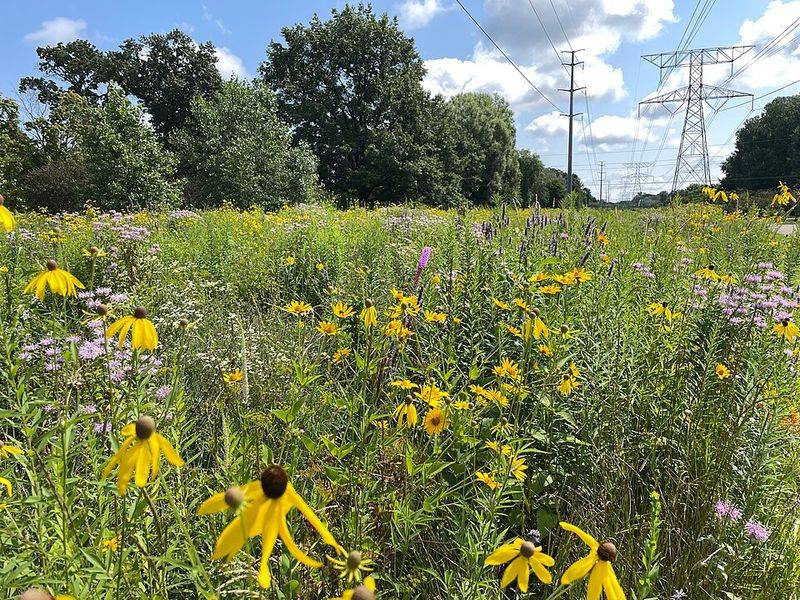
News about pollinator decline can feel abstract until your own garden gets quieter. Many Pennsylvania homeowners remember seeing more butterflies, more bumblebees, and more summer motion around flowers when they were younger.
Creating a wildlife corner is one way to respond locally, with a space that offers nectar, pollen, host plants, and safe shelter right outside the back door.
That personal connection matters because pollinators are easy to observe and easy to support with thoughtful choices. A few clumps of milkweed for monarch caterpillars, spring bloomers for emerging bees, and fall asters for late-season feeding create a useful timeline instead of a single decorative moment.
Even a modest bed can become a reliable stopover when nearby habitat has been lost to paving, development, or overly tidy landscaping.
People also like seeing direct results. You plant with a purpose, and within a season you may spot more bees working flowers or more butterflies passing through on warm days.
That immediate feedback makes the effort feel meaningful, and it turns conservation from something distant and institutional into something visible, manageable, and rewarding at home.
Kids Notice Wildlife Fast
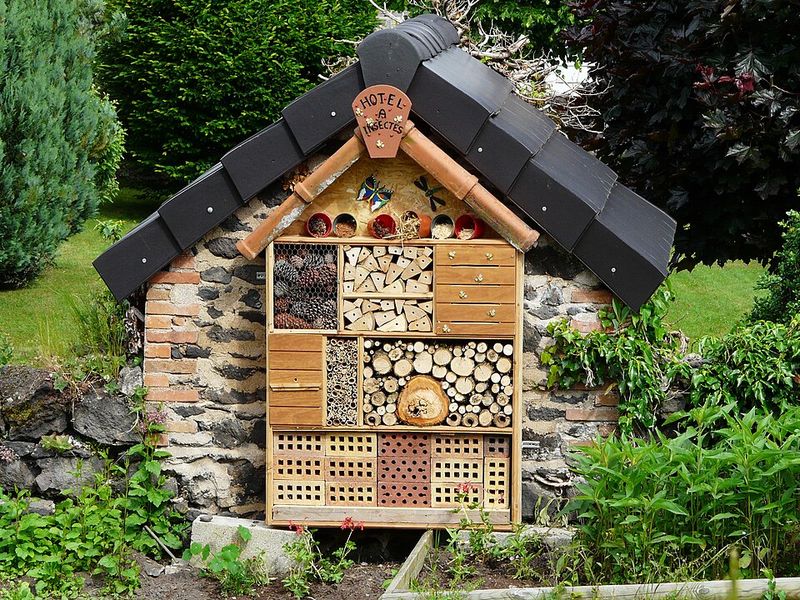
Children tend to notice backyard wildlife before adults do, and that changes how families use outdoor space. A sparrow bathing in a shallow dish, a toad tucked under leaves, or caterpillars chewing a host plant can hold attention far longer than an empty lawn.
For many Pennsylvania households, that curiosity becomes the reason a wildlife corner grows from a small experiment into a permanent feature.
The setup does not need to be elaborate to keep kids engaged. Flat stones, a brush pile, seed heads left standing, and flowers with frequent insect traffic create a backyard spot that feels active almost every day.
Parents also appreciate that the space encourages observation rather than constant entertainment, which is a welcome shift when screens usually compete for every spare minute.
There is a quiet educational benefit too. Seasonal change becomes easier to understand when you can see birds nesting in spring, bees working summer blooms, and migrating visitors stopping by in fall.
That kind of repeated, close-up experience helps children connect cause and effect, and it gives families a simple routine of checking what showed up today and why.
Stormwater Concerns Are Growing
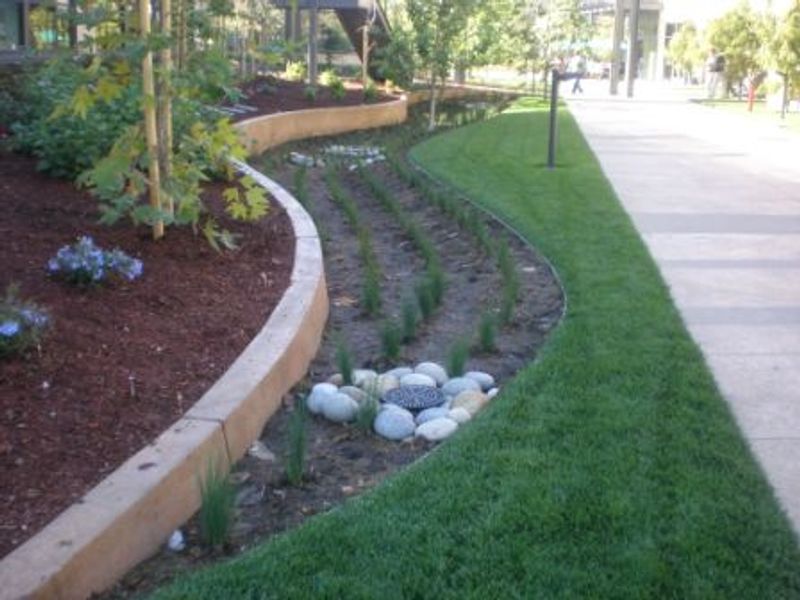
Heavy rain is becoming a bigger concern in many Pennsylvania neighborhoods, and homeowners are paying attention to where water goes. Bare lawn and compacted soil often shed runoff quickly, sending water toward foundations, sidewalks, and storm drains instead of letting it soak in.
A wildlife corner planted with deep-rooted natives can help slow that movement while adding habitat at the same time.
Rain garden style planting works especially well in spots that stay damp after storms. Species like blue flag iris, joe-pye weed, and switchgrass handle periodic wet feet while supporting insects and birds through the growing season.
Instead of seeing that soggy patch as a problem to fight, more people are treating it as the ideal place for a functional habitat zone.
The appeal is practical because the benefits are visible after the next downpour. Water lingers less on the lawn, soil structure improves over time, and the yard starts handling weather with less drama.
When one corner helps manage runoff and looks alive with pollinators, it becomes easier to understand why habitat gardening feels like common sense rather than a niche hobby.
Bird Watching Starts at Home
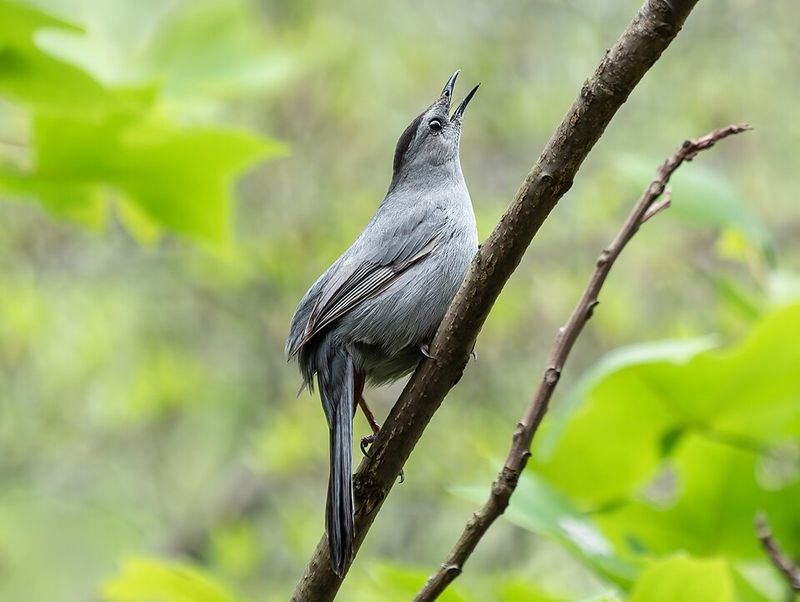
Bird watching no longer requires a special trip when the yard itself offers food, cover, and water. Many Pennsylvania homeowners are discovering that a thoughtfully planted corner can attract chickadees, wrens, cardinals, goldfinches, and seasonal migrants with surprising consistency.
That daily contact makes the backyard feel less like a backdrop and more like a place with its own rhythm.
Shrubs for berries, seed-bearing perennials, and a shallow water source do much of the work. Dense layers matter because birds need quick shelter as much as they need food, especially in suburban neighborhoods where open lawns leave them exposed.
If you have ever watched birds hesitate at a feeder with nowhere safe to land nearby, the value of a protected corner becomes obvious fast.
There is also something calming about casual birding from a kitchen window or patio chair. You do not need expert knowledge to appreciate the variety, and interest tends to build naturally once repeat visitors appear.
A wildlife corner turns ordinary moments, like morning coffee or washing dishes, into chances to notice migration, nesting, and seasonal shifts without leaving home.
Small Yards Can Still Help
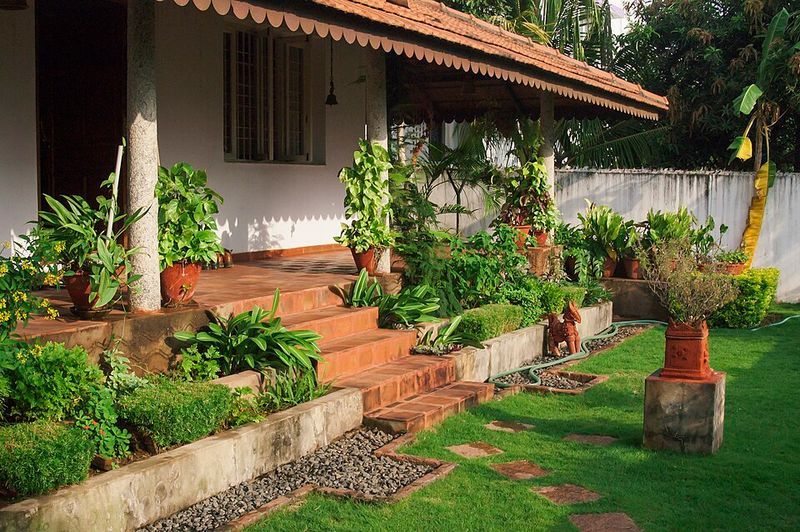
One reason this trend is spreading is that it does not require a huge property. In Pennsylvania towns, suburbs, and older neighborhoods, plenty of homeowners have compact yards, side strips, or awkward corners that are too small for grand landscaping plans.
Those spaces can still support wildlife when planted intentionally and managed with habitat in mind.
A narrow bed along a fence can hold spring flowers, summer nectar plants, and winter seed heads in a footprint far smaller than most people expect. Add a shallow water dish, a small shrub, and a few leaves left in place, and suddenly the area starts functioning like a miniature refuge.
Pollinators, songbirds, and beneficial insects do not need perfection, but they do need consistent resources close together.
That is encouraging because it makes participation feel realistic. You do not need acreage, a meadow, or a complete landscape overhaul to contribute something useful.
Once homeowners see activity in a small corner, they often realize that scale was never the real obstacle, and that even a modest yard can become part of a larger patchwork of habitat across a neighborhood.
Chemical Use Is Under More Scrutiny
More homeowners are questioning routine pesticide and herbicide use, especially when they want a yard that supports life rather than excludes it. A wildlife corner makes that question hard to ignore, because the same chemicals used to keep landscapes looking uniform can also reduce the insects and plants that birds and pollinators depend on.
In Pennsylvania neighborhoods where people are already gardening more consciously, that link feels increasingly important.
Choosing a habitat zone often leads to a broader shift in thinking. Instead of reacting to every chewed leaf or volunteer plant, you start asking what role it plays and who might be using it.
That does not mean accepting chaos, but it does mean tolerating a little imperfection in exchange for a healthier and more active backyard ecosystem.
Natural balance tends to become more visible over time. Lady beetles, lacewings, spiders, and birds all help keep many pest populations in check when the space supports them.
Once homeowners see that a corner can stay attractive without constant chemical intervention, they gain confidence to reduce inputs elsewhere too, which benefits pets, children, soil life, and nearby waterways.
Seasonal Beauty Matters More Now
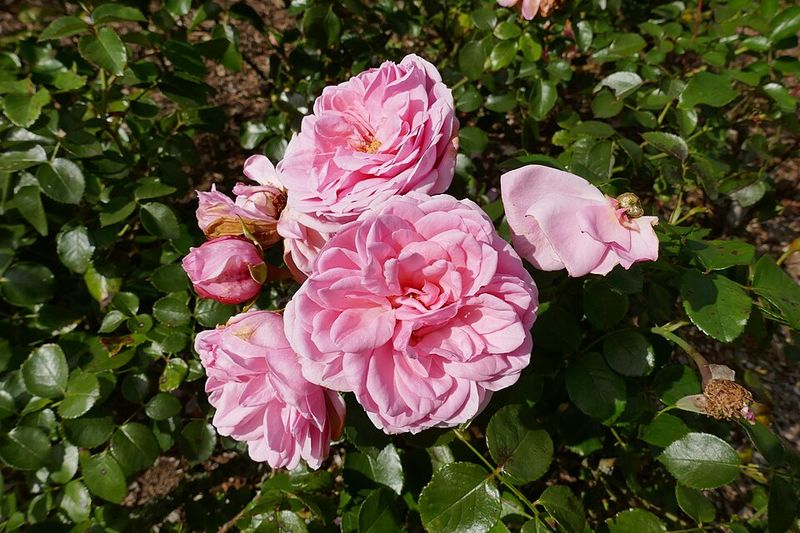
Backyard wildlife corners are not only about ecology – they also offer a richer kind of beauty across the year. Pennsylvania homeowners are increasingly drawn to landscapes that change with the seasons instead of peaking for a few weeks and fading into visual emptiness.
Buds, blooms, seed heads, berries, bark, and dried grasses give a habitat corner texture and movement long after a standard flower bed slows down.
That seasonal variety feels especially rewarding from late fall through winter, when many yards look stripped and flat. Standing stems catch frost, birds work seed heads, and shrubs hold shape against snow in a way that still feels intentional.
If you have ever looked outside in January and appreciated a cardinal perched in native grasses, you already understand the appeal.
The design side matters because people want habitat spaces that look cared for, not abandoned. Clean edges, defined paths, and repeated plant groupings help a wildlife corner read as purposeful while still supporting messy ecological processes.
That balance between visual order and natural function is a big reason more homeowners feel comfortable making room for wildlife in a visible part of the yard.
Neighborhood Culture Is Shifting
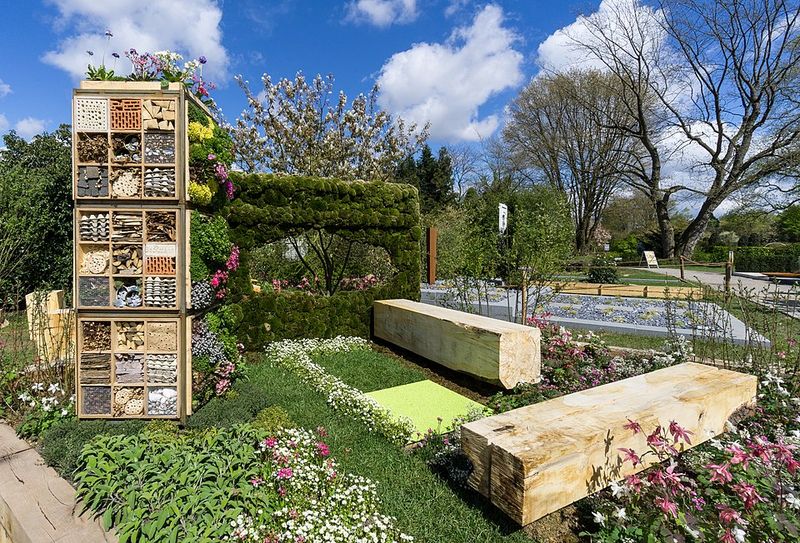
Part of the momentum comes from seeing other people do it successfully. Across Pennsylvania, neighbors are swapping plant divisions, sharing bird sightings, comparing pollinator activity, and posting small backyard projects online that feel achievable rather than intimidating.
Once one yard shows that a wildlife corner can look attractive and manageable, nearby homeowners often start imagining where one could fit on their own property.
Local nurseries, township workshops, garden clubs, and conservation groups are reinforcing that interest with practical guidance. Native plant sales and pollinator certifications give people a clear entry point, while simple yard signs can signal that a less manicured patch is intentional.
That social proof matters in places where homeowners may worry a habitat corner will look out of step with neighborhood expectations.
As more people participate, the idea stops feeling unusual and starts feeling current. A wildlife corner becomes part of a broader shift toward yards that do more than stay neat.
When communities begin to value birds, pollinators, stormwater benefits, and seasonal interest alongside appearance, homeowners gain permission to create spaces that support local nature and still feel fully at home.