
The Easy Shade Solutions North Carolina Gardeners Use Around Patios
Follow us on Google
North Carolina patios can feel perfect at breakfast and punishing by midafternoon, especially once summer humidity settles in. The gardeners who enjoy theirs longest usually rely on simple shade ideas that work with the climate instead of fighting it.
A few smart additions can cool the seating area, protect containers, and make the whole yard feel more usable. Here are the easy solutions locals keep coming back to when they want comfort without a major rebuild.
Shade Sails for Quick Coverage
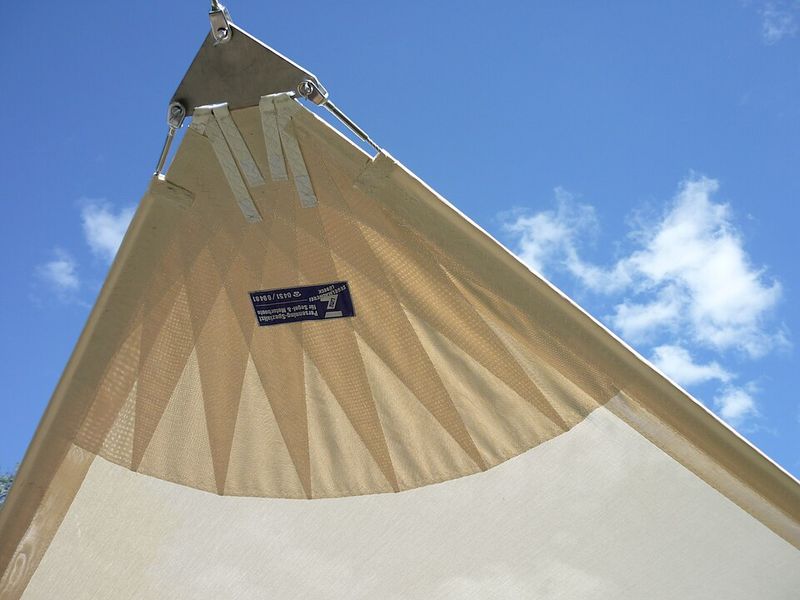
By late June, direct sun can turn a patio into the spot everyone avoids, so many North Carolina gardeners start with a shade sail. It is fast to install, usually costs less than a permanent roof, and works especially well over dining sets or conversation areas.
You can angle one to block the harsh western sun while still letting morning light reach nearby herbs and flowering pots.
Good fabric matters more than people expect. Look for UV resistant, breathable material that allows heat to escape, because solid waterproof panels can trap warmth underneath on humid afternoons.
Secure mounting points also matter in storm season, so attaching hardware to strong posts or structural framing is smarter than trusting lightweight fascia boards.
Color choice can help the patio feel cooler too. Sand, light gray, and soft taupe often look cleaner in bright Carolina light and blend nicely with brick homes, pavers, and pine straw beds.
If your space gets windy, a smaller pair of sails frequently performs better than one oversized sheet, and it gives you more flexibility as the sun shifts across the day.
Large Tilting Patio Umbrellas
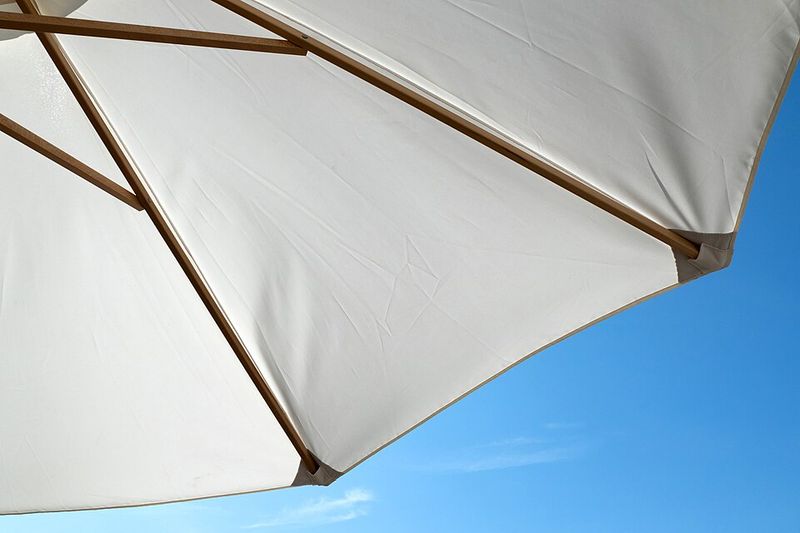
Sometimes the easiest fix is the one you can move in seconds, which is why a large patio umbrella stays popular across North Carolina gardens. A tilting model helps block low afternoon sun that slips under rooflines and cooks one side of the seating area.
That flexibility is useful when your patio faces west and the heat sticks around long after lunch.
Gardeners here often prefer cantilever styles because the pole sits off to the side instead of crowding the center of a table. It gives you cleaner traffic flow around chairs, and it is easier to position over lounge furniture, container groupings, or a kid friendly snack table.
Heavy bases are nonnegotiable, especially in places that catch sudden summer gusts before a thunderstorm rolls through.
Fabric should be fade resistant and mildew resistant, since humidity can shorten the life of cheaper materials. I also like vented canopies because they release trapped air and feel steadier on breezy days.
If your patio gets intense sun, choose a model at least two feet wider than the area you want shaded, so the coverage still works once the sun starts moving.
Pergolas with Climbing Vines

For gardeners who want shade that feels built into the landscape, a pergola paired with climbing plants is a favorite local solution. The structure softens hard patio edges, creates partial relief from overhead sun, and gives the eye something beautiful to land on beyond furniture.
It also lets you add shade gradually, which is helpful if you do not want the space to feel too dark in spring or winter.
In North Carolina, heat tolerant vines such as Carolina jessamine, crossvine, and some clematis varieties can perform better than fussier choices. They add filtered cover instead of a heavy ceiling, so air keeps moving during sticky weather.
That airflow matters more than people realize, because a shady patio that traps humidity can still feel uncomfortable by evening.
The best results usually come from treating the pergola like part of the garden plan instead of a stand alone feature. Add drip irrigation for containers at the posts, give vines sturdy training wires, and leave enough clearance for chairs and grill smoke.
If the patio is small, even a narrow pergola strip along the hottest edge can cast useful afternoon shade without taking over the whole backyard.
Retractable Awnings Over Seating Areas
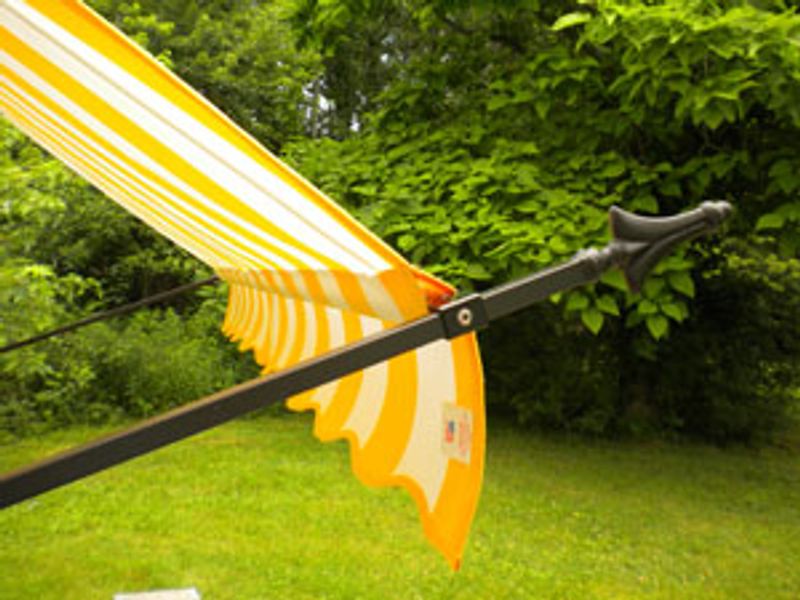
When the goal is dependable shade without committing to a fully covered porch, retractable awnings make a lot of sense. They attach to the house, open when the patio is too hot, and tuck away when you want more light on cooler days.
That control is especially useful in North Carolina, where spring mornings can feel mild but summer afternoons quickly become intense.
Motorized versions are convenient, yet even a manual awning can feel like a major upgrade if your seating area sits against a sun soaked wall. By shading the patio surface and nearby doors, it can also reduce glare and help interior rooms feel a bit cooler.
Many gardeners like that an awning protects cushions, rugs, and container plants from the hardest overhead sun without changing the whole look of the yard.
Wind sensors are worth considering because sudden storms can arrive fast here. A high quality frame, mildew resistant fabric, and professional installation usually pay off better than buying the cheapest option and replacing it after two seasons.
If you entertain often, choose a projection deep enough to cover not just the table, but the path around it, so guests are not stepping from comfort straight into blazing sun.
Pop-Up Gazebos and Seasonal Canopies
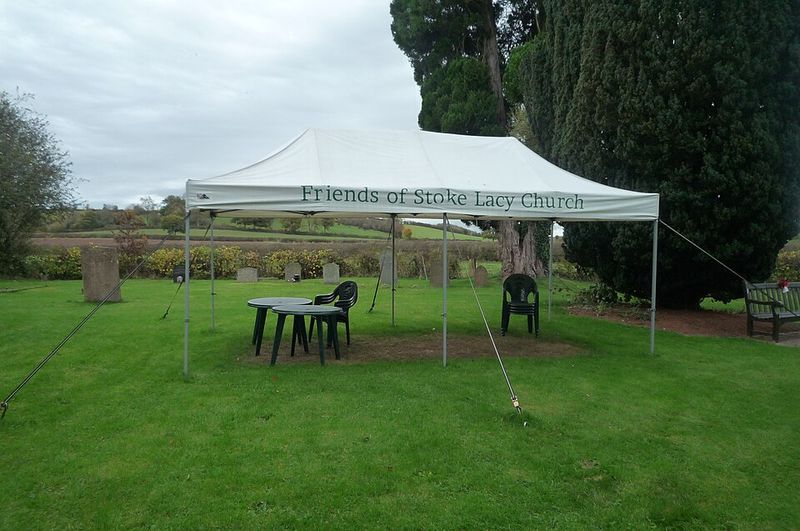
Not every patio needs a permanent structure, especially if you mostly want relief during the hottest stretch of the year. Pop up gazebos and seasonal canopies are popular with North Carolina gardeners who host cookouts, need temporary cover for family gatherings, or want to test a layout before investing in something built in.
They provide a fast answer when the patio works beautifully in spring but becomes brutal in midsummer.
The key is buying better than the bargain bin version. A sturdy frame, vented top, and secure anchoring make a huge difference when afternoon storms roll through with little warning.
Models with mosquito netting are also useful here, because shade is nice, but a shaded patio full of biting insects still sends everyone back inside before dessert.
These canopies work best when you treat them as seasonal tools instead of permanent architecture. Set one over dining furniture during entertaining months, then take it down before winter weather or tropical storm season stresses the frame.
If you like the function but not the temporary look, use the season to notice where shade matters most, then plan a more polished long term solution based on how your family actually uses the patio.
Bamboo Roll-Up Shades on Porch Edges
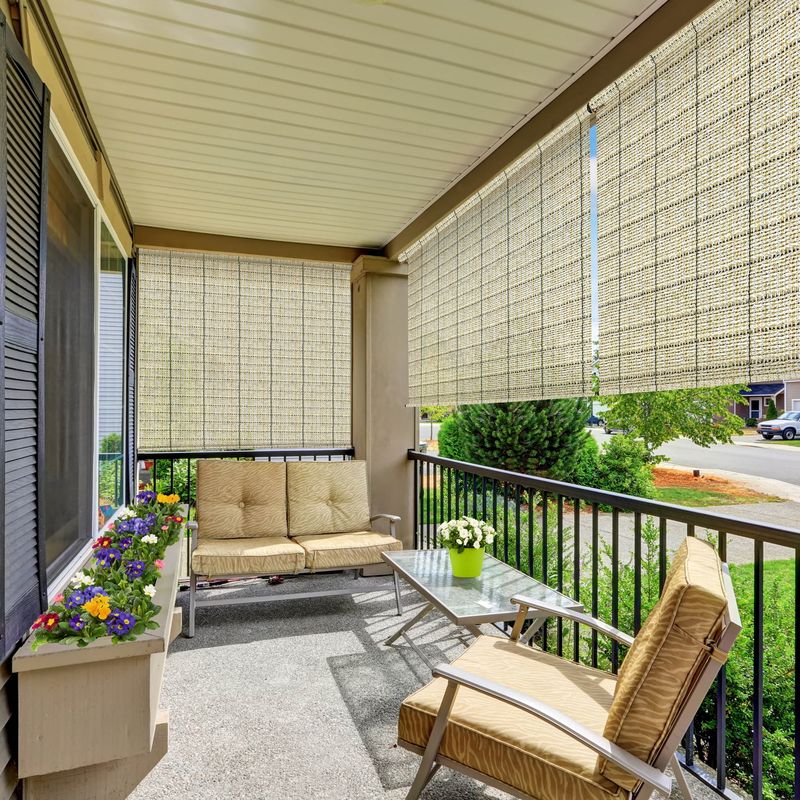
When the sun drops low from the side, overhead shade is not always enough, so roll-up shades earn their place around patios. Many North Carolina gardeners hang bamboo or outdoor woven shades along porch edges or simple frames.
You can lower them for harsh afternoon glare, then raise them for breeze.
They soften light, help protect cushions, and bring a relaxed look that suits many backyard spaces here. I like that they are affordable, easy to swap out, and simple to install without turning the patio into a big project.
For west-facing seating, they are a practical fix.
Lattice Roof Panels Under Open Frames
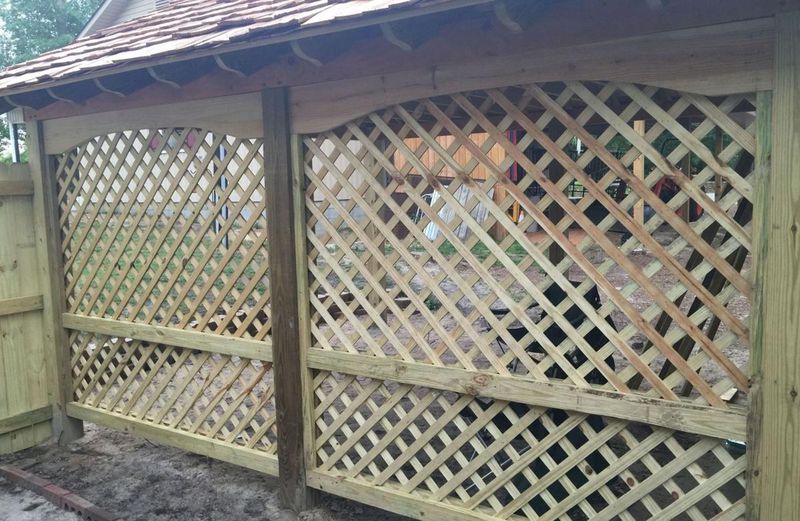
If you already have a basic pergola or patio frame, adding lattice panels overhead can change the feel without a full rebuild. This kind of cover filters sunlight instead of blocking it completely, which many gardeners prefer for dining or morning coffee.
In North Carolina heat, that softer shade often makes pavers more comfortable.
You can paint the panels to match trim, let a few vines wander across, or keep them clean for a crisp look. I like this option because it feels lasting, yet stays simple and budget friendly.
It also leaves enough light for containers near the seating area.
Tall Privacy Screens for West Sun
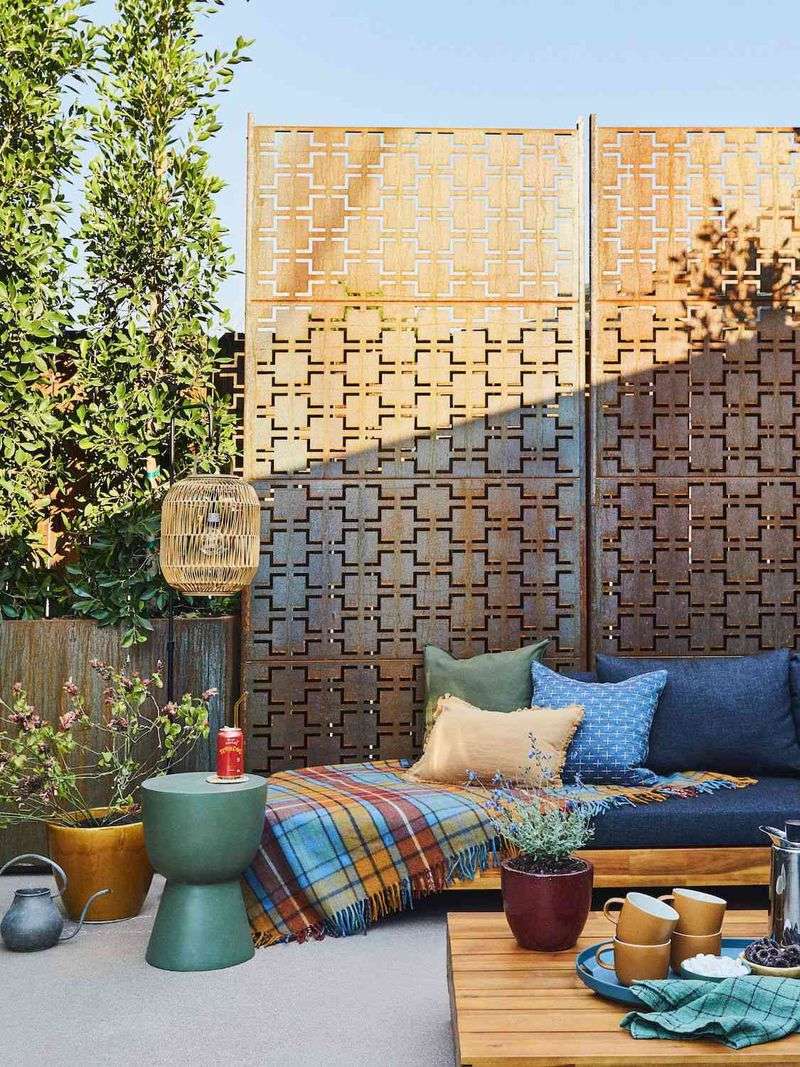
Late day sun is often the hardest to handle on a patio, especially when it comes from the west at eye level. That is why tall privacy screens can do double duty, giving you shade and a little shelter from nearby views.
Many North Carolina gardeners use slatted wood or composite panels to cut glare.
Placed beside seating, they create a cooler pocket that feels more inviting by dinner time. I like them for smaller yards, because they solve sun exposure and privacy in one step.
Add planters at the base, and the screen starts to look like part of the garden.
Outdoor Curtains on Covered Patios
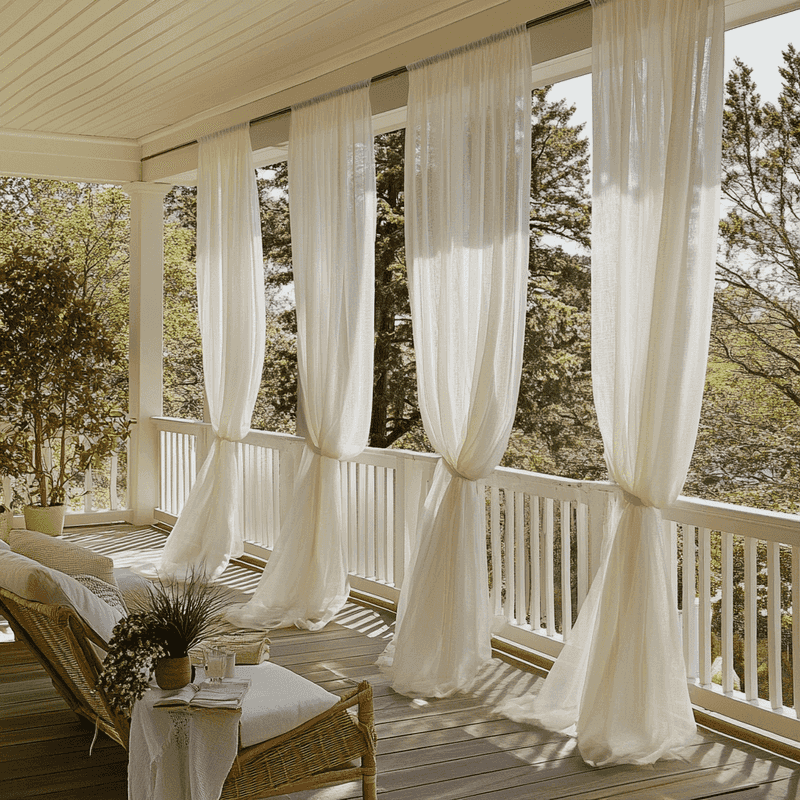
For patios that already have a roofline or simple posts, outdoor curtains are one of the easiest upgrades to add. They soften the space, filter the late afternoon glare, and give you flexibility when the weather shifts.
In many North Carolina gardens, that extra bit of fabric shade makes a seating area feel cooler almost immediately.
I like them most on porch-style patios where sun comes in from the side instead of overhead. Choose fade-resistant panels that can handle humidity, summer storms, and plenty of pollen.
Tie them back in the morning, then close them partway when the heat settles in.
Potted Small Trees for Flexible Shade

When a patio needs shade but you do not want to build anything, large containers with small trees can solve the problem beautifully. Crepe myrtle, dwarf magnolia, and upright Japanese maple all bring height without taking over the yard.
I have seen gardeners use them to soften hard corners, cool brick surfaces, and create a transition between patio and lawn.
The trick is using pots big enough to hold moisture through summer heat. Set them where the hottest sun hits first, and you will notice the difference by dinner.
It is also one of the few shade ideas you can rearrange as the season changes.
Outdoor Roller Shades Between Patio Posts
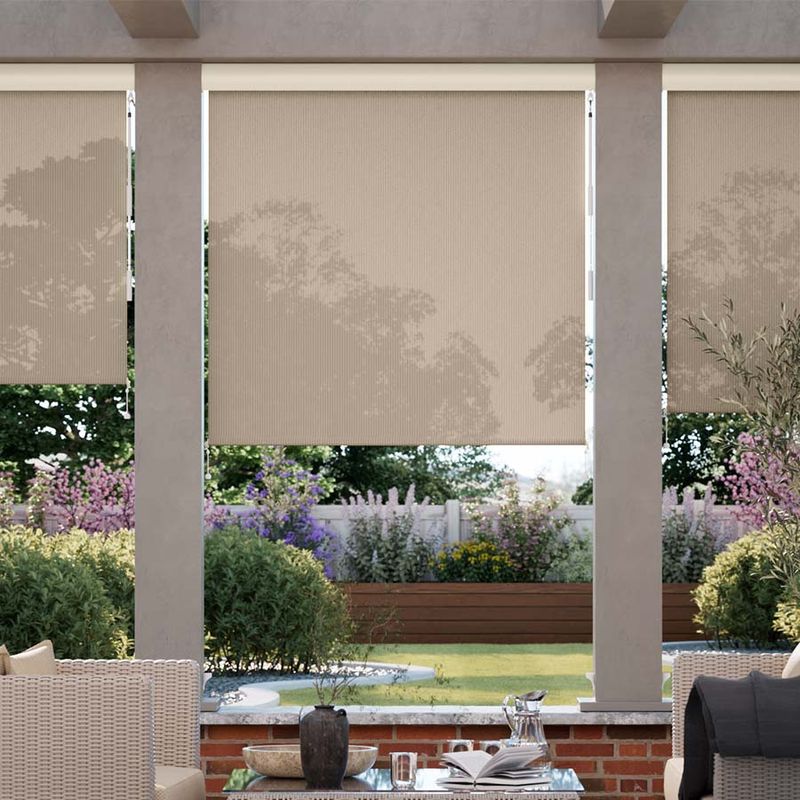
If the worst sun comes in low from one side, outdoor roller shades can make a patio far more usable. They work especially well on covered patios with open sides, where overhead shade exists but glare still sneaks in.
In North Carolina, that matters most in late afternoon, when heat reflects off driveways, brick walls, and nearby fences.
Choose materials made for mildew and moisture, then mount them where you can lower them only when needed. I like that they disappear when rolled up, so the patio stays open on mild mornings.
It is a simple fix that feels custom without becoming a major project.