
10 North Carolina Plants That Thrive Near Sunny Walkways And Driveways
Follow us on Google
Hot pavement, reflected light, and dry soil can make walkway and driveway beds surprisingly tough places to plant. The good news is that plenty of North Carolina favorites handle those conditions beautifully while still looking polished from spring through fall.
If you want color, texture, and lower maintenance without constant babying, these plants earn their space. Here are ten reliable choices that can handle the heat and make those sunny edges look intentional instead of forgotten.
Black-Eyed Susan
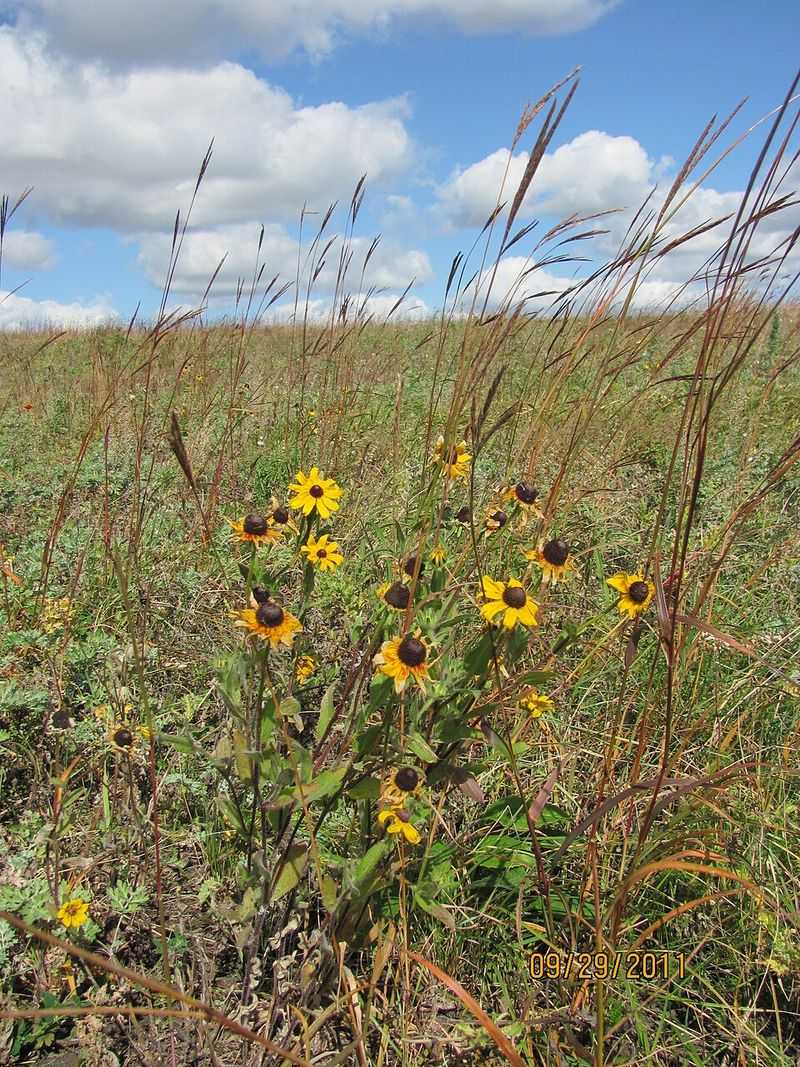
Few plants look happier in summer heat than black-eyed Susan, and that matters when your walkway or driveway reflects extra warmth all afternoon. In North Carolina, this cheerful native-friendly bloomer handles full sun, average soil, and short dry spells without acting fussy.
You get bright yellow flowers that show up from a distance, which is useful when you want curb appeal that reads clearly from the street.
Plant it where soil drains reasonably well, then give it room for air to move so foliage stays cleaner in humid weather. A layer of mulch helps roots stay cooler, but keep mulch pulled back from the crown to avoid rot.
During the first season, steady watering builds a stronger root system, and after that it usually needs attention only during long hot stretches.
I like pairing it with grasses or purple coneflower because the color contrast keeps a narrow bed from looking flat. Deadheading extends bloom, though leaving some spent flowers later in the season can feed birds and add texture.
If clumps get crowded after a few years, divide them in early spring.
For a spot beside concrete where many plants sulk, this one stays upbeat and visible.
Purple Coneflower
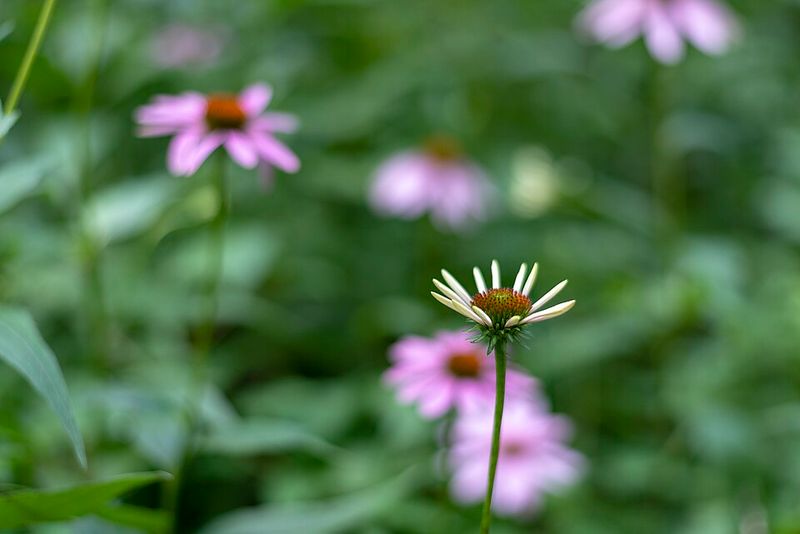
When you need a plant that handles heat without losing personality, purple coneflower is a smart pick for those sun-baked edges near pavement. It is native to much of the eastern United States, and in North Carolina it performs well in full sun with decent drainage and modest care.
The upright blooms bring strong summer color, and the sturdy stems keep the planting from looking floppy beside a neat path.
Give it at least six hours of direct sun and avoid overly rich soil, since too much fertility can encourage weaker growth. Once established, it tolerates dry periods better than many traditional border flowers, which is helpful when driveway beds are hard to water deeply.
Water regularly the first season, then back off and let the roots reach down on their own.
Pollinators love it, so this plant adds movement and life to an area that might otherwise feel harsh and hot. I especially like how the seed heads stay attractive after petals fade, giving you a little fall and winter interest without extra work.
If you cut some blooms for the house, more usually follow.
For an easygoing perennial with color, structure, and wildlife value, this one earns its keep.
Coreopsis
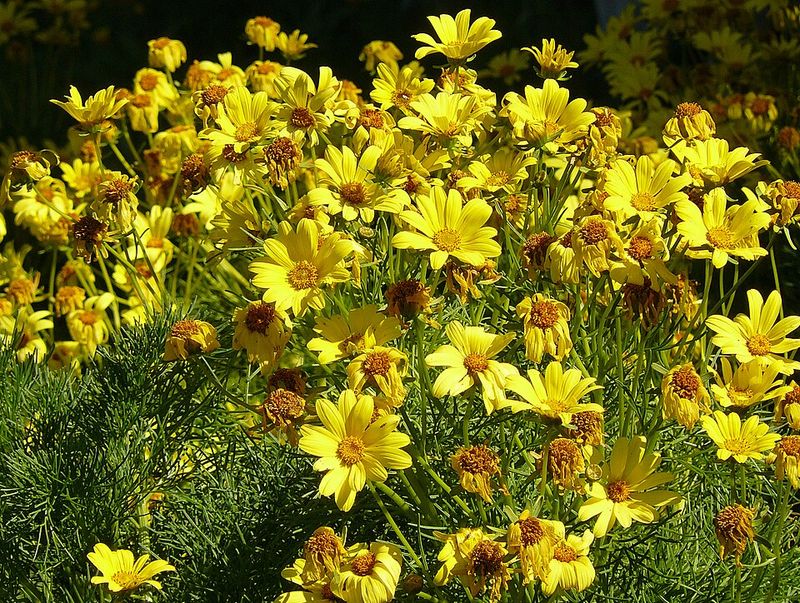
Coreopsis brings the kind of bright, easy color that makes a narrow strip beside a driveway feel intentional instead of leftover. Many varieties thrive in North Carolina sunshine, and several native types are especially well suited to hot, open spaces with average to sandy soil.
The flowers keep coming through summer, giving you a long season of yellow that reads fresh against mulch, gravel, or brick.
Start with a site that drains well, because constant wet feet can shorten its life faster than heat ever will. After planting, water consistently until roots settle in, then reduce irrigation and let the plant prove how tough it is.
A quick trim after the first heavy flush often encourages a tidier shape and another round of blooms.
This is one of those plants that works nicely if you do not want a border to feel overly formal. I like mixing it with low grasses, yarrow, or sedum so the planting has different heights without becoming crowded.
If self-seeding shows up, keep the volunteers you like and remove the rest while they are small.
For sunny pavement edges where simpler care matters, coreopsis offers color, stamina, and a lighter look.
Daylily
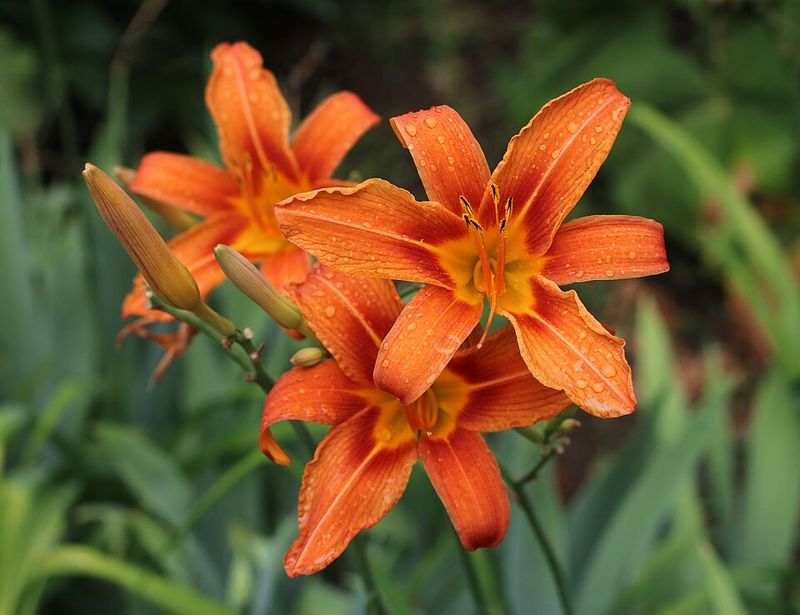
Daylilies are a practical answer for hot spots near walkways because their arching foliage looks tidy for months and the flowers handle summer heat well. In North Carolina, they are widely grown for a reason: they adapt to many soils, tolerate reflected warmth, and bounce back from occasional neglect.
You can choose soft yellows for a calmer look or bold oranges and reds if you want the border to stand out from the street.
Set them in full sun for best flowering, though a little afternoon shade is acceptable in the hottest inland areas. These plants appreciate regular water while establishing, yet mature clumps can manage dry spells better than many flowering perennials.
If bloom slows after several years, lifting and dividing the clump usually brings the display back quickly.
I like using them where foot traffic passes close by because the leaves create a clean edge without turning brittle in heat. Spent flower stalks are easy to remove, and that small cleanup keeps the planting looking deliberate rather than tired.
Pair them with coneflower or yarrow if you want contrasting shapes and a longer combined season.
For dependable color and a forgiving nature, daylilies still make a lot of sense.
Yarrow
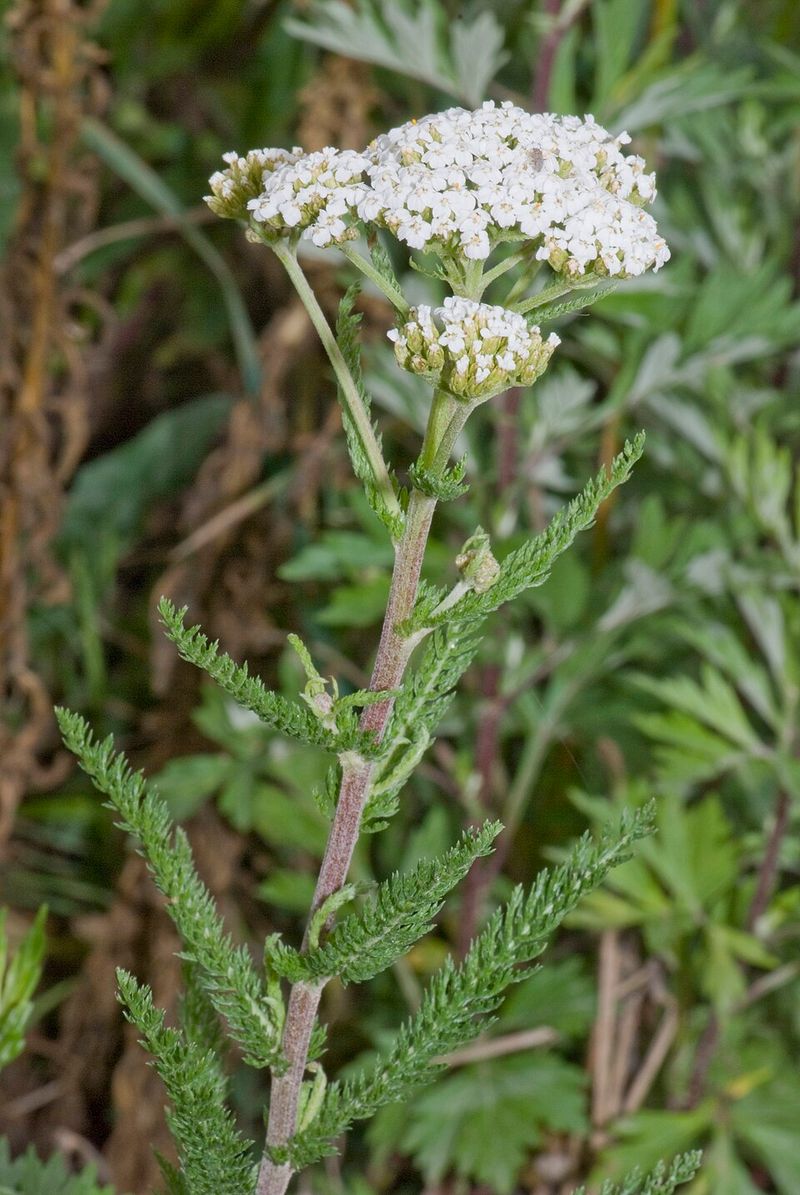
Yarrow is one of those plants that seems built for places where heat bounces off hard surfaces all day. Its feathery foliage stays interesting even before the flower clusters open, and the flat-topped blooms add a softer look than many bold summer perennials.
In North Carolina, good drainage is the main requirement, which makes it a useful candidate for raised edges along walkways or driveway borders.
Too much water or overly rich soil can make it flop, so this is a case where less fuss often gives better results. Plant it in full sun, keep irrigation moderate, and avoid crowding so humid air can move through the stems.
Once the first flush fades, a light shearing usually tidies the plant and may bring more flowers.
I find yarrow especially helpful when a bed needs texture without becoming visually busy. The ferny leaves contrast nicely with broad-leaved plants like daylilies, and the bloom heads blend easily with almost any summer color palette.
Pollinators visit often, which gives a driveway border a little welcome motion.
If your sunny edge tends to run dry and you want a plant that prefers lean conditions, yarrow is worth planting.
Blanket Flower
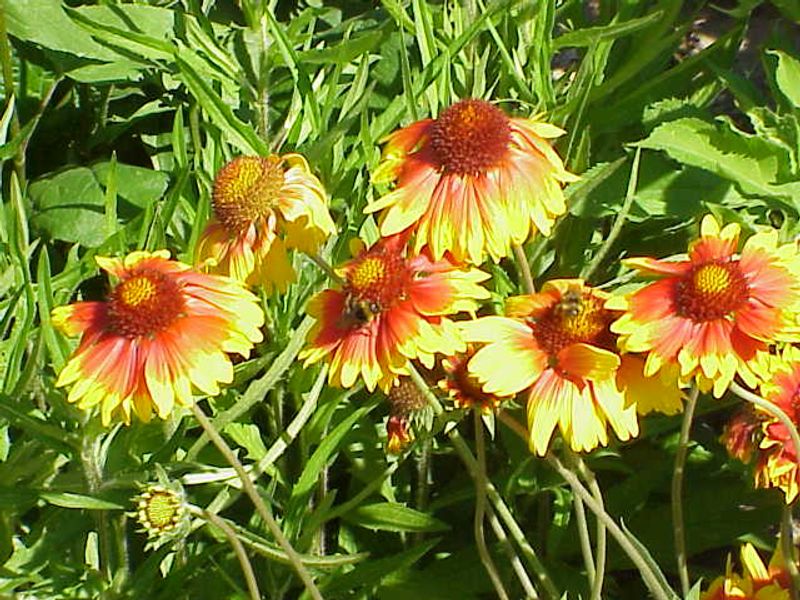
Blanket flower earns attention fast, especially in places where heat and glare make other plants look stressed by midsummer. The red, orange, and yellow blooms feel right at home near brick, gravel, or concrete, and they keep showing color when the weather turns dry.
For sunny North Carolina beds with sharp drainage, this plant can carry a lot of visual weight without demanding constant care.
Full sun is essential, and soggy soil is the main thing to avoid if you want it to last. I would not pamper it with heavy feeding, because richer conditions often produce weaker growth and fewer flowers.
A modest watering schedule during establishment is enough, and older plants usually handle short dry spells with little complaint.
Deadheading helps keep the bloom cycle going, though even a slightly relaxed cleanup routine still gives a generous display. This plant works well when you need a low to medium-height border that stays cheerful along a hot path used every day.
Pairing it with grasses or sedum keeps the bed grounded so the strong flower colors do not feel overwhelming.
For a sunny driveway edge that needs long bloom and high heat tolerance, blanket flower is a dependable fit.
Muhly Grass
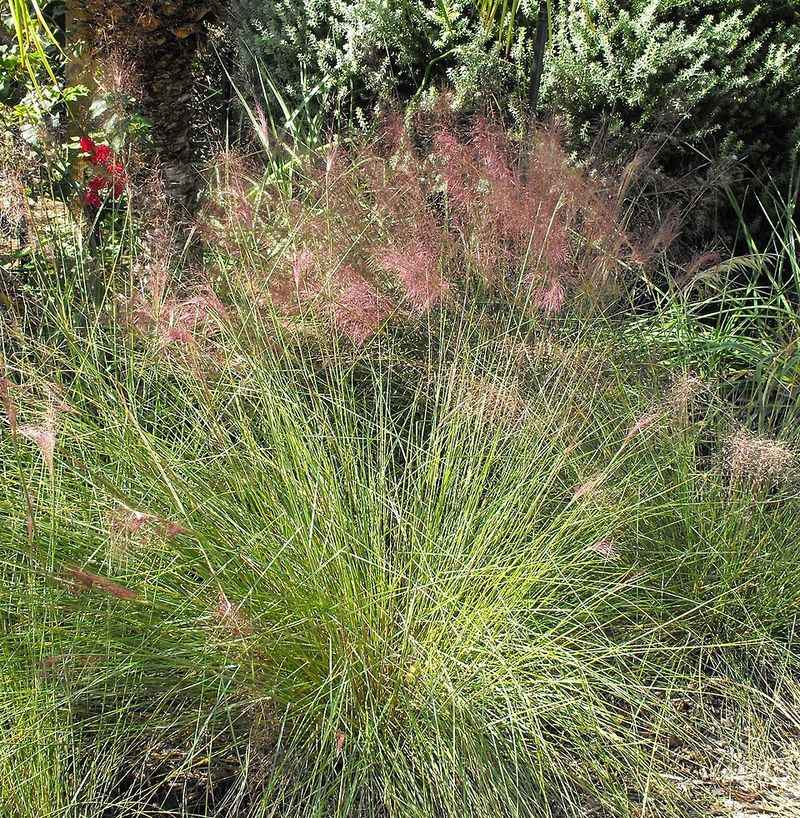
Muhly grass is a strong choice when you want something tough near pavement but do not want a border made entirely of flowers. Through most of the growing season, the fine green foliage forms neat clumps that soften hard edges beautifully.
Then in fall, the airy pink plumes appear and turn an ordinary sunny strip beside a driveway into one of the most memorable parts of the yard.
North Carolina gardens suit this grass well as long as you provide full sun and well-drained soil. It does not need heavy irrigation once established, and that makes it useful for sites where runoff and reflected heat create uneven moisture.
Leave enough room around each clump so the shape can be appreciated and air can move freely.
I like using muhly grass in repeating groups because repetition makes a long walkway feel organized without becoming stiff. It also mixes well with black-eyed Susan, coneflower, or sedum, especially if you want the flowers to carry summer and the grass to carry fall.
Cut back the old growth in late winter before new blades emerge.
For texture, movement, and seasonal drama in a hot sunny border, muhly grass delivers with very little hand-holding.
Sedum ‘Autumn Joy’
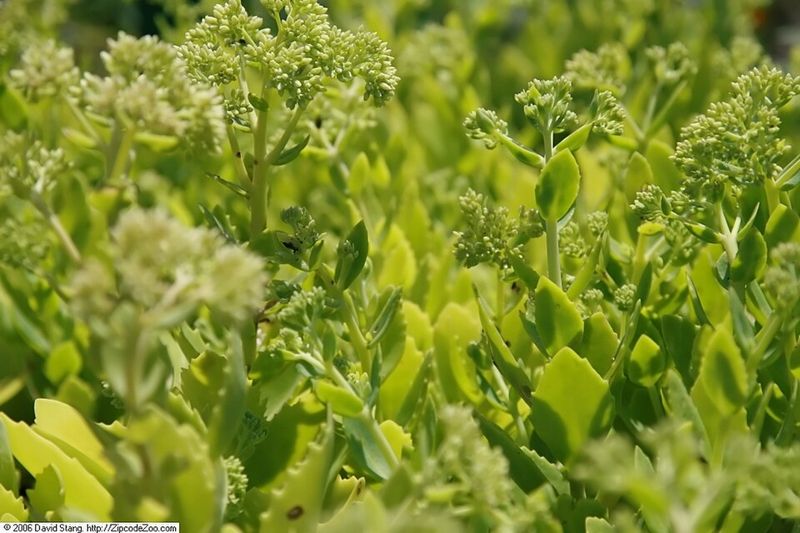
Some plants earn their spot simply by staying attractive when heat, glare, and dry soil start wearing everything else down. Sedum ‘Autumn Joy’ does exactly that, offering tidy succulent foliage through summer and large flower heads that deepen from pink to coppery rose as the season shifts.
Near a sunny North Carolina walkway or driveway, that steady structure can make the whole bed feel cleaner and easier to manage.
Good drainage matters most, so avoid low spots where water lingers after heavy rain. This sedum prefers full sun and modest fertility, and it usually grows sturdier when you resist the urge to overfeed.
Water regularly after planting, then let the soil dry somewhat between soakings as roots mature.
I like how the fleshy leaves contrast with fine-textured grasses and airy perennials. The bloom heads also hold nicely into fall, which means your border still looks intentional when some summer flowers begin to fade.
If stems ever lean in richer soil, pinching in late spring can encourage a shorter, firmer shape.
For a polished plant that handles sunny hardscape conditions with calm confidence, this sedum is hard to beat.
Rosemary
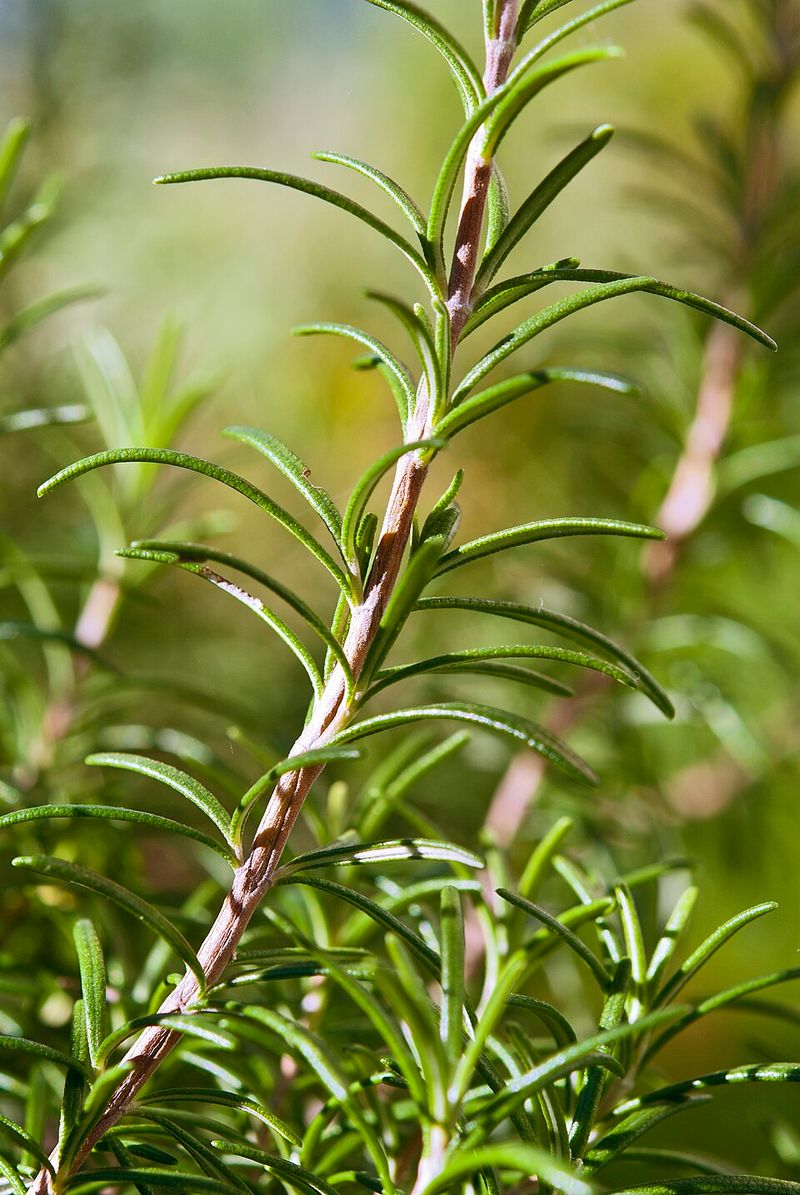
Rosemary deserves a look if you want a plant near the front walk that smells good, looks crisp, and tolerates heat reflected from concrete. In many North Carolina gardens, it performs well in full sun with sharply drained soil, especially in warmer parts of the state.
The evergreen foliage gives year-round structure, and the occasional blue flowers are a nice bonus rather than the whole point.
The key is placement. Set it where winter wet will not collect, and avoid crowding it with thirsty plants that need constant irrigation.
Once established, rosemary prefers to dry a bit between waterings, which makes it practical for driveway edges that can be hard to keep evenly moist.
I like clipping a few stems while walking by because the scent adds another layer to the garden experience. It also works nicely in a more formal layout, where rounded shrubs or repeated mounds help frame a path without feeling stiff.
Light pruning after flowering or during active growth keeps the shape dense and prevents the plant from getting woody too quickly.
For a sunny border that benefits from fragrance, evergreen presence, and culinary usefulness, rosemary pulls more than its share.
Dwarf Yaupon Holly
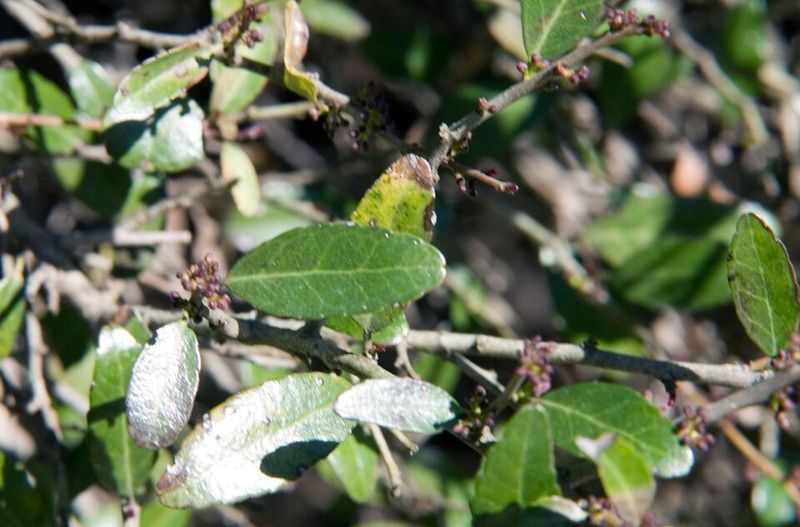
Dwarf yaupon holly is a great answer when you need evergreen structure beside a sunny driveway but do not want something oversized or fussy. Its small leaves, dense branching, and naturally rounded habit give paths a neat frame that looks good all year.
In North Carolina, it handles heat, humidity, and reflective sun well, which makes it especially useful near pavement where tender shrubs often struggle.
Good drainage helps, but this plant is more adaptable than many formal-looking evergreens. Full sun keeps growth compact, though it can manage light shade if needed.
During establishment, give it regular deep watering, then reduce frequency and let the shrub develop stronger drought tolerance over time.
I like using it where a walkway needs definition without constant clipping. It can be lightly shaped, but often its natural form is enough, which saves time and keeps the planting softer.
If your border includes flowering perennials, dwarf yaupon acts as a calm backdrop that keeps the display from feeling scattered through the year.
For a reliable, low-maintenance shrub that can handle North Carolina sunshine near hard surfaces, this evergreen brings order without creating extra chores.