
The Georgia Perennials That Stay Colorful Through Long Heat Waves
Follow us on Google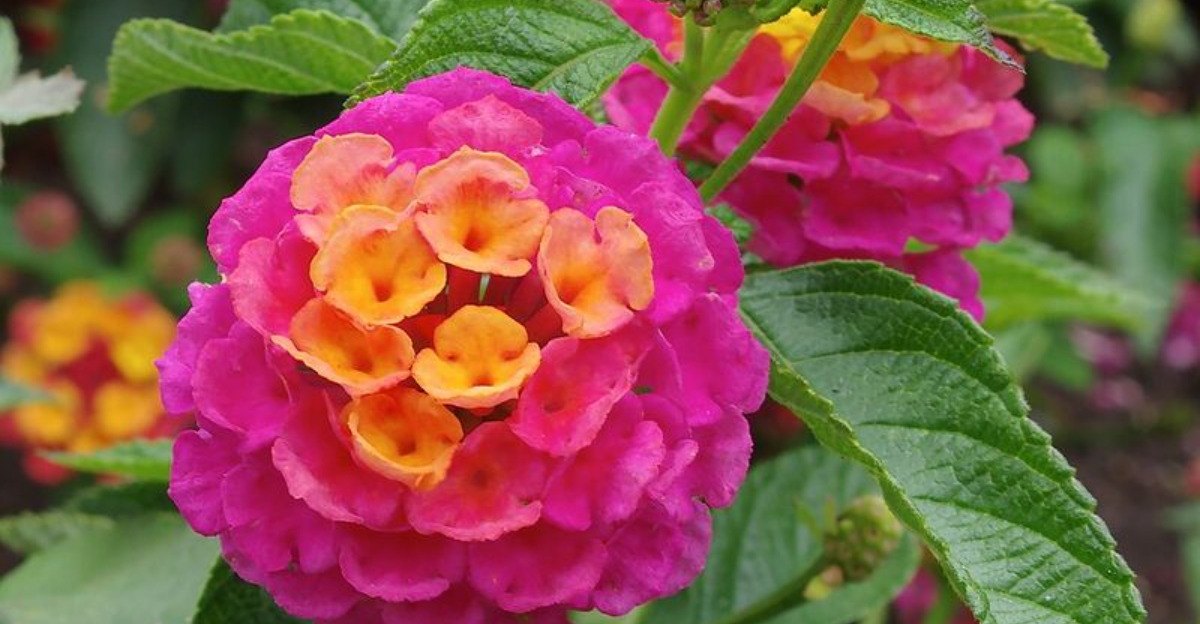
Georgia summers test every flower bed with baking sun, sticky air, and weeks that seem to drain color overnight. The good news is that plenty of perennials keep showing up beautifully even when the forecast feels relentless.
If you want a yard that still looks alive in August, these dependable picks deserve a spot. Each one brings strong color, practical staying power, and less drama when the heat settles in for the long haul.
Blanket Flower
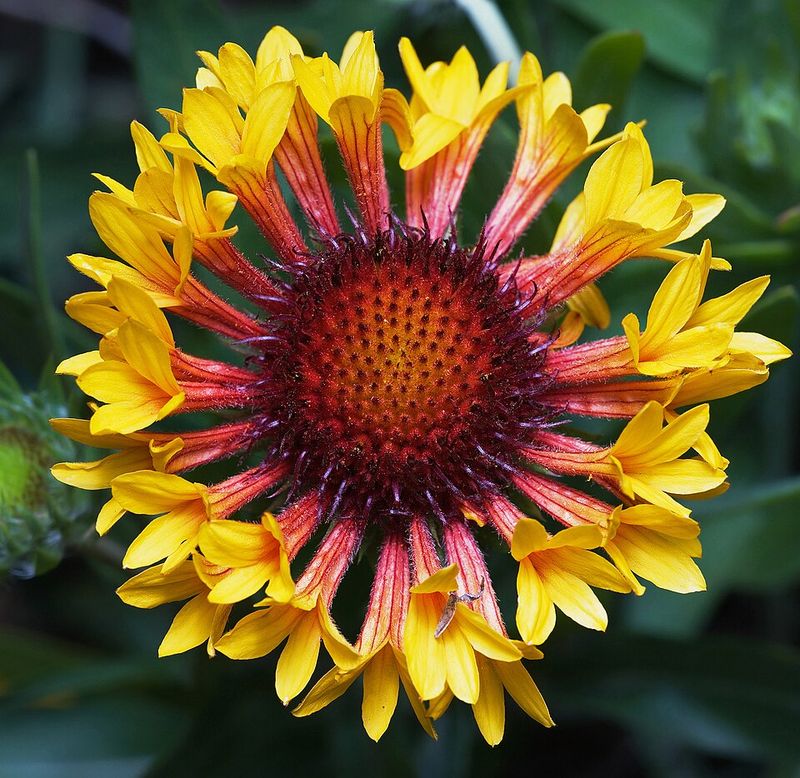
When the Georgia sun starts pressing down day after day, this cheerful bloomer keeps pushing out fiery petals without looking exhausted. Red, orange, and gold tones read brilliantly from the street, so you still get color even when the lawn looks tired.
That matters in July, when many beds start fading fast.
Dry soil does not scare it much once roots settle in, which makes it useful for gardeners who cannot babysit with constant watering. You will usually see the best repeat bloom if spent flowers are clipped every few days.
A fast trim after the first heavy flush also helps keep the clump tidy and encourages another wave.
Full sun is the sweet spot, and sharp drainage is more important than rich soil. Heavy, soggy ground in a humid Georgia summer can shorten its life, so raised beds or amended planting areas help.
A gravelly top dressing also keeps crowns from staying too wet after afternoon storms.
Pair it with salvia, coreopsis, or ornamental grasses for a border that keeps its energy through peak heat. Pollinators visit often, which adds movement when the day feels still.
If you want reliable color without a needy routine, this one earns its space quickly.
Purple Coneflower
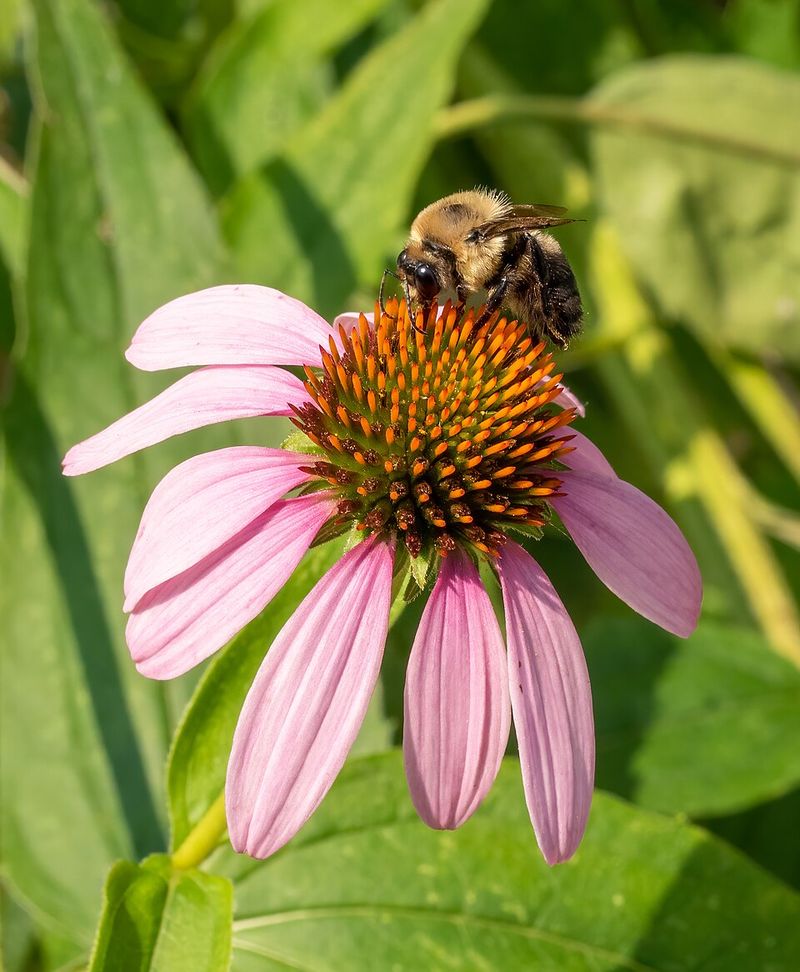
Few perennials handle Georgia heat with the same easy confidence as this long-blooming native favorite. The upright stems stay visible above neighboring plants, and the purple petals keep beds from looking flat during the hardest stretch of summer.
Even after petals relax a bit in the afternoon, the seed heads still add structure.
Once established, it tolerates dry spells better than many gardeners expect, especially in spots with morning to evening sun. Deep watering every so often works better than shallow daily sprinkles.
That simple approach encourages stronger roots and helps the plant ride out long stretches of hot weather.
Good air circulation matters in humid regions, so avoid packing too many plants into one space. Leaving room around each clump cuts down on mildew problems and keeps foliage cleaner.
If blooms slow, deadheading extends the show, though many people leave late flowers for birds and winter texture.
You can tuck it into formal borders, meadow-style plantings, or mailbox beds where heat bounces off pavement. Butterflies treat it like a regular stop, which makes the garden feel more active.
For dependable summer color that also supports wildlife, this is one of the smartest picks around.
Black-Eyed Susan
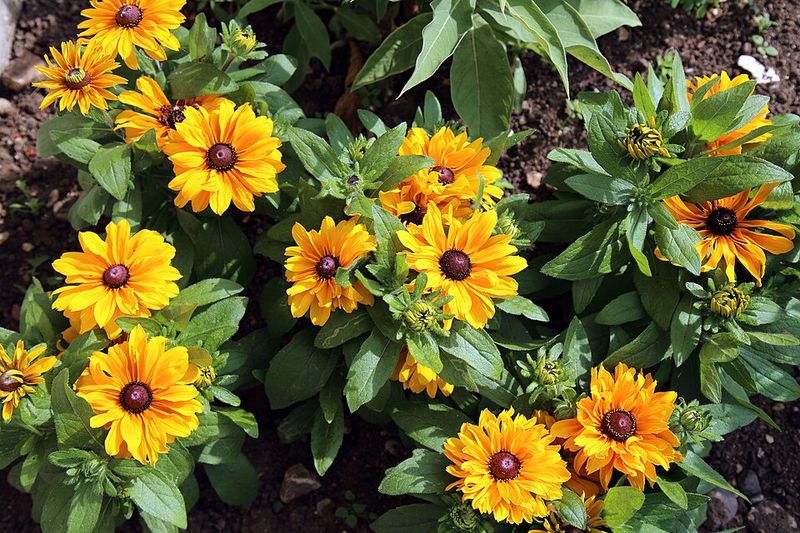
Golden petals and dark centers give this classic perennial a strong, sunny look that reads clearly even from a distance. During Georgia heat waves, that bright contrast becomes especially valuable because it keeps the bed looking awake and intentional.
A drift of these flowers can make a tired summer border feel newly planted.
Established clumps are impressively tolerant of heat and occasional dryness, though they bloom longest with a good soaking during extended drought. You do not need perfect soil to grow them well.
In fact, overly rich conditions can lead to floppy growth that looks less polished by midsummer.
Full sun keeps stems sturdy and flowering heavy, while decent drainage helps avoid root issues in wet, humid periods. Deadheading extends bloom, but leaving some seed heads later in the season adds texture and bird interest.
If a clump gets crowded after a few years, dividing in cooler weather keeps it vigorous.
Mix it with purple coneflower, Russian sage, or blue salvias for a color combination that looks especially sharp in Southern landscapes. The flowers also work nicely near fences, driveways, and hot reflected-light areas.
When you want color that feels upbeat without demanding much fuss, this plant delivers reliably.
Lantana
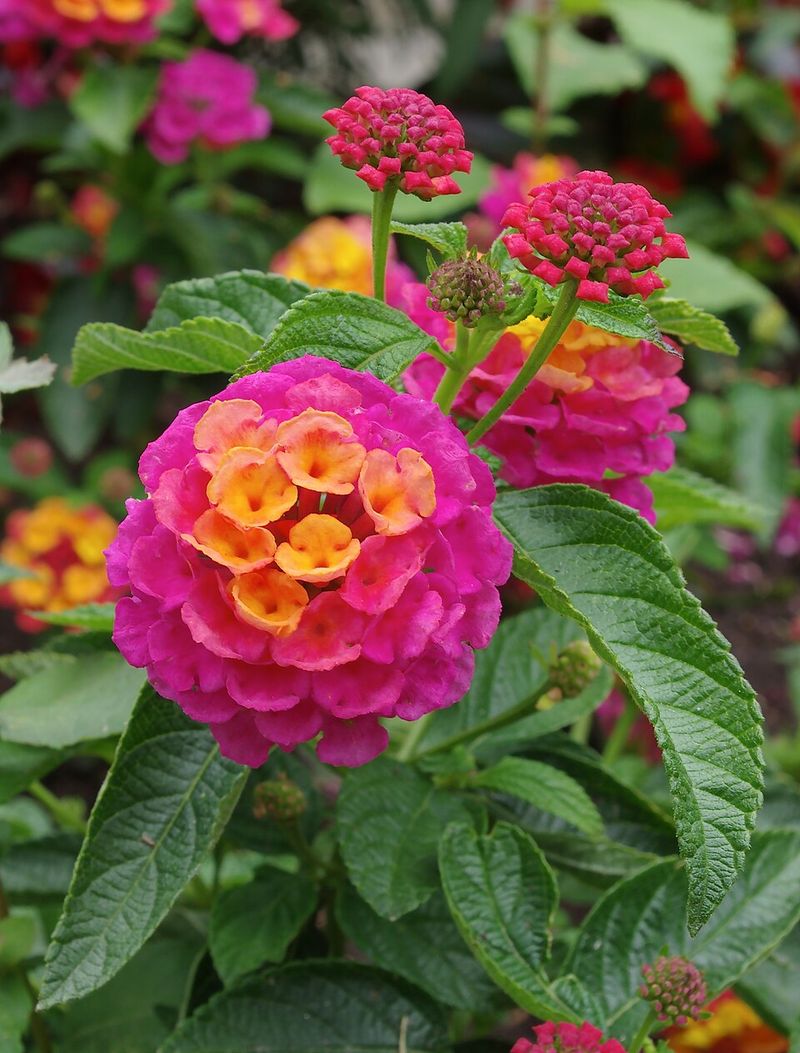
Hot weather rarely rattles this colorful performer, which is exactly why so many Georgia gardeners rely on it. Flower clusters in orange, yellow, pink, red, or multicolor shades keep coming when other plants start taking a break.
In the brightest parts of the yard, it often looks happier as temperatures rise.
Drainage is the main thing to get right, since soggy roots are a bigger threat than dry soil once the plant is established. A sunny location with decent airflow helps maintain cleaner growth through humid spells.
After planting, regular watering matters for a few weeks, but mature plants usually need far less attention.
A light trim during midsummer keeps it from getting woody and encourages fresh branching packed with new blooms. You do not need heavy feeding, and too much fertilizer can actually reduce performance.
Butterflies show up constantly, which adds extra life when the afternoon garden feels still and heavy.
In warmer parts of Georgia, it can return reliably, especially in protected spots with well-drained ground. It shines in curbside beds, containers, and sunny slopes where reflected heat becomes intense.
If your goal is nonstop color with a relaxed maintenance schedule, this is one of the toughest options available.
Daylily
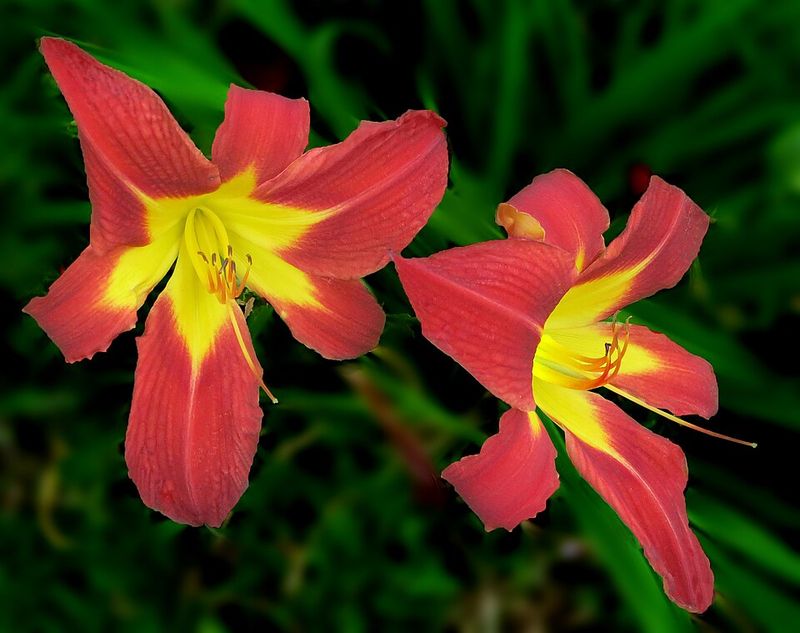
Summer borders feel more dependable with daylilies in the mix because they handle heat, humidity, and ordinary garden neglect remarkably well. The flowers may last a day each, but mature clumps produce enough buds to keep color moving for weeks.
Rebloomer varieties are especially helpful when you want a longer midsummer display.
Thick roots store moisture efficiently, so established plants can ride out dry stretches better than many showier perennials. Still, blooming improves noticeably when you water deeply during prolonged heat.
A layer of mulch helps hold moisture around the roots and keeps the soil from baking too quickly.
Choosing modern cultivars matters if you want cleaner form and stronger repeat flowering. Some older orange types are nearly indestructible, but newer selections offer richer colors, ruffled petals, and longer performance.
Dividing crowded clumps every few years also keeps blooms plentiful instead of letting the center thin out.
Use them along driveways, in foundation beds, or on hot slopes where reflected heat can punish fussier plants. Their arching foliage gives structure even between bloom cycles, which makes the bed feel finished.
For gardeners who want vivid summer color without constant intervention, daylilies remain a smart, practical choice.
Salvia
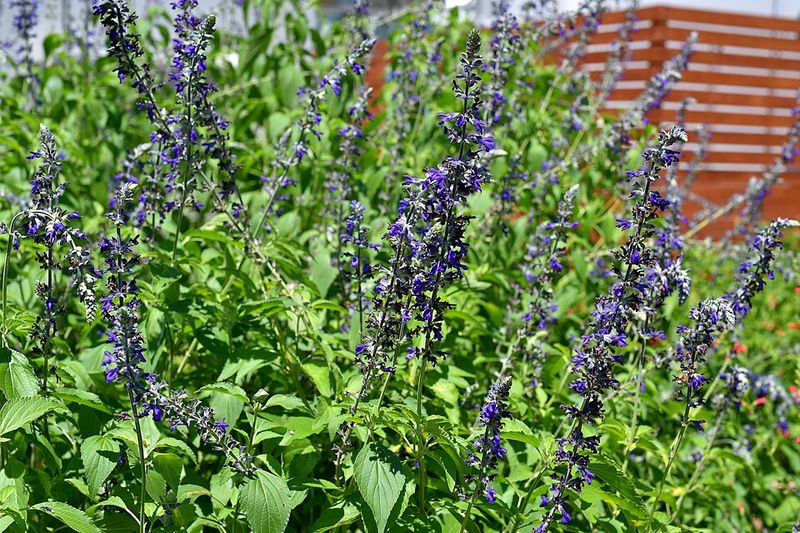
Strong vertical flower spikes give salvia a clean, energetic look that holds up beautifully in Georgia heat. Blues, purples, and rich pinks cut through bright sunlight better than softer colors, so borders keep their definition even in late afternoon glare.
That crisp shape also pairs well with mounded or grassy plants nearby.
Once rooted in, many perennial salvias handle drought far better than they look like they would. They prefer full sun, decent drainage, and a gardener who avoids overwatering.
Too much moisture and rich fertilizer can push floppy growth, while leaner conditions often produce stronger stems and better flowering.
After the first major flush, cutting the plant back by about one third usually encourages a fresh round of blooms. That quick reset is especially useful in midsummer, when many flower beds start looking overworked.
Bees and hummingbirds notice the flowers immediately, adding motion and interest without extra effort from you.
Georgia gardeners can use salvia in formal borders, cottage-style plantings, or xeric beds where irrigation stays minimal. It also performs well near walkways because the aromatic foliage helps discourage browsing.
If your summer garden needs reliable color with a tidy, modern silhouette, salvia earns a permanent spot.
Coreopsis
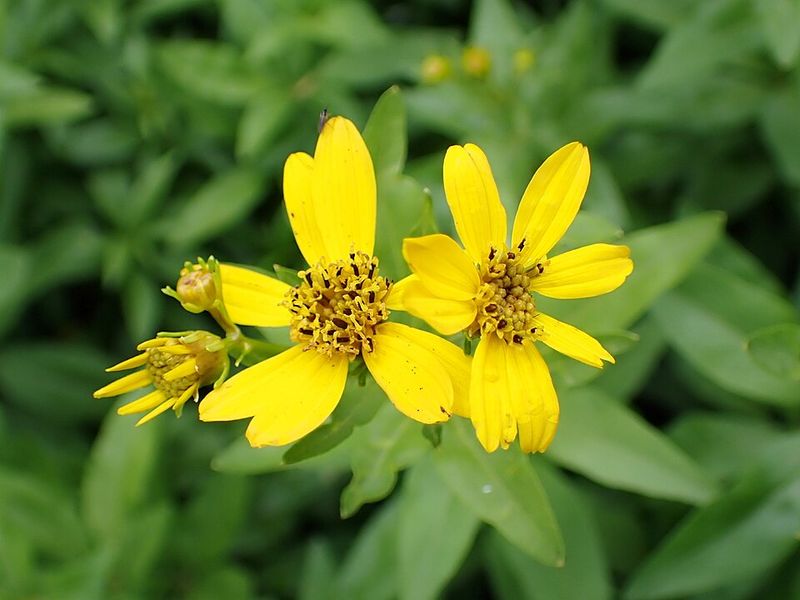
Bright, daisy-like flowers make this perennial one of the easiest ways to keep a Georgia garden looking cheerful through oppressive weather. Yellow is the color most people know, but there are also warm reds, bicolors, and softer shades that fit more refined designs.
The overall effect feels light instead of heavy, even in peak summer.
Many varieties bloom for a long stretch if you shear off the tired flowers before seed set takes over. That simple haircut can turn a fading patch into a fresh mound within a couple of weeks.
Good drainage matters, but this is not a plant that demands pampered soil or constant feeding.
Heat tolerance is strongest in full sun, where stems stay compact and flower production remains steady. In too much shade, plants often stretch and bloom less generously.
A modest layer of mulch helps with moisture retention, but avoid burying the crown in thick, wet organic matter.
Use it near patios, sidewalks, and mailbox beds where you want visible color from a distance without committing to high maintenance. It combines especially well with coneflowers, salvias, and ornamental grasses for a long-running summer display.
When simple reliability matters most, coreopsis makes the whole planting feel easier.
Yarrow
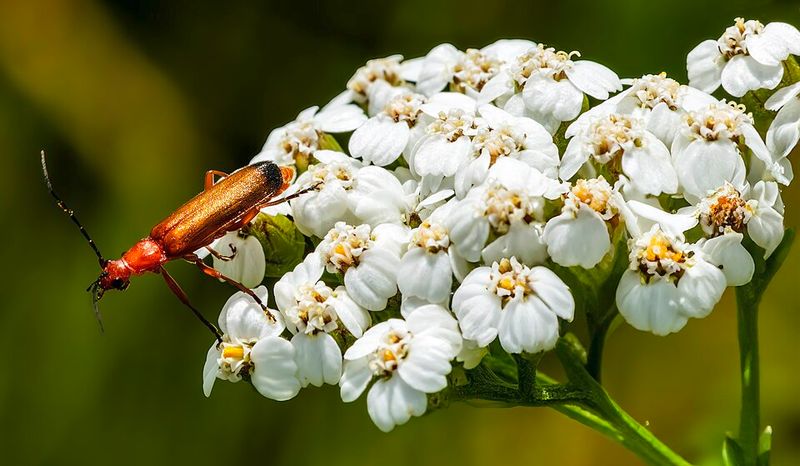
Flat-topped blooms and feathery foliage give yarrow a different texture from the usual summer perennials, which helps a hot-weather border look more layered. The flowers come in yellows, pinks, reds, peaches, and soft creams, all held above aromatic foliage that stays interesting below.
In strong sun, the plant keeps a sturdy, useful presence.
Dry conditions suit it better than constant moisture, so this is a smart choice for Georgia gardeners with sandy soil or fast-draining raised beds. Overwatering is a more common mistake than underwatering once plants are established.
If stems become floppy, the site may be too rich or not sunny enough.
A quick trim after the first bloom cycle often encourages another round and keeps the clump from looking worn. Because humid summers can challenge some varieties, choose vigorous selections known for good garden performance.
Spacing is also important, since airflow helps the foliage stay cleaner during sticky weather.
Yarrow works well in pollinator gardens, cottage borders, and low-water designs where every plant needs to earn its keep. The flowers are also useful for cutting and drying, which adds value beyond the bed itself.
If you need heat tolerance with a softer, more intricate texture, this one fits beautifully.
Gaura
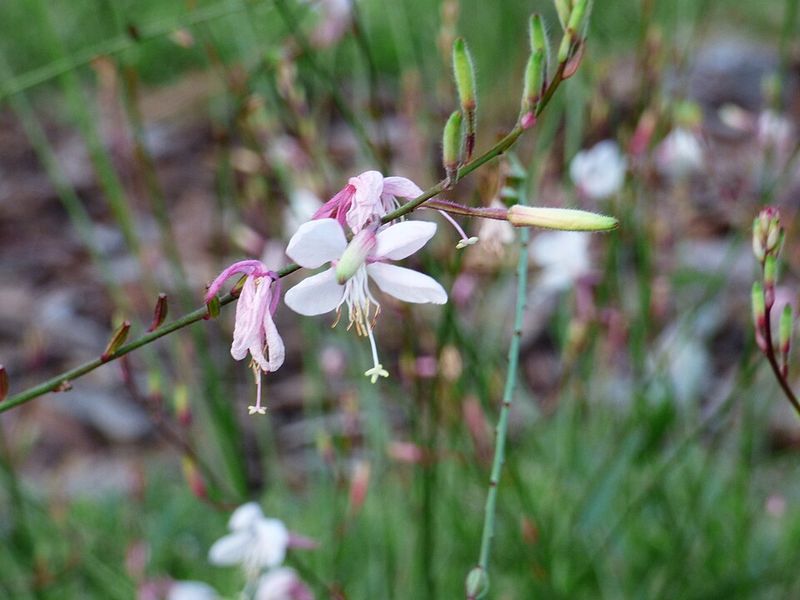
Airy flower wands make gaura look almost weightless, yet the plant is tougher than its delicate appearance suggests. In Georgia heat, that light texture is useful because dense beds can start feeling visually heavy by midsummer.
White or pink blooms flutter above the foliage and keep the planting feeling active and fresh.
Excellent drainage is essential, especially in areas where summer storms dump water and then temperatures rebound fast. Once established, gaura tolerates dry conditions well and often performs better with restraint than with constant attention.
Rich soil and overwatering can shorten its life or produce growth that falls apart.
Cutting back leggy stems during the season helps maintain a fuller shape and encourages more flowers. It is normal for the plant to have a relaxed habit, so place it where that movement looks intentional rather than messy.
Tucking it among sturdier companions creates a balanced design that still feels loose and natural.
Use gaura in sunny borders, gravel gardens, or around roses and salvias where its fine texture softens bolder forms. Butterflies visit often, and the flowers catch evening light beautifully.
If you want something that reads elegant but handles hard weather surprisingly well, gaura deserves a closer look.
Bee Balm
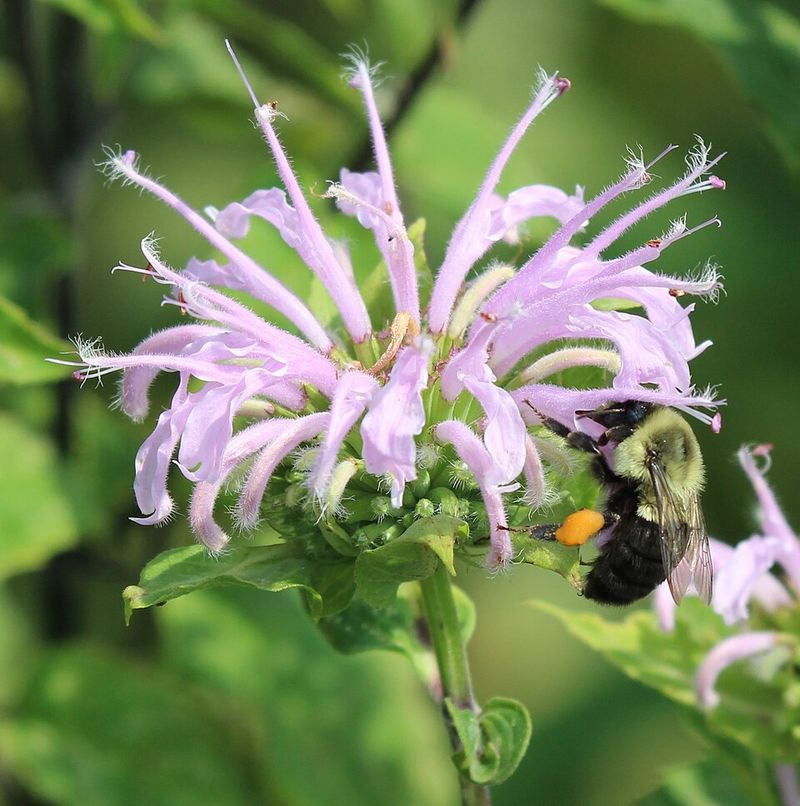
Bold, shaggy flowers give bee balm a lively presence that stands out in summer, especially when many other plants start blending together. Reds, magentas, purples, and pinks bring strong color, and the blooms attract hummingbirds with almost comic reliability.
A healthy patch turns a hot border into something that feels animated and busy.
Georgia gardeners need to think about airflow because humidity, not heat alone, is usually the real challenge for this plant. Newer mildew-resistant varieties perform much better than older types in sticky weather.
Full sun to light afternoon shade works well, especially if the site avoids stagnant air.
Consistent moisture helps the plant look its best through extended heat, so this is not the driest-site choice on the list. Mulch keeps roots cooler and reduces stress during long hot spells.
Removing spent flowers extends bloom and keeps the clump looking more intentional instead of tired.
Use it where pollinator activity will be noticed, such as near patios, pathways, or a kitchen window. It combines nicely with coneflowers, black-eyed Susans, and ornamental grasses for a casual Southern border.
If you can provide decent airflow and moderate moisture, bee balm rewards you with unforgettable midsummer color.
Mexican Bush Sage
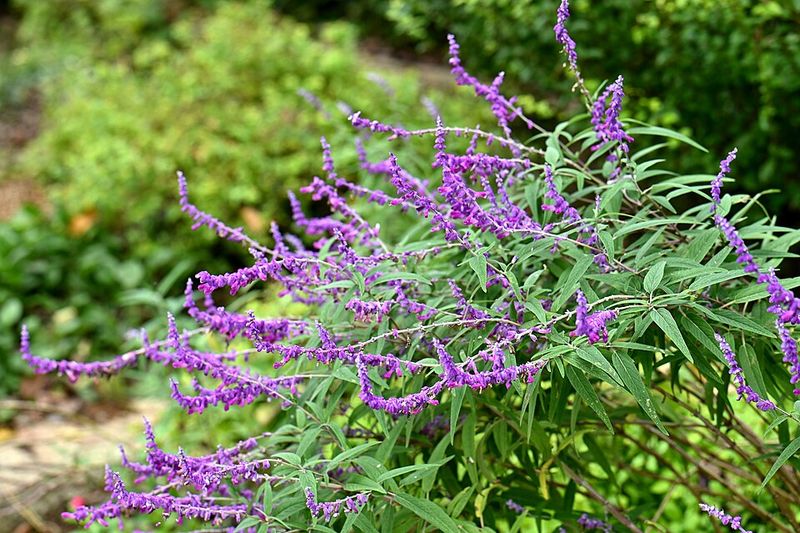
Late summer can be the hardest moment for a flower bed, which is exactly when Mexican bush sage starts stealing attention. Velvety purple spikes and softly silver foliage create rich contrast that feels dramatic without being fussy.
In Georgia, that timing is valuable because it refreshes the garden when many earlier bloomers are slowing down.
Heat does not bother it much, and once established it is fairly drought tolerant in sunny, well-drained spots. Give it room, because mature plants widen more than many people expect during the season.
Crowding it too closely with smaller neighbors usually creates a tangled look by early fall.
A long growing season helps this perennial perform at its best, so warm parts of Georgia are especially good for it. Avoid overfertilizing, which can produce soft growth instead of strong flowering stems.
If frost cuts it back later, simply wait for spring growth before cleaning up the plant thoroughly.
Place it toward the middle or back of a border where the arching habit can read gracefully rather than chaotically. It pairs beautifully with lantana, ornamental grasses, and yellow daisies for a classic heat-season palette.
For gardeners craving color when summer feels endless, this one lands at just the right time.
Autumn Sage
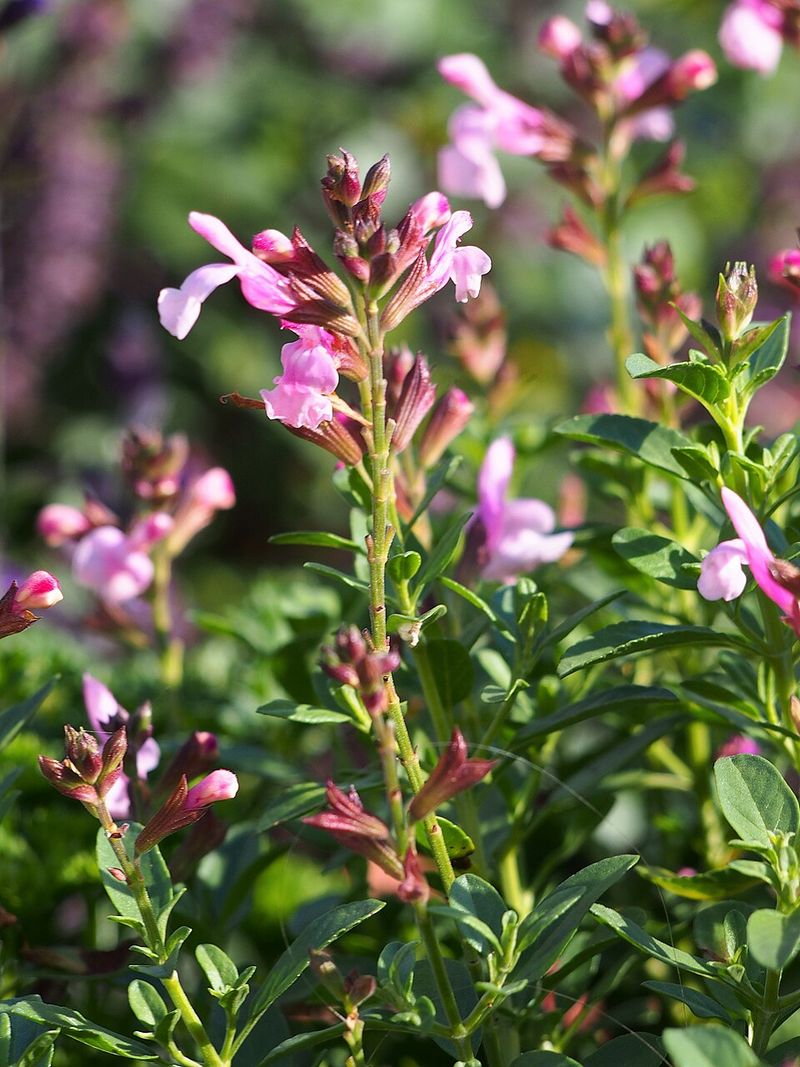
Small leaves and nonstop tubular blooms make autumn sage one of those plants that quietly overperforms in brutal weather. Red is the classic shade, but pink, coral, purple, white, and bicolor forms give you plenty of design flexibility.
In a Georgia heat wave, it often keeps flowering when larger, thirstier plants have clearly checked out.
Sharp drainage is critical, especially in clay-heavy areas where summer rain can linger around the roots. Raised beds, berms, or gravelly amendments often improve success more than extra fertilizer ever will.
Once established, the plant prefers a lighter hand with water and usually rebounds quickly after dry periods.
A midsummer trim keeps it compact and encourages another heavy flush of bloom. The foliage is aromatic, and hummingbirds tend to find the flowers fast, which makes small garden spaces feel more dynamic.
If winter cold nips it back in some areas, wait until spring to see what returns.
This perennial fits beautifully in hot foundation beds, herb-adjacent plantings, and sunny container combinations that need stamina. It also works well near walkways because its compact size stays manageable.
When you want months of color from a plant that does not act high-maintenance, autumn sage is a reliable answer.