
11 Florida Flowers That Handle Heavy Rain Better Than Most Garden Plants
Follow us on Google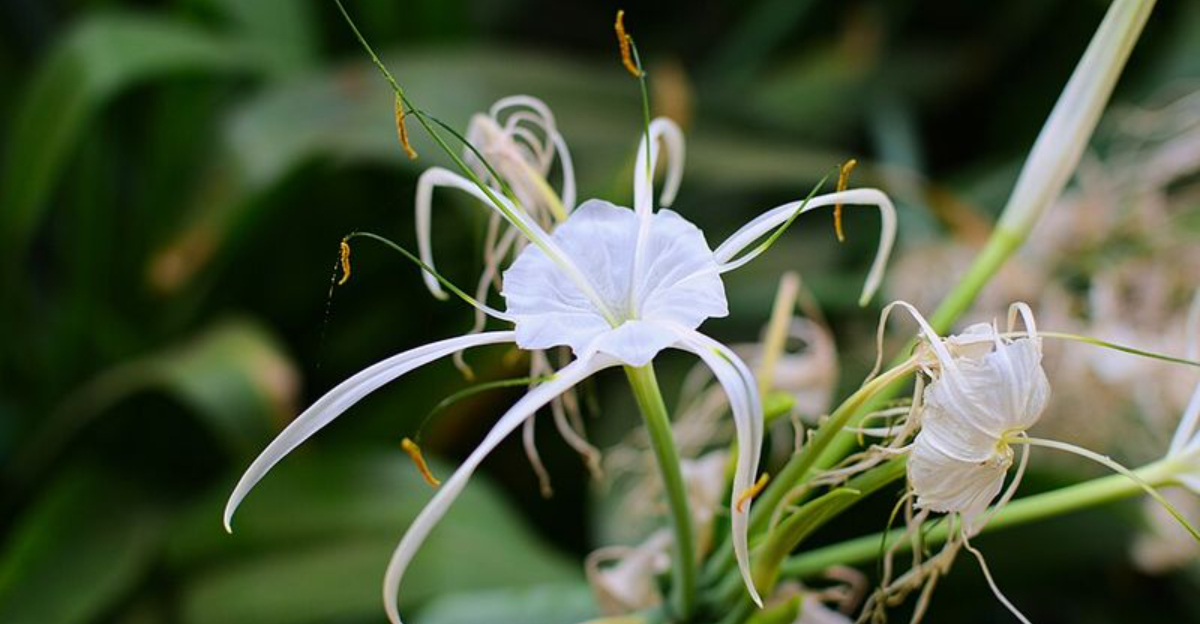
A Florida downpour can flatten tender blooms, drown roots, and leave a once-pretty bed looking tired fast. The good news is that some flowering plants actually take all that rain in stride and keep showing off anyway.
If your yard stays soggy for days after summer storms, these picks can save you time, frustration, and replacement costs. Here are the flowers worth planting when wet weather is part of the plan.
Swamp Milkweed
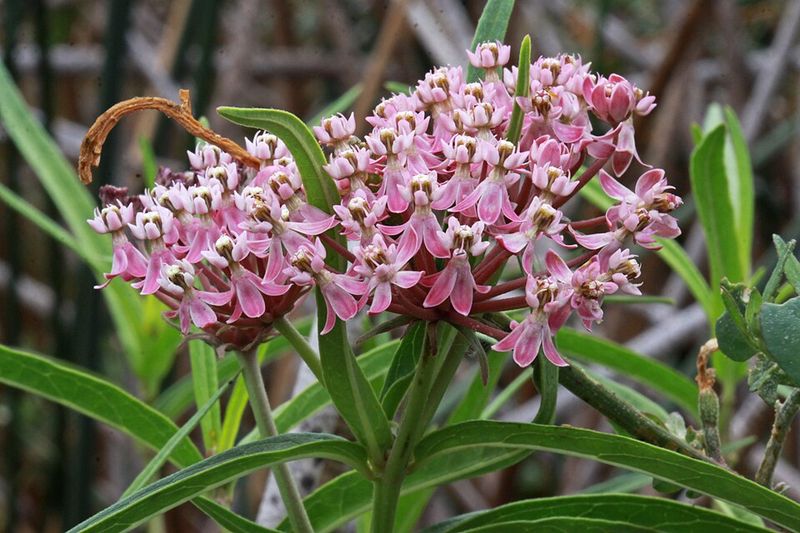
After a week of pounding rain, this is one of those plants that still looks like it belongs there. Swamp milkweed handles wet soil far better than common butterfly garden choices, and it keeps its neat upright shape without collapsing into a mess.
You get rosy pink flower clusters, strong pollinator appeal, and a plant that does not panic when the ground stays damp.
In Florida yards, it performs best where water lingers but does not sit like a pond forever. You will usually see the strongest growth in full sun with rich soil, though it tolerates average beds if moisture stays consistent.
Once established, it is much less fussy than many flowering perennials people try first.
Butterflies, especially monarchs, treat it like an essential stop, which makes rainy-season bloom periods feel even more rewarding. If you are planning a pollinator patch near a swale, downspout runoff zone, or low spot, this choice makes practical sense.
A light mulch layer helps keep roots cool without trapping too much heat around the crown.
Cut spent flowers if you want a tidier look, but leave some seed pods if wildlife value matters more. It pairs nicely with blue flag iris and pickerelweed for a bed that stays attractive through stormy stretches.
Few flowers balance resilience and habitat value this well.
Blue Flag Iris
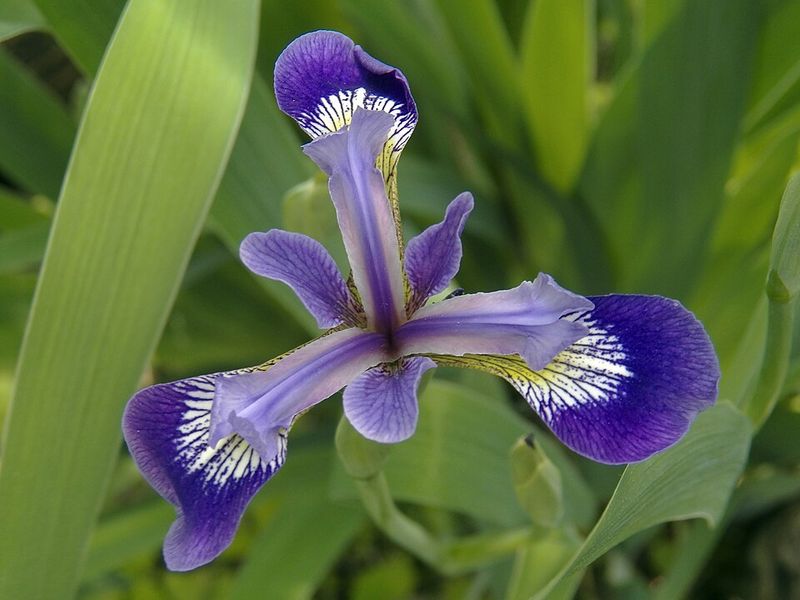
Soggy ground is not a problem here, which is exactly why blue flag iris earns a place in rain-prone Florida landscapes. Its tall, blade-like foliage stays architectural even when summer storms keep the soil saturated, and the violet-blue flowers add a refined look that does not feel wild or messy.
You get a plant that thrives where other ornamentals sulk, yellow, or rot.
Low spots near ponds, rain gardens, or drainage paths suit it especially well. Full sun brings the best flowering, but light afternoon shade can help in hotter inland spots where reflected heat gets intense.
The root system appreciates moisture, so this is not the plant to tuck into a sharply raised, fast-drying bed.
Because the foliage remains attractive beyond bloom time, it keeps contributing structure long after flowers fade. That matters in a Florida garden, where a plant needs to pull its weight through long humid stretches.
Pairing it with softer-textured companions creates a layered look that feels intentional instead of swampy.
Give clumps space, because healthy plants broaden steadily over time. Divide every few years if blooming slows or the center thins out.
If you want a flower that looks elegant after a storm instead of defeated, this one is a smart and durable choice.
Canna Lily
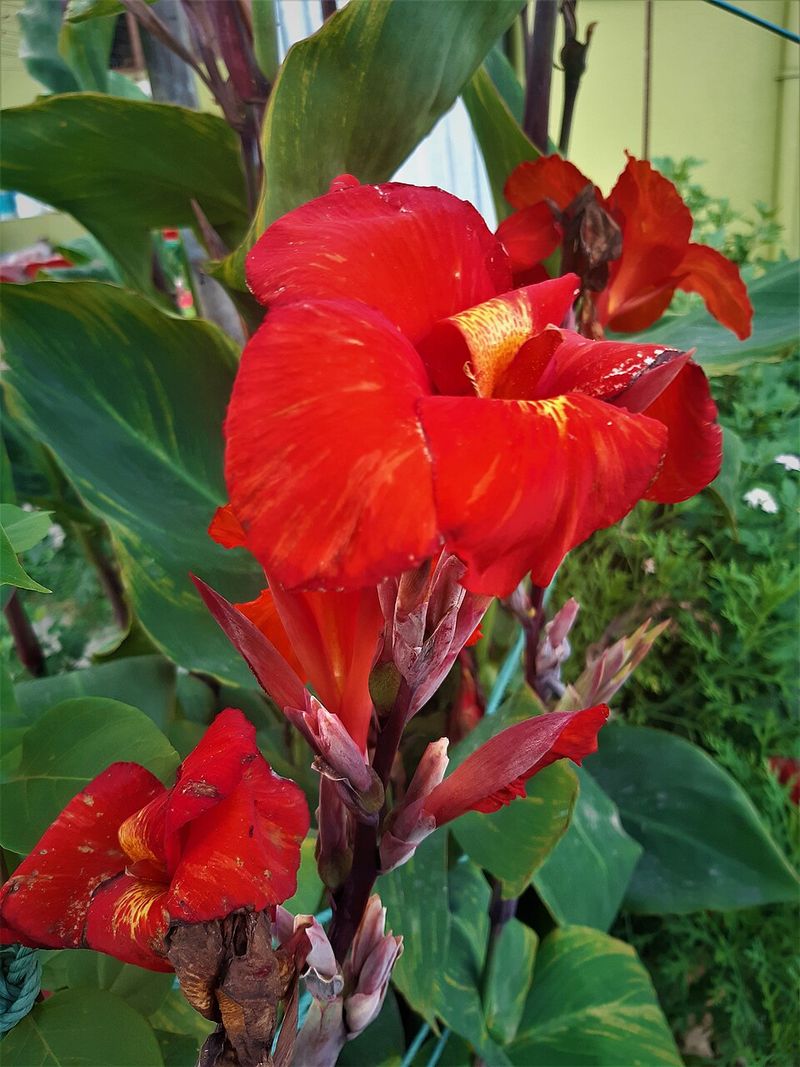
Few flowers shrug off a summer downpour with as much confidence as canna lily. The bold leaves and upright blooms give your yard that tropical Florida look, but the real advantage is how well the plant handles moisture and heat together.
Instead of collapsing after storms, it often looks refreshed and ready for another growth spurt.
Rich soil and regular sun make the biggest difference, though canna is surprisingly forgiving in average conditions. It performs especially well in beds that stay evenly moist, and many gardeners use it near drainage areas where fussier flowers fail.
If your yard gets afternoon storm runoff, this plant can turn a problem spot into a focal point.
You will find plenty of flower colors, from hot red and orange to yellow and coral, so matching a palette is easy. The leaves can be just as striking, with green, bronze, or striped varieties adding texture even when blooms pause.
That combination makes the plant useful as both a flowering accent and a screen.
Remove spent stalks to keep it tidy and encourage fresh growth through the warm season. In crowded clumps, dividing rhizomes every so often keeps flowering strong.
For gardeners who want big visual impact without babying every stem after heavy rain, canna lily is a reliable bet.
Scarlet Hibiscus
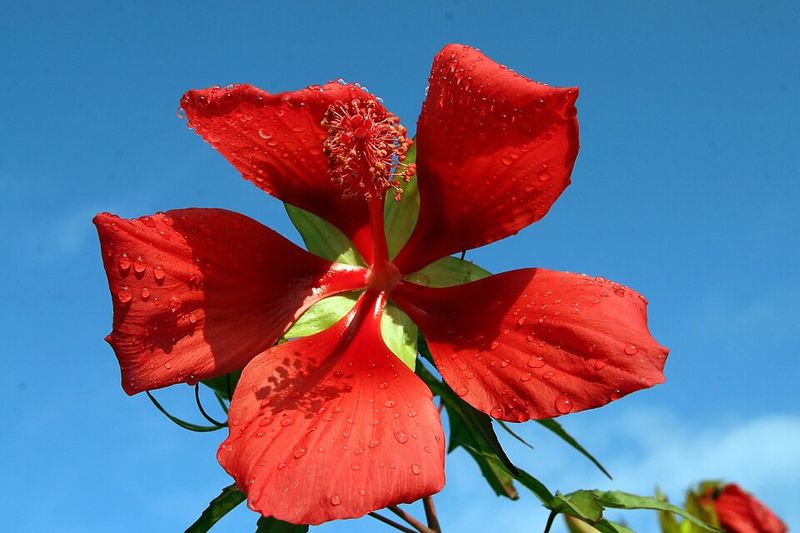
If your garden has a spot that stays damp and bakes in the sun, scarlet hibiscus can turn it into the most dramatic corner of the yard. The oversized red flowers look almost unreal against the finely cut foliage, and the plant is far more comfortable with wet feet than many people expect.
Heavy summer rain rarely bothers it when the site matches its natural preferences.
Florida conditions suit it best in full sun with consistently moist soil. Near retention edges, pond margins, or low beds that stay damp after storms, it often grows vigorously and flowers with enthusiasm.
You will want to give it room, because mature plants can become substantial and eye-catching quickly.
Pollinators visit often, and hummingbirds pay attention when the blooms open. That makes it a satisfying choice if you want more wildlife activity without sacrificing a polished look.
The tropical feel is strong, but the plant is practical too, especially in places where ordinary perennials struggle through the rainy season.
Regular moisture is the key, so do not move it to a dry border and expect the same performance. Prune lightly if needed to shape it, but avoid overworking the plant.
When you want one flower that can handle Florida rain and still steal the scene, scarlet hibiscus deserves serious consideration.
Pickerelweed
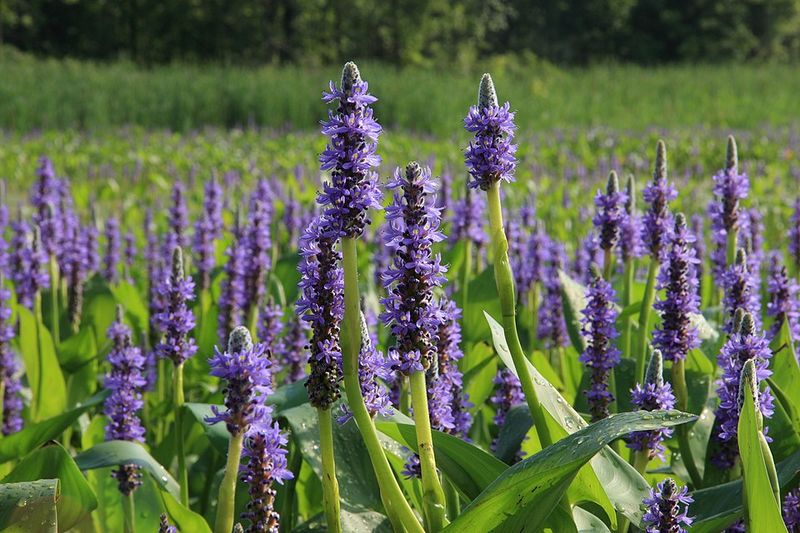
Standing water for short periods does not scare this plant at all, which makes pickerelweed a standout for Florida rain gardens. Its glossy leaves and violet flower spikes bring a clean, fresh look to places that usually feel tricky to design.
Instead of fighting wet soil, it makes that condition look intentional and attractive.
You will get the best results in full sun to part sun where the ground stays consistently moist or even shallowly flooded. Around pond edges, bioswales, and low borders that collect runoff, it settles in quickly and starts earning its space.
The upright blooms rise above the foliage nicely, so the plant never looks flat or muddy.
Pollinators appreciate it, and that extra movement in the garden adds life after stormy weather. Because the leaves are broad and structured, pickerelweed also pairs well with finer grasses and iris foliage.
That contrast helps a wet planting area feel designed rather than accidental.
Maintenance is refreshingly simple once it is established in the right place. Remove tired foliage when needed, and divide crowded clumps if they spread more than you want.
For gardeners dealing with persistent rain and poor drainage, this is one of the easiest flowers to recommend because it thrives where many others merely survive.
Spider Lily
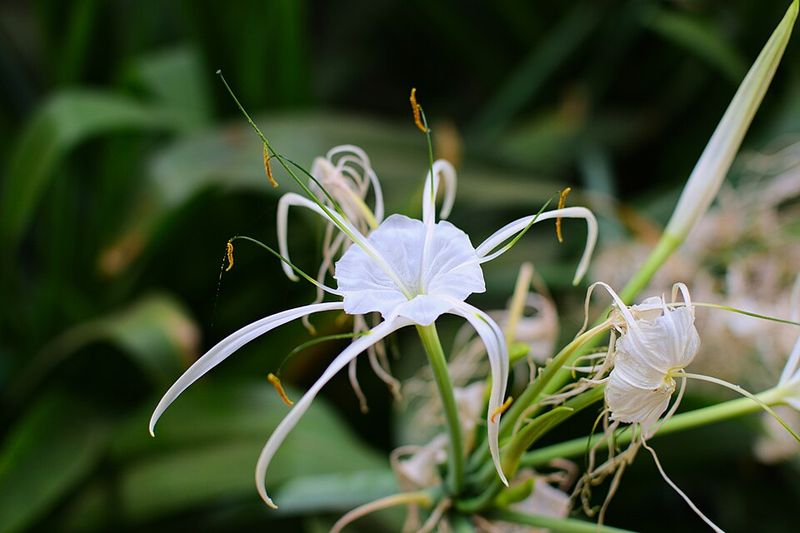
Rain-heavy weather often brings out the best in spider lily, especially in Florida gardens where moisture lingers through the warm season. The strappy foliage stays tidy, and the unusual blooms add a delicate look without needing delicate conditions.
You get elegance and toughness together, which is not always easy to find in flowering plants.
Moist soil suits it well, particularly in beds that receive regular summer rainfall or occasional runoff. Full sun to part shade works, though many gardeners notice the foliage stays fresher with a little afternoon relief in hotter sites.
Because it grows from bulbs, good placement matters more than constant fussing once it settles in.
The white flowers brighten shady or storm-dulled corners, and they stand out beautifully against darker foliage nearby. In a front-yard bed, that contrast can make the whole planting look cleaner and more intentional after rain.
It is also a smart choice along walkways where the bloom form can be appreciated up close.
Avoid disturbing established clumps too often, since performance improves when bulbs are left to naturalize. Trim older leaves as needed, but do not over-prune healthy growth.
If you want a refined flower that can handle Florida moisture without turning into a maintenance project, spider lily is hard to beat.
Louisiana Iris
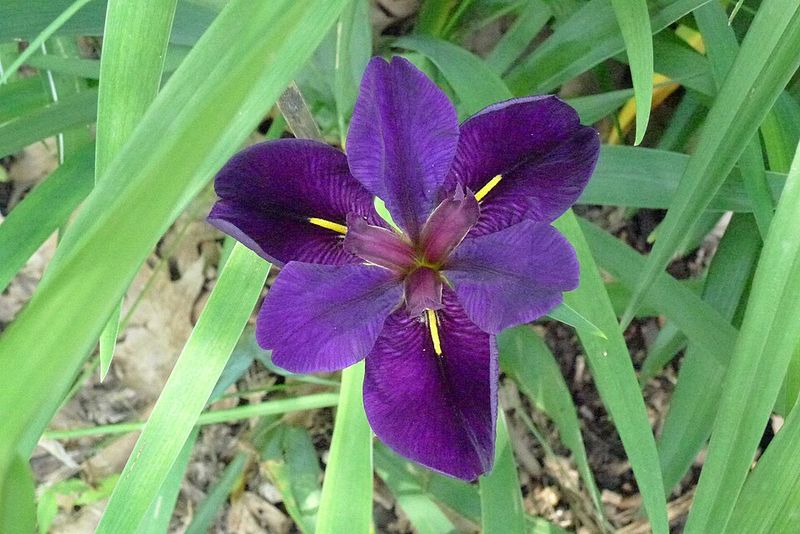
Wet soil can be a blessing when you are growing Louisiana iris in Florida. This group of irises is well known for handling moisture, and the flowers bring rich color at a time when many beds need a boost.
Their upright leaves also give your planting areas structure long after blooming wraps up.
Sites near drainage ditches, pond margins, or rain garden basins are often ideal. Full sun usually brings the strongest bloom display, but some afternoon shade can help in especially hot exposed spots.
If your yard has clay or a naturally damp area, this plant may perform better there than in a raised bed.
The flowers can be purple, blue, red, yellow, or mixed, so there is room to tailor the palette to your landscape. Because the foliage is vertical and clean, it combines well with lower mounding plants without looking crowded.
That makes it useful in both naturalistic and more formal Florida garden designs.
Consistent moisture keeps it happy, especially while clumps are settling in. Divide every few years if plants become congested or flowering decreases noticeably.
For anyone tired of replacing sulking perennials after summer rain, Louisiana iris offers a more durable and better-looking answer that still feels garden-worthy.
Rain Lily
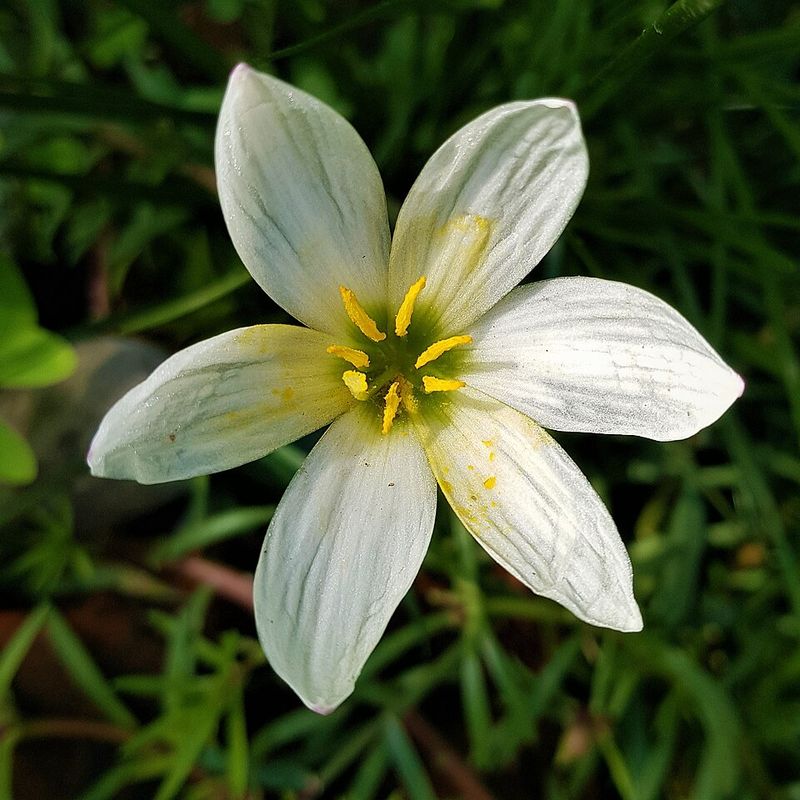
Nothing feels more perfectly named for a Florida garden than rain lily. These small bulbs often send up cheerful blooms right after a soaking, turning ordinary beds and even lawn edges into something that suddenly feels special.
Their size is modest, but the timing and reliability make a memorable impact.
You will usually see the best display in sunny spots with decent drainage that still receive regular rain. Unlike some larger moisture-loving flowers, rain lilies do not need permanently boggy ground to perform well.
They simply respond beautifully to cycles of heat, moisture, and sunshine that define much of Florida’s growing season.
Because the foliage stays low and grassy, they slip easily into borders without competing with bigger plants. Clusters look far better than single bulbs, so massing them creates the strongest effect after storms roll through.
Pink is common and charming, though white and yellow forms are worth seeking out if you want variety.
Do not be tempted to cut the foliage back too early, since the bulbs need that energy for future bloom cycles. Once established, they ask for very little and often surprise you just when the garden needs a lift.
For simple, rain-triggered color, few flowers are as satisfying.
Cardinal Flower
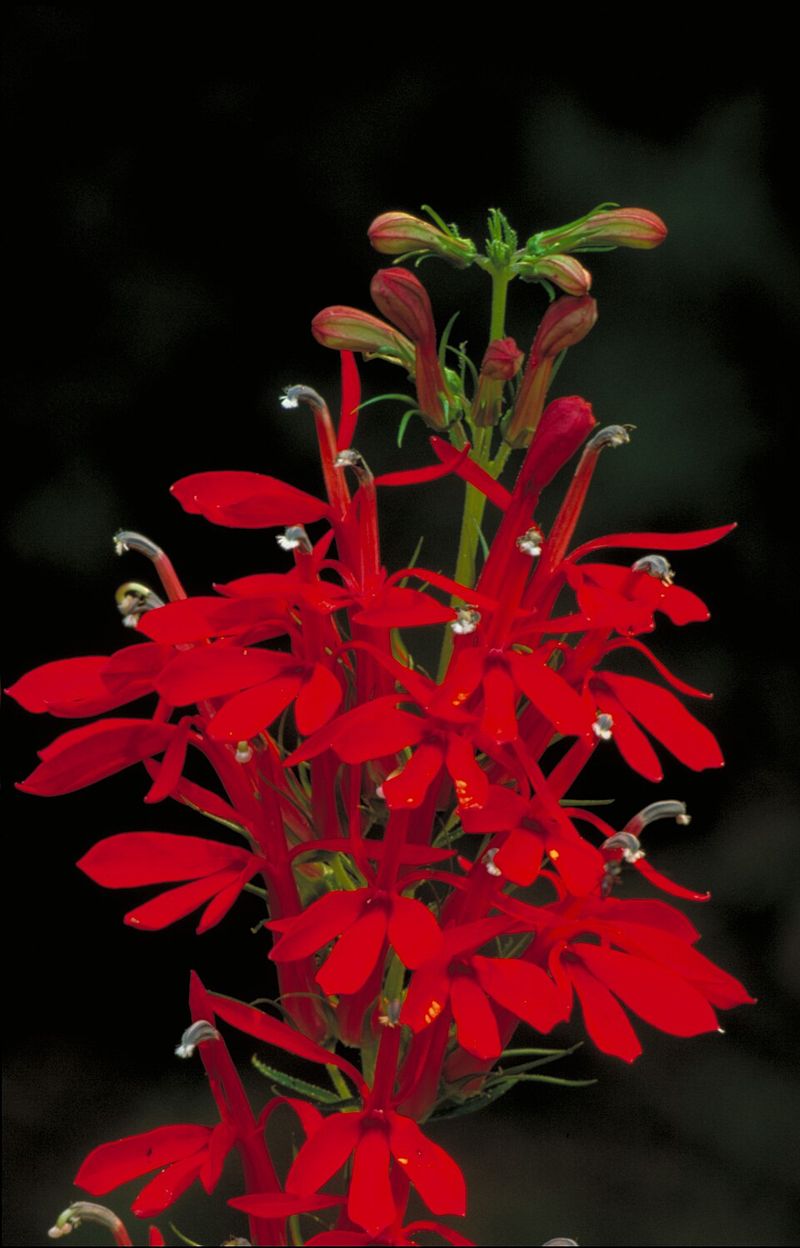
Bright red flower spikes can make a soggy planting area look intentional, and cardinal flower does exactly that. It is one of those plants that earns attention fast, especially when summer humidity and regular rainfall keep the soil evenly moist.
Hummingbirds notice it too, which adds another reason to carve out space for it.
In Florida, the best placement is usually where moisture remains consistent without becoming stagnant for long periods. Morning sun with some afternoon shade often gives the plant a comfortable balance, particularly in hotter regions where intense late-day heat can be punishing.
If you have a rain garden edge or damp border, that is a strong starting point.
The vertical bloom habit helps break up lower foliage and creates a useful visual rhythm in mixed plantings. Red flowers also pair beautifully with greens, deep purples, and soft grasses, giving you plenty of design flexibility.
When storms are common, having a plant that stays upright and colorful feels like a real advantage.
Mulch lightly to hold moisture, but keep the crown from staying smothered. Deadheading can stretch the display, though some gardeners leave seed for natural reseeding where conditions are right.
If your wet areas need stronger color and more wildlife appeal, cardinal flower is a very smart candidate.
Golden Canna
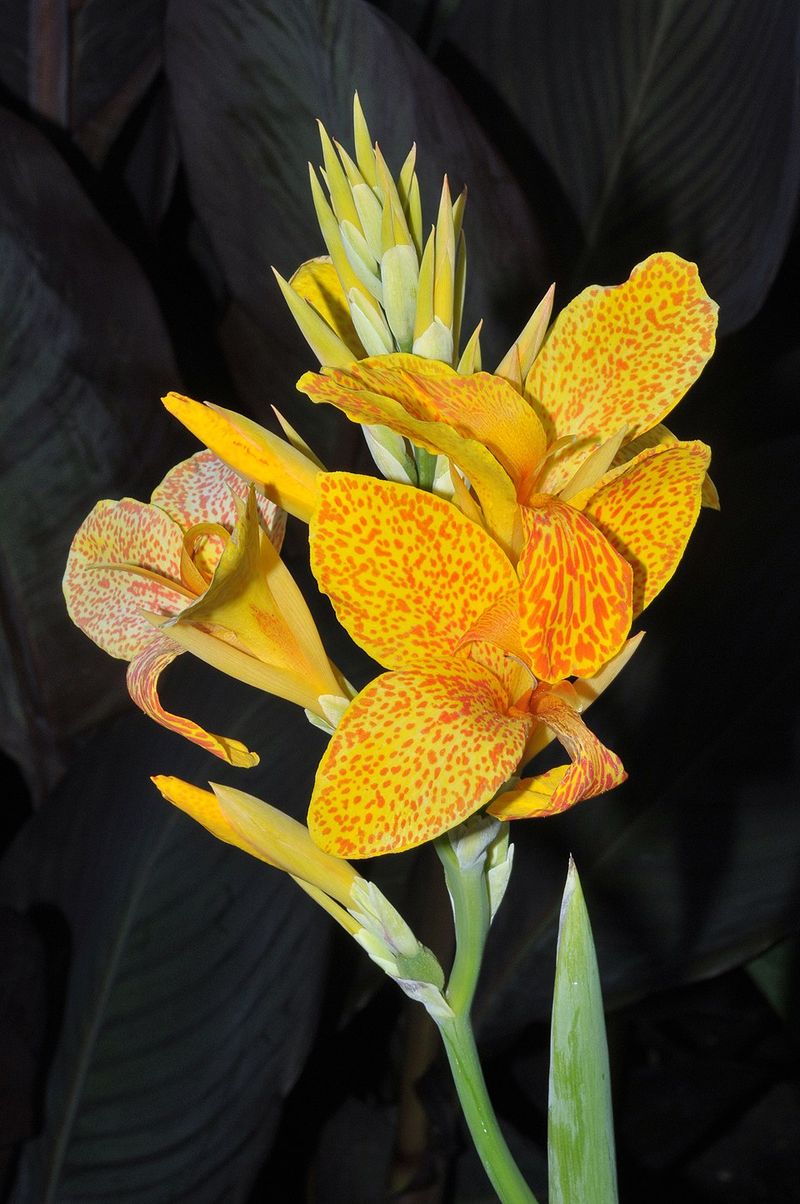
For gardeners who like bold color and do not want to panic every time a storm parks over the yard, golden canna is a strong pick. The sunny flowers stand out beautifully against broad leaves, and the plant takes summer rain with impressive ease.
In the right spot, it looks energetic rather than battered after wet weather.
Consistently moist soil helps it push strong growth, especially during Florida’s hottest months. Full sun keeps blooming steady, though it can tolerate a little shade if the site still gets enough brightness to fuel flowering.
Beds near patios, fences, or drainage paths often benefit from its height and tropical presence.
Yellow blooms can lighten up darker corners of the landscape and combine well with purple or blue companions. Because the foliage is so substantial, golden canna also works as a temporary screen around utility areas or bare foundations.
That kind of practical beauty is useful when you want one plant to solve more than one problem.
Snip out tired flower stalks and remove damaged leaves to keep clumps looking fresh through the season. Dividing rhizomes when growth becomes crowded will improve airflow and flowering.
If repeated rain is part of your summer reality, this variety offers dependable color without asking for constant rescue.
Dwarf Powderpuff
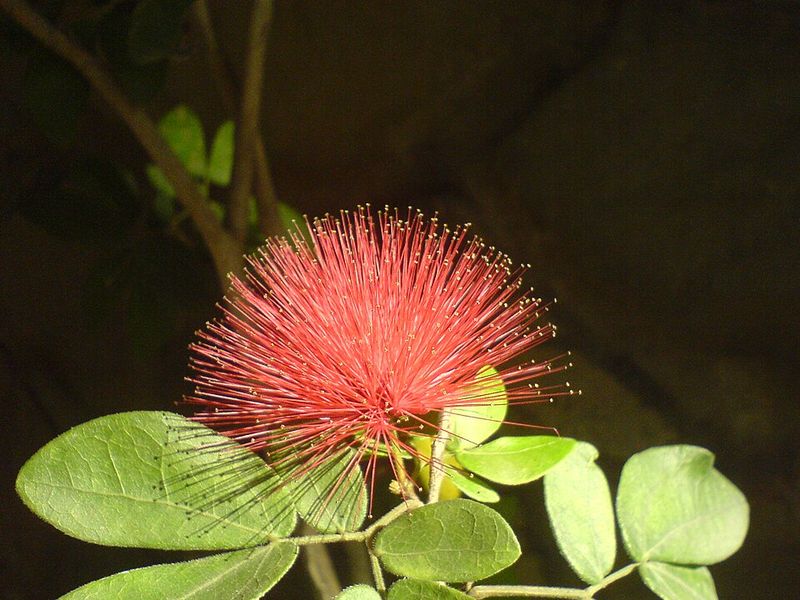
Not every rain-tolerant flower needs to look soft or traditional, and dwarf powderpuff proves that quickly. Its fuzzy red to pink blooms bring a playful texture that stands out after gray weather, while the plant itself handles Florida humidity and frequent rain better than many small flowering shrubs.
You get color, personality, and a long blooming habit in one compact package.
Full sun encourages the strongest flowering, although light shade is usually manageable in hotter inland gardens. The soil should drain reasonably well, but regular moisture is welcome, especially during active growth.
In practical terms, that means it does nicely in many Florida beds that get drenched often but do not stay swampy nonstop.
Because it stays relatively small, dwarf powderpuff fits near entries, patios, and walkways where larger wet-tolerant plants would feel overpowering. Pollinators visit the blooms, and the fine-textured flowers create contrast against broader-leaved companions.
That makes mixed borders feel more layered and less heavy after rainy weeks.
Occasional shaping keeps it neat, but avoid constant shearing if you want the best bloom production. Feed lightly during the growing season and watch the plant respond with fresh growth.
For a compact flowering option that handles Florida’s rainy mood swings with style, this one deserves more attention.