
Why Georgia Backyards Are Filling Up With Lemon-Scented Plants This Year
Follow us on Google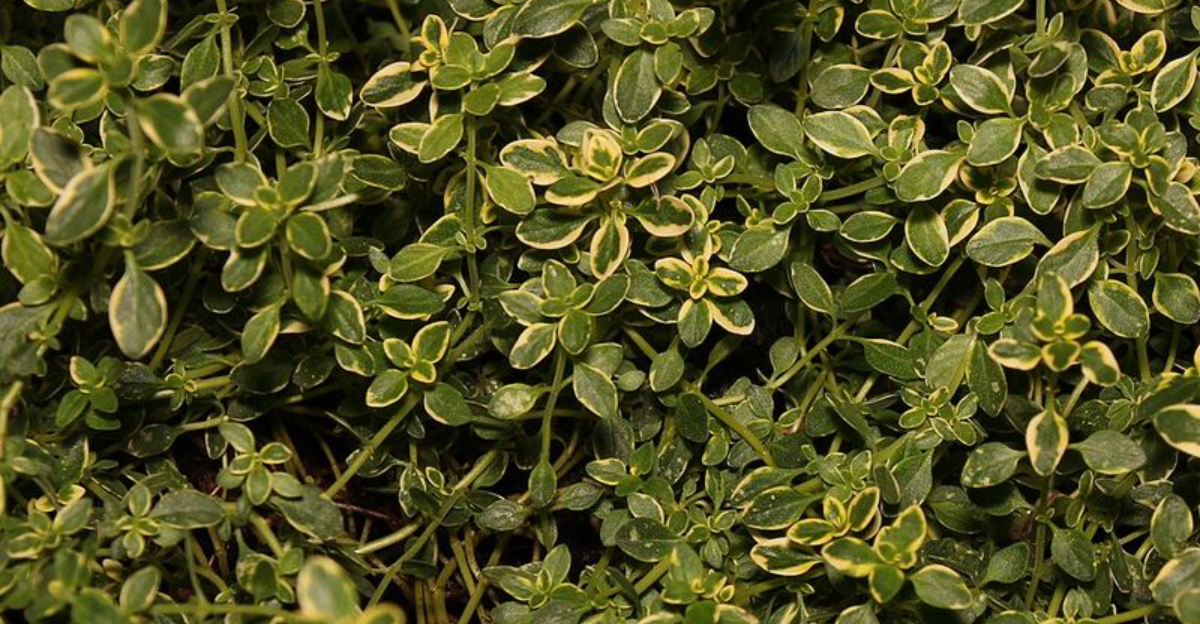
Step into a Georgia backyard lately, and there is a good chance the air carries a bright lemony note before you even spot the source. Home gardeners are leaning into plants that smell clean, handle heat, and make outdoor spaces feel fresher without much fuss.
That shift is not just about fragrance either – these picks pull double duty in drinks, cooking, and mosquito-prone evenings. If your yard needs something useful, beautiful, and easy to love, these lemon-scented favorites are worth a closer look.
Lemon Balm
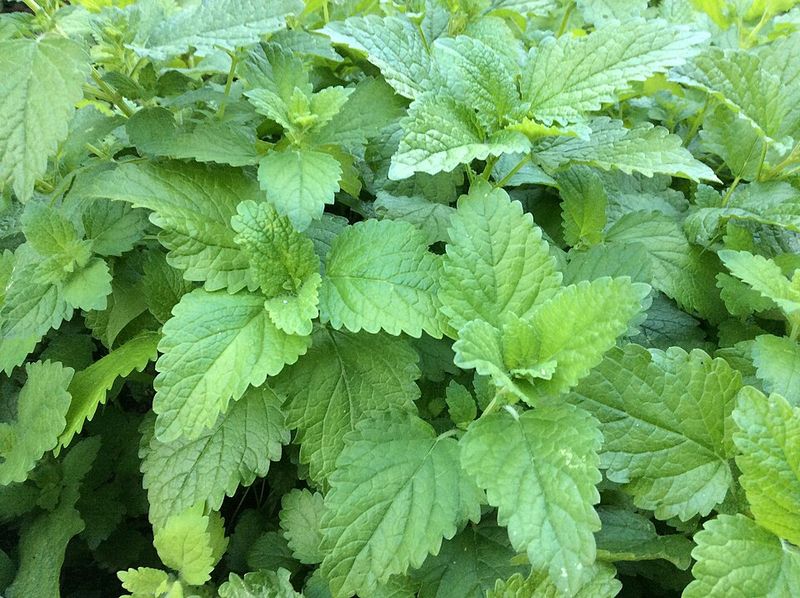
One quick rub of the leaves explains why this herb keeps showing up in Georgia gardens. The scent is clean, sweet, and instantly noticeable, especially after a summer rain or a humid afternoon.
You get fragrance, pollinator appeal, and a plant that settles into a backyard without demanding constant attention.
Heat does not usually scare it off, but afternoon shade helps the foliage stay tender in the thickest part of summer. Rich soil and steady moisture keep growth full, and pinching stems often prevents the floppy look many gardeners complain about by July.
If you have ever wanted an herb that forgives a missed watering but still looks generous, this one earns its space.
Fresh sprigs work beautifully in iced tea, fruit salads, and simple syrup, so the plant feels useful instead of ornamental only. You can also cut handfuls for the kitchen and still leave plenty behind for bees.
That practical payoff is a big reason more people are tucking it near patios, walkways, and raised beds.
Left alone, it can spread wider than expected, so containers or edging make sense if you like tidy borders. In my experience, that small bit of control is worth it because the fragrance keeps paying you back all season.
A gentle breeze is enough to make the whole corner smell brighter.
Lemon Verbena
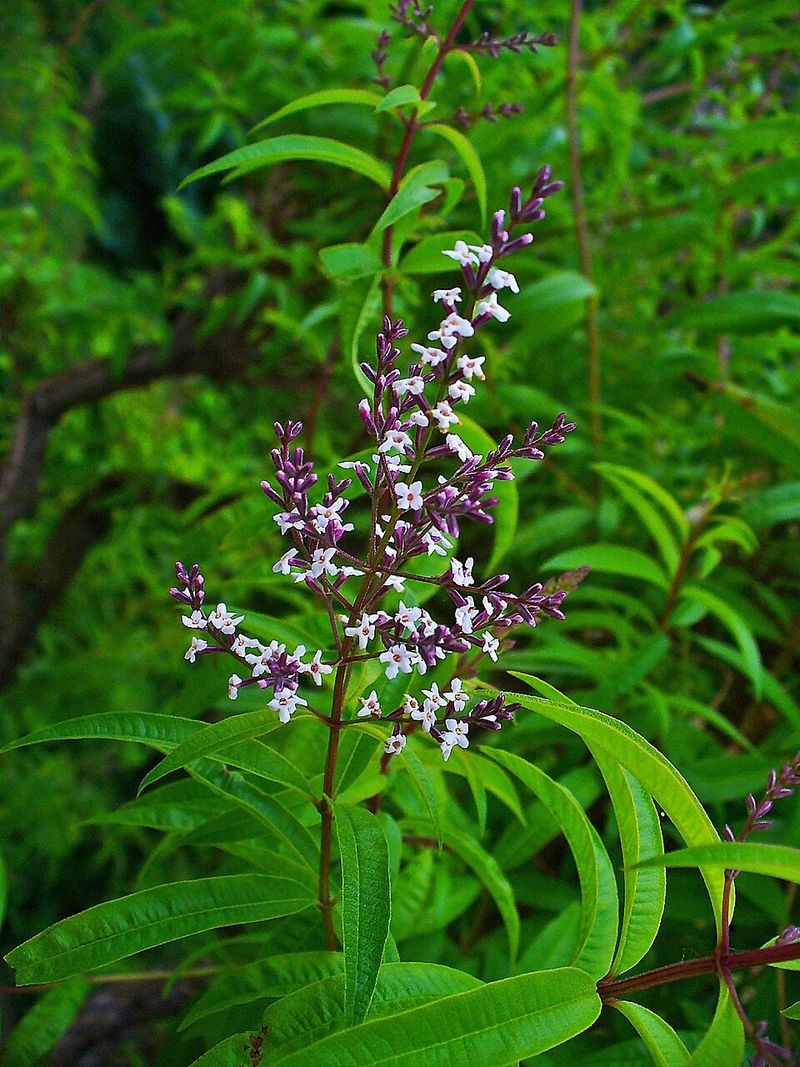
Few plants give off a truer lemon fragrance than this one, and that is exactly why Georgia gardeners keep making room for it. The scent feels sharper and more refined than many citrusy herbs, almost like fresh peel warmed by the sun.
You notice it from several feet away when the leaves brush your arm near a path or porch.
Full sun helps it develop the strongest aroma, though good drainage matters just as much in our sticky climate. In the ground, it can become a handsome shrubby presence, but a large pot works beautifully if you want to move it closer to outdoor seating.
Regular trimming encourages branching, which means more foliage for tea, baking, and homemade sugar blends.
Because the leaves are more intense than they look, a little goes a long way in the kitchen. Gardeners who enjoy hostess plants love that a few clipped stems can scent a pitcher of cold water or dress up a dessert tray without much effort.
That blend of elegance and usefulness gives it more staying power than trendier annuals.
Winter can knock it back in colder pockets, so patience is part of the deal each spring. Once warmth settles in, growth speeds up and the plant quickly starts earning attention again.
If you want fragrance that feels polished instead of casual, this one is hard to beat.
Lemongrass
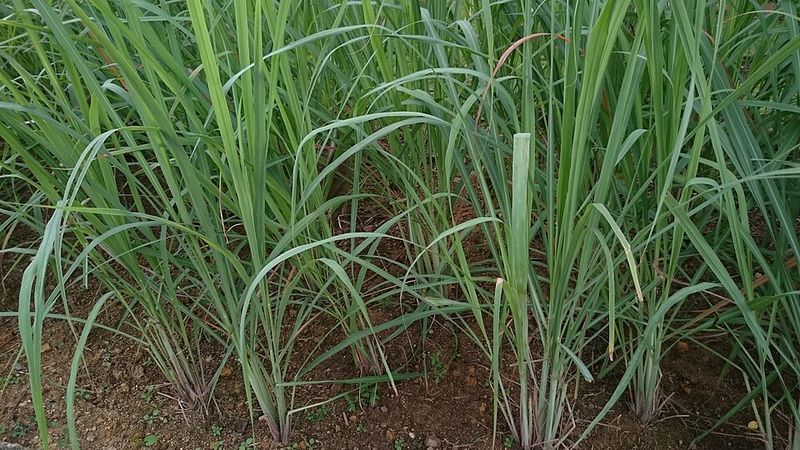
The tall, fountain-like shape makes this plant useful before you even get to the fragrance. Once the blades are cut or crushed, a bright citrus smell comes through that feels especially refreshing during hot Georgia evenings.
You get the look of an ornamental grass with the bonus of a kitchen staple tucked right into the yard.
Summer heat is not a problem here, which is one reason people are planting larger clumps near patios and grill areas. Give it full sun, decent drainage, and enough room to widen, and it usually responds with fast, impressive growth.
Containers also work well, especially if you want to divide and move plants before colder weather arrives.
Stalks can be harvested for soups, marinades, and tea, so the plant earns practical value all season long. Many gardeners like placing it where passing feet or a breeze will release that citrus note without any extra work.
It also pairs nicely with bolder foliage plants, making mixed beds feel more layered and intentional.
Because it grows vigorously, regular trimming keeps the clump tidy and easier to harvest. Brown outer blades should be removed so fresh growth stays visible and attractive.
If your backyard needs scent, structure, and usefulness in one package, this is one of the smartest choices you can plant.
Lemon Thyme
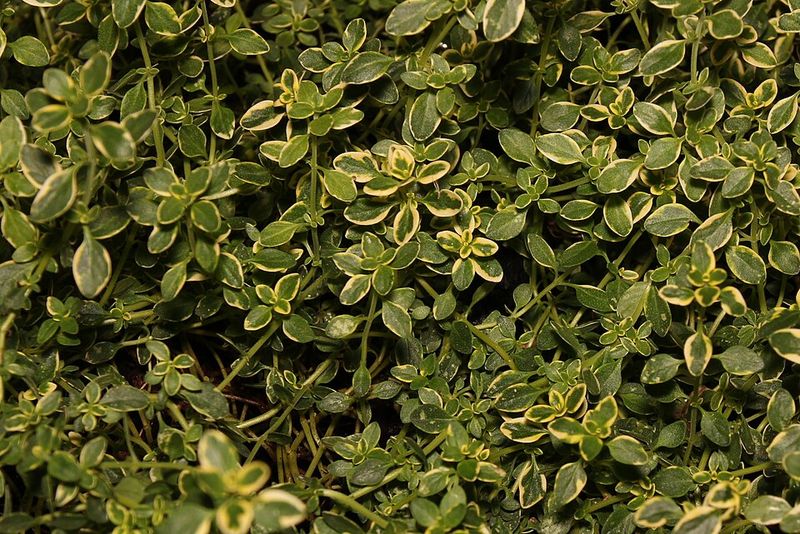
Small leaves can carry a surprising amount of character, and this herb proves it every time you brush past it. The scent mixes classic thyme earthiness with a soft lemon note that feels clean rather than overpowering.
For Georgia gardeners wanting fragrance in a compact footprint, that balance is a big win.
Dryer conditions suit it well once established, which makes it especially useful in raised beds, rock borders, and hot spots near walkways. Full sun helps keep growth dense and flavorful, while soggy soil usually causes the trouble people blame on summer heat.
A little trimming after flowering keeps the mound neat and encourages fresh stems for cooking.
Roasted vegetables, chicken, seafood, and even simple vinaigrettes all benefit from a few clipped sprigs. Because the plant stays relatively low, it works as an edge that smells better every time someone steps nearby or brushes it during harvest.
That everyday interaction is part of the charm, and it makes the garden feel more lived in.
Georgia backyards often need plants that do not ask for endless watering, staking, or fussing. This one fits neatly into that reality while still offering color, scent, and culinary payoff.
If you like herbs that pull their weight quietly and still make guests ask what smells so good, keep this near the front of the bed.
Citronella Geranium
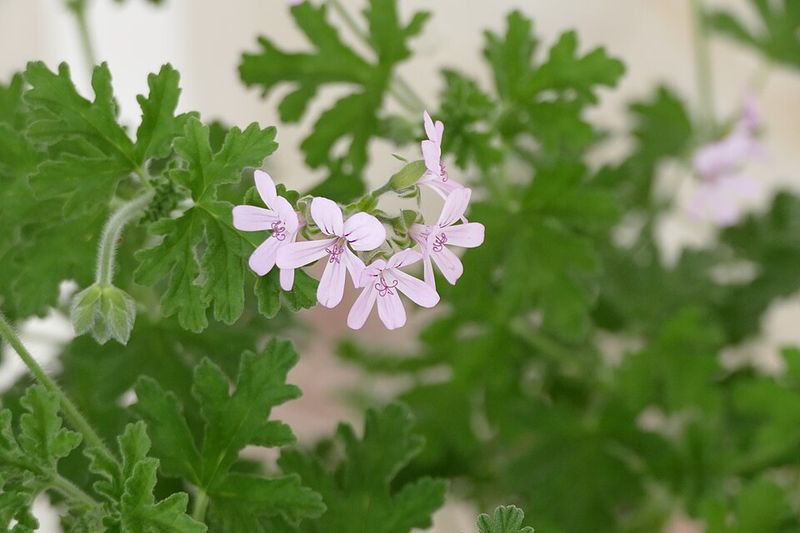
A lot of gardeners first notice this plant because of the mosquito talk, but the fragrance is what keeps it around. The leaves release a strong lemony scent with a green, slightly rosy edge that feels lively on a warm evening.
In Georgia, where porches and patios stay busy deep into the season, that aromatic presence is easy to appreciate.
Containers are often the best way to grow it because drainage stays sharp and placement stays flexible. Set it near seating, doorways, or outdoor dining spots where the foliage will be brushed often and the scent can actually be enjoyed.
Full sun to light afternoon shade works well, especially when summer temperatures start pressing hard.
The leaf shape also adds texture, so the plant pulls visual weight even before it perfumes the air. It mixes nicely with basil, petunias, and trailing annuals if you want a patio arrangement that feels useful and decorative at the same time.
Pinching tips regularly helps it stay fuller instead of getting leggy and sparse.
No plant is a magic shield against insects, but a fragrant porch still feels more pleasant with this nearby. That honest expectation makes it easier to enjoy the plant for what it does best: scent, texture, and versatility.
If you want something portable that gives your outdoor living space a fresh citrus note, this is a strong candidate.
Lemon Basil
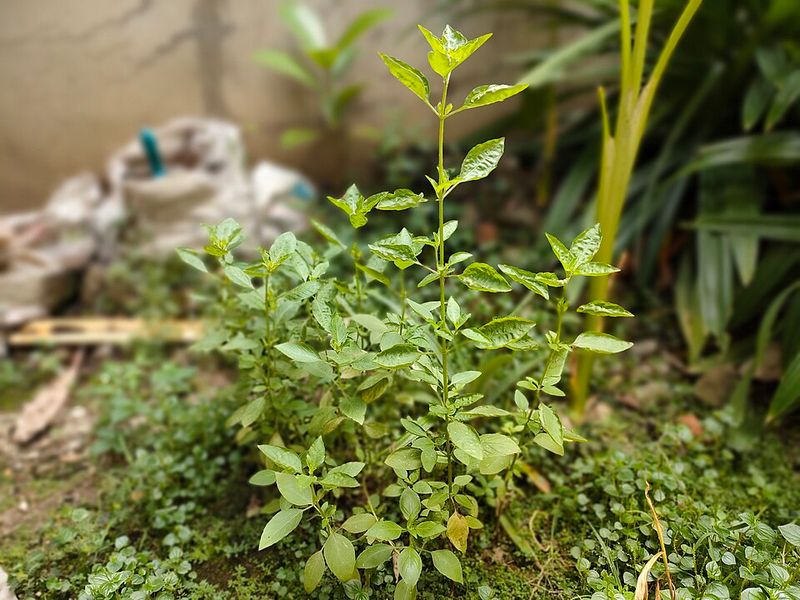
The first handful you harvest usually settles the question of why this basil is catching on. It brings the familiar sweetness people expect from basil, but a bright lemon edge makes it taste lighter and more summery.
In Georgia kitchens where tomatoes, grilled chicken, and cold drinks are everywhere, that flavor feels immediately useful.
Warm weather pushes it along quickly, so full sun and regular moisture usually deliver strong growth through the heart of the season. Good airflow matters because humid conditions can invite mildew, and spacing plants generously helps more than most beginners realize.
Frequent harvesting also keeps plants bushier, which means you get better shape and more leaves.
Gardeners love how easily it slips into real meals instead of becoming an herb you admire but rarely cut. A few leaves can wake up fruit salad, iced tea, noodle bowls, or a simple cucumber platter for guests.
That easy crossover from garden bed to dinner table makes the plant feel practical, not precious.
The flowers are attractive to pollinators, but pinching them off early keeps leaf production going longer if your goal is cooking. Tuck it near a path or back step and the scent becomes part of everyday movement through the yard.
For anyone wanting fragrance with a clear payoff, this one earns repeat planting.
Lemon Beebalm
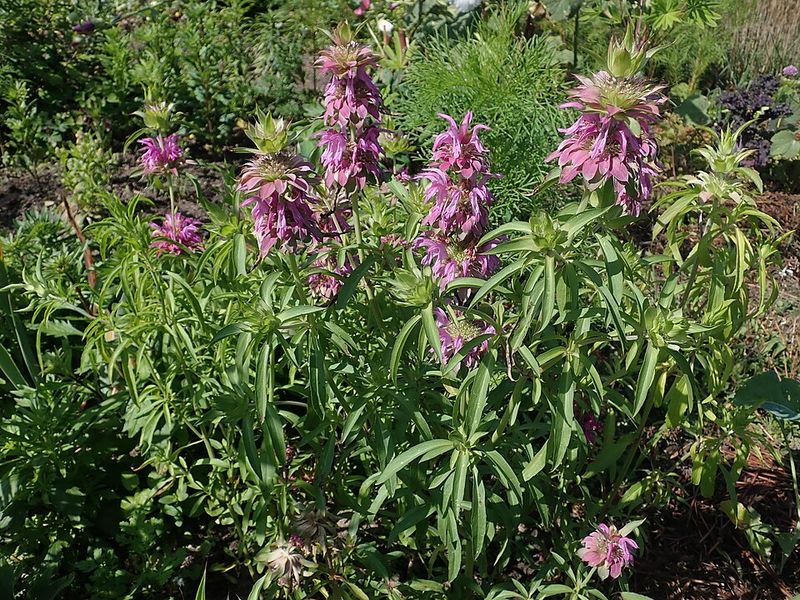
Backyards that need more pollinator activity are one big reason this native-friendly annual is getting extra attention. The foliage carries a spicy lemon scent, and the stacked lavender blooms add a looser, meadow-like look that feels right at home in Georgia.
When bees and butterflies start circling it, the plant quickly proves it offers more than fragrance alone.
Full sun gives the best flowering, and average soil is usually enough as long as drainage is decent. That lower-fuss nature appeals to gardeners who want beauty without the constant feeding and pampering some ornamentals seem to require.
Once established, it handles heat well and often reseeds politely, which keeps the display coming back with less work.
The leaves can be used for tea, and the flowers bring motion and color to borders that otherwise feel flat in midsummer. It looks especially good mixed with salvias, zinnias, and ornamental grasses where the planting feels relaxed instead of rigid.
That casual style suits current backyard trends, especially among homeowners tired of high-maintenance beds.
Deadheading stretches bloom time, but leaving some seed heads helps with reseeding and wildlife value later on. The scent is not as sugary as lemon balm or verbena, yet it feels fresh and distinctive in a more herbal way.
If you want fragrance tied to pollinator support, this plant makes an easy case for itself.
Lemon Mint
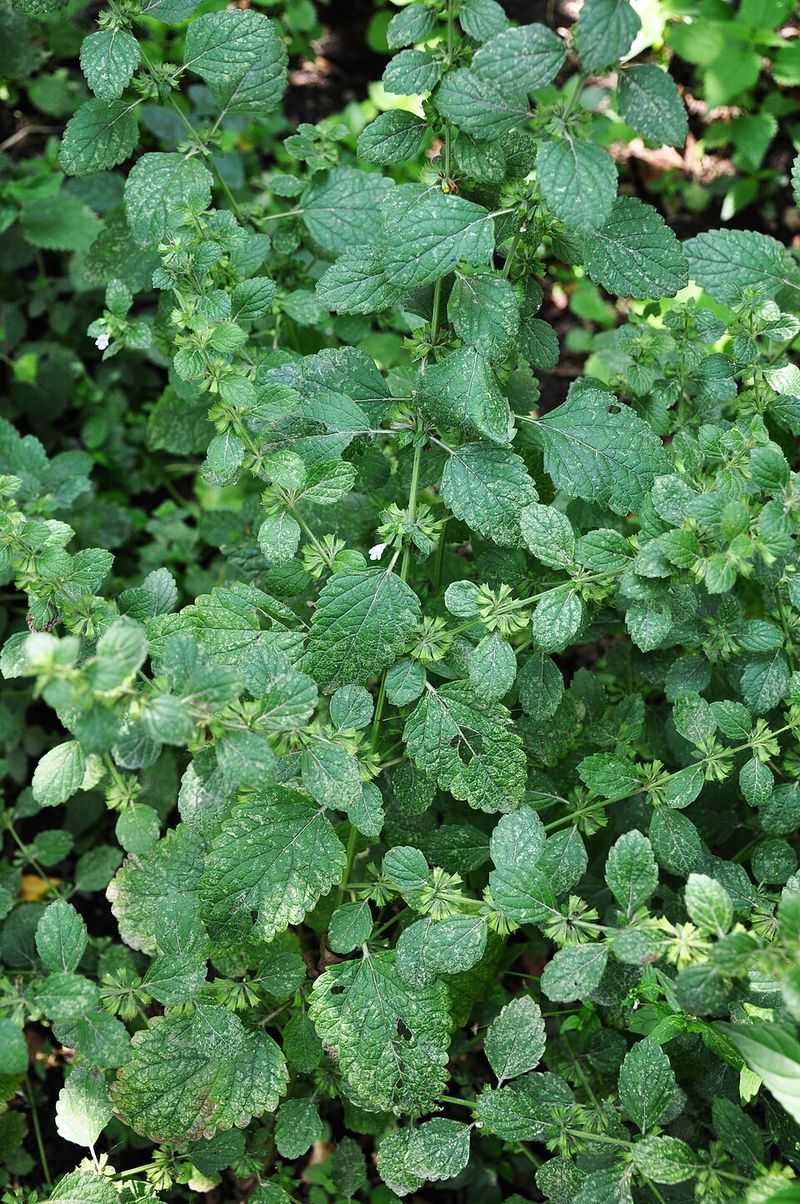
Lemon mint makes sense for Georgia gardeners who want fragrance without giving up that easy, generous look herbs do so well. The leaves release a sweet lemony smell that feels softer than lemongrass but still noticeable when you brush by.
It has that same welcoming quality people love in plants that earn their space every day.
This one also helps a backyard feel busy in the best way, especially once pollinators start showing up around the blooms. You get scent, texture, and a relaxed shape that fills gaps naturally.
Near a porch or path, it turns simple movement through the yard into part of the experience.