
The Outdoor Plants Massachusetts Gardeners Say Need Almost No Summer Maintenance
Follow us on Google
Massachusetts summers can be gorgeous, but they also test any yard that demands constant watering, deadheading, and fussing. If you want a garden that still looks lively when weekends get busy, the right plant choices make all the difference.
These dependable outdoor favorites handle heat, humidity, and the region’s changing conditions with far less work than many popular picks. You get color, texture, and strong seasonal performance without spending every July evening holding a hose.
Sedum
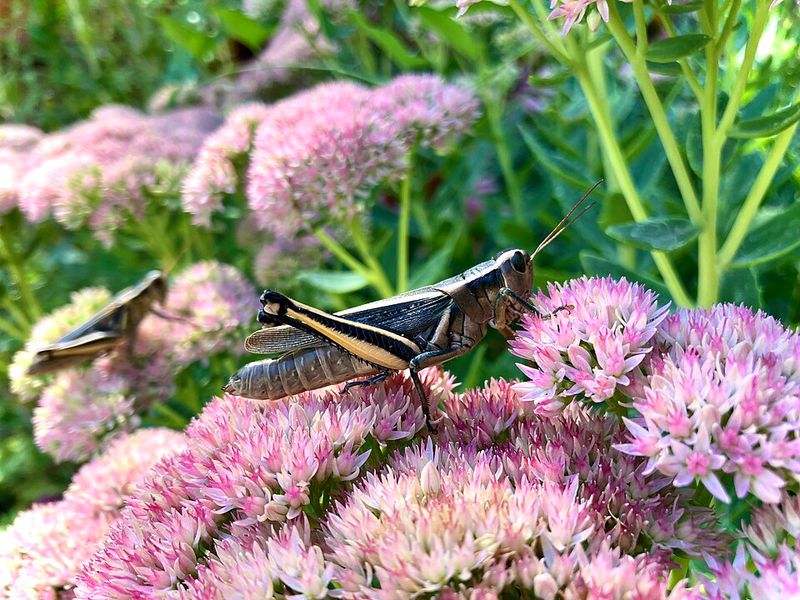
Hot, dry stretches do not bother this sturdy perennial much, which is exactly why so many Massachusetts gardeners keep it in the sunniest spots. Its fleshy leaves hold moisture well, so you are not racing outside with a watering can every time the forecast misses a shower.
Once established, it usually needs little more than decent drainage and a place where roots are not sitting in soggy soil.
By midsummer, the plant stays neat and attractive even before the flowers fully color up, giving beds a clean, intentional look. I like how it pulls weight visually without asking for constant deadheading, staking, or dividing every season.
Bees also find it useful later, so your low effort choice still supports pollinators when many other blooms begin fading.
Lean soil is often better than overly rich ground, because too much pampering can make stems floppy. A simple spring cleanup is usually enough, and you can skip extra fertilizer in most yards.
If your garden has a baking sidewalk edge, driveway border, or dry slope, this is one of the easiest reliable fillers.
That combination of toughness, late color, and tidy foliage makes it feel almost unfairly easy. For a summer garden that keeps going while you do something else, it is hard to beat.
Daylily
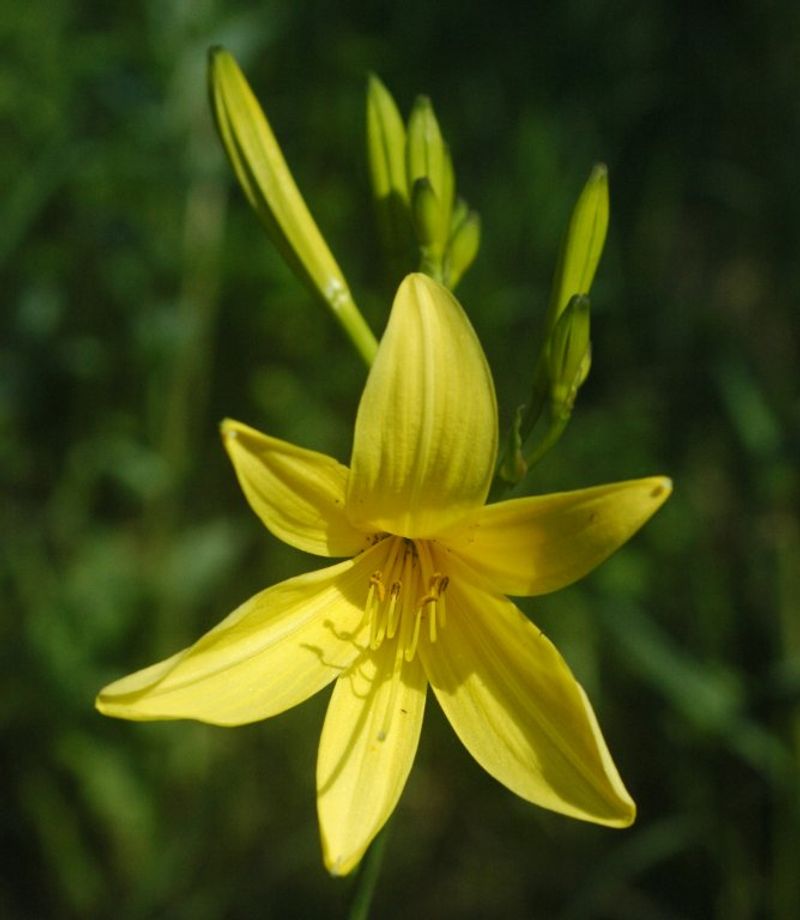
Few perennials handle Massachusetts summer conditions with less drama than this familiar favorite. Thick roots help it cope with heat and occasional dry spells, while the grassy foliage fills space in a way that looks polished long before the flowers arrive.
If you want something forgiving near a mailbox, along a fence, or in a mixed border, this one earns its reputation.
Bloom time depends on the variety, but even when individual flowers last only a day, the plant keeps producing enough buds to stay colorful. I appreciate how it forgives irregular care, because missed watering sessions rarely turn into a crisis.
You can deadhead spent blooms if you enjoy tidying, yet many gardeners simply leave the plants alone and still get a strong display.
Established clumps usually outcompete a fair amount of weed pressure, which saves more time than people expect. It also tolerates the region’s humidity better than fussier sun perennials that collapse by late July.
Give it average soil, reasonable drainage, and sun, and it often settles in for years with minimal complaints.
Older clumps may benefit from division eventually, but that is not an every summer job. For dependable color that keeps showing up without a long chore list, daylily remains one of the easiest choices around.
Coneflower
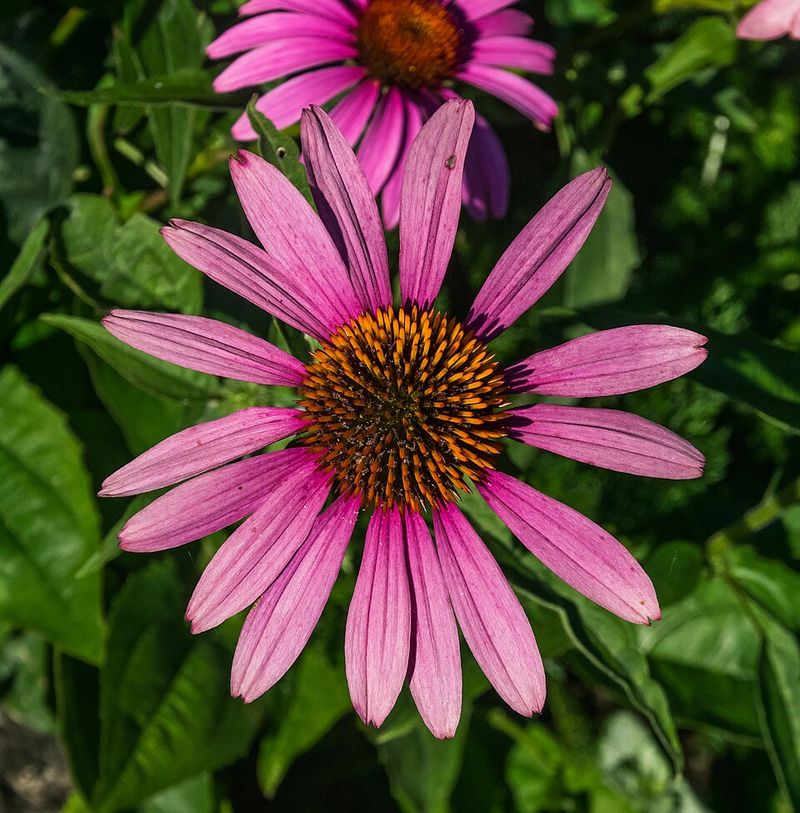
Strong stems, long bloom time, and a relaxed habit make this perennial a smart choice for busy gardeners. It handles Massachusetts heat well once established, and it does not wilt at the first sign of a dry week.
Native roots help it manage ordinary garden conditions without acting precious about soil that is not perfect.
The flowers bring a natural, easygoing look that fits cottage gardens, pollinator beds, and more structured borders. I especially like that you can skip a lot of fuss and still get weeks of color plus steady bee activity.
If you leave some seedheads later, birds may stop by too, which adds another layer of interest without extra work from you.
Good sun matters, because too much shade can lead to weaker growth and fewer flowers. Beyond that, maintenance stays light, with occasional watering during establishment and a simple cleanup once the season shifts.
Many gardeners deadhead for a tidier appearance, but it is not required for the plant to remain attractive through much of summer.
Massachusetts gardens often benefit from plants that can ride out humidity, surprise storms, and uneven watering schedules. Coneflower does that while still looking cheerful rather than merely surviving.
For color with a native-friendly bonus, this one earns its spot.
Catmint
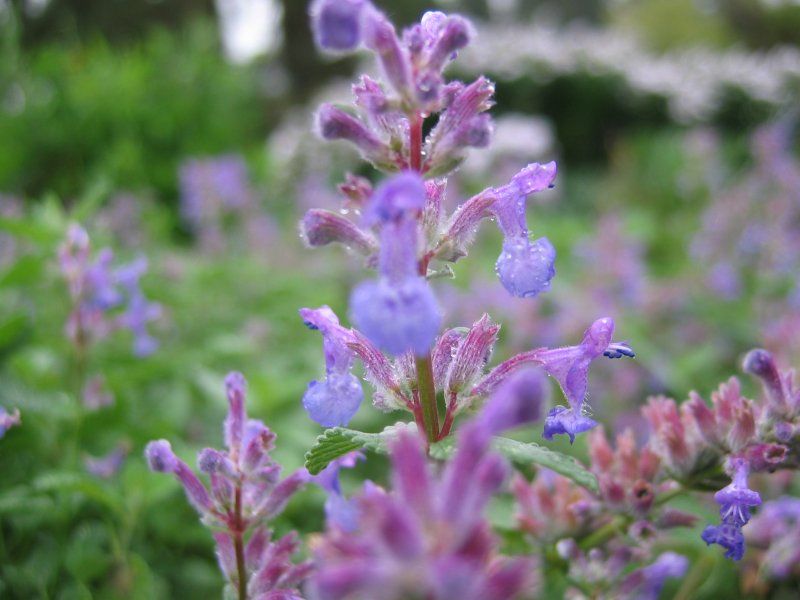
Soft blue flowers and aromatic foliage give this plant a polished look, but the real appeal is how little it asks in return. Heat, dry soil, and reflected warmth from paths or stone edges rarely faze it once roots settle in.
That makes it especially useful in Massachusetts yards where the hottest spots tend to challenge more delicate bloomers.
The mounded shape spills nicely along walkways and borders, creating a full effect without constant pinching or babying. I like using it where a garden needs to look cared for even when no one has time for daily upkeep.
Pollinators usually visit steadily, so you get movement and color without having to rotate in needy annuals.
After the first flush, a light trim can encourage a tidier second round of bloom, but even that is optional. Unlike some summer performers, it generally keeps its composure through humidity and does not collapse the moment weather turns sticky.
Deer and rabbits also tend to pass it by, which removes another source of maintenance that often gets overlooked.
Good drainage and sun are the main priorities, and rich soil is unnecessary. When a planting area needs long-lasting color, pleasant texture, and reliable performance with very little intervention, catmint is one of the smartest fillers you can choose.
Yarrow
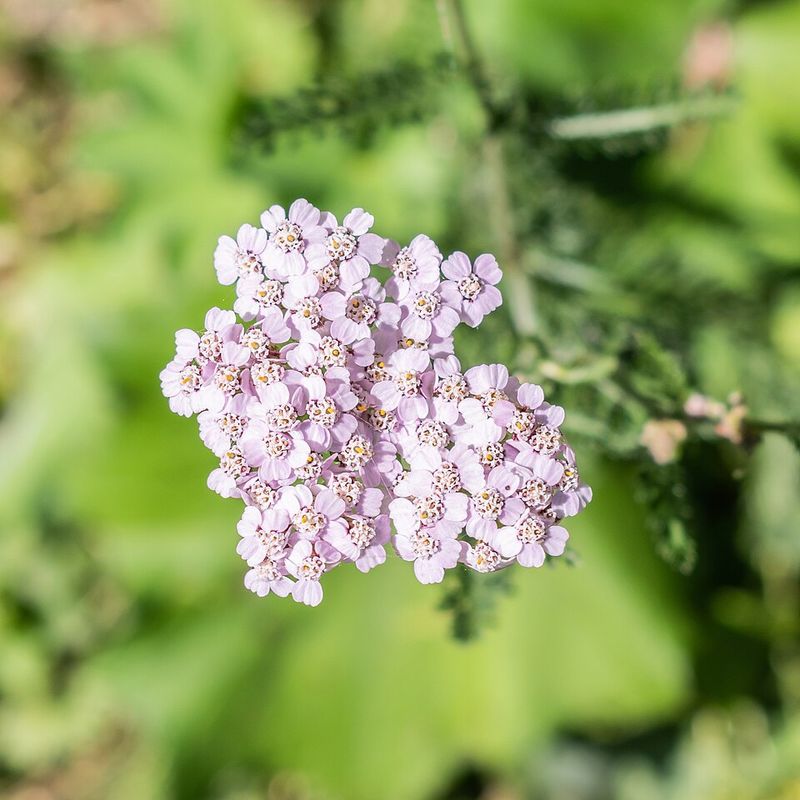
Dry soil and strong sun are not problems here, which is why yarrow often succeeds where more pampered perennials struggle. The feathery foliage stays attractive at ground level, and the flat flower clusters add a different shape that helps mixed borders feel more layered.
In Massachusetts gardens with sandy patches or roadside conditions, that resilience is especially useful.
Once established, watering needs stay modest, and rich soil can actually make plants less sturdy. I appreciate how it keeps blooming through summer without demanding constant attention, especially in spots that bake by afternoon.
Pollinators visit often, and the flowers also work nicely if you like cutting a few stems without stripping the garden bare.
Deadheading can extend bloom, but many gardeners simply remove older flower heads when they have time. The plant’s biggest need is avoiding overly wet ground, because soggy conditions matter more than occasional drought.
Give it open sun and airflow, and it usually rewards neglect rather than punishment.
It also blends easily with ornamental grasses, coneflowers, and sedums, so simple combinations still look thoughtfully planned. For anyone trying to lower summer chores while keeping the yard bright and active, yarrow is a hardworking choice that pulls more than its share.
Black-Eyed Susan
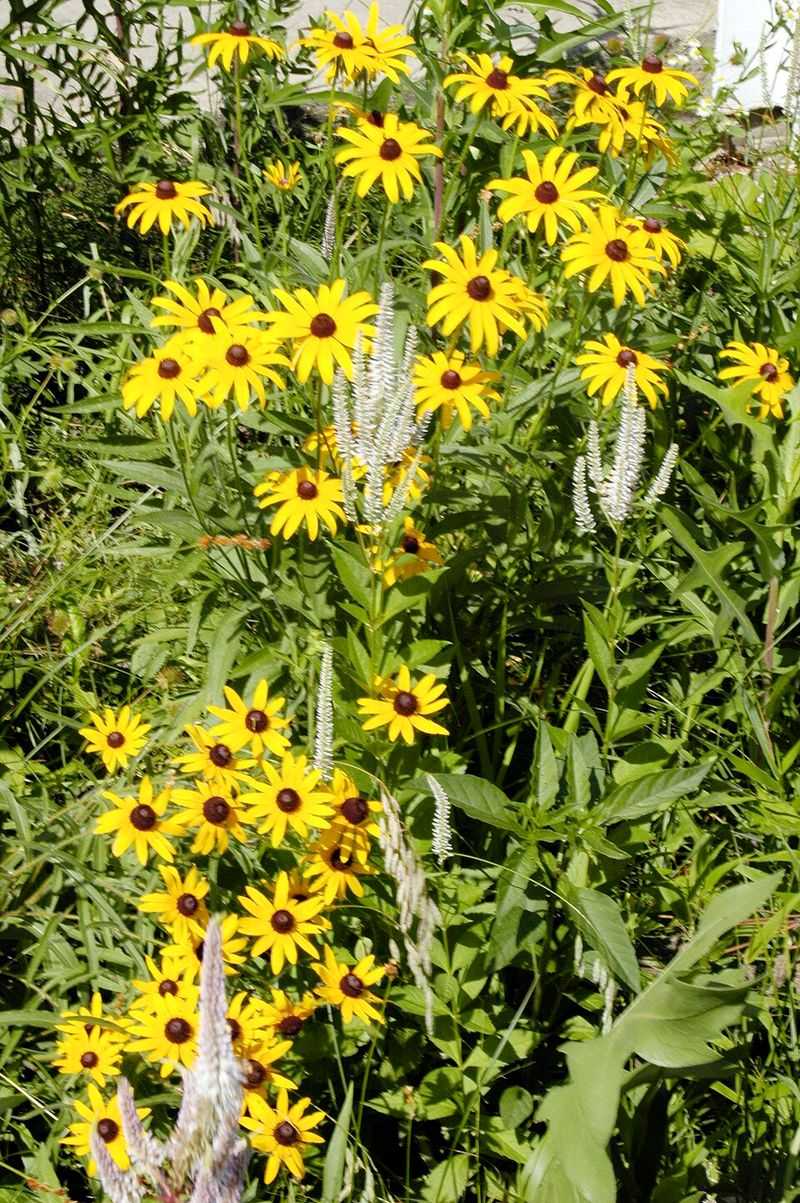
Bright golden petals and dark centers give this perennial a cheerful look, but its staying power is what really matters. Massachusetts gardeners often rely on it for late summer color because it keeps performing when tired annuals begin fading out.
It also adapts well to average soil, which means you do not need to engineer perfect conditions first.
These flowers hold up through heat and humidity better than many showier options, especially in full sun. I like how they fill empty stretches in a border and make the whole yard feel more awake with very little intervention.
Butterflies and bees notice them too, so a simple planting can feel more dynamic all season.
Young plants need regular water while settling in, but established clumps usually manage well with normal rainfall plus occasional deep soaking. Deadheading helps keep things tidy, though it is hardly a requirement if your goal is easy care rather than exhibition standards.
Good spacing improves airflow and keeps summer maintenance from turning into disease management.
In mixed beds, the color pairs nicely with ornamental grasses, purple coneflowers, and blue catmint. That makes it easy to build a garden that looks intentional without being demanding.
For reliable warmth and strong seasonal presence, black-eyed Susan rarely disappoints.
Baptisia
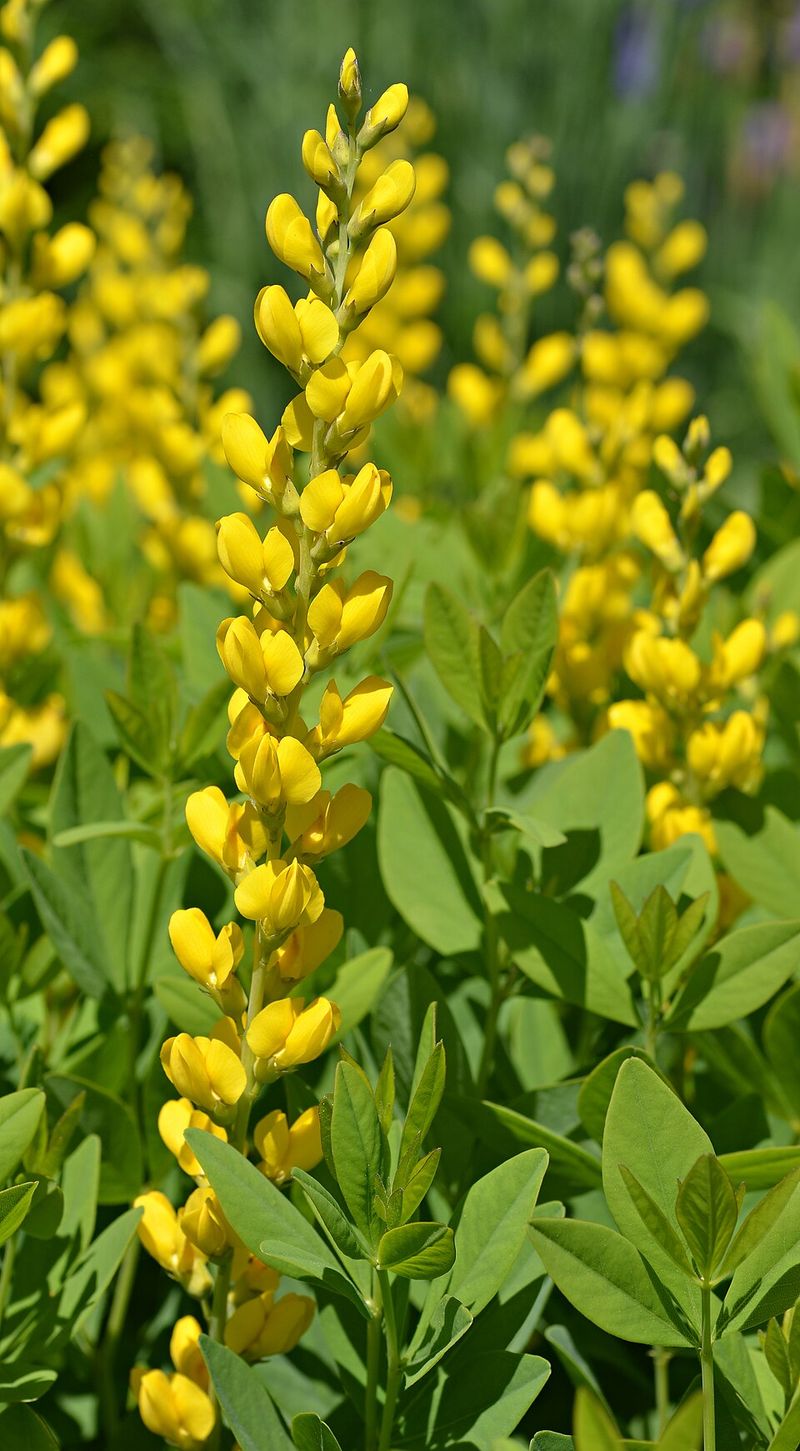
Mature plants develop a strong, shrub-like presence that quietly carries a garden long after spring bloom has passed. That structure is a big reason experienced Massachusetts gardeners value it, because the foliage stays handsome through summer without needing staking, frequent watering, or repeated trimming.
Deep roots help it tolerate dry conditions once established, which cuts way down on maintenance.
Early flowers are a bonus, but the seedpods and rounded form keep contributing after the showier stage ends. I often think of it as a backbone plant for sunny beds, since it holds space confidently while fussier neighbors come and go.
It also tends to resist deer better than many tempting perennials, which matters in lots of suburban neighborhoods.
The main caution is patience at the beginning, because baptisia takes time to settle and size up. Once it does, though, it dislikes being moved and generally rewards being left alone.
Average soil and full sun are enough, and fertilizer is rarely necessary unless conditions are unusually poor.
For gardeners trying to reduce summer chores, stable plants like this are worth more than flashy high-maintenance bloomers. It gives a border weight, durability, and a calm, reliable look.
If you want something that thrives on neglect after establishment, baptisia belongs high on the list.
Switchgrass
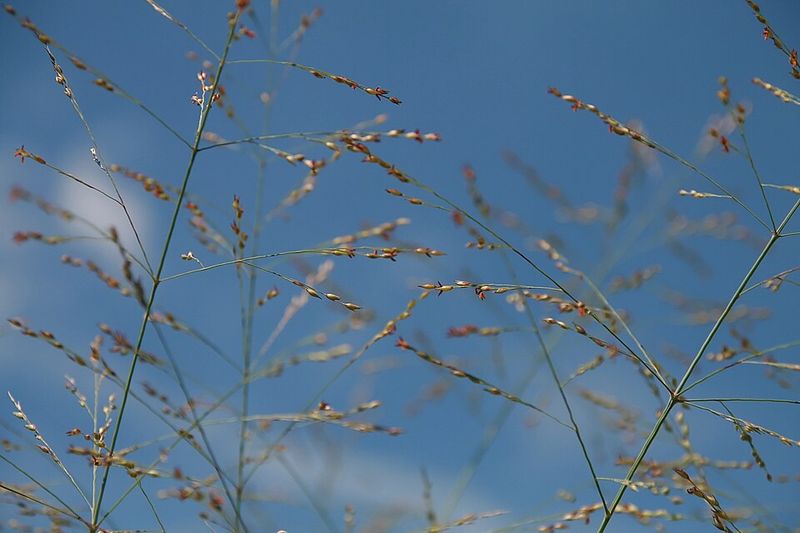
Texture matters just as much as flowers in a low-maintenance garden, and this native grass delivers it beautifully. Upright blades add movement without looking messy, and by summer the plant usually stands on its own with no need for staking.
In Massachusetts landscapes where weather changes quickly, that kind of self-sufficiency is hard to overvalue.
Once rooted in, switchgrass handles heat and periodic dryness with surprising ease, especially in full sun. I like how it softens the look of a border while still giving it height, which helps beds feel finished even when not everything is blooming.
Seed heads later in the season bring extra interest and can catch light in a way flowers sometimes cannot.
Maintenance is refreshingly simple because most of the work happens in late winter or early spring, not during the hottest weeks. Through summer, you are mostly just enjoying it and making sure young plants get enough water during establishment.
It also pairs naturally with coneflowers, black-eyed Susans, and yarrow for a planting that looks intentional but not overworked.
Native plant gardeners appreciate its ecological value, yet even purely practical gardeners love the low effort. If you want a summer garden with motion, structure, and almost no babysitting, switchgrass is an easy yes.
Lavender
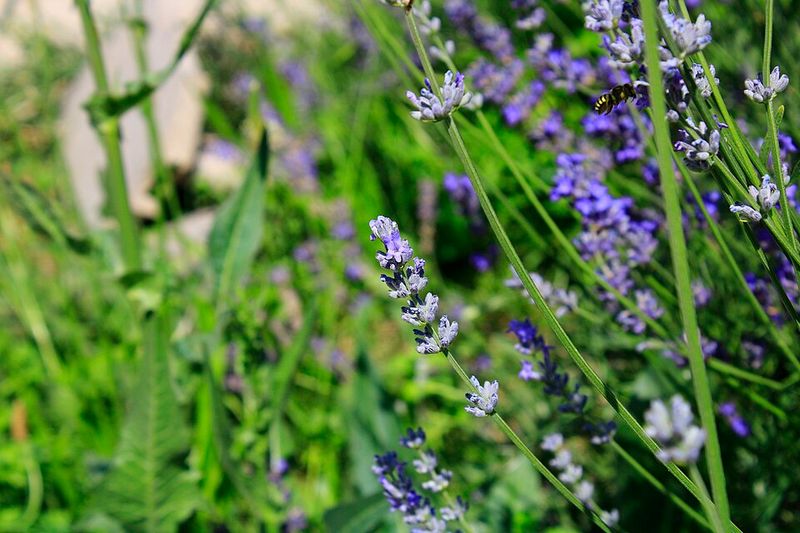
Good drainage changes everything with lavender, and when that need is met, summer care becomes surprisingly light. The silvery foliage looks tidy even before bloom, which helps sunny Massachusetts beds stay attractive without constant intervention.
In the right spot, it handles dry periods well and often prefers a less generous approach to watering and feeding.
Warmth around stone, gravel, or a raised bed suits it especially well, since soggy roots are a far bigger issue than temporary dryness. I like planting it where brushing past releases fragrance, because that sensory payoff makes the garden feel richer without adding chores.
Bees usually crowd the flower spikes, so a compact planting quickly becomes one of the busiest parts of the yard.
The biggest mistake is treating lavender like a thirsty perennial instead of a Mediterranean herb. Avoid heavy mulch against the crown, skip rich fertilizer, and trim lightly after flowering to keep the shape from getting woody.
In colder parts of Massachusetts, choosing hardy English lavender varieties improves the odds of long-term success.
It is not carefree in every site, but in sunny, sharply drained soil it comes very close. For gardeners willing to match plant to place, lavender offers color, fragrance, and structure with remarkably little summer effort.
Hosta
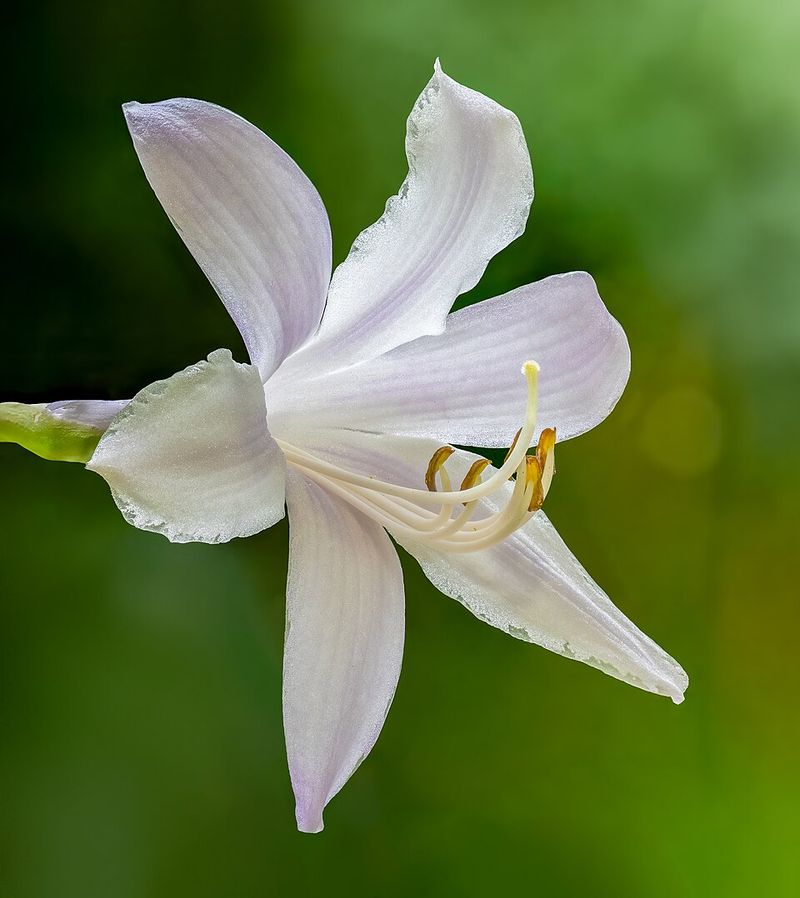
Shade gardens need easy plants too, and hostas remain one of the most reliable answers for Massachusetts yards. Their broad leaves fill bare ground quickly, creating a finished look that cuts down on weeds and frequent replanting.
In the right spot with decent moisture, they cruise through summer without demanding much more than occasional cleanup.
Foliage is the main attraction, which means you are not depending on perfect bloom timing to make the bed look good. I appreciate how many sizes and colors are available, because you can build an entire shade planting around texture alone.
Blue, chartreuse, deep green, and variegated types all mix well and keep a cool, settled appearance during hot weather.
Morning sun is fine for many varieties, but harsh afternoon exposure can scorch leaves, especially in drier sites. A layer of mulch helps maintain soil moisture and reduces watering needs, which is useful when shady areas sit far from a hose.
Slugs can be an issue in some gardens, yet good airflow and simple monitoring usually prevent major damage.
Once established, most hostas just return and expand steadily, asking for division only when you want more plants. For dependable summer presence in shade, few choices give you so much coverage for so little maintenance.
Coreopsis
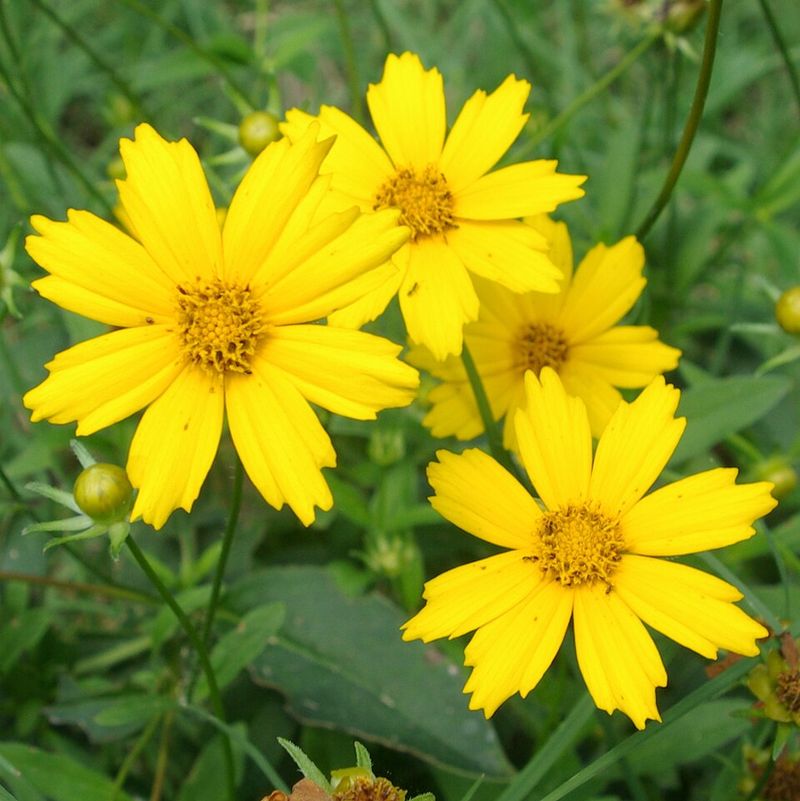
Long bloom time is the big selling point here, especially for gardeners who want color without rotating in lots of annuals. Coreopsis handles Massachusetts summer weather well in full sun and generally keeps flowering through heat that wears out fussier plants.
Its airy habit also helps borders feel lighter, which is useful when heavier foliage starts dominating by midsummer.
Once rooted in, it usually needs only moderate water and average garden soil to keep going. I like that it adds brightness without looking stiff, and it slips easily into mixed beds, mailbox plantings, or informal cottage layouts.
Newer varieties offer more shades than the classic yellow, though the simple sunny forms remain among the easiest.
Deadheading can increase bloom, but many gardeners find the plant performs well enough with only occasional trimming. As long as drainage is decent and the site gets plenty of sun, it tends to stay productive with minimal attention.
That matters during busy weeks when ornamental value has to come from plants that can keep carrying on without reminders.
It also pairs nicely with catmint, coneflower, and ornamental grasses for a loose, summery look. If your garden needs reliable color that does not turn into a maintenance project by July, coreopsis is a very sensible addition.
Peony
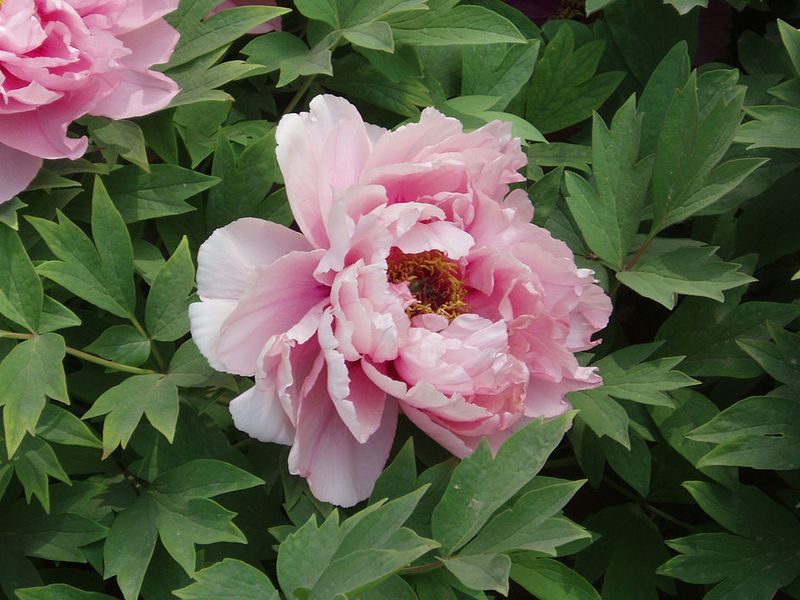
Most people think of peonies as spring stars, but their value in a low-maintenance Massachusetts garden continues well into summer. After the blooms pass, healthy foliage stays full and attractive, acting almost like a shrub in the border.
That means the plant keeps contributing without demanding repeated deadheading, feeding, or daily attention once the flowers are done.
Established clumps are notably durable and can remain in place for many years, sometimes decades, with very little interference. I like using them as anchor plants because they bring permanence to a bed that might otherwise feel temporary and busy.
In summer, they simply hold their shape and give neighboring bloomers a strong green backdrop.
Good air circulation and proper planting depth matter more than constant maintenance. If they are set too deeply, flowering suffers, but once planted correctly in sun with decent soil, summer care is straightforward.
Water during prolonged dry spells, cut spent flowers if you want tidiness, and leave the foliage to keep doing its quiet structural work.
Some taller varieties benefit from support earlier in the season, yet that is not a recurring midsummer chore. For gardeners who appreciate plants that settle in and become part of the landscape, peonies offer beauty, presence, and a surprisingly low summer workload.