
10 Florida Plants That Make Outdoor Dining Areas Feel More Relaxing
Follow us on Google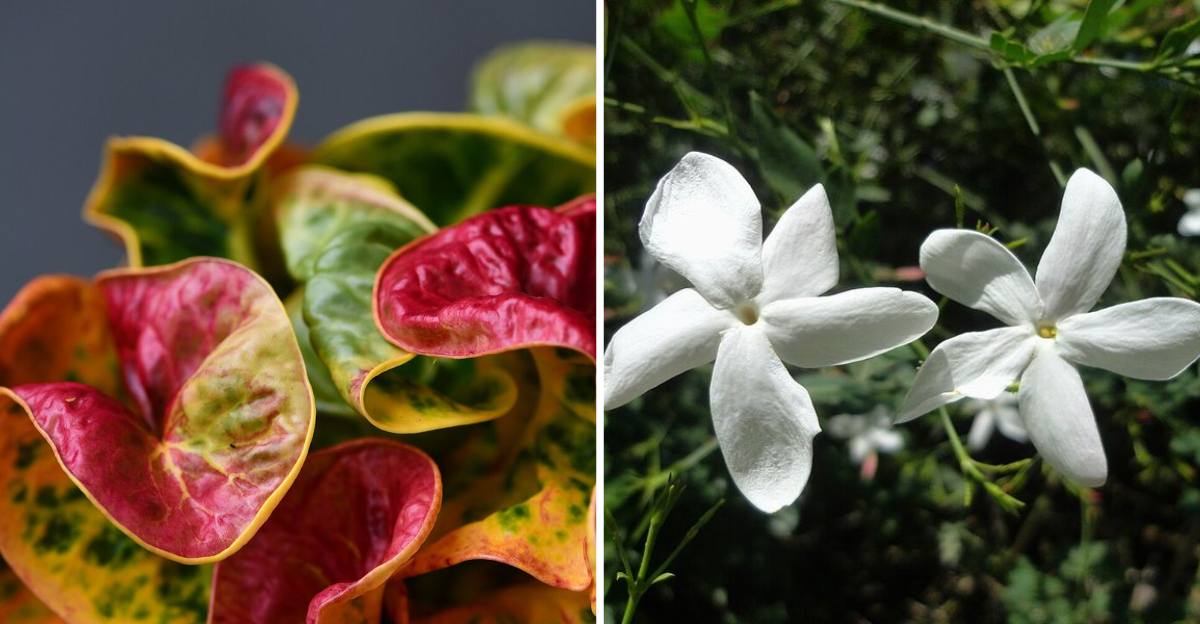
A relaxing outdoor dining area in Florida is not just about the table and chairs. The plants around you shape the light, soften the heat, and make every meal feel calmer from the moment you sit down.
The right choices can give your space privacy, gentle movement, better shade, and a more inviting mood without making maintenance feel like a second job. If you want your patio to feel cooler, quieter, and more comfortable, these plant picks are a smart place to start.
Areca Palm
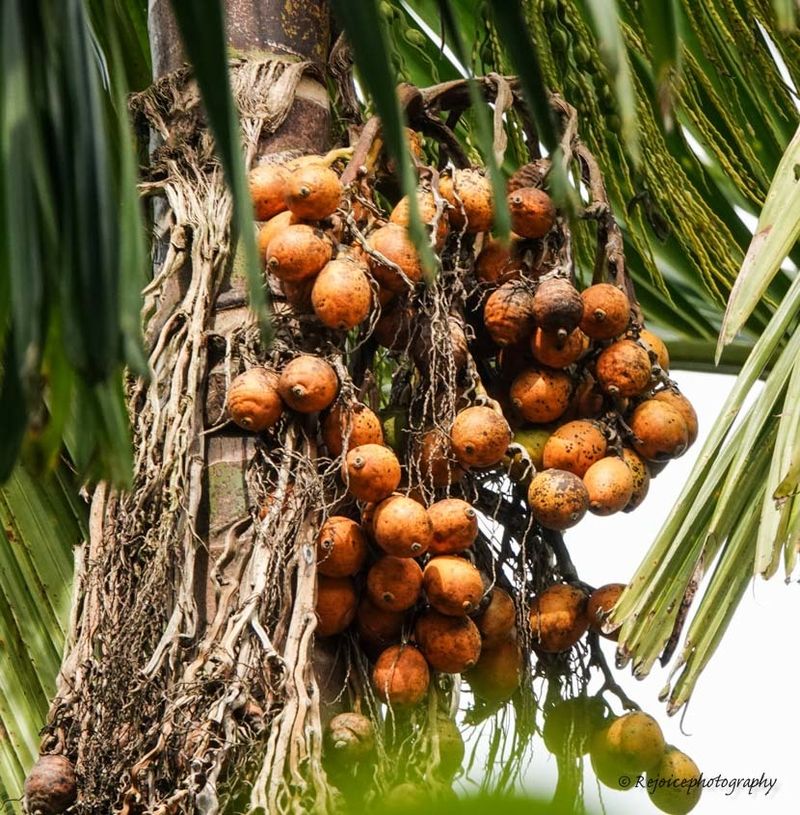
Soft movement can change the mood of a dining space faster than almost anything else, and this palm does that beautifully. Its feathery fronds catch every breeze, which makes a patio feel calmer and more private without looking heavy.
Around a table, that gentle texture helps hard surfaces like pavers, fences, and railings feel less stark.
In Florida, you get the best look by planting several together instead of using a single specimen. A loose row along one edge of your dining area creates a green backdrop that screens neighbors while still letting air pass through.
That matters on humid evenings, when dense shrubs can make a seating area feel closed in.
Bright filtered light keeps growth full, and regular watering helps new plants settle quickly. Once established, these palms are fairly forgiving, though they look most relaxing when trimmed lightly rather than sheared into rigid shapes.
I would also leave enough room between trunks and chairs so fronds can frame the space instead of brushing guests mid meal.
If your patio gets strong afternoon sun, this choice can visually cool the whole setting. Paired with neutral cushions, lanterns, and simple pottery, it creates the kind of easy backdrop that makes even a quick weeknight dinner feel slower and more enjoyable.
Coontie

Low planting can be just as important as tall screening when you want a dining area to feel settled and restful. This native plant has a tidy, grounded shape that adds structure without crowding chairs, walkways, or serving space.
Its deep green leaflets read as clean and calm, which works especially well around patios that already have a lot of visual activity.
Near a dining setup, it functions like a quiet border that softens edges and keeps the scene from feeling bare. I like how it brings a slightly tropical note without screaming for attention, so the table remains the focus.
Because it stays relatively compact, you can place it close to paving where larger shrubs would feel intrusive.
Florida gardeners also appreciate how dependable it is once established. It handles heat, sandy soil, and periodic dry spells better than fussier choices, which means you get a polished look without constant watering.
That lower maintenance level matters when you want your outdoor meals to feel relaxing instead of surrounded by chores.
Use it in clusters rather than scattered singles for the most peaceful effect. Repeating that rounded form around corners, planters, or the base of a privacy screen creates rhythm, and rhythm is what makes a dining space feel thoughtfully composed and easy to enjoy.
Muhly Grass
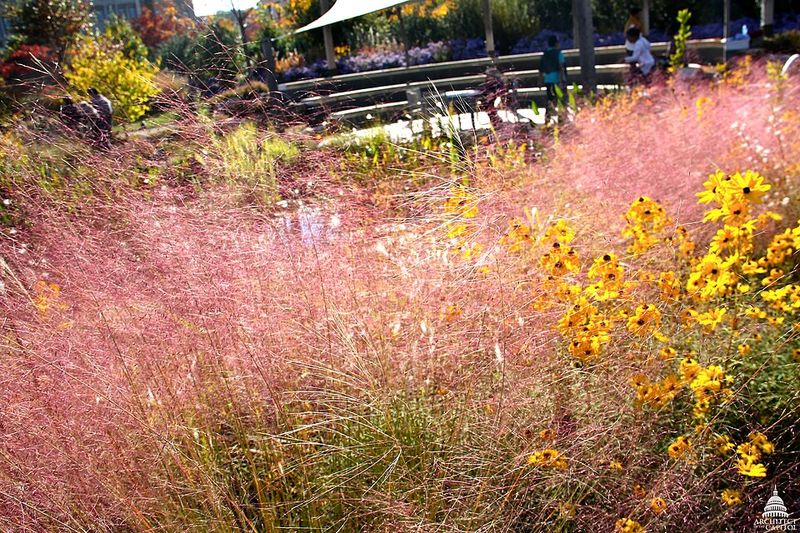
Movement always makes an outdoor dining area feel more alive, but it helps most when the movement is soft instead of distracting. This ornamental grass creates that effect with narrow blades and airy flower plumes that sway around a patio like a visual exhale.
Seen from a seated position, it adds motion at eye level without blocking conversation.
In Florida landscapes, it works especially well along the outer edge of a dining pad or beside a path leading to the table. A generous drift looks more peaceful than a few isolated clumps, so think in repetitions rather than one-off accents.
When the pink blooms appear, the whole setting takes on a warmer, more welcoming tone around sunset meals.
Full sun keeps it at its best, and good drainage is worth prioritizing before planting. Once established, it is fairly easy to care for, which is helpful if you want a stylish backdrop that does not demand weekend after weekend of pruning.
I would simply cut it back at the right season and let its natural form do the rest.
Paired with simple furniture, gravel, or natural stone, this grass gives a patio a lighter feel. It is a smart choice if your dining area needs softness but you do not want bulky shrubs making the space feel enclosed or harder to maintain.
Jasmine
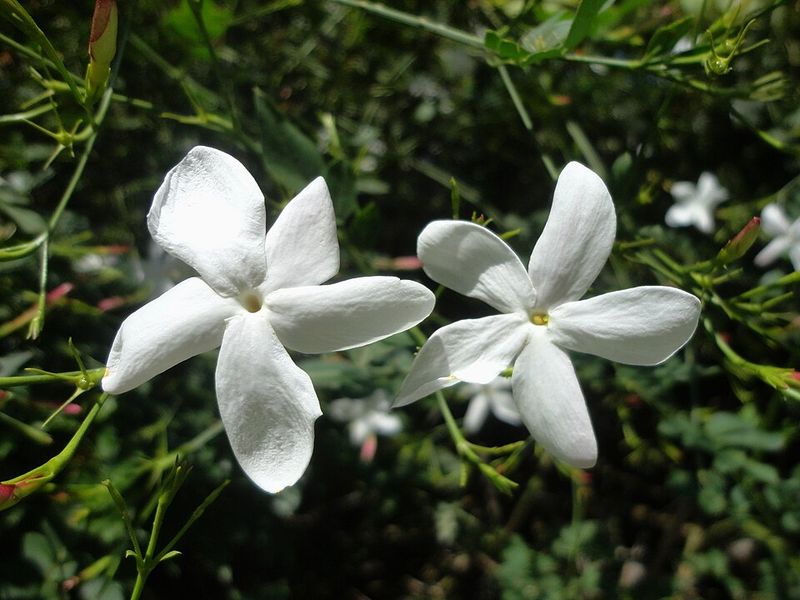
Scent can shift the entire feeling of an outdoor meal, especially after sunset when the air cools slightly and conversation slows down. A flowering vine with a sweet fragrance turns an ordinary patio into a place that people remember, even if the furniture itself is simple.
That sensory layer is what makes a dining area feel truly relaxing instead of just decorated.
Near outdoor seating, this plant works best on a trellis, arbor, or fence just outside the main circulation path. You want the fragrance close enough to notice but not so close that guests brush against stems while sitting down.
I also like it near an entry to the patio, where the scent welcomes you before dinner even starts.
Florida gardeners should give it sun, support, and occasional trimming to keep growth from getting tangled. A little guidance goes a long way, because a well-trained vine looks soothing while an unruly one can make the space feel crowded.
Keeping the framework simple helps the flowers and fragrance do the real work.
For evening entertaining, it pairs beautifully with soft lighting and pale table linens. If your dining area feels flat after dark, this is one of the smartest additions you can make, because it improves the atmosphere without taking up precious floor space around the table.
Firebush
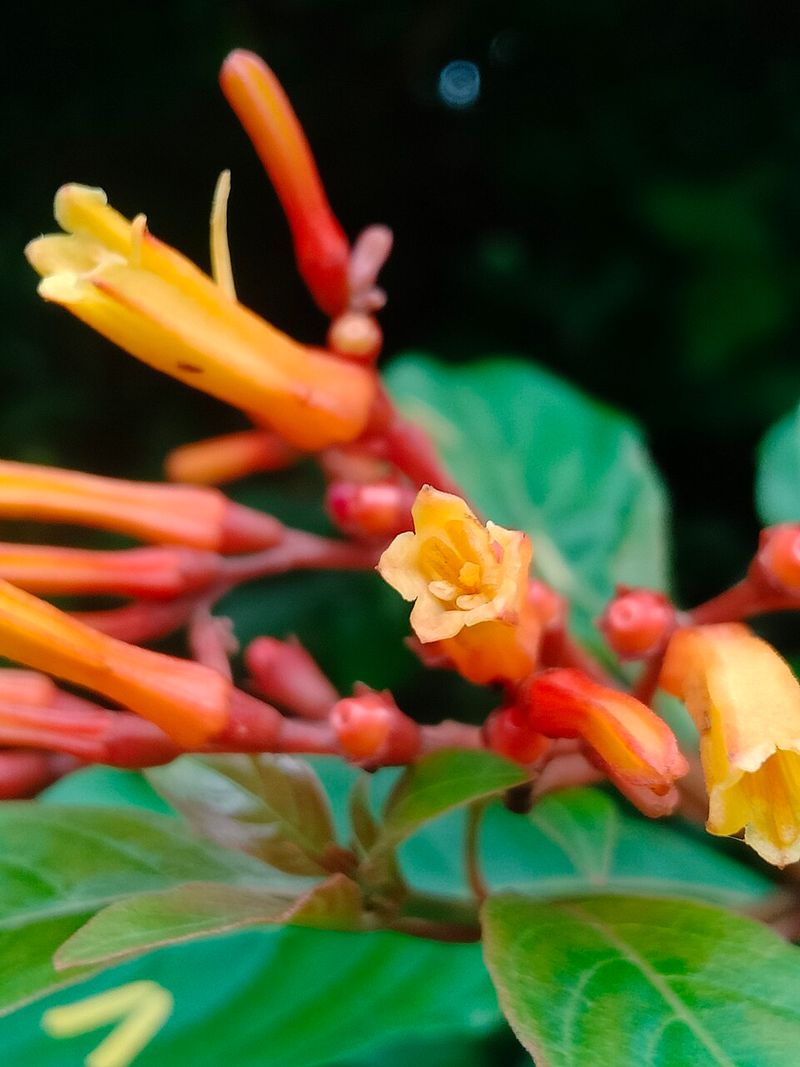
Color can energize a backyard, but the right kind of color also makes it feel warm and welcoming around a table. This native shrub offers vivid blooms that attract hummingbirds, creating gentle movement and a sense of life without overwhelming the setting.
Around outdoor dining, it works like a cheerful accent that still feels natural in Florida.
The trick is to place it just beyond the immediate dining footprint rather than crowding chairs with flowering branches. That way, you enjoy the color and wildlife while keeping the area comfortable for serving and conversation.
I find it especially effective at the far end of a patio, where it draws the eye outward and makes the space feel deeper.
Heat and sun are rarely a problem for this plant, which is part of its appeal. Once established, it handles Florida conditions with much less fuss than many showier shrubs, and that reliability helps a relaxing garden stay relaxing.
Occasional pruning keeps the shape open and prevents it from leaning too hard into walkways.
If your dining area has a lot of neutrals, this splash of orange-red can keep the scene from feeling too muted. Pair it with softer green foliage nearby, and the result is inviting rather than loud, perfect for patios used for both casual lunches and longer evening meals.
Foxtail Fern
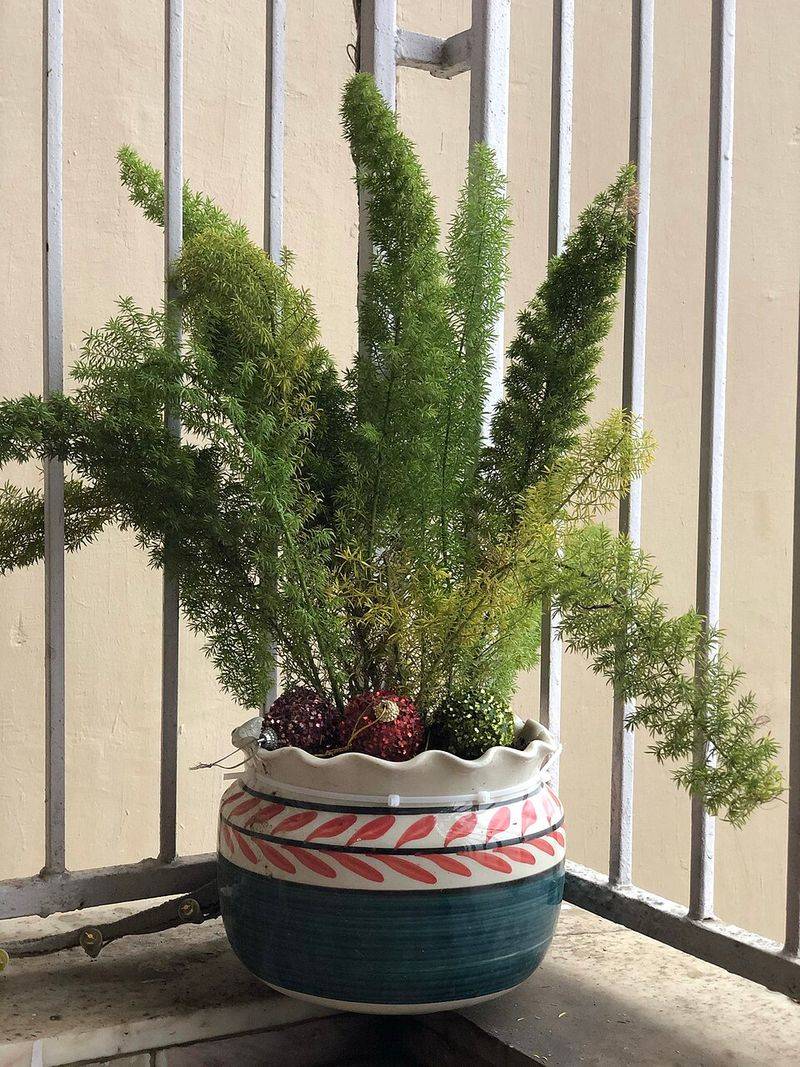
Texture often matters more than flowers when you are trying to calm down a dining area, and this plant gets that exactly right. Its arching, bottlebrush-like stems add softness around hardscape edges, making a patio feel finished without looking fussy.
Because the shape is compact and sculptural, it fits comfortably near seating where bulkier plants would get in the way.
Container use is where it really shines for outdoor dining spaces. A pair of matching pots flanking the dining zone can make the setup feel intentional, while smaller groupings on the perimeter soften corners and empty gaps.
I like how it brings a polished look without asking you to commit to a permanent bed if your patio design changes later.
Florida heat suits it well, especially with bright light and consistent moisture during establishment. After that, it is relatively forgiving, though the best appearance comes from occasional grooming and not letting old stems pile up.
The cleaner the outline, the more restful the whole dining area feels.
This is a smart choice for patios that already have bold furniture, patterned tile, or lots of accessories. Instead of competing, it quiets the scene and ties everything together, which makes your outdoor meals feel more settled, more comfortable, and easier to linger over on warm evenings.
Croton
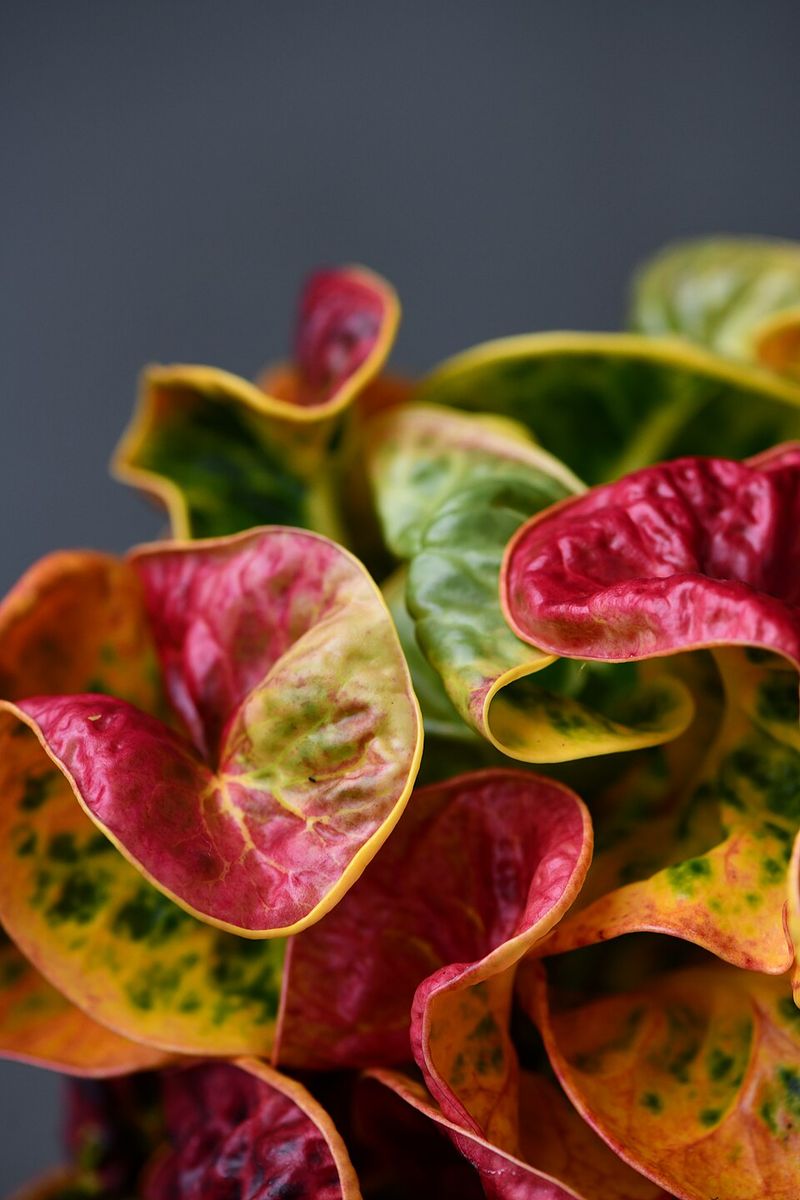
Foliage color can make an outdoor dining area feel more inviting when flowers are not in bloom, and this plant delivers that effect all year. Its leaves bring warm tones of gold, green, red, and orange, which can echo sunset light and make a patio feel cheerful without relying on seasonal displays.
Used in moderation, it adds personality while still supporting a calm atmosphere.
Placement matters more than quantity here. A few well-positioned plants in containers or anchored near a wall work better than scattering many small ones around the table, which can feel visually noisy.
I usually think of it as artwork for the patio, where a controlled burst of color helps frame the dining space rather than dominate it.
In Florida, bright light brings out the strongest leaf color, and regular watering helps containers stay attractive through hotter months. Wind protection is helpful if you want foliage to look its best during entertaining season.
Trimming occasional damaged leaves keeps the overall impression neat and more restful.
If your furniture is neutral, this is an easy way to avoid a flat, one-note look. Pair it with simple green companions and understated cushions, and the dining area gains warmth and energy while still feeling comfortable enough for slow breakfasts, family dinners, and evenings when you just want to sit outside a little longer.
Silver Buttonwood
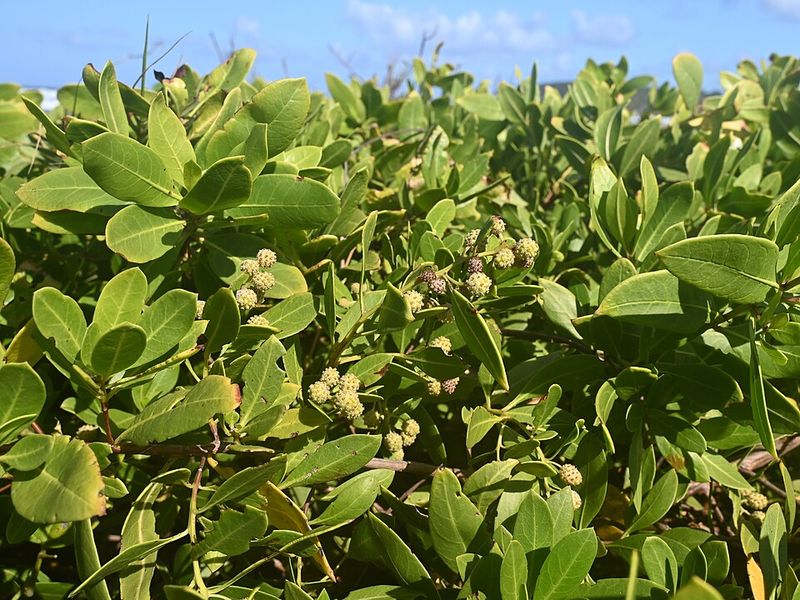
Sometimes a dining space feels too hot simply because everything around it reads dark and heavy. This coastal native changes that with silvery foliage that reflects light and gives the whole patio a cooler, airier mood.
Around outdoor seating, that lighter color palette can make midday meals feel less harsh and evening meals more serene.
It is especially useful in modern or coastal inspired yards where you want structure without dense visual weight. A clipped hedge can define the space neatly, while a looser form feels more natural and relaxed.
I prefer the softer approach near dining areas, since it pairs better with breezes, casual furniture, and the easy rhythm you want during outdoor meals.
Florida conditions suit it well, particularly in sunny sites with decent drainage. Salt tolerance is another plus for homes near the coast, where many patio plantings struggle to stay attractive.
Light pruning keeps the shape usable without removing the plant’s natural softness.
Combined with gravel, shell stone, teak, or pale cushions, the foliage creates a quiet backdrop that feels calm from every angle. If your patio needs privacy but you do not want a dark wall of green, this choice gives you screening, brightness, and a more relaxed atmosphere all at once.
Walter’s Viburnum
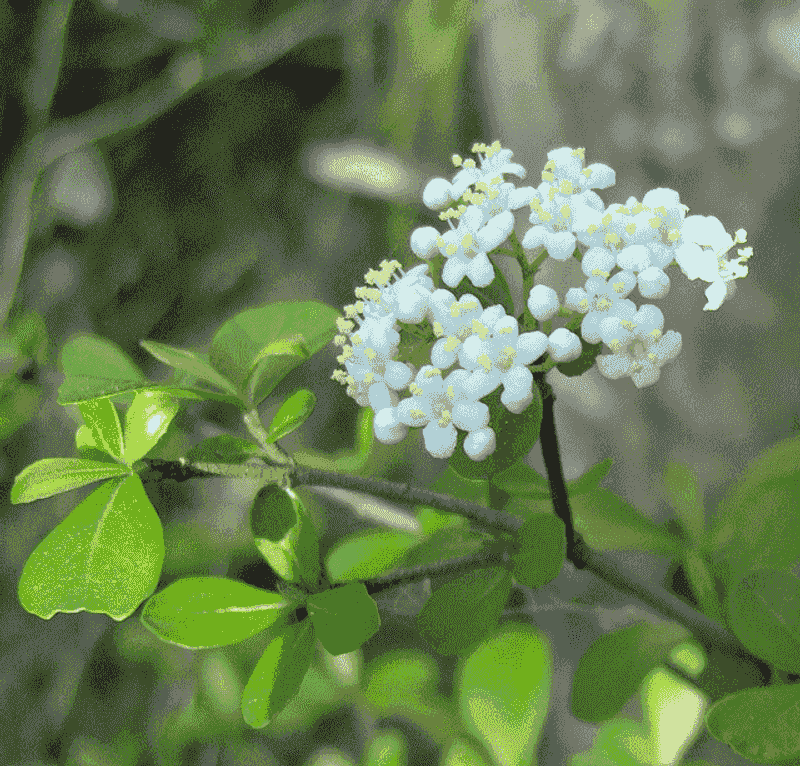
A good privacy hedge can make a backyard meal feel noticeably more comfortable, especially in neighborhoods where patios sit close together. This native evergreen creates that sense of enclosure in a way that feels soft, dependable, and easy to live with.
Around a dining space, it helps block visual distractions so the table becomes the focus.
Its small leaves and dense branching make it useful for shaping an outdoor room, but it does not have to look stiff. I like allowing a slightly natural outline instead of an aggressively clipped box, because the result feels calmer and more welcoming.
That relaxed shape still gives plenty of screening while keeping the setting from reading too formal.
Florida gardeners value it for a reason. It tolerates heat well, adapts to different soils, and can handle regular pruning if needed, though less frequent trimming often produces the most pleasant look.
If birds visit for the berries, that only adds to the sense that your dining area is part of a living landscape.
Use it behind lower plants or containers so the hedge does not feel flat. That layered approach creates depth, softens fence lines, and makes even a modest patio seem more established, which is exactly what helps outdoor dinners feel slower, quieter, and more restorative.
Blue Daze
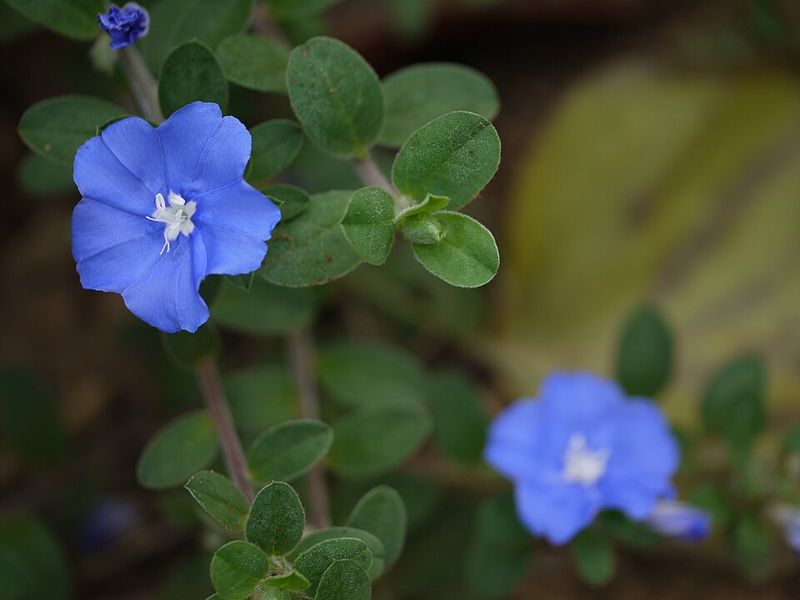
Ground level color can make a patio feel cared for without adding clutter at eye level, and that is where this plant shines. Its small blue flowers and trailing habit soften the base of walls, planters, and bed edges in a way that feels light and easy.
Around a dining area, that low ribbon of color creates a quiet finishing touch instead of demanding attention.
It works especially well in containers, raised planters, or the front edge of a border where guests can appreciate it as they sit down. I like using it near paved surfaces because the cooler flower color balances the warmth of stone, brick, or concrete.
That contrast subtly helps the whole space feel fresher in Florida heat.
Sun is important for the best bloom, and good drainage keeps the plant happiest through rainy stretches. It may need occasional trimming to stay tidy, but maintenance is straightforward and usually worth it for the nearly continuous color.
Because the growth stays low, it rarely interferes with chair movement or serving paths.
If your dining space already has tall screening or broad-leaved tropical plants, this is an ideal companion. It fills visual gaps near the ground, softens hard edges, and adds a calm wash of blue that makes breakfasts, coffee breaks, and simple outdoor dinners feel a little more restful.