
Why More Georgia Gardeners Are Planting Flowers For Hummingbirds This Season
Follow us on Google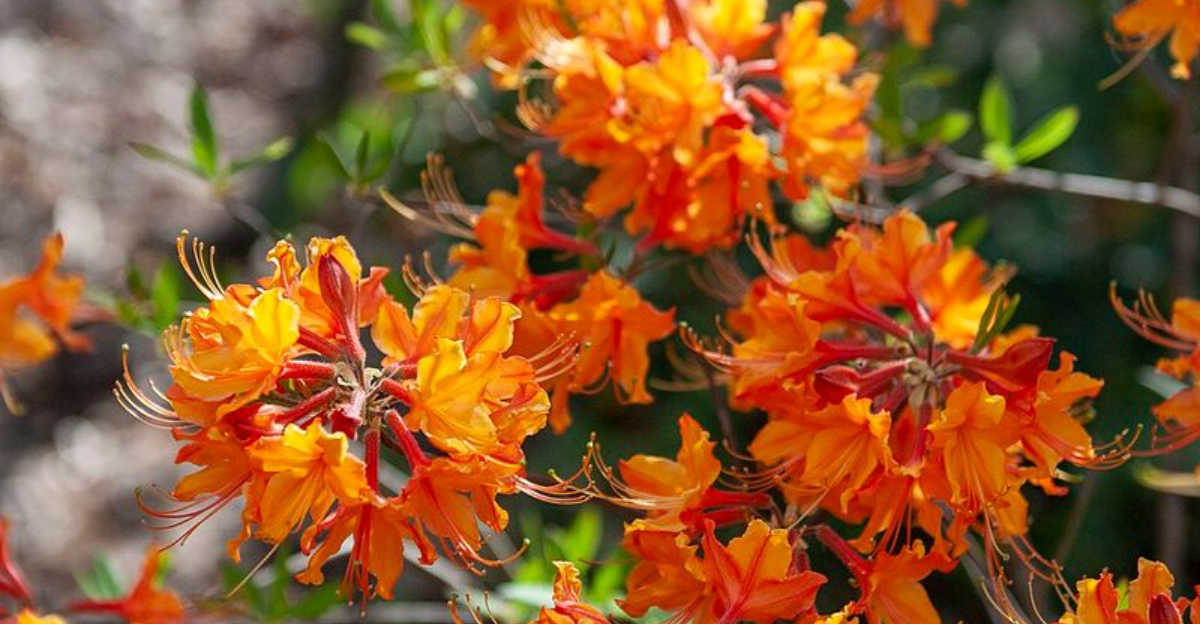
Across Georgia, gardeners are noticing more flashes of ruby red and emerald green hovering over the yard. Hummingbirds are back on the radar, and people want flowers that do more than just look pretty from the porch.
A smarter plant mix can bring nonstop motion, better pollination, and a garden that feels alive from spring into fall. If you have even a small bed or a few containers, this season is a great time to plant with these tiny visitors in mind.
Coral Honeysuckle
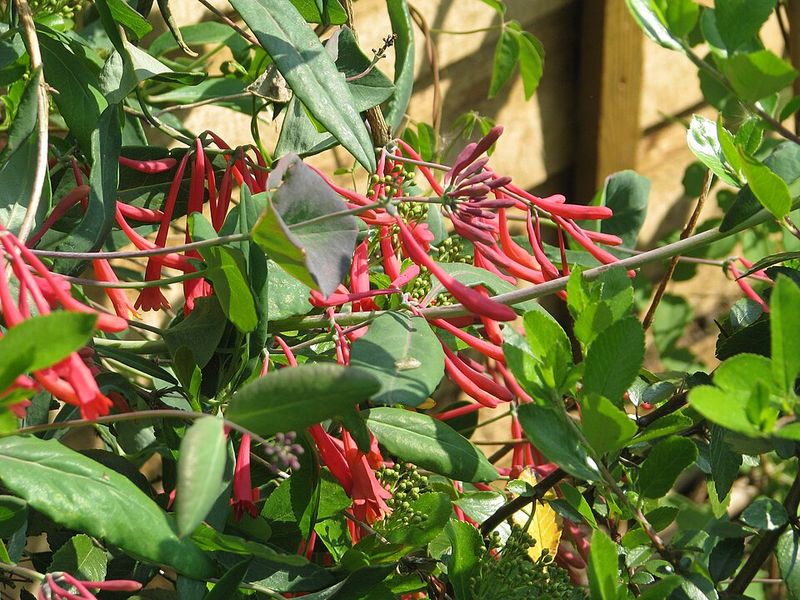
One reason Georgia gardeners keep reaching for this vine is simple: hummingbirds find it fast. The tubular red and orange blooms are easy for them to spot, and the nectar supply stays reliable through a long stretch of the warm season.
You also get a climbing plant that looks romantic without demanding constant fuss.
In my experience, it performs best with morning sun and a sturdy support, like an arbor, fence, or mailbox post. Good drainage matters more than pampering, especially in heavy Southern soils that stay wet after summer storms.
Once established, it handles heat better than many flowering vines sold at big box nurseries.
Another big plus is that coral honeysuckle is native, so it fits naturally into Georgia landscapes and supports more than just hummingbirds. You may notice butterflies visiting too, which gives the yard extra movement all day.
A light trim after a heavy bloom cycle helps keep it tidy and encourages fresh growth.
If you want a plant that earns its space, this one does it. Tuck it where you can see the flowers from a window, and you will catch those quick fly ins more often than you expect.
That daily show is exactly why so many gardeners are planting it now.
Red Salvia
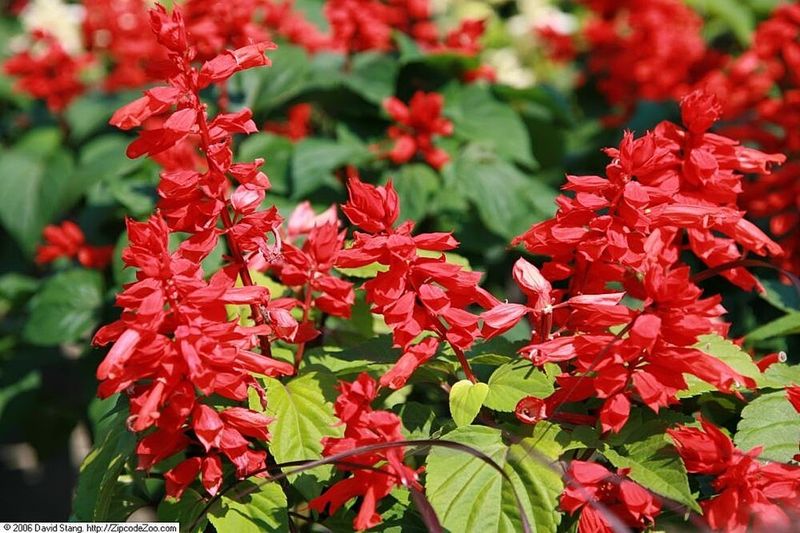
Few flowers make a stronger first impression on hummingbirds than a mass of red salvia. Those upright bloom spikes act like little nectar stations, and the color practically advertises itself across the yard.
If you want quick results in a front bed or patio container, this is one of the easiest places to start.
Georgia heat does not scare salvia much, which explains why it keeps showing up in neighborhood landscapes. Give it six hours of sun, decent air flow, and soil that does not stay soggy, and it usually rewards you with repeat color.
Deadheading helps, but even a casual gardener can get good performance.
The practical appeal goes beyond birds. Red salvia creates vertical shape between mounded plants, so your beds look fuller and better planned without much extra effort.
Pair it with pentas or zinnias, and you suddenly have a small feeding corridor that keeps hummingbirds moving from one bloom patch to the next.
For busy homeowners, that combination of reliability and color is hard to beat. You can plant a handful now and still enjoy a strong show well into late summer.
That kind of payoff matters when every square foot in the garden needs to work harder.
Bee Balm
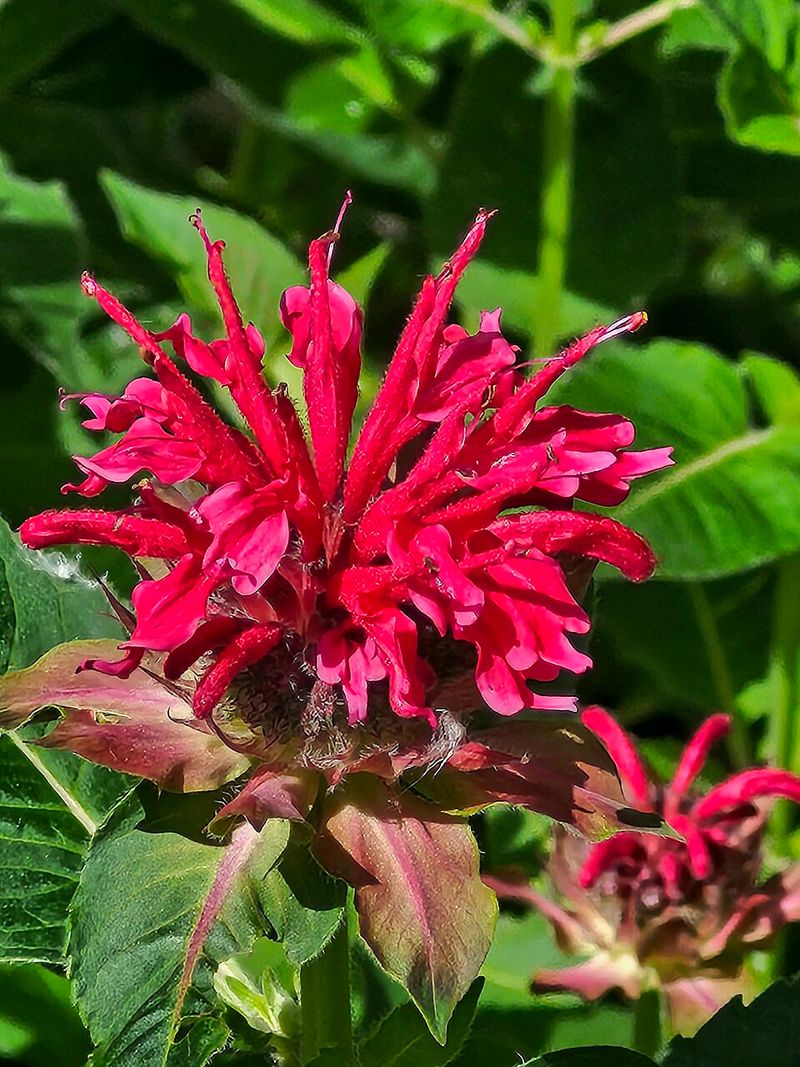
Shaggy, firework-like blooms make bee balm a favorite for gardeners who want the yard to feel busy and alive. Hummingbirds love the nectar rich flowers, and they can work a patch repeatedly through the day once they know it is there.
That regular traffic gives your garden a sense of rhythm instead of a one time show.
Georgia growers often like bee balm because it brings strong color without looking stiff or overdesigned. It fits beautifully in cottage gardens, pollinator borders, and even looser suburban beds where you want something a little more relaxed.
Full sun is best, though afternoon shade can help in especially hot spots.
Air circulation matters with this plant, since humid Southern summers can invite powdery mildew. Spacing clumps properly and watering at the base usually helps more than complicated treatment plans.
If a patch gets crowded after a season or two, dividing it can refresh the plants and spread the display to another part of the yard.
There is also a nice emotional payoff here. Bee balm looks cheerful from a distance, but the real reward happens when a hummingbird zips in and hovers close enough for you to hear its wings.
That tiny sound is exactly the kind of detail that keeps gardeners planting more nectar flowers.
Cardinal Flower
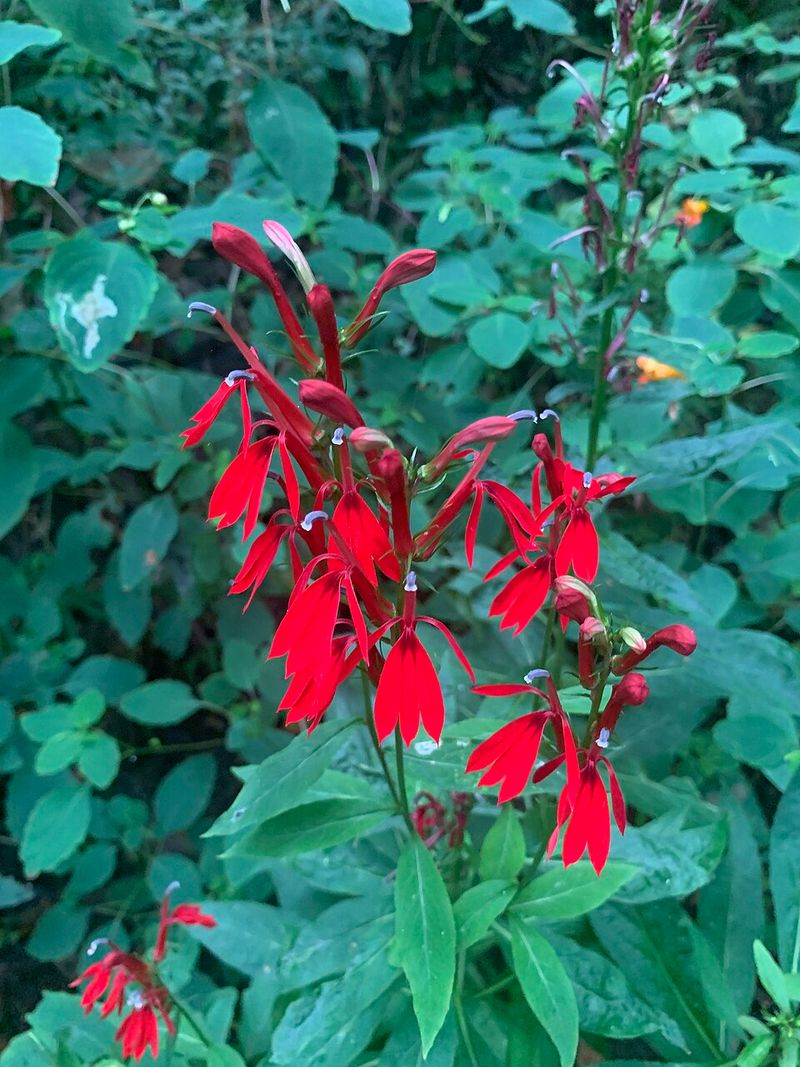
Bright scarlet blooms give cardinal flower a kind of urgency that hummingbirds seem to notice immediately. The flower spikes stand tall, the color is intense, and the nectar sits perfectly inside those narrow tubes.
If you have a moist area that feels hard to plant, this flower can turn that problem spot into a destination.
Many Georgia yards have low places near downspouts, pond edges, or rain gardens where other plants sulk. Cardinal flower often handles those conditions much better than standard bedding flowers, especially if the soil stays evenly damp.
It appreciates sun, but in hotter parts of the state, a little afternoon shade can keep it looking fresher.
Because the red is so vivid, you do not need a giant drift to make an impact. A small cluster near a patio, path, or kitchen window can be enough to pull hummingbirds into view.
Mixing it with ferns or soft green foliage makes the blooms stand out even more dramatically.
This is not the plant for neglect, but the payoff is worth it. A little extra watering during dry spells can keep the show going when summer starts to wear everything else down.
That late season burst of color is one reason more Georgia gardeners are making room for it.
Zinnias
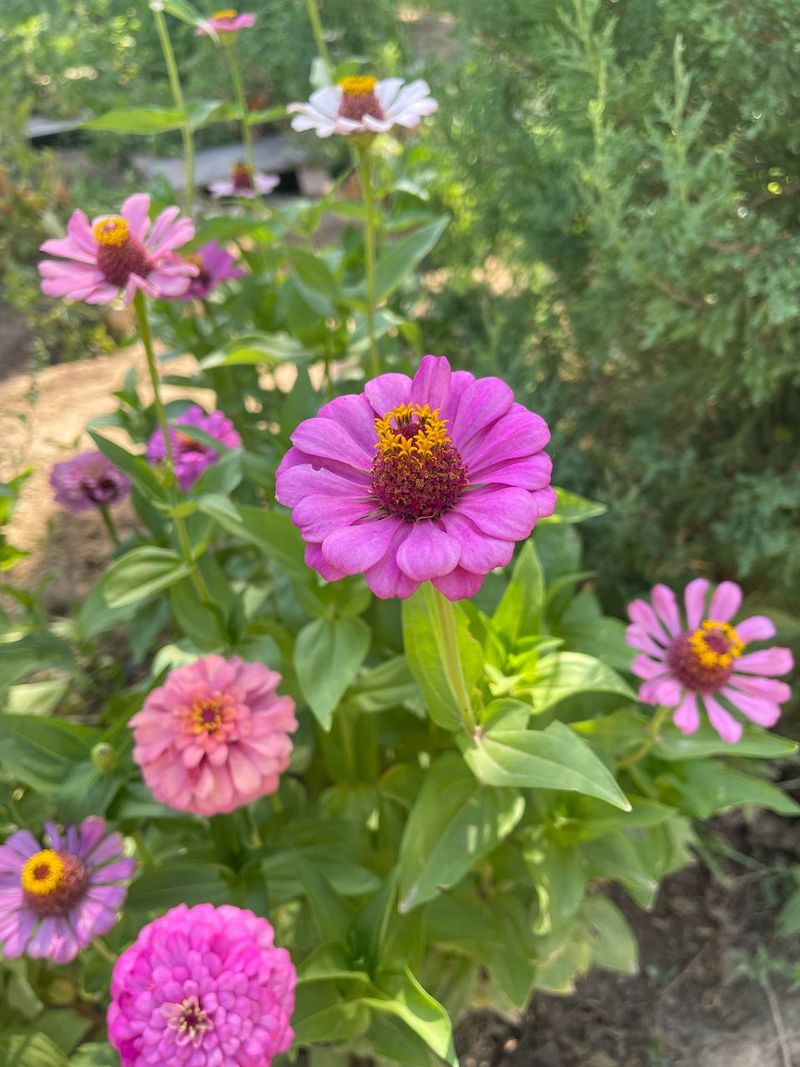
Zinnias may not be the first flower people mention for hummingbirds, yet they earn their place in Georgia gardens for good reason. Tall varieties create bright landing zones that attract all kinds of pollinators, and hummingbirds often check them while working nearby nectar plants.
The result is a border that feels active from morning through evening.
Part of the appeal is how easy they are from seed. You can sow them after frost, thin them a little, and end up with armloads of color for months if you keep cutting or deadheading.
In a season when many homeowners want affordable impact, that low cost matters.
Zinnias also play well with dedicated hummingbird favorites like salvia, pentas, and bee balm. Their bold daisy shapes add visual variety, which makes mixed beds look fuller and less repetitive.
Choose reds, oranges, and hot pinks if you want to build a color story that catches a hummingbird’s eye as it passes through.
Another practical benefit is that children and beginner gardeners usually enjoy growing them. Seeing something sprout fast and bloom generously makes people more likely to keep planting.
That enthusiasm often leads to a bigger pollinator patch next season, and once hummingbirds start visiting regularly, the garden tends to become a priority instead of an afterthought.
Pentas
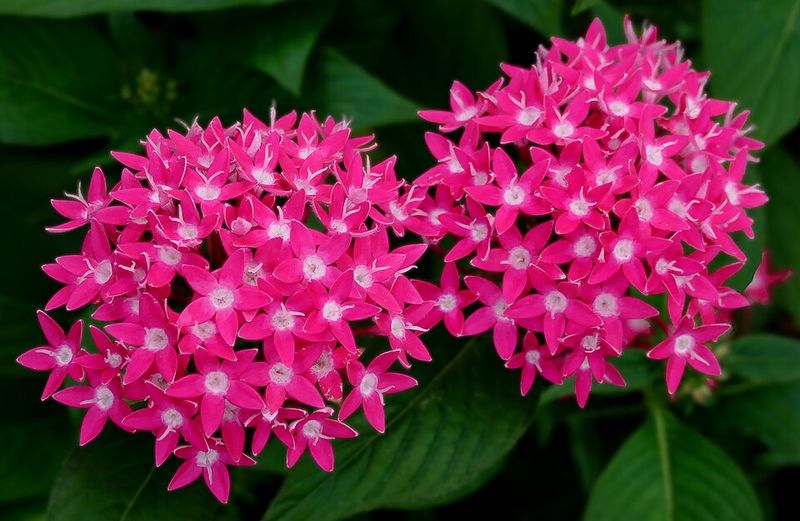
Pentas have become a warm weather standby in Georgia because they flower like they mean it. The clustered star shaped blooms hold nectar and color through long hot stretches, giving hummingbirds a dependable stop when other plants slow down.
If your beds need something cheerful that keeps producing, pentas are hard to overlook.
Gardeners also appreciate how neatly they fit into everyday landscapes. They look polished enough for front foundation beds, but they are just as useful in mixed pollinator borders and patio pots.
That versatility matters when people want plants that satisfy both curb appeal and wildlife goals.
Full sun brings the best flowering, and regular water helps them settle in quickly after planting. Once they are rooted, they usually cope well with Southern heat, especially if the soil drains properly.
Removing spent flower clusters now and then can encourage another wave of bloom, though many gardeners simply let them keep going.
Color choice can shape the effect. Red, magenta, and bright pink tend to stand out most clearly for hummingbirds, especially against darker green foliage.
Plant several together instead of scattering singles, and you create a more obvious feeding target. That small design decision often makes the difference between a flower bed that looks nice and one that actually pulls hummingbirds closer to the house.
Columbine
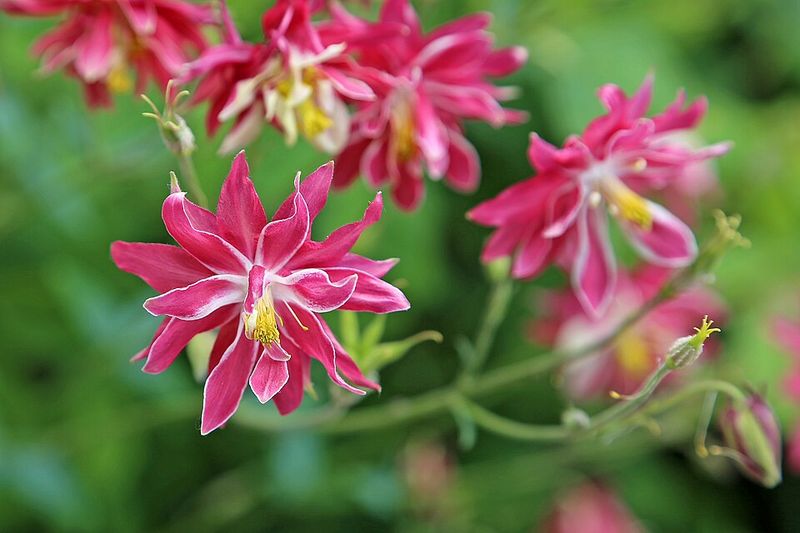
Spring is when many Georgia gardeners first start thinking about hummingbirds again, and columbine arrives right on time. The nodding red and yellow flowers offer nectar early in the season, often before summer favorites get moving.
That timing makes it especially valuable if you want to welcome returning birds instead of making them wait.
Unlike many bright bloomers, columbine can handle part shade, which opens up useful planting options under high tree canopies or along woodland edges. In older neighborhoods with mature landscapes, that is a real advantage.
You can add hummingbird appeal without needing to carve out a blazing full sun bed.
Good drainage helps it thrive, especially during cool spring weather when heavy soil can stay wet too long. Native selections tend to feel more at home in Georgia gardens and often blend better with ferns, woodland phlox, and other softer companions.
Once flowering tapers off, the foliage still fills space nicely for a while.
There is something strategic about planting for multiple seasons instead of waiting for peak summer. A garden that offers nectar in spring, summer, and early fall becomes more useful and more interesting overall.
Columbine helps start that sequence, and once you notice how well it bridges the early gap, it becomes much easier to understand its rising popularity.
Firebush
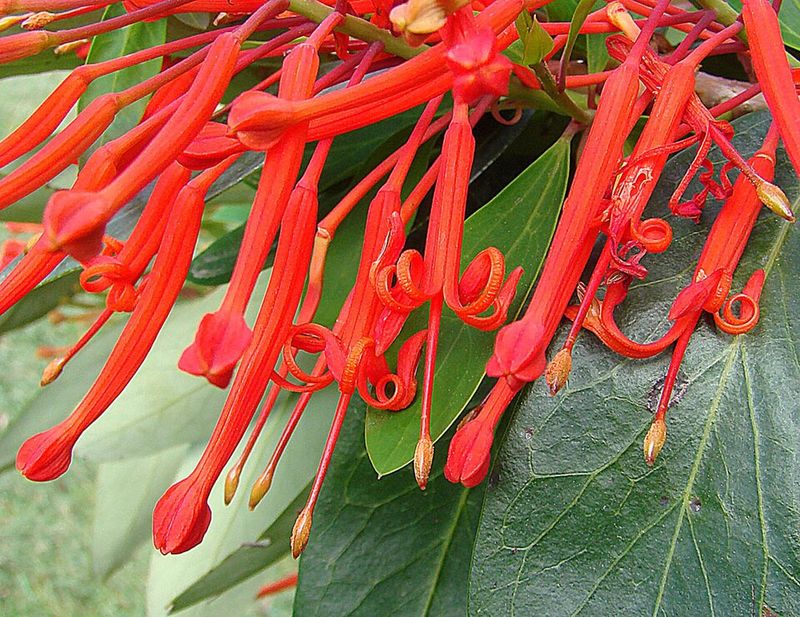
For gardeners who want bold color during the hottest part of the year, firebush makes a strong case for itself. The orange red tubular flowers are highly visible, nectar rich, and produced in a way that keeps hummingbirds checking back.
By late summer, when some beds look tired, this shrub often seems like it is just getting started.
That late season energy is a major reason it is gaining ground in Georgia landscapes. People want plants that keep working through heat, humidity, and long dry intervals between storms.
Firebush can handle those conditions surprisingly well once established, especially in a sunny, well drained site.
In the ground, it can become a substantial presence, so placement matters. Give it room near the back of a border, by a fence line, or in a sunny island bed where the shape can develop naturally.
In cooler parts of the state, some gardeners treat it as a seasonal standout and simply enjoy the fast growth.
The visual payoff is immediate. Hummingbirds can spot those warm tones from a distance, and the plant’s arching habit gives the whole area a more dynamic look.
If your summer garden needs a second wind around August, this is the kind of flower filled shrub that can bring the pace right back up.
Trumpet Creeper
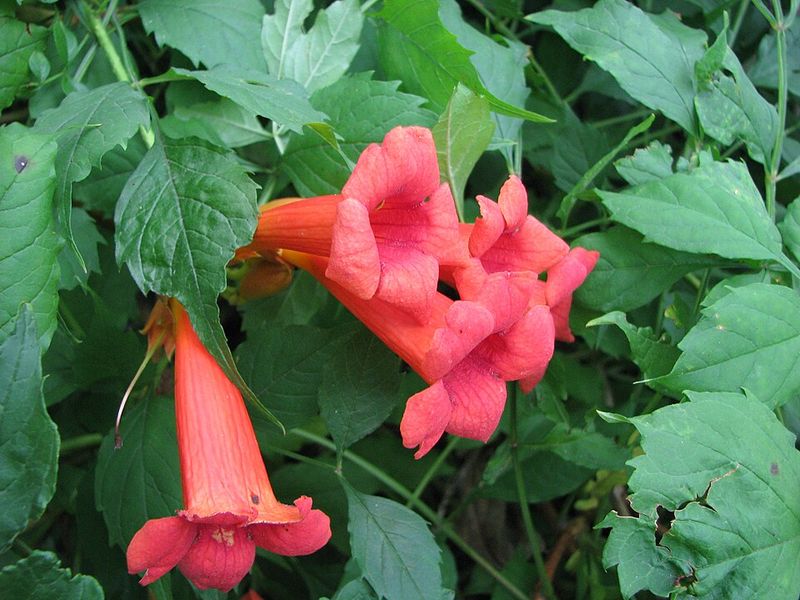
There is nothing subtle about trumpet creeper, and that is part of its appeal. The large orange trumpet shaped flowers practically announce themselves to hummingbirds, especially in midsummer when the vine is covered in bloom.
If you have a fence or sturdy arbor that needs serious visual energy, it can deliver fast.
Georgia gardeners are often drawn to native plants that support wildlife with minimal babying, and this vine fits that pattern. Once rooted, it tolerates heat and ordinary dry spells much better than many ornamental climbers.
Hummingbirds know exactly what to do with it, which means the flowers become more than decoration.
That said, this is a vigorous grower, so it needs a smart location and a realistic maintenance plan. Planting it near delicate shrubs or flimsy supports usually leads to regret later.
A strong trellis, regular pruning, and a little respect for its spread will keep it useful instead of overwhelming.
For larger properties, naturalized edges, or garden zones where you want a dramatic wildlife feature, it earns consideration. The bloom display can be spectacular, and the feeding activity that follows feels equally impressive.
People are planting more of it this season because they want flowers that do real work, not just a pretty label at the nursery.
Native Azalea
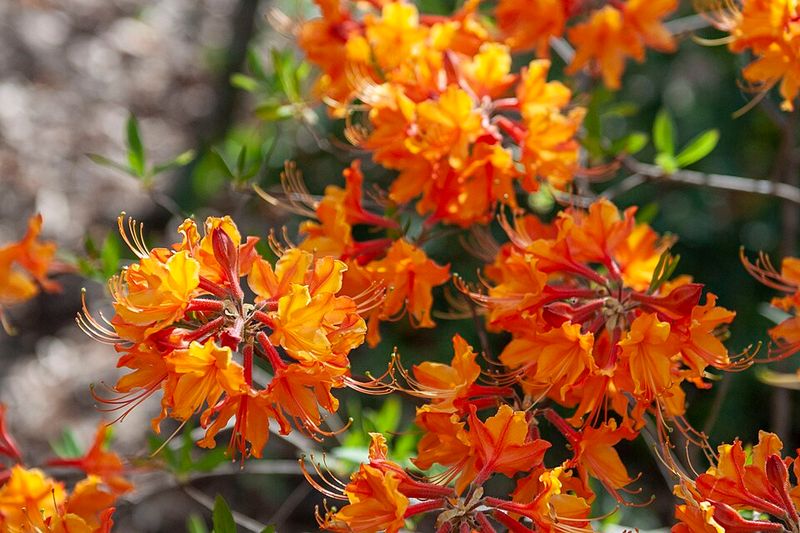
Spring in Georgia already has plenty of color, but native azaleas add something softer and more memorable to a hummingbird friendly yard. Their trumpet like blooms can appear in warm shades of orange, pink, yellow, or coral, and many selections bloom right when migrating birds are moving through.
That overlap makes them especially useful in layered garden plans.
These shrubs also fit the region in a way imported plants sometimes do not. In lightly shaded settings with acidic, well drained soil, native azaleas can feel completely at home.
They suit woodland edges, under tall pines, and those side yard spaces where harsh afternoon sun is not the main event.
The attraction is not only ecological. When an azalea flowers well, it creates a seasonal moment that changes the whole mood of the property.
Pairing it with early columbine, ferns, and other native companions helps build a garden that looks intentional rather than crowded with random spring purchases.
Patience helps, because this is more about long term value than instant bedding color. Once established in the right place, though, native azaleas offer beauty with a stronger sense of place, and that matters to many homeowners now.
More gardeners are choosing plants that feel distinctly Georgian, especially when those same plants also invite hummingbirds into view.