
The Flowering Vines More North Carolina Homeowners Are Growing Around Patios This Year
Follow us on Google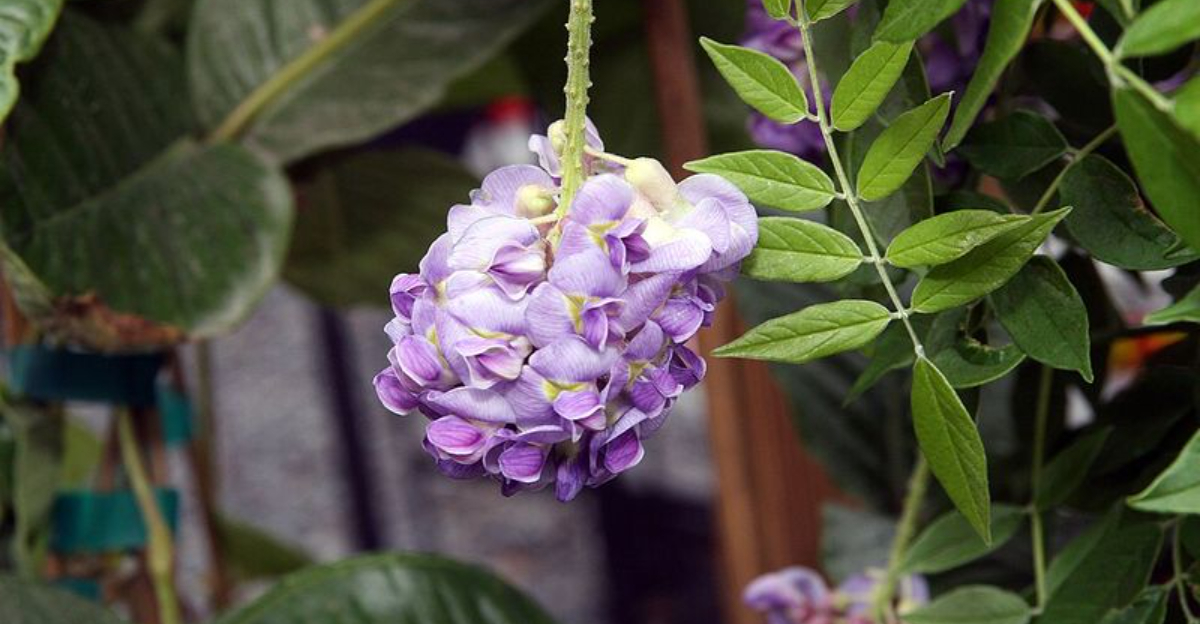
Patio spaces across North Carolina are getting softer, cooler, and a lot more colorful thanks to flowering vines that earn their keep. Homeowners are choosing varieties that handle humid summers, surprise spring cold snaps, and the mix of sun and shade common around porches and seating areas.
The best part is how quickly these climbers make a patio feel settled without taking up much ground space. If you want privacy, pollinators, and longer bloom seasons, these are the vines getting the most attention this year.
Carolina Jessamine
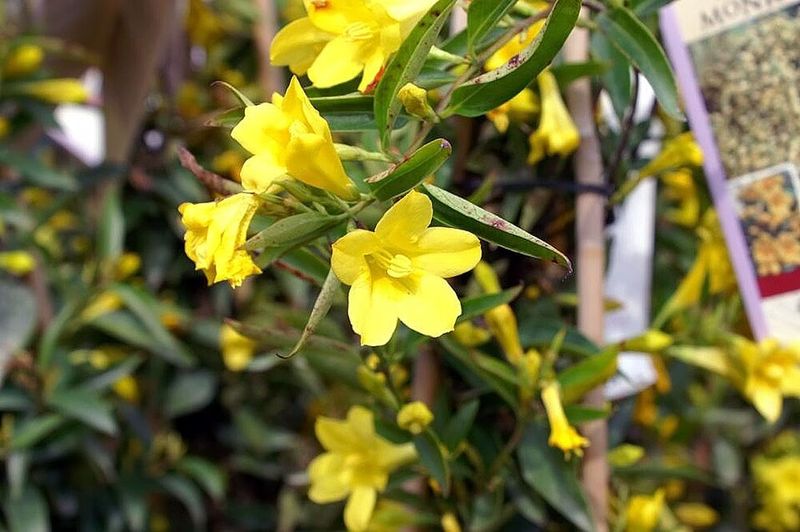
Bright yellow blooms are one reason so many North Carolina homeowners keep choosing this native favorite near patios. You get cheerful color in late winter to early spring, right when outdoor spaces still look bare and tired.
That early show makes a seating area feel awake before most garden plants have even started moving.
A trellis, porch post, or fence gives it the support it needs, and the vine usually settles in without demanding constant attention. Full sun brings the strongest bloom display, but light afternoon shade can help in hotter inland spots.
Once established, it handles regional weather swings better than fussier tropical options.
Near a patio, the real advantage is timing. You can enjoy the flowers during mild days when you first start eating outside again, and the glossy evergreen foliage keeps the space from looking empty through winter.
It is especially useful if you want screening without waiting years for shrubs to fill in.
Good drainage matters, and light pruning after flowering keeps growth tidy around doors, railings, and furniture. Because every part is toxic if eaten, placement matters around pets and small children.
Used thoughtfully, this vine gives you color, coverage, and a very Carolina sense of place without crowding your patio.
Crossvine
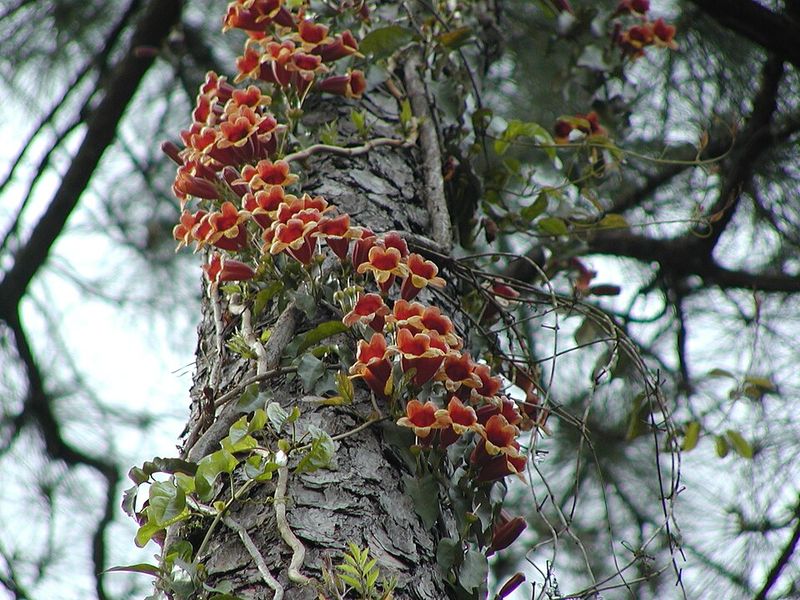
Orange and yellow trumpet flowers can make an ordinary patio edge feel lively fast, and that is exactly why crossvine is gaining attention. This native climber brings a bold spring display that hummingbirds notice almost immediately.
If you want a vine that looks energetic without acting delicate, this one earns its space.
Given a sturdy arbor, pergola, or fence, it climbs with confidence and fills vertical gaps quickly. The semi evergreen foliage is another plus in much of North Carolina, since your patio still has some softness when deciduous plants drop leaves.
It is also more forgiving of summer heat and clay leaning soils than many flowering vines sold at garden centers.
Blooming is strongest in full sun, though light shade still works in many yards. A little direction early on helps the stems go where you want them, which matters around lights, gutters, and seating areas.
After flowering, selective pruning keeps it from reaching beyond its welcome.
What homeowners often appreciate most is the balance of beauty and durability. You get a native plant, a pollinator magnet, and a screen that grows fast enough to matter this season.
Around patios that need color, privacy, and low drama, crossvine makes a very convincing case.
Confederate Jasmine
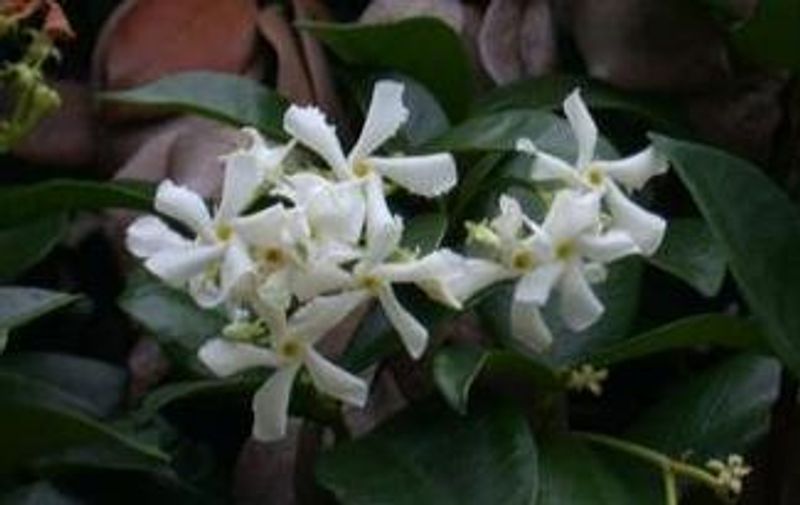
Sweet fragrance changes how a patio feels, and few vines deliver that better than Confederate jasmine. Those white star shaped flowers arrive when people start spending long evenings outdoors, so the scent becomes part of dinner, conversation, and quiet time after work.
Around seating areas, that sensory effect matters as much as the blooms themselves.
Despite the common name, this vine is not a true jasmine, but it does offer a polished look homeowners love. Glossy evergreen leaves keep structures covered year round in warmer parts of North Carolina, especially in sheltered spots near brick walls or foundations.
In colder pockets, winter damage can happen, yet established plants often recover well.
A sunny location encourages the best flowering, though it tolerates partial shade better than many people expect. Training young stems on wire, lattice, or porch columns creates a neat framework that is easy to maintain later.
Pruning after bloom helps keep pathways clear and prevents heavy tangles around furniture and railings.
What makes it especially popular this year is the way it adds romance without looking fussy. You get a vine that feels classic, smells memorable, and softens hardscape beautifully.
If your patio needs an inviting edge that reads calm and refined, this one is easy to understand.
Coral Honeysuckle
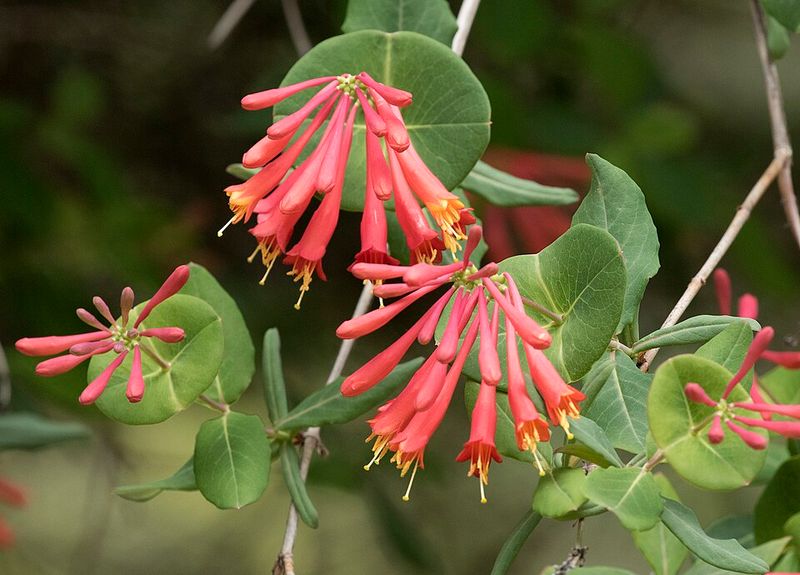
Hummingbirds are a big reason coral honeysuckle keeps showing up in North Carolina patio gardens. The tubular red, coral, or orange flowers feel bright and playful without looking messy, and the bloom season can stretch nicely with good care.
If you enjoy watching pollinators from a chair with coffee in hand, this vine makes that easy.
Unlike the invasive honeysuckles that cause trouble, this native species behaves much better in home landscapes. It twines onto trellises, arbors, and fences with a relaxed habit that suits casual outdoor spaces.
Blue green leaves add texture even when the plant is between bloom cycles, so the patio never feels stripped down.
Sun brings the strongest flowering, but part shade works well in many North Carolina yards, especially where afternoon heat bounces off hard surfaces. Moist, well drained soil helps it settle in, though mature plants can handle brief dry spells.
A light trim shapes it up after major flowering and keeps stems from wandering too far.
Homeowners also like that it blends easily with native perennials, pots, and foundation shrubs. It supports wildlife, offers repeat color, and does not demand constant rescue from heat or humidity.
For patios that need movement, bloom, and a little life overhead, coral honeysuckle is a smart local choice.
Clematis
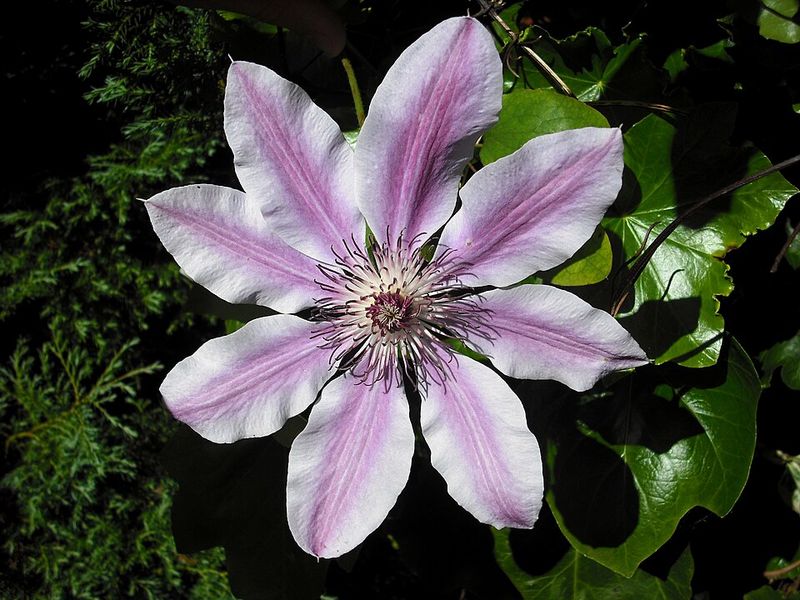
Large flowers and a more tailored look have kept clematis high on the wish list for patio gardeners who want something a little dressier. The range of colors is a major draw, from rich purple to soft pink and crisp white, so it is easy to match existing pots, cushions, or painted furniture.
When the blooms open at eye level, the effect feels intentional and refined.
Success in North Carolina often comes down to choosing the right variety and giving roots some relief from harsh heat. Many gardeners use mulch, low companion plants, or a decorative pot at the base to keep roots cooler while letting the vine reach into sun.
That simple adjustment makes a noticeable difference during sticky summer stretches.
Trellises, obelisks, and slim wires work well because clematis climbs by leaf stems rather than heavy twining growth. It does not usually swallow a structure overnight, which is useful if your patio is compact and you want control.
Reading the pruning group before planting is worth the effort, since bloom timing and maintenance depend on it.
What people appreciate most is the upscale look without needing much footprint. You can tuck it into a narrow bed or large container and still get a strong vertical statement.
For patios that need color and elegance, clematis keeps proving itself.
Mandevilla
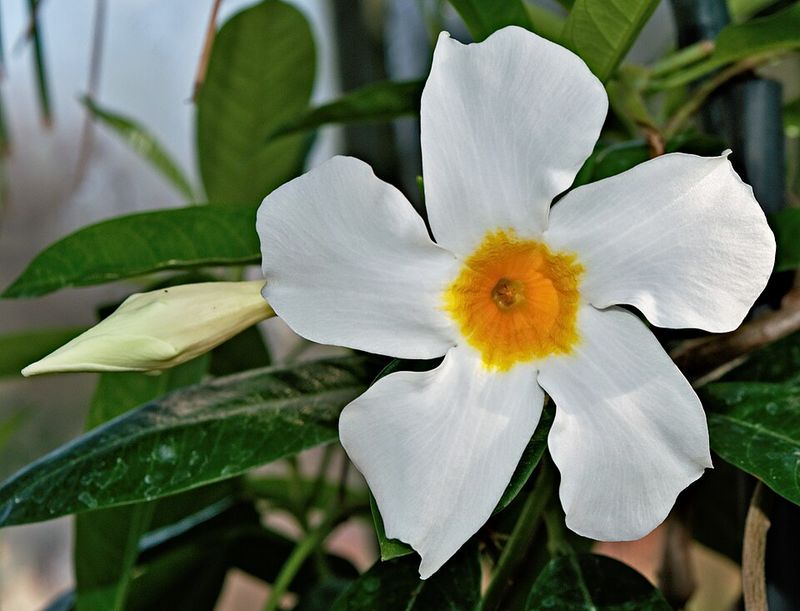
Tropical color is a huge reason mandevilla keeps landing near North Carolina patios this year. The big trumpet flowers read clearly from across the yard, and shades like red, pink, and white pair well with warm brick, painted fences, and container groupings.
If you want a patio to feel festive through the hottest months, this vine delivers that mood quickly.
Many homeowners grow it in large pots instead of the ground, which makes sense for flexibility and winter protection. A container lets you train it up a slim trellis near seating without giving up precious bed space.
It also means you can move the plant to shelter when temperatures start dropping in fall.
Sun is essential for strong bloom production, and regular feeding keeps the show going. Because the vine grows actively in heat, consistent watering matters more than people expect, especially on patios where reflected warmth dries containers fast.
Pinching or trimming stray stems helps it stay neat and full instead of leggy.
The appeal here is straightforward: you get a long blooming vine that looks polished in pots and feels right at home in summer. It is not the most carefree option year round, but the payoff is strong color when outdoor living peaks.
For many patios, that trade is absolutely worth it.
Passionflower
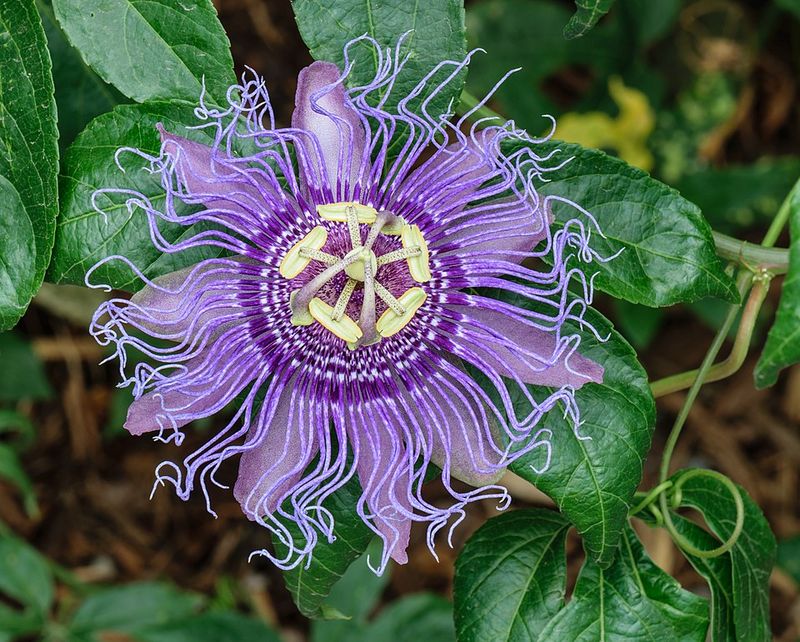
Few vines spark conversation around a patio as quickly as passionflower. The blooms look almost unreal up close, with intricate purple, white, and blue details that make guests stop and ask what they are seeing.
That unusual flower form gives a garden personality without needing flashy accessories or oversized planters.
In North Carolina, native maypop types are especially appealing because they handle local conditions well and support wildlife. Butterflies use them as host plants, so the patio can become more active and interesting through the season.
If you enjoy a space that feels alive instead of staged, that is a real advantage.
Given sun and room to roam, this vine grows enthusiastically, so smart placement matters from day one. It works well on a fence line, arbor, or dedicated trellis where vigorous growth is welcome and can create soft screening.
Gardeners should know that suckering can occur, especially in loose soil, so occasional editing keeps the area manageable.
Fruit on some varieties adds another point of interest, though flowers are the main event for most homeowners. The look is a little wilder than a formal patio vine, but that is part of its appeal.
For people wanting pollinators, fast coverage, and unforgettable flowers, passionflower stands out immediately.
American Wisteria
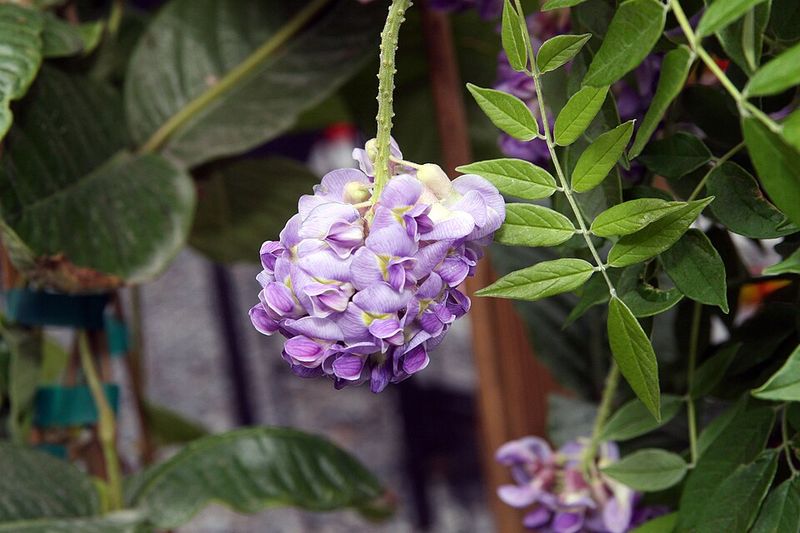
American wisteria keeps showing up around North Carolina patios because it gives that romantic, draping look without feeling quite as unruly as older wisteria types. The dangling flower clusters bring soft color in late spring, and they make a pergola or arbor feel instantly settled in.
If you want a vine that looks established fast, this one definitely understands the assignment.
It does best with strong support, full sun, and a little patience while roots get comfortable. Once it starts climbing, you get leafy shade and blooms that help an area feel cooler and private.
I would keep it pruned especially near gutters or railings.
Black-Eyed Susan Vine
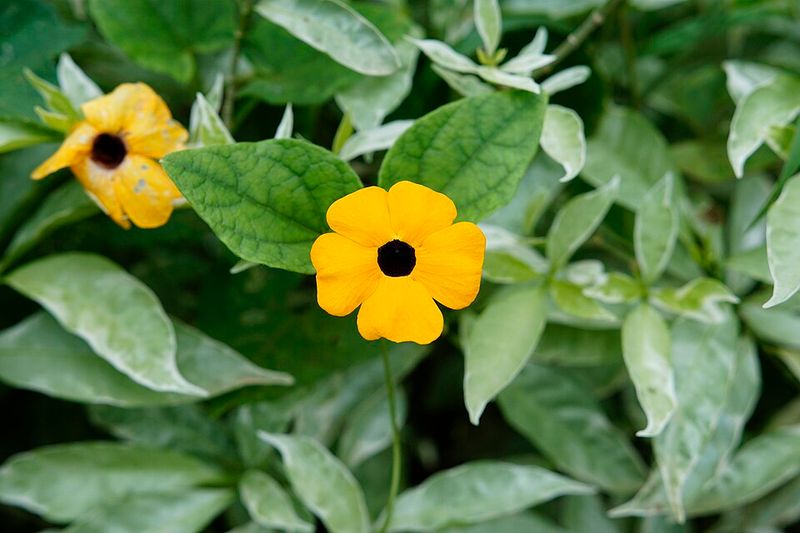
Black-eyed Susan vine has a lighter, more playful look than some of the heavier climbers people use around patios. The orange, yellow, or creamy blooms pop against heart-shaped leaves, and that dark center gives every flower definition.
When you want cheerful color that reads casual instead of formal, this vine fits into a backyard setup.
It works well in containers, hanging near posts, trellises, or screens where you can guide it easily. In North Carolina summers, that flexibility matters because you can shift placement and keep the display close to seating areas.
I like how quickly it fills in without making the space feel crowded.
Moonflower
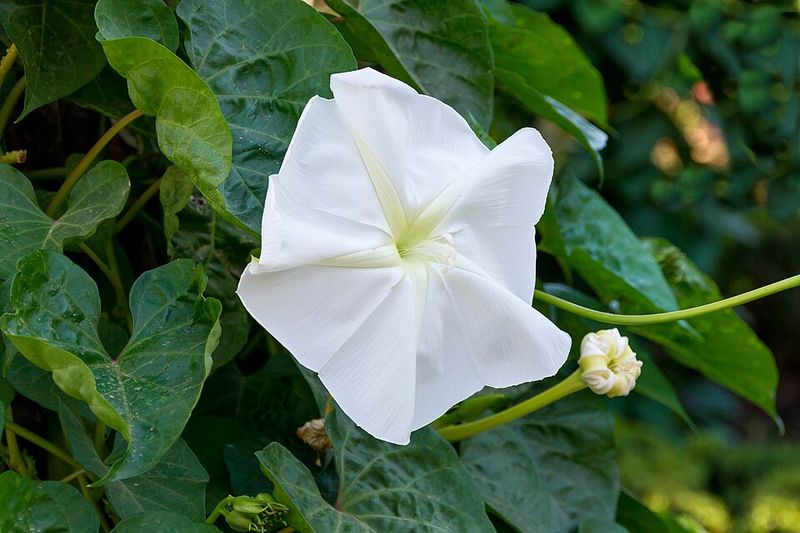
Moonflower is getting more attention from North Carolina gardeners who actually use their patios after sunset. The big white blooms open in the evening, and that timing makes outdoor spaces feel fresh and memorable.
If your patio is all about summer nights, this vine brings fragrance and drama right when you are outside to enjoy it.
Give it warmth, steady moisture, and a sturdy trellis, and it usually takes off during peak season. The flowers seem to glow against dark leaves, which looks pretty near string lights or lanterns.
It is an easy way to make a patio feel planned for nighttime, not just daytime.