
10 Fast-Spreading Ground Covers That Work Well In Shady North Carolina Yards
Follow us on Google
Shade can make a North Carolina yard feel tricky, especially when grass keeps thinning out under trees or along the north side of the house. The good news is that plenty of ground covers actually prefer those dimmer spots and spread fast enough to fill bare soil before weeds take over.
Some stay neat and polished, while others create a softer woodland look that fits our region beautifully. If you want less mowing, fewer muddy patches, and a yard that finally looks finished, these picks are worth a close look.
Allegheny Spurge
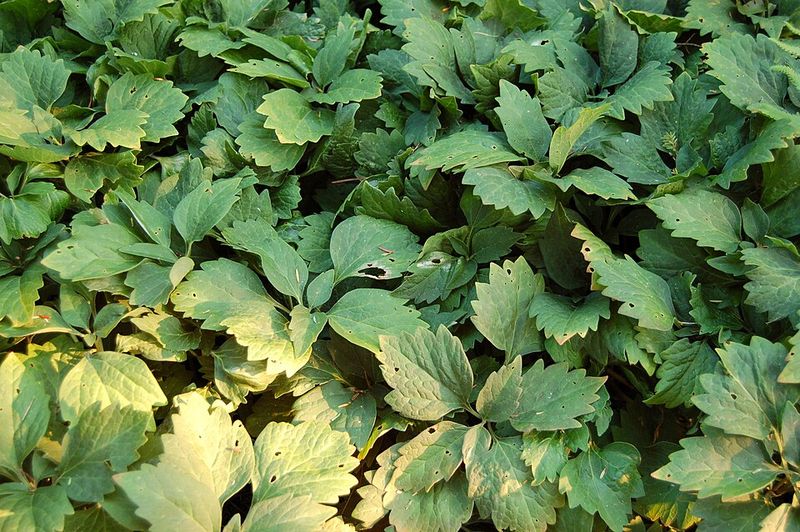
If your yard has that classic wooded North Carolina feel, this native ground cover fits right in. Allegheny spurge spreads by underground stems, slowly knitting together a handsome carpet that looks natural instead of overly formal.
The leaves are mottled in silver and green, so even a simple planting bed looks more interesting through the growing season.
Morning sun or bright shade works best, especially in the Piedmont and mountain regions where summer heat can stress fussier plants. I would add compost before planting because this one really appreciates loose, humus-rich soil that stays evenly moist.
Once established, it handles typical seasonal dry spells better than people expect, though it still looks fuller with occasional deep watering.
Small white bottlebrush flowers appear in spring, but the foliage is the real reason to use it. It works beautifully under deciduous trees, along shaded foundation beds, or on slopes where mowing is awkward and erosion starts becoming a problem.
Space plants about eight to twelve inches apart if you want coverage without waiting forever.
One practical note matters in North Carolina yards: good drainage is still important, especially in red clay. If water sits after a storm, loosen the soil and mound the bed slightly before planting.
That little prep step usually means faster spread, healthier roots, and a much more reliable ground cover patch.
Green and Gold
For gardeners who want a native plant that fills in quickly without looking wild or messy, green and gold is a strong contender. This low grower sends out stolons that root as they go, creating a tidy mat of foliage in shady beds.
In spring, cheerful yellow flowers pop above the leaves and brighten spaces that usually feel flat and dark.
Moist, well-drained soil helps it move fastest, but established plants can handle average garden conditions in much of North Carolina. I like it near walkways, under open-canopy trees, or in front of shrubs where taller plants would hide the blooms.
It stays low enough to read as a ground cover, yet it has enough texture to keep the planting from feeling one-note.
Because summers here can turn hot and sticky, mulch lightly around new plants until they join together. That reduces competition from weeds and helps the soil hold moisture while roots settle in.
If you are planting in heavy clay, mixing in leaf mold or pine fines usually gives better results than leaving the bed untouched.
Deer pressure varies, but this plant often escapes serious damage in suburban yards. It also pairs beautifully with ferns, hellebores, and native sedges for a softer woodland look.
If you want something fast, approachable, and regionally appropriate, this one earns its space.
Ajuga
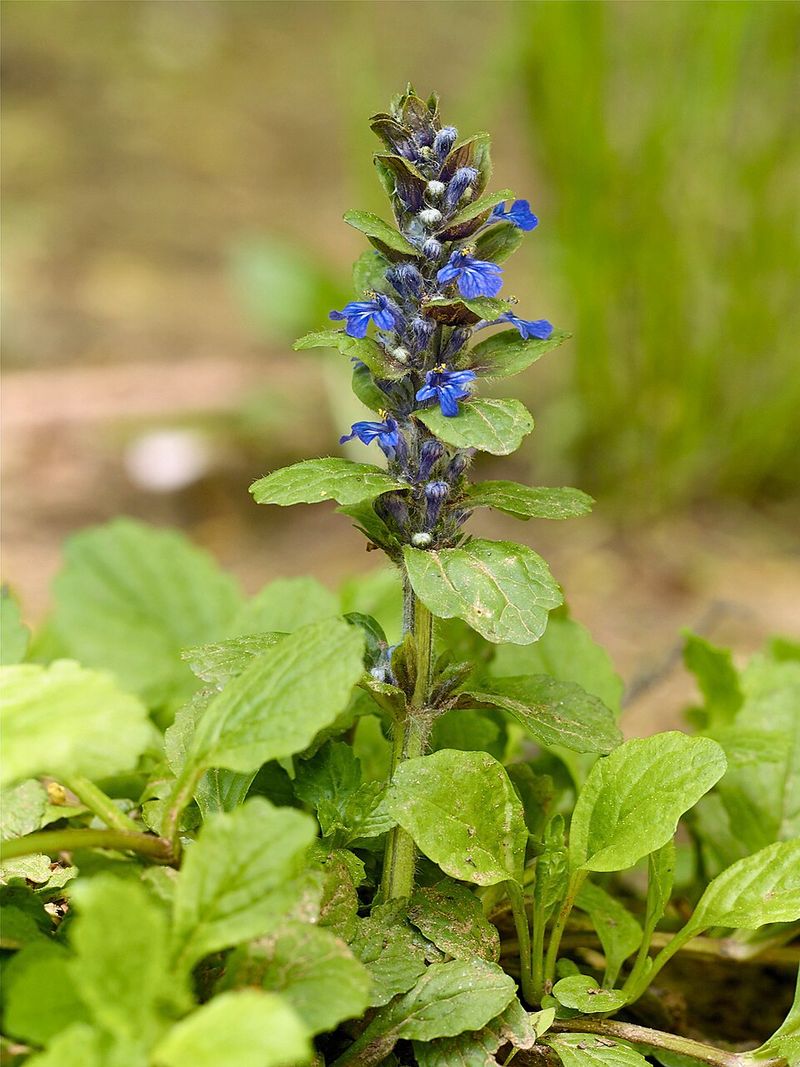
Few plants cover bare ground as quickly as ajuga, which is exactly why so many shade gardeners keep coming back to it. Rosettes spread outward and link together into a dense mat that does a great job suppressing weeds.
Many varieties also bring purple, bronze, or variegated foliage, so the bed stays attractive even when flowers are finished.
Blue flower spikes in spring are a nice bonus, especially around stepping stones or along shady borders where color can be hard to find. This plant prefers moisture during establishment, but it adapts to average North Carolina garden conditions once roots take hold.
I would avoid soggy spots, though, because overly wet soil can invite crown rot and make patches thin out.
Good air circulation matters more than people realize, especially in humid summers. If your yard sits in deep still shade, space plants so foliage can dry after rain and irrigation.
That simple step usually keeps the planting healthier and reduces frustration later.
Ajuga works best where you want fast results and a clear edge, such as around tree islands or beneath taller shrubs. It can creep into lawn edges, so I like using stone or metal edging to keep the spread intentional.
For speedy coverage with strong color, it is hard to ignore.
Liriope spicata
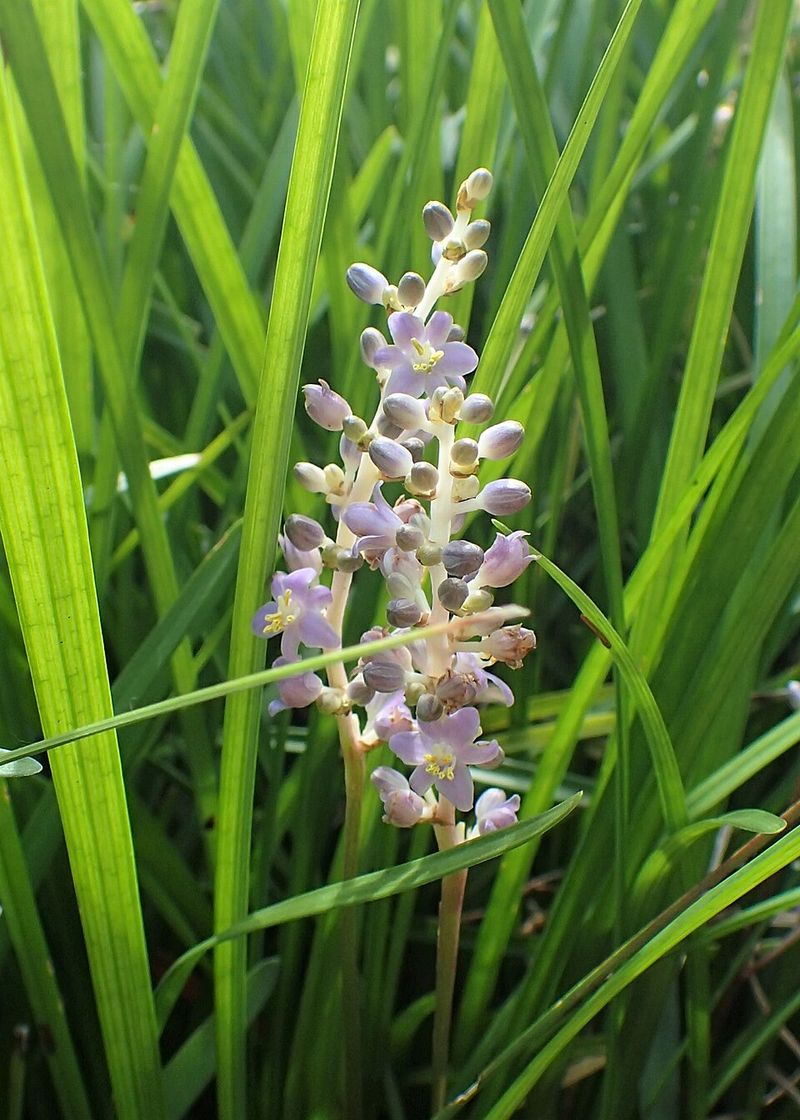
When you need a ground cover that can handle neglect, roots through clay, and still spread with determination, liriope spicata deserves attention. The grassy foliage creates a clean, dependable look that fits modern landscapes and older homes alike.
Underground rhizomes let it move steadily, making it useful for large shaded areas where filling space quickly matters.
This species is especially handy on slopes, along shady property lines, and under mature trees where turf struggles year after year. North Carolina gardeners often use it for erosion control because the root system grabs soil effectively once established.
Purple flower spikes appear in late summer, followed by dark berries that add a little extra seasonal interest.
Because it spreads aggressively, placement takes some thought. I would not tuck it into a tiny mixed bed with delicate perennials unless you enjoy frequent dividing and edging.
Give it room, or contain it with a border, and it becomes a practical workhorse rather than a plant that constantly needs correction.
Late winter is the best time to shear old foliage before fresh growth starts. That quick cleanup keeps the patch looking polished and makes spring emergence much more attractive.
For North Carolina yards with dry shade, clay soil, or difficult slopes, this is one of the easiest fast-cover solutions available.
Wild Ginger
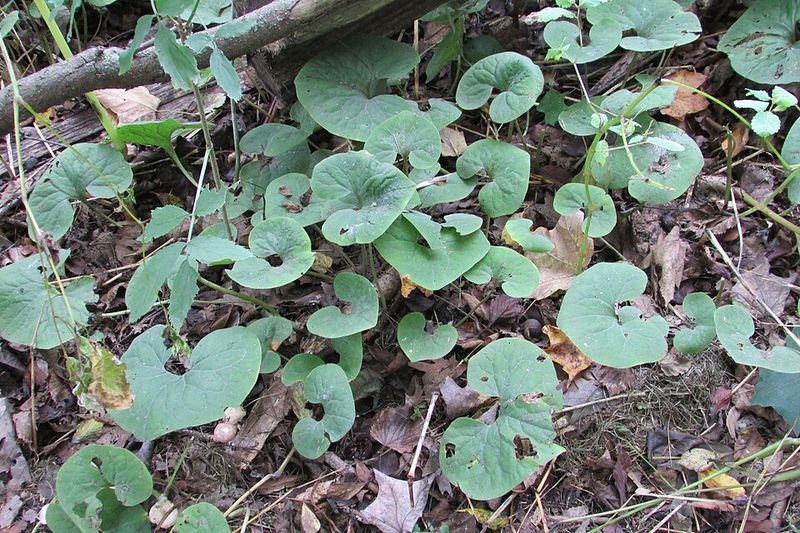
There is something especially calming about a planting of wild ginger under trees, where the glossy heart-shaped leaves create a quiet, finished look. This native ground cover spreads by rhizomes and gradually forms a solid colony in moist shade.
It is not the fastest plant on this list in a race, but in the right setting it fills in surprisingly well and stays handsome.
Rich soil makes a big difference, so I like treating the bed more like a woodland floor than a standard foundation planting. Work in composted leaves, keep the area mulched, and do not let new plants dry out during their first summer.
Those steps usually speed establishment and help the foliage stay larger and fuller.
The flowers hide near the soil surface, so most people grow it for texture rather than bloom. That said, the broad leaves do an excellent job covering bare dirt around trees, beside paths, or beneath shrubs where a softer look feels more natural than sharp edging.
In humid North Carolina conditions, that dense leaf cover also helps reduce splashing mud after rain.
It pairs beautifully with ferns, Christmas fern especially, and other native shade plants. Deer tend to leave it alone, which adds to its value in many neighborhoods.
If you want a low, refined ground cover with local roots and reliable shade performance, this one is easy to appreciate.
Partridgeberry
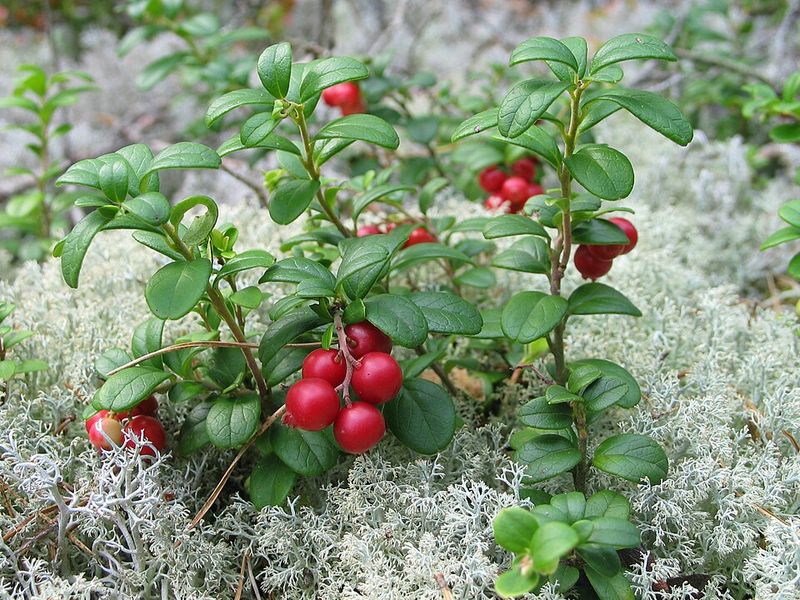
For a smaller-scale ground cover that brings year-round charm, partridgeberry is a lovely native option for shady North Carolina gardens. The trailing stems creep along the soil and root gently, creating a neat evergreen mat over time.
Tiny paired white flowers appear in warm weather, and bright red berries often persist long enough to add welcome winter color.
This plant shines in woodland-style beds where the goal is subtle beauty rather than bold impact. I like it near stepping stones, at the edge of shaded paths, or mixed with ferns and other natives in areas that stay consistently moist.
It prefers acidic, organic soil, which makes it a natural fit in many sites where pines or deciduous trees have dropped leaf litter for years.
Because it stays low and refined, patience helps during the first season. Keep weeds out early, water during dry stretches, and avoid piling heavy mulch directly on top of the stems.
Once it settles in, the patch becomes much easier to maintain and looks better with each passing year.
Partridgeberry is not a rough-and-tumble traffic plant, so use it where feet will not regularly cross. In return, you get an evergreen carpet that feels distinctly regional and beautifully understated.
If your shady yard needs a native ground cover with seasonal berries and a woodland personality, it is a smart choice.
Sweet Woodruff
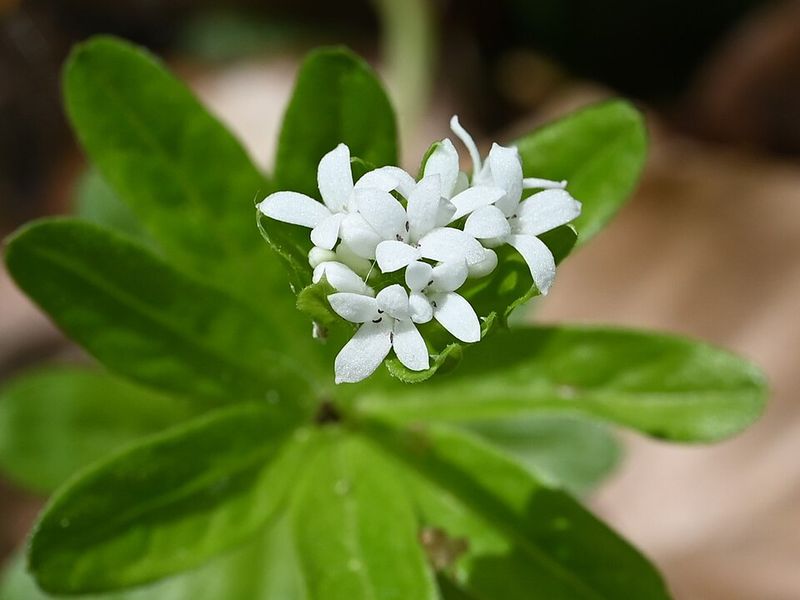
In cooler shady spots, sweet woodruff spreads with a soft, layered look that makes a bed feel settled very quickly. Whorled leaves form a dense mat, and clusters of small white flowers in spring give the planting a clean, bright appearance.
It is especially effective under shrubs or deciduous trees where early-season light helps it establish before summer heat arrives.
North Carolina gardeners in the mountains and cooler Piedmont sites usually have the easiest time with it. Consistent moisture and rich soil keep this plant happiest, so I would not place it in bone-dry shade without irrigation.
If your site gets hot reflected heat from brick or pavement, another ground cover will likely perform better.
Where conditions are right, spread is quick enough to knit together bare areas and push back weeds. I like using it in older neighborhoods with established trees, where grass thins out and mulch beds start looking temporary.
It also brings a cottage-garden softness that balances sharper evergreen shrubs nicely.
Shear or thin patches lightly if growth gets too thick after flowering. That encourages fresh foliage and keeps air moving during humid spells.
For gardeners who want a fast cover with spring bloom, fragrant foliage, and a gentle woodland look, sweet woodruff is a satisfying fit in the right shady corner.
Creeping Jenny
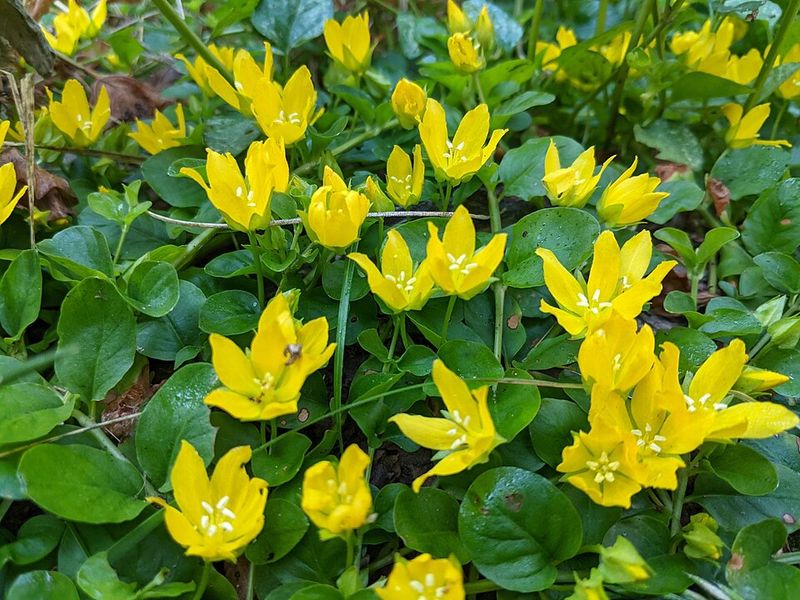
If you want a ground cover that brightens shade instead of blending into it, creeping Jenny makes a strong visual case. The round chartreuse leaves spread rapidly along the soil surface and spill beautifully over stone edges or retaining walls.
In a dark corner of the yard, that burst of yellow-green can make the whole bed feel more intentional.
Moist soil helps it perform at its best, which is one reason it does well in many North Carolina gardens with partial shade. I like it around water features, beside downspouts that do not stay waterlogged, or in beds that get morning sun and afternoon shade.
In deeper shade, the color may soften slightly, but the creeping habit usually stays dependable.
This is a plant that benefits from boundaries. It roots as it goes and can move into neighboring perennials if left unchecked, so edging or occasional trimming keeps the look neat.
Used thoughtfully, that vigor becomes an advantage rather than a maintenance problem.
Winter cold can dull the foliage, but regrowth is quick once temperatures warm. Pair it with darker-leaved companions for the best contrast, or let it weave between stepping stones for a casual effect.
For fast coverage, cheerful color, and easy impact in shady spaces, creeping Jenny earns its popularity.
Spotted Dead Nettle
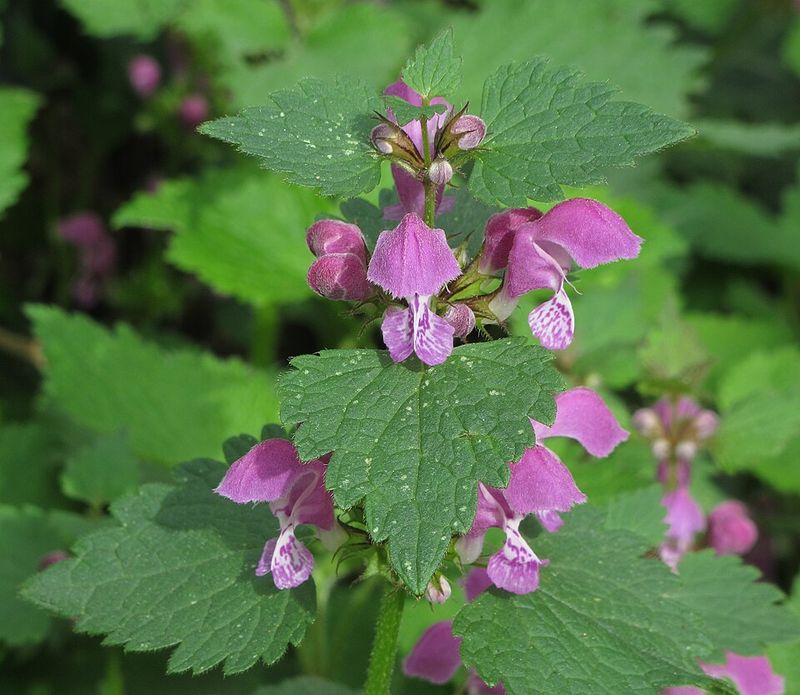
Silver-marked foliage can do a lot of heavy lifting in shade, and spotted dead nettle proves that point beautifully. This low spreading perennial forms a carpet that reflects available light, which helps dim corners look sharper and more finished.
Pink, purple, or white flowers add extra appeal in spring and often reappear sporadically when conditions stay favorable.
Good drainage matters, but the plant still appreciates moisture during establishment and in hot weather. I would use it where morning sun or bright filtered shade gives foliage the best color without baking it in the afternoon.
In many North Carolina yards, that means under high tree canopies, beside porches, or along the east side of the house.
Because stems root as they creep, filling a bed can happen fairly quickly with just a modest number of starter plants. It also weaves nicely around hostas, ferns, and hellebores without creating a heavy or coarse texture.
If a section gets leggy after summer stress, trim it back and it usually rebounds well when temperatures ease.
Humid conditions can sometimes challenge this plant, so avoid crowded, stagnant spots. A little air movement and sensible watering make a noticeable difference.
For gardeners who want faster spread plus variegated foliage that visually lifts shady beds, spotted dead nettle is a very useful option.
Periwinkle
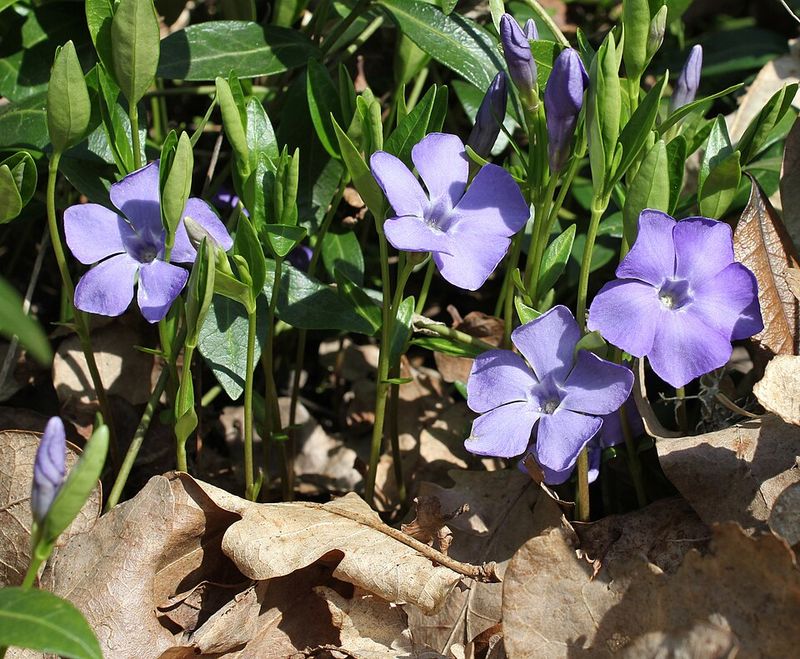
For hard-to-cover shade where roots, slopes, and dry soil make planting difficult, periwinkle remains a common solution. Glossy evergreen foliage spreads along trailing stems and roots at nodes, building a thick mat that covers ground fast.
Blue spring flowers add a familiar charm, especially in older neighborhoods where this plant has been used for decades.
It tolerates dry shade better than many prettier but fussier alternatives, which explains its staying power in North Carolina landscapes. I like it on banks where mowing is unsafe, beneath large trees where turf repeatedly fails, or in narrow side yards that receive little direct sun.
Once established, it usually asks for very little beyond occasional trimming at the edges.
That vigorous habit is also the caution. In some settings, periwinkle can move beyond where you intended, so keep it out of natural areas and avoid using it near woodland edges where escape is possible.
If you want the benefits without the headaches, contain it within clearly defined beds.
A spring cleanup of winter-burned stems helps it look fresher, and adding compost around the bed can encourage denser coverage. While native options are often preferable, this one still has value in the right managed space.
For quick evergreen coverage in tough shade, it absolutely gets the job done.