
How To Keep Raised Bed Soil Healthy During Florida’s Rainy Season
Follow us on Google
Florida rain can turn a thriving raised bed into a soggy, nutrient-starved mess faster than most gardeners expect. When downpours stack up for days, soil structure, roots, and beneficial microbes all feel the pressure.
The good news is that a few smart adjustments can keep your beds productive instead of waterlogged. If you want vegetables, herbs, and flowers to make it through the wet season without constant setbacks, these practical tips will help.
Build Better Drainage From The Start
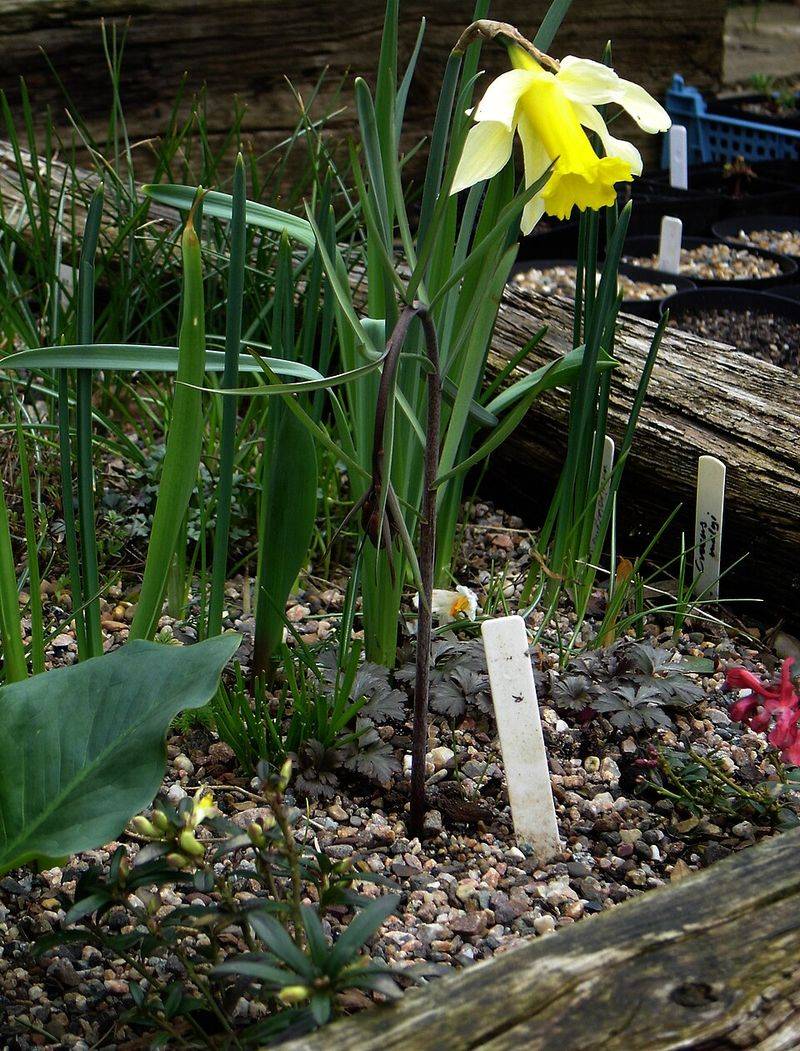
Heavy rain exposes every weakness in a raised bed, especially when the soil mix holds water like a sponge. If puddles sit on top for hours, roots lose oxygen and the bed starts acting more like a bathtub than a garden.
A healthier setup starts with a loose, fast-draining blend that still holds enough moisture for daily growth.
In Florida, I like a mix that includes compost, pine bark fines, coarse coconut coir, and a little perlite or coarse sand, depending on what is available locally. Native sandy soil can help in small amounts, but pure sand washes nutrients away too quickly during repeated storms.
What you want is crumbly texture, not something dusty when dry or sticky when soaked.
It also helps to mound the soil slightly above the bed edges so water sheds instead of settling in the center. If your beds sit in a low spot, dig shallow channels nearby to move runoff away before it enters.
That one improvement can save roots, protect nutrients, and make every other rainy-season strategy work better.
Top Off Beds With Finished Compost
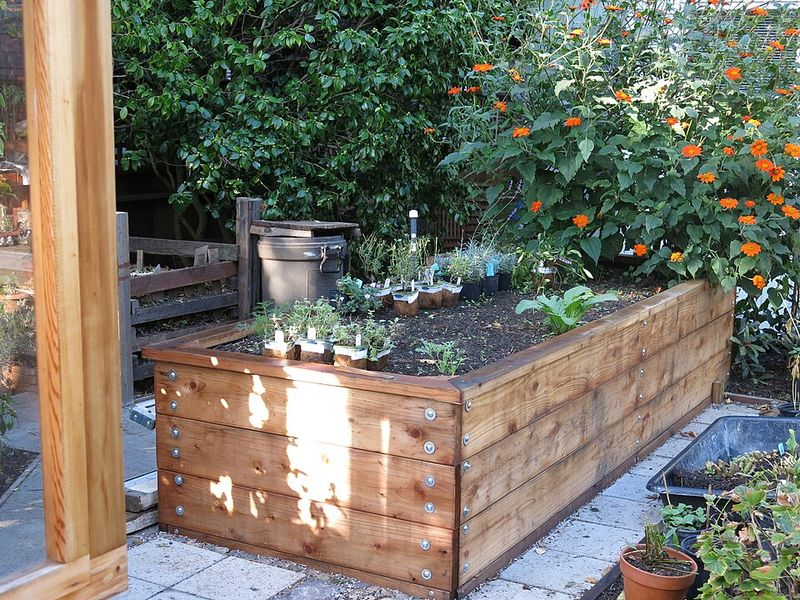
Repeated rain can wash nutrients downward faster than plants can use them, which is why tired beds often show yellow leaves by midseason. A thin layer of finished compost on top acts like a steady nutritional backup without overwhelming roots.
It also improves soil structure, which matters just as much as feeding during wet months.
Finished compost is different from half-broken yard debris that still heats up or smells sharp. You want something dark, earthy, and fully decomposed so it supports microbes instead of competing with plants for nitrogen.
Spread about one half inch to one inch across the surface, then let rain and worms carry it into the top layer naturally.
This approach works especially well around tomatoes, peppers, basil, okra, and eggplant that keep producing through humid weather. When beds look depleted, compost helps them recover without the burn risk that stronger fertilizers can create in unstable conditions.
If you already mulched, pull mulch back first, add the compost, and return the mulch so the bed stays covered and biologically active.
Use Mulch That Protects Without Smothering
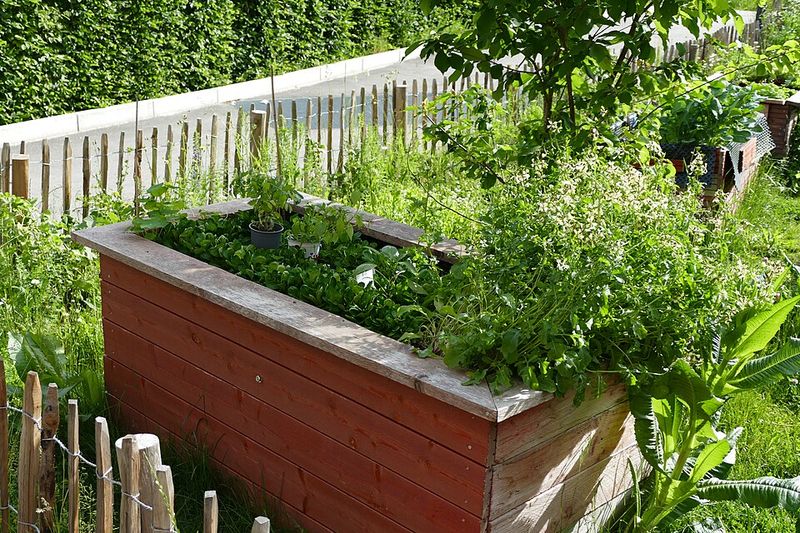
Rain hitting bare soil is more damaging than it looks. Each storm compacts the surface, splashes soil onto leaves, spreads disease, and speeds nutrient loss from the top layer.
A smart mulch layer cushions all of that while keeping the soil food web more stable beneath it.
For Florida raised beds, I prefer light organic mulches such as pine straw, chopped leaves, or fine straw spread two to three inches deep. Thick wood chips can work in pathways, but inside shallow vegetable beds they sometimes stay too wet or tie up nitrogen at the surface.
The goal is coverage that breathes, not a soggy blanket pressed against stems.
Leave a little space around the base of each plant so airflow stays decent and stems do not rot during humid stretches. After a major storm, check mulch depth because runoff often piles it in one corner and exposes other spots.
Once the soil is protected from direct pounding rain, you will usually see less crusting, fewer weed seeds sprouting, and a noticeable drop in mud-borne leaf problems across the whole bed.
Feed Lightly And More Often
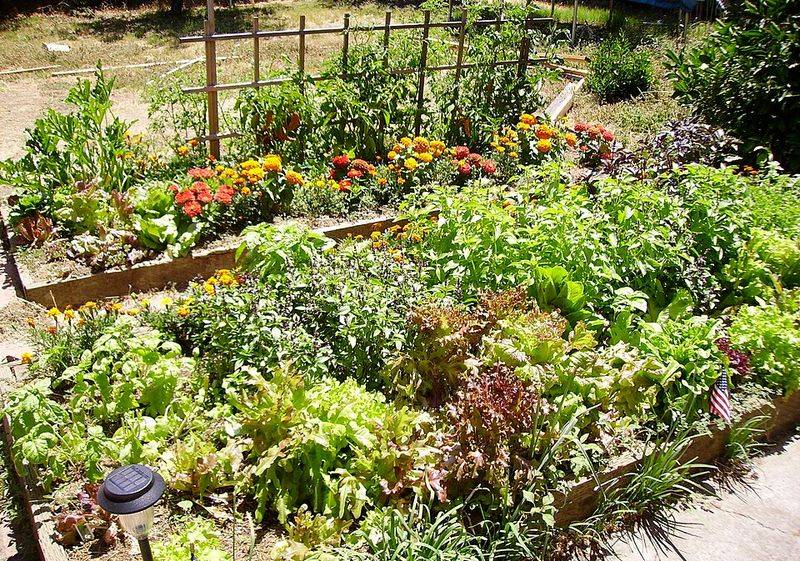
One big fertilizer application sounds efficient, but rainy-season beds rarely hold onto nutrients long enough for that plan to pay off. Frequent storms move soluble nitrogen out of reach, and plants often show pale growth even when you fed recently.
Smaller, timed feedings are usually the safer way to keep growth steady without wasting product.
Instead of dumping a heavy dose once a month, use lighter applications every one to two weeks, especially for hungry crops. Organic granular blends, fish emulsion, seaweed products, and compost-based teas can all work if you follow labels and avoid overdoing it.
Too much fertilizer in wet soil pushes weak, disease-prone growth and can burn stressed roots when conditions suddenly dry out.
I also like to feed right before a stretch of moderate rain rather than ahead of a tropical downpour. Gentle rain helps move nutrients into the root zone, while violent storms often send them past it.
If leaves are yellowing between veins, growth is stalling, or fruiting slows, the bed is telling you it needs a lighter but more consistent feeding rhythm.
Watch Soil pH After Weeks Of Rain
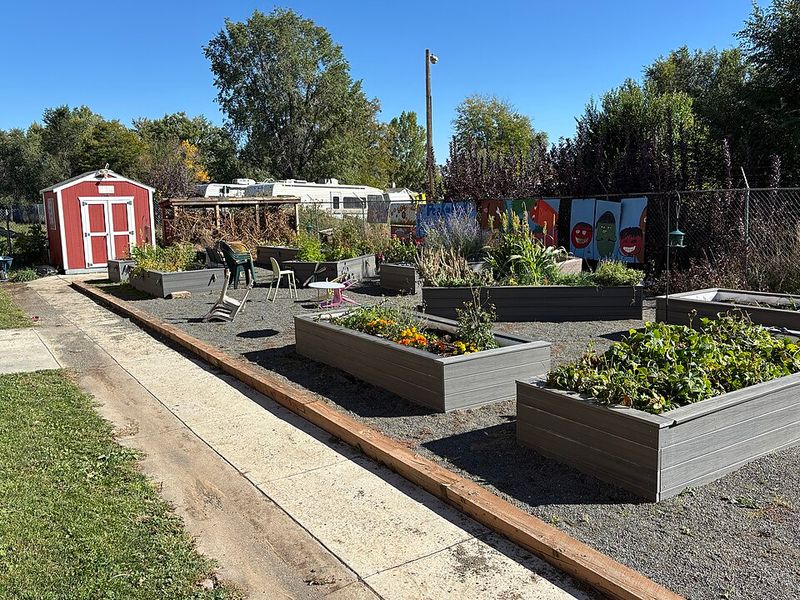
After weeks of rain, plants can start looking off even when drainage and fertilizer seem fine. That is often the point when soil pH has shifted enough to limit nutrient uptake, especially in beds that are watered by both rainfall and irrigation.
Leaves may yellow, growth slows, and gardeners blame pests when the real issue is chemistry.
Raised beds in Florida can drift acidic over time because intense rain leaches calcium, magnesium, and other basic minerals. A simple soil test, either with a reliable home kit or your county extension office, tells you whether the bed still sits in a crop-friendly range.
Most vegetables do best around slightly acidic to neutral conditions, so guesswork is not your friend here.
If pH is low, a measured application of dolomitic lime can help restore balance while adding calcium and magnesium. It is important not to throw lime at every problem, though, because some plants prefer lower pH and excess lime creates a different set of deficiencies.
Testing once before the wet season and again after long rainy stretches gives you a cleaner picture of what your soil actually needs.
Avoid Walking And Leaning On Wet Beds
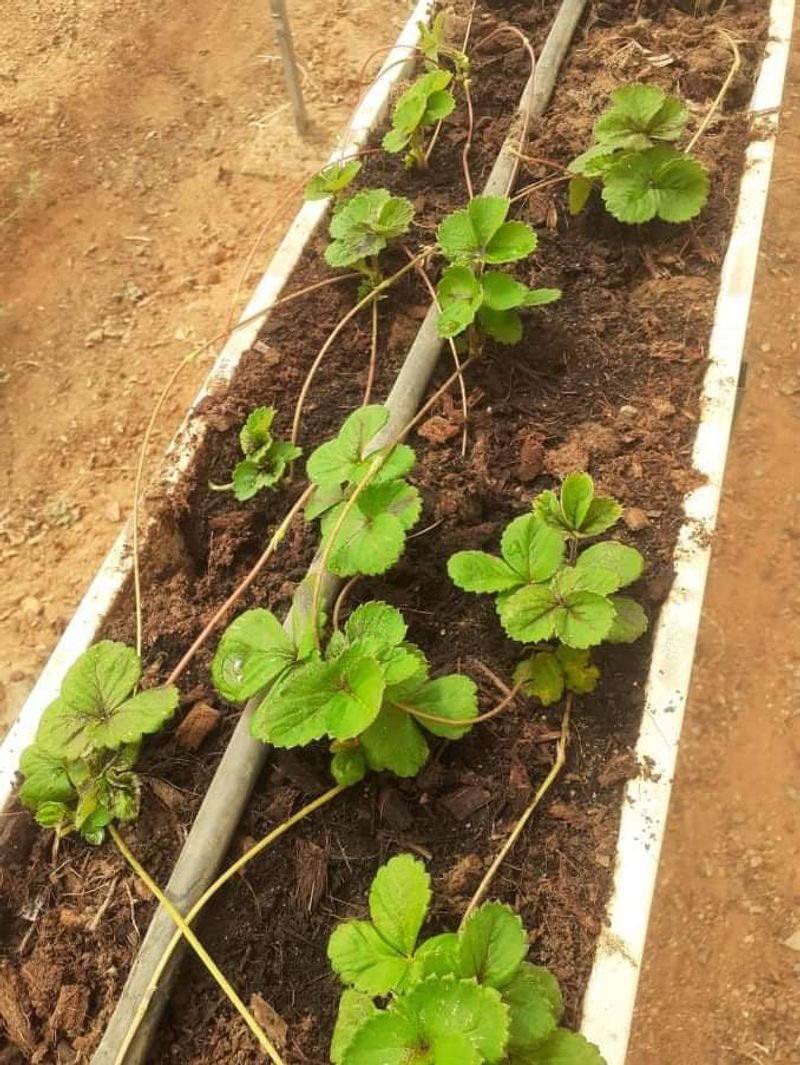
Wet soil may look soft, but it compresses very easily under pressure. The moment you step into a raised bed or lean heavily across it after rain, you squeeze out air pockets that roots and microbes need.
Compaction is one of those quiet problems that keeps reducing performance long after the surface dries.
That is why good pathways matter just as much as what goes inside the bed. If you can reach the center from both sides, keep the bed narrow enough to avoid climbing in, and use stepping stones or wood chips around it so you are never tempted to cut across.
Even resting a knee on wet soil while harvesting can create a dense patch where water pools and roots stall.
When a bed has already compacted, loosen only the top few inches carefully with a hand fork once conditions are moist, not saturated. Digging aggressively into soggy soil usually makes the structure worse and smears the particles together.
A no-step habit may sound simple, but during Florida’s rainy season it protects drainage, improves oxygen levels, and gives beneficial life in the soil room to keep doing its job.
Plant For Airflow And Faster Drying
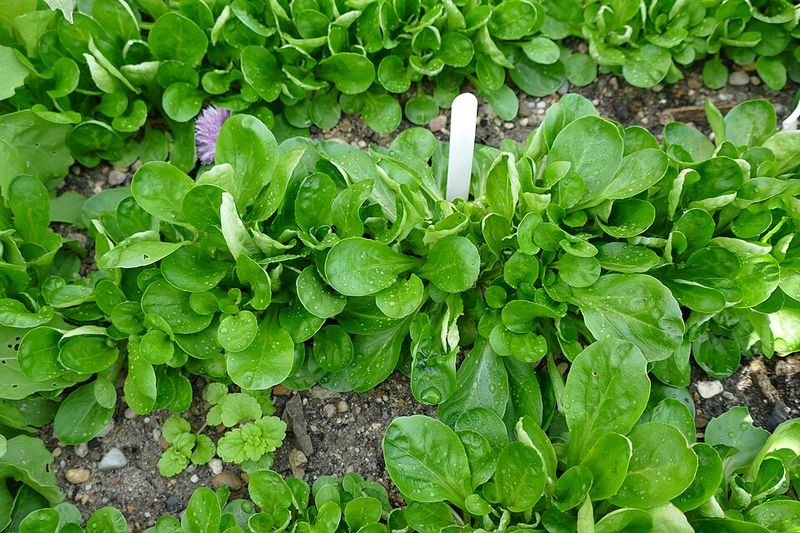
Too many plants packed into one raised bed create a humid wall that never fully dries. During Florida’s rainy season, that trapped moisture encourages fungal problems, weak stems, and slow root recovery after storms.
Soil health suffers too, because crowded plants compete harder for nutrients that are already being leached away.
Spacing crops a little wider than spring recommendations often pays off in summer conditions. Air moving between stems helps leaves dry faster, and sunlight can reach the mulch and topsoil instead of leaving the entire bed in a damp shadow.
Pruning lower tomato leaves, staking vining crops, and thinning excess basil or greens makes a surprising difference within a few days.
I also avoid letting sprawling plants cover every inch of the bed surface when rain is frequent. Ground contact keeps foliage wet and increases the chance of soilborne disease splashing upward.
A bed that looks slightly open at planting time may feel underused, but once the heat and rain accelerate growth, that extra breathing room protects root health, reduces disease pressure, and helps the soil surface recover faster between storms.
Rotate Crops To Break Disease Cycles
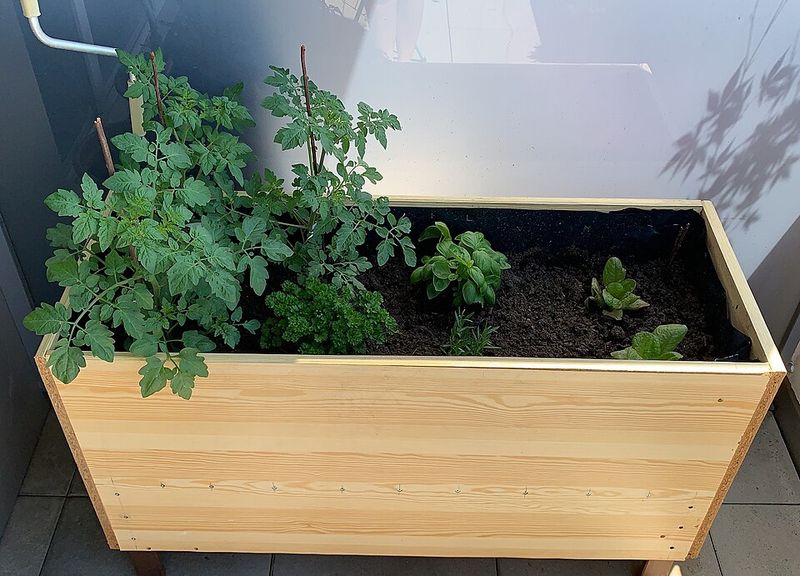
Some rainy-season soil problems are really disease problems that keep returning because the same crop family stays in the same spot. Warm, wet conditions favor pathogens, and raised beds do not magically prevent them from building up over time.
If tomatoes struggled in one bed this year, planting peppers there next often repeats the issue because they are close relatives.
A simple rotation plan lowers that pressure by changing what each bed hosts every season or at least every year. Move nightshades, cucurbits, legumes, and brassicas to different spaces so pests and pathogens lose their preferred target.
Even in a small yard, rotating containers, herbs, flowers, and cover crops through one bed can interrupt the pattern enough to matter.
When disease has been severe, remove infected debris quickly and do not till it back into the bed. Composting that material is only safe if your pile gets hot enough, which many home piles do not during wet weather.
Keeping notes on where each crop grew may sound obsessive, but next summer you will appreciate having a map that helps you protect soil biology instead of feeding the same disease cycle again.
Grow Cover Crops In Resting Beds
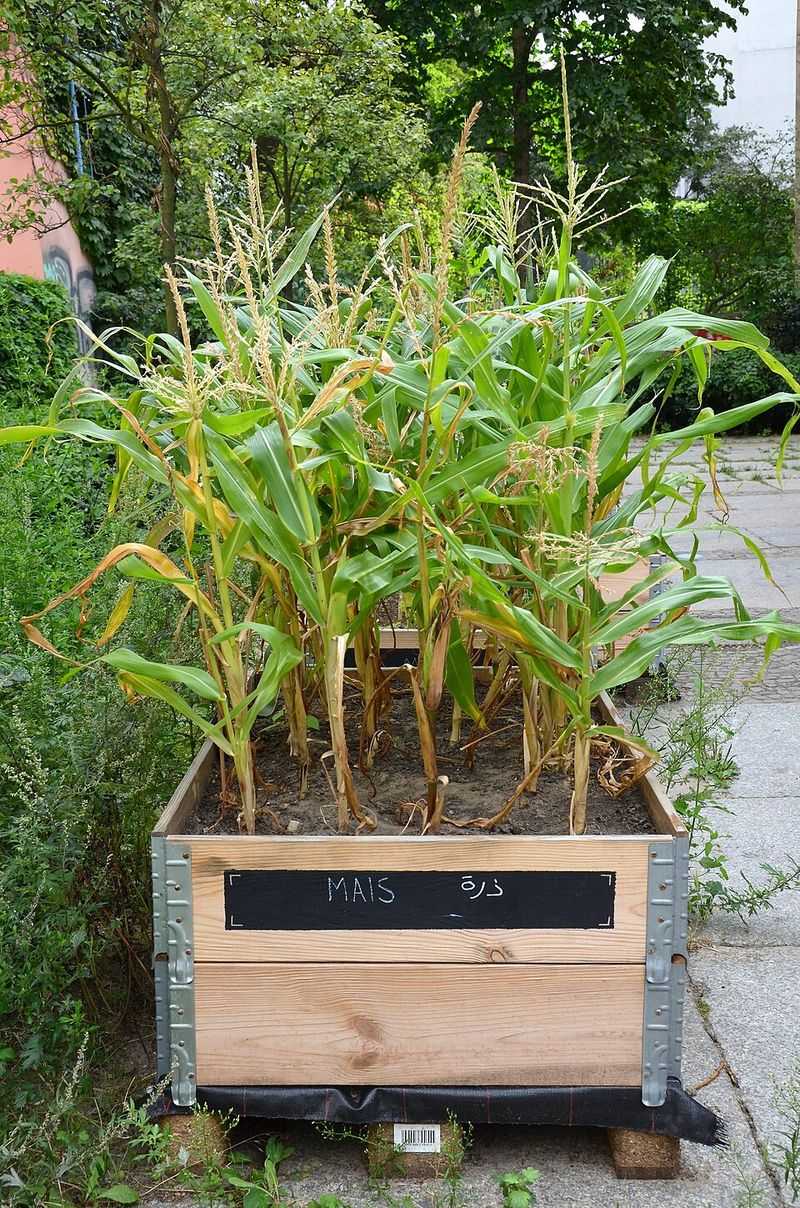
An empty raised bed during the rainy season rarely stays harmless for long. Bare soil bakes between storms, erodes during downpours, loses nutrients, and becomes a landing pad for weeds that are more than happy to take over.
Keeping living roots in place is one of the easiest ways to protect structure and biology when you are between main crops.
Warm-season cover crops like cowpeas, sunn hemp, or even a quick patch of buckwheat can shield the surface and feed the soil at the same time. Their roots create channels that improve drainage and aeration, while top growth reduces the force of rain hitting the bed.
Legume covers can also contribute nitrogen, which is useful after repeated leaching from summer storms.
If you do not want a full cover crop, even a short rest period with mulch plus a light sowing of a manageable green manure helps. Cut the plants before they set seed, then let the residue break down on top rather than digging deeply into soggy soil.
A resting bed should still be working for you, and living roots are one of the best rainy-season tools for keeping it productive.
Check Beds After Every Big Storm
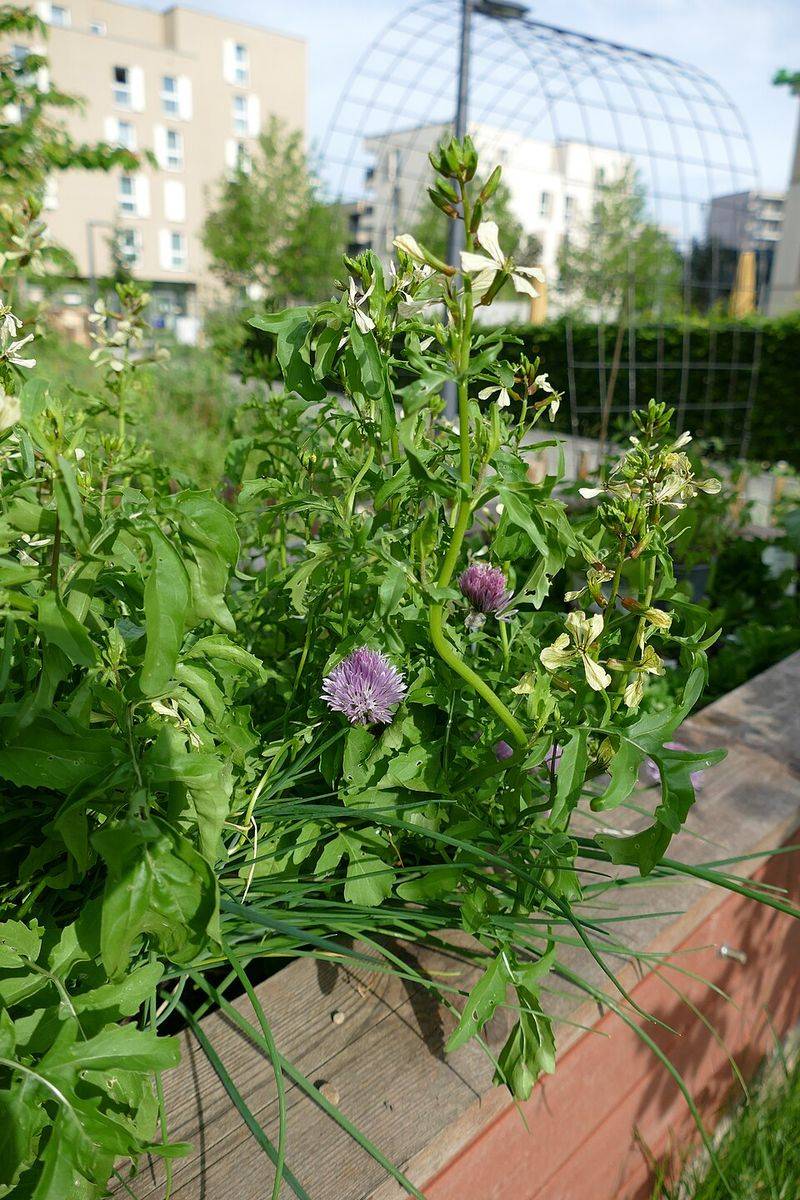
Storm recovery is where healthy raised beds are either preserved or quietly lost. One hard rain can carve channels through soil, expose roots, pile mulch against stems, and leave a low corner saturated for days.
Catching those issues early is far easier than trying to rescue declining plants a week later.
After every major storm, take a slow walk around each bed and look for washed-out spots, crusted surfaces, standing water, and yellowing foliage. Press the soil gently with your fingers to judge whether the bed is draining or staying swampy beneath the mulch.
This is also the moment to restake plants, remove broken stems, and reset irrigation timers that no longer match actual moisture levels.
I like to keep a small bucket nearby with fresh mulch, compost, hand pruners, and labels so fixes happen immediately instead of getting postponed. If one corner stays wet storm after storm, that is useful information telling you the bed needs regrading or a drainage exit.
Consistent post-rain checks turn soil care into a routine rather than a rescue mission, and that habit keeps Florida’s wet season from slowly stealing the health of your raised beds.