
11 Fast-Growing Vegetables Florida Gardeners Can Still Plant This Month
Follow us on Google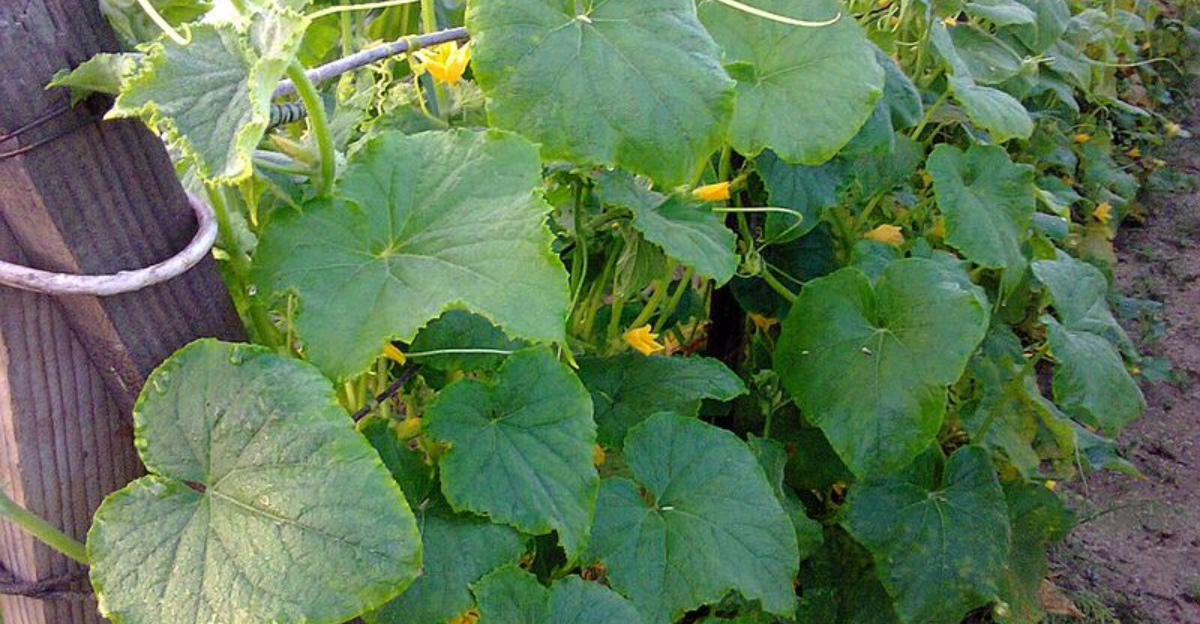
Florida gardeners have more planting opportunities than most people realize, and a slow start does not mean you missed your chance. Warm soil, quick germination, and long growing windows make it possible to squeeze in a productive crop even now.
If you want fast results, these vegetables can give you harvests sooner than you might expect. Pick a few that match your space and season, and you can be eating from your garden before the month feels old.
Bush Beans
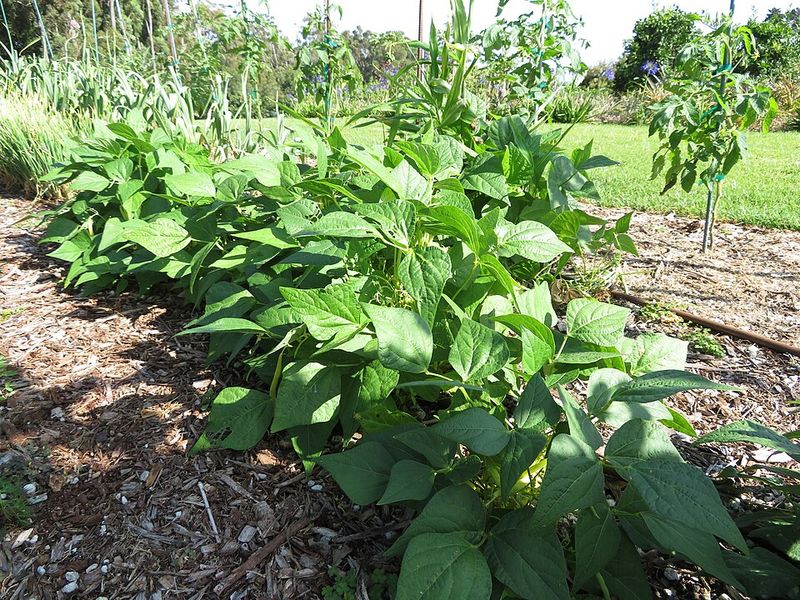
Fast results feel especially satisfying in Florida, and this is one of the easiest crops to slip into an open bed right now. Bush beans sprout quickly in warm soil, usually pop up within a week, and start producing tender pods in about 45 to 60 days.
That short timeline makes them a smart pick when you want visible progress without waiting all season.
Good drainage matters more than fancy soil, so loosen the bed, mix in compost, and avoid overdoing fertilizer. Too much nitrogen gives you leafy plants and fewer beans, which disappoints everyone.
Keep seeds evenly moist until they emerge, then water deeply a few times each week rather than splashing them every day.
Florida heat can stress blossoms, so morning sun with light afternoon shade helps in hotter parts of the state. Mulch keeps roots cooler and prevents wild swings in soil moisture.
If you sow a second round ten days later, you can stretch your harvest instead of getting every pod at once.
Pick often, because frequent harvesting tells the plant to keep producing. Small pods taste better, cook faster, and stay less stringy.
If you have kids nearby, this is one of those vegetables that gets them checking the garden constantly.
Radishes
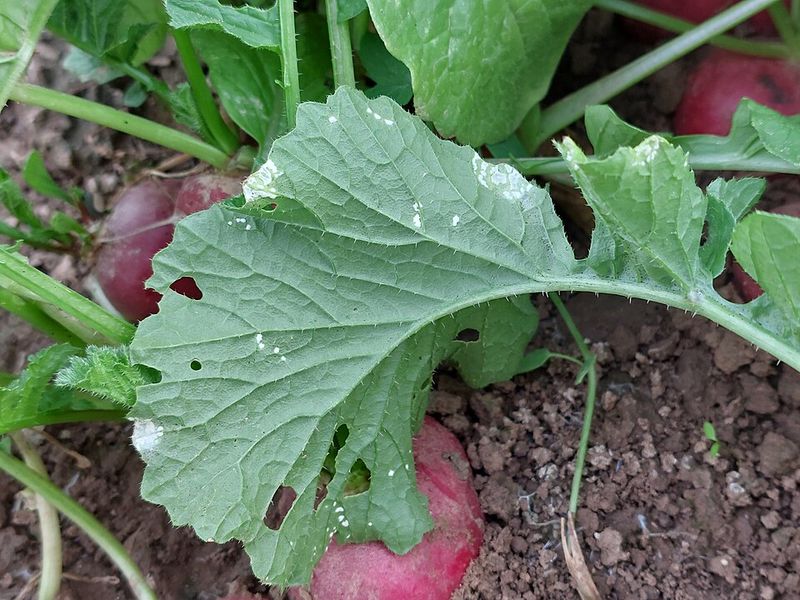
When patience is running low, radishes are hard to beat. Seeds germinate fast, roots size up quickly, and many varieties are ready in about 25 to 35 days.
That speed is useful in Florida, where quick crops can slide between longer plantings and help you make use of every open patch of soil.
Loose ground is the secret to round, smooth roots, so break up compacted dirt before sowing. Scatter seeds thinly, cover them lightly, and keep the bed consistently damp during sprouting.
Crowding causes tiny roots and lots of leaves, so thinning is annoying but necessary if you want crisp, full-sized radishes.
Heat can turn roots pithy or overly spicy, which is why timing matters more than effort here. In cooler parts of the Florida season, they are almost foolproof.
Partial shade during warmer weeks helps slow stress, and regular moisture keeps flavor milder and texture more pleasant.
Harvest promptly instead of waiting for every root to match the packet picture. A slightly smaller radish tastes better than one left too long in warm soil.
If salads have felt boring lately, a quick row of these brings crunch, color, and immediate garden satisfaction.
Arugula
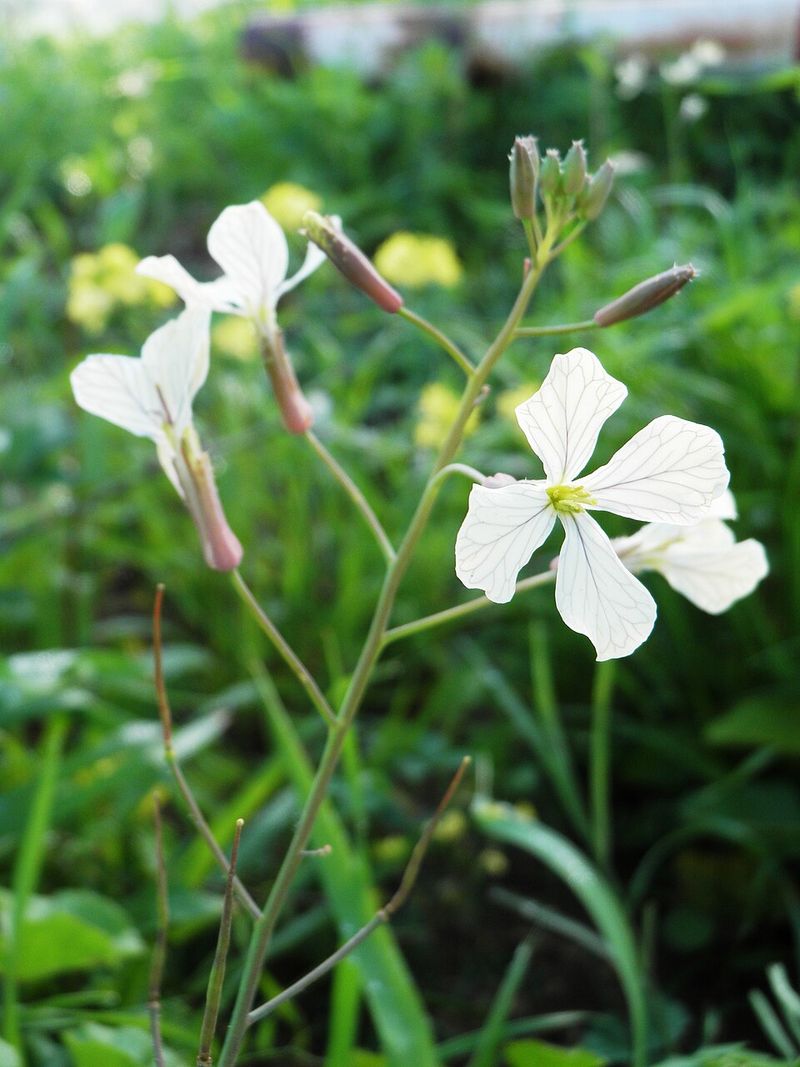
Peppery greens can rescue a garden that feels slow, and arugula is one of the quickest ways to fill your plate. It germinates fast, grows with very little fuss, and often gives usable leaves in as little as three to four weeks.
That quick turnover makes it ideal for small spaces, containers, and beds that need a productive filler crop.
Florida gardeners usually get the best flavor by giving it gentle sun and steady moisture. In stronger heat, leaves can turn sharper and plants may bolt early, so a spot with morning light and afternoon protection helps a lot.
Rich soil is nice, but even average beds work if you mix in a little compost first.
Rather than waiting for a full head, start harvesting outer leaves when they reach a few inches long. That cut-and-come-again approach gives you several rounds from one planting.
Sowing short rows every week or two keeps fresh greens coming instead of flooding your kitchen all at once.
The taste works beyond salad bowls, which makes this crop even more useful. Toss leaves onto sandwiches, fold them into pasta, or scatter them over pizza after baking.
If you want something fast, flavorful, and actually exciting to eat, this one earns its space.
Cucumbers
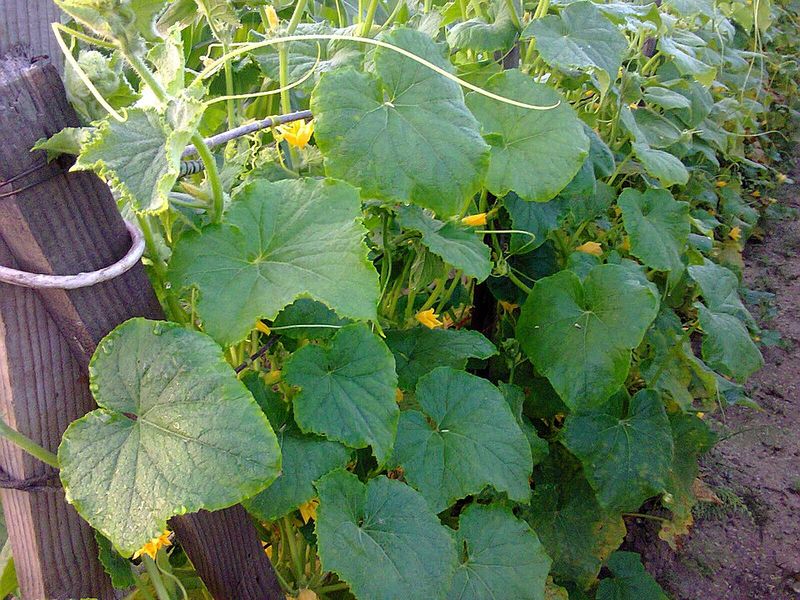
Nothing makes a garden feel productive faster than vines that suddenly start climbing and setting fruit. Cucumbers grow quickly in Florida warmth, especially when soil temperatures are high and moisture stays consistent.
Many varieties begin producing in roughly 50 to 60 days, which is fast enough to satisfy impatient gardeners and long enough to feel worth the space.
Support makes a big difference here, because trellised plants stay cleaner, dry faster, and are easier to harvest. Florida humidity can encourage mildew, so better airflow helps prevent frustration later.
Work compost into the bed before planting, mulch well, and water the roots deeply instead of wetting the leaves in the evening.
Pollination matters once flowers appear, and you will often get better yields when bees visit regularly. If fruit starts misshapen, uneven pollination or inconsistent moisture is usually the culprit.
A simple routine of steady watering and frequent picking keeps vines productive and prevents cucumbers from turning oversized and bitter.
Choose slicing or pickling types based on how you actually cook and snack at home. Small-space gardeners can still grow them in large containers with sturdy support.
Few crops make summer lunches feel easier than crisp cucumbers picked just minutes before they hit the cutting board.
Zucchini
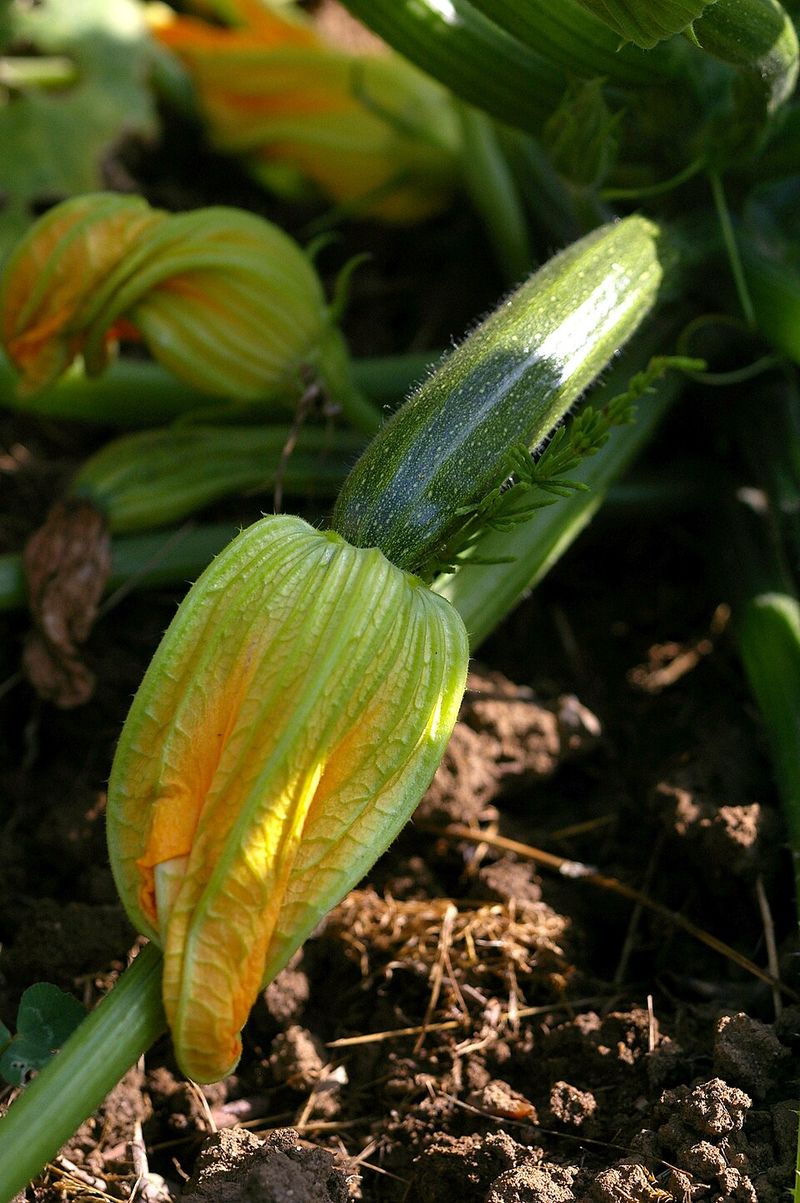
Fast growth and dramatic leaves give this plant a way of making a garden look established almost overnight. Zucchini thrives when Florida soil is warm, and once it starts moving, it rarely does so quietly.
Many gardeners harvest the first fruits in about 45 to 55 days, which feels remarkably quick for something that can feed a household repeatedly.
Space is important because crowded plants invite disease and make harvesting miserable. Give each plant room, improve drainage with compost, and keep mulch around the base to limit soil splash during watering.
In Florida humidity, leaves that stay damp too long are more likely to develop mildew, so aim water low and early.
Check plants daily once flowering begins, because fruits can go from ideal to absurd in what feels like one afternoon. Smaller zucchini taste better, have fewer seeds, and keep plants producing longer.
If pollination seems weak, hand-pollinating in the morning can help fruit set during sticky weather or low bee activity.
This is also a smart crop for anyone who enjoys cooking flexibly. Grill it, roast it, shred it into fritters, or tuck it into pasta.
One healthy plant often gives more than enough, which is both a warning and a promise.
Swiss Chard
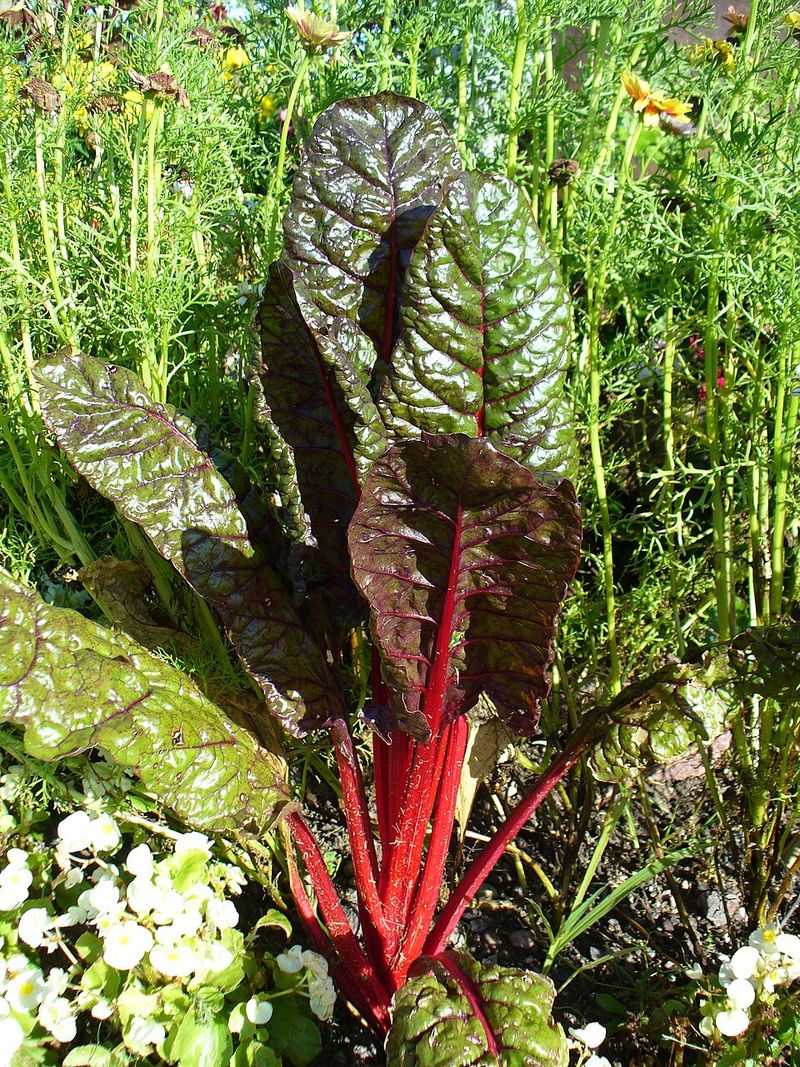
For gardeners who want speed without sacrificing staying power, Swiss chard is a dependable choice. It germinates well in warm conditions, grows quickly enough for baby leaves in just a few weeks, and keeps producing longer than many other greens.
That balance of fast harvests and repeat picking makes it especially useful in Florida gardens with changing weather.
Colorful stems are not just decorative, because they also make it easier to spot mature leaves at a glance. Plant seeds in fertile, well-drained soil, water consistently, and mulch to keep roots cool.
Chard tolerates some heat better than delicate lettuce, but it still appreciates a little afternoon relief during hotter stretches.
Start by harvesting outer leaves and leaving the center intact, which keeps plants growing without pause. That simple habit can turn a short row into weeks of side dishes, sautés, and salad additions.
If leaves ever look tired after a hot spell, steady moisture usually brings them back faster than you expect.
In the kitchen, it earns space because it works both raw and cooked. Younger leaves slip easily into salads, while larger ones hold up in soups, eggs, and skillet meals.
If you want something productive that also looks beautiful in the garden, this one checks both boxes.
Okra
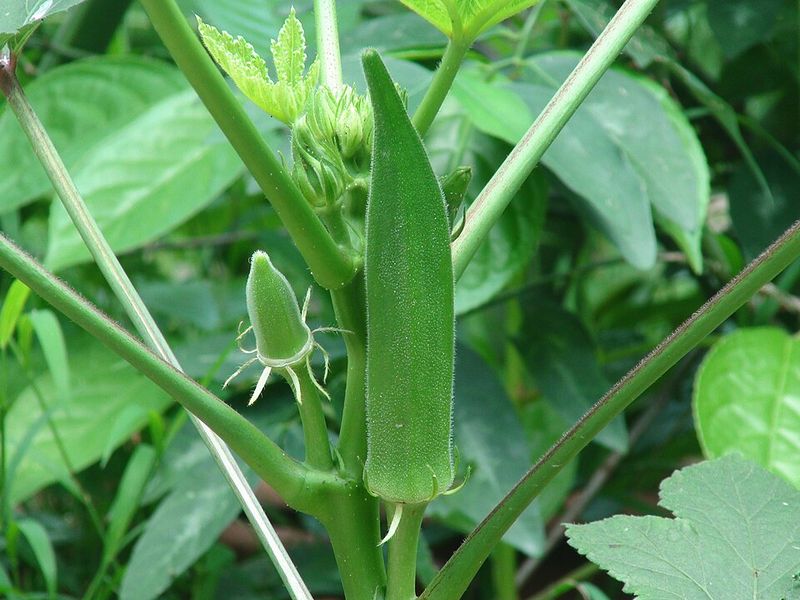
Florida heat can knock some vegetables back, but okra treats it like an invitation. Seeds prefer warm ground, plants grow with confidence once established, and harvests often begin around 50 to 60 days after sowing.
If your garden sits in full sun and seems too hot for fussier crops, this is one of the smartest ways to keep it productive.
Soak seeds overnight if you want quicker germination, then plant them where they will stay because roots dislike transplant shock. Give each plant room to stretch upward, and do not panic when growth seems slow at first.
Once temperatures settle into summer mode, okra usually finds its stride and starts climbing fast.
Regular picking matters more than many new gardeners realize. Pods taste best when they are young and tender, often two to four inches long depending on the variety.
Leave them too long and plants shift energy toward seed production, which means fewer usable pods and a tougher texture on the ones you missed.
Gloves or long sleeves help if the stems irritate your skin, a common surprise for beginners. In the kitchen, sliced pods work in gumbo, roasting, and skillet cooking.
Few vegetables handle Florida heat with this much reliability, and that alone makes it worth planting now.
Southern Peas
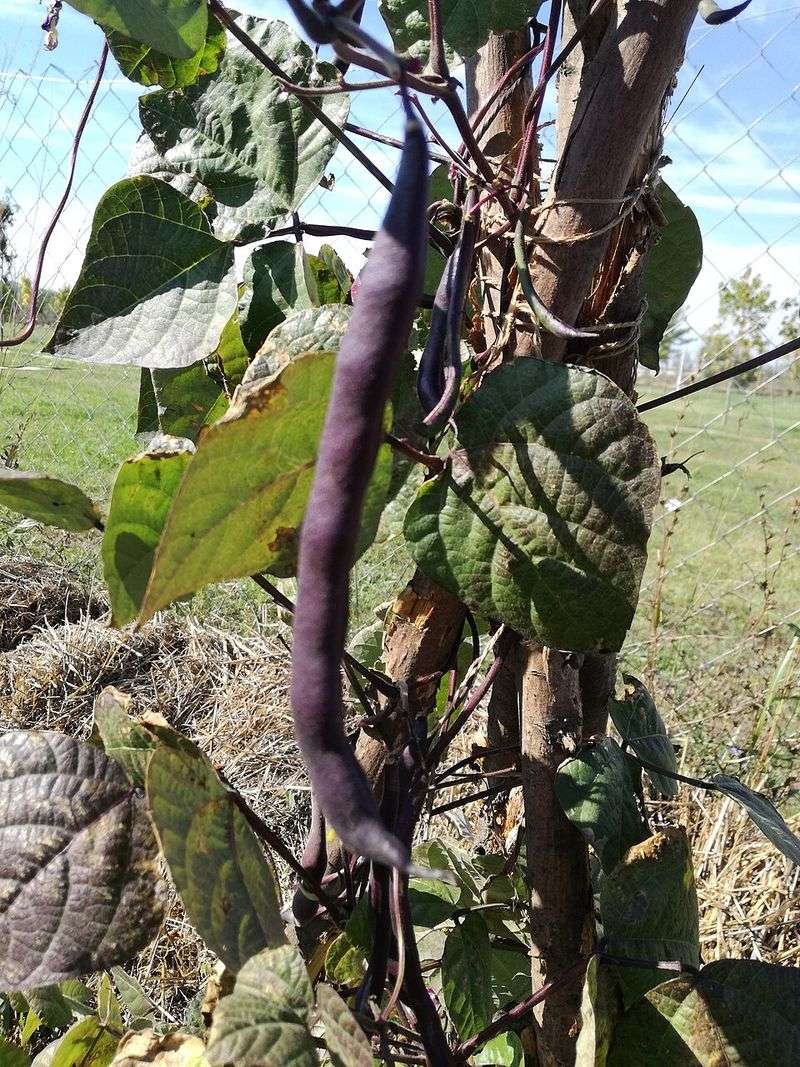
Hot, humid weather does not scare southern peas, which is exactly why they deserve a place in Florida gardens. These plants establish quickly, tolerate challenging conditions better than many common vegetables, and start producing in a relatively short window depending on variety.
If you want a crop that keeps going when others sulk, this one earns serious attention.
Loose soil and good drainage help roots move easily, but southern peas are not demanding. In fact, they often perform well in beds that would frustrate fussier vegetables, especially if you add some compost before planting.
Direct sow seeds after the soil is warm, keep moisture steady during germination, and avoid heavy fertilizing once plants take off.
Bush types are convenient for compact gardens, while vining selections can use simple support to stay tidy. Harvest timing depends on whether you want snap pods, shelled peas, or dry beans later on.
That flexibility is useful when your meal plans change or your garden starts producing more than expected in a single week.
Florida gardeners also appreciate how well this crop fits practical cooking. Fresh peas simmer beautifully with onions, herbs, and smoked seasoning, but they also freeze well.
When the forecast turns hot and stormy, this is one of the vegetables most likely to keep delivering anyway.
Leaf Lettuce
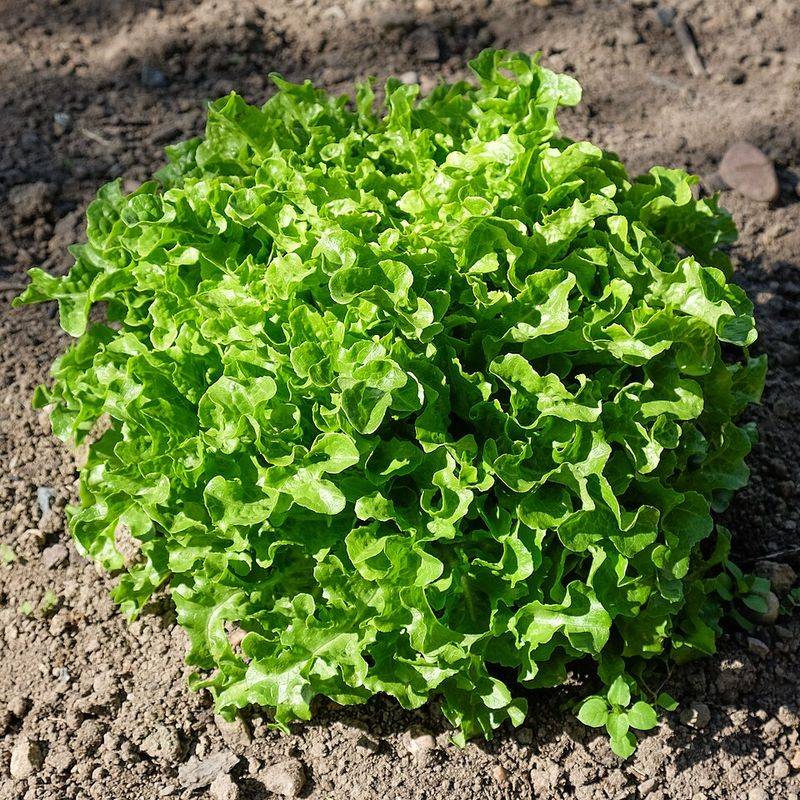
Fresh salads feel more possible when leaf lettuce is in the garden, because you do not need to wait for full heads. Looseleaf types grow faster than heading varieties and can often be picked young within 30 days.
That speed gives Florida gardeners a practical option for quick meals, especially in milder windows when heat is not too intense.
Success comes down to temperature management more than complicated technique. In warmer conditions, choose a spot with morning sun and afternoon shade, and keep the soil evenly moist so leaves stay tender.
A layer of mulch helps prevent moisture swings, and a little compost before sowing supports steady, attractive growth without pushing bitterness.
Harvesting by the handful works better than pulling whole plants right away. Snip outer leaves when they are large enough to eat, and the center usually keeps producing for another round or two.
Short, frequent sowings are the easiest way to avoid having all your lettuce mature at once and bolt together.
Texture is one reason this crop stays popular even among gardeners with little space. It grows well in shallow containers, raised beds, and tucked edges around slower plants.
If store lettuce keeps disappointing you, homegrown leaves picked minutes before dinner can be a real upgrade.
Mustard Greens
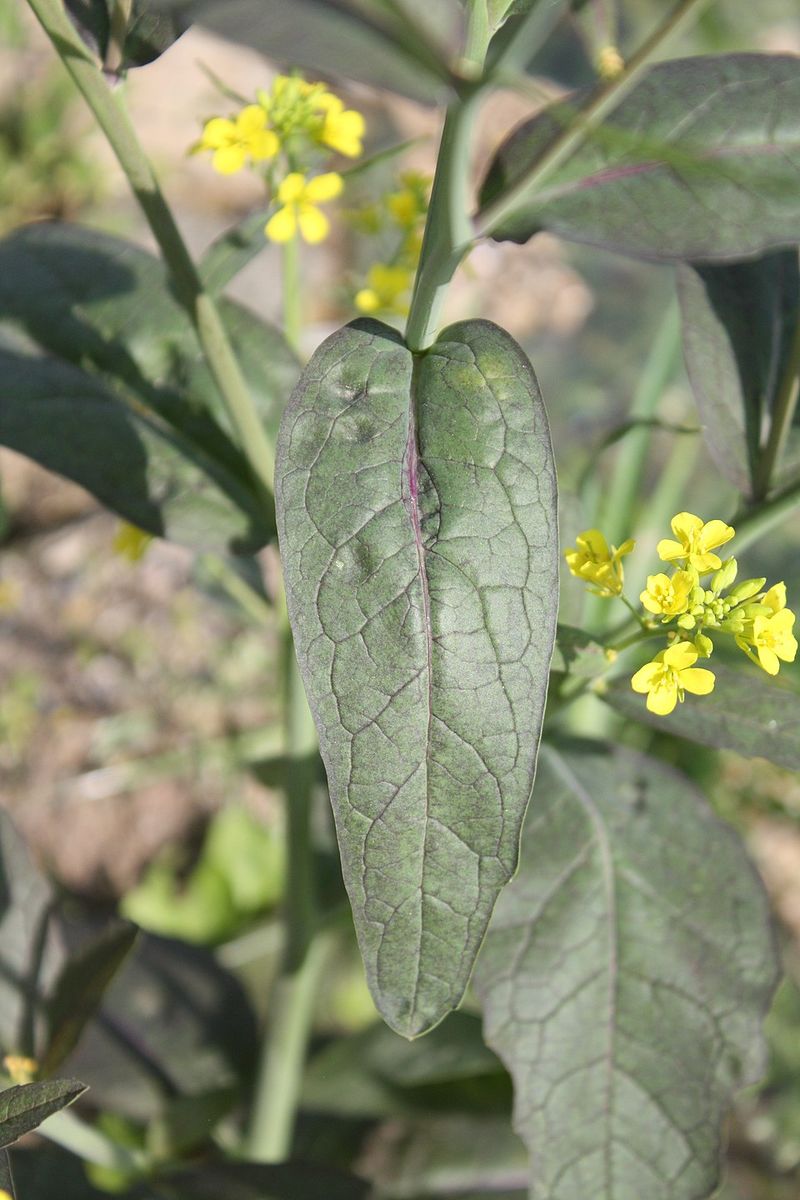
Bold flavor and fast growth make mustard greens a useful crop when you want more than plain salad leaves. Seeds sprout quickly, plants size up fast, and baby greens can be harvested in just a few weeks.
For Florida gardeners looking to fill gaps in the bed with something productive and flavorful, this is a reliable move.
Cooler planting windows give the best quality, but mustard usually handles variable conditions better than more delicate greens. Plant in fertile soil, water regularly, and use mulch to keep roots from drying out too quickly.
If the weather turns warmer, partial shade helps slow bolting and keeps the leaves less intense.
You can harvest them small for salads or let them grow larger for braising and soups. That flexibility makes them practical if your cooking changes from week to week.
Frequent cutting also encourages fresh regrowth, so one sowing can carry more meals than many gardeners expect from a compact patch.
Flavor ranges from mildly peppery to quite sharp, depending on variety and weather. Younger leaves are usually smoother in texture and easier to use raw.
If your garden menu needs something with personality and very little waiting, mustard greens can fill that gap better than their modest appearance suggests.
Turnips
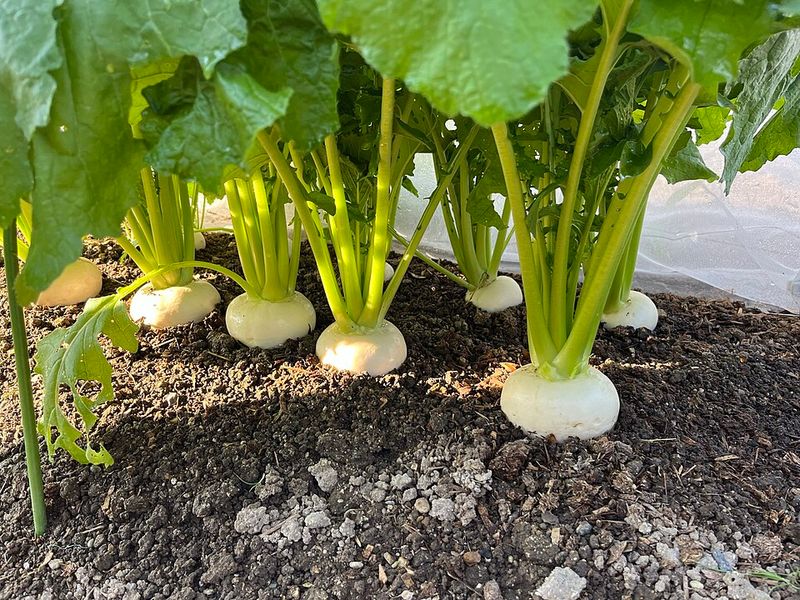
Two harvests from one planting is always a good deal, and turnips make that possible without much waiting. The greens grow quickly, the roots size up faster than many people expect, and some varieties are ready in about 40 to 55 days.
That makes them a smart Florida choice when you want versatility from a small amount of garden space.
Loose, stone-free soil helps roots stay smooth and develop evenly, so a little bed preparation pays off. Sow seeds directly, keep the area moist until they emerge, and thin seedlings early so roots have room to expand.
Crowded turnips stay small, while neglected spacing also reduces airflow around the greens.
Do not overlook the tops, because turnip greens can be harvested lightly before the roots are fully mature. That gives you an earlier reward while the bulbs continue developing below.
In warmer weather, regular moisture is important for mild flavor, since dry spells often lead to stronger taste and woody texture.
Small roots are often sweeter and more tender than oversized ones, so harvest on the younger side if possible. Roasted wedges, mashed turnips, and sautéed greens all earn their keep at the table.
For gardeners who appreciate practical crops, this one offers excellent value from a simple row.