
These 11 North Carolina Perennials Keep Growing Bigger Every Year
Follow us on Google
Some perennials settle in quietly, then surprise you by doubling their presence a few seasons later. In North Carolina, the right picks can handle humidity, shifting soils, and long summers while coming back fuller every year.
If you want beds that look richer with less replanting, these are the dependable growers worth your space. A few smart placement choices now can save you time, money, and frustration later.
Black-Eyed Susan
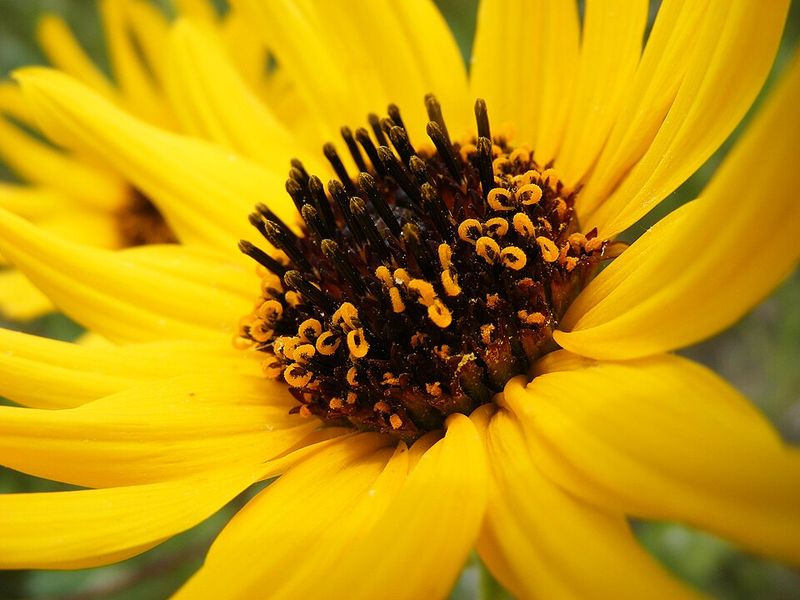
By the second or third season, this sunny favorite usually stops looking modest and starts claiming real space in the border. You get bright yellow flowers for weeks, plus a sturdy clump that thickens steadily in North Carolina heat.
It handles clay better than many perennials, which makes it especially useful in older neighborhood gardens.
Full sun gives you the strongest stems and the heaviest bloom set, so avoid tucking it into afternoon shade if you want a dense mound. After planting, keep water consistent through the first summer, then let it prove how tough it really is.
A light spring cleanup and occasional deadheading are usually enough to keep it attractive.
Because the plant expands from the base, spacing matters more than people think. Give each clump room to widen, and resist the urge to overfill the bed with annuals around it.
That patience pays off when the foliage forms a substantial patch instead of a thin scattering of stems.
If you like pollinators, this one earns its keep fast. Bees visit constantly, seed heads feed birds later, and the flowers mix easily with ornamental grasses, salvia, or purple coneflowers for a bed that looks fuller every year.
Purple Coneflower
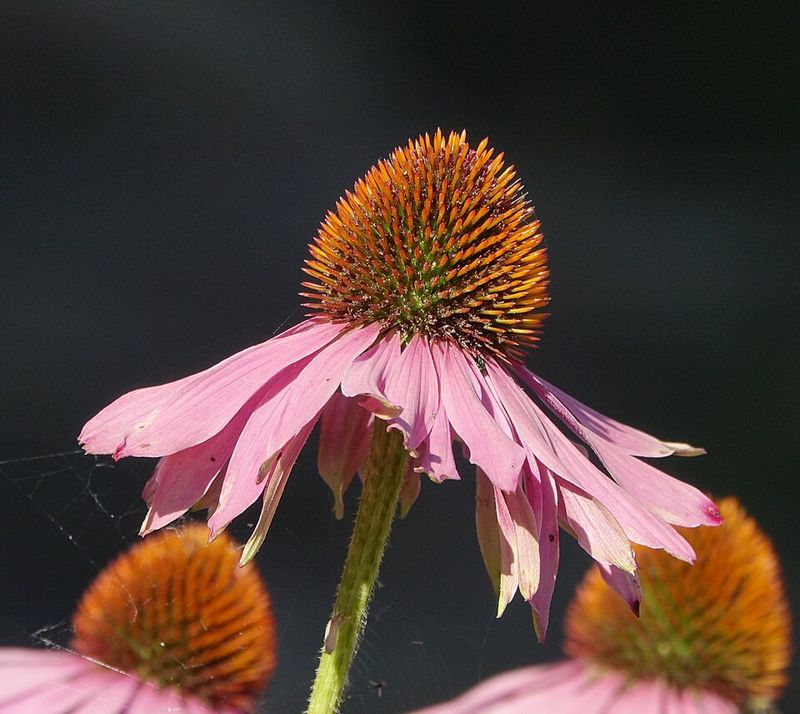
Once it gets comfortable, this native-style perennial behaves like a reliable anchor in the garden. You start with a neat clump, then each year brings thicker crowns, more flowering stems, and a stronger presence from early summer into fall.
In North Carolina, the heat and humidity rarely bother it as long as drainage is decent.
Give it at least six hours of sun, and do not pamper it with overly rich soil. Too much fertilizer can push floppy growth instead of the sturdy upright habit most gardeners want.
Water deeply during establishment, then back off and let the roots stretch down, which helps the plant bulk up naturally.
Cutting a few spent blooms can extend the show, but leaving some seed heads adds winter interest and brings in goldfinches. That balance is useful if you want the bed to feel lively beyond peak bloom.
The rough foliage also helps it hold its own beside more aggressive neighbors.
For a practical combination, pair it with bee balm, black-eyed Susan, or switchgrass. The shapes contrast nicely, and the whole planting looks more intentional once each clump starts widening.
If you want a perennial that gets better without constant fuss, this one makes that promise believable.
Bee Balm
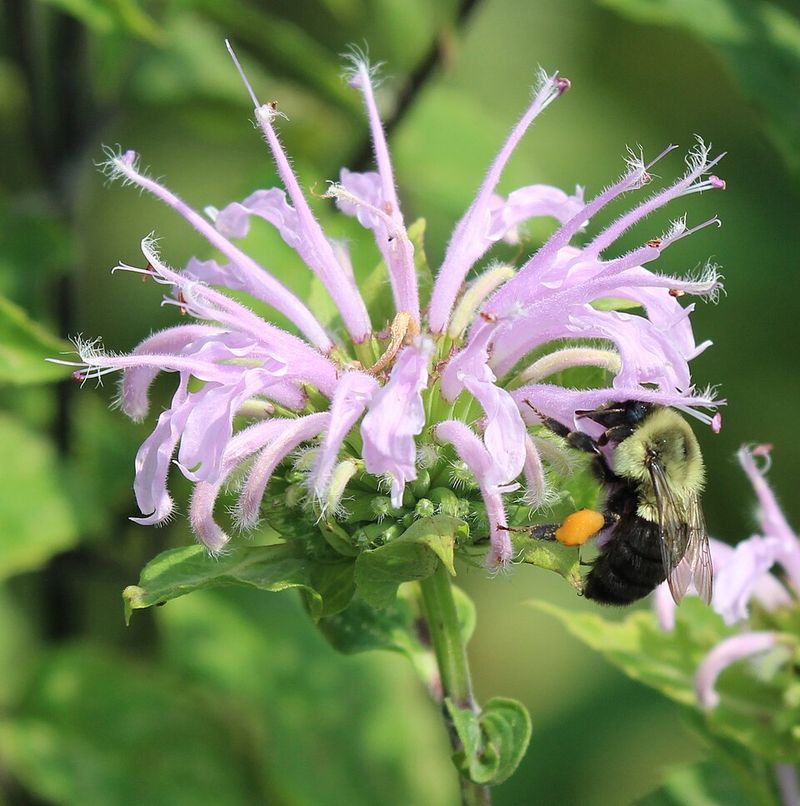
In a North Carolina garden, few perennials announce themselves faster than this colorful pollinator magnet. Underground runners help it spread outward, so a small planting can become a generous drift after a couple of growing seasons.
That vigorous habit is exactly why it looks spectacular in cottage-style beds and casual borders.
Morning sun with good airflow gives you the best shot at healthy foliage. Powdery mildew can show up in humid weather, but wider spacing, base watering, and resistant varieties make a noticeable difference.
If you cut stems back after the first heavy bloom, you often get tidier regrowth and a second round of flowers.
Rich soil helps, though the real key is moisture that stays even without becoming soggy. A layer of mulch keeps roots cooler during hot stretches and reduces the stress that can make plants look ragged by midsummer.
When conditions are right, the clump thickens so quickly that dividing every few years becomes part of the routine.
Plant it where expansion feels welcome instead of troublesome. Near phlox, coneflowers, or native grasses, the bold flowers read as energetic rather than messy.
Hummingbirds love it, butterflies crowd it, and your summer beds instantly feel more alive once those broad colonies begin filling the gaps.
Garden Phlox
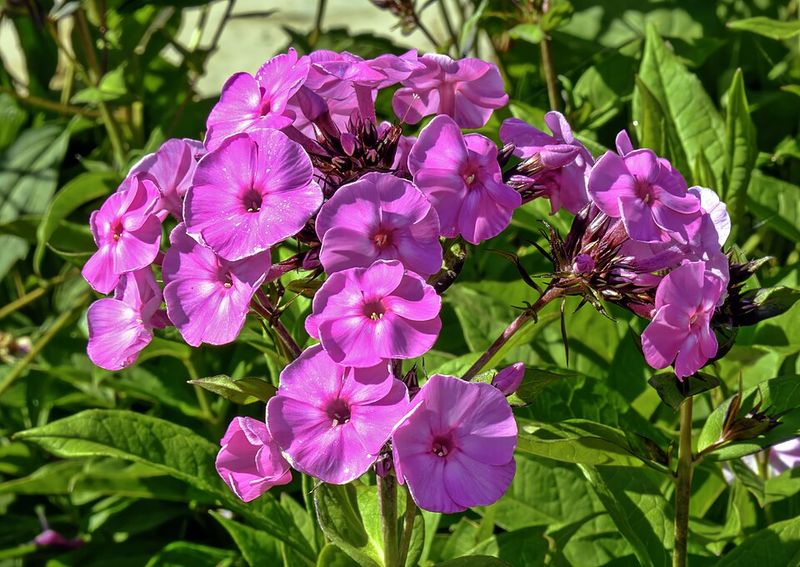
Few summer perennials make a border feel established as quickly as this old garden classic. Strong clumps return larger each year, sending up more upright stems topped with fragrant flower clusters that brighten the hottest part of the season.
In North Carolina, that dependable midsummer color is a big advantage when spring blooms have faded.
Sun is important, but good air circulation is just as critical in humid areas. If you crowd plants too tightly, mildew becomes more likely and the lower foliage can look tired by July.
Start with resistant cultivars, water at the base, and keep mulch from pressing directly against the stems.
Because it grows from an enlarging crown, dividing every few years keeps the center vigorous and gives you extra plants for other beds. That simple step also improves bloom quality, which matters if your planting started looking thinner than expected.
A little compost in spring supports growth without pushing weak stems.
The color range is broad enough to fit almost any style, from soft cottage palettes to brighter pollinator borders. Pair it with black-eyed Susan, bee balm, or daylilies for a layered effect that hides fading lower leaves.
Once the clump matures, the whole border looks fuller and more settled.
Daylily
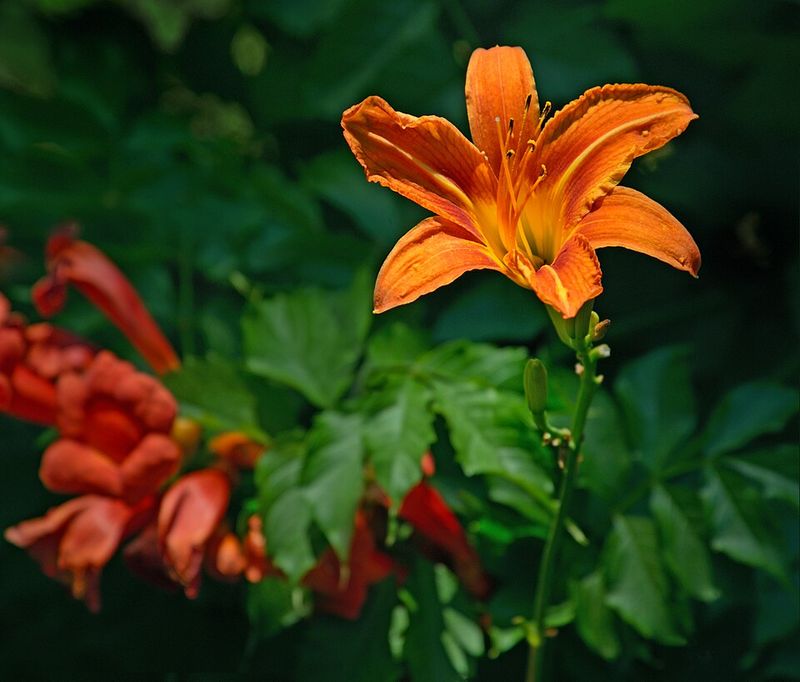
Almost every North Carolina gardener has seen a daylily clump that started small and eventually became a bold, fountain-shaped mass. That dependable increase is one reason the plant remains so popular in home landscapes, roadside plantings, and low-maintenance borders.
You get strappy foliage, repeat flushes on some varieties, and strong tolerance for summer heat.
Full sun gives the heaviest bloom, though many types still perform reasonably well with light afternoon shade. The biggest mistake is planting too deeply, which can slow growth and reduce flowering.
Set the crown just below soil level, water well the first season, and use mulch to reduce competition from weeds.
As clumps enlarge, bloom count often improves until overcrowding begins to limit performance. That is your signal to divide in late summer or early fall, especially if the center looks weak.
The bonus is obvious: one plant often turns into several healthy starts for other parts of the yard.
Because the foliage stays present long after each flower fades, daylilies work well as a visual bridge between spring bulbs and late summer bloomers. Use them near coneflowers, garden phlox, or ornamental grasses for structure.
If you want a perennial that forgives inconsistent attention, this one delivers.
Hardy Hibiscus
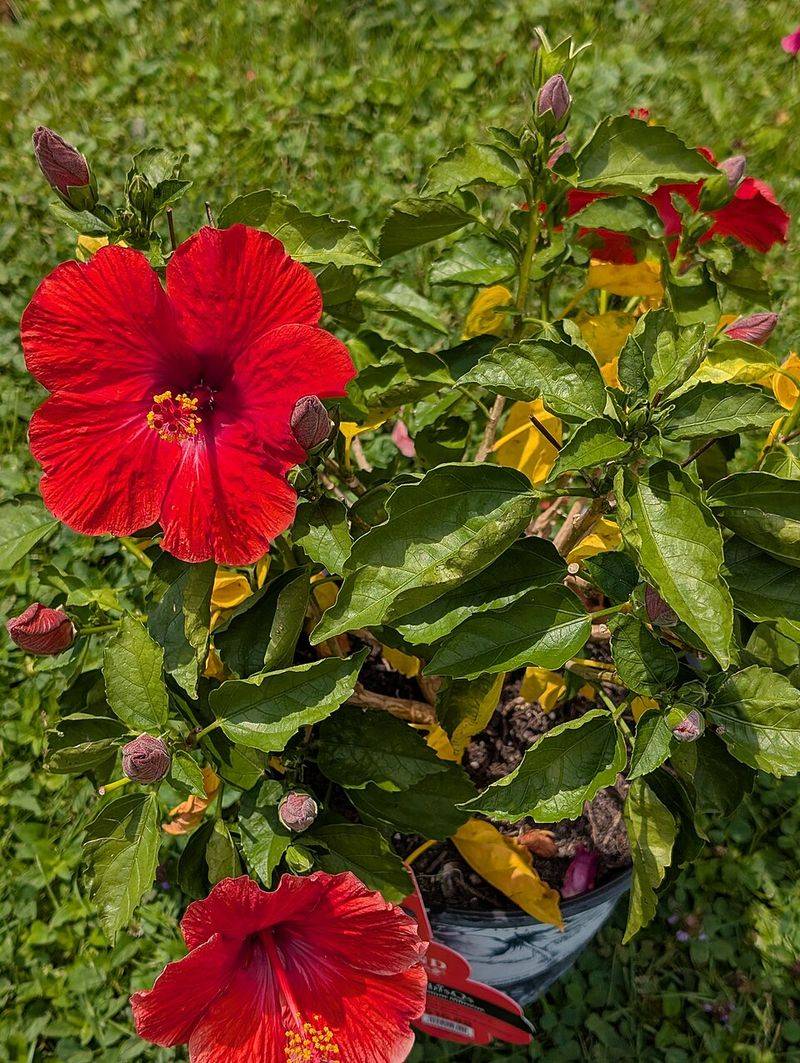
If you want the garden to look dramatically bigger by midsummer, this perennial does the job with very little subtlety. What begins as a late-emerging crown can become a broad, shrub-like clump topped with oversized flowers that stop people in their tracks.
In North Carolina, the heat helps it reach impressive size once roots are established.
Patience matters in spring because it wakes up later than many other perennials. New gardeners sometimes assume it failed, then suddenly see thick shoots pushing from the soil when temperatures rise.
Mark the spot, avoid digging nearby, and give it full sun plus steady moisture for the strongest seasonal growth.
Rich soil improves performance, but drainage still needs to be reliable. A plant that stays too dry will flower less and may never develop the dense, vigorous habit you are hoping for.
Adding compost and mulching well can make a visible difference in stem height, leaf size, and bloom production.
Because the top growth dies back each winter, pair it with spring bulbs or nearby perennials that cover the space early in the season. Once summer arrives, though, it quickly becomes the focal point.
Few herbaceous perennials create such a large, confident presence from one returning crown.
Obedient Plant
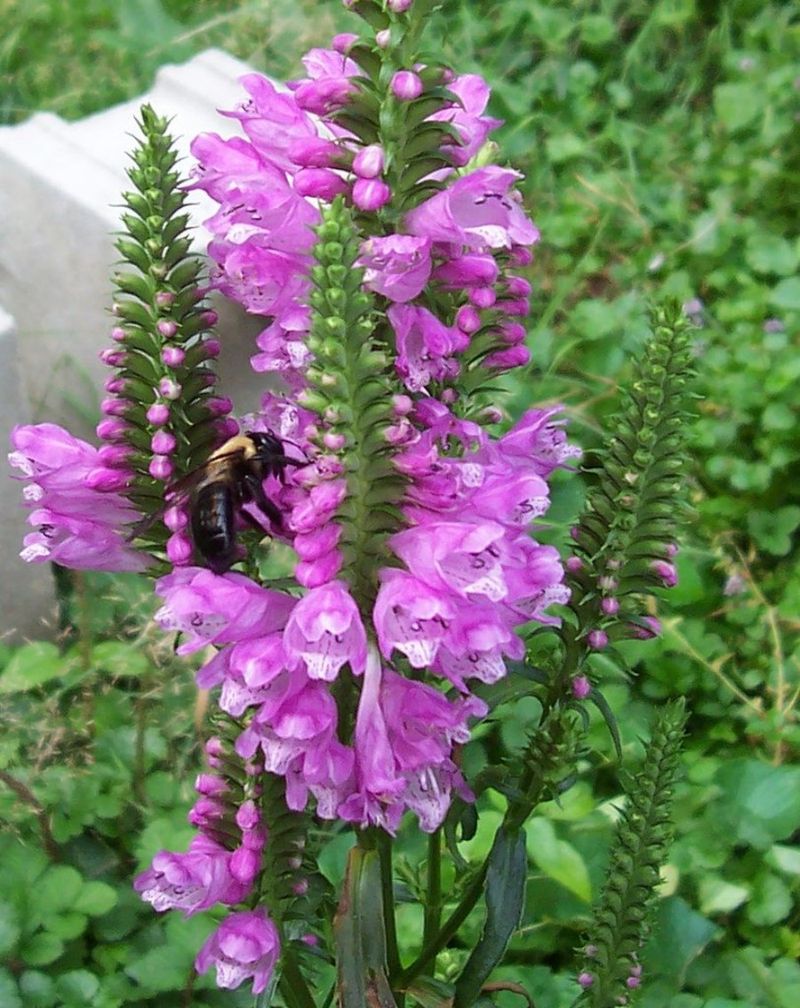
This is one of those perennials that rewards the right placement with dramatic, fast-filling growth. In fertile North Carolina soil, a small patch can widen into a noticeable colony, sending up tall flower spikes that add vertical interest late in the season.
The individual blooms can be moved slightly on their stems, which gives the plant its memorable common name.
Sun keeps the stems strongest, though light shade is acceptable in hotter inland areas. Because the roots travel, you will want to use it where some spreading is helpful rather than irritating.
A bed edge, rain garden, or informal pollinator strip usually suits its personality better than a tiny formal border.
Regular moisture leads to the best performance, especially during the first year. Once established, it becomes more resilient, but consistently dry soil can reduce both height and flower count.
If the colony starts moving farther than you want, thinning shoots in spring is easier than correcting a crowded mess later.
Try mixing it with joe-pye weed, swamp milkweed, or ornamental grasses for a relaxed planting that feels natural in a southeastern landscape. Pollinators appreciate the late nectar source, and you get a plant that visibly increases each season.
Just give it room, and it will gladly use it.
Baptisia
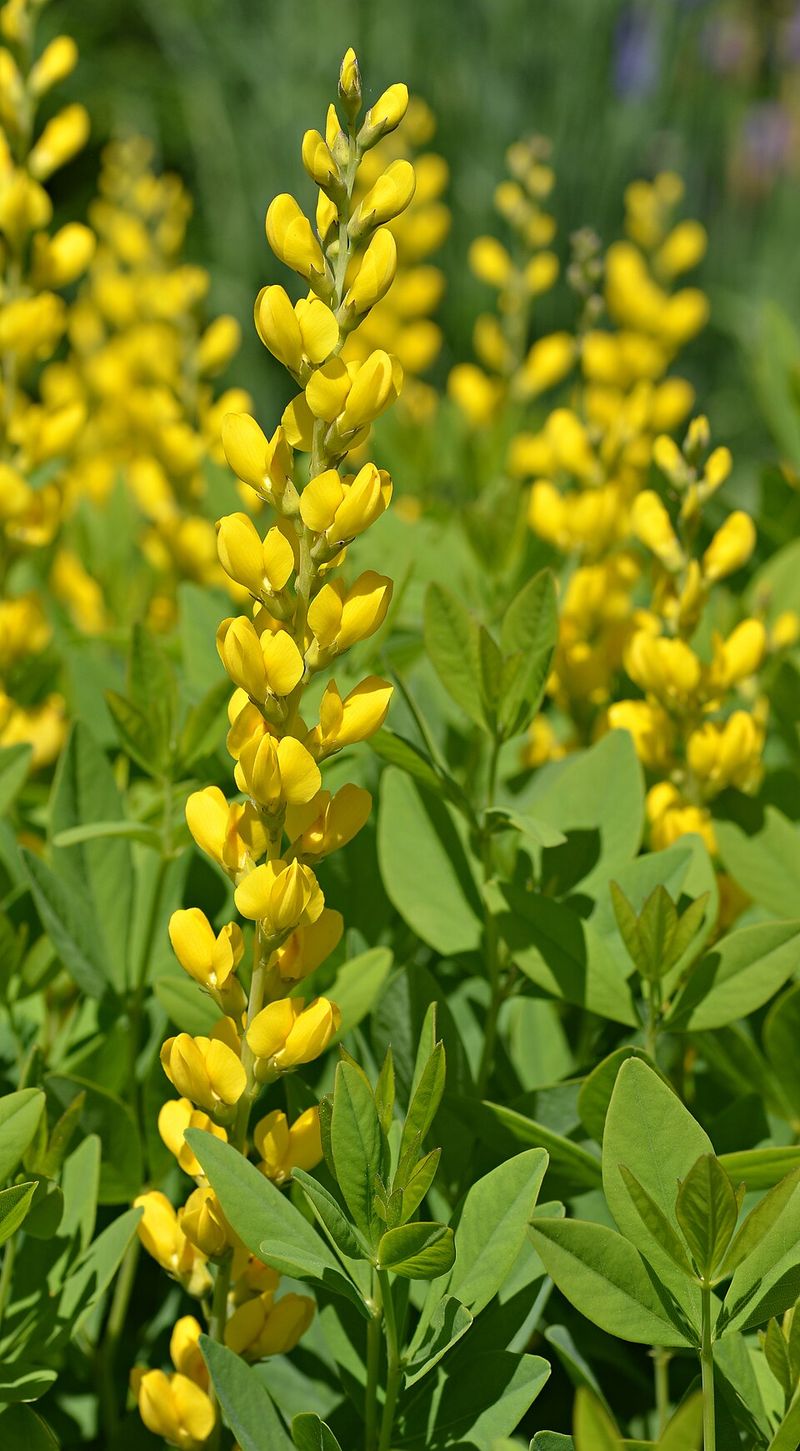
At first, this perennial can seem almost too slow to impress, but patience changes everything. After a few years in the ground, the plant develops into a broad, shrub-like clump with strong stems, blue-green foliage, and spring flower spikes that give the border real structure.
In North Carolina, that long-term increase is especially valuable in hot, sunny beds.
The secret is simple: plant it where it can stay for years. A deep taproot helps it handle drought once established, but that same trait makes moving mature plants difficult.
Choose full sun, avoid soggy spots, and do not crowd it with temporary fillers that will compete while the roots are settling in.
Because growth begins from a sturdy crown, each season usually brings a little more width and a little more height. You are not likely to divide it often, and honestly, you should not need to.
Just cut old stems back in late winter and let the plant build the rounded form it naturally prefers.
Seed pods add extra interest after bloom, especially in more naturalistic designs. Pair it with coneflowers, black-eyed Susans, or little bluestem for a planting that looks grounded and durable.
If you value long-term garden bones more than instant results, this perennial earns its space beautifully.
Hellebore
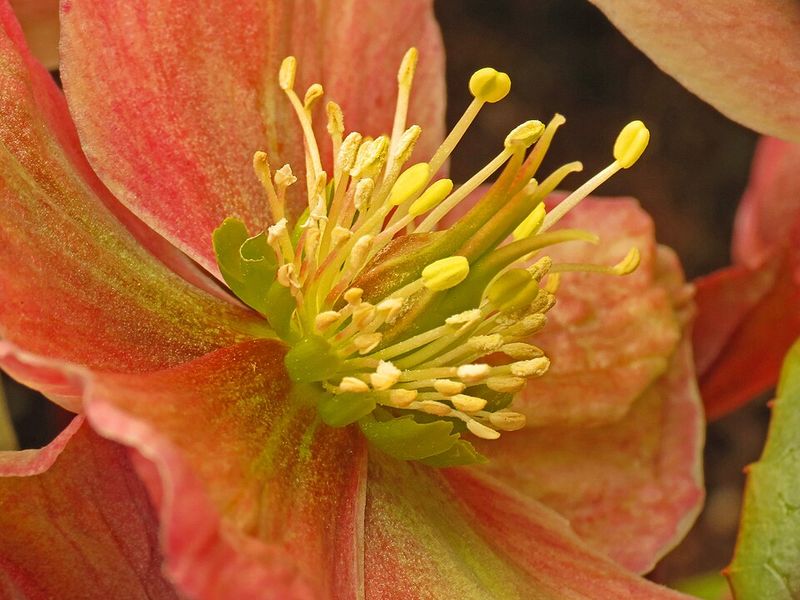
Shade gardens need plants that do more than simply survive, and this one steadily improves with age. What starts as a modest crown can become a handsome evergreen clump with more blooms each winter and early spring.
In North Carolina, that early-season color feels especially welcome when most of the garden is still waking up.
Dappled shade and humus-rich soil give the best results, especially under deciduous trees where winter light reaches the foliage. Consistent moisture helps while the plant settles in, but once established it handles ordinary dry spells better than many shade perennials.
Just avoid waterlogged areas that keep roots cold and stressed.
Older leaves often look rough by late winter, so removing them before flowers open keeps the display clean and easier to see. That quick task also improves airflow and makes the plant feel refreshed without much effort.
Over time, the clump widens naturally, and seedlings may appear nearby if conditions suit them.
Use hellebores near paths, entry beds, or shady patios where you will actually notice those downward-facing flowers. They pair beautifully with ferns, hostas, and woodland phlox for layered texture through multiple seasons.
If you want a shade perennial that quietly grows into something substantial, this is a smart choice.
Joe-Pye Weed
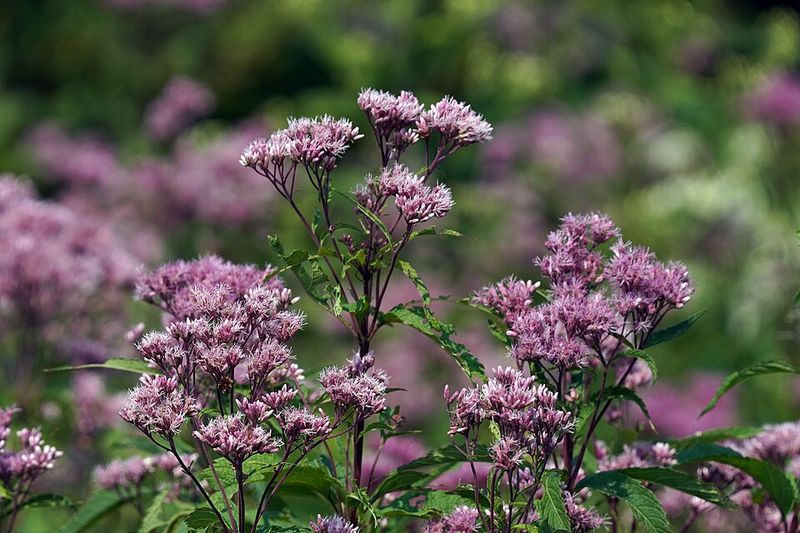
Height changes the whole feel of a border, and this native-style perennial brings plenty of it. Over time, the crown expands into a substantial clump that sends up tall stems topped with broad flower clusters beloved by butterflies.
In North Carolina, it is especially useful in sunny spots that stay evenly moist through summer.
You will get the strongest growth in full sun, though a little afternoon shade can help in very hot inland sites. Rich soil encourages larger plants, but even average garden soil works if you do not let it dry out repeatedly.
Mulch is helpful here because those broad leaves appreciate more consistent root moisture.
Because the mature plant can become quite large, spacing should reflect its future size instead of its current nursery pot. Tucking it into a cramped bed usually leads to leaning stems and frustrated editing later.
Give it room behind shorter perennials, and the clump will read as bold rather than overgrown.
Late-season bloom is one of its best features, especially when other flowers are fading. Pair it with obedient plant, swamp milkweed, or asters for a long pollinator window and strong layered texture.
If your yard includes a wetter corner that feels tricky, this perennial often turns that challenge into an advantage.
Autumn Fern
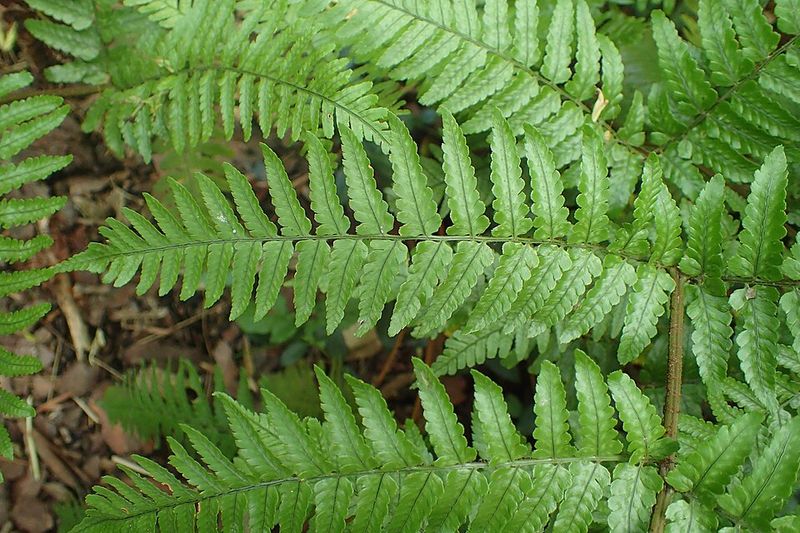
Not every perennial grows bigger through flowers alone, and this fern proves foliage can do the heavy lifting. In North Carolina shade gardens, it gradually expands into a dense, graceful clump with coppery new fronds that mature to deep green.
That steady increase makes bare woodland beds feel finished without relying on nonstop bloom.
Filtered shade and evenly moist soil help it look its best, especially during long warm spells. Morning sun is usually fine, but harsh afternoon exposure can scorch fronds and slow expansion.
A thick layer of leaf mold or shredded bark keeps roots cooler and mirrors the woodland conditions this plant naturally prefers.
Unlike fussier ferns, it tolerates ordinary garden conditions surprisingly well once established. You do not need constant dividing, heavy feeding, or special treatment to keep it attractive.
Just remove winter-worn fronds before spring flushes begin, and fresh growth will quickly cover the crown with cleaner, brighter texture.
Because the clump stays tidy, it fits near walkways, under shrubs, or beside hellebores and hostas. The warm-toned new foliage adds contrast when nearby plants are mostly green.
If you want a shade perennial that quietly gains size and presence every year, this one earns a permanent spot.