
15 Beautiful Perennials Ohio Gardeners Regret Not Planting Sooner
Follow us on Google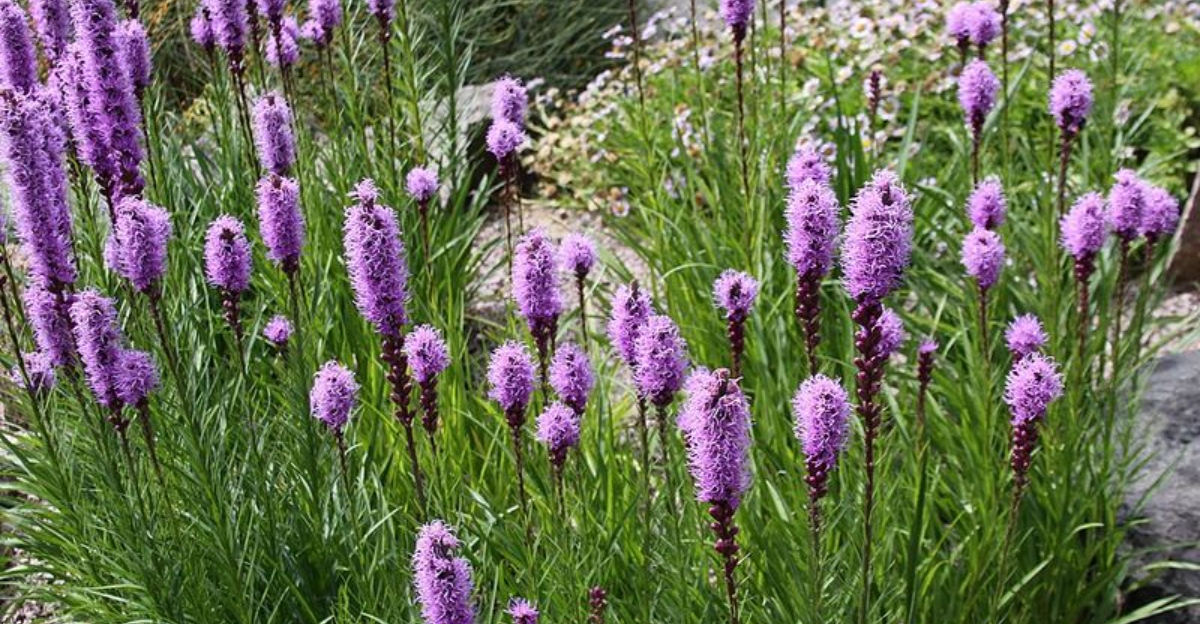
Some perennials look nice in a catalog, then completely earn their spot once you see how well they handle Ohio weather. If your beds still feel patchy in spring, tired by midsummer, or flat in fall, these plants can fix that faster than you might expect.
Each one brings dependable color, better texture, or pollinator activity without demanding constant fuss. After seeing what they add to a yard, most Ohio gardeners wish they had planted them years earlier.
Purple Coneflower
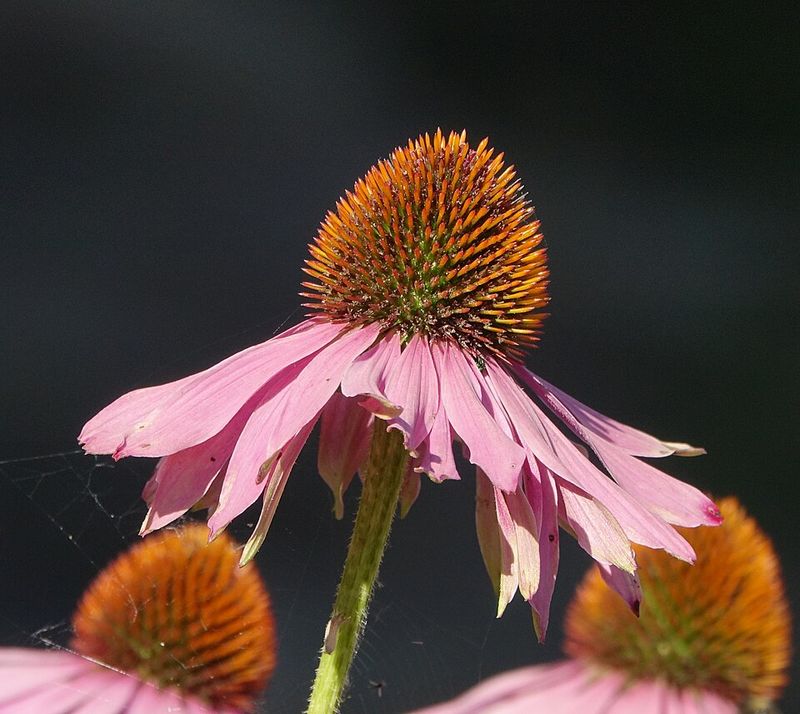
Few plants earn their keep in an Ohio garden as quickly as this sturdy native favorite. You get long bloom time, strong stems, and color that reads from across the yard even in humid midsummer.
Once the roots settle in, it handles heat, clay leaning soil, and occasional dry spells with very little drama.
Plant it where the sun sticks around for at least six hours, and give young plants regular water their first season. After that, the biggest mistake is often overhelping, because overly rich soil can make stems floppy.
Deadheading extends the show, but leaving some seed heads in place brings goldfinches later.
The daisy shape works in nearly every style of border, from tidy suburban beds to looser pollinator plantings. It pairs especially well with ornamental grasses, black-eyed Susans, and Russian sage, creating that easy late summer look many gardeners try to imitate.
Even a small clump can make newer landscaping seem more established.
If deer pressure is moderate, this one usually holds up better than many softer perennials. Divide crowded clumps every few years to keep flowering strong and airflow healthy.
For a reliable, low-stress perennial that keeps giving from July into fall, it is hard to beat.
Black-Eyed Susan
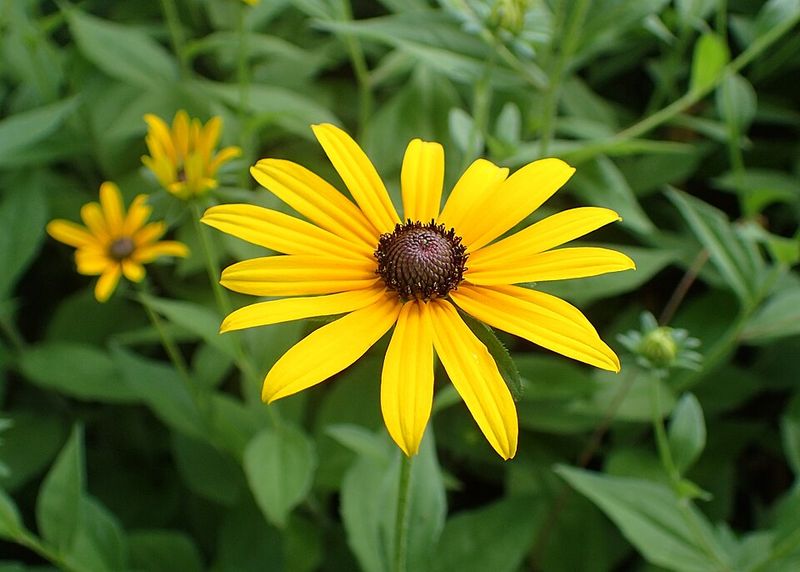
Bright yellow flowers can rescue a border that feels sleepy in late summer, and this classic does it with almost embarrassing ease. Ohio gardeners love it because it blooms hard, forgives average soil, and asks for little beyond sun.
A modest planting quickly looks cheerful, full, and intentionally designed.
Give it a spot with good drainage and plenty of light, and it usually settles in without complaint. During the first year, regular watering helps roots spread, but established plants tolerate dry stretches better than many flowering perennials.
Removing spent blooms encourages more flowers, though leaving a few can extend seasonal texture.
That warm golden color plays well with nearly everything, especially purple coneflower, blue salvia, and deep green shrubs nearby. It is also one of the easiest choices for filling awkward spaces along fences, mailboxes, or hot curbside beds.
Butterflies notice it, and neighbors usually do too.
Some varieties self-seed politely, which can be a bonus if you like a relaxed garden with natural repetition. If seedlings pop up where you do not want them, they are simple to move or pull.
For dependable summer color that feels welcoming instead of fussy, few perennials work harder.
Bee Balm
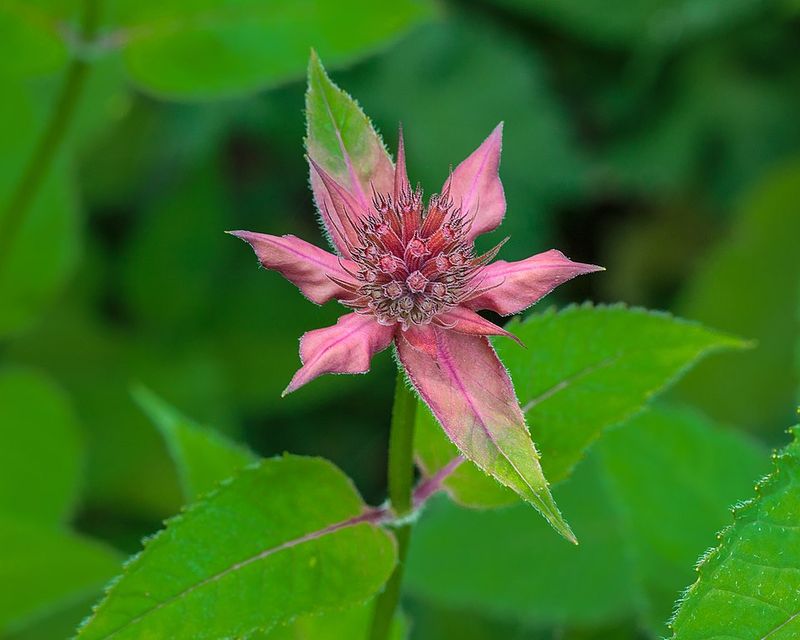
Hummingbirds make a garden feel alive, and this bold perennial is one of the easiest ways to bring them close. The shaggy flowers stand out from more polished blooms, giving borders a looser, energetic look that feels perfect in summer.
Ohio conditions suit it well, especially where mornings are sunny.
Airflow matters more than gardeners expect, so spacing is important if you want fewer powdery mildew issues. A site with rich soil and consistent moisture produces the strongest show, though many newer varieties stay neater than older selections.
Cutting stems back after the first flush can reward you with fresh foliage and occasional rebloom.
The saturated reds, pinks, and purples are especially striking beside daylilies, phlox, or ornamental grasses. It also works beautifully in a rain garden edge or a bed near a patio where pollinator traffic becomes part of the experience.
One decent clump can make a whole planting feel more dynamic.
Because it spreads by underground runners, it fills in bare spaces faster than slower perennials, which is often a good thing. Divide every few years to keep growth vigorous and contained.
If your Ohio garden needs stronger summer color and more wildlife activity, this plant delivers both in a memorable way.
Garden Phlox
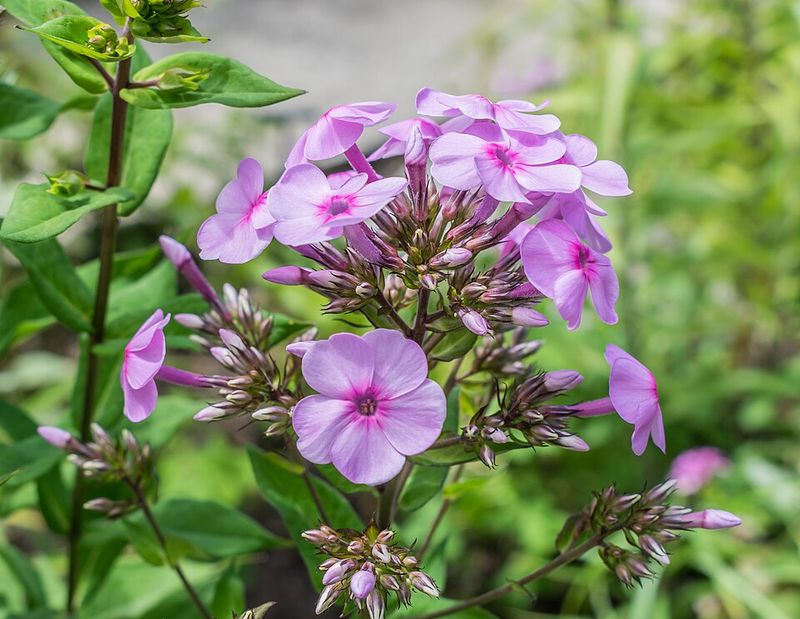
Late summer borders often need height, fragrance, and a color boost, and this old favorite checks all three boxes. Large flower clusters rise above surrounding foliage and make a bed look full long before shrubs catch up.
In Ohio, it performs best when gardeners choose disease-resistant varieties and give them breathing room.
Morning sun is especially helpful because it dries leaves early and reduces mildew pressure during humid stretches. Rich soil and steady moisture lead to stronger stems and bigger flower heads, so compost and mulch go a long way here.
Deadheading keeps things tidier and can encourage a longer flowering window.
From soft white to vivid magenta, the color range makes it easy to match almost any planting palette. It looks especially good behind lower perennials like catmint, coral bells, or black-eyed Susan, adding depth without feeling stiff.
Near a walkway, the light fragrance is an extra reward people remember.
Ohio gardeners sometimes skip it after seeing mildew on older plantings, but improved cultivars have changed the story. Good spacing, mulch at the base, and watering the soil instead of the leaves make a real difference.
For strong midsummer presence and that classic full-border look, this one still deserves attention.
Coral Bells
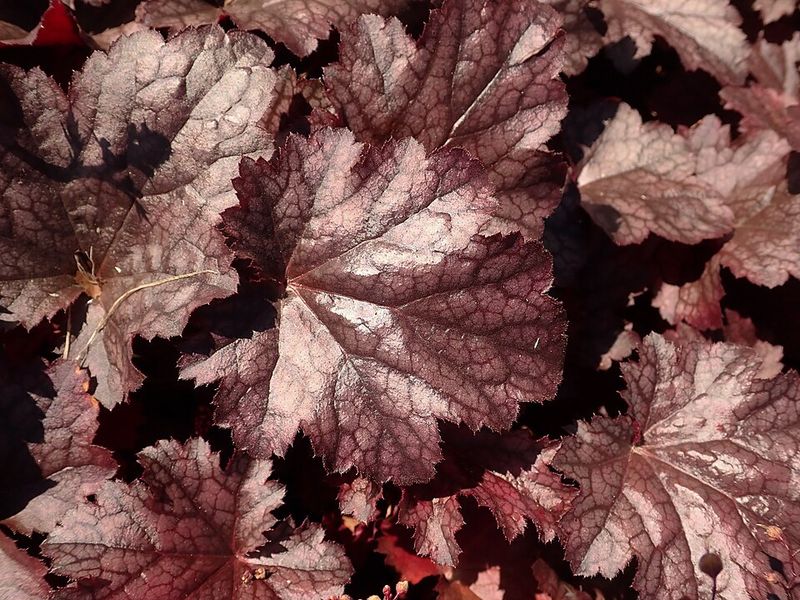
Flowers are great, but foliage that looks good for months often does more for a garden than a short bloom period. This is where coral bells quietly outperforms flashier plants, especially in Ohio beds that need season-long color.
Leaves come in burgundy, amber, lime, silver, and near-black tones that change everything around them.
Part shade is usually the sweet spot, particularly where summers run hot and afternoons feel intense. Good drainage matters because crowns can struggle in heavy, wet winter soil, so planting slightly high helps.
A light trim in spring removes tired leaves and makes room for fresh growth without much effort.
Those mounded forms are useful along paths, in front of shrubs, or woven through hostas and ferns for contrast. Airy flower wands add a delicate bonus, but the real draw is how the foliage anchors combinations from April through frost.
Even one plant can make a basic shade bed feel intentionally layered.
Deer are less interested in it than many soft-leaved shade perennials, which is another practical advantage. Divide older clumps when they get woody or rise above the soil line.
If your Ohio landscape has shady spots that still feel flat by midsummer, this is often the fix that finally makes them click.
False Indigo
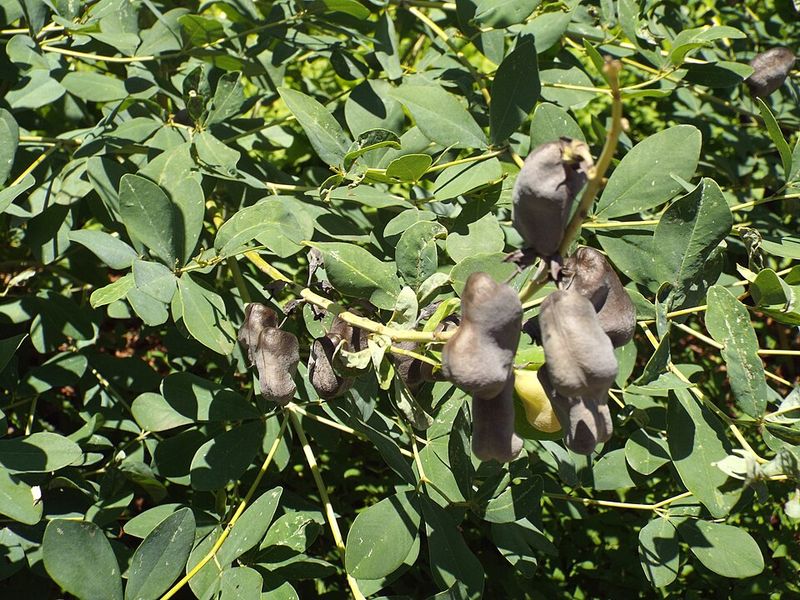
Patience pays off with this native perennial, and once it matures, the payoff is impressive. Spring brings elegant flower spikes, blue-green foliage, and a shrub-like presence that makes nearby plants look more polished.
Ohio gardeners who plant it early often wonder why they waited, because it becomes such a dependable anchor.
The first year can seem quiet while roots establish, so resist the urge to move it around. This plant develops a deep root system that helps it handle drought later, but it also means mature clumps dislike transplanting.
Full sun gives the best flowering and the strongest, most upright shape.
After bloom, the foliage stays clean and attractive far longer than many spring perennials that fade into irrelevance. Dark seed pods add another layer of interest, especially in more natural or prairie-inspired plantings.
It combines beautifully with peonies, salvia, coneflower, and ornamental grasses for a strong seasonal progression.
Because the structure is so solid, it can replace small shrubs in places where you want a softer, more perennial look. Deer and rabbits usually leave it alone, which matters in many Ohio neighborhoods.
For gardeners tired of floppy plants and short-lived spring color, this one feels like a very smart correction.
Daylily
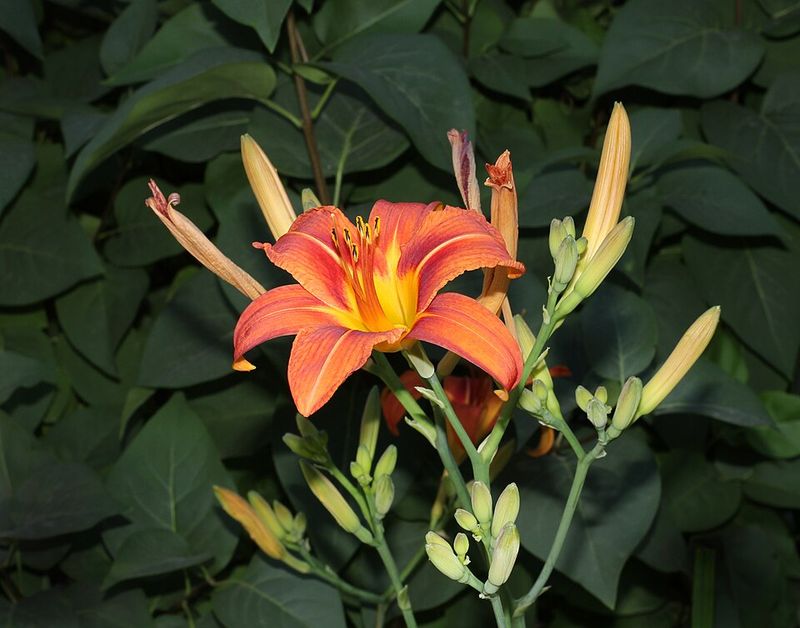
Few perennials are as forgiving for busy gardeners as the reliable daylily. It handles Ohio heat, bounces back from rough weather, and still manages to look generous in bloom season.
If you have a sunny bed that needs fast impact without constant maintenance, this is one of the safest bets available.
Established clumps tolerate dry periods, roadside conditions, and average soil better than many people expect. You get the best flowering in full sun, though light shade is workable in hotter parts of the day.
Removing spent blooms keeps things neat, and dividing every few years helps crowded clumps bloom more heavily.
Modern varieties go far beyond the old orange roadside type, offering creams, reds, purples, near-black throats, and ruffled edges. They fit almost anywhere, from foundation beds to mailbox plantings to wide mixed borders.
Pair them with catmint, salvia, or yarrow if you want foliage contrast and a longer layered display.
One reason gardeners regret skipping them is simple: they solve problems quickly. They fill space, suppress weeds once mature, and make young landscapes look less sparse in a single season.
For an Ohio yard that needs beauty without precious care routines, daylilies still earn their popularity honestly.
Stonecrop
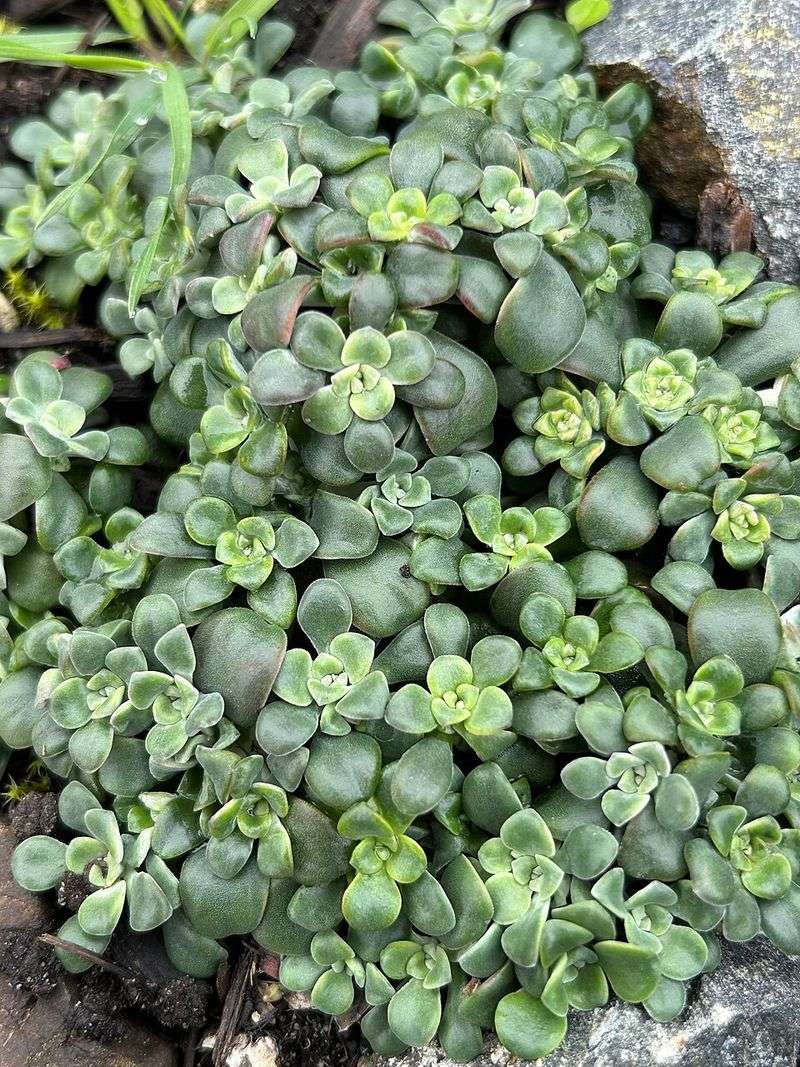
By late summer, many flower beds start looking tired, but stonecrop comes into its own right when other plants slow down. Fleshy leaves stay tidy for months, then broad flower heads shift from pale tones to deeper rosy shades as fall approaches.
In Ohio gardens, that timing is incredibly useful.
Sun and good drainage are the big requirements, especially through winter and spring wet periods. Too much shade or overly rich soil can make stems flop, so a leaner site often produces sturdier growth.
Newer upright varieties have improved habit and color, making them even easier to place in formal beds.
Pollinators absolutely crowd the flowers when they open, which gives the garden a welcome burst of movement late in the season. It pairs naturally with ornamental grasses, asters, and black-eyed Susan for a strong autumn look that does not feel forced.
Even after frost, the seed heads continue adding texture.
This perennial is also a smart choice for gardeners who miss a watering now and then. Its succulent foliage stores moisture and shrugs off dry spells once established.
If your Ohio landscape tends to fade just when you want it looking best for cooler evenings and fall gatherings, stonecrop fixes that gap beautifully.
Astilbe
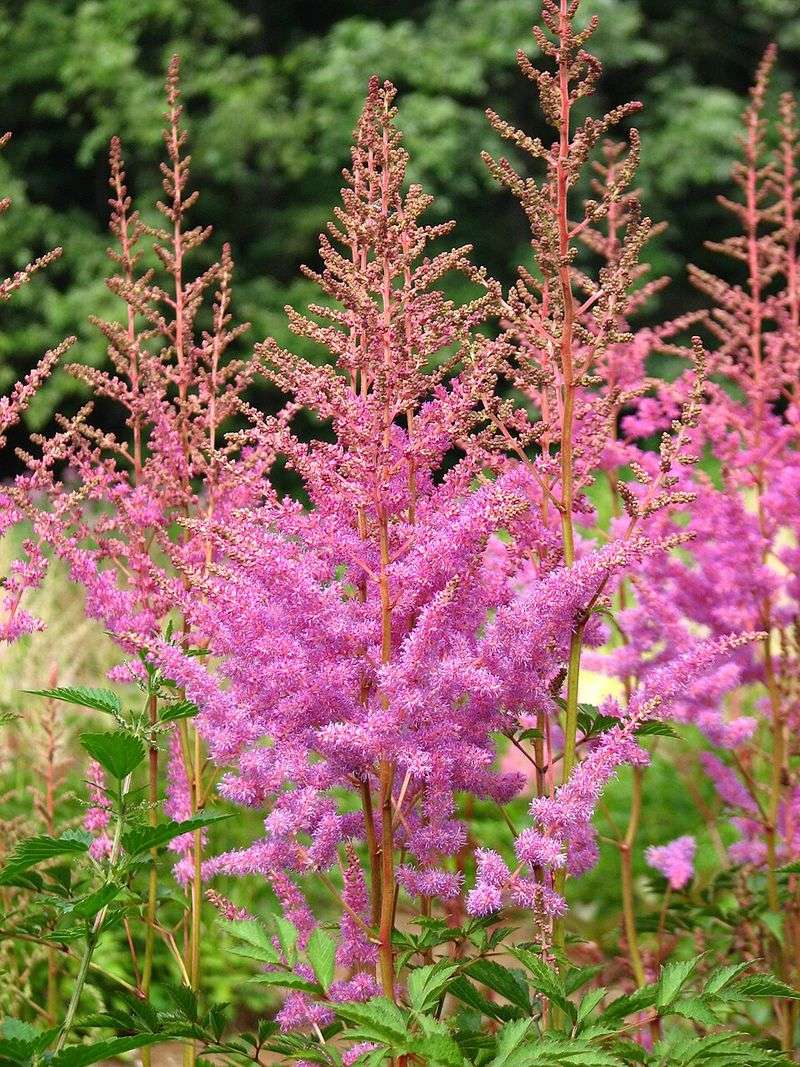
Shade gardens can slip into a sea of green if you are not careful, and astilbe is one of the easiest ways to brighten them. Feathery plumes rise above fern-like foliage and bring a soft, airy look that still reads clearly from a distance.
In Ohio, it performs beautifully where soil stays evenly moist.
Morning sun with afternoon shade is ideal, especially during hotter stretches when full sun can scorch leaves. Mixing compost into the planting area helps retain moisture and supports stronger growth over time.
A layer of mulch is not optional here if you want the foliage to keep looking fresh through summer.
Color choices range from crisp white to blush, rose, and deep red, so it fits both calm and dramatic schemes. It works especially well with hostas, heucheras, Japanese painted ferns, and hydrangeas in layered shade borders.
Even after flowering, the foliage keeps contributing instead of disappearing into the background.
Gardeners sometimes avoid it because they think shade means difficult, but this plant is straightforward if you respect its moisture needs. Divide clumps every few years when centers thin or flowering drops.
For Ohio yards with shady spots that feel flat and uninspired, astilbe adds height, texture, and color without fussiness.
Russian Sage
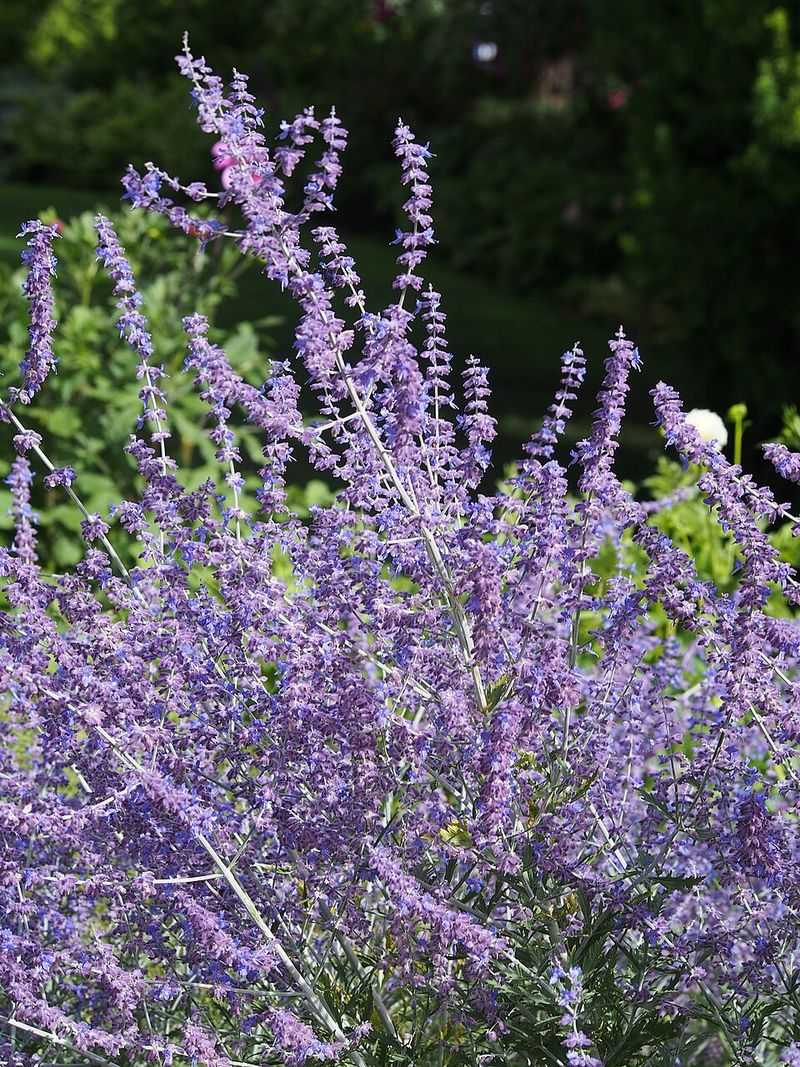
Airy texture can save a planting from looking heavy, and Russian sage brings that quality in a big way. Clouds of lavender-blue flowers hover above silver stems for weeks, softening bold companions without disappearing into the background.
In Ohio gardens with hot, sunny spots, it often performs better than gardeners expect.
Drainage matters, so avoid the kind of rich, wet soil that keeps many plants overly comfortable. This perennial actually looks stronger and stands better in leaner ground with full sun all day.
Cutting old stems back in spring, not fall, helps protect the crown and keeps winter interest in place.
Its hazy form mixes beautifully with roses, coneflowers, yarrow, and ornamental grasses, especially in wide borders. Silver foliage also cools down loud color combinations, making nearby yellows and pinks look more refined.
From the street, even a small drift gives the yard a mature, professionally layered look.
Deer tend to ignore it, and drought rarely fazes it once roots establish, which makes maintenance pleasantly light. Newer compact selections fit smaller suburban beds much better than older sprawling types.
If you have a dry, bright Ohio bed that still feels awkward or unfinished, Russian sage usually pulls everything together.
Hellebore
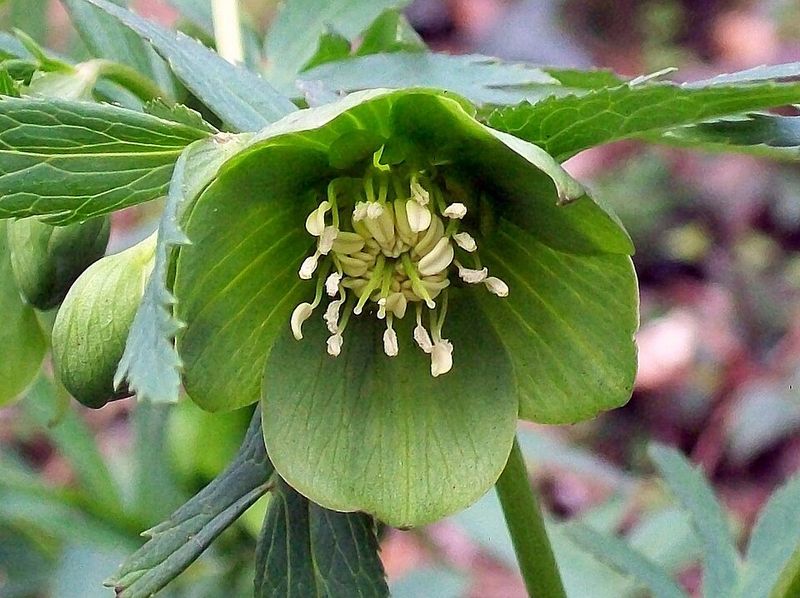
Late winter and early spring can feel painfully empty in the garden, which is why hellebores become instant favorites. Their flowers appear when most beds still look half asleep, bringing welcome color just as people are desperate to see life outside again.
In Ohio, that early performance feels especially satisfying.
Part to full shade suits them well, especially under deciduous trees where winter light reaches the ground. They prefer rich, well-drained soil, so adding compost before planting is worth the small effort.
Cutting away old foliage in late winter lets the new blooms show clearly and keeps everything looking fresh.
The flowers last an impressively long time, gradually shifting tone as they age rather than collapsing overnight. Shades range from creamy white to blush, burgundy, speckled pink, and almost black, which makes collecting them dangerously tempting.
Evergreen leaves also provide structure in shady beds long after bloom season passes.
Because deer usually leave them alone, hellebores solve a real problem in many Ohio neighborhoods. They pair beautifully with ferns, hostas, pulmonaria, and spring bulbs for a layered woodland effect.
If your shade garden always seems to wake up too late, this perennial changes the mood of the entire season.
Catmint
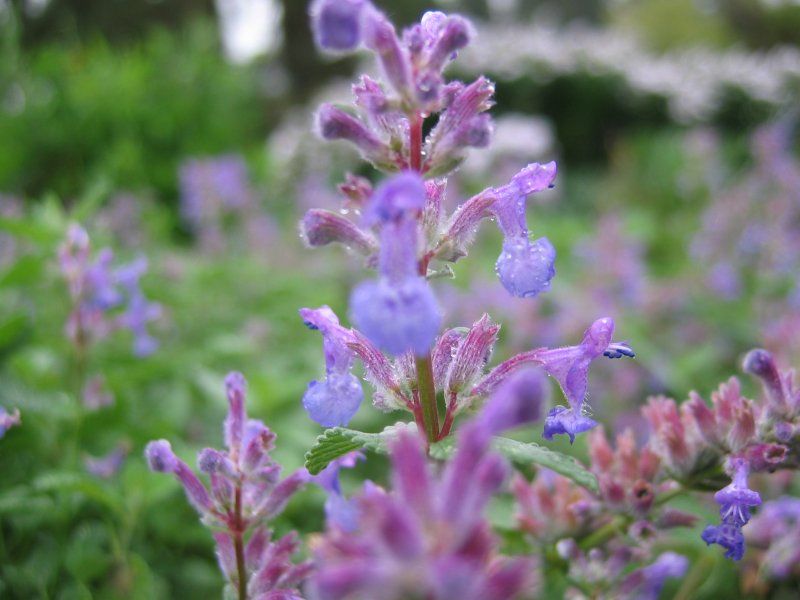
Long bloom time is the kind of trait gardeners appreciate more every year, and catmint has it in abundance. Soft blue-lavender flowers spill over tidy gray-green foliage, giving beds a relaxed, full look without constant maintenance.
In Ohio, it starts early, keeps going, and handles summer weather with admirable ease.
Full sun and decent drainage are enough to make it happy in most yards. It does not need rich soil, and too much fertilizer can actually reduce the compact habit people love.
Shearing the plant lightly after the first big flush often brings a second round of bloom that carries the border further.
This is one of the best edging perennials for paths, roses, mailbox beds, and foundation plantings because it softens hard lines. The cool flower color pairs with almost everything, especially yellow daylilies, pink roses, salvia, and alliums.
Bees work it constantly, which adds quiet motion every time you pass.
Older gardeners often wish they had used more of it simply because it makes other plants look better with so little effort. Deer usually leave it alone, and drought tolerance improves once established.
For Ohio landscapes that need a dependable filler with polish and personality, catmint is hard to regret.
Blazing Star
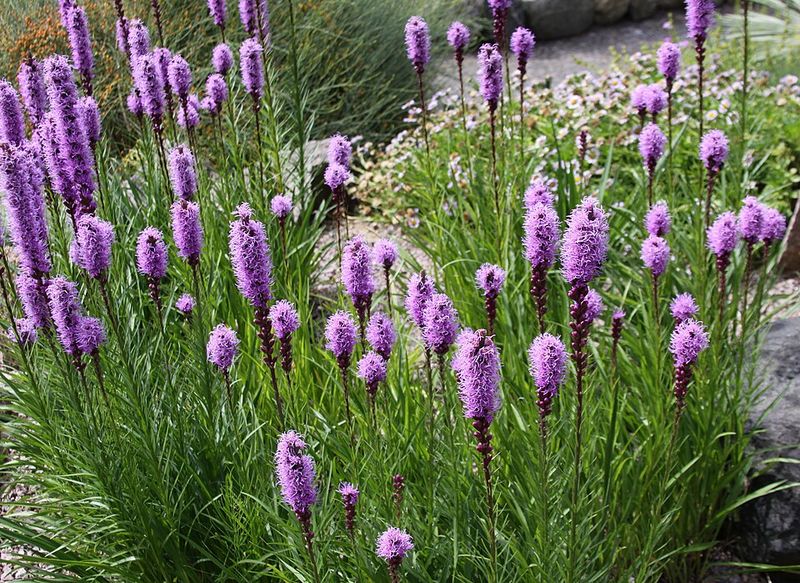
Vertical accents are easy to underestimate until a border feels flat, and blazing star fixes that quickly. Tall purple spikes rise like exclamation points among mounded plants, adding structure without heaviness.
Ohio gardeners also benefit from its native roots, which help it adapt well to local conditions and support pollinators.
Full sun is essential if you want strong stems and generous flowering, especially in richer soils. Good drainage helps bulbs or corm-like bases avoid trouble during wet periods, so raised beds and open sites are excellent options.
Once established, it tolerates short dry spells better than its elegant appearance suggests.
Butterflies absolutely love it, and seeing monarchs or swallowtails work the spikes makes the planting feel more alive. The flower shape contrasts nicely with daisies, grasses, and broad-leaved perennials like baptisia or daylily.
It is also useful in cut arrangements, where the vertical form adds instant interest indoors.
Because it blooms from the top downward, the display feels a little unusual in the best possible way. Leave seed heads for added texture, or cut stems for a cleaner look after bloom.
If your Ohio garden needs height, wildlife value, and a strong midsummer silhouette, this perennial earns its space quickly.
Yarrow
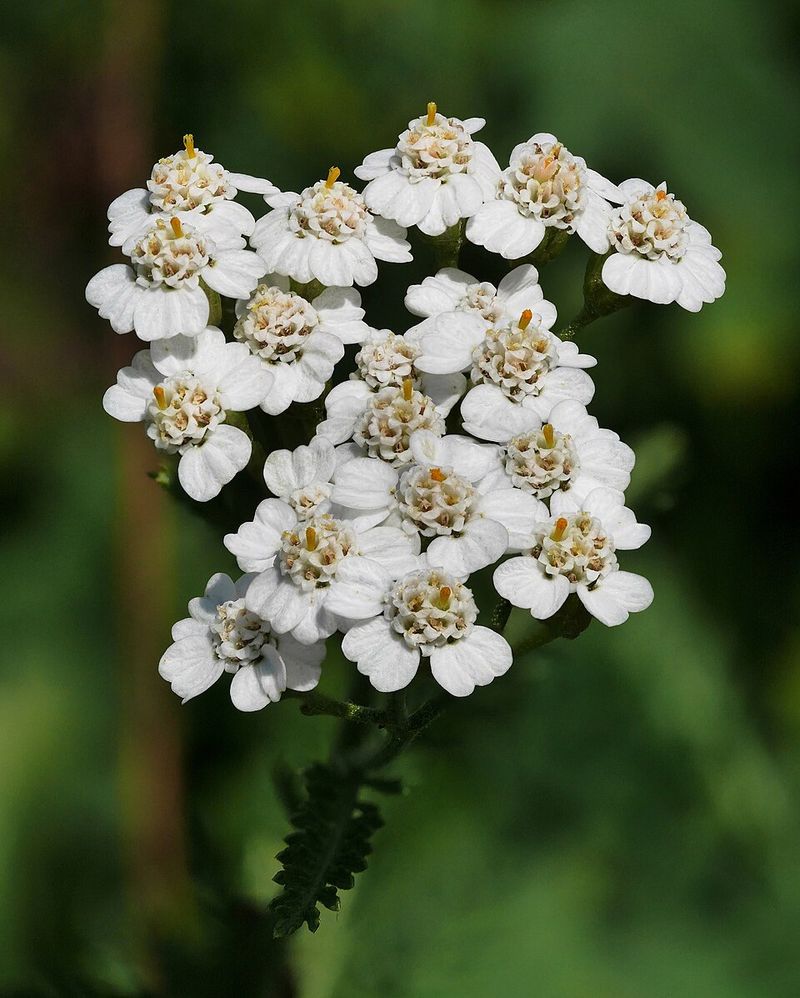
Some perennials become favorites because they solve several design problems at once, and yarrow does exactly that. Flat flower clusters provide a different shape from daisies and spikes, while the feathery foliage keeps the plant attractive below.
In Ohio gardens with full sun, it offers long bloom and very manageable care.
Leaner soil is usually better than pampered conditions, which can encourage weak stems and excess flop. Good drainage is important, especially in winter, but once established this plant handles dry weather with surprising ease.
Removing spent blooms can keep flowers coming and prevent some varieties from looking tired too soon.
The color range is broad, from creamy white and buttery yellow to apricot, peach, rose, and red. It blends well with coneflower, Russian sage, catmint, and ornamental grasses, especially in borders that aim for a natural, airy style.
Pollinators appreciate it, and cut stems dry well if you like indoor arrangements.
Some gardeners avoid older strains that spread or fade oddly, but improved cultivars are much tidier and more predictable. Dividing every few years keeps clumps vigorous and the center from thinning out.
For a sunny Ohio bed that needs texture, color, and drought tolerance in one plant, yarrow is a smart addition.
Japanese Anemone
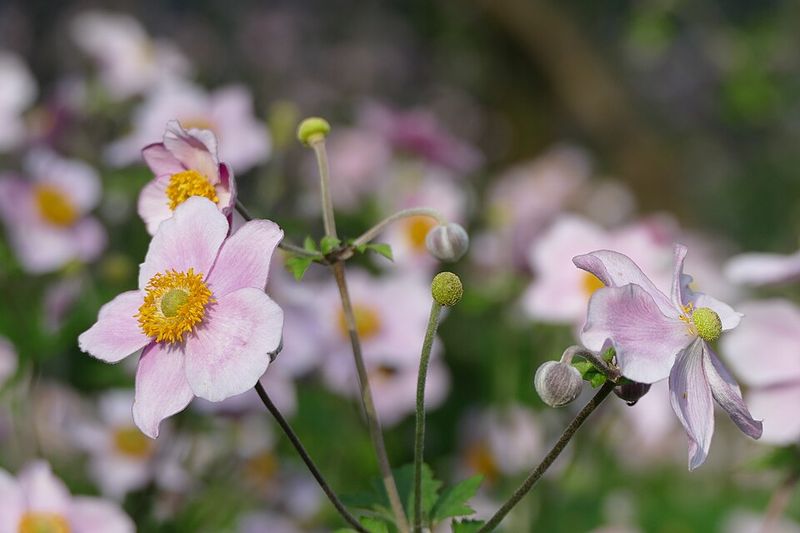
Late season flowers often make the biggest emotional difference because they arrive when summer color starts fading. Japanese anemone brings that lift with elegant blooms that seem to float above the border on wiry stems.
In Ohio gardens, it extends the beauty of the year right when many beds begin to lose momentum.
Morning sun or light shade works well, especially in spots protected from harsh afternoon heat. Soil that stays evenly moist encourages the best performance, though established plants are tougher than they first appear.
A mulch layer helps during hot spells and keeps the roots cooler through unpredictable weather swings.
Soft pink or white flowers pair beautifully with hostas, ornamental grasses, asters, and darker foliage plants. The effect is graceful rather than flashy, which is useful when a border already has plenty of midsummer drama.
Near a patio or back walk, the blooms catch evening light in a way people notice immediately.
It can spread slowly in happy conditions, so give it room and think of that as a benefit rather than a flaw. Deer do browse it sometimes, but many gardeners still find it worth growing for the late display alone.
If your Ohio garden feels tired by September, this perennial changes that story beautifully.