
21 Perennials That Bloom Nonstop From Spring Until Frost In Ohio
Follow us on Google
Ohio gardeners do not have to settle for a brief burst of color and months of green filler. The right perennials can keep beds, borders, and containers blooming from the first warm weeks of spring until hard frost finally closes the season.
If you want flowers that work hard in Ohio’s changing weather, these picks deliver reliable color, strong performance, and plenty of pollinator appeal. Here are the nonstop bloomers worth making room for this year.
Catmint
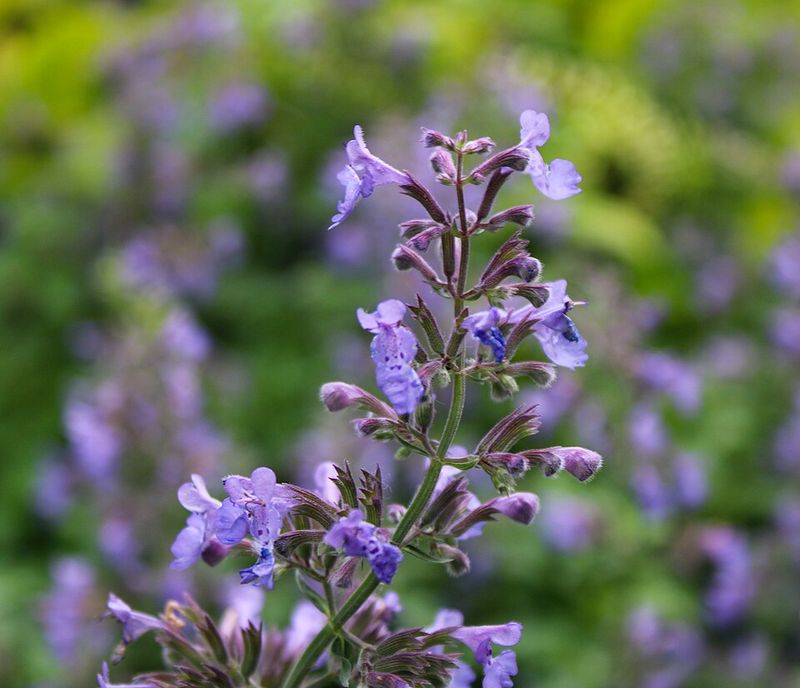
If you want a perennial that starts early and rarely looks tired, this one earns its spot fast. The soft blue-violet flowers appear in generous waves, and the fragrant gray-green foliage keeps the plant attractive even between flushes.
In Ohio, it handles spring chills, summer heat, and dry spells better than many fussier bloomers.
A quick trim after the first heavy round of flowers usually brings on another strong show. You do not need perfect soil, constant watering, or a rigid feeding schedule to keep it moving.
Give it full sun and decent drainage, and it tends to settle in with very little drama.
Because the shape is naturally rounded, it works beautifully along walkways, around roses, or spilling over retaining walls. Pollinators stay busy around it, especially bees, which makes the whole garden feel more active.
Deer and rabbits usually pass it by, which is a real advantage in many Ohio neighborhoods.
Try planting it near yellow daylilies, purple coneflowers, or white shasta daisies for a long season combination that never feels flat. When your garden needs a reliable filler that still looks polished, this choice keeps carrying the display from spring right into frost.
Salvia
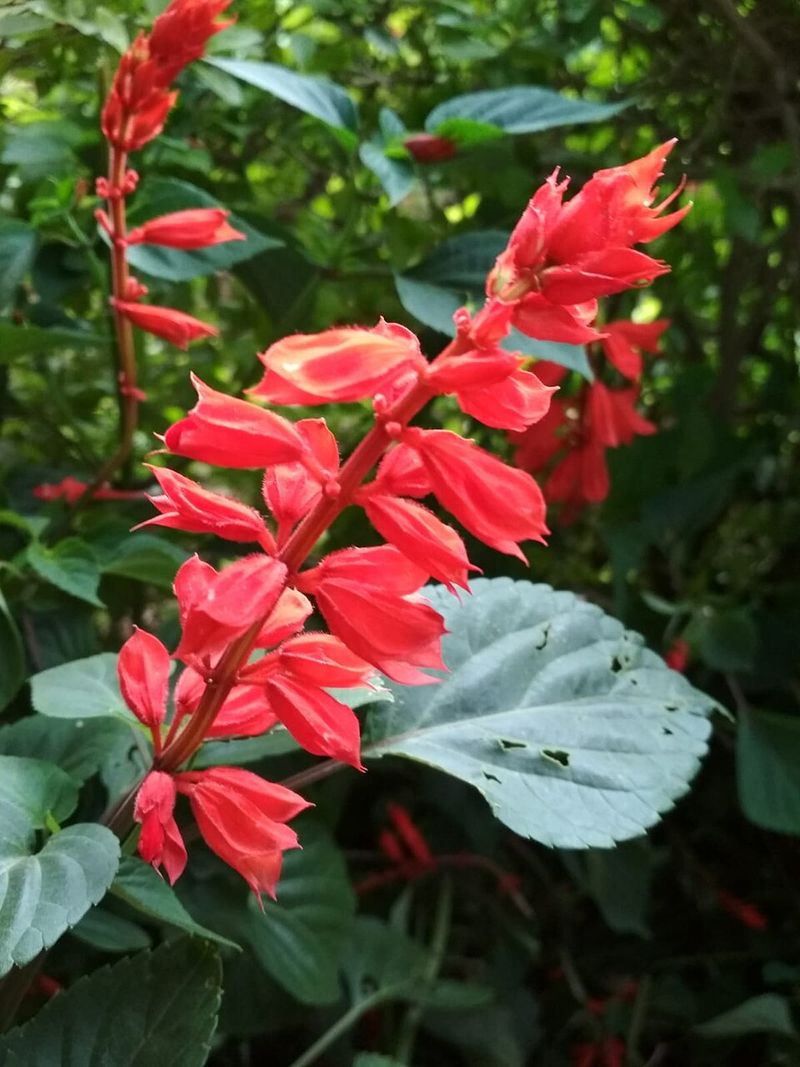
Strong vertical flower spikes can change the rhythm of a flower bed, and this perennial does exactly that while blooming for months. The purple, blue, pink, or white flowers rise above tidy foliage and keep returning when older spikes are cut back.
In Ohio gardens, it starts early enough to bridge spring into summer with very little effort.
Sun matters here, and sharp drainage matters almost as much. If the crown sits in soggy winter soil, plants can struggle, so raised beds or loosened soil help.
Once established, it shrugs off normal summer dryness better than many broad-leaved perennials.
Pollinators notice it immediately. Bees cover the flower spikes, hummingbirds stop in often, and the upright shape pairs nicely with rounded plants like catmint or mounded coreopsis.
That contrast keeps a planting from looking too repetitive, especially in smaller suburban beds where every square foot needs to work hard.
After the first strong bloom cycle, cut the stems back by about a third and water deeply. A fresh flush usually follows quickly, especially with modern reblooming varieties.
If you like a garden that looks structured but still lively, this perennial gives you color, height, and repeat performance all the way to frost.
Blanket Flower
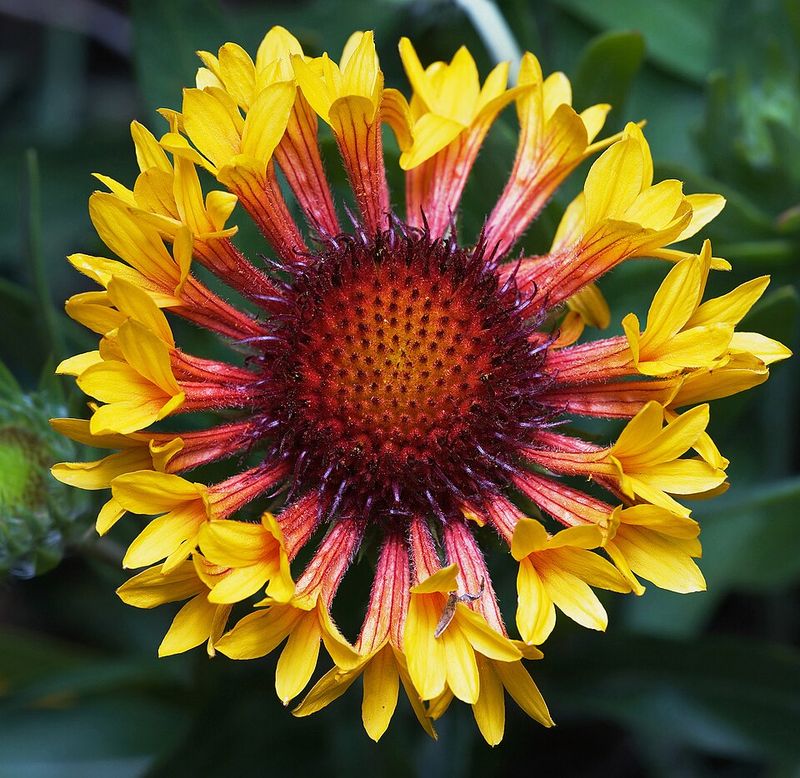
Hot color carries a bed through the toughest part of summer, and this perennial does it with almost stubborn enthusiasm. The daisy-like flowers mix shades of red, orange, and yellow, giving borders a sunset effect that keeps going long after many early bloomers fade.
In Ohio, it performs best where the soil drains well and the sun is strong.
Too much moisture can shorten its life, so this is one case where average or even lean soil is an advantage. Deadheading helps, but many selections flower so freely that the plants still look busy even if you miss a week.
That makes it useful for gardeners who want long bloom without constant grooming.
The low, spreading habit fits nicely at the front of a sunny border or along a path where the warm colors are easy to appreciate. Butterflies visit often, and the bright tones pair especially well with blue salvia, purple coneflower, and silver foliage plants.
A cluster near a patio can make midsummer containers and beds feel much more energetic.
Because winters can be wet in parts of Ohio, avoid heavy mulch piled over the crown. Give it air, light, and decent drainage, and it usually rewards you with repeat flowers until frost.
When the garden needs color that refuses to fade into the background, this one keeps showing up.
Purple Coneflower
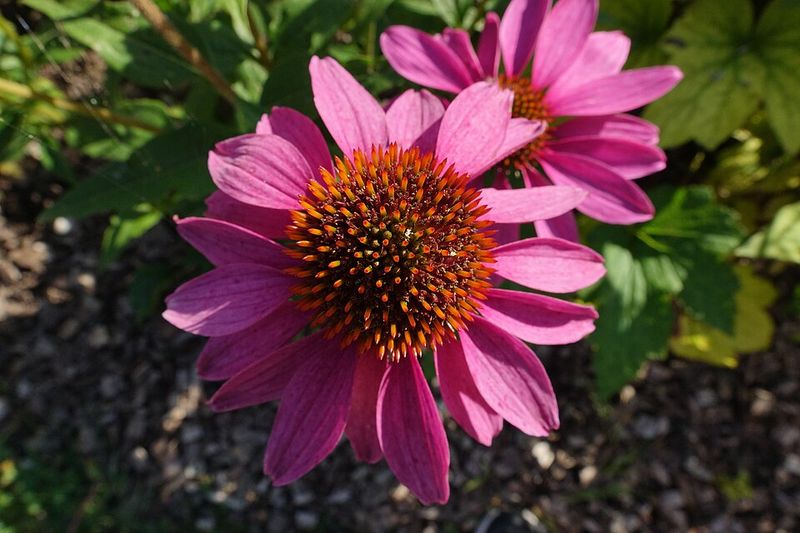
A classic native-looking perennial can still feel fresh when it blooms for months and supports wildlife at the same time. The large pink-purple flowers stand tall above sturdy stems, and newer varieties stretch the color range far beyond the familiar look.
In Ohio gardens, it handles heat, humidity, and cold winters with impressive resilience.
Full sun gives the strongest flowering, though light shade is manageable in many yards. Once established, the deep roots help it ride out dry spells better than many flowering perennials.
That toughness makes it useful for gardeners who want a border that still looks good during busy weeks when watering is not top priority.
Butterflies, bees, and seed-loving birds all find value here, so the plant earns its keep long after the petals drop. The upright form mixes well with grasses, black-eyed Susans, and nepeta, creating a natural but intentional look.
If you leave some seed heads standing into fall, the garden gains texture instead of looking abruptly finished.
Deadheading can extend blooming, though leaving a few older flowers adds structure and later bird interest. Divide clumps only when needed, not on a strict schedule.
For Ohio gardeners who want long color without a fussy routine, this perennial stays dependable from summer start to the last mild days before frost.
Shasta Daisy
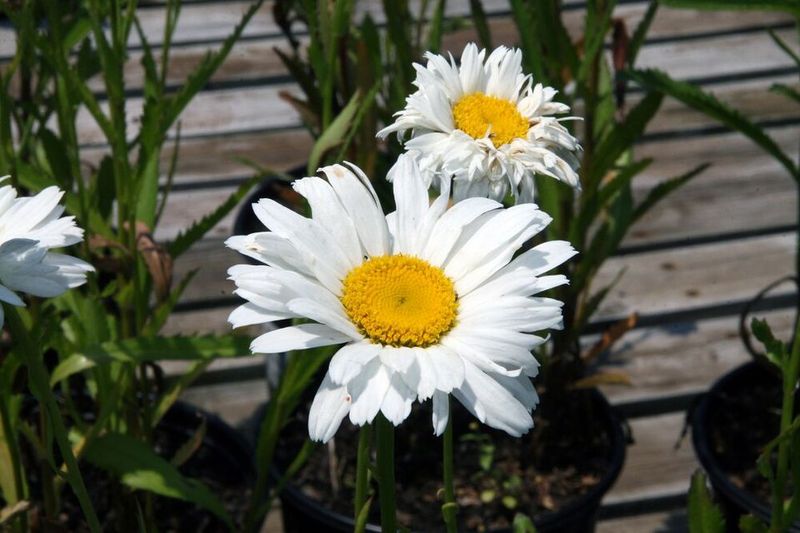
Crisp white petals can make a planting feel clean and bright even during the hottest part of summer. This perennial brings that fresh look for an impressively long stretch, especially when old flowers are removed before they set seed.
In Ohio, it thrives in sunny spots where air moves well and the soil does not stay soggy.
The flower form is simple, but that simplicity is exactly why it works with almost everything. You can pair it with purple coneflowers, salvia, catmint, or ornamental grasses and never feel like the bed is trying too hard.
Shorter varieties also fit containers or tight front borders where every plant has to stay neat.
Regular deadheading is the secret to nonstop performance. Cut faded stems back to fresh buds or lower foliage, and the plant usually responds with more flowers instead of a tired, stretched look.
During humid Ohio summers, that little bit of grooming also helps keep the clump cleaner and more open.
Avoid very rich soil that pushes weak growth, and divide crowded clumps every few years for best bloom. If rabbits leave your daisies alone, they can become one of the most useful long-season whites in the garden.
When colorful borders need a visual pause that still feels lively, this perennial does the job beautifully.
Daylily
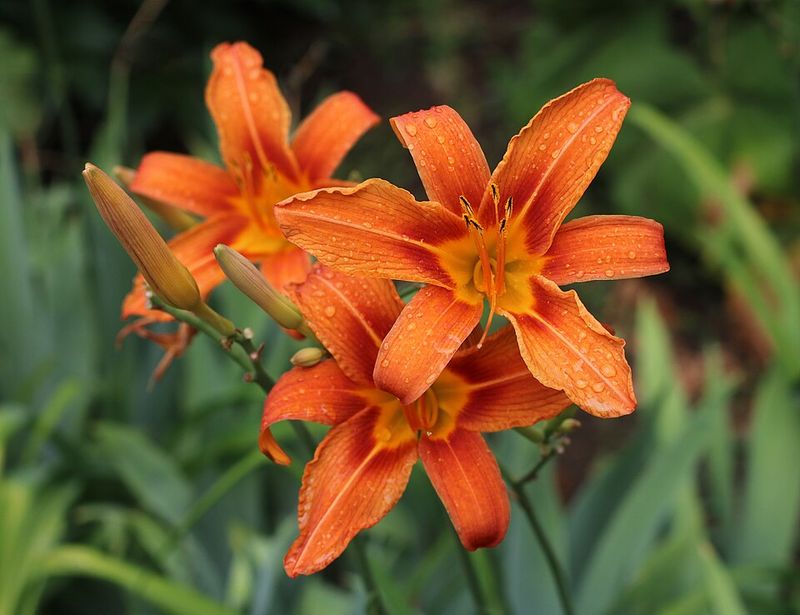
Reliable color matters even more when life gets busy, and reblooming types of this perennial are built for that kind of garden. Each flower lasts a day, but well-chosen cultivars send up so many buds over such a long period that the bed rarely looks empty.
In Ohio, they handle cold winters and hot summers with very little complaint.
Sun gives the best flowering, though some varieties manage with part shade. The arching foliage adds a fountain-like shape that softens hard edges near walks, fences, and patios.
Once established, plants are drought tolerant enough to stay useful through dry spells, especially if they are mulched lightly and watered deeply when needed.
This is a smart choice for slopes, mailbox plantings, and large drifts where you want repeat bloom without constant fuss. Rich jewel tones, soft pastels, and bi-colors make it easy to match existing beds.
Pair them with catmint, salvia, or coreopsis so something is always carrying the show even between flushes.
Spent scapes should be cut down once they finish, and overcrowded clumps benefit from division every few years. That simple upkeep is usually enough to keep the display strong.
For Ohio gardeners looking for long performance and a forgiving nature, few perennials are as practical or satisfying as a reblooming daylily.
Yarrow
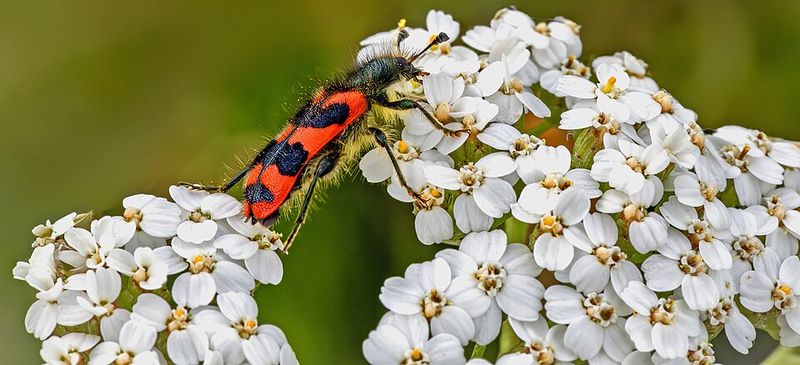
Flat flower clusters and feathery foliage give this perennial a look that feels both relaxed and structured. The blooms come in shades from soft pastels to strong gold and red, and many varieties keep producing if you cut them back after each flush.
In Ohio, it is one of the easiest choices for hot, sunny spots that challenge thirstier plants.
Too much fertilizer is usually a mistake here. Leaner soil keeps stems sturdier, and good drainage helps the crown survive wet periods better.
Once settled in, the plant needs little extra water, which makes it ideal for gardeners trying to reduce maintenance during the height of summer.
The flower heads are excellent for pollinators and also work well in fresh or dried arrangements. In a border, they contrast beautifully with spiky salvia, rounded catmint, and broad coneflower petals.
That mix of forms makes even a modest planting feel more layered and thoughtful.
Deadhead regularly if you want the longest possible bloom season, and divide every few years to keep clumps vigorous. Some varieties can spread a bit, so place them where that habit feels useful rather than annoying.
For Ohio landscapes that need durable color from spring well into frost, this perennial brings stamina without looking coarse.
Garden Phlox
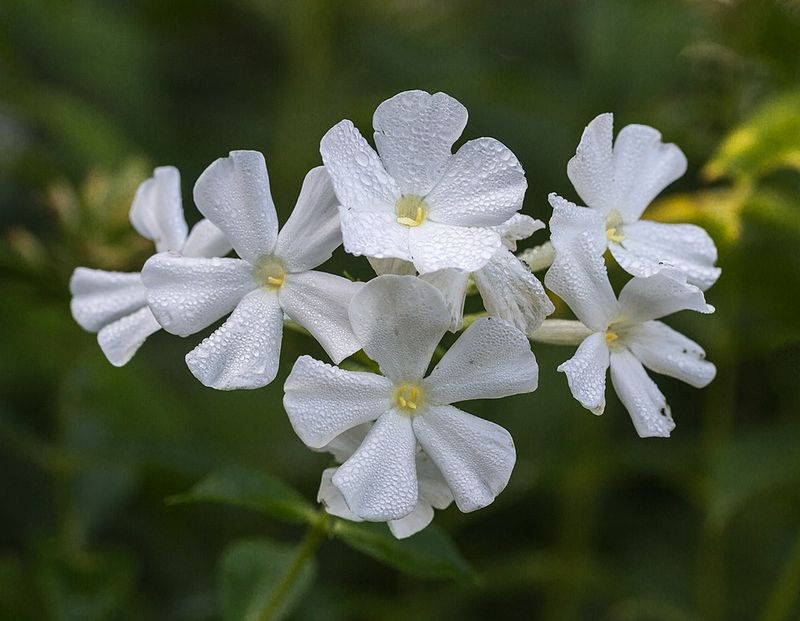
Fragrance and strong color make a big impact in midsummer, and this perennial can carry both for a surprisingly long season. Tall flower clusters rise above the border in shades of pink, purple, white, and red, often attracting butterflies all day.
In Ohio, choosing mildew-resistant varieties is the key to keeping the display attractive into fall.
Sun encourages the best bloom, but good air circulation matters just as much in humid weather. Water at the base instead of overhead when possible, and give each plant enough space to dry quickly after rain.
Those simple habits go a long way toward preventing the tired, spotted look older types often develop.
Because it blooms when many spring perennials are finished, it fills an important gap in the garden calendar. Pair it with black-eyed Susans, coneflowers, or ornamental grasses for a border that feels full without becoming chaotic.
The upright stems also make excellent cut flowers, so you get value inside the house as well.
Removing spent flower clusters encourages side shoots and fresh bloom instead of seed production. A layer of compost in spring and consistent moisture help keep the show going through Ohio heat.
If you want height, fragrance, and repeat color without planting annuals everywhere, this perennial is a very worthwhile addition.
Black-Eyed Susan
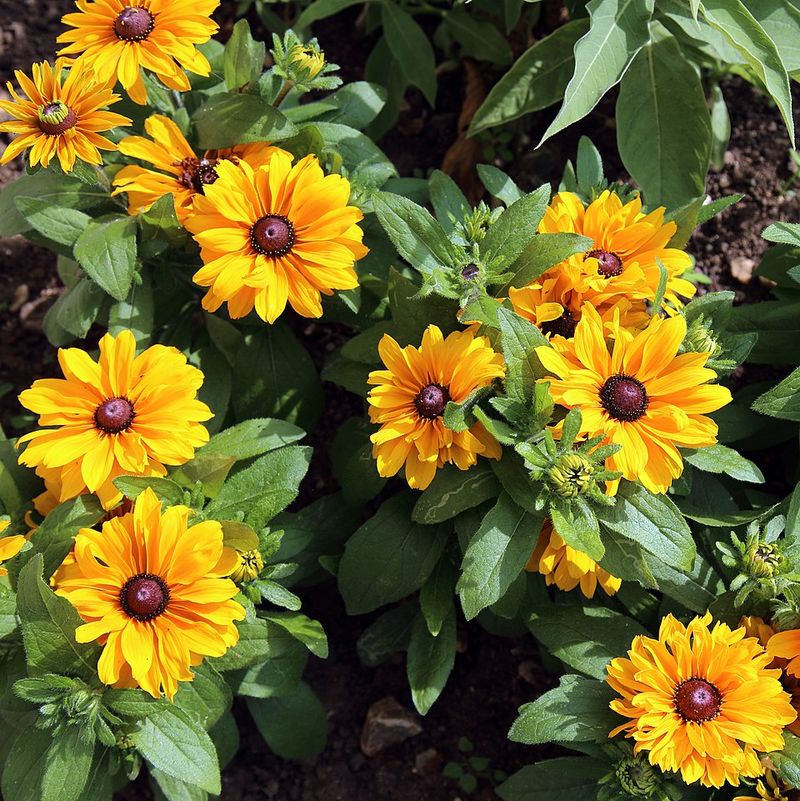
Bright yellow petals and dark centers can carry a garden visually from high summer straight into autumn. This perennial brings that familiar late-season glow, and many improved forms bloom longer than people expect when spent flowers are removed.
In Ohio, it is especially useful for sunny beds that need stamina more than delicacy.
The plant tolerates a range of soils, though it performs best where drainage is decent and the roots are not constantly wet. Full sun keeps stems stronger and flowering heavier.
Once established, it gets by with modest watering, which helps during stretches when rain misses your neighborhood for a week or two.
Butterflies visit the flowers, and birds often appreciate the seed heads later if you leave a few standing. The bold color looks excellent with purple coneflowers, blue salvia, and ornamental grasses, creating a classic late-season Ohio palette.
In larger drifts, it gives a meadow-like effect without becoming messy if the planting is edged well.
Deadhead for continuous bloom, or allow some flowers to mature if you want more wildlife value and a looser fall look. Clumps may self-sow lightly, which can be either a bonus or a task, depending on your style.
For straightforward color that lasts until frost, this perennial earns its popularity honestly.
Bee Balm
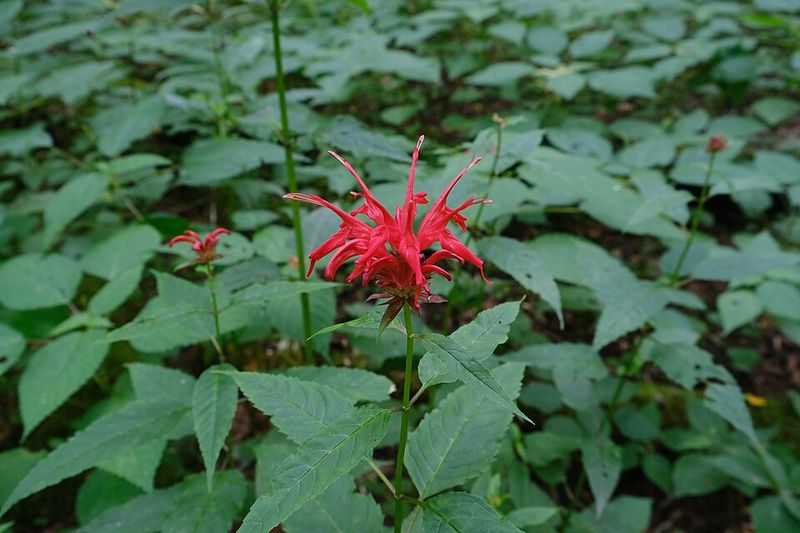
Few perennials make a garden feel more alive than one that pulls in hummingbirds while throwing bright color across the border. The shaggy blooms come in red, pink, purple, and lavender, and newer mildew-resistant varieties stay handsome much longer in Ohio humidity.
That combination of wildlife value and repeat flowering makes it easy to justify the space.
Moist but well-drained soil helps it perform at its best, especially through summer heat. Full sun supports heavy bloom, though a little afternoon shade can be helpful in hotter exposed sites.
Good spacing is important, since crowded stems are more likely to develop foliar issues after humid weather.
The bold flower form mixes well with simpler daisies, coneflowers, and grasses, creating a layered look that feels lively rather than stiff. It works especially well in pollinator beds near patios or windows where you can actually enjoy the activity.
In a mixed border, it usually becomes one of the plants people comment on first.
Cutting away spent flowers encourages fresh buds and keeps the clump tidier. Every few years, division helps control spread and maintains vigor.
For Ohio gardeners who want a perennial that offers color, motion, and plenty of wildlife interest from summer into frost, this one continues to be an excellent performer.
Russian Sage
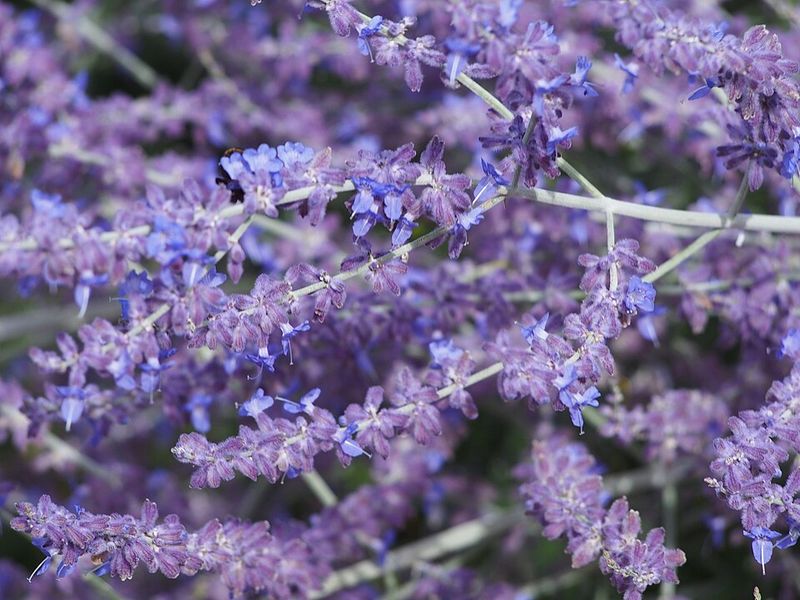
Airy clouds of lavender-blue flowers can lighten a planting without making it feel weak, and this perennial does that brilliantly. The silver stems and aromatic foliage stay attractive even before the bloom peaks, giving you months of texture along with color.
In Ohio, it thrives best in hot, sunny places where many softer perennials struggle.
Excellent drainage is essential. Heavy, wet soil in winter is far more dangerous than summer drought, so raised beds or amended planting areas help.
Once established, it is impressively tolerant of heat and low water, which makes it a practical choice for hellstrips, gravel gardens, and dry borders.
The tall, hazy habit pairs beautifully with stronger shapes like coneflowers, yarrow, and black-eyed Susans. From a distance, it creates that soft blue veil designers love because it pulls neighboring colors together.
Bees visit constantly, adding movement without increasing maintenance.
Cut plants back in spring rather than fall, since the woody structure offers winter interest and some crown protection. If stems flop, the site may be too rich or too shady.
For Ohio gardeners wanting a long-blooming perennial with drought tolerance and a refined, airy look, this plant keeps earning attention right up to frost.
Astilbe
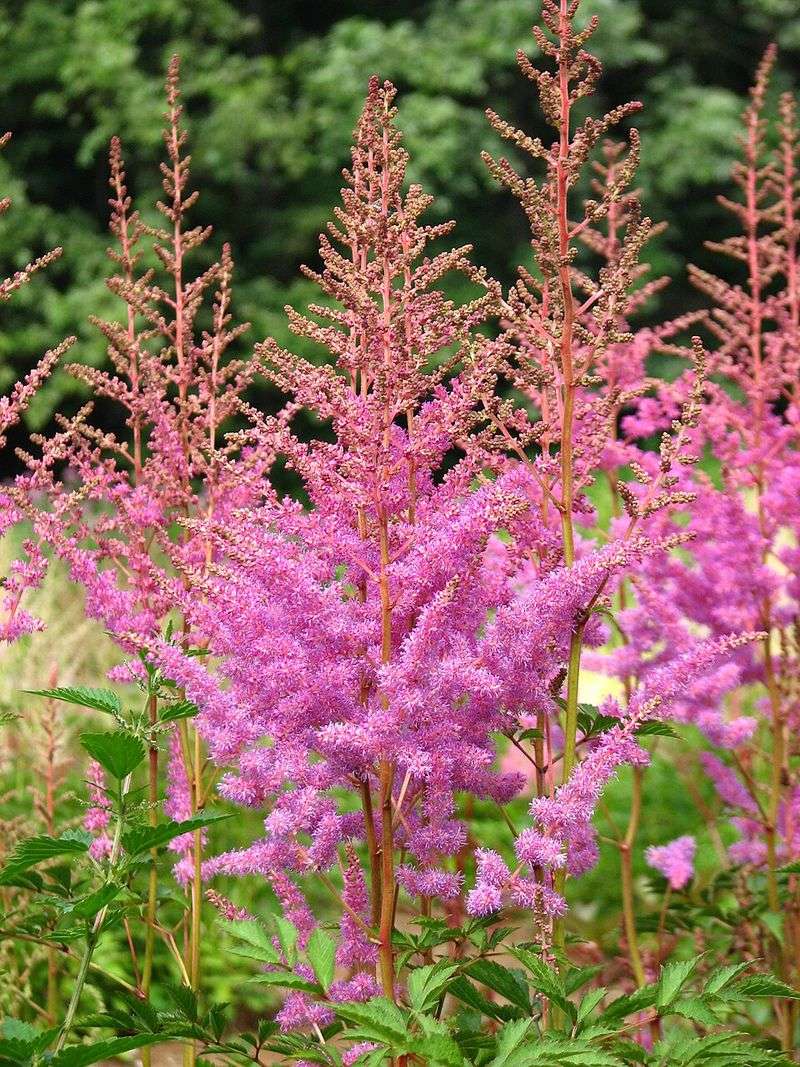
Shade gardens do not have to give up on long-lasting color, especially when feathery flower plumes bring both texture and brightness. This perennial is best known for early and midsummer bloom, but mixed varieties and careful deadheading can stretch the display while the foliage stays handsome.
In Ohio, it is especially useful in beds that receive morning sun and afternoon shade.
Consistent moisture is the real secret. Dry soil makes the leaves crisp quickly, so adding compost and mulch helps the planting stay fresher through summer.
Unlike many nonstop bloomers that demand full sun, this one gives you a polished look in places where hot afternoon light would be too much.
The plume-like flowers pair beautifully with hostas, heucheras, and ferns, creating a layered shade border that still feels bright. Near a porch or shaded patio, the softer colors can look especially refined.
White forms can even help darker corners read as more intentional instead of forgotten.
Choose several cultivars with staggered bloom times if you want the longest season effect. Remove faded plumes or leave a few for texture, depending on the look you prefer.
For Ohio gardeners trying to keep part-shade areas colorful and elegant from spring onward, this perennial offers dependable beauty without asking for dramatic care.
Hardy Geranium
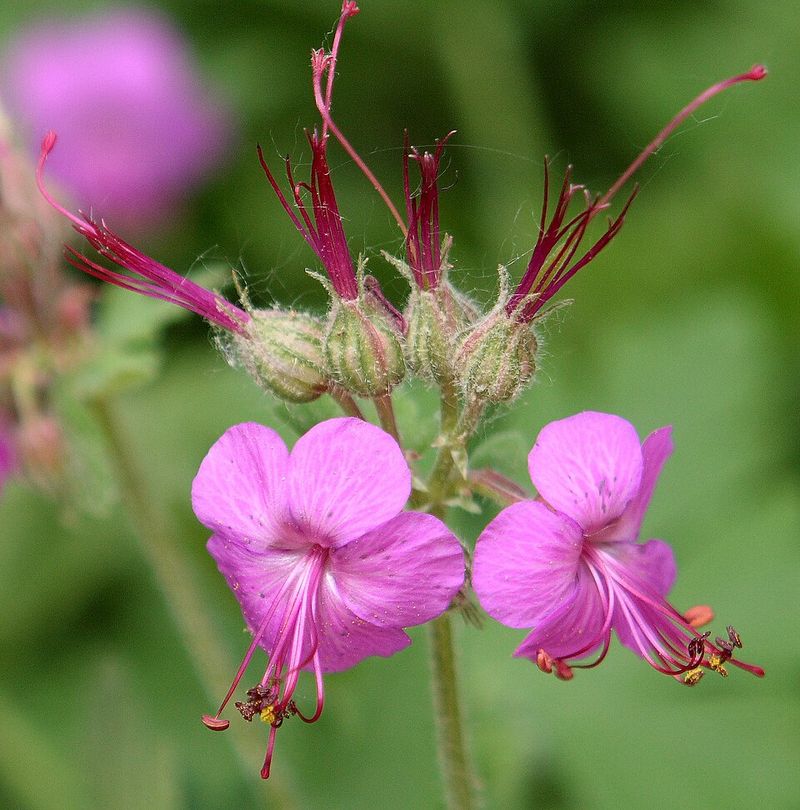
A low mounding perennial that blooms for months can solve a lot of design problems at once. This one spreads gently, softens bed edges, and sends up cheerful flowers in shades of pink, purple, blue, or white over an impressively long season.
In Ohio, it is particularly useful where you need a hardworking filler between shrubs and taller perennials.
Most varieties prefer sun to part shade and average, well-drained soil. Once established, the plants are quite forgiving, though a little trimming after the first heavy bloom often refreshes the foliage and starts another wave.
That quick reset keeps the clump from looking ragged during the middle of summer.
The rounded habit makes it easy to pair with roses, salvia, daylilies, or ornamental grasses. It can also function like a flowering groundcover, helping reduce open soil where weeds would otherwise move in.
In smaller Ohio lots, that kind of multiuse plant is especially valuable.
Look for long-blooming cultivars rather than older types that flower briefly and then rest. A bit of compost each spring usually provides all the nutrition needed.
If your garden needs something that ties the planting together while still contributing real color from spring until frost, this perennial quietly does a lot of heavy lifting.
Tickseed
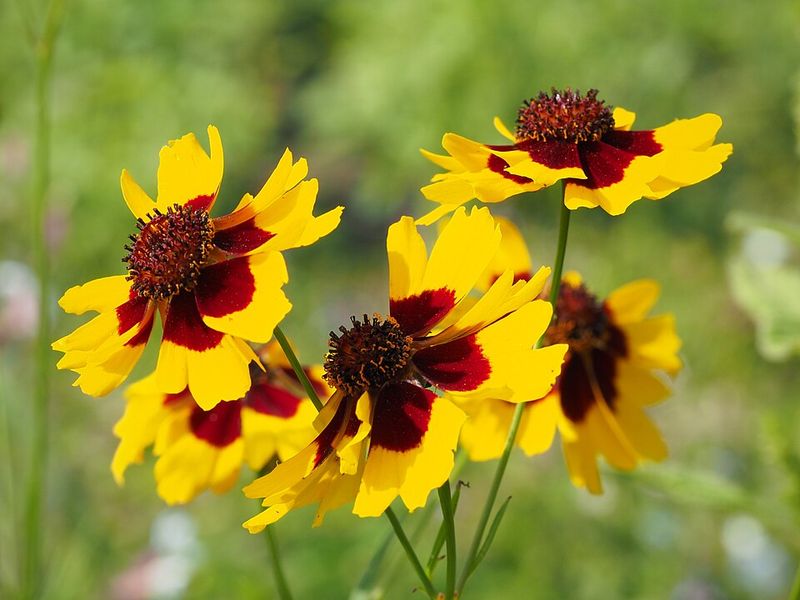
Bright, easy color is sometimes the simplest way to make a border feel finished, and this perennial delivers plenty of it. The daisy-like flowers cover compact mounds for months, often starting early and continuing with only brief pauses if you shear the plant lightly.
In Ohio, it is a dependable choice for full sun beds that need long performance without constant attention.
Well-drained soil keeps the crown happiest, especially through wet winters and spring rains. Once roots are established, plants cope well with moderate drought and summer heat.
That resilience makes them especially handy in front yards, foundation beds, and spots where dragging a hose every evening gets old quickly.
The tidy size means it fits almost anywhere. Use it near taller salvias, coneflowers, or black-eyed Susans for layered color, or mass it alone for a clean, upbeat ribbon of bloom.
Butterflies appreciate it, and the flowers hold their color well even during bright, hot afternoons.
Deadheading or shearing back a flush of spent flowers is usually enough to keep the show moving. Avoid overfeeding, since lush growth can reduce flower production.
For Ohio gardeners who want the convenience of a compact perennial with the attitude of an annual bloomer, this one keeps earning repeat use season after season.
Gaura
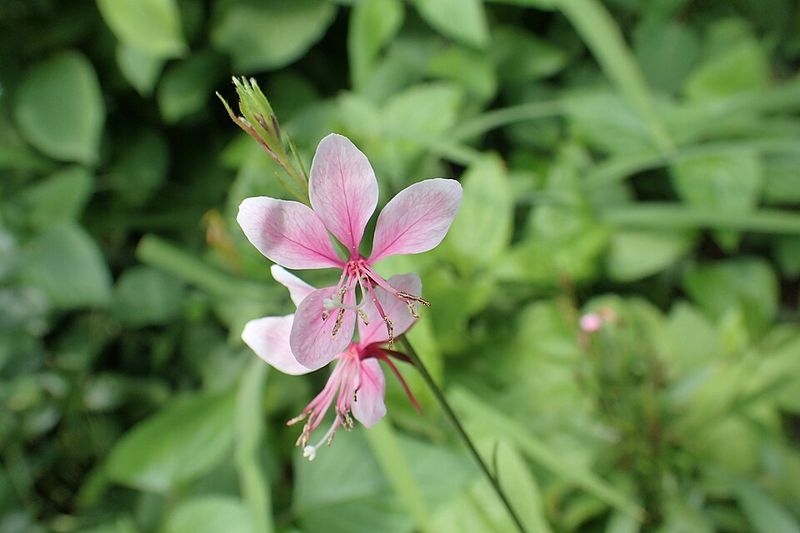
Movement matters in a garden, and this perennial brings it in a way few others can. Slender stems carry small flowers that flutter like tiny butterflies above the foliage, creating a loose, airy effect from late spring well into frost.
In Ohio, it performs best in sunny spots with good drainage and a little breathing room.
Heavy soil and winter wet can be challenging, so this is one plant that benefits from raised beds or lighter planting mixes. During summer, though, it handles dry conditions well once established.
That mix of elegance and toughness makes it surprisingly useful in modern borders, cottage gardens, and even larger containers.
The open form lets sturdier flowers show through instead of blocking them, which is great when you want layers rather than solid masses. Pair it with salvia, blanket flower, or ornamental grasses for a planting that feels light and active.
White varieties can also cool down hot color schemes that lean heavily on reds and oranges.
Do not overwater or overfeed, because too much richness encourages floppy growth. A light trim midseason can tighten the shape and spark fresh bloom.
For Ohio gardeners looking for nonstop flowers with a softer, more graceful presence, this perennial offers season-long motion without becoming needy.
Balloon Flower
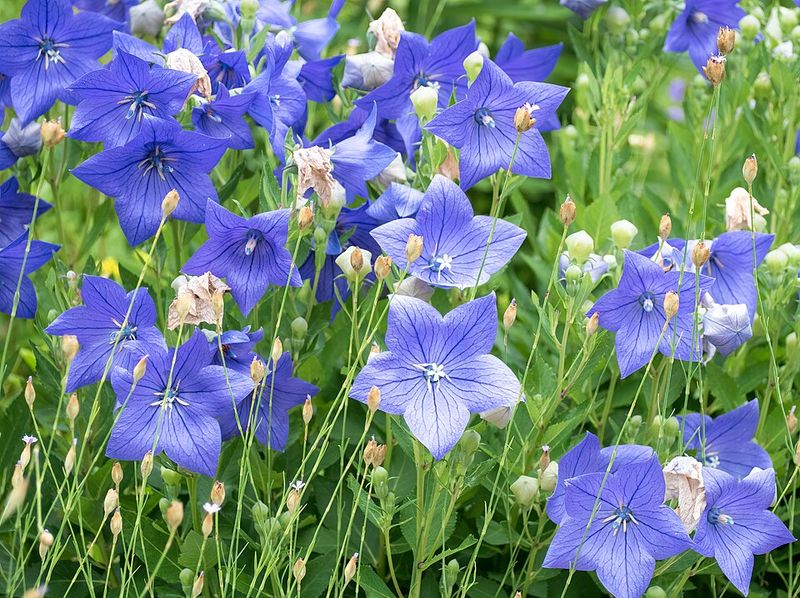
There is something satisfying about a perennial that offers interest before the flowers even open, and this one does exactly that. The puffy buds swell like little balloons, then burst into starry blue, purple, pink, or white flowers that keep appearing through the season.
In Ohio, it is a dependable midsize plant for sunny borders and mixed beds.
Once established, it prefers not to be moved, thanks to its deep root system. That same root helps it tolerate periods of summer dryness better than its neat habit might suggest.
Give it full sun or light shade, avoid waterlogged soil, and it usually settles in for years of reliable performance.
The tidy upright shape works well among lower mounding plants like hardy geranium or catmint. It also pairs nicely with daisies and coneflowers, where the star-shaped flowers add a different form to the mix.
Because the stems emerge late in spring, marking the spot can save you from accidental digging.
Deadheading keeps fresh buds coming and prevents the plant from putting energy into seed too early. Some taller varieties benefit from a discreet support if grown in richer soil.
For Ohio gardeners who want a long-blooming perennial with a fun detail and a clean habit, this one is easy to appreciate.
Scabiosa
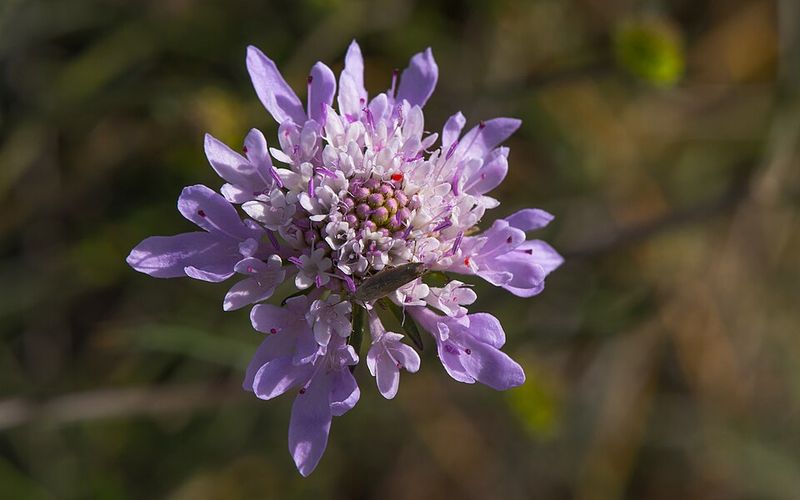
Delicate-looking flowers can still be hardworking, and this perennial proves that nicely. The pincushion blooms sit on wiry stems above tidy mounds of foliage, bringing a soft, airy accent that continues for an impressively long stretch.
In Ohio, it performs best in full sun and soil that drains well through wet weather.
Because the flowers are carried individually on stems, deadheading is easy and rewarding. Snip spent blooms regularly, and fresh ones keep coming instead of slowing down after the first flush.
The plant does not like soggy roots, so raised beds or amended soil can make a big difference in heavier areas.
The fine texture is especially useful when paired with bolder flowers like black-eyed Susans or coneflowers. It also fits beautifully in cutting gardens, since the stems are excellent for small arrangements.
Near a walkway, the unusual flower form invites a closer look without overwhelming nearby plants.
Winter survival can improve when crowns are not buried in heavy mulch, so keep the base open and well drained. Choose perennial forms rather than annual relatives if you want long-term value.
For Ohio gardeners wanting nonstop bloom with a lighter, more refined presence, this perennial adds charm from spring until frost.
Veronica
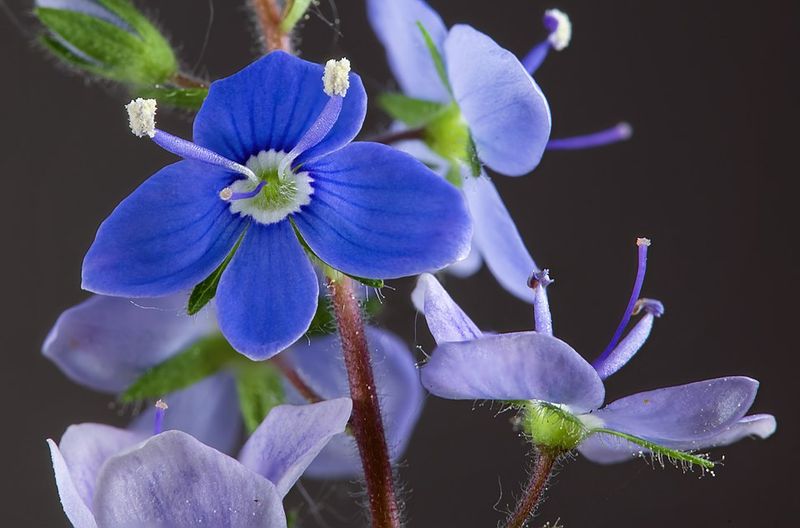
Clean flower spikes and tidy growth make this perennial especially easy to place in almost any border. The blooms appear in blue, purple, pink, or white and rise just enough to add structure without blocking neighboring plants.
In Ohio, it starts strong in late spring and often reblooms repeatedly if you keep old spikes trimmed off.
Full sun and well-drained soil bring the best results. Plants appreciate regular moisture when getting established, but mature clumps handle normal summer conditions well enough in most gardens.
If drainage is poor, lifting the planting area slightly can help prevent crown problems during wetter seasons.
Because the form is compact and upright, it works well near the front or middle of a border. Pair it with catmint, daylilies, or shasta daisies for a balanced mix of shapes that reads clearly from a distance.
Butterflies and bees also make frequent visits, adding life to smaller suburban spaces.
Cutting back spent flower spikes is the simple step that keeps the show going. Every few years, dividing older clumps can refresh vigor and maintain the plant’s neat shape.
For Ohio gardeners who want repeat bloom with a polished look and very manageable care, this perennial is one of the smartest small-to-medium choices.
Sedum ‘Autumn Joy’
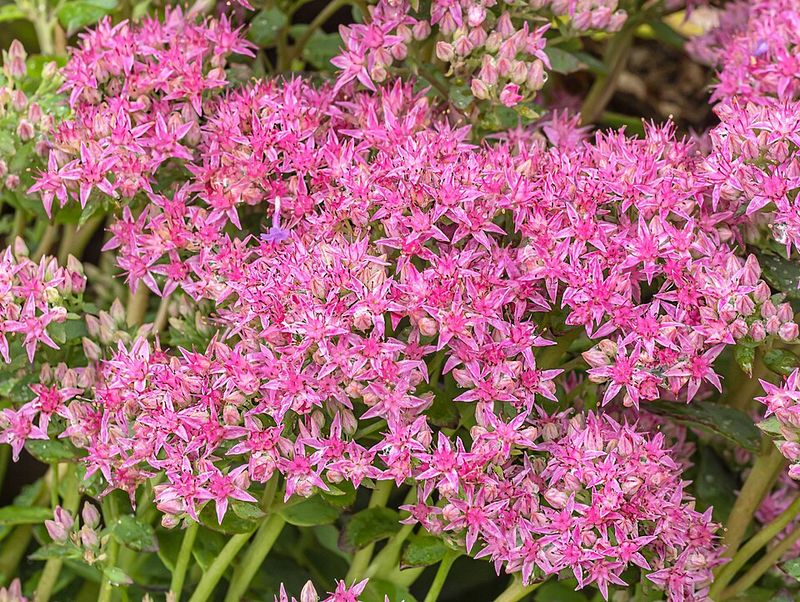
Some perennials earn their keep by looking good before, during, and after bloom, and this one is a standout in that category. The fleshy blue-green foliage stays attractive for months, then broad flower heads emerge pink and slowly deepen toward copper as fall approaches.
In Ohio, that long visual progression makes it especially useful for late-season interest.
Sun and drainage are the big priorities. Rich soil can make stems flop, so average conditions are often better than pampered ones.
Once established, the plant tolerates heat and drought very well, which is helpful in exposed beds near sidewalks, driveways, or other hot spots.
The bold, succulent leaves contrast beautifully with finer textures like yarrow, Russian sage, or ornamental grasses. Pollinators flock to the flower heads when they are fresh, and the dried structures continue adding shape after frost.
In a mixed border, that means the plant contributes far longer than a brief flower window would suggest.
Leave the seed heads standing through winter if you enjoy seasonal texture, then cut them back in early spring. Divide clumps only when centers weaken or growth becomes crowded.
For Ohio gardeners who want effortless bloom, drought tolerance, and a graceful shift into autumn color, this perennial remains a practical favorite.
Japanese Anemone
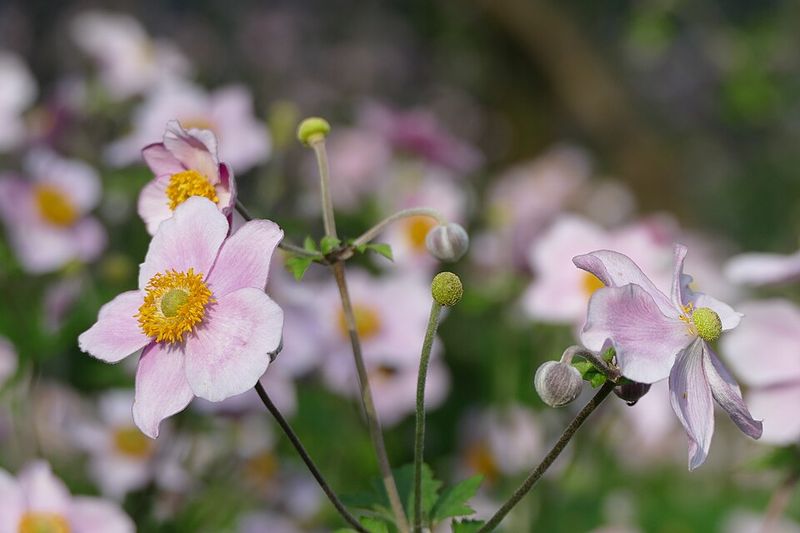
Late-season flowers can rescue a garden from that worn-out August feeling, and this perennial excels at exactly that moment. Elegant blooms in pink or white rise on wiry stems above attractive foliage, creating a light, floating effect that lasts well into frost.
In Ohio, it is especially valuable for part-shade borders that need fresh energy after midsummer.
Moist, rich, well-drained soil helps it settle in, though once established it becomes fairly resilient. Morning sun with afternoon shade is often ideal, especially in hotter parts of the state.
Give it some shelter from harsh wind, and the flowers will hold themselves with a graceful, airy presence.
The plant works beautifully with hostas, astilbes, ornamental grasses, and late-blooming asters. That mix creates a border that feels seasonal and layered instead of fading after early summer.
Near a porch or path, the flowers catch evening light in a way that makes the whole area feel more intentional.
Be patient in the first year, since it can take time to establish before showing its full value. Once comfortable, it may spread gently, which is useful if you want a soft colony effect.
For Ohio gardeners trying to stretch bloom right to frost in shadier spaces, this perennial is an elegant solution.
Aster
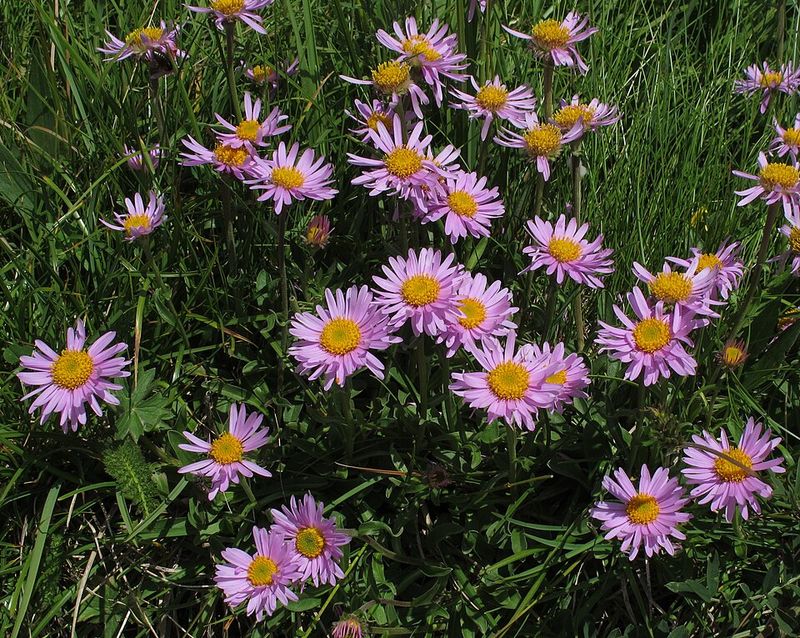
When summer flowers begin to tire, this perennial takes over and keeps the garden bright through the last warm weeks. Clouds of small daisy-like blooms cover the plant in purple, blue, pink, or white, often attracting every bee and butterfly in the neighborhood.
In Ohio, that late burst of color is one of the easiest ways to extend the garden season naturally.
Full sun encourages the strongest flowering and the most compact growth, though some varieties tolerate light shade. Pinching stems in early summer can help create a bushier shape and more flowers later.
Good air circulation is helpful, especially in humid conditions, to keep the foliage looking cleaner.
The plant pairs beautifully with sedum, ornamental grasses, Japanese anemones, and black-eyed Susans. That combination gives you a layered fall border with strong contrast in both form and color.
If you have ever looked out in September and felt your beds were losing momentum, this is one of the best ways to fix that.
Choose mildew-resistant cultivars and place them where they will not be swallowed by aggressive neighbors. Dividing every few years helps maintain vigor and keeps bloom dense.
For Ohio gardeners who want dependable flowers all the way to frost, this perennial closes the season with exactly the kind of energy a tired border needs.