
This Long-Blooming Native Wildflower Brightens North Carolina Gardens For Months
Follow us on Google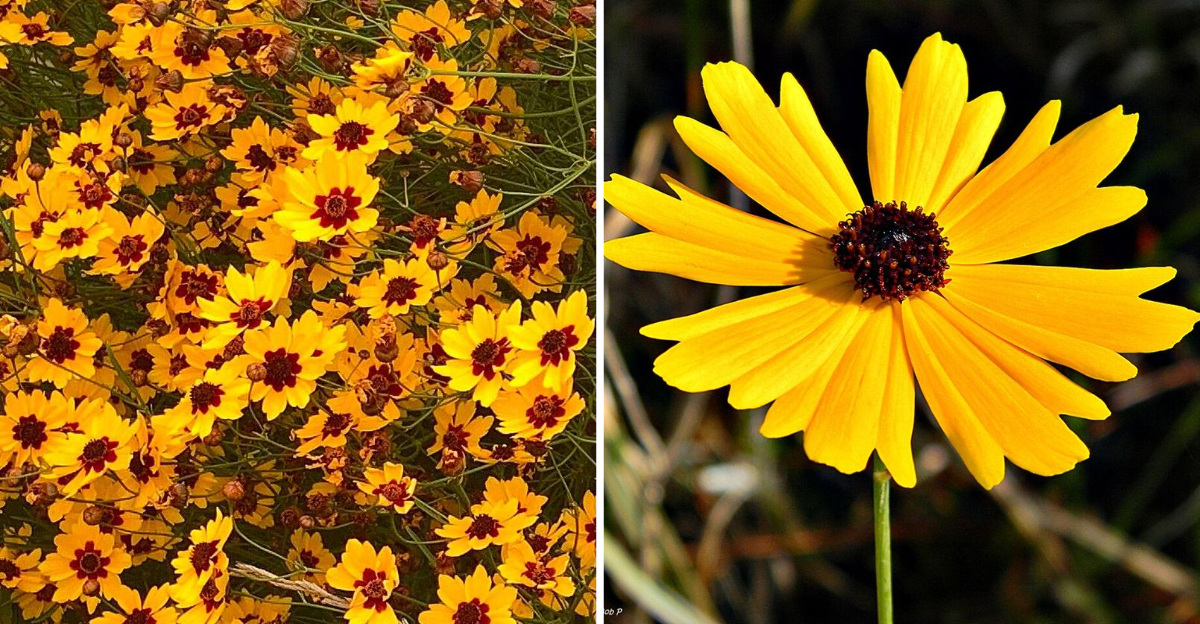
Some flowers give you a quick burst of color, then disappear just as your garden starts looking good. Native tickseed keeps showing up, week after week, with sunny blooms that fit North Carolina gardens beautifully.
If you want a reliable wildflower that looks cheerful without acting fussy, this is one plant worth knowing well. The more you understand how it grows, the easier it becomes to enjoy months of color with less work.
Why Tickseed Stands Out
Few plants earn their space as quickly as native tickseed does in a North Carolina garden. You get bright yellow flowers, a relaxed wildflower look, and a bloom season that can stretch for months when conditions are right.
That combination makes it feel generous rather than demanding, which is exactly what many home gardeners want.
Most yards have a few tricky spots where high-maintenance flowers struggle after the first strong heat wave. In those places, this native often keeps going, especially when planted in full sun and decent drainage.
You are not babysitting it every afternoon, and that matters when summer gets hot, humid, and busy.
Another reason it stands out is how naturally it fits both casual and tidy landscapes. It looks right at home near ornamental grasses, along a mailbox bed, or in a pollinator border that needs color without constant replanting.
A lot of gardeners want that easy balance between intentional and natural, and this flower delivers it.
Beyond appearance, there is also a sense of place. Because tickseed is native, it belongs in the regional story of North Carolina gardens instead of feeling imported and temporary.
That local connection gives your planting more resilience, more ecological value, and a look that never feels forced.
Bloom Season That Lasts
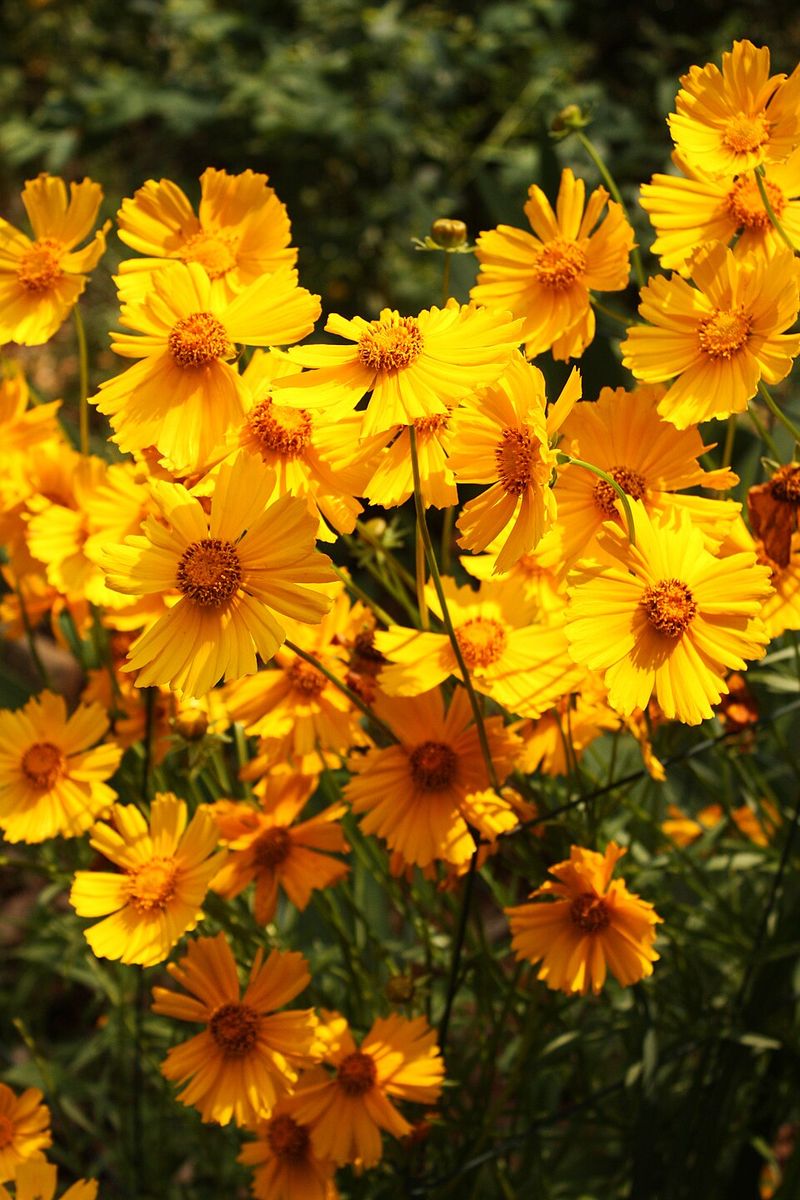
A short bloom window can make even a beautiful plant feel disappointing by midsummer. Native tickseed avoids that problem by producing flowers over an impressively long stretch, especially if you give it sun and remove spent blooms now and then.
In many North Carolina gardens, that means cheerful color from late spring well into summer, sometimes longer.
The practical benefit is easy to appreciate once your beds mature. Instead of chasing gaps with extra annuals, you already have a dependable layer of yellow carrying the display forward.
That steadiness can make a small yard look thoughtfully planned, even if you prefer a relaxed, low-pressure approach.
Long bloom also changes how you use nearby plants. Purple coneflower, salvia, black-eyed Susan, and native grasses all pair beautifully because tickseed stays present rather than fading before companions hit their stride.
You end up with overlap, rhythm, and color continuity instead of a border that peaks once and then stalls.
If you enjoy cutting a few stems for the kitchen table, the extended season feels even more rewarding. Snipping flowers regularly often encourages more buds, so the garden and the vase both benefit.
That kind of repeat performance is rare enough to deserve attention when you are choosing dependable perennials.
Best Sun Exposure
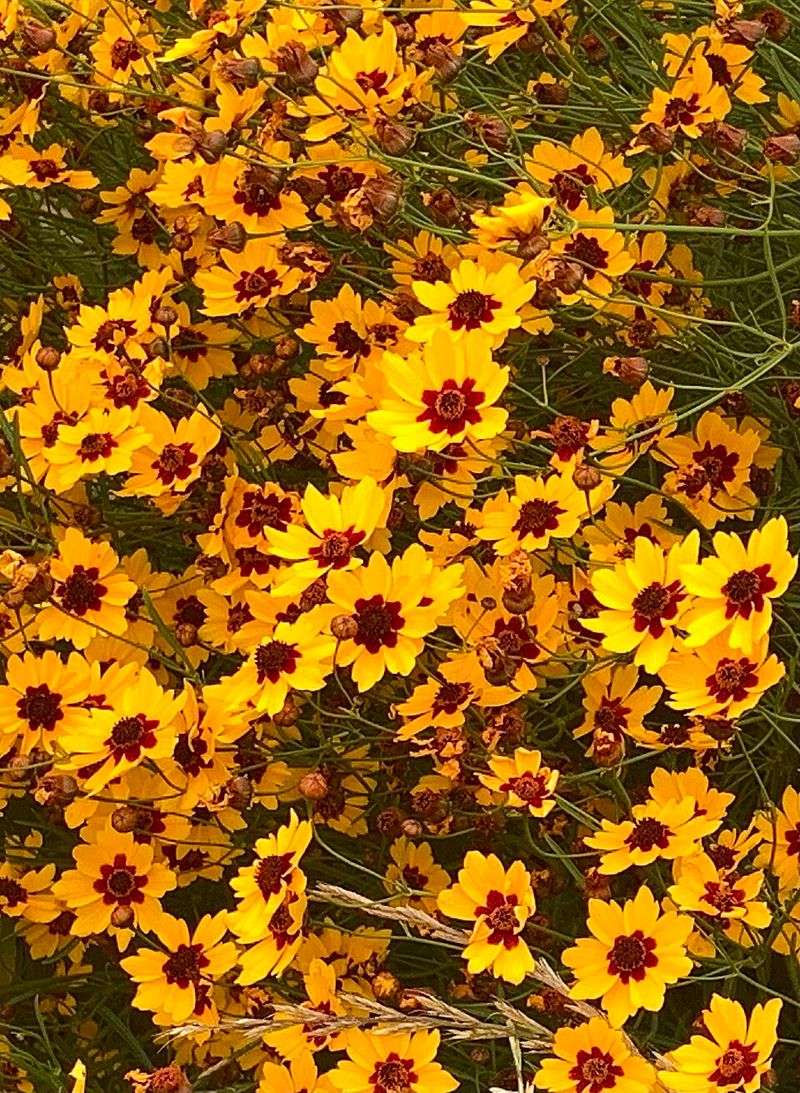
Sun is the first detail to get right if you want your tickseed to perform for months. This wildflower really shines in full sun, where it can build sturdy stems, set lots of buds, and keep flowering without looking stretched or tired.
Six or more hours of direct light is a strong target for most gardens.
Partial shade is not always a deal breaker, but you will usually notice fewer flowers and looser growth. In humid North Carolina summers, extra shade can also keep plants damp longer after rain, which is rarely ideal.
A bright open bed near a driveway, sidewalk, or south-facing border usually gives better results.
Think about seasonal light, not just what the bed looks like in spring. Trees leaf out, neighboring shrubs fill in, and that sunny patch can become much dimmer by June.
Taking a few minutes to notice midday light now can save you from planting in the wrong place and wondering why bloom production feels underwhelming.
Hot afternoon sun does not usually bother established tickseed when the soil drains well. In fact, the plant often looks happiest where tougher perennials thrive and pampered annuals start complaining.
If a spot feels a little too bright for fussier flowers, it may be exactly right for this native standout.
Soil and Drainage Needs
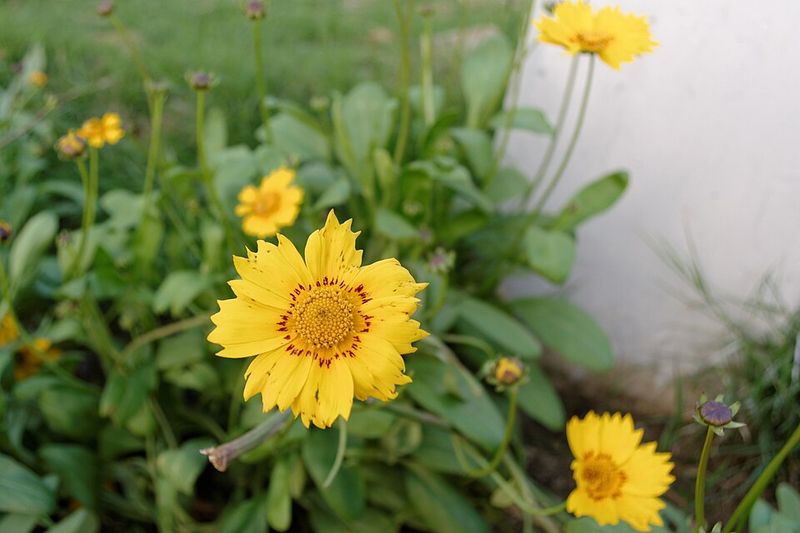
Rich soil is not the goal here, and that surprises many gardeners at first. Native tickseed usually performs best in average to lean soil with good drainage, where roots can breathe and stems stay compact.
If your garden tends to stay soggy after every storm, improving drainage matters more than adding fertilizer.
Heavy clay is common in parts of North Carolina, so many yards need a little adjustment before planting. Mixing in compost can help structure, but avoid turning the bed into a fluffy, overly rich pocket that holds too much moisture.
Raised mounds, sloped beds, and sites near paths often solve problems more effectively than endless amendments.
One mistake people make is treating wildflowers like hungry bedding plants. Too much fertility can push weak, floppy growth and reduce the tidy, durable habit that makes tickseed so appealing.
You want balance, not indulgence, especially if the planting gets strong summer rain.
If you are unsure about drainage, watch the area after a downpour. Water should move through reasonably fast instead of sitting there like a shallow pond.
A simple test like that tells you more than any bag label, and it helps you place the plant where it can thrive without constant intervention.
Deadheading For More Blooms
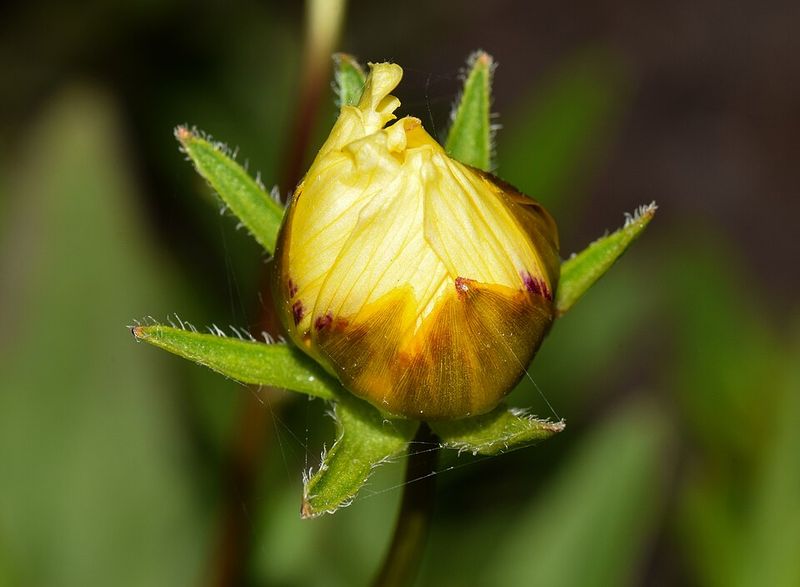
If you want tickseed to keep looking fresh, a little deadheading goes a long way. Snipping spent blooms encourages the plant to put energy into new flowers instead of seed production right away.
That small habit can stretch the display and keep the clump from looking tired in midsummer.
You do not have to fuss over every single stem to see a difference. I would simply trim back the most faded flowers every few days or give the plant a light shearing after a heavy flush.
It is an easy, low-pressure task that rewards you quickly.
Companion Plants That Work
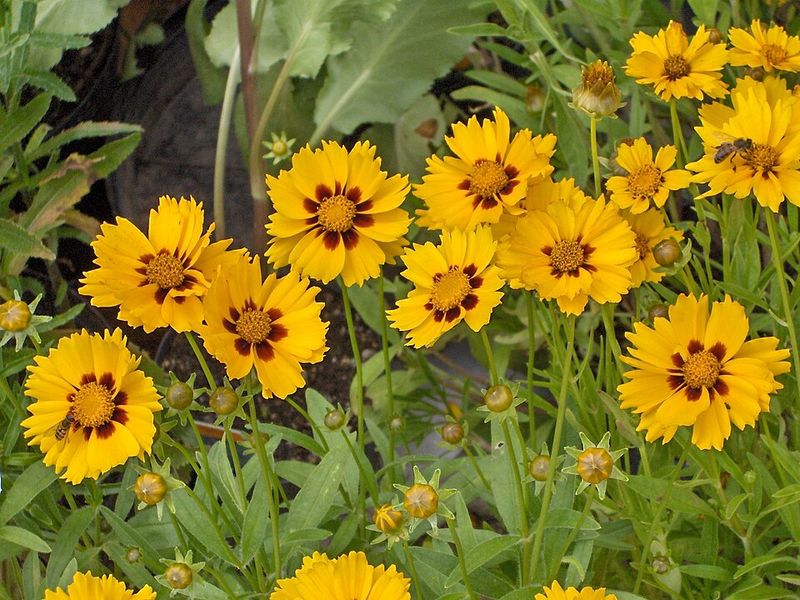
Tickseed fits easily into mixed plantings, which is part of its charm in a North Carolina garden. The bright yellow flowers play especially well with purple coneflower, blue salvia, native grasses, and soft white bloomers that calm the palette.
You end up with a bed that feels lively without looking messy or overdesigned.
I think it looks best when it has room to weave naturally between neighboring plants. Pairing it with other sun-loving natives also helps create a tougher planting that handles heat, humidity, and summer storms with less drama.
That makes the whole space easier to enjoy.
A Favorite For Pollinators
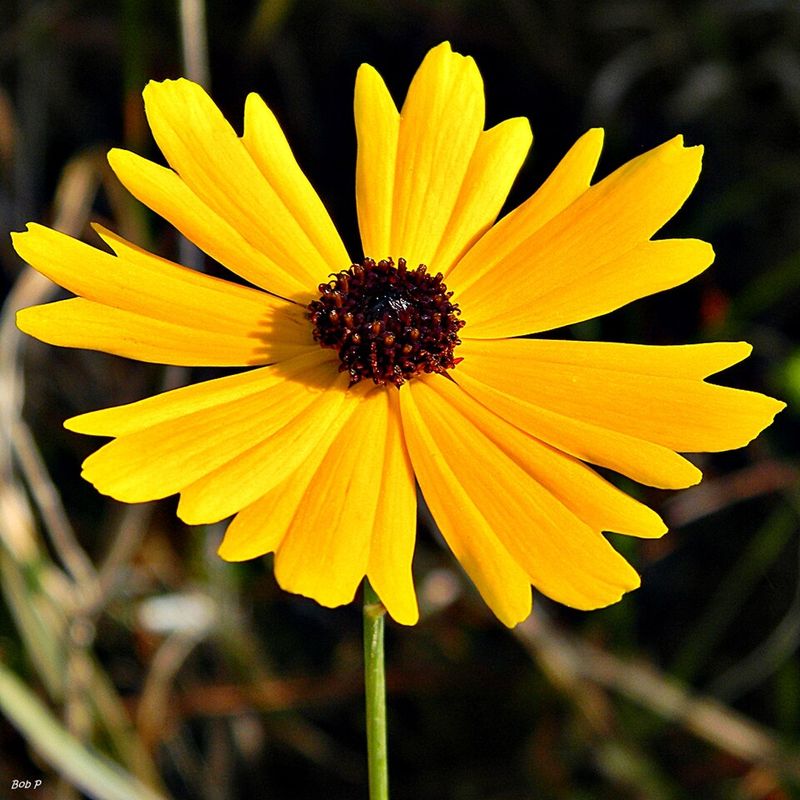
One of the nicest things about growing tickseed is how quickly it turns into a pollinator stop. Bees, small butterflies, and other beneficial insects seem to find it fast, especially when flowers are open across a broad patch.
That activity gives the garden more movement and makes the planting feel alive from morning into evening.
If you are trying to support wildlife without committing to something fussy, this is a practical choice. I would let a few late-season flowers remain so seed can develop and the patch keeps some natural rhythm.
You get beauty, color, and a little ecological value.