
The Simple Trick North Carolina Gardeners Use For More Lantana Blooms
Follow us on Google
Lantana can look amazing in North Carolina heat, but many plants slow down after that first big wave of color. The trick local gardeners rely on is surprisingly simple: a light midseason trim at the right time.
Done well, it pushes the plant to branch, reset, and bloom harder instead of getting leggy and tired. If you want fuller mounds and brighter flower clusters from summer into fall, this is the habit worth stealing.
Give Lantana a Midseason Haircut
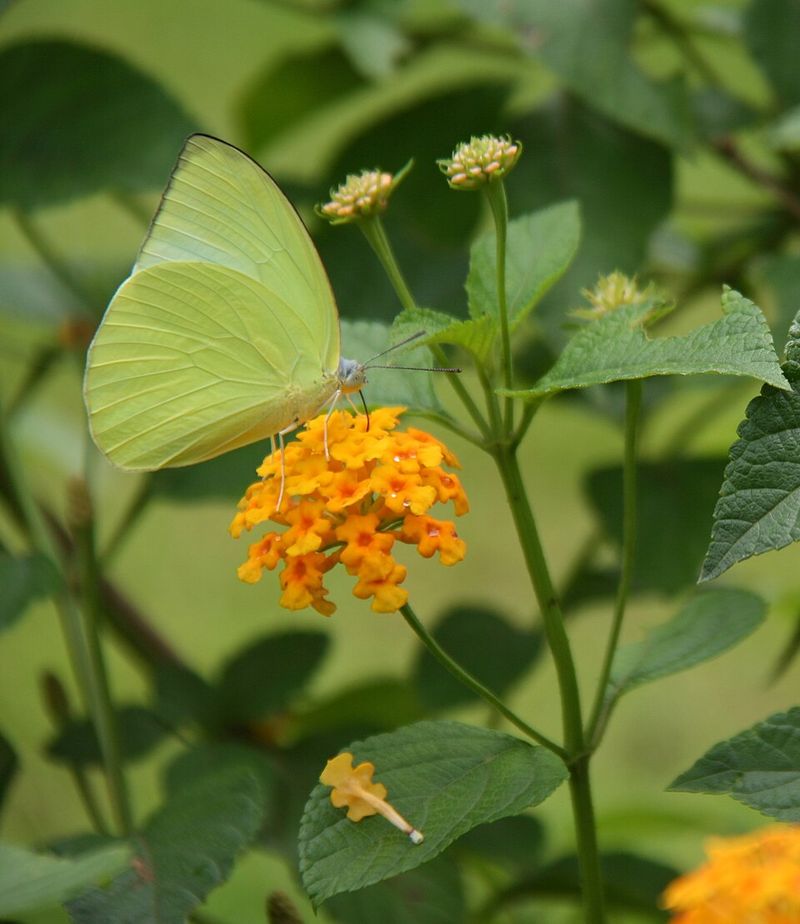
After the first heavy flush of flowers, many lantana plants start stretching instead of blooming. That is the moment North Carolina gardeners reach for pruners and take off a few inches from the longest stems.
A light haircut signals the plant to branch again, which means more tips and more flower clusters in the weeks ahead.
The goal is not a hard chop to the ground in July. You only want to shorten lanky growth, remove spent flower stems, and keep the mound compact enough to catch full sun evenly.
In the Piedmont and coastal plain, this simple reset often lines up with the hottest part of summer, when lantana responds fast.
Clean cuts matter more than people think. Snip just above a leaf set or side shoot so new growth starts where you want it, then clear away the clippings to improve airflow.
If your plant looks tired, sparse, or top heavy, this little trim is often the difference between a fading display and a second round of nonstop color that carries your containers and borders well into fall.
Time Trimming After The First Flush
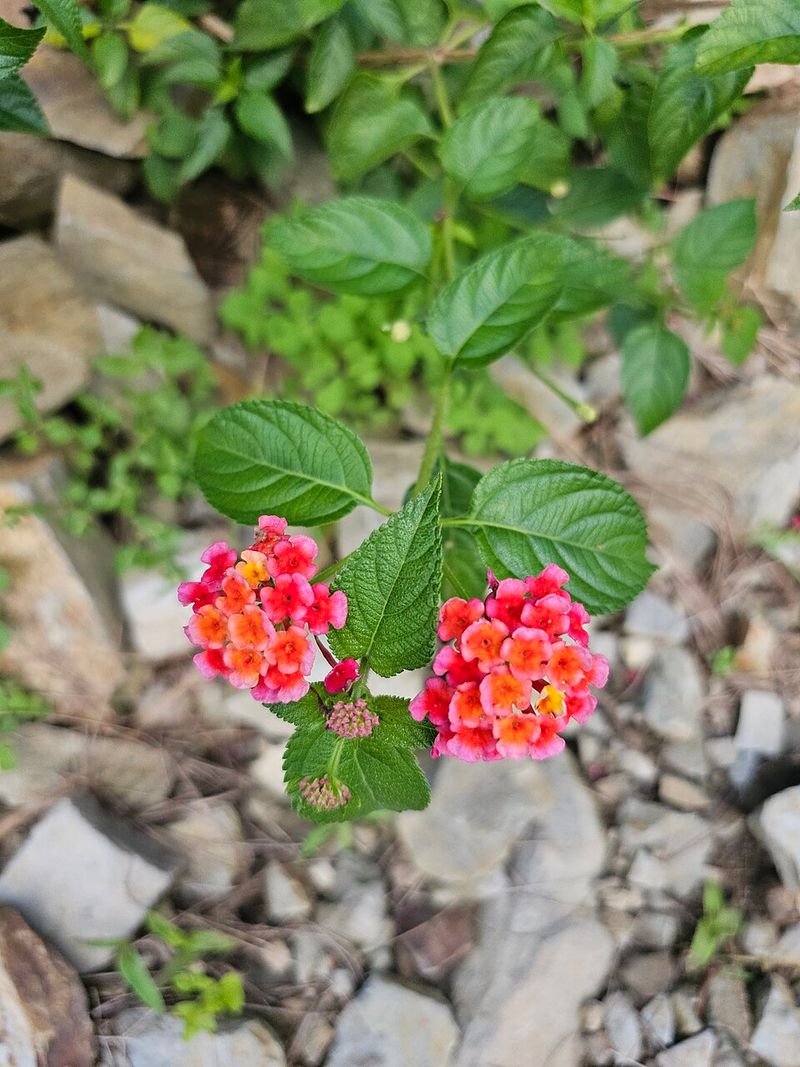
Timing makes the trick work. If you trim too early, you cut off buds that have not finished their show, and if you wait too long, the plant spends energy making seed and woody stems instead of fresh flowering growth.
The sweet spot usually comes right after the first big bloom cycle starts fading and the plant looks a little loose.
Across North Carolina, that window often lands in early to midsummer, though mountain gardens may run slightly later than Raleigh or Wilmington. Watch the plant instead of the calendar.
When the flower clusters are mostly spent, stems are getting long, and the mound is opening in the middle, it is ready for a quick reset.
A simple routine keeps things easy. Spend five minutes every week checking for faded heads and another ten minutes every few weeks doing a light shaping trim.
That steady attention prevents the plant from getting scraggly, and it avoids the shock of a heavy cut. You end up with cleaner lines, stronger branching, and far more flowers than a gardener who waits until August and wonders why the color show has thinned out.
Cut Just Above Healthy Leaf Nodes
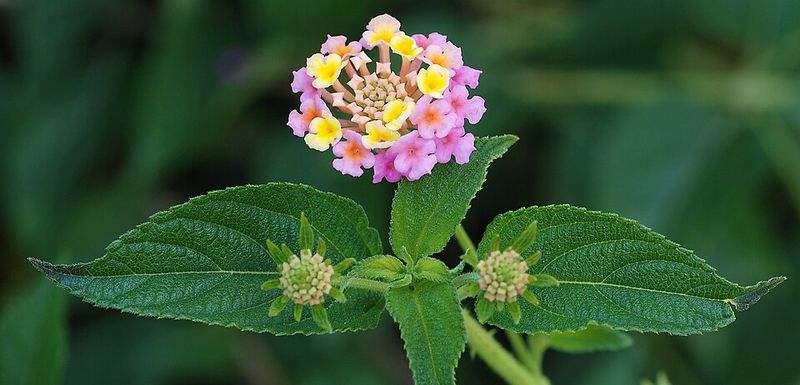
Placement matters as much as timing. Random snips leave awkward stubs, but cutting just above a healthy leaf node or side shoot tells the plant exactly where to push new growth.
That small detail helps lantana fill in faster, so you get a denser shape instead of long bare stems with flowers only at the tips.
Look for green, active growth before making each cut. If a stem is thin, woody, or crossing through the middle of the plant, shorten it to a point where fresh leaves are waiting below.
Gardeners in hot North Carolina summers appreciate this method because it encourages quick regrowth without forcing the plant to waste energy on damaged tissue.
Sharp pruners are worth keeping nearby for this job. Clean blades make smooth cuts that heal faster, especially during humid weather when ragged wounds can invite trouble.
As you trim, step back every few minutes and check the outline so the plant keeps a rounded, airy shape. That little pause prevents overcutting and gives you a lantana that looks intentional, not hacked, while setting up a fresh wave of buds across almost every branch tip.
Feed Lightly Instead Of Overdoing Fertilizer
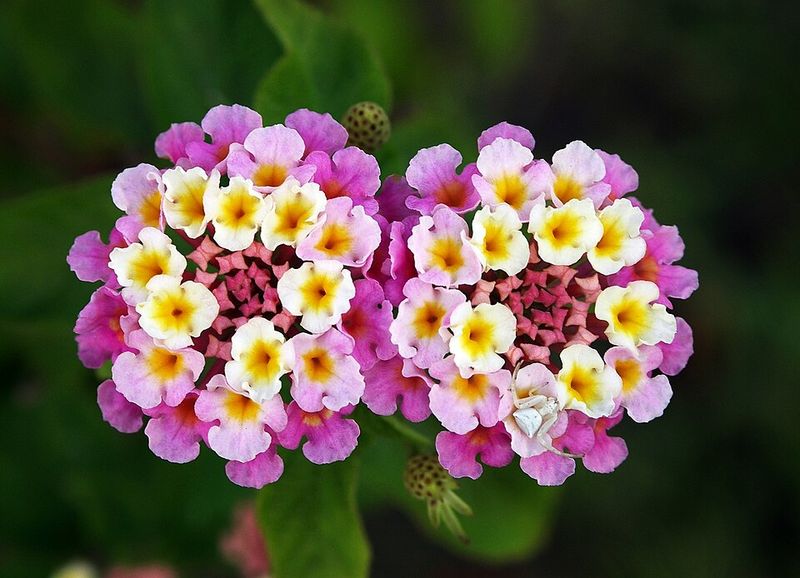
More fertilizer sounds helpful, but lantana usually blooms better when feeding stays modest. Too much nitrogen pushes soft leafy growth, and that can leave you with a bigger plant but fewer flowers.
In North Carolina soils, especially where beds already get compost or slow release feed, restraint often produces the better display.
After a light trim, use a small amount of balanced fertilizer only if the plant truly needs a boost. Pale leaves, weak growth, or tired container plants can benefit, but established lantana in the ground often does fine with very little help.
A half strength liquid feed or a light sprinkle of slow release product is usually enough to support new buds.
Water it in well and then stop fussing. Gardeners who keep adding plant food every week often end up chasing growth they do not want, especially during long hot spells.
If your lantana looks green, sturdy, and reasonably vigorous, let sunlight do most of the work. The combination of a timely haircut, moderate feeding, and patience gives better bloom production than constant pampering, and it keeps the plant compact enough to hold its shape through the strongest stretch of summer heat.
Water Deeply Then Let Soil Dry Slightly
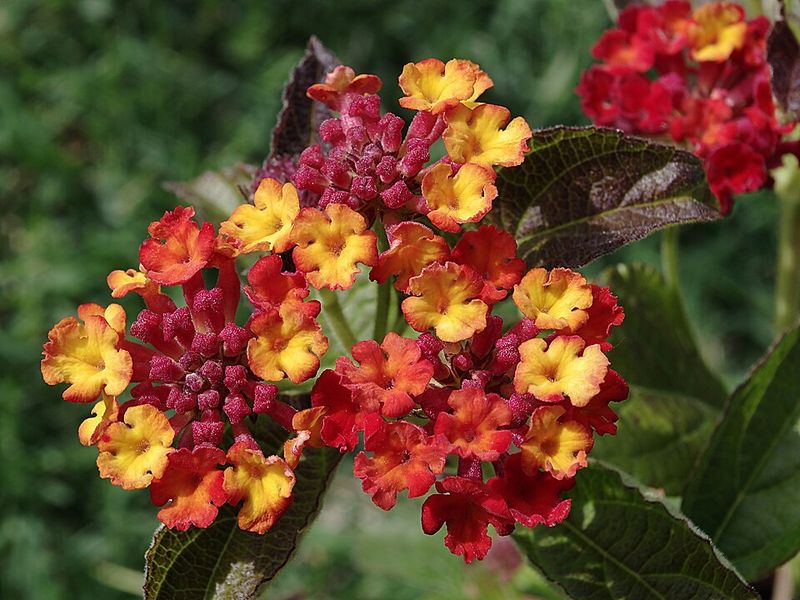
Lantana likes warmth and handles dry spells better than many summer flowers, but bloom production still suffers when watering swings from bone dry to constantly soggy. The smartest approach is a deep soak, followed by enough time for the top layer of soil to dry slightly.
That pattern encourages stronger roots and steadier flowering through North Carolina heat.
Freshly planted lantana needs more attention than established clumps. In the first weeks, water when the soil begins to dry a couple inches down, then gradually stretch the interval as roots settle in.
Once the plant is established, daily splashing can actually work against you by keeping roots shallow and stressing the plant faster in hot afternoons.
Containers are the one place where you need to stay more alert. Porch pots near brick walls or reflective patios can dry out quickly, especially in July and August, so check them often and water thoroughly until excess runs out the bottom.
In garden beds, mulch helps hold moisture without keeping the crown too wet. Pair that watering rhythm with light trimming, and you give lantana exactly what it wants: enough moisture to rebound and bloom, without the excess that encourages weak growth and fewer flowers.
Keep Plants In True Full Sun
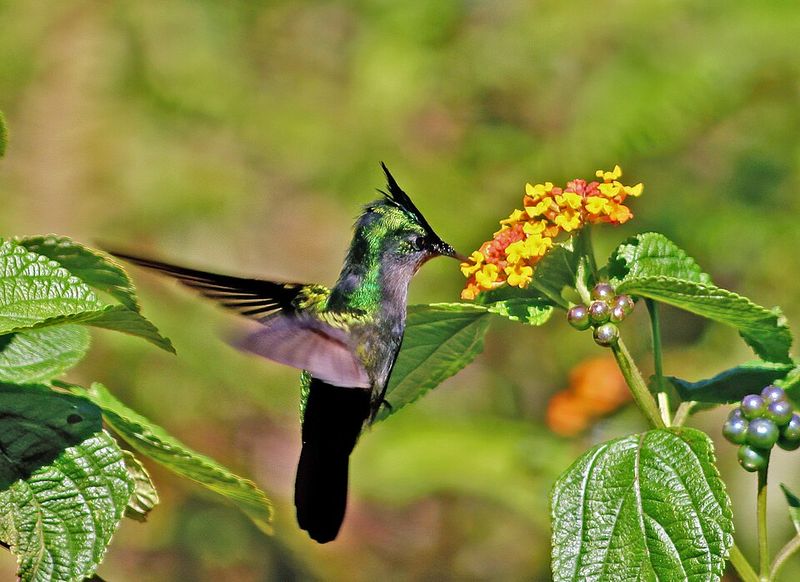
Sunlight is the quiet partner behind every successful trimming routine. You can prune at the perfect time, but if lantana sits in half shade, the plant rarely responds with the same flood of color.
For the best bloom set, aim for at least six hours of direct sun, and more is usually better in most North Carolina landscapes.
Morning sun with bright afternoon exposure works well, especially where air circulation stays good. Trouble usually starts when nearby shrubs, porch railings, or fast growing annuals begin casting more shade than you realized in June.
A plant that bloomed heavily in spring can slow down by midsummer simply because the light changed around it.
Watch for clues that sun is the missing piece. Long stems, wider gaps between leaves, and fewer flower clusters near the base all point to a plant reaching instead of blooming.
If the location is the problem, a midseason trim helps only temporarily. Move container plants into stronger light, or plan to relocate in-ground lantana during the next suitable season.
Gardeners often blame fertilizer or watering first, but stronger sun is frequently the real reason one lantana looks packed with color while another nearby plant seems healthy enough yet never quite reaches its blooming potential.
Deadhead And Tidy Until Fall Frost
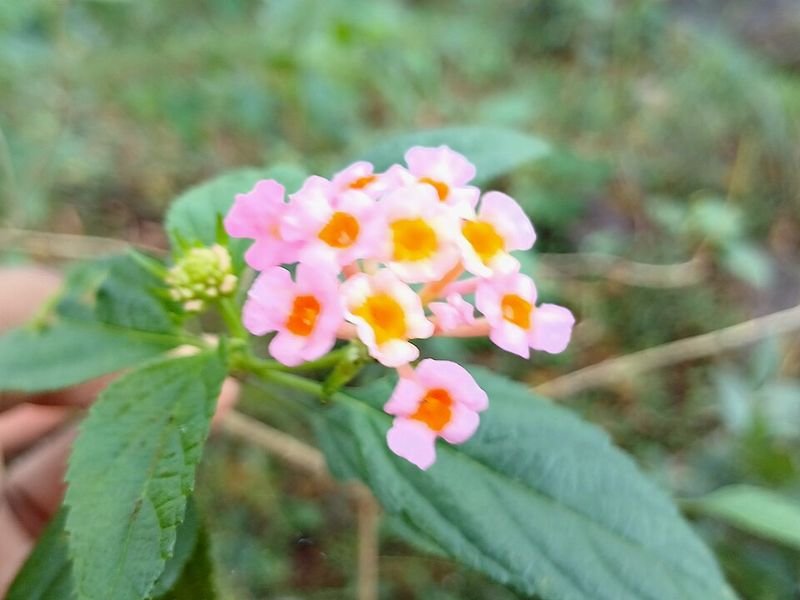
The simple trick does not end with one haircut. After that midsummer trim, regular deadheading and quick touch-up cuts keep the plant focused on flowers instead of seed production.
In North Carolina, that extra bit of tidying can stretch the display right through warm autumn weeks, especially in areas where frost arrives late.
You do not need a long weekend for this. While walking the garden, pinch off faded clusters, remove any stray stems breaking the shape, and clear damaged growth after storms or heavy rain.
Those small corrections keep the mound dense and attractive, which means every branch has a better chance to push fresh buds before the season slows.
Fall can bring a strong second act for lantana when summer care has been consistent. Shorter days and slightly cooler nights often make flower color look even richer, particularly the oranges, yellows, and hot pinks that stand out beside mums and ornamental grasses.
Keep feeding light, keep watering sensible, and continue deadheading until cold weather finally wins. If you stay on top of those little tasks, your lantana will not limp to the finish line.
It will look polished, energetic, and full of bloom clusters at a time when many other annual style color plants have already started to fade.