
8 Low-Growing Plants That Keep Florida Walkways Looking Neat
Follow us on Google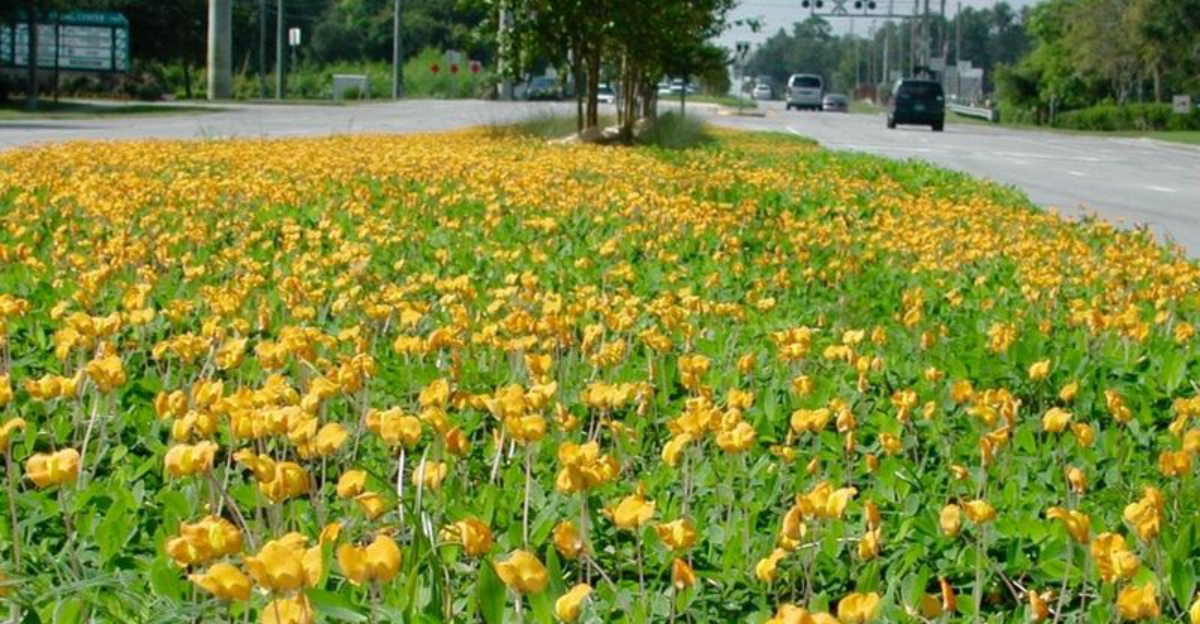
A tidy walkway can make the whole yard feel more polished, especially in Florida where fast growth can get messy in a hurry. The trick is choosing plants that stay low, handle heat and humidity, and soften hard edges without swallowing the path.
You also want options that look intentional year-round, not scraggly after one wet season. These compact picks do exactly that while keeping maintenance realistic for busy homeowners.
Dwarf Mondo Grass
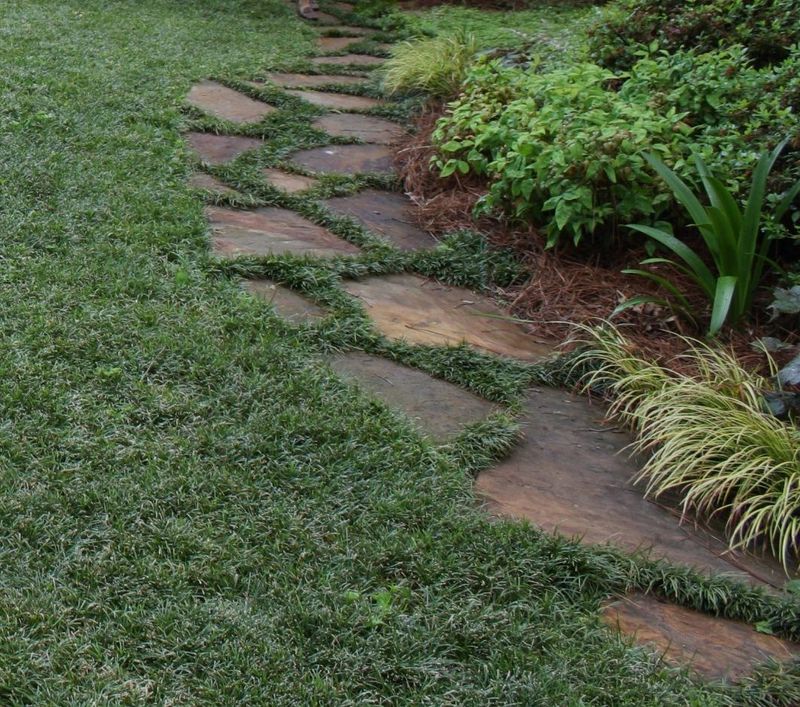
If you want a walkway border that stays polished without constant trimming, this compact grass-like plant earns its spot quickly. The deep green tufts form a soft ribbon along pavers, and in Florida’s heat they hold color better than many fussier edging choices.
I like how it gives a finished look without spilling far into the walking space.
Because the blades stay short and dense, the planting reads clean even when the rest of the garden is growing fast. It works especially well beside stepping stones, curved brick paths, or front entries where a crisp outline matters.
You can plant it close enough to create a continuous edge, yet each clump still looks refined instead of bulky.
Morning sun or bright shade tends to produce the best appearance in most Florida yards. Once established, it needs only occasional water during dry spells and a light cleanup if old blades collect at the base.
That low-maintenance habit is a real relief when summer storms already keep the yard work list long.
For homes with a formal or understated style, this choice feels dependable and tidy all year. It will not deliver flashy flowers, but it quietly makes everything around the walkway look more intentional and cared for.
Perennial Peanut
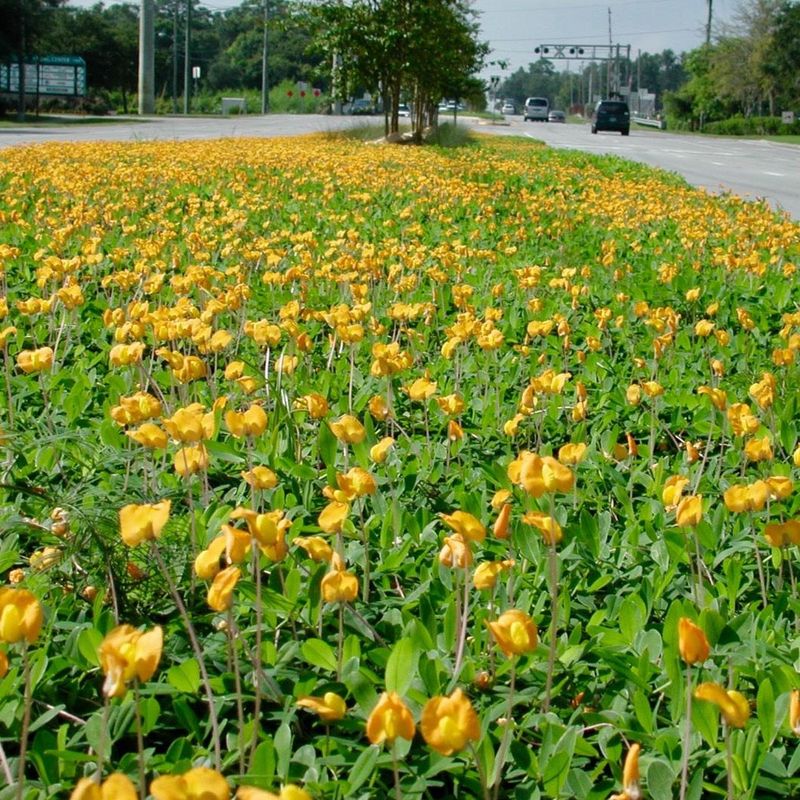
Sunny paths in Florida often need a groundcover that can take heat, bounce back from rain, and still look cheerful. This one spreads into a low mat of soft foliage and bright yellow flowers, giving your walkway a cared-for edge without the fussy feel of traditional bedding plants.
You get color and coverage at the same time, which is hard to beat.
Because it stays fairly low, it softens the line of concrete or brick instead of hiding it. The stems weave together neatly, so bare spots fill in and the planting starts to look intentional rather than patchy.
I especially like it along long side-yard paths where full sun can make other plants look tired by midsummer.
Once established, it handles drought better than many flowering groundcovers and usually needs little fertilizer. A light trim every so often keeps it from creeping too far toward the walkway, but it rarely becomes an all-consuming maintenance project.
That matters if you want a yard that looks good without spending every weekend correcting overgrowth.
Pollinators appreciate the blooms, and homeowners appreciate the way it brightens a path without adding height. If your goal is neat, sunny, and practical, this plant checks every one of those boxes in a Florida landscape.
Sunshine Mimosa
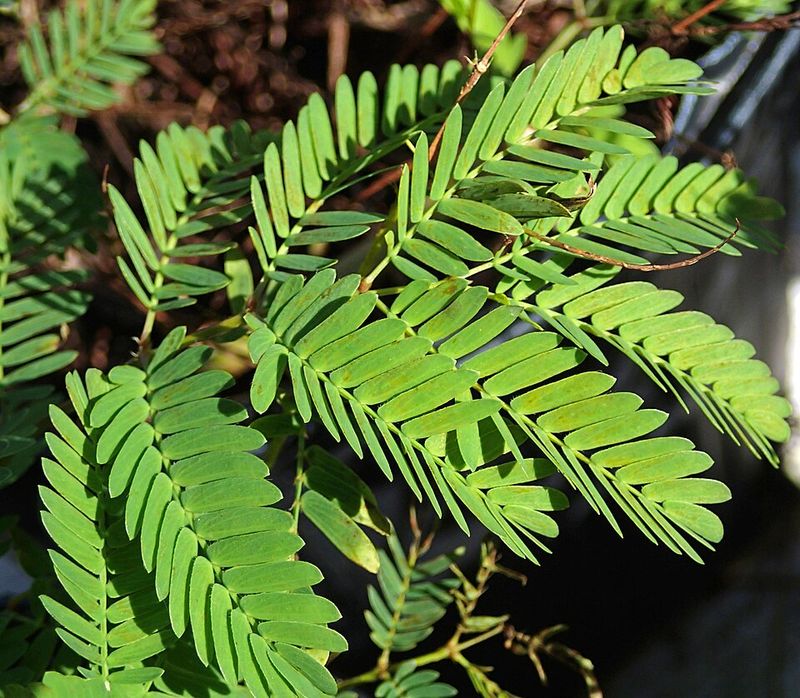
A walkway can feel softer and more inviting when a playful groundcover hugs the edges instead of stiff shrubs. This Florida favorite spreads low to the ground with ferny foliage and pink pompom flowers that catch attention without blocking the path.
The texture alone makes a simple concrete walk look more designed and less utilitarian.
Even better, the foliage stays close to the ground, so the border looks relaxed but not shaggy. It is a smart fit beside casual front walks, mailbox paths, or stepping-stone routes where you want movement and color without anything tall leaning into your legs.
Children usually notice the sensitive leaves too, which fold when touched and add a fun detail to the yard.
Full sun helps it flower best, and decent drainage keeps it happiest through Florida’s wetter stretches. It may wander beyond its original space, so occasional edging helps maintain a clean line along paving.
That small bit of maintenance is worth it if you want a groundcover that feels lively and still keeps the walkway readable.
In places where plain turf struggles to look interesting, this plant offers charm with a lower profile. The overall effect is neat but not rigid, which can be exactly right for homes that want curb appeal with a more natural personality.
Blue Daze
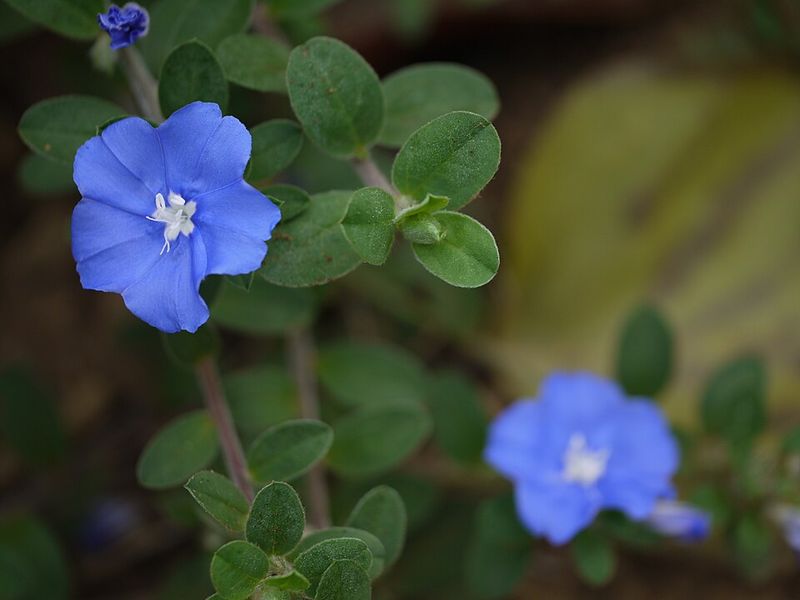
Few low plants make a Florida walkway feel as fresh as a ribbon of silvery foliage dotted with sky-blue blooms. This trailing favorite stays close to the ground, softening the edge of pavers without turning into a tangled mess.
I reach for it when a path needs color but not a bulky planting that crowds the route.
The small flowers open best in sunshine, giving the border a gentle wash of blue that pairs beautifully with white stone, red brick, or shell paths. Since the stems stay low and light, the planting looks airy rather than heavy.
That makes it useful near entry walks where you want a clean appearance from the street and from the front door.
Good drainage is important, especially in Florida’s rainy season, and too much shade can thin the bloom show. A light trim now and then encourages fullness and keeps the shape tidy along the path.
The maintenance is simple enough that even busy homeowners can keep it looking intentional without much effort.
Containers can echo the same plant nearby if you want the walkway to feel coordinated. For bright, warm spots where many small flowering plants burn out, this one keeps offering color while staying politely low and easy to manage.
Society Garlic
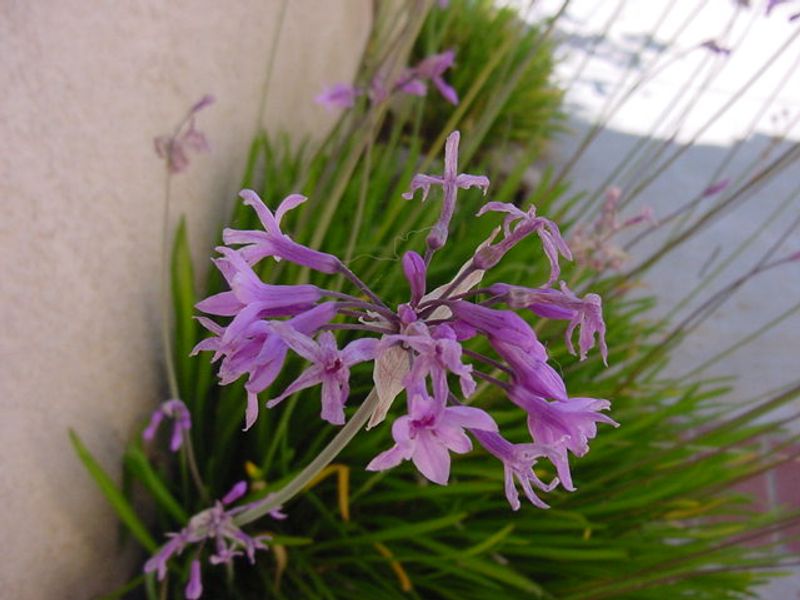
For a walkway that needs tidy vertical texture without a lot of spread, this clumping perennial does the job beautifully. The narrow leaves stay upright and organized, while lavender flowers float above the foliage often enough to keep the border from feeling plain.
You get structure and a little color without committing to a higher hedge or floppy perennial.
Because it forms defined clumps, it works well where you want each plant to read clearly along the path. It can line straight modern walkways just as well as curved cottage-style paths, and the repeating shape brings order to the landscape.
I also like that the foliage remains attractive even when the plant is not in bloom.
Full sun gives the best flowering, though it tolerates some light shade in many Florida gardens. Once established, it handles heat and occasional dry periods with very little complaint, and dividing older clumps is simple if you want more plants.
That easy routine makes it practical for homeowners who prefer dependable borders over high-maintenance showpieces.
The leaves have a mild onion scent when brushed, which some people find useful around walkways visited by pets or browsing pests. If neatness matters most, this plant delivers a crisp, disciplined look without feeling stiff or overly formal.
Asiatic Jasmine
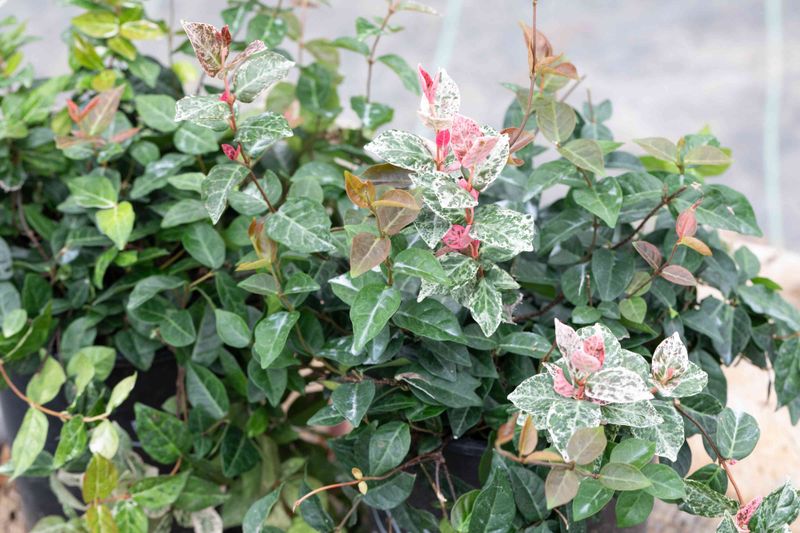
Shadier walkways often need a plant that covers ground fast but still reads neat from the porch or driveway. This evergreen groundcover forms a dense carpet of glossy leaves that hides bare soil and gives a finished edge to paths.
In Florida landscapes, that dependable coverage can make the difference between a walkway looking maintained or forgotten.
As it fills in, the foliage creates a smooth, uniform layer that keeps weeds from gaining much traction. That dense habit is especially useful beside side-yard paths, air-conditioning runs, or front walks under oaks where turf usually struggles.
You get a cleaner outline with less patchiness, and the space feels calmer right away.
It can climb if planted too close to walls or shrubs, so occasional trimming keeps the growth focused where you want it. Along a walkway, a simple edging pass now and then usually maintains a controlled look.
I appreciate plants that reward a small amount of attention instead of demanding constant rescue work after every rainy spell.
Once established, it handles heat, humidity, and partial shade with impressive reliability. If your goal is a low, polished border that looks steady through changing weather, this is one of the easiest ways to frame a Florida path and keep it looking consistently neat.
Frogfruit
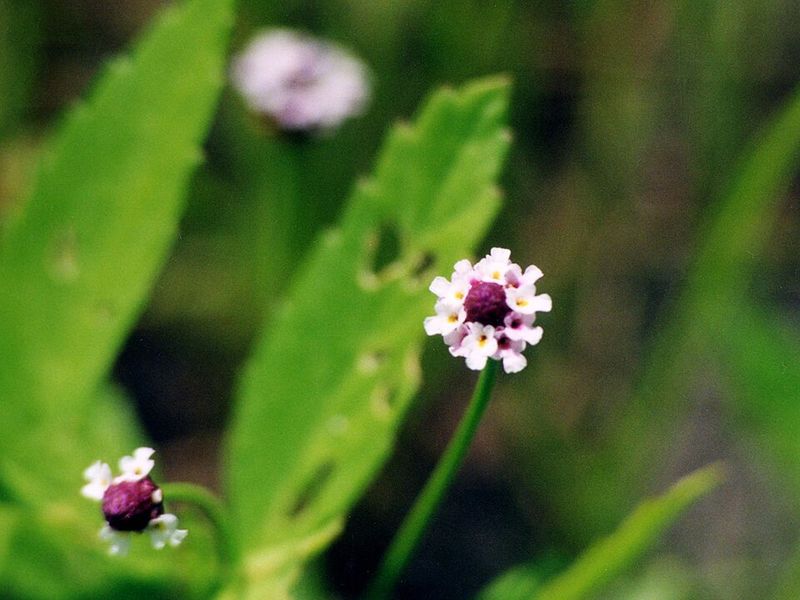
Native planting can still look orderly, and this low grower proves that point beautifully along Florida walkways. It spreads into a close mat, carries tiny flowers that attract pollinators, and stays low enough to keep the edge of the path visible.
That balance between ecological value and neat appearance is something many homeowners are trying to find.
The texture is finer than many people expect, so it reads softer and more intentional than a random patch of weeds. It fits well beside stepping stones, informal shell paths, or cottage-style brick walks where a natural look is welcome but overgrowth is not.
I like it for spaces that need to blend with the surrounding landscape rather than stand apart from it.
Sun to part shade works well, and once rooted, it tolerates drought and foot traffic better than many delicate groundcovers. It may spread beyond its initial line, so a light trim or edging once in a while keeps the border clean.
That small effort pays off by giving you a path that feels relaxed and still clearly maintained.
Because it is native, it often supports local insects better than imported options while requiring less pampering. If you want a walkway planting that looks casual, useful, and quietly attractive, this one deserves a closer look in Florida yards.
Dwarf Ruellia
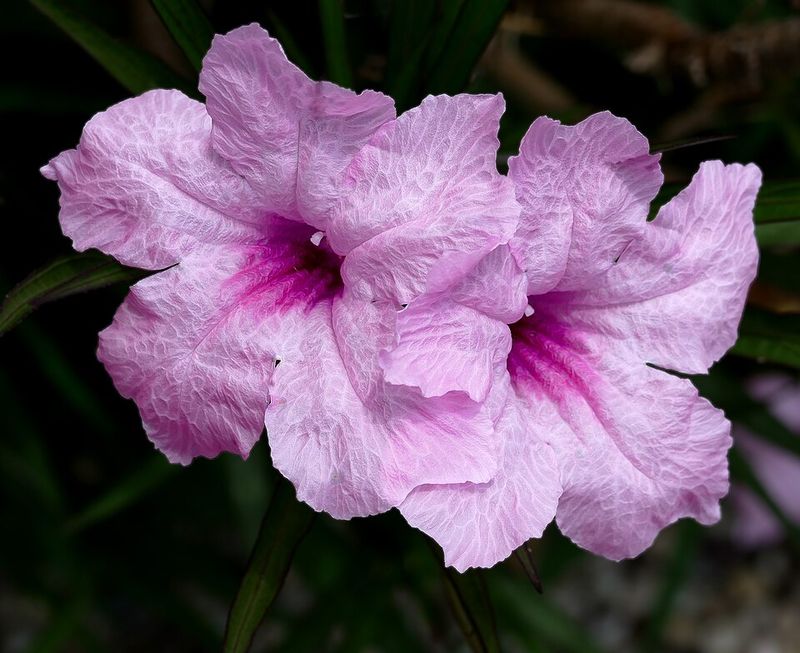
A compact flowering border can make a plain walkway feel far more inviting, especially when the blooms keep coming through the warm season. This smaller ruellia stays low enough for edging and adds purple flowers that brighten the path without creating visual clutter.
You get color close to the ground, which is useful when taller shrubs already frame the rest of the yard.
The foliage forms tidy clumps, so the planting looks deliberate instead of sprawling all over the paving. It works well along front entry walks, poolside paths, and narrow side routes where every inch matters.
I find it especially helpful when a landscape needs a repeated accent that stays readable from a distance.
Full sun to light shade suits it well in most parts of Florida, and regular watering during establishment helps it settle in quickly. After that, maintenance is usually limited to occasional grooming and dividing older clumps if they become crowded.
That simple care routine makes it easier to keep the walkway border looking consistent instead of constantly patched together.
Choosing sterile or noninvasive selections is important, so you get the beauty without future headaches. For homeowners who want dependable purple color in a low, manageable plant, this option can keep a path looking neat and pleasantly lively.