
These Florida Flowers Keep Blooming Strong Through Summer Heat
Follow us on Google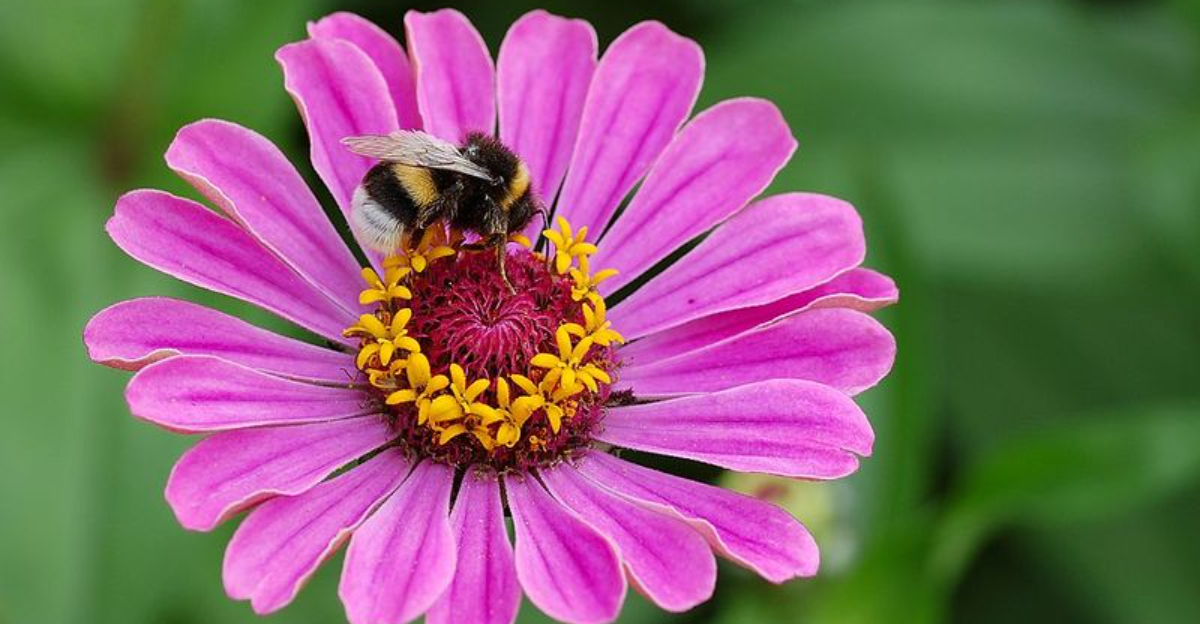
Florida summer does not politely test your garden – it pushes every plant to prove it belongs there. If you are tired of flowers that fade the moment the heat and humidity settle in, the right picks can keep color going for months.
These bloomers handle scorching afternoons, warm nights, and sudden downpours without acting fragile. A few smart choices now can give you a yard that still looks cheerful when everything else seems wilted.
Pentas
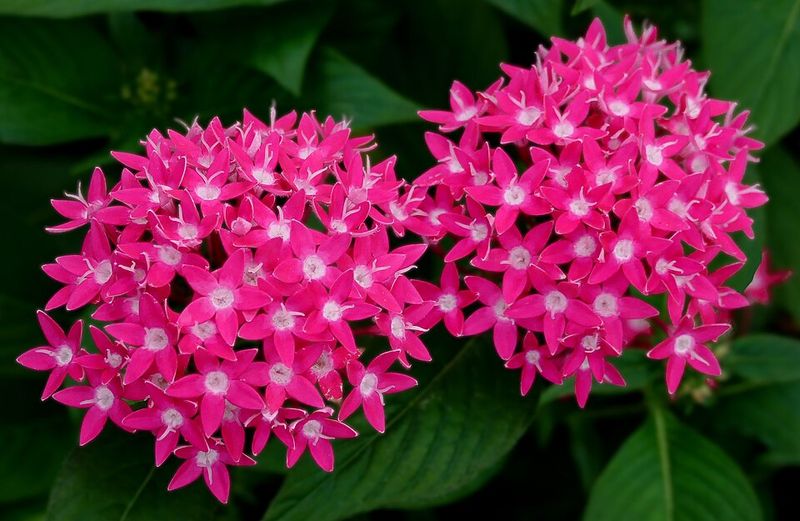
Heat has a way of exposing weak performers fast, and this one keeps showing up like it actually enjoys July. Pentas bloom in rounded clusters that hold bright color through steamy afternoons, which makes them a reliable pick when beds start looking tired.
You also get a steady parade of butterflies, so the plant earns its space even when you want more than just pretty petals.
Full sun brings the best flowering, though a little afternoon relief can help in the hottest inland spots. I would plant it in well-drained soil, then water regularly until roots settle in, because strong establishment matters more than constant pampering later.
Once it is going, pentas handles humidity well and keeps blooming if you remove spent clusters every so often.
Containers, borders, and mailbox beds all suit this flower nicely, especially if your yard needs color that reads from a distance. Red and hot pink varieties stand out against stucco homes and palm-heavy landscaping without feeling fussy.
If you want a summer bed that still looks lively after a week of brutal weather, this is one of the easiest wins.
Madagascar Periwinkle
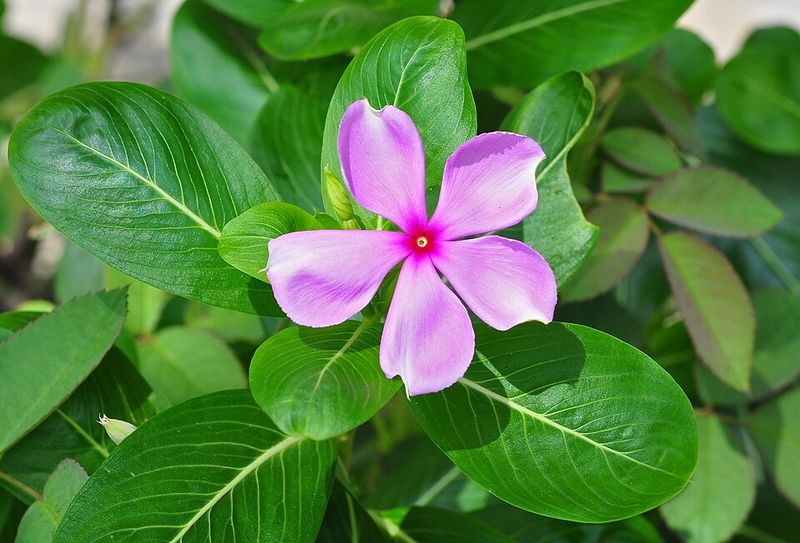
Some flowers collapse after one soggy week or one scorching day, but vinca usually keeps its composure. The glossy leaves stay neat, the blooms keep coming, and the plant looks clean enough for formal beds while still fitting casual front-yard plantings.
That balance makes it especially useful when you want dependable color without turning garden care into a second job.
Sun is essential, and drainage matters even more than frequent watering once plants are established. I would avoid crowding them, because tight spacing can invite disease in humid weather, and Florida air already gives fungi plenty of confidence.
Give each plant room, let the soil dry slightly between waterings, and you will usually get better growth than you would from overhelping.
Pink, white, red, and bi-color blooms all work, but masses of one shade often look strongest from the curb. Vinca is excellent for sidewalks, medians, and hot reflected-heat spots near driveways where fussier flowers start looking offended.
If your goal is a polished summer display that survives missed watering days and still flowers through the heat, this one deserves a top spot.
Zinnia
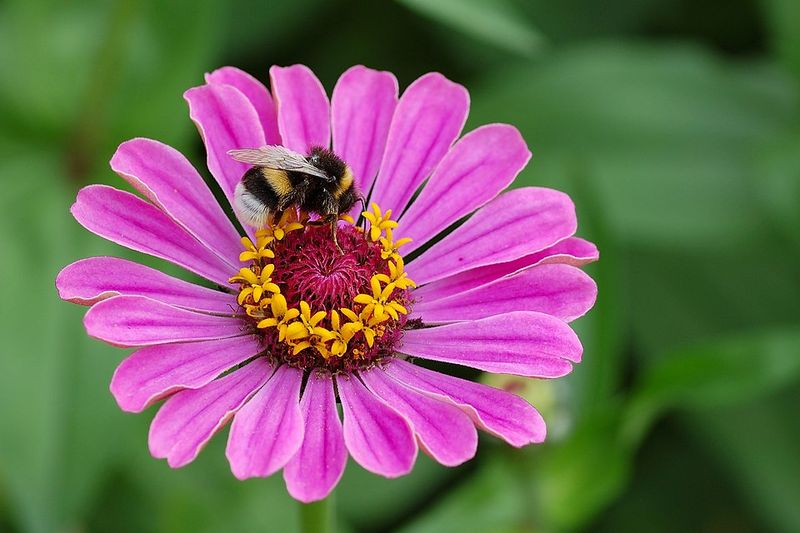
Bold color is easy to appreciate when the rest of the yard starts looking washed out, and zinnias bring that energy fast. Their daisy-like blooms come in saturated shades that hold attention from the street, and they flower heavily when many other annuals start losing momentum.
Butterflies love them too, so the bed feels active instead of static.
Good airflow is the secret if you are growing these in Florida humidity. I would sow or plant them where they get full sun all day, then resist the urge to pack them tightly, because crowded foliage invites powdery mildew.
Water at the base when possible, remove faded blooms often, and you can keep fresh flowers coming for weeks.
Taller types work beautifully toward the middle of a mixed bed, while compact selections are perfect for edging and containers. Cutting a few stems for the kitchen table actually helps encourage more buds, which feels like one of gardening’s better deals.
If you want cheerful color with a little old-fashioned personality and enough toughness for hot weather, zinnias can easily carry a summer planting without feeling delicate or demanding.
Blanket Flower
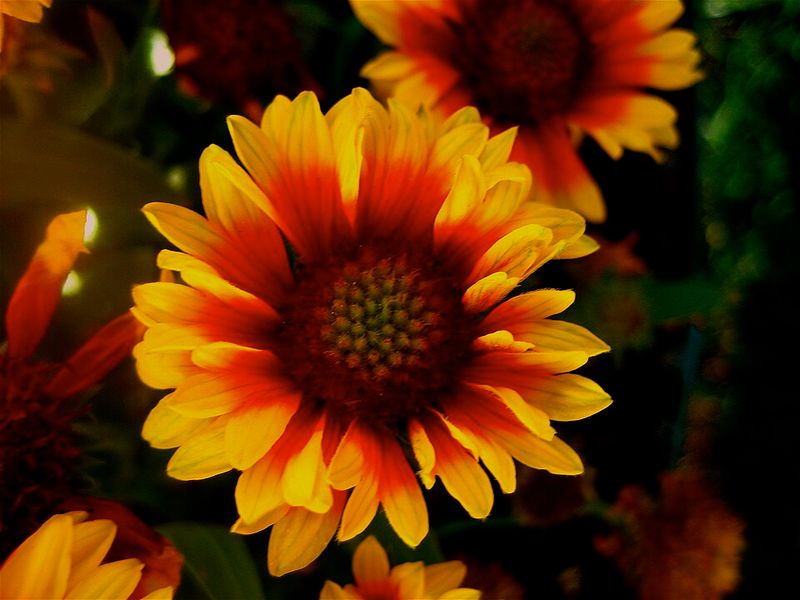
Dry, sandy spots can be frustrating until you find a flower that treats harsh conditions like a personal challenge. Blanket flower brings fiery red, orange, and yellow tones that look right at home in Florida landscapes, especially where the soil is lean and the sun feels relentless.
The blooms have a slightly wild character, which helps a bed feel lively rather than overmanaged.
Too much fuss usually does more harm than good here. I would plant gaillardia in full sun with excellent drainage, then avoid rich soil and heavy irrigation, because floppy growth and fewer blooms often follow excessive care.
Deadheading helps extend flowering, but even when you skip a round, the plant usually keeps producing enough color to stay worthwhile.
This is a smart choice for coastal gardens, xeriscapes, and front beds that get blasted by reflected heat. Pairing it with ornamental grasses or blue-toned foliage creates contrast that makes the warm flower colors look even richer.
If you are working with a tough site and want something that still reads cheerful in midsummer, blanket flower offers exactly the kind of resilience that earns repeat planting year after year.
Blue Daze
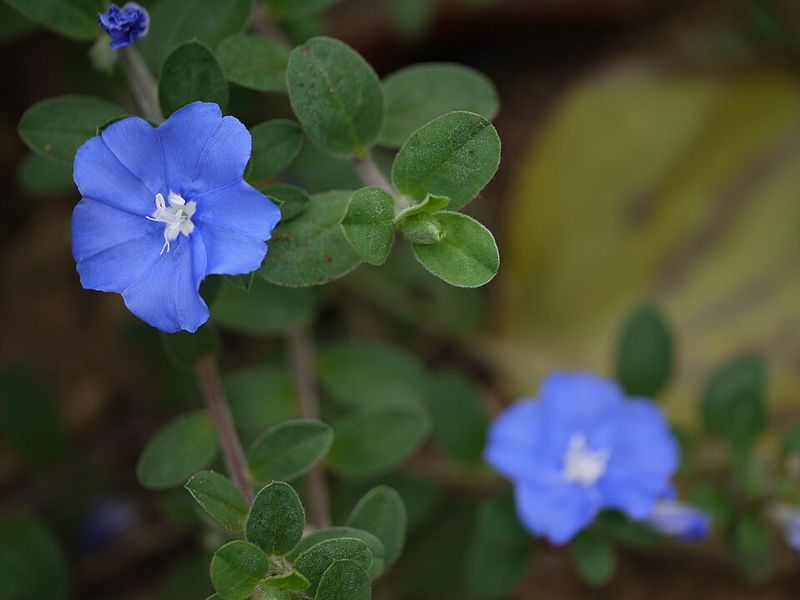
Cool color can be hard to find in summer gardens, which is why those soft blue blooms feel so refreshing. Blue daze spreads low, softens edges, and keeps flowering through heat that would flatten more delicate-looking plants.
The silvery green foliage also helps the whole planting look calm and tidy, even during the brightest part of the day.
Full sun is where this plant earns its reputation, especially in spots that bake for hours. I would use it in well-drained soil and avoid overwatering, because soggy roots are a bigger problem than dry afternoons once it settles in.
A light trim now and then keeps the shape compact and encourages another flush of flowers without much effort.
Trailing over a wall, spilling from containers, or lining a path all work beautifully with blue daze. The color pairs especially well with white pentas, yellow coreopsis, or terracotta pots that need something softer around the edges.
If your summer beds tend to feel visually hot and heavy, this flower gives you a cooler note while still handling Florida conditions like it was built for them.
Angelonia
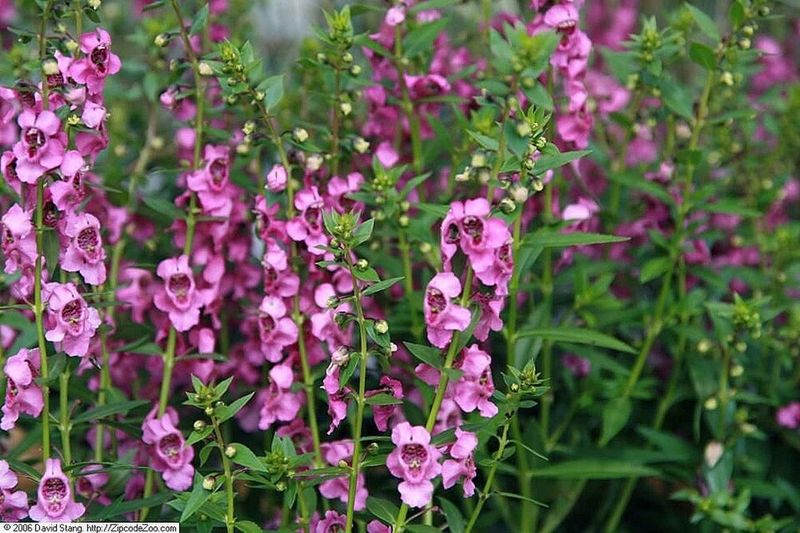
Not every summer flower needs to look casual, and this one brings a more upright, polished presence to the garden. Angelonia sends up spikes of blooms that resemble tiny snapdragons, but unlike true cool-season snapdragons, it keeps performing when the air turns hot and sticky.
That makes it incredibly useful if you want structure and color at the same time.
Long days of sun help produce the heaviest flowering, though plants also appreciate decent drainage and steady moisture during establishment. I would pinch young plants lightly if they seem sparse, because that encourages fuller branching without much delay.
After that, a modest trim in midsummer can refresh the shape and spark another strong wave of blooms.
Purple, white, and pink shades fit nearly any landscape palette, from tropical front beds to cleaner modern borders. The vertical form mixes especially well with mounding annuals, since it adds height without becoming stiff or unruly.
If your summer garden needs flowers that look neat in the heat, stand up after rain, and keep color coming without constant deadheading, angelonia is one of the smartest additions you can make.
Purslane
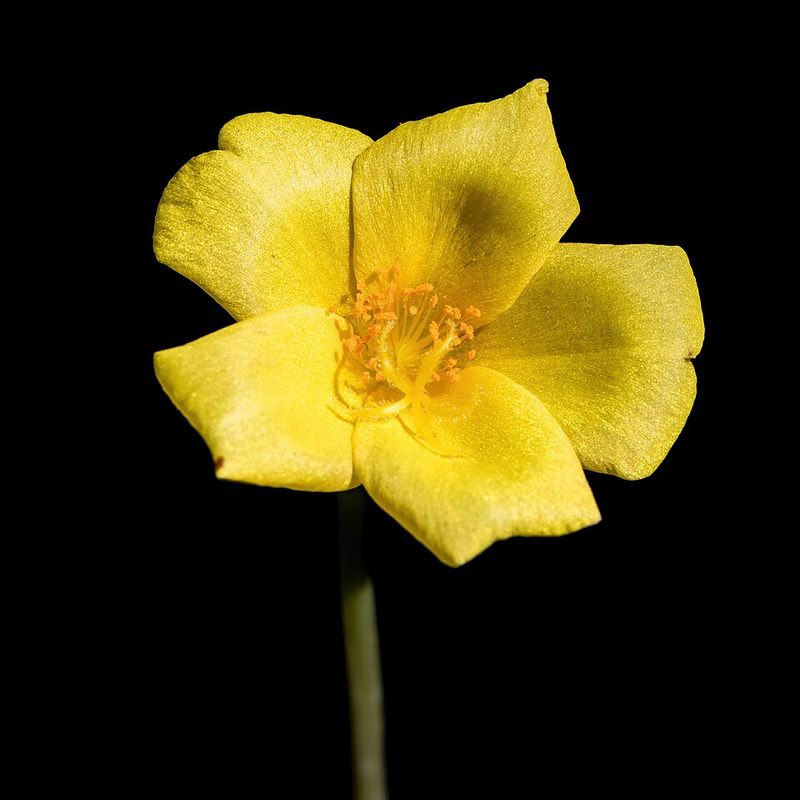
Hot pavement, reflected light, and dry containers usually make flowers struggle, but purslane thrives in exactly that kind of setup. Its succulent foliage stores moisture, the blooms come in electric colors, and the low spreading habit fills gaps quickly without looking messy.
On brutal summer days, it often looks fresher by afternoon than many plants do in the morning.
Sun is nonnegotiable if you want flowers open and abundant. I would place it where the soil drains fast, then water deeply but not constantly, because the plant performs best when it is not sitting wet.
Rich soil is unnecessary, and a leaner mix often keeps growth tighter and bloom production stronger through the season.
Hanging baskets, window boxes, curbside pots, and rock-edged beds are all good homes for this plant. Bright orange and hot pink selections are especially effective where you need color to punch through strong sunlight and pale hardscaping.
If you have a spot that cooks all day and regular bedding flowers seem personally offended by it, purslane is the kind of practical answer that still feels playful and eye-catching.
Coreopsis
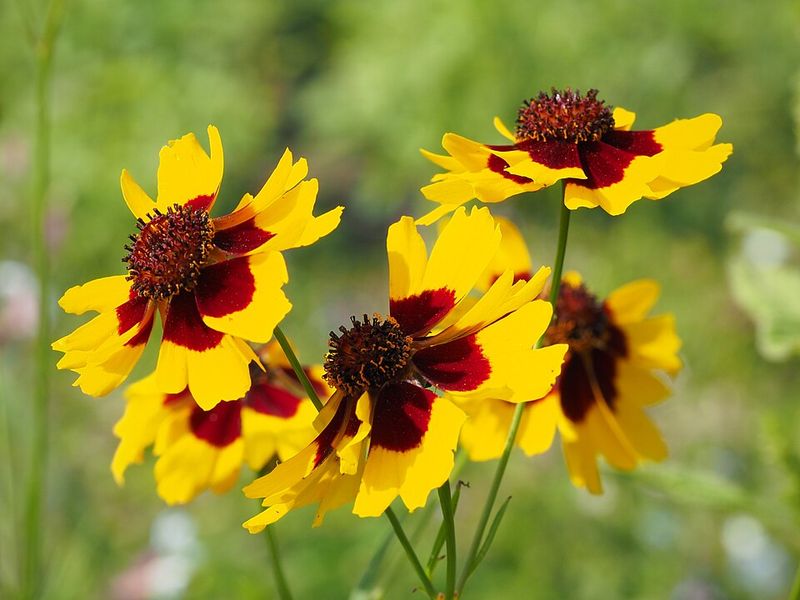
Florida’s state wildflower earns its popularity honestly, especially when summer starts testing every planting decision you made in spring. Coreopsis brings bright yellow blooms that read as cheerful from far away, and the airy stems keep beds from feeling heavy or overplanted.
It also fits naturally into both tidy suburban yards and looser native-style designs.
Most types need full sun and reasonably well-drained soil to perform their best. I would deadhead lightly if you want a cleaner look, though many gardeners let the flowers run a bit for a more natural appearance and continued pollinator activity.
Once established, coreopsis usually handles heat well, and it does not ask for constant correction to keep looking presentable.
Pairing it with blue salvia, purple porterweed, or low silver foliage creates a combination that feels distinctly Floridian without becoming predictable. It is also useful for filling awkward spaces where you need a bright, easy plant rather than something dramatic and high maintenance.
If your garden could use a native-leaning flower that keeps a sunny attitude through tough weather, coreopsis brings reliability, movement, and color in a very approachable package.
Salvia
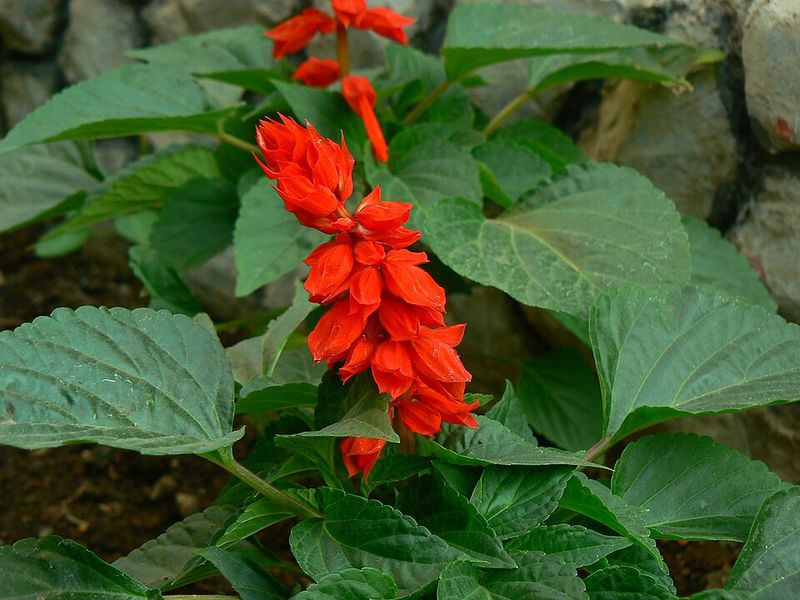
Hummingbirds make any garden feel more alive, and salvia gives them a reason to keep visiting through the hottest stretch of summer. Flower spikes rise above the foliage in vivid reds, blues, purples, or coral tones, adding movement and vertical interest that many mounding annuals cannot match.
The plant also tends to stay surprisingly unfazed by heat when given the right start.
Good drainage and plenty of sun go a long way here, especially for repeat blooming. I would shear plants lightly after the first heavy flush instead of fussing over every faded spike, because that simple reset often produces a fuller, cleaner second round.
Moderate watering is enough once roots are established, and overly rich feeding can create soft growth that flops sooner.
Salvia fits cottage gardens, pollinator borders, and newer Florida landscapes that need color with less drama. Red forms feel classic near entryways, while blue or violet selections cool down brighter planting schemes and pair beautifully with yellow flowers.
If you want a summer bloomer that supports wildlife, tolerates humidity, and keeps a strong upright shape even after hard rain, this one is easy to recommend.
Firebush
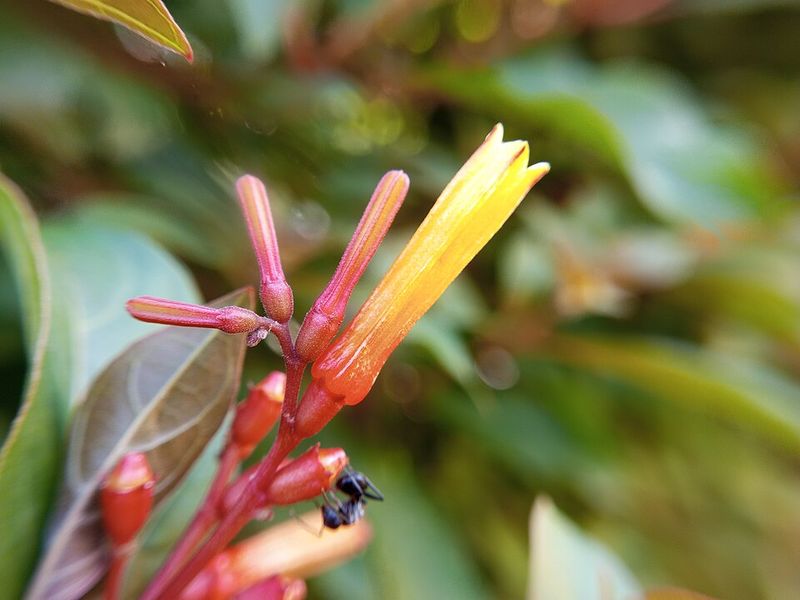
When a flower needs to survive Florida summer and still look exciting, a tougher shrub can sometimes outperform annuals. Firebush produces clusters of orange-red tubular blooms that keep hummingbirds and butterflies busy, and the plant handles heat, humidity, and heavy summer growth with impressive confidence.
It can act like a flowering anchor in the landscape when smaller bedding plants start fading around it.
Sun brings the heaviest blooming, although it can tolerate a bit of afternoon shade in hotter areas. I would give it room from the beginning, because firebush grows quickly in warm weather and looks best when it is not squeezed into a tiny corner.
Once established, it is fairly forgiving, and occasional pruning keeps the shape denser if you want a fuller display.
This is especially useful near fences, property edges, pool enclosures, or anywhere you need height along with color. The warm flowers glow against dark mulch and palm trunks, giving the yard a tropical look without relying on finicky plants.
If your goal is long-season bloom with strong wildlife value and enough stamina to handle real Florida conditions, firebush is one of the most dependable performers you can plant.