
8 Purple-Blooming Trees That Make Florida Streets Stand Out Every Spring
Follow us on Google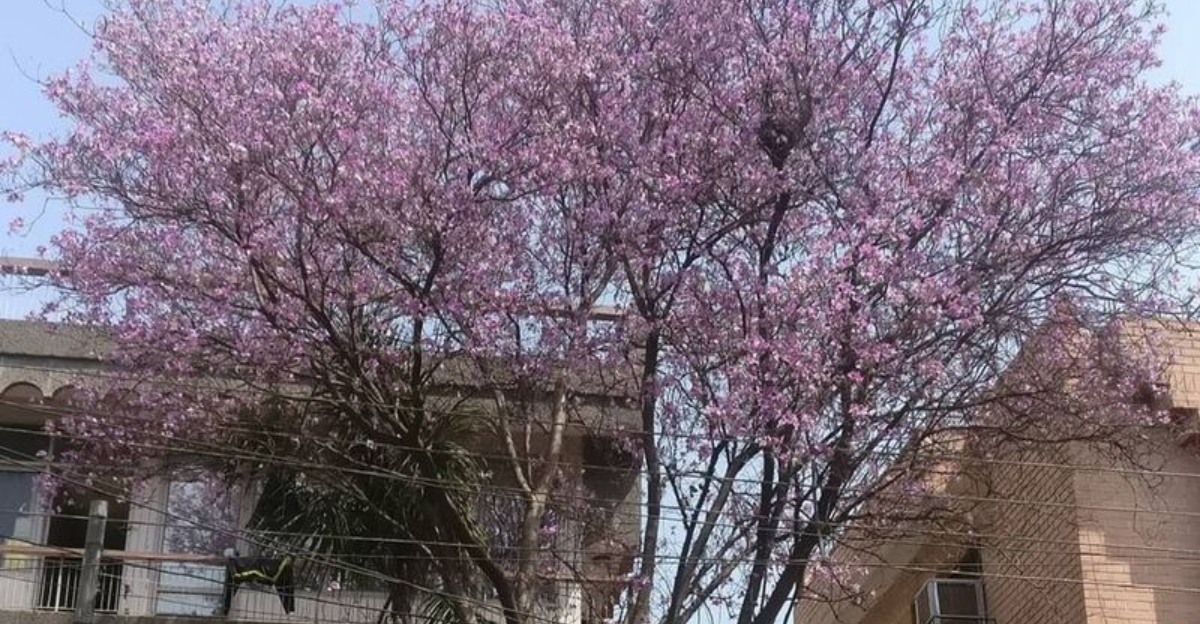
Spring in Florida is bright enough on its own, but purple-blooming trees add a level of color that stops traffic in the best way. Some drape whole streets in lavender shades, while others punch up a neighborhood with vivid orchid, violet, or rosy-purple blooms.
If you want to recognize the trees turning ordinary drives into postcard moments, these are the standout names worth knowing. A few are easy for home landscapes too, which makes them even more fun to spot.
Jacaranda
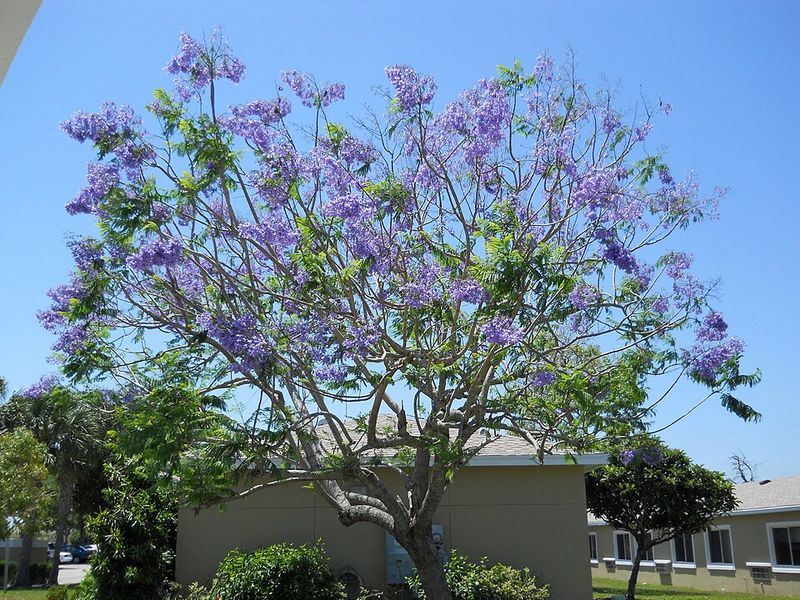
Nothing feels more cinematic in spring than driving beneath a canopy washed in soft violet, and that is exactly the effect this tree creates. Jacaranda brings ferny foliage and trumpet-shaped flowers that can make an ordinary Florida street look almost painted.
In warmer parts of the state, its bloom can be heavy enough to scatter lavender petals across sidewalks and parked cars.
You will usually notice the airy branching pattern before you identify the name, especially when the tree is still young. Once established, it prefers full sun, decent drainage, and a little patience, because the biggest floral displays come with maturity.
South and Central Florida generally suit it best, while colder inland freezes can knock back buds or tender growth.
Street appeal is where it earns its reputation. The crown is broad, the texture is light, and the color reads clearly from a distance without feeling heavy.
That combination makes it especially striking along wide avenues, near medians, or framing corner lots where the flowers can be seen against open sky.
If you are considering one for a yard, give it room. Surface roots, litter from spent blooms, and a spreading canopy mean it is better away from narrow planting strips, pools, and tiny patios.
When placed well, few spring trees in Florida create a more memorable purple show.
Purple Orchid Tree
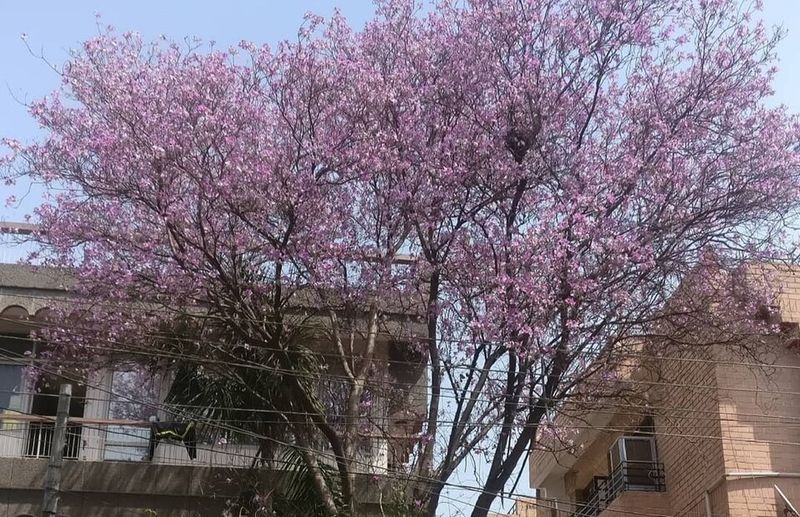
Big, orchid-like blossoms give this tree a tropical personality that feels perfectly at home in many Florida neighborhoods. Purple orchid tree blooms in shades ranging from rosy lavender to richer violet, and the flowers are large enough to grab your attention even from a passing car.
The rounded canopy also helps it read as a true ornamental centerpiece instead of background greenery.
You can spot it by its unusual leaves, which are often divided into two rounded lobes like a butterfly wing or camel hoof. That foliage adds interest long after the flowers fade, making the tree useful beyond its main bloom season.
In frost-free or lightly frosted areas, it performs best in full sun and well-drained soil.
Because the branching is often low and broad, this choice works especially well in front yards, courtyard plantings, and quiet streets where people can admire the flowers up close. The bloom color plays nicely with stucco homes, white fences, and even modern landscaping with gravel or simple groundcovers.
It delivers color without needing a massive footprint.
A little pruning while young improves structure and helps prevent awkward crossing limbs later. You will also want to avoid overcrowding it with shrubs that hide the trunk and floral display.
When spring arrives, this is one of those trees that makes neighbors slow down and take a second look.
Purple Trumpet Tree
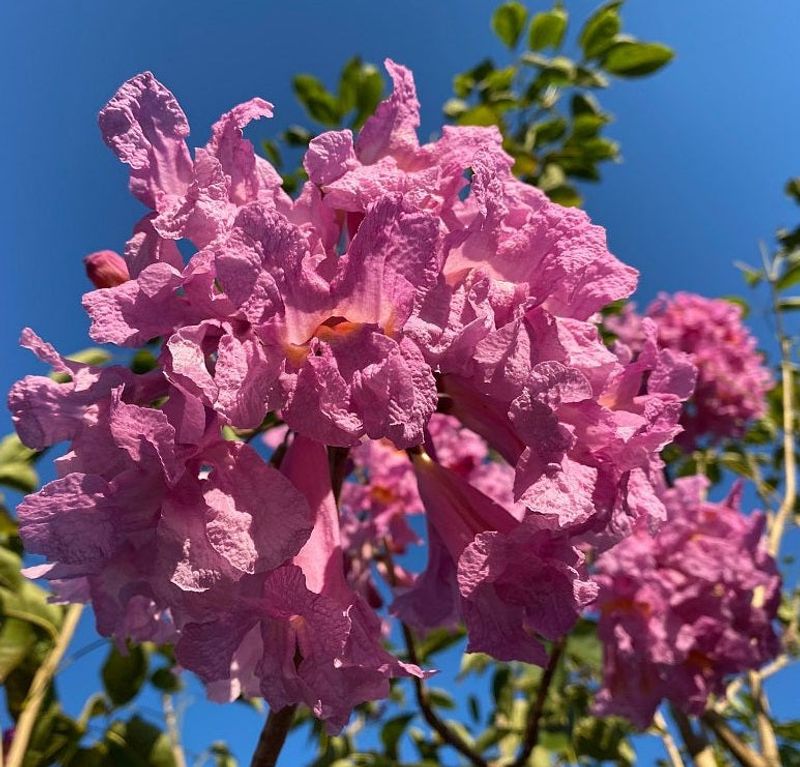
Some flowering trees look nice from close range, but this one announces itself from half a block away. Purple trumpet tree covers its branches with clusters of trumpet-shaped blossoms in pinkish purple tones, often before many leaves appear.
That bare-branch blooming habit makes the color feel even bolder against Florida’s bright spring sky.
The display is short enough to feel special and dramatic, which is part of the charm. During peak bloom, the whole canopy can resemble a bouquet set above the trunk, and the fallen flowers create a soft carpet below.
In warm regions of Florida, especially South Florida, it has become a favorite for streetscapes and larger home landscapes.
Good drainage matters more than fussing over rich soil. Give it full sun, avoid persistently wet spots, and allow enough room for a moderately spreading crown.
Because the trunk and branch structure can become part of the ornamental appeal, selective pruning while it is young helps maintain a more balanced silhouette.
This is a smart choice when you want a neighborhood tree with season-defining impact. The flowers photograph beautifully, the canopy shape reads clearly from the road, and the bloom window lines up with the time many people are outside noticing their landscapes again.
Few spring-flowering trees feel this celebratory when they are at their peak.
Crape Myrtle
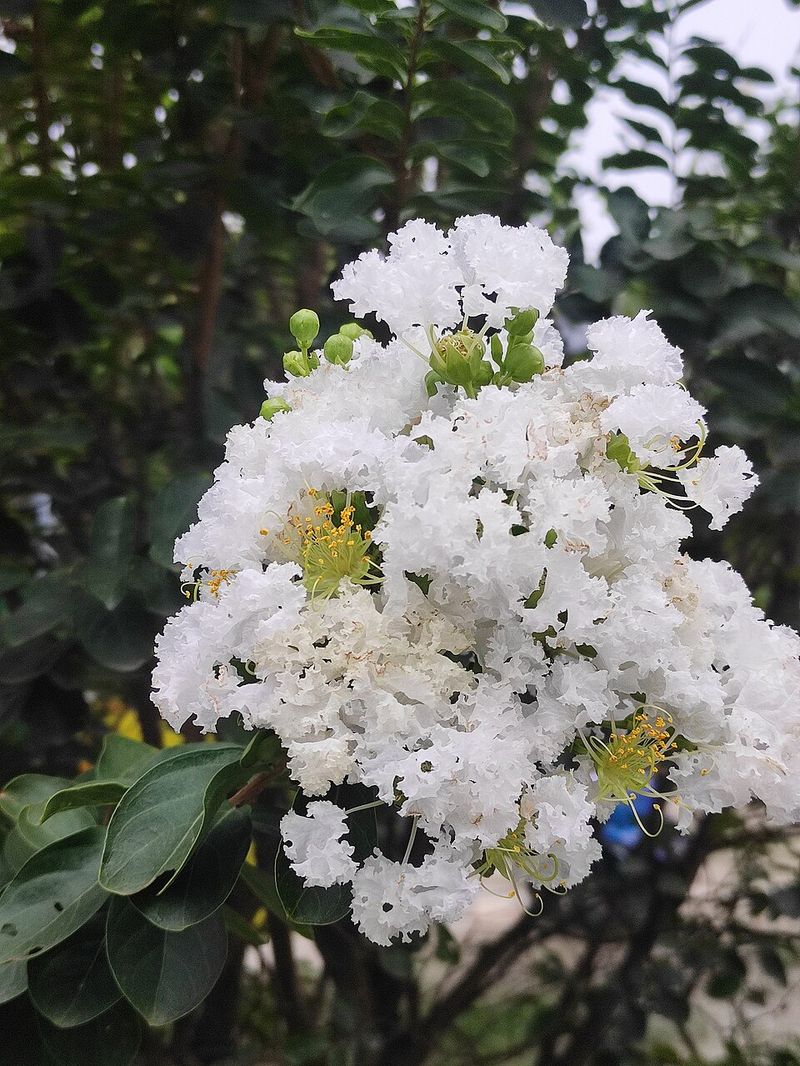
Long after many spring bloomers finish their main show, this familiar favorite keeps neighborhood color going with upright clusters of purple flowers. Crape myrtle is common for a reason: it handles heat, fits a wide range of landscape styles, and gives Florida streets a reliable burst of color.
The smooth bark and sculptural branching also make it attractive when flowers are not stealing the scene.
Color varies by cultivar, so if purple is the goal, it pays to choose carefully instead of grabbing the first tree at a nursery. Lavender and deeper violet selections tend to stand out best against pale homes, brick facades, and formal entry plantings.
Full sun is essential, because too much shade cuts flowering and encourages leggier growth.
One reason people love using it near roads and driveways is scale. Smaller cultivars work under utility lines, while taller forms can anchor medians or property edges without overwhelming the lot.
Blooming usually stretches from late spring into summer, which gives it a longer visual season than many spectacular but brief-flowering species.
Prune for structure, not stubs. Natural branch form looks far better than severe topping, and a properly shaped tree rewards you with stronger branching and cleaner lines.
For Florida gardeners who want purple flowers with fewer surprises, this one remains one of the easiest ornamental trees to appreciate and grow.
Chaste Tree
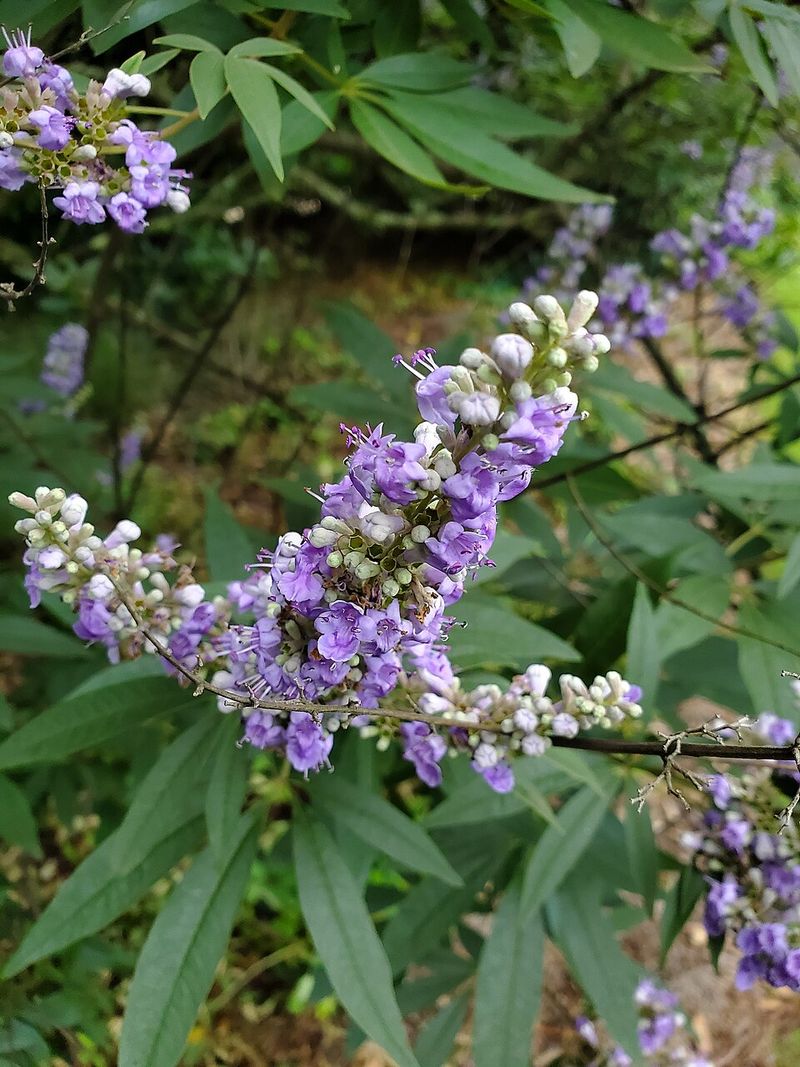
Airy spikes of lavender-purple flowers give this small tree a lighter, softer look than some of Florida’s flashier bloomers. Chaste tree has an almost relaxed charm, which makes it especially appealing in older neighborhoods, cottage-style landscapes, and gardens that lean a little less formal.
The gray-green foliage also helps the bloom color stand out without shouting.
It is one of those plants that bridges the gap between shrub and tree, depending on how it is trained. With selective pruning, you can create a multi-trunk specimen that feels graceful near a sidewalk or driveway.
Florida gardeners often appreciate that it tolerates heat well and does not demand rich soil to produce a worthwhile floral display.
Pollinators notice it quickly. Bees and butterflies work the flower spikes, adding movement and a little hum to the landscape just when outdoor spaces start getting more use.
If you have ever walked past a modest front yard that somehow felt extra alive in late spring, a blooming chaste tree may have been part of the reason.
Give it full sun and avoid overwatering once established. It looks best where the branching habit has room to show, rather than being jammed against larger evergreens.
For homeowners wanting a purple-blooming tree with a casual personality and manageable size, this option quietly earns a spot on the list.
Eastern Redbud
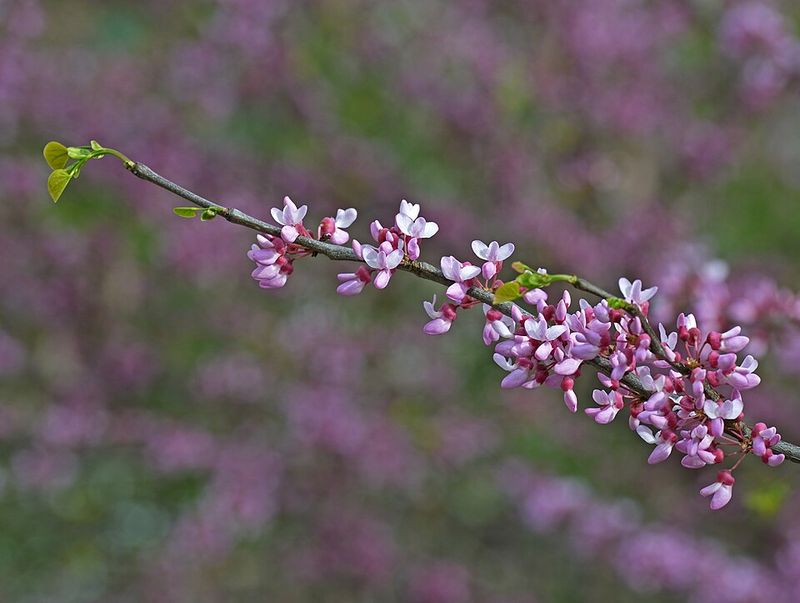
Early spring color can feel especially welcome in North and Central Florida, and this native favorite delivers it before many trees fully leaf out. Eastern redbud covers bare branches with rosy purple blossoms that seem to cling directly to the wood, creating a look that is delicate up close and striking from the street.
It has a softer presence than tropical bloomers, but not a weaker one.
Because it is native to much of the eastern United States, it suits more traditional landscapes and naturalized settings beautifully. Heart-shaped leaves follow the flowers, giving the canopy a friendly, approachable texture that works well near porches, sidewalks, and smaller front yards.
It is also one of the easier trees for people to recognize once they have seen it in bloom a couple of times.
Florida placement matters. It generally performs better in the northern half of the state, where winter chill supports flowering and summer stress can be moderated with decent soil and moisture management.
Morning sun with a bit of afternoon relief can help in hotter sites, though too much shade reduces flowering.
If your ideal spring street scene leans more charming than tropical, this tree fits the mood. The blossoms bring color before summer intensity arrives, the size stays manageable, and the seasonal change feels clear and satisfying.
That combination makes redbud one of the most quietly beautiful purple-flowering choices for Florida-adjacent streetscapes.
Desert Willow
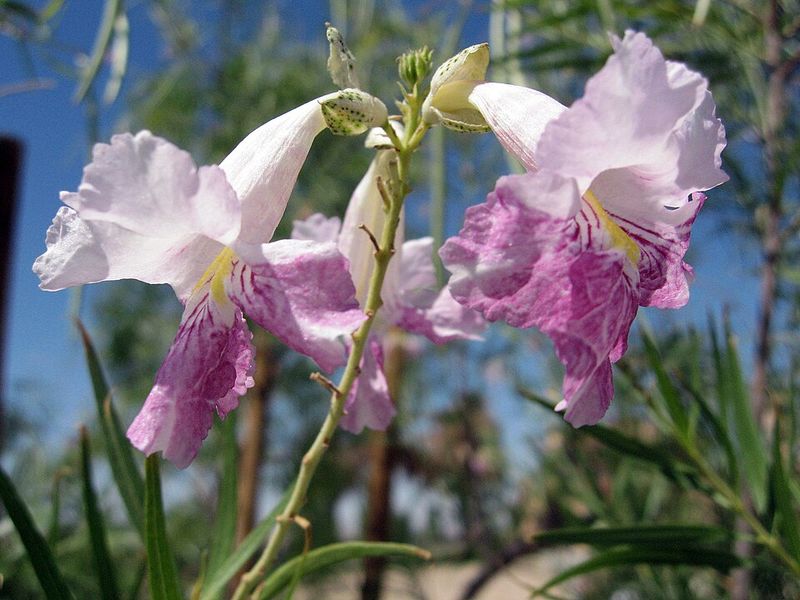
Slender leaves and orchid-like trumpet flowers give this small tree a refined look that feels different from denser, heavier bloomers. Desert willow carries purple to lavender blossoms with delicate markings, often over an extended season, so the effect is less about one explosive week and more about repeated moments of color.
That makes it surprisingly useful for Florida streetscapes with heat, glare, and lean soils.
Despite the name, it is not a true willow. The narrow foliage simply creates that wispy texture, which moves nicely in the breeze and keeps the canopy visually light.
In a neighborhood filled with broad-leaved tropicals, that airy habit can be a refreshing contrast, especially when the flowers start appearing on new growth.
Good drainage is the big requirement. It handles heat well and generally prefers not to sit in overly wet spots, so raised beds, medians, and sandy sites can actually work in its favor.
Because it stays relatively small, it fits where larger flowering trees would crowd driveways, signs, or utility lines.
People often appreciate this one more after seeing it up close. The flowers have a hand-painted quality, hummingbirds may visit, and the tree keeps a graceful profile without demanding constant pruning.
For a Florida yard that needs purple bloom, modest scale, and a less common choice, desert willow makes a compelling case.
Texas Mountain Laurel
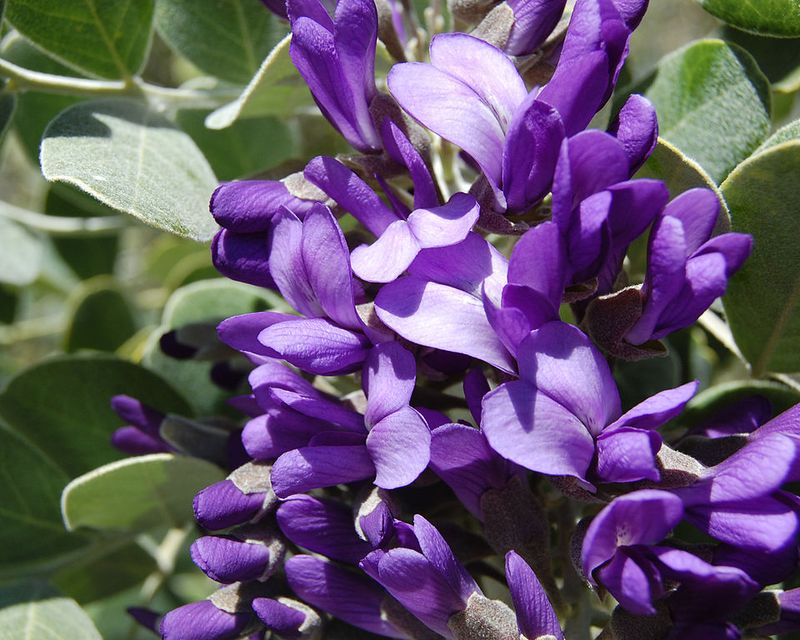
Dense clusters of deep violet flowers give this evergreen small tree a richer, moodier color than the softer lavender shades many people expect in spring. Texas mountain laurel can stop you in your tracks when it blooms, and the fragrance is often compared to grape candy, which makes the experience even more memorable.
Along a Florida street or in a front yard, it brings color and scent at the same time.
Glossy, dark green leaflets keep it handsome year-round, so it does not rely on one bloom period to justify its place. That evergreen structure is useful in landscapes that need a steady anchor through every season, then a floral payoff when temperatures warm.
It is usually better suited to well-drained sites and should not be treated like a water-loving tropical.
In Florida, success often comes down to site selection and restraint. Give it sun, avoid soggy soil, and do not overfeed it in hopes of forcing faster growth.
It tends to be slow to moderate in pace, but that measured growth works in its favor where space is limited and homeowners want a more controlled silhouette.
This is the sort of tree that feels personal rather than predictable. Not every passerby will know its name, yet many will notice the flower color and scent right away.
For gardeners who like unusual choices with genuine street appeal, it offers a polished and distinctive kind of purple spring display.