
The Easy-Care Texas Shrubs Worth Planting Before December For A Lighter Summer
Follow us on Google
You step outside on a cool November morning and the air finally smells like fall, but you already know what July will bring. The shrubs you plant in the next few weeks decide whether next summer means endless watering or lazy porch evenings.
Fall planting in Texas lets roots grow all winter in warm soil while the tops rest, so new shrubs meet the heat already tough. Here are eight shrubs that earn their spot, each for a different reason, so your yard works harder and you work less.
1. Turk’s Cap Thrives Where Other Shrubs Sulk In Shade
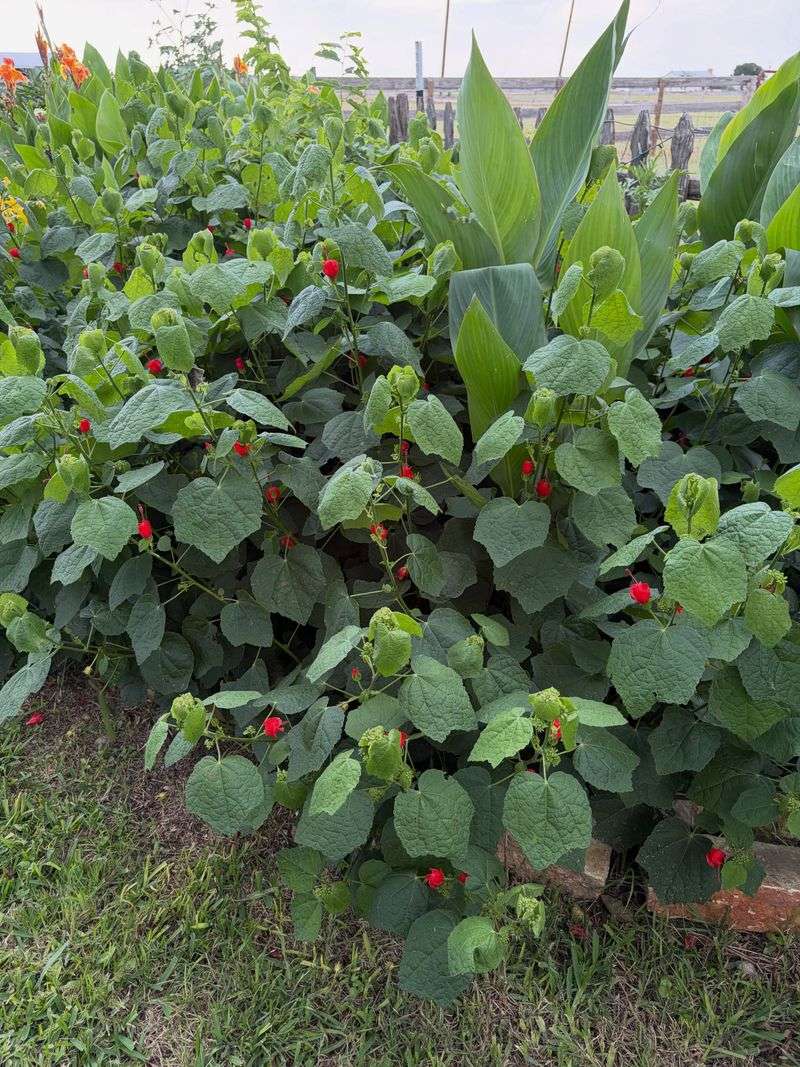
That shady corner under the live oak where nothing seems to bloom has a quiet hero waiting. Turk’s cap (Malvaviscus arboreus var. drummondii) flowers from late spring until the first hard frost, with little red blooms that look like swirled turbans.
Here is the surprise. Most flowering shrubs need full sun, but Turk’s cap handles everything from deep shade to full sun.
In North Texas it actually looks happier with afternoon shade, since the hottest sun can leave it droopy by 4 p.m.
Soil is rarely a problem. It grows in sand, clay, loam, and limestone, as long as water drains away.
Dig a hole twice as wide as the root ball, water deeply once or twice a week through winter, then ease off once it settles.
Most plants stay 2 to 3 feet tall, though happy ones can reach 9 feet. In late winter, cut stems back to 4 or 5 inches above the ground.
Hummingbirds will find it by summer, and that dark corner will finally feel alive.
2. Flame Acanthus Laughs At West Texas Heat And Caliche
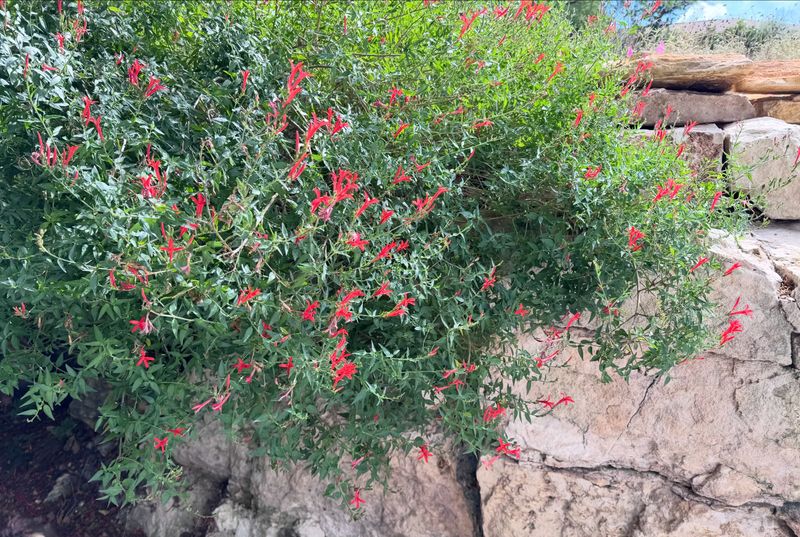
Caliche is the hard, chalky layer that breaks shovels and breaks hearts across West Texas and the Hill Country. Flame acanthus (Anisacanthus quadrifidus var. wrightii) treats it like home.
This native grows 3 to 5 feet tall and 3 to 4 feet wide, covered in orange-red tubes from midsummer to frost. It peaks right when most gardens give up, which is the whole point of having it.
Give it full sun for the heaviest blooms. Space plants about 36 inches apart and water regularly the first growing season.
After that, it needs almost no extra water, even through a long dry August.
So what keeps it tidy? A hard prune in late winter, cutting stems to about 6 inches.
New growth carries the flowers, and the hummingbirds will thank you all summer long.
3. Gregg’s Mistflower Turns Into A Butterfly Magnet By Fall
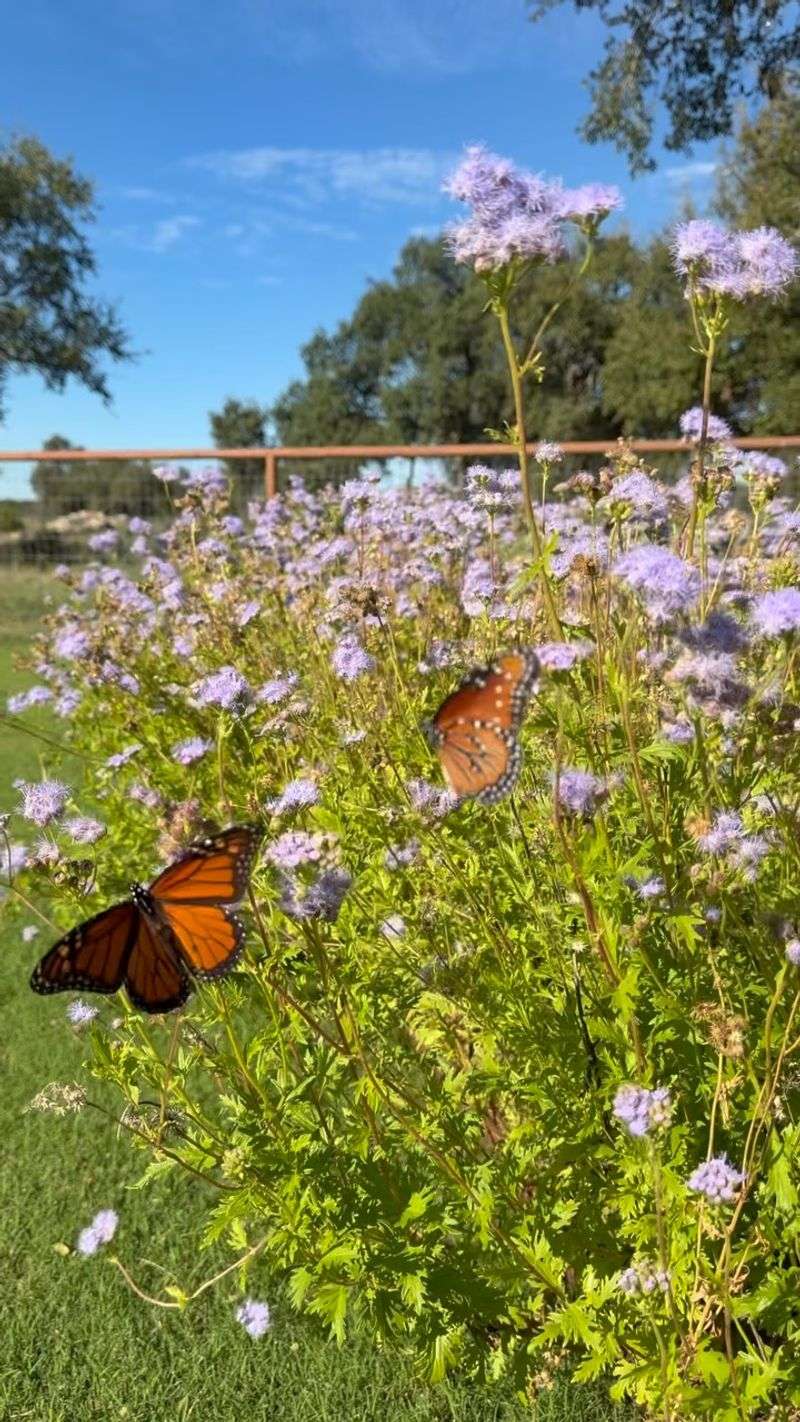
Picture a low patch of fluffy lavender flowers so covered in orange Queen butterflies it seems to flutter on its own. That is Gregg’s mistflower (Conoclinium greggii) in October, and it is a sight people stop their cars for.
It is more of a shrubby groundcover, staying 1.5 to 2 feet tall and spreading up to 2.5 feet. Monarchs heading south through Central Texas in fall stop to fuel up here, which makes it a small but genuinely useful rest stop.
Plant transplants 18 to 24 inches apart in full sun to light shade with decent drainage. Skip the fertilizer.
It spreads by shallow underground stems, so pull strays in spring or divide clumps every couple of years.
Cut it to the ground in early spring for fresh growth. Then sit back with your coffee and enjoy the show.
4. Autumn Sage Gives Color Nearly Every Month Of The Year
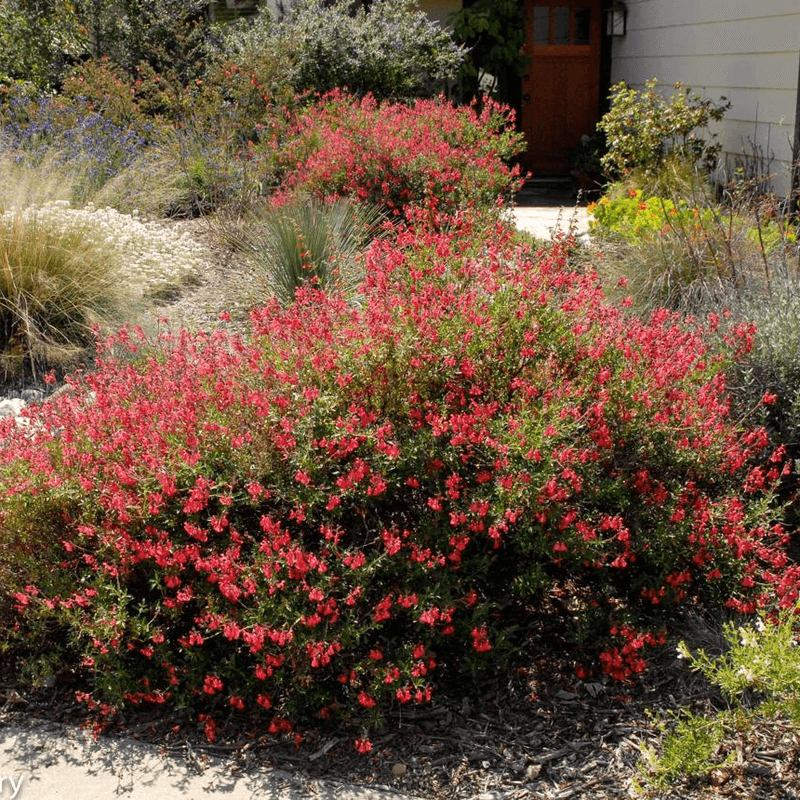
Plenty of shrubs bloom once and rest. Autumn sage (Salvia greggii) blooms in spring, keeps going through summer, and puts on its biggest show in fall, in red, pink, coral, or white.
Here is where it gets tricky. Autumn sage hates wet feet, and blackland clay in North and Central Texas holds water like a sponge.
Plant it on a mound raised 6 to 8 inches, or in a raised bed, and it will reward you.
It stays a compact 2 to 3 feet. Water deeply but rarely once established, letting soil dry between drinks.
Too much fertilizer makes it floppy, so leave it hungry.
Trim by a third in late winter and lightly again in August. Deer usually walk right past it, which might be the best part.
5. Texas Sage Blooms Purple After A Summer Storm
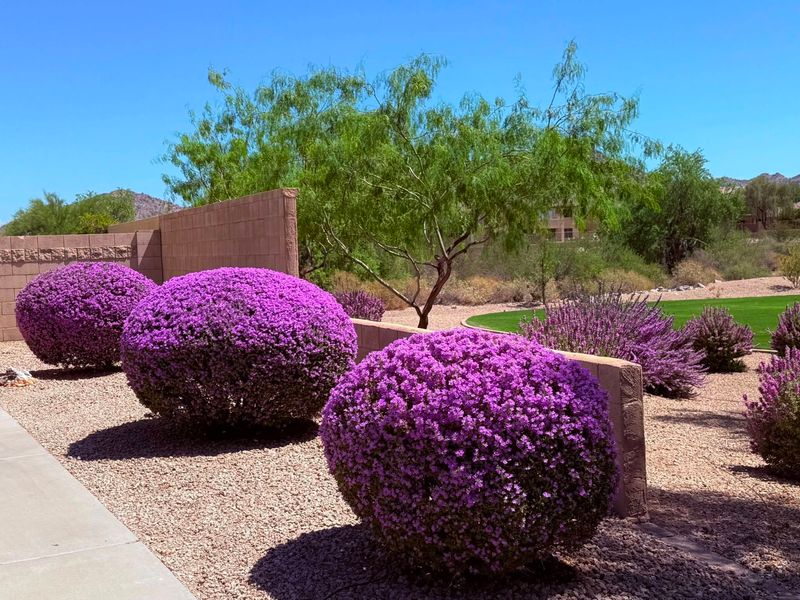
Old-timers call it the barometer bush. Texas sage (Leucophyllum frutescens), or cenizo, bursts into purple bloom right after a summer rain, like it has been waiting for the forecast.
Silver leaves reflect harsh light, and that is how it shrugs off triple-digit heat. Give it 6 to 8 hours of direct sun, even next to a hot west wall where other shrubs bake.
It handles cold to about 12 degrees, so it fits most of the state outside the coldest Panhandle spots.
Drainage is the deal-breaker. Soggy clay can kill it, so plant on a slight mound and dig a hole two to three times wider than the root ball.
Water deeply after planting, then rarely once established.
Expect 4 to 8 feet tall and up to 6 feet wide. Skip shearing it into boxes, it blooms best when left loose and natural.
6. Dwarf Yaupon Holly Replaces Thirsty Boxwood Hedges
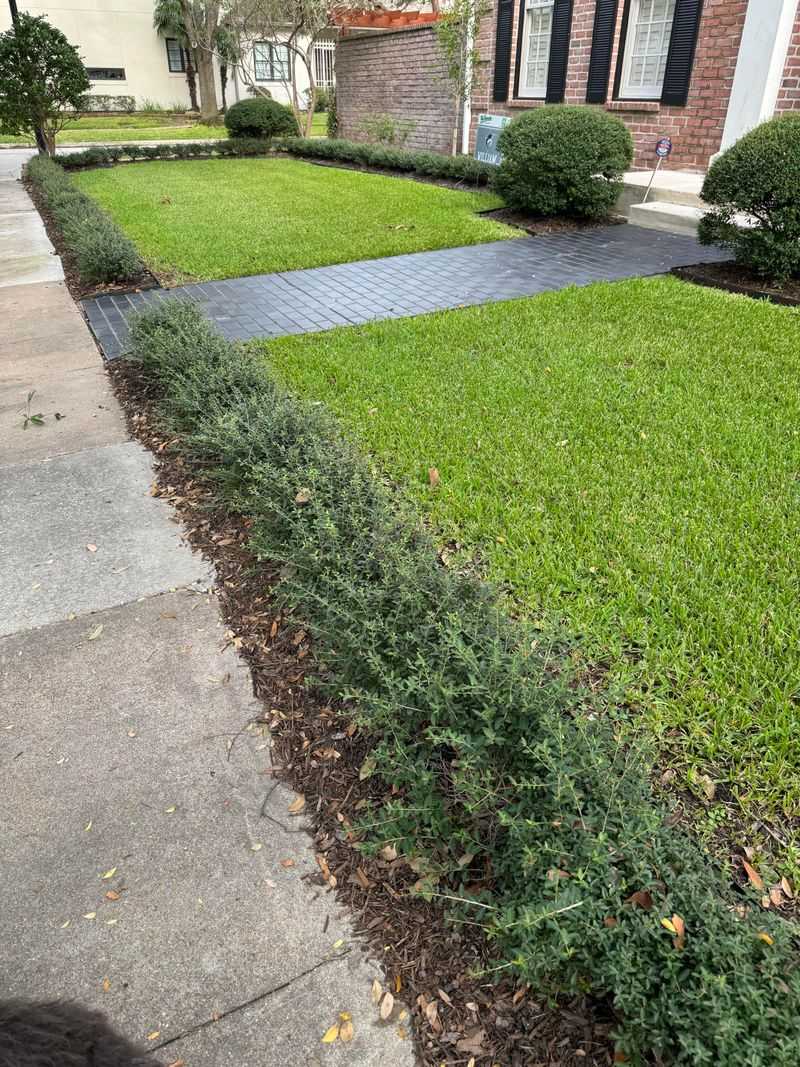
Many Texas homeowners plant boxwoods for neat hedges, then watch them struggle with summer heat and alkaline soil. Dwarf yaupon holly (Ilex vomitoria ‘Nana’) gives you the same tidy look with far less fuss.
Yaupon is native to East Texas and the Gulf Coast, yet it handles heavy clay in North and Central Texas just fine. The dwarf form stays a dense 2 to 4 feet, perfect for foundation beds and low borders.
Space plants about 3 feet apart for a solid hedge. Plant now, water weekly through winter if rain is scarce, and the roots will be deep by May.
It rarely needs more than one light trim a year.
It is evergreen, deer resistant, and it actually looks better in August than most hedges do. That is a quiet kind of win.
7. Lantana Shrugs Off Heat That Wilts Everything Else
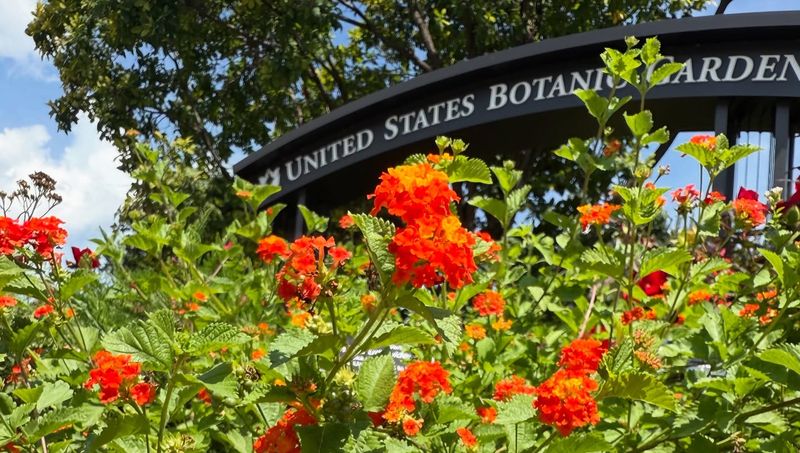
When it hits 105 in South Texas and the petunias collapse, lantana keeps blooming like nothing happened. Native Texas lantana (Lantana urticoides) carries orange and yellow clusters from spring to frost.
The trick is its tough, slightly fuzzy leaves, which lose less water in hot wind. Butterflies love it, and spring and fall monarchs often stop by.
Plant in full sun, 3 feet apart, in nearly any well-drained soil. Water deeply every few days at first, then every 2 to 3 weeks once established.
In North Texas and the Panhandle, it may freeze to the ground but usually returns from roots.
Watch for spider mites in dry spells and hose leaves now and then. Cut back to 6 inches in late winter, and it will be blooming again by early summer.
8. Mulch And Deep Watering Make Every Shrub Easier
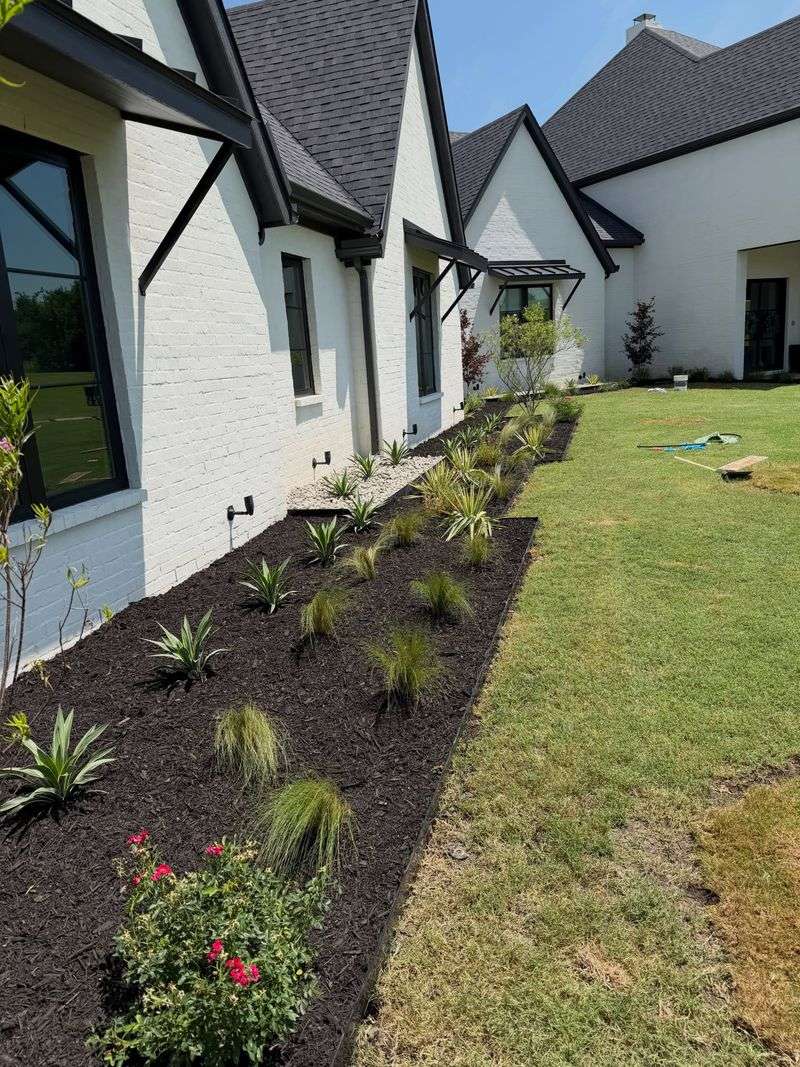
Even the toughest shrub is not a magic solution on its own. What you do around it in the first year decides how lazy next summer feels.
Spread 2 to 4 inches of shredded mulch around each new plant, keeping it 3 inches from the stems. Mulch works like a sun hat for the soil, keeping roots cooler and wetter.
Water deeply, soaking the root zone 6 to 8 inches down, rather than giving a little sip every day. Texas A&M AgriLife Extension recommends deep, less frequent watering to build roots that reach down, not out.
Do this through the first year, then step back. Next summer, when the neighbors drag hoses at dusk, you can sit on the porch knowing you planted smart.
