
What To Do With Your Potted Lemon Tree Before The First Texas Freeze Hits
Follow us on Google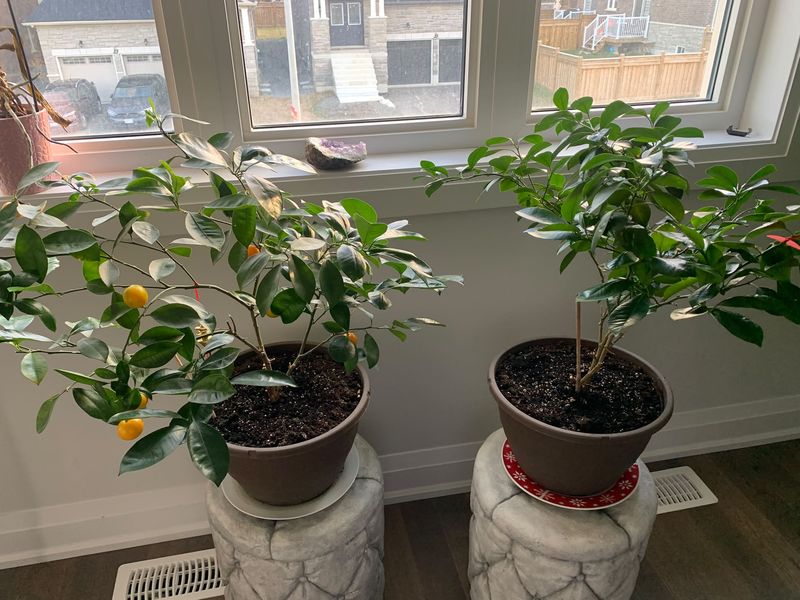
Move your potted Meyer lemon into a protected spot before freezing weather arrives. That single step does more for the tree than any blanket.
You babied it through Texas heat that topped 105 degrees, and now the opposite problem is coming. Here is how to get it through the cold with a plan you can finish in an afternoon.
Watch the Full Forecast, Not One Number
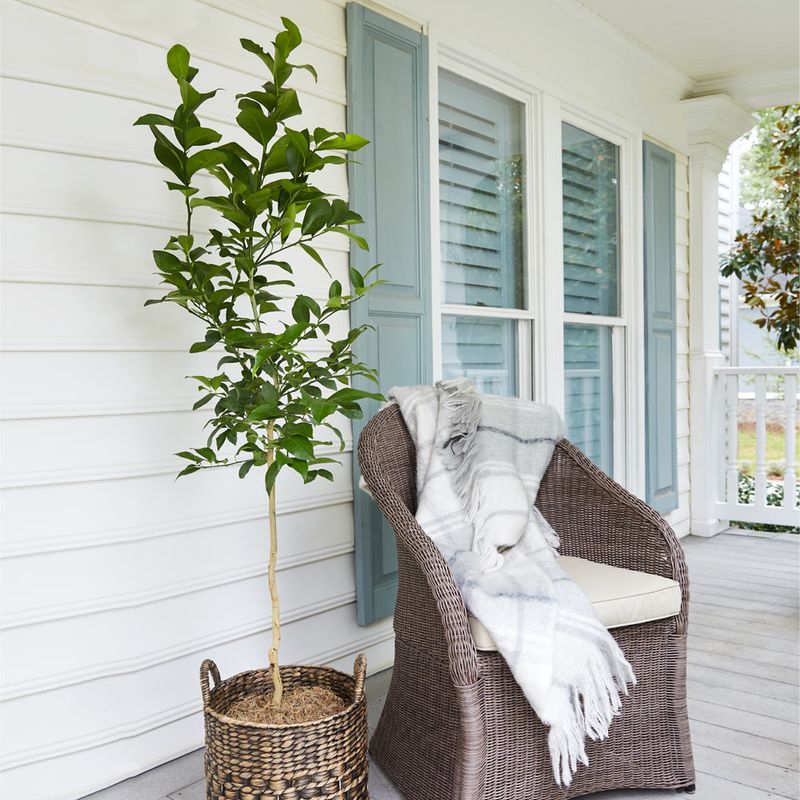
Nobody can hand you one magic temperature that keeps every patio lemon safe. A first freeze in the Panhandle looks nothing like one on the Gulf Coast, and the number on your phone is only part of the story.
Here is where it gets tricky. Cold injury depends on how long the cold lasts, not only how low it dips.
Texas A&M AgriLife guidance on citrus says freeze duration matters, so a quick dip and a long night below freezing are very different threats.
For a reference point, Mississippi State Extension recommends moving or covering container citrus when the forecast is 28°F or below. Treat that as a guideline, not a safe line.
It is not a promise that 29°F is fine for a pot.
Injury also varies with the plant itself, its health, and how fast the temperature drops, as UC IPM notes on frost damage to citrus explain. A tree stressed by summer heat may suffer sooner than a sturdy neighbor.
So read the whole forecast. Check the low, the hours near freezing, and the wind.
Then get ready before the cold arrives, not the evening it shows up.
Why a Patio Pot Gets Cold Faster
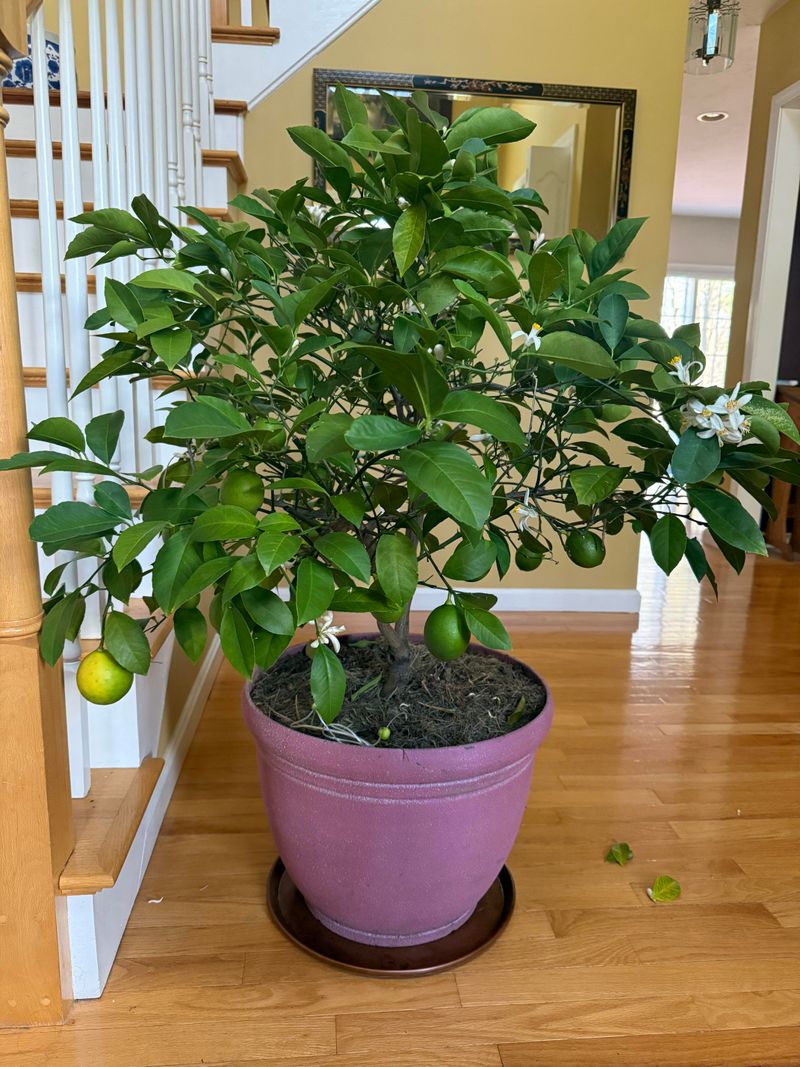
Many Central Texas gardeners hear that citrus handles a little cold and relax. That advice usually describes trees planted in the ground.
Your patio pot plays by different rules.
Soil around in-ground roots acts like a thick blanket. A container has only a thin wall between the roots and the night air, on every side.
Texas A&M says potted citrus needs cold protection to survive most freezing temperatures, and it notes roots can be more cold-sensitive than the rest of the tree.
Think of the pot as a small cooler with no lid. It heats fast in July and chills fast in January.
Roots that sat comfortably in warm potting mix all summer are suddenly the most exposed part of the plant.
That is why cold-tolerance numbers for mature in-ground citrus should not comfort you. They do not describe a Meyer in a 15-gallon pot on a concrete patio.
Wrapping or grouping pots can add a layer, as Texas A&M freeze protection guidance suggests. But the best answer is simple.
When freezing weather is forecast, roll that pot to shelter.
Move the Tree Before the Freeze Arrives
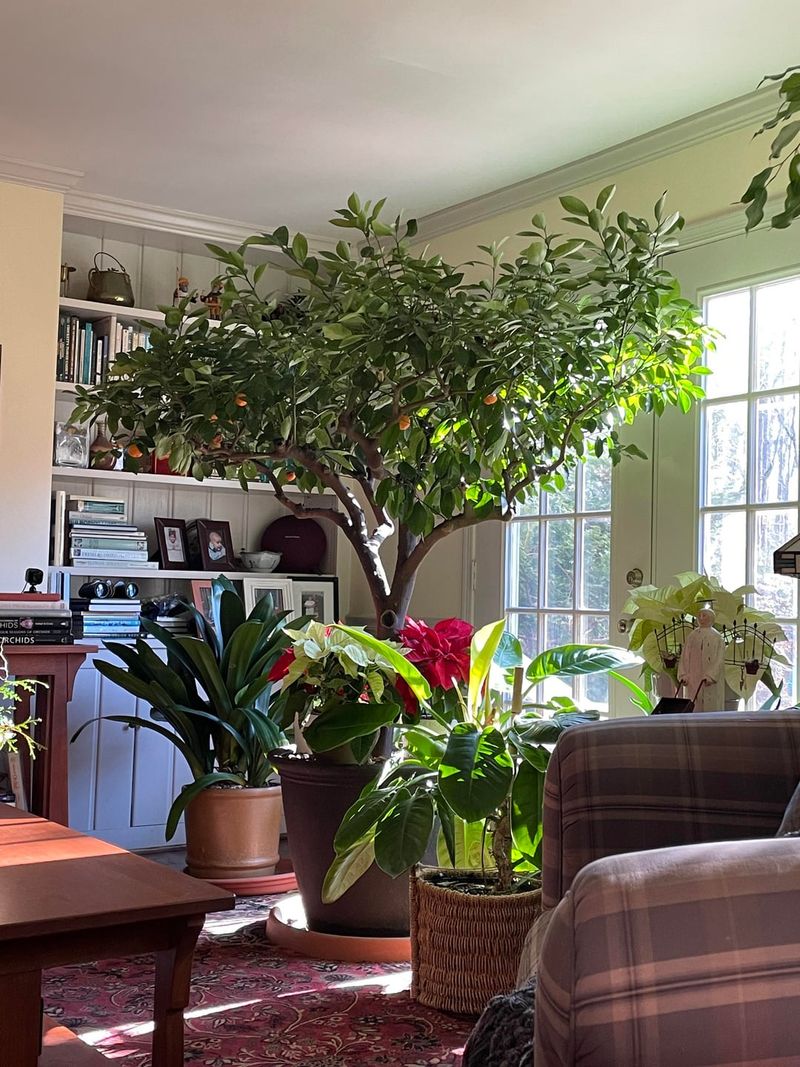
The most reliable move you can make takes about ten minutes. Slide the pot onto a plant dolly and roll it inside before the sun goes down.
Texas A&M lists moving potted citrus indoors as a simple option. Its freeze protection publication adds that a protected place such as a garage can help valuable container plants during a killing freeze.
Now the honest limits. Shelter lowers the exposure, but it does not guarantee safety.
An unheated garage is fine for a short cold snap, yet it is not the same as a warm room when the cold turns severe or drags on for days.
If a long freeze is coming, aim for a spot that stays above freezing, like a bright room, a sunroom, or the warmest corner of an attached garage.
This is also why moving beats covering. A cover fights the cold out in the open all night.
A walled space takes most of the wind and frost out of the picture. Pick the spot, clear a path, and do it before dark.
What If the Pot Must Stay Outside?
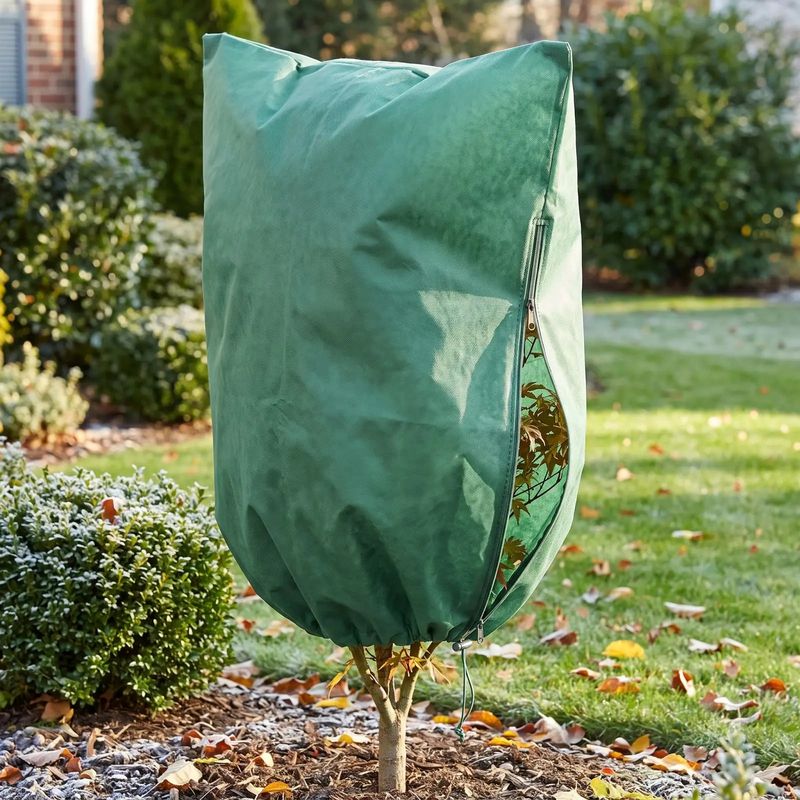
Sometimes the tree is too heavy, or the only free spot is already taken. If the pot must stay out for a brief cold stretch, you still have a fallback.
Drape a loose blanket or quilt over the whole canopy and carry it all the way to the ground. Then secure it with rope, clips, or bricks, because a Texas north wind will happily steal an unsecured cover.
Texas A&M says blankets or quilts can be draped over citrus.
Skip clear plastic against the leaves. According to Texas A&M freeze guidance, plastic touching plant tissue can raise injury risk.
If you use plastic, hold it away from foliage and vent it on sunny days so it does not overheat.
Do not forget the pot. Wrap it with insulation, or group containers close together near a warm wall, as this Texas A&M protection guide describes.
These are added layers, not a replacement for shelter in a hard freeze.
Leave the sprinklers off, and skip improvised heaters or lights under the cover. Texas A&M’s citrus page describes sprinkler protection as carefully timed, with risks like limb breakage.
A blanket helps, but it cannot guarantee anything.
Save Ripe Fruit, Not Green Lemons
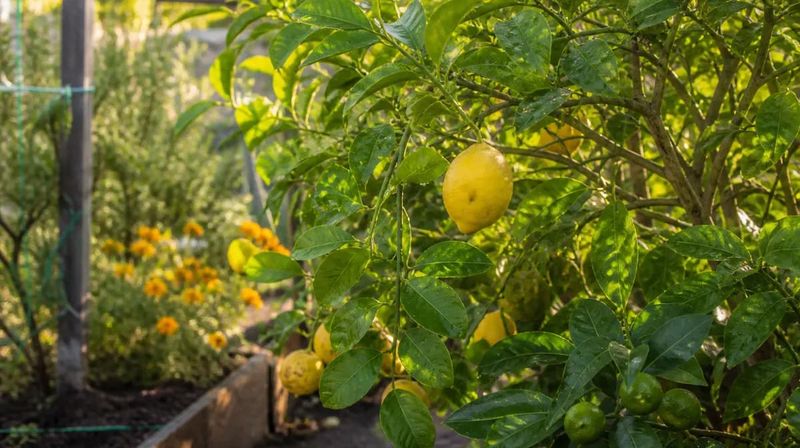
Here is a myth worth retiring. Pick the green lemons before the freeze and they will ripen on the kitchen counter.
They will not.
Citrus does not keep ripening after harvest, as UF/IFAS Extension explains. A green lemon picked early stays sour.
So leave unripe fruit on the tree and protect the whole plant instead.
Ripe lemons are different. If a fruit is yellow and ready, go ahead and harvest it before the cold hits.
Better in your hand than frozen on the branch.
Fruit has its own danger zone. Mississippi State Extension says citrus fruit can freeze after several hours around 26 to 28°F.
That describes fruit, not a universal threshold for the tree.
Keep two outcomes separate. A tree can survive while its fruit is ruined.
Freeze damage may also hide, since UC IPM notes fruit can be damaged without obvious rind marks or immediate drop.
So a surviving tree is good news, but do not count on every lemon being usable. Cut one open before you plan the lemonade.
Settle the Tree Into Its Indoor Spot
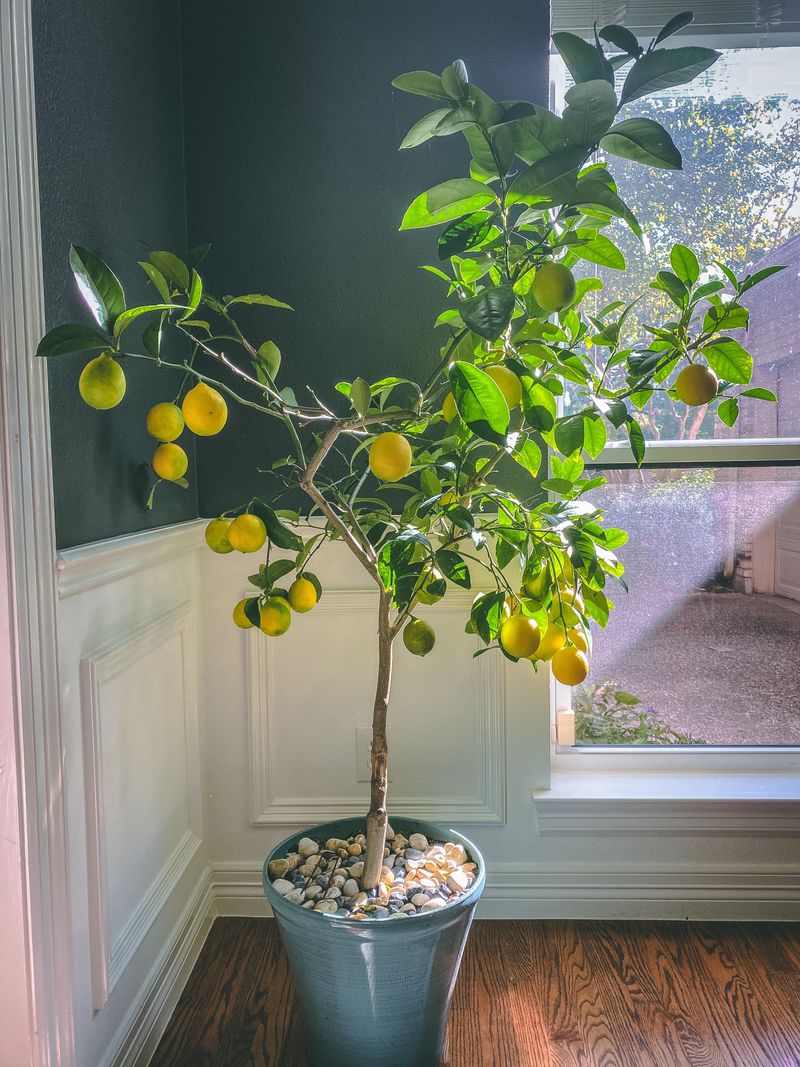
Before the tree crosses the doorway, give it a quick inspection. Look over the leaves, stems, and soil for pests, because a tree that spent months outside may carry hitchhikers.
Penn State Extension recommends examining those spots, using only treatments labeled for the plant and pest, and isolating incoming plants when practical. Keep checking every week or so.
Next, find the brightest light you have, usually a south-facing window. Low light can cause leaf drop or leggy growth, and Texas A&M warns that long stretches of very low light make container citrus leggy.
Good news for short stays. If the tree is only inside for a few freeze nights, gradual acclimation is not needed.
Roll it in, then back out once the cold passes.
Watering gets precise. Let the top inch of the growing medium dry, then water thoroughly and let the excess drain out of the pot.
Do not leave it sitting in a full saucer.
Indoor care will not promise every leaf or lemon survives the move. But a tree that made it through a Texas summer and a freeze scare has already shown what it is made of.
