
The Screech-Owl Box North Carolina Homeowners Hang Before Winter So Owls Move In by February
Follow us on Google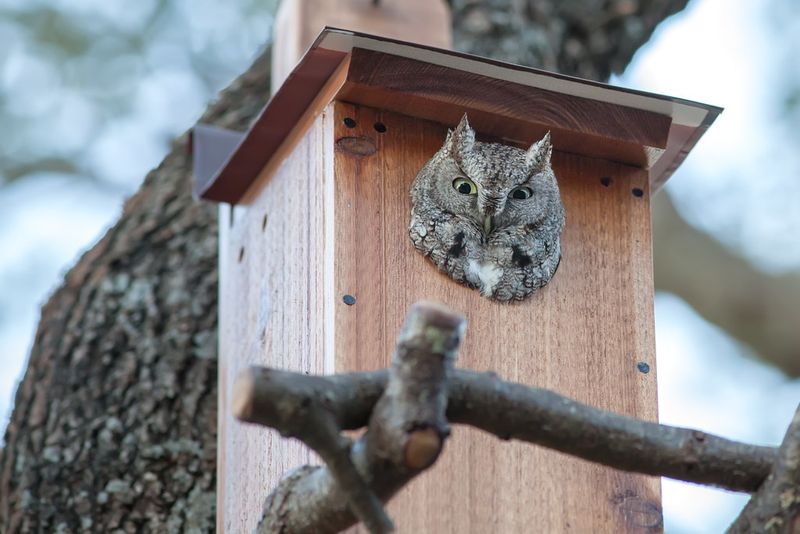
Hang a screech-owl box in fall or winter, and you give an Eastern Screech-Owl a cavity to find before spring nesting begins. That is the whole trick, and it is simple enough for one weekend.
In North Carolina, a small owl may already be roosting in a tree near your porch, and a box is one more place for it to stay. No box can promise a visitor, but the right one, hung well, puts you in the running.
A Box Offers A Cavity
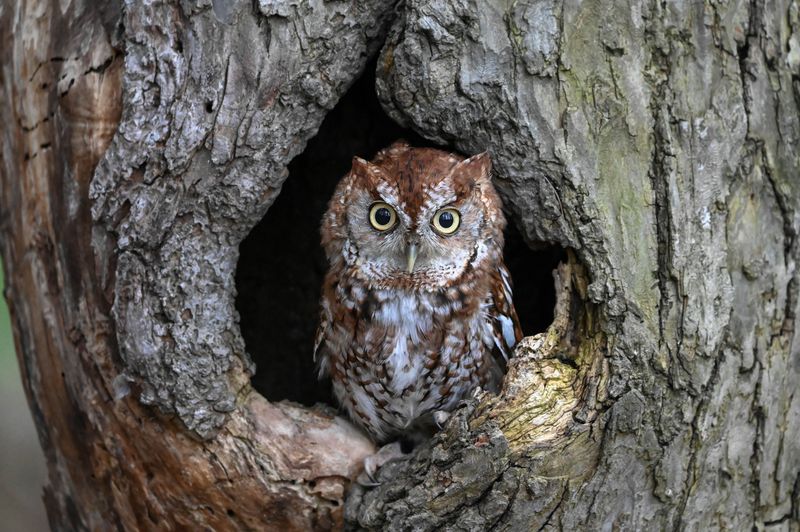
Picture a gray, pint-sized owl with ear tufts, dozing in a hole in an oak while you eat supper on the porch. That is the Eastern Screech-Owl (Megascops asio), and it lives in North Carolina all year long.
These owls use cavities for two jobs. They nest in them, and they roost in them during the day.
A hollow in a tree is basically a bedroom and a nursery rolled into one.
Here is where a box comes in. A correctly designed box gives an owl one more cavity option.
It is not a requirement, and it is not guaranteed to beat a natural hole. A New Hope Bird Alliance fact sheet says healthy populations turn up wherever tree cavities are available, including shaded yards and city parks.
It also says boxes may help raise numbers where screech-owls are uncommon.
Mature trees and snags, which are standing dead trees, also make natural cavities. So a yard with old trees may already have owl housing.
A box simply adds another choice.
Think of it as hanging a porch light for a shy neighbor. Whether anyone knocks is up to the owl.
Put The Box Up Before Spring
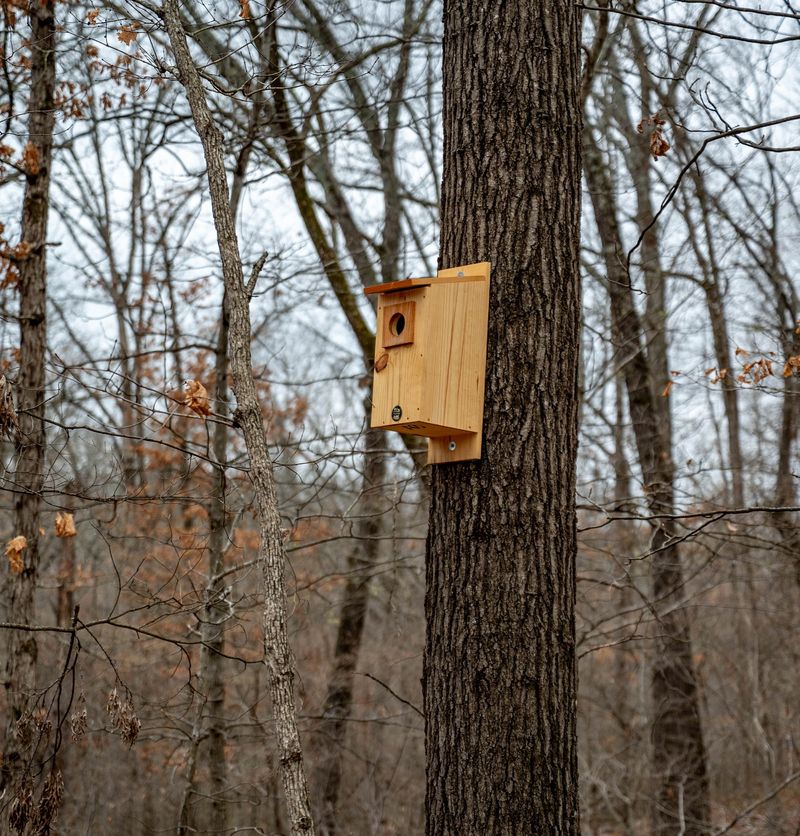
Timing is the part most people get backwards. Owls do not wait for your calendar, so the box needs to be hanging before they start shopping for a home.
Carolina Raptor Center instructions advise installing Eastern Screech-Owl boxes from October through February so birds have time to find them. That advice is about being ready.
It is not a forecast that an owl will move in.
Now for the February question. Audubon says screech-owls begin nesting in February in southern states, which is a broad regional statement.
North Carolina sources are more specific. The New Hope fact sheet describes early spring nesting, and Carolina Raptor Center gives a March to June season.
Courtship is a different milestone. A North Carolina owl reference hosted by eBird lists courtship from January to March, but eggs from April to June.
So courting can start in winter, while nesting and egg-laying come later. Your job is simple.
Get the box up this fall or winter, then let the owls decide.
Follow One Complete Box Plan
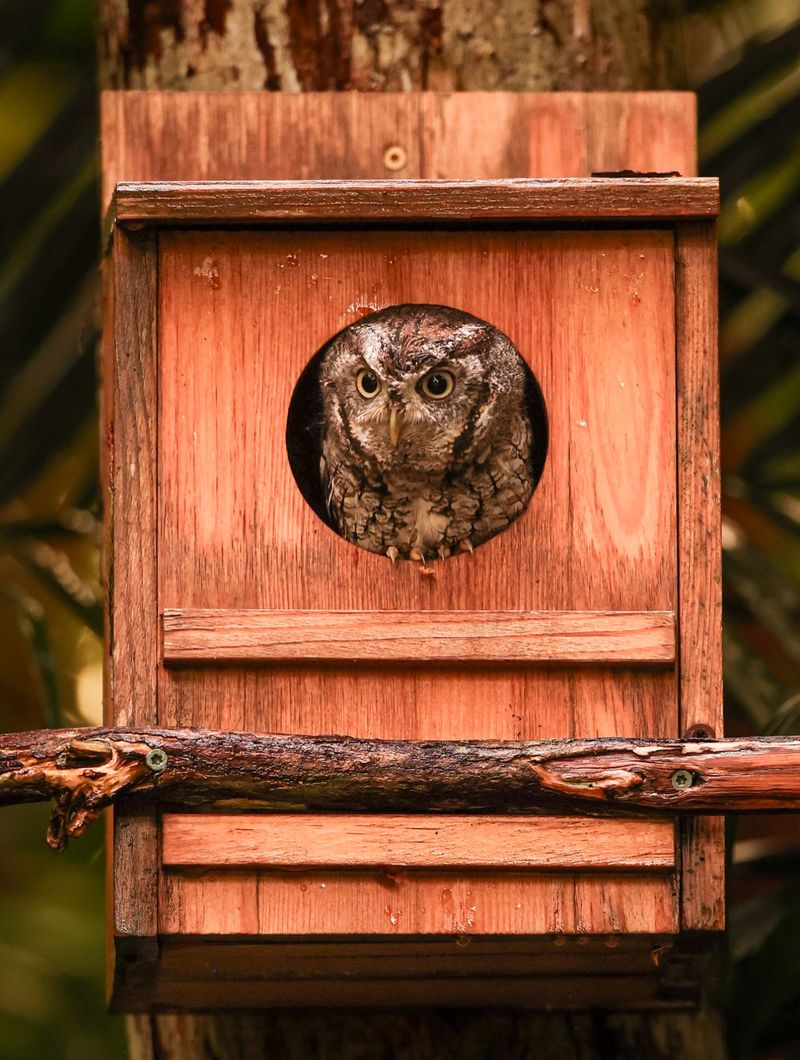
Mixing measurements from three different plans is how a box ends up wrong. Pick one complete plan and stick with it from the first cut to the last screw.
One solid option comes from Cornell NestWatch. Its Eastern Screech-Owl specifications are easy to scan:
Entrance hole: 3 inches. Interior depth: 17⅜ inches.
Box width: 9⅝ inches. Box length: 11¼ inches.
Inside, owls need a soft floor. Sources suggest roughly 2 to 3 inches of wood shavings, hardwood mulch, or dry leaves, depending on the plan.
Audubon’s build guide covers bedding as part of its own design.
Bedding is plan-dependent, so check what your chosen plan says before you fill it. If you buy a ready-made box instead, look for a design that lists its own dimensions.
Remember that the New Hope Bird Alliance warns its boxes are heavy. A solid build is good, but you will want a plan for lifting it before you start.
Measure twice, and let the plan do the thinking.
Choose A Shaded, Suitable Site
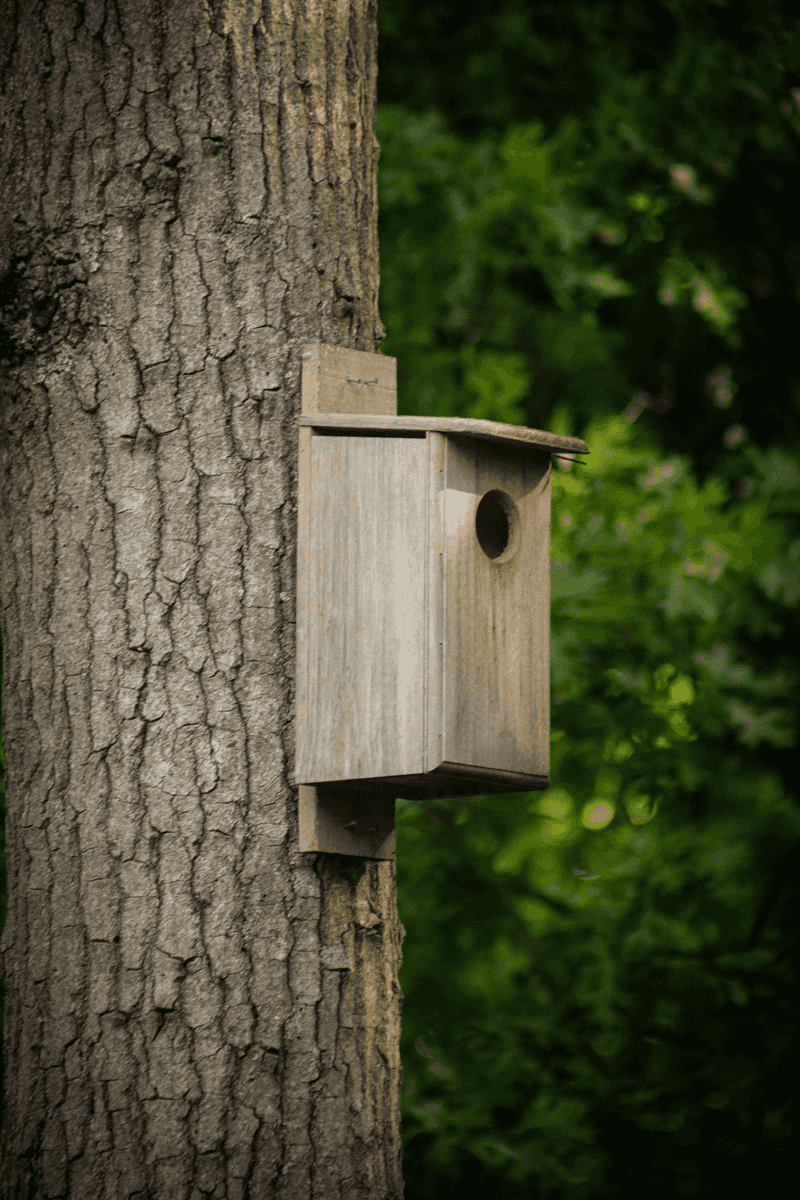
Ask three experts where to hang an owl box, and you will get three slightly different answers. That is normal, so treat each as an option rather than a rule.
Cornell suggests a woodland edge with fields or wetlands nearby. It also says to place the box under a limb, with a nearby branch that does not block the opening.
Cornell’s mounting range is 10 to 30 feet, and it says the box may face any direction.
New Hope Bird Alliance prefers a shaded mature hardwood with an open understory. It advises turning the entrance for maximum shade on spring afternoons, and gives a mounting range of 10 to 18 feet.
Carolina Raptor Center recommends 10 to 12 feet.
Entrance direction varies too. Audubon suggests avoiding a north-facing opening and preferring east or south where possible.
So each source stresses something different. Cornell talks about habitat edges, New Hope talks about shade, and Audubon talks about direction.
Follow the height from your own plan, then choose the spot that fits your yard best.
Mount The Box Securely
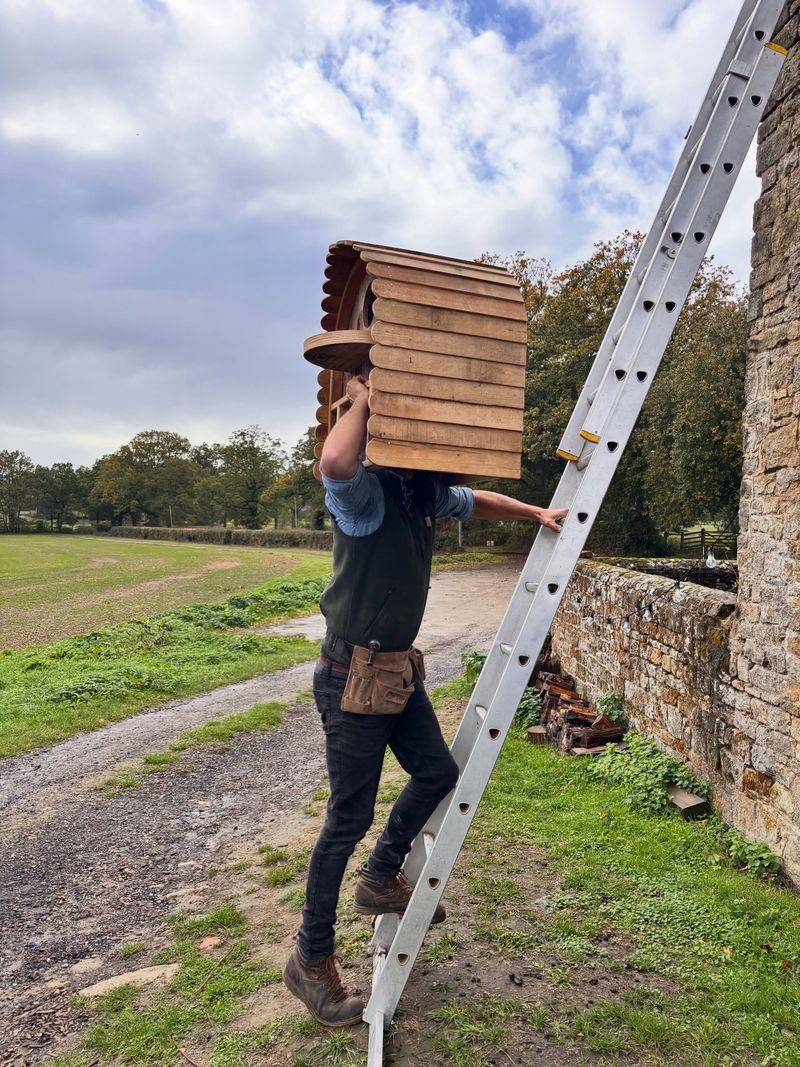
A heavy box on a wobbly mount is a problem waiting for a windy night. Secure is the word that matters most here.
If you use a pole, Cornell recommends a predator guard. It also says to place the pole where squirrels cannot jump to it from nearby trees.
Squirrels are clever, so give them nothing to launch from.
The New Hope fact sheet warns that its boxes are heavy and calls for a sturdy ladder. Work with a helper, so someone can steady the ladder and hand things up.
Some jobs are not for weekend DIY. If you cannot work safely at height, call someone qualified, such as a tree service or a skilled handyman.
A box is not worth a fall.
Do this before spring activity picks up. Owls may be checking out cavities in late winter, and a box that is already up and quiet is better than one going in beside a courting pair.
Tighten every fastener, then give the box a firm tug from below. If it moves, fix it now.
A Box May Stay Empty
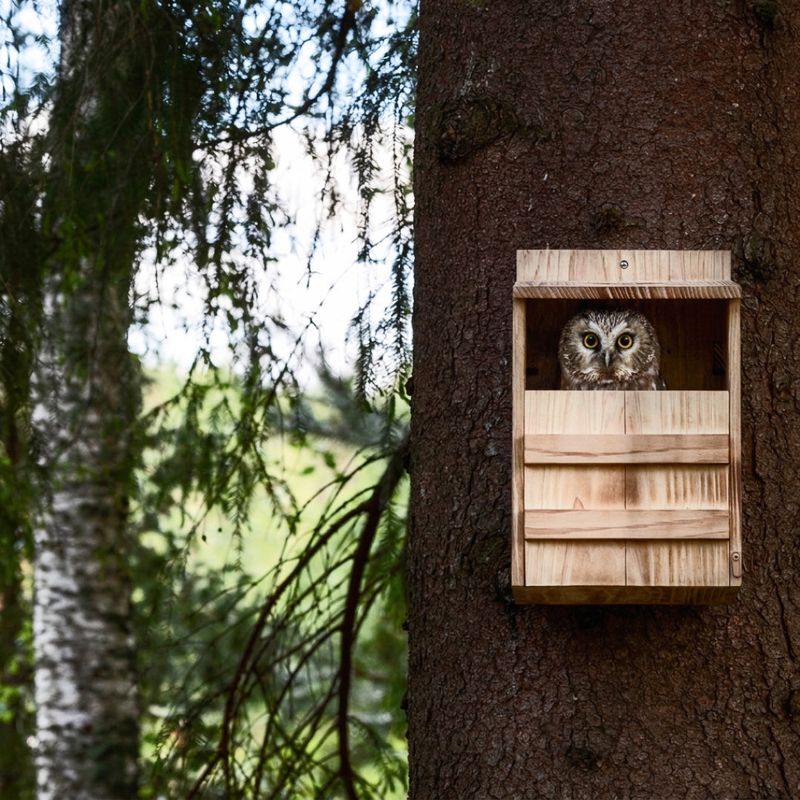
Some boxes sit empty for a long time, and a few never get a guest. No source promises use in any particular yard.
Mature trees and snags also provide natural cavities, so owls have other options out there. That says nothing about whether yours will be picked.
Care advice also disagrees. Cornell’s general NestWatch guidance says a box may be cleaned after breeding activity has ended or in fall.
The New Hope Bird Alliance fact sheet says cleaning screech-owl boxes is unnecessary and discourages it.
So skip a blanket yearly cleaning routine and follow the plan you used. Most of all, do not open or clean a box that may be occupied.
Owls can roost in a box even when no nest is underway.
Cornell also advises avoiding disturbance to nesting females during and shortly after egg-laying. U.S.
Fish and Wildlife Service guidance says destroying a migratory-bird nest with eggs or chicks, or dependent young, is illegal.
Watch from a distance and be patient. An empty box this year is still a ready one.
Make The Yard More Owl-Friendly
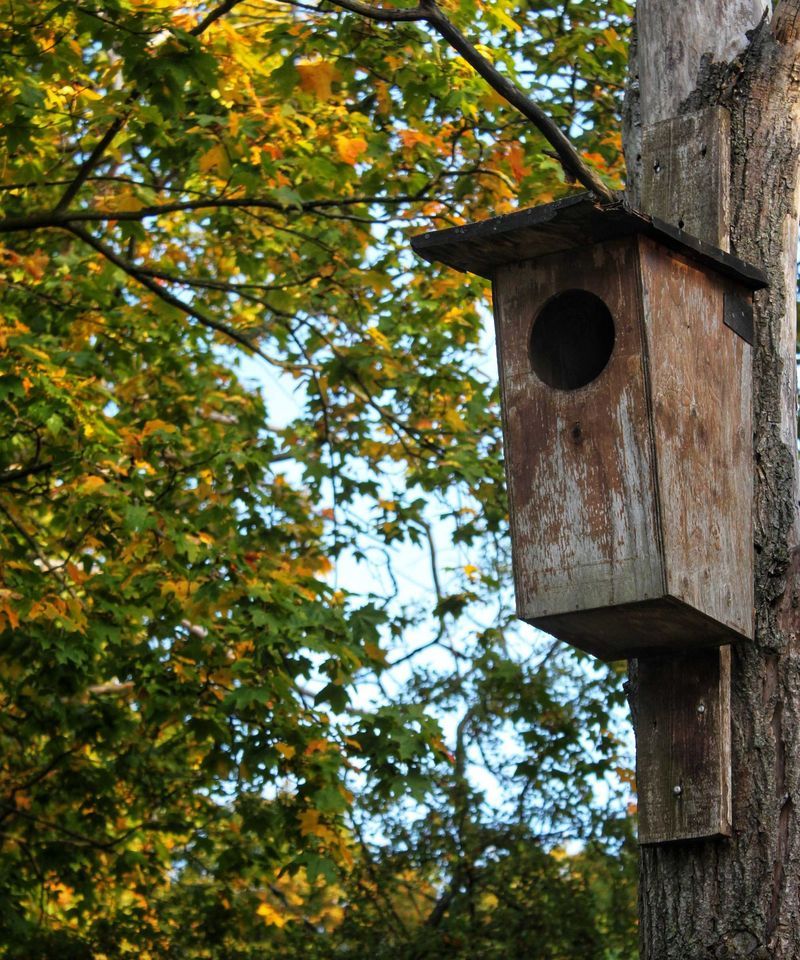
A box works best as one piece of a yard that feels like owl country. The good news is that most of the steps are things you stop doing, not things you buy.
Keep mature trees and snags when it is safe to do so. They hold natural cavities for nesting and daytime roosting.
A dead limb away from the house and walkways may be worth leaving.
Eastern Screech-Owls eat small rodents and insects, according to the New Hope Bird Alliance guide. That is part of their diet.
It is not a promise that one box will solve a mouse problem.
The same guide recommends avoiding rodenticides, because poisoned prey can pass the danger to owls. It also suggests reducing excessive night lighting.
Try switching off floodlights you do not need, and shield the ones you keep. Your yard gets darker, and the night gets a little more natural.
Some evenings you may hear a soft, trembling whinny from the trees. If it happens, you will know you made room.
