
The Texas Plants Around Your Porch That Bring Geckos In To Eat Roaches
Follow us on Google
It’s 10 p.m. in Texas, the porch light is humming, and a big roach just skittered past your flip-flop. Then a pale little gecko darts off the brick and snaps it up before you can even grab a shoe.
That tiny hunter didn’t show up by accident. The right plants around your porch give geckos shade, hiding spots, and a steady buffet, so they stick around and work the night shift for you.
1. Turk’s Cap
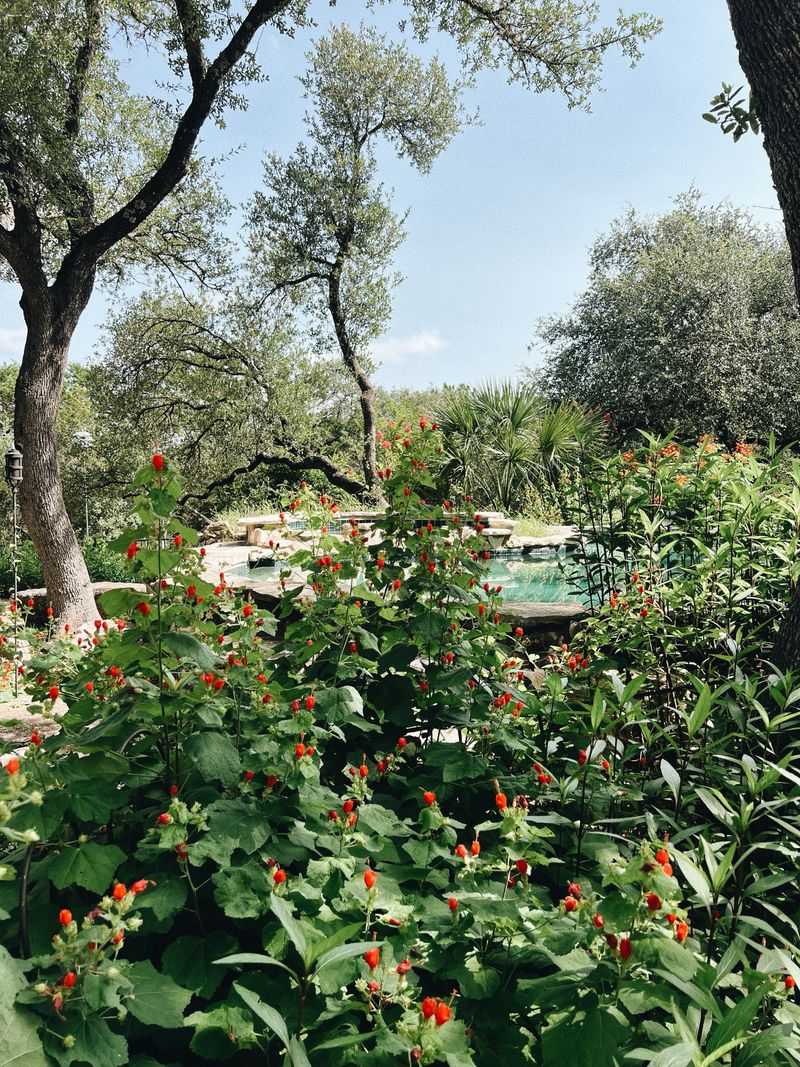
Shady porches give most flowering plants trouble. Turk’s cap (Malvaviscus arboreus) shrugs it off and fills the space with thick, leafy cover that geckos genuinely love.
Here is the secret. Geckos spend daylight hours hiding from birds and heat, and a plant this dense works like a cool apartment building right next to their hunting grounds.
Plant Turk’s cap about 2 to 3 feet from your porch edge in spring or fall. It grows 3 to 5 feet tall in Central Texas and handles blackland clay without complaint.
Water deeply once a week the first summer, then mostly let rain handle it.
When the red flowers swirl open, hummingbirds arrive by day and moths by night. Those moths are dinner, and your gecko tenants will notice.
2. Texas Lantana
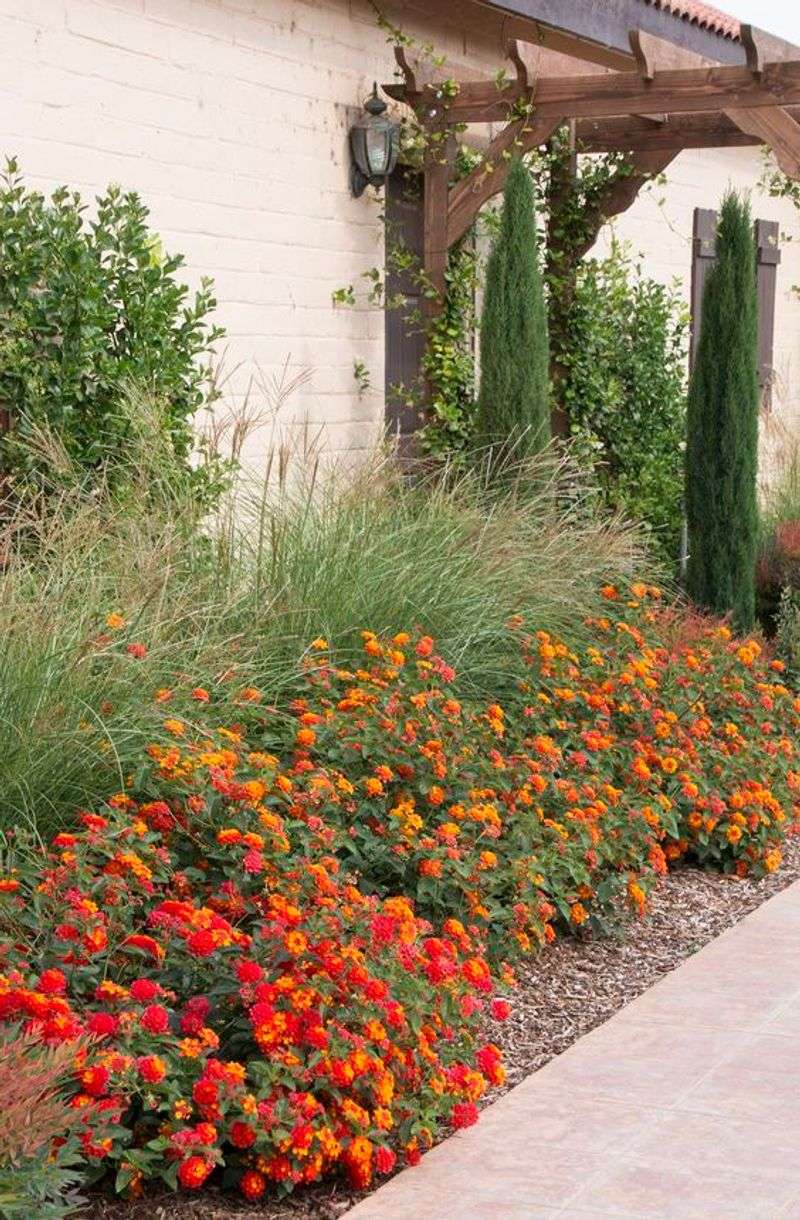
A sun-baked porch that hits 100 degrees by noon feels hopeless for cover plants. Texas lantana (Lantana urticoides) actually seems to enjoy that kind of punishment.
Its tangled stems form low, twiggy clumps where geckos can tuck in tight. Small lizards prefer squeezing into narrow gaps, and lantana growth is full of them.
Set plants 2 to 3 feet apart along the sunny side of the porch. In the Hill Country and West Texas, lantana handles shallow, alkaline soil and caliche, the chalky layer that stops shovels cold.
Give a 1 inch soak every 7 to 10 days the first summer, then back off.
Be honest with yourself about limits. Lantana will not wipe out roaches alone, but it is one sturdy layer in the plan.
3. Henry Duelberg Salvia
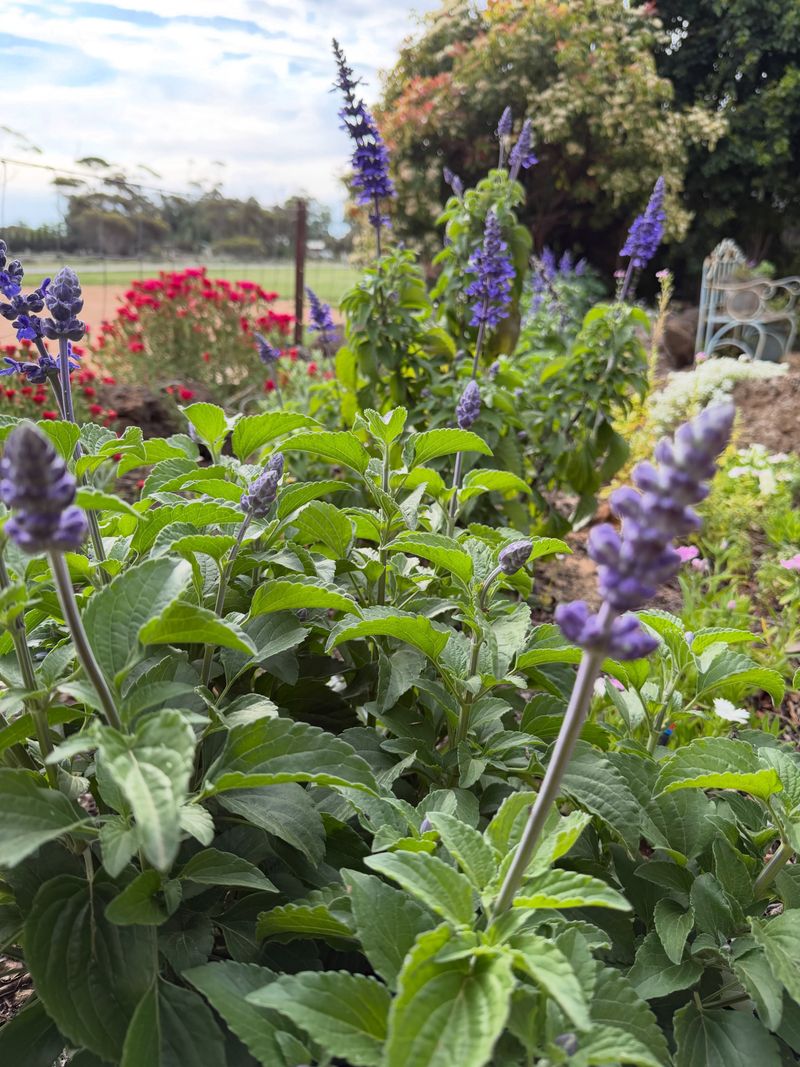
Most people plant salvia for the purple color. The geckos are more interested in who comes to visit.
Henry Duelberg salvia (Salvia farinacea) is a Texas Superstar plant, a title from Texas A&M AgriLife Extension for plants that prove tough statewide. It blooms from spring until frost and pulls in moths, flies, and small beetles.
More insects means a fuller buffet, so geckos have a reason to stay put instead of wandering off. Plant in full sun, 2 feet apart, and trim it back by one third in midsummer for fresh flowers.
It grows about 2 to 3 feet tall. Think of it as the diner sign that keeps your hunters fed.
4. Gregg’s Mistflower
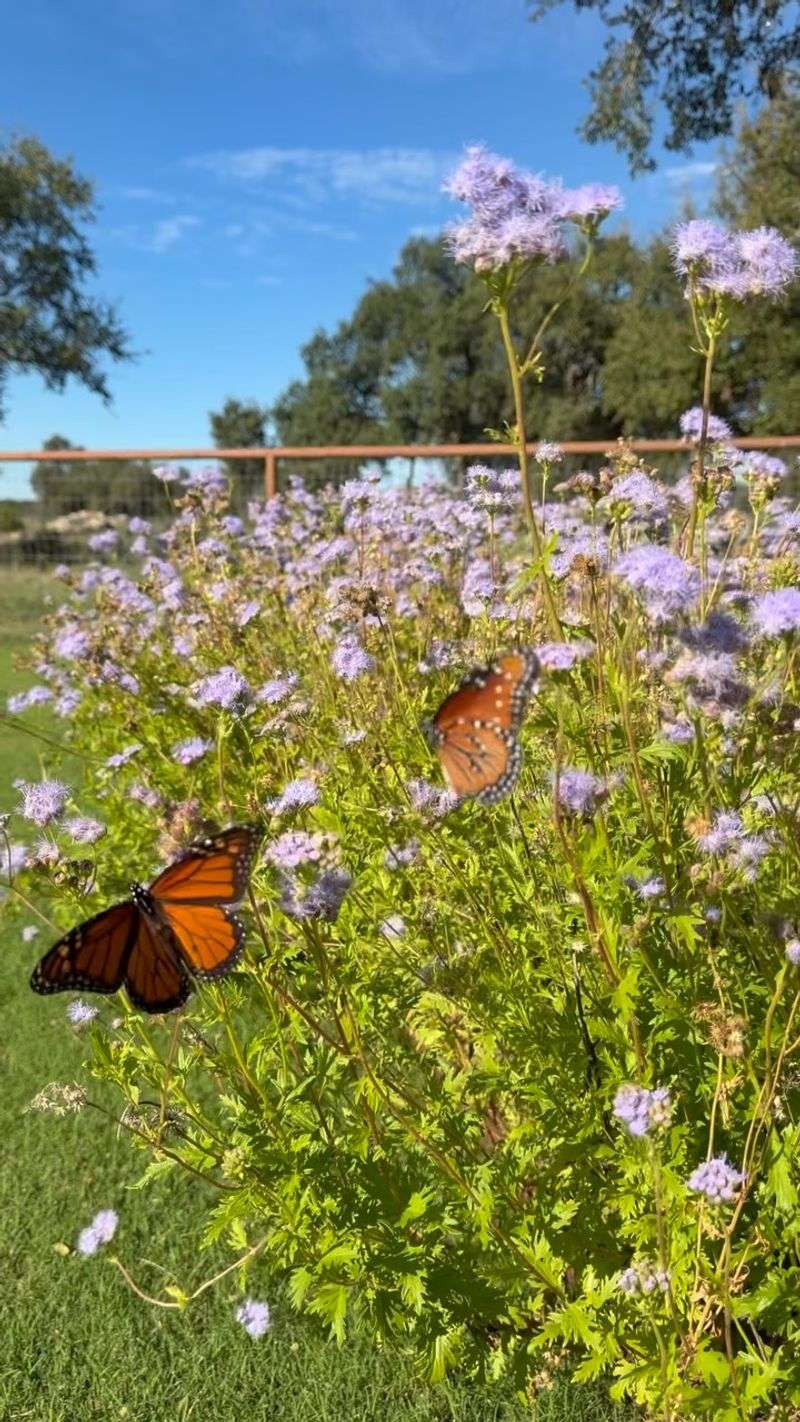
Picture a fuzzy lavender carpet humming with butterflies by the porch steps. Gregg’s mistflower (Conoclinium greggii) brings that scene and plenty of smaller bugs too.
It stays low, around 18 inches, and spreads by underground runners. That low cover gives geckos a shaded path along the ground where they hunt roaches coming out of mulch.
In South Texas and Central Texas, it handles part shade and full sun. Space plants 2 feet apart in spring.
During the fall monarch migration in October, it can draw clouds of visitors.
So you get butterflies by day and a gecko hallway by night, which feels like a fair trade.
5. Texas Frogfruit
Bare dirt beside a porch is a gecko dead zone. Nothing hides there, and nothing hunts there.
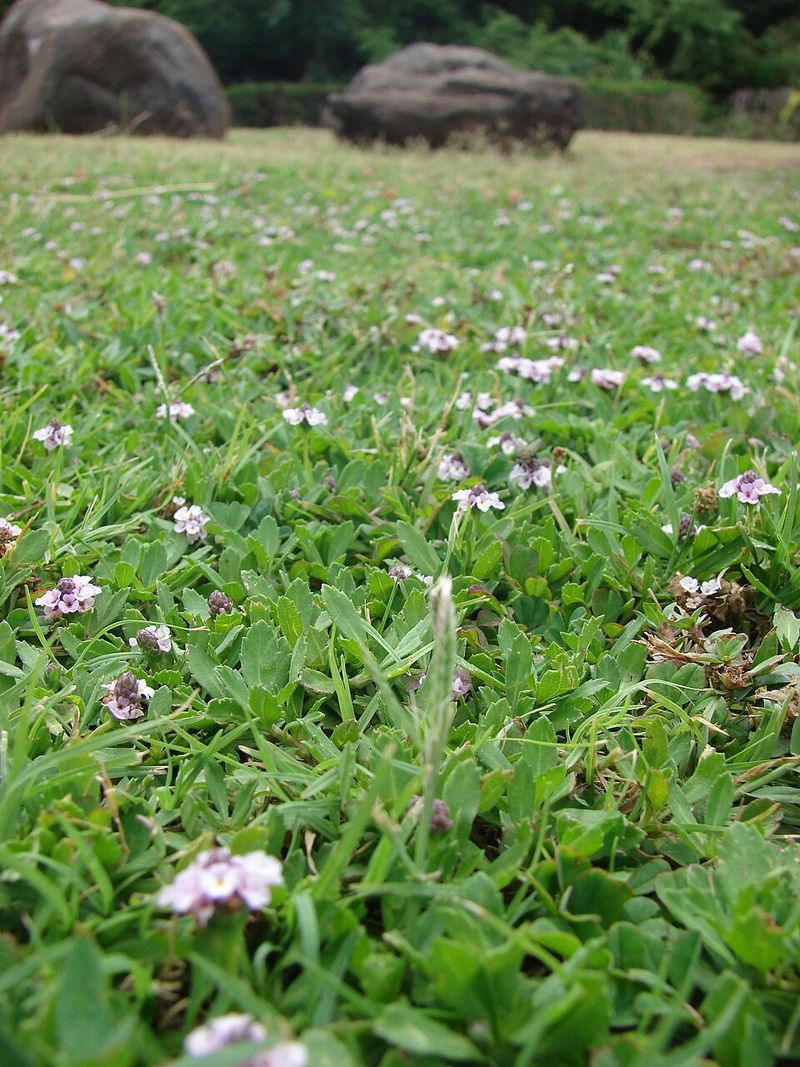
Texas frogfruit (Phyla nodiflora) fixes that. It grows only 3 to 6 inches tall but knits a mat that shades the soil and attracts tiny pollinators.
It handles dry spells and soggy spots, which matters along the Gulf Coast where downpours follow drought. Plant plugs 12 to 18 inches apart in spring and they fill in within one season.
That low mat connects your shrubs into one corridor. Geckos can move from cover to cover without crossing open ground, and that keeps them close to the porch roaches love.
6. Flame Acanthus
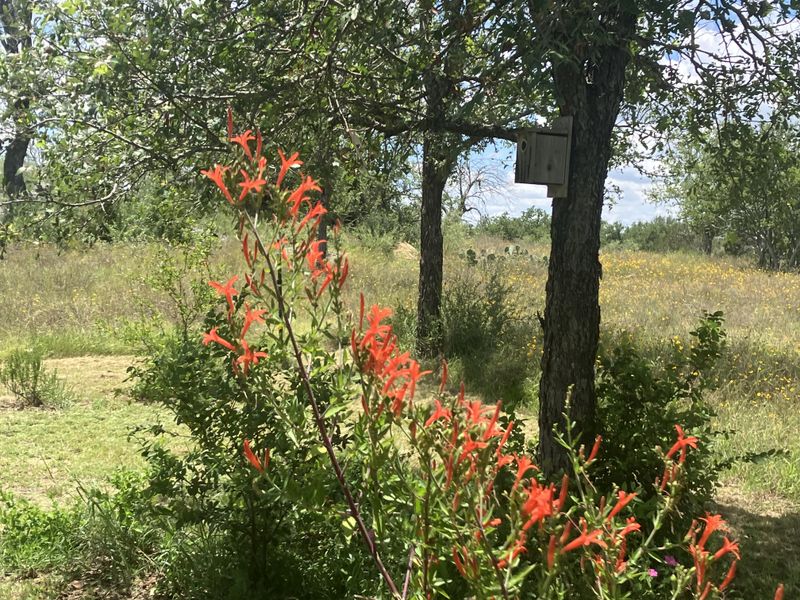
Some shrubs sulk in a dry stretch. Flame acanthus (Anisacanthus quadrifidus var. wrightii) just keeps blooming orange from summer into fall.
Its fine, twiggy branches build a bushy shelter about 3 to 4 feet tall, and the flowers draw hummingbirds plus the insects that trail behind them.
In West Texas and the Panhandle, cut it back to 6 inches in late winter so it regrows thick. Plant it 3 feet from walls where afternoon sun warms the brick, since geckos are cold-blooded and like a warm launch pad.
Once established, water every 2 to 3 weeks. Low effort, steady cover, and a quiet hero for hot sides of the house.
7. Inland Sea Oats
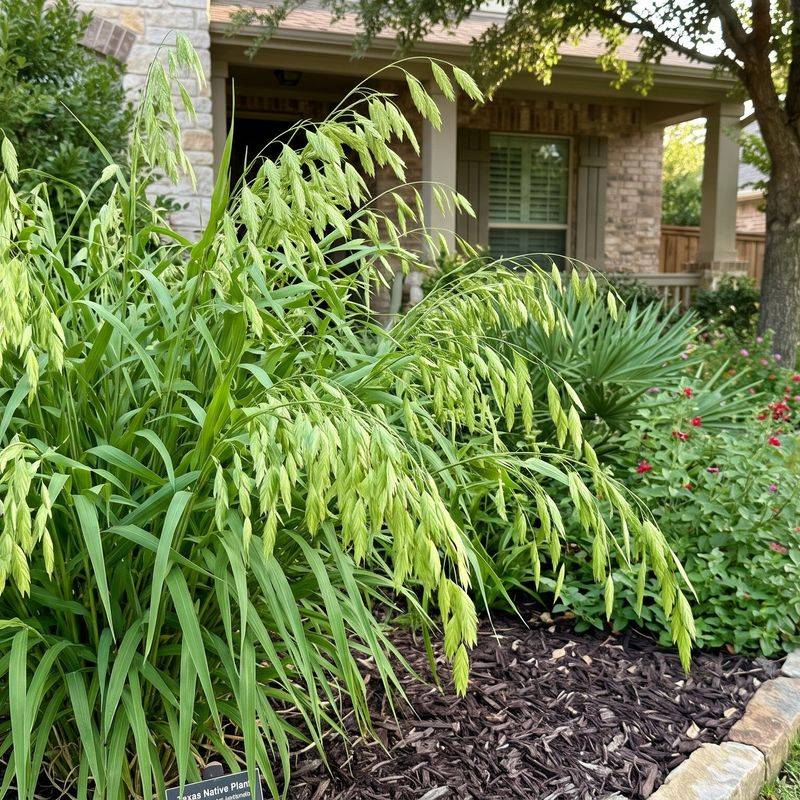
Grass is not usually what you think of for pest control. Inland sea oats (Chasmanthium latifolium) changes that view in shady corners.
The clumps shelter crickets and small insects at their base, and geckos forage right through them. Native bunchgrasses like this also keep moisture from pooling on your porch.
East Texas acidic sand suits it well. Plant clumps 18 to 24 inches apart in fall and water weekly until roots settle.
One warning, it self-seeds freely. Pull extras in spring and it behaves, a small chore for a lot of cover.
8. Autumn Sage
Many Texas homeowners spray everything when roaches show up. Here is where it gets tricky, those sprays also kill the geckos and their food.
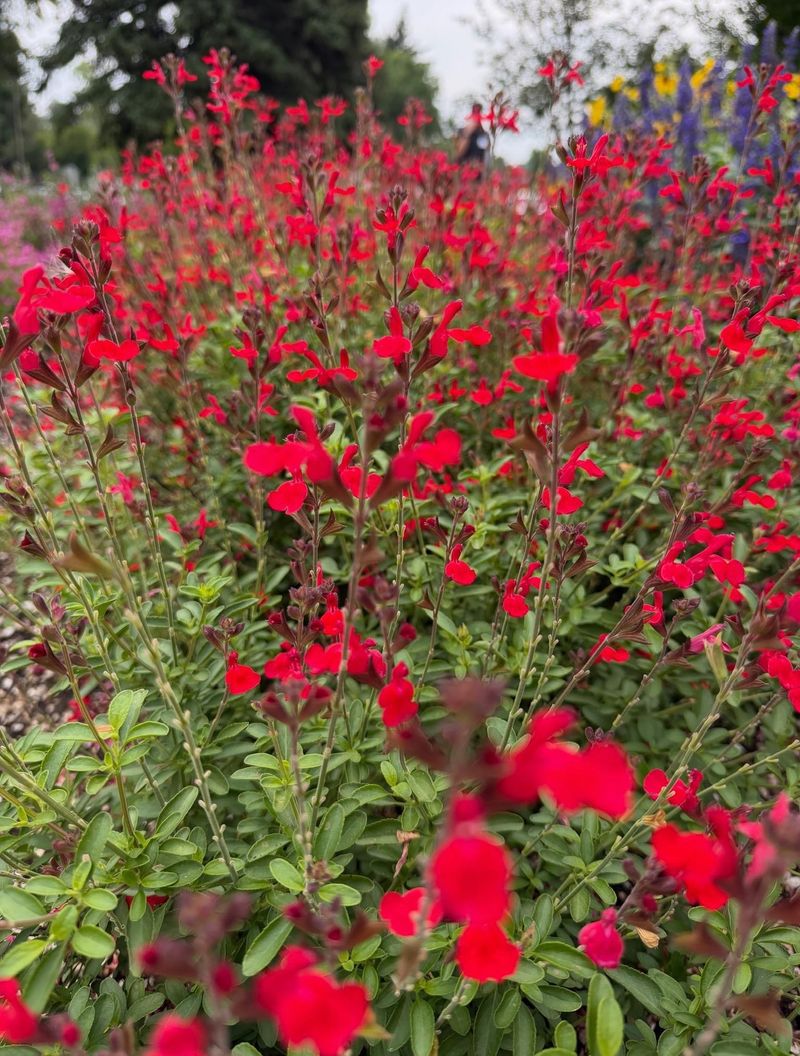
Autumn sage (Salvia greggii) makes a fitting last stop because it rewards a hands-off yard. It blooms red, pink, or white from spring to frost and needs little water once established.
Plant 3 feet apart in sunny beds, then add a few flat stones nearby for warm basking spots. Texas A&M AgriLife Extension points to sanitation and removing clutter as the base of roach control, so keep leaf piles off the foundation and swap porch bulbs to yellow ones.
Plants do not replace those habits. But together, you have built a porch that defends itself, and that is something to be proud of.
