
Where The Groundhog In Your Pennsylvania Yard Actually Goes All Winter
Follow us on Google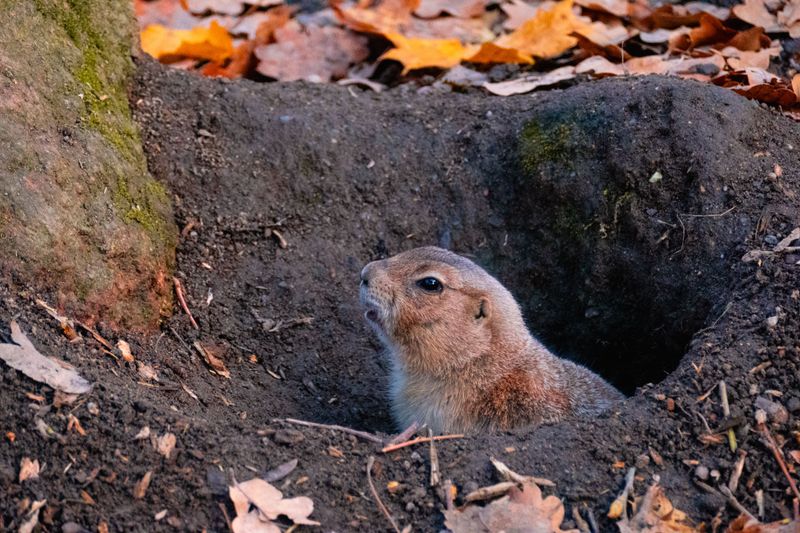
The groundhog that vanished from your Pennsylvania garden in late fall most likely went underground to a winter den. It is living on fat it packed on during the warm months.
You may have watched it waddle past the beans on a crisp October morning, leaves crunching nearby, and then it was just gone. Here is where it went, what it is doing down there, and what that means for your yard come spring.
The Groundhog Retreats Underground
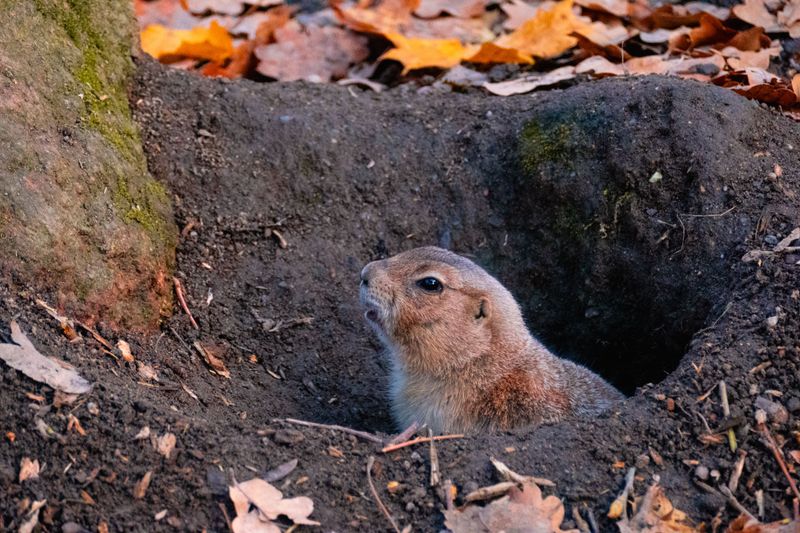
Your groundhog did not leave town. It most likely went underground into a hibernation chamber, where it now lives largely on fat stored during summer and early fall.
Think of it as a furry pantry on legs, closing the door for the season.
All summer, groundhogs eat heavily. Clover, grasses, and a few too many of your garden vegetables turn into the body fat that will carry them through winter.
Many Pennsylvania gardeners notice a groundhog looking especially round in September, and that is no accident.
According to the Pennsylvania Game Commission, groundhogs typically begin denning when hard frosts arrive in October, and few remain active after November 1. That is a typical pattern, not a calendar every animal follows.
A mild fall in the Delaware Valley may keep one out a bit longer, while a cold snap on the Allegheny Plateau may send another down early.
Here is where it gets tricky. Going underground is not the same as staying beneath your exact garden.
The animal retreats to a winter den, and that den may be right under your yard or somewhere nearby. A sighting in your tomato patch cannot tell you which.
So the empty garden is not a mystery with no answer. It is a hint that a quiet winter routine has begun, just out of sight.
Its Winter Den May Not Be Your Garden
Here is a surprise. The burrow beside your garden fence may be the groundhog’s summer feeding spot, not its winter bedroom.
Some groundhogs use one burrow all year, but others keep separate winter and summer dens.
Per Purdue Extension, winter dens are often in wooded or brushy areas. Animals may leave them weeks after emerging and move to summer dens nearer open feeding areas.
That makes sense when you think about it. A garden is a great dinner table, but a wooded edge may offer a calmer place to sleep.
Virginia Cooperative Extension describes a similar pattern, with the animal shifting between dens through the year. Picture a family with a lake cabin and a town house, and you have the idea.
Many homeowners in the central valleys or the Susquehanna Valley have a hedgerow or woodlot just beyond the lawn. That kind of cover is just the sort of place a winter den may be tucked.
So what can you say for sure? A groundhog retreats underground, possibly nearby.
But a garden sighting simply cannot pin down its exact winter address. And that is genuinely fine, because it keeps you from assuming too much about any one hole.
A Burrow Holds More Than One Entrance
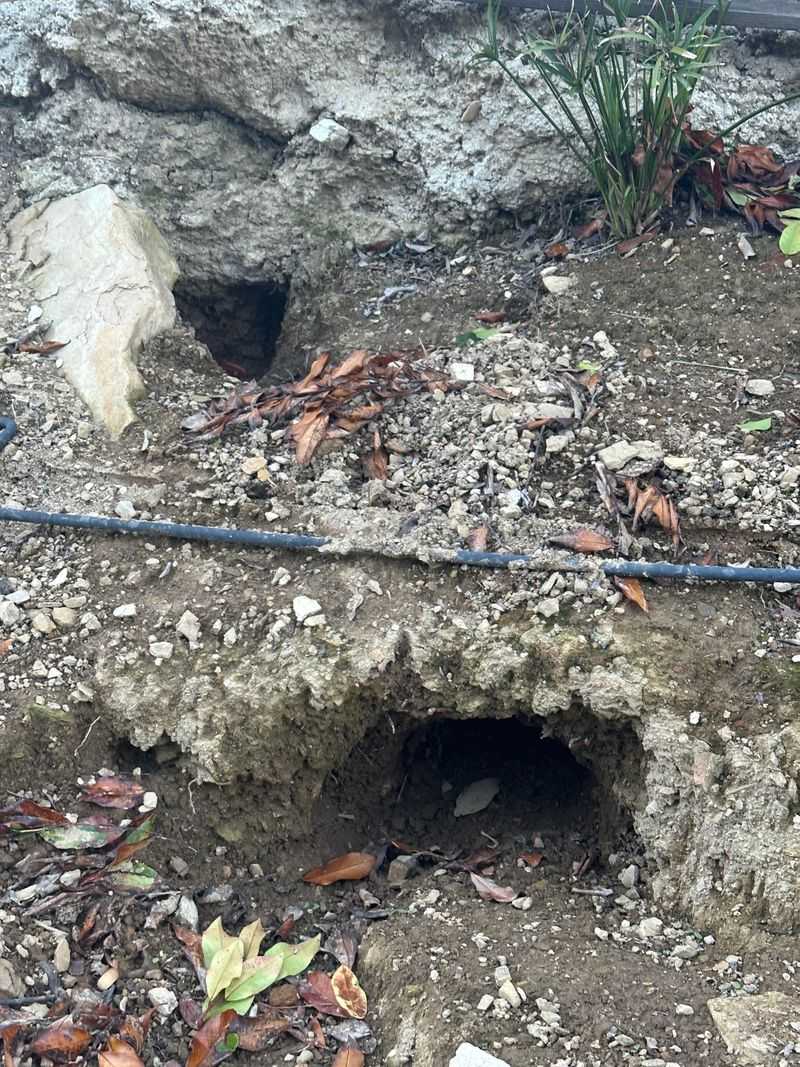
Most people see the big hole with the dirt pile and think that is the whole burrow. It is not even close.
Underneath is a small neighborhood of tunnels.
The Pennsylvania Game Commission describes a sloping main tunnel with side passages. It often has two or three less conspicuous drop holes, which are small openings with no dirt mound, often hidden in grass or brush.
Purdue Extension adds that a system has separate chambers. It gives an average depth of about 2 to 4 feet and a horizontal length of 15 to 25 feet or more.
Those are broad descriptions, not measurements of your yard, and soil matters. Rocky glacial ground in the northern tier may behave differently than heavy clay in southeastern Pennsylvania.
Now the practical part. If the main hole looks quiet, the animal may simply be using another entrance.
You could be staring at the front door while the family uses the back.
A quiet entrance does not prove a burrow is abandoned. Walk the nearby fence line and brush before drawing conclusions, and look for fresh dirt or flattened grass.
That small habit can save you from a very awkward mistake.
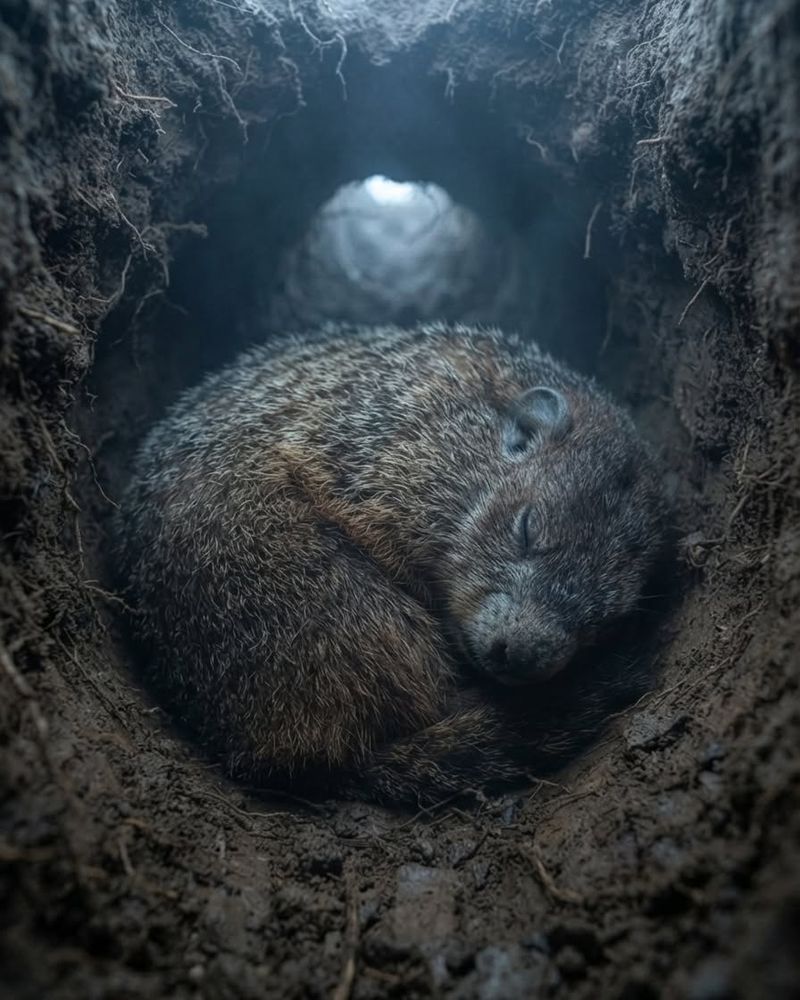
Hibernation Is Deep, Not Unbroken Sleep
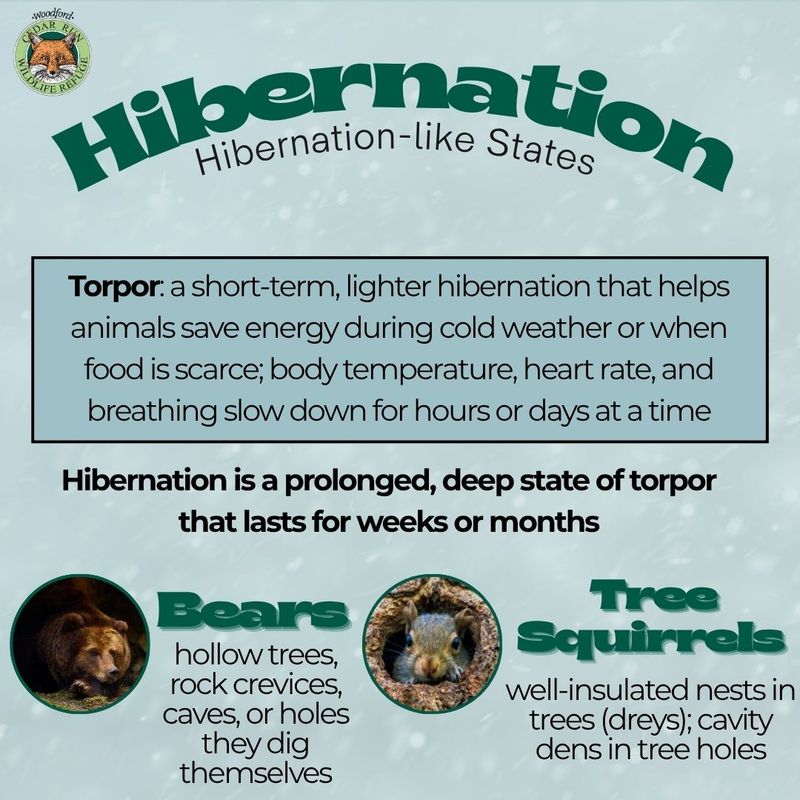
Many people say the groundhog sleeps all winter. That is a handy shorthand, but the real story is more interesting.
Hibernation is a deep, energy-saving state, not a single nonstop snooze.
The Pennsylvania Game Commission reports that body temperature falls from above 90 degrees Fahrenheit into the low 40s. Heartbeat drops from above 100 beats per minute to about four.
That is like turning a furnace down to a pilot light.
Researchers use two terms here. Torpor is the very low-energy state when the body slows way down.
Arousals are the periods when the animal warms back up. A study of eastern woodchucks tracked these patterns during hibernation, and earlier research on environmental factors looked at what shapes the winter state.
So the animal is not unconscious for months on end, and it is not a frozen statue either. How often it stirs varies, and no number fits every groundhog.
Why does this matter to you? Because a den that looks lifeless may still hold a living animal.
Stillness at the surface says very little about what is happening below the frost line.
Spring Emergence Comes In Stages

Forget the idea of one big wake-up day. Emergence is a slow, staggered event across late winter into early spring.
The Pennsylvania Game Commission describes males emerging first, in February and March, with females following. Mating happens in late February and March, and the young stay underground until about a month old.
That means baby groundhogs do not show up in your garden until well after the adults do.
Sources differ a little on timing. Purdue Extension gives February as a general period, and Virginia Cooperative Extension says February or early March.
Regional weather and different summaries explain the gap. A Lake Erie region snowbelt may run later than a warm Philadelphia suburb.
What about February 2? Groundhog Day is folklore.
It is not proof of when any animal normally emerges, and it is not a weather forecast. Punxsutawney Phil is a great story, but your yard follows its own calendar.
So when you spot one in March, you are likely seeing a routine in motion. It may be heading back toward feeding areas near open ground, which may include your garden.
Check Before You Disturb a Burrow
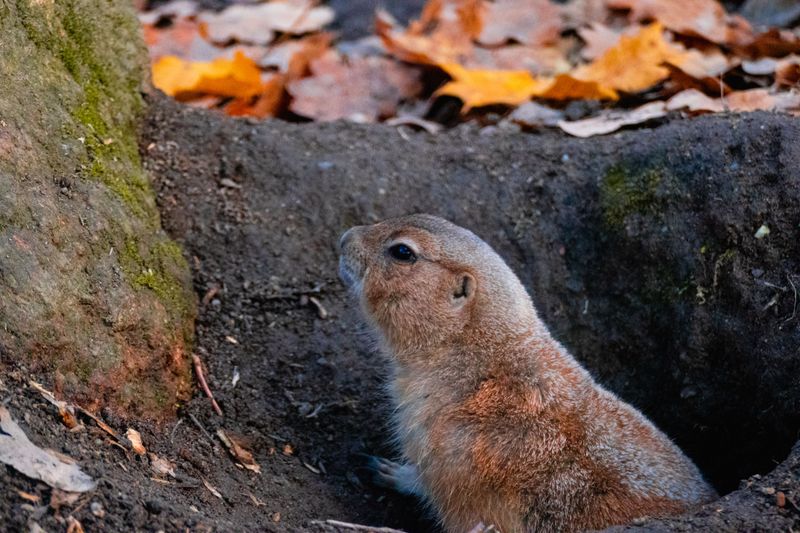
Spring brings a temptation. You see a big hole, you want it gone, and a few shovels of dirt seem like the easy fix.
Pause first.
A quiet hole does not prove an empty one. Hidden entrances may exist, and a groundhog could be inside.
Abandoned tunnels also get used by other wildlife, as noted by the Pennsylvania Game Commission. So you may be closing a door on a different animal.
The first job is to figure out whether the burrow is active and who might be using it. Watch from a distance over several days, and note fresh dirt or signs of travel.
Do not poke, block, or fill a hole just because nobody is visible.
If a groundhog is causing damage and removal is on your mind, go to the Pennsylvania Game Commission’s nuisance wildlife guidance or call a qualified professional. Do not handle the animal yourself.
And skip the idea of trapping it and dropping it somewhere else in Pennsylvania. Game Commission guidance does not treat groundhogs as wildlife to relocate.
Patience is the tool here. A calm look beats a hasty shovel.
A Garden Fence Can Limit the Damage
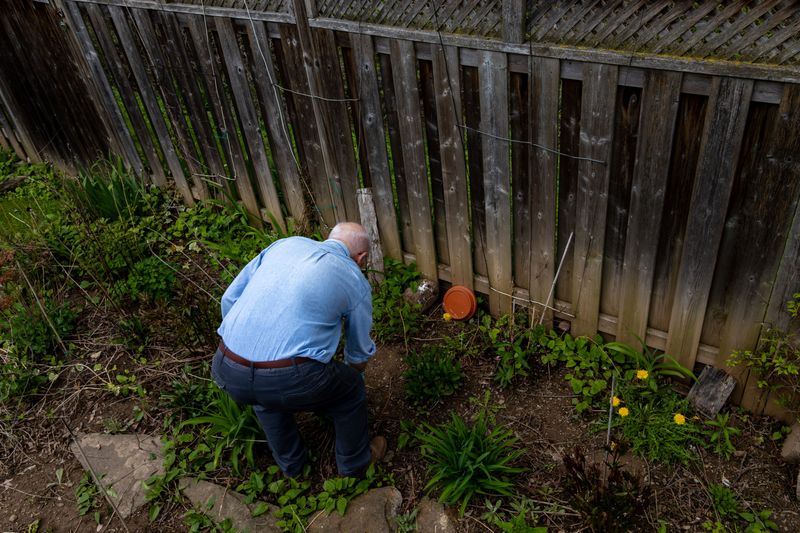
Since you cannot know which hole is the winter den, the smartest move is to protect what matters most. That means the garden itself.
Penn State Extension recommends a sturdy fence at least 3 feet high. The lower edge should be buried 12 inches, and the bottom 6 inches should be bent outward in an L.
That bent skirt is aimed at the groundhog’s habit of digging straight down at the base.
Treat this as practical exclusion guidance, not a guarantee. Soil, installation, and a determined animal all play a part.
Rocky ground in the northern tier can make burying tough, while clay in southeastern Pennsylvania can be heavy to dig.
Early spring is a smart time to build, before the first lettuce and beans tempt a hungry animal. Walk the fence line afterward and look for gaps, loose corners, or fresh digging.
Here is the quiet payoff. You do not need to solve the mystery of where the groundhog slept.
A well-built fence works whether its winter den is the burrow beside the garden or a brushy hollow down the lane.
The animal keeps its routine, and your garden keeps its harvest.
