
Skip the Mexican Feather Grass Along Your North Carolina Walkway and Grow This Native That Comes Back Every Year
Follow us on Google
Skip the Mexican feather grass along your North Carolina walkway and plant little bluestem instead. It is a native grass that can return each year and give birds cover and winter seed.
You’ve probably seen those soft, silky Mexican feather grass tufts at the garden center and felt tempted. Here is what a sunny, clay-heavy walkway really needs, and why this native is worth a close look.
Little Bluestem Fits Many North Carolina Walkways
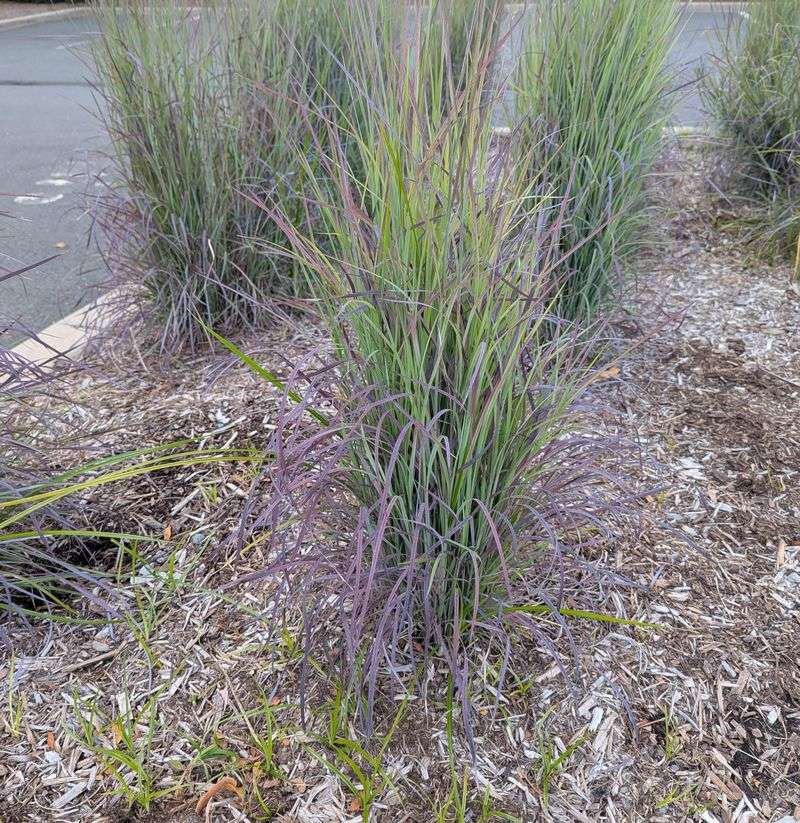
Little bluestem (Schizachyrium scoparium) is a native, warm-season perennial, and it is the grass to beat for a sunny North Carolina walkway. NC State Extension describes it as adapted to heat, humidity, and clay.
That covers a lot of Piedmont front yards.
Picture a July afternoon with the air thick and a storm building over the street. Plants that sulk in that muggy weather get noticed fast.
Little bluestem grew up in eastern North America, so it takes this kind of summer in stride.
It also helps wildlife. The same NC State profile lists it as a winter food source and a source of year-round cover, and it names songbirds among the animals it attracts.
That is a documented benefit, not a promise that birds will show up in your particular yard.
Now the honest limit. Clay tolerance does not mean tolerance of standing water.
Little bluestem wants full sun and soil that drains, even if that soil is heavy and red.
One more thing to plan for. A healthy, established plant can return each year, but it needs elbow room as it matures.
We will get to exact numbers in a later section, so keep a tape measure handy.
Think of it as a quiet neighbor that shows up every spring without being asked.
Mexican Feather Grass Is a Perennial
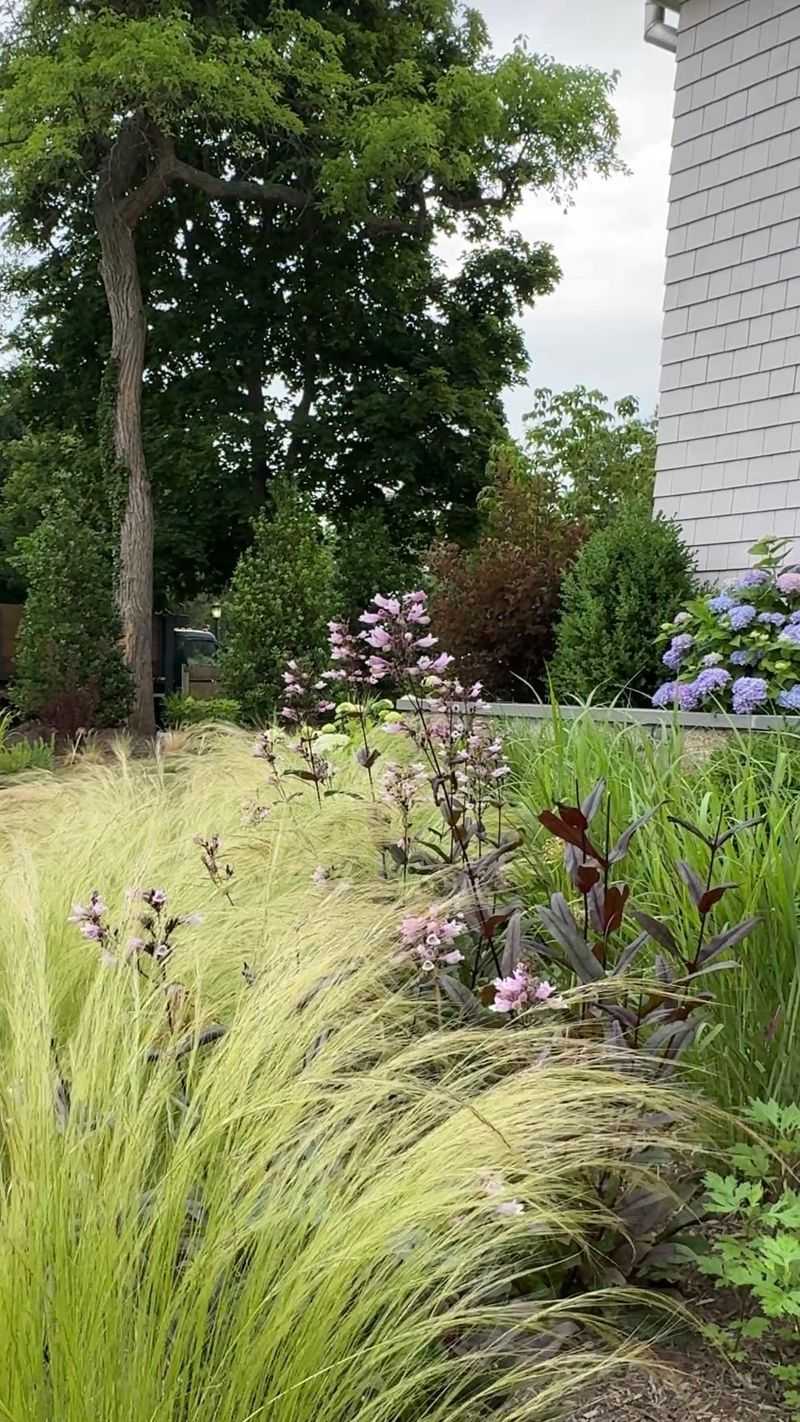
If your Mexican feather grass looked sad by August, you are not alone, and you did nothing foolish. It is a pretty plant that many gardeners try.
But it is a perennial, not an annual, and nobody needs to replace it every year.
Reports on how it handles humid weather are mixed. Texas Tech’s plant database says it does not tolerate humidity and is susceptible to root rot.
And a Mississippi State Extension trial reported poor performance and summer dormancy in central Mississippi.
Other reports read differently. An Arkansas extension account calls it widely adaptable and drought-tolerant.
So the picture depends on place and conditions.
None of these sources shows that it fails across North Carolina. They are concerns reported in particular regions.
It prefers full sun and well-drained soil, so a soggy spot may be the real culprit.
Reseeding is another thing to know. Texas Tech and Arkansas both mention it.
A University of Florida assessment rates its invasion risk high, but that is a Florida finding, not proof of anything in North Carolina.
So the swap is a choice, not a rescue. You are picking a native with a stronger track record for winter wildlife.
Tell Draining Clay From Soggy Soil

After the next good rain, walk out to your walkway strip and look. Is the water gone in a few hours, or is it still sitting there the next morning?
That simple look tells you a lot.
Heavy clay can still drain, just slowly. A low spot that holds water day after day is a different problem.
No formal test is needed, just a little patience and a flashlight if you want to check at dusk.
Here is why it matters. NC State says little bluestem tolerates clay, but it still stresses drainage.
Pink muhly also grows in some clay soils, and its profile asks for well-drained ground too.
If water lingers, fix the site first. A grass swap will not cure a wet bed.
For ornamental grasses in general, Clemson Extension suggests raised beds as one possible response to persistent drainage trouble.
A raised bed is one tool, not a universal cure. Sometimes the better move is a plant that likes wet feet.
Either way, you will know before you spend a dime. Standing water has been the hidden villain in a lot of failed plantings.
Leave Little Bluestem’s Seedheads for Winter
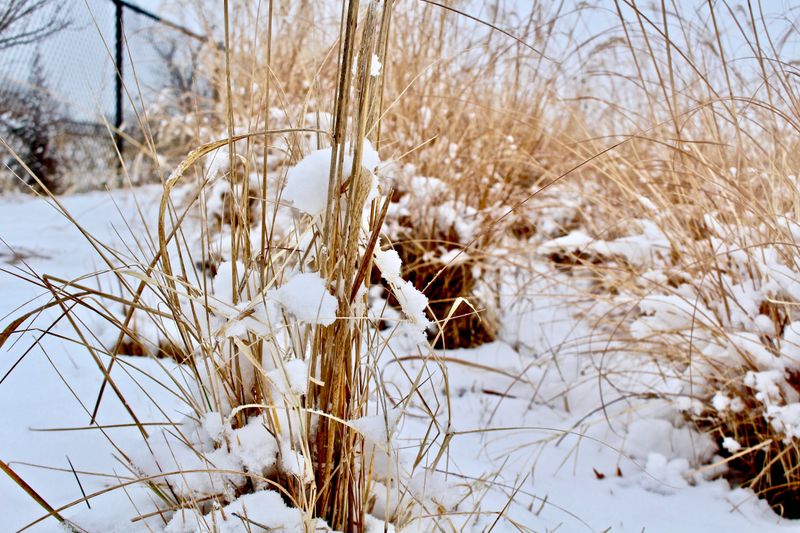
Most gardeners tidy up in fall. Little bluestem rewards the opposite move.
Leave it standing and it keeps working through the cold months.
Through summer the blades look blue-green. By fall they turn coppery, and the clump holds that warm color into winter.
Fluffy seedheads catch the low sun on a frosty morning, which is a nice reason to look out the window.
There is a practical payoff too. NC State’s profile lists the grass as a winter food source and a provider of wildlife cover, and it names songbirds among the wildlife it attracts.
Cutting it down early throws that benefit away.
Keep expectations honest. This is what the grass can offer, not a guarantee that birds will visit or feed in your yard.
Think of it as setting a small table and seeing who comes.
On a surprise cold snap, those dense clumps also give small birds a place to duck out of the wind. Wait until late winter to tidy up.
Plan for the Grass’s Mature Width

A small gallon pot is a trick of the eye. That tidy little clump is going to grow, and your walkway has to make room.
For little bluestem, NC State lists a typical height and spread of 2 to 4 feet. Use that as planning guidance, not a strict spacing rule.
Your soil and sun will shape the final size.
Measure from the edge of the path. If the strip is only a foot wide, a mature clump may flop across the stones, and you will be trimming all summer.
Give the plant more room, or set it back from the edge.
Pink muhly is bigger. NC State says it can reach about 4 feet tall and 3 feet wide.
That width may rule it out for a narrow strip.
So match the plant to your clearance rather than hoping for a tight, edged look. Wide bed along the walk?
Either grass can work. Skinny strip?
Look for a different plant.
A little planning now saves a lot of pruning later.
Plant in Spring and Cut Back Before New Growth
Warm-season grasses like little bluestem do best when planted in spring. The soil is warming, and the roots have a full season to settle in before winter.
Pick a sunny spot with soil that drains.
After planting, water well and then keep an eye on moisture. N.C.
Cooperative Extension’s guidance for new beds suggests about 1 inch of water weekly during the first year when rainfall is insufficient. Treat that as a general guide, not a rigid schedule.
Heavy rain, sandy soil, and hot spells all change the math.
Poke a finger a couple of inches down. Dry?
Water. Damp?
Wait. Roots need moisture to establish, but soggy soil is the thing to avoid.
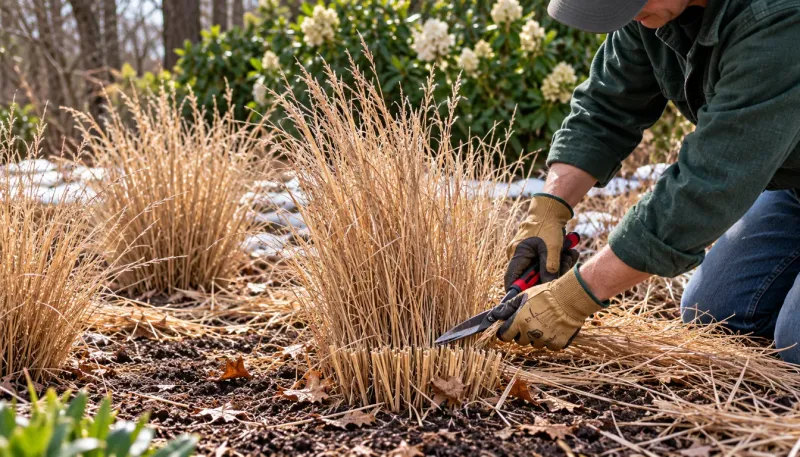
Skip the fall cleanup. Ornamental grass guidance from Lee County Extension backs leaving foliage for winter, and NC State’s little bluestem profile says to cut it back in late winter or early spring.
Cut before the new green shoots show, so you do not snip them. That one haircut is nearly the whole maintenance plan.
By the second year, the plant should need much less from you.
Choose Pink Muhly for Fall Plumes
Sometimes the choice comes down to your site. If water stands persistently, fix the drainage or pick a plant suited to wet ground.
No grass swap will fix a soggy bed.
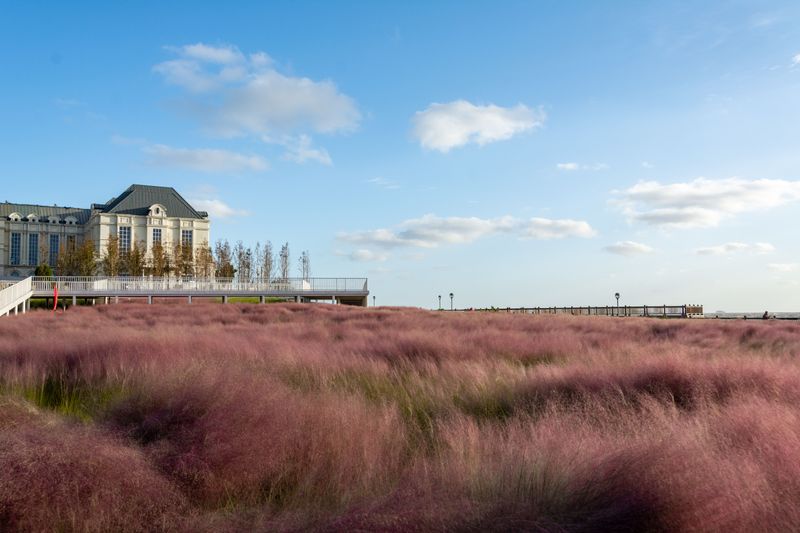
Where you have full sun, good drainage, and space, pink muhly (Muhlenbergia capillaris) is a lovely separate option. NC State says it tolerates heat and humidity, which suits our summers.
Its showpiece is fall. NC State describes pink plumes lasting roughly 6 to 8 weeks or until frost, then fading to tan.
Cloudy pink at dusk is hard to beat.
Be clear about what you are buying. Pink muhly is for color, and it does not have the same documented bird-food value as little bluestem.
Both can sit in the same yard if you have room.
Drainage matters here too, and Clemson’s grass guidance is worth a read before you dig.
Pick for the spot you actually have, and the grass will do the rest.
