
Cut Your Roses Back Hard Now Or Wait Until Spring, The Answer Decides Next June’s Flush
Follow us on Google
Put the shears down. For most US home gardeners, waiting until spring to cut roses back hard is the safer choice.
You can still tidy up now, and a few cuts really do help. Here is what to trim this fall, what to save for spring, and why your rose type and local winter change the plan.
The Safer Fall Choice Is Usually Less
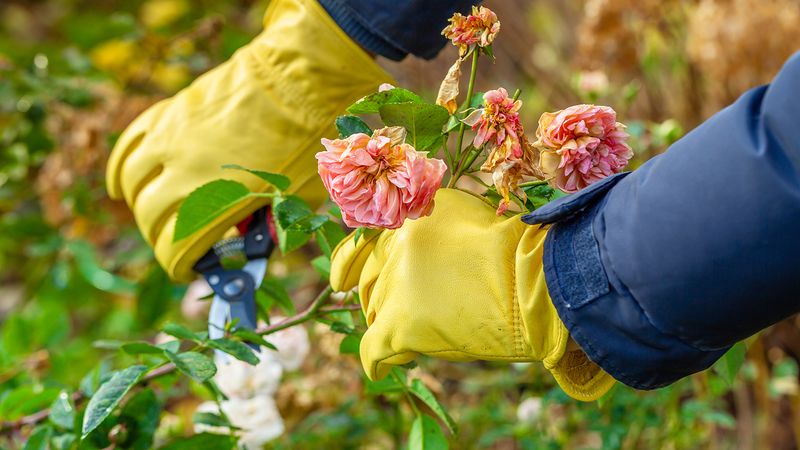
Picture a crisp October morning, coffee in hand, a few last blooms hanging on and the shears calling your name. Hold off on the big haircut.
For most home gardeners, hard pruning in fall is the riskier move.
Here is the reason. A hard cut can nudge a plant to wake up and push tender new growth, and a cold snap can then kill that growth back.
University of Maryland Extension warns that fall pruning can contribute to stem dieback in a cold snap. Think of it like opening a window in January and wondering why the house got cold.
Missouri guidance, such as the University of Missouri Extension pruning guide, also leans toward light fall work and bigger pruning in spring. Still, this is a default, not a ban.
Some gardens, especially windy ones, can justify a limited trim.
What can a fall cut actually do? It can remove dead, sick, or broken wood and lower tall canes that might whip around in storms.
What it cannot do is control how your plant blooms next year. Weather, rose type, and winter survival all get a vote.
So the useful split is simple. Cleanup and damage prevention can happen now.
Structural pruning, the kind that reshapes the whole plant, usually waits until spring, when you can see what winter actually did.
A Cleanup Cut Is Not A Hard Prune
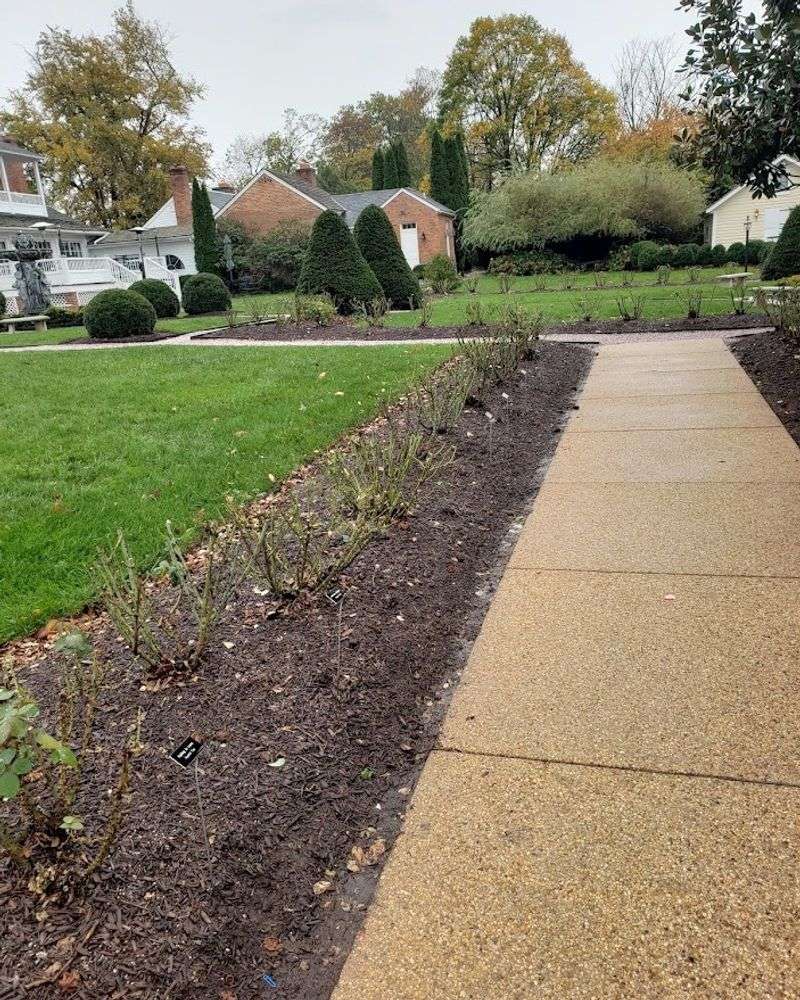
Blunt truth: not every cut is the same kind of cut. Fall cleanup means taking out canes that are dead, diseased, or broken.
Those canes will not bloom for you, and diseased ones can carry trouble into spring.
Damage prevention is the second job. If healthy canes are so tall that wind may whip them, loosen the roots, or snap them under snow, a limited shortening can make sense.
Take off only what you need.
Hard shaping is a different animal. That means cutting a plant down to a framework of short canes, or renovating an overgrown shrub.
It is generally safer to wait on that.
Regional advice shows how much this varies. University of Minnesota Extension suggests Minnesota hybrid teas be cut back to 24 to 30 inches after hard frosts to reduce wind rock.
That is for hybrid teas in Minnesota, not a height for every rose in every state.
Oregon State’s rose pruning guide also mentions taking several inches off some hybrid teas, floribundas, and grandifloras to reduce winter wind damage. Notice the pattern.
These are small, purposeful trims, not a dramatic haircut.
Ask yourself one question before each cut. Is this fixing damage or preventing it?
If not, leave it for spring.
What Kind Of Rose Are You Cutting?

Many gardeners inherit a rose and never learn its name. That matters more than any calendar, because different roses bloom on different wood.
A schedule that suits one can wreck another.
Repeat-flowering hybrid teas, floribundas, and grandifloras are the roses most people picture. They bloom on new growth and generally get their structural pruning in spring.
Illinois Extension separates these from other groups for good reason.
Modern shrub roses are tougher and need lighter handling. Severe pruning can cut down their flower production.
Climbing roses and ramblers follow their own rules too, and repeat-blooming climbers are usually pruned differently from once-blooming ramblers.
Then come the old-timers. Once-blooming Gallicas and Damasks flower on old wood, which means last season’s canes carry this season’s buds.
They are generally pruned after flowering, not in fall or early spring. Cut them hard in the wrong season and you may trim away the whole show.
So check your plant first. Does it bloom once, or again and again?
Is it a climber, a shrub, or a bush with a tidy hybrid tea shape? Read the tag if you still have it, or watch it bloom next summer before you decide.
Never copy one group’s directions onto another.
Spring Reveals What Winter Took
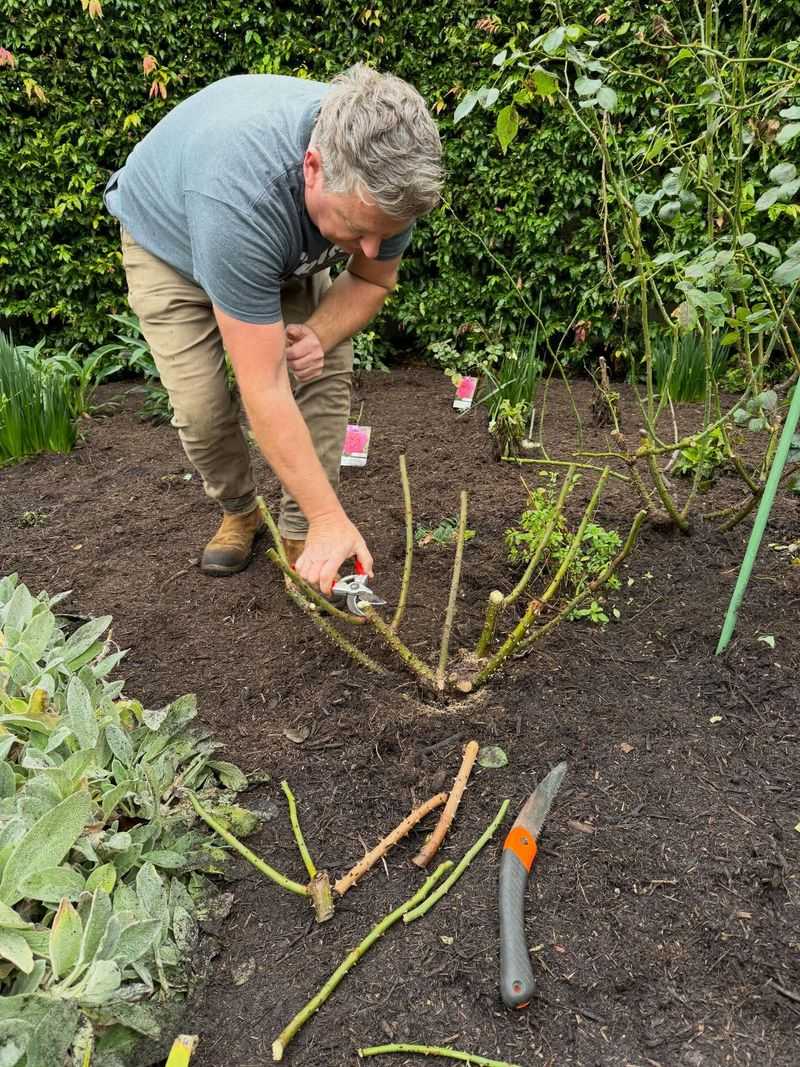
By late winter, your roses will tell on themselves. Brown, shriveled, or hollow canes are dead.
Green, plump canes with swelling buds are alive. Waiting until spring makes that easy to read, so you are not guessing.
For repeat-flowering hybrid teas, floribundas, grandifloras, and similar modern roses, Illinois Extension gives a clear plan. Start by removing dead and weak canes.
Then keep about 3 to 5 strong canes and prune them to 3 to 5 outward-facing buds.
The same guidance says these roses can be cut back by roughly one-half to two-thirds in early spring. Treat that as guidance for those groups only, not for every rose in your yard.
A once-blooming old garden rose or a shrub rose does not follow it.
Now the cut itself. Use sharp, clean pruners and cut about 1/4 inch above an outward-facing bud, angled away from it.
Water then runs off the bud, and new growth heads outward, opening up the center for air.
If a cane looks dead, cut it back until you see healthy tissue, which is pale green or white inside. Think of it as peeling back a bruise until you reach good fruit.
The plant will thank you with fresh growth.
There Is No Nationwide Pruning Date
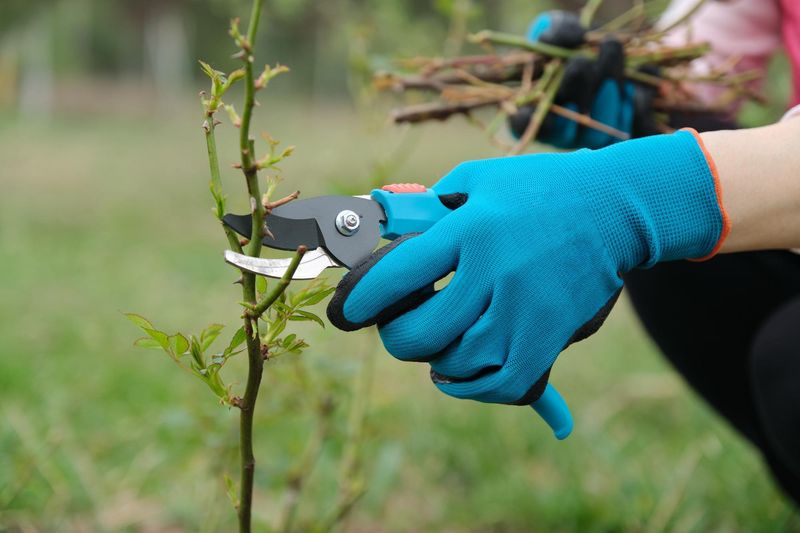
A myth worth retiring: there is one correct spring date for pruning roses. There is not.
A gardener in a mild valley and a gardener in high desert live in different seasons.
Oregon shows this well. Oregon State Extension gives mid-February to early March as the pruning window in the Willamette Valley.
That is the Willamette Valley, not your town unless you happen to live there.
Move east into Central Oregon and the picture changes. The Central Oregon rose guide gives late April or early May as a general spring window.
It cautions against pruning too early, when new growth may be hit by frost.
Those two examples sit only a few hours apart, yet the timing differs by about two months. Now imagine what that means across the country.
Neither Oregon window is nationwide advice.
So how do you find yours? Start with your local Extension office, which knows your frost dates.
Then watch the plant and the weather. When buds begin to swell and the hardest freezes are behind you, you are close.
Pruning too early risks tender new shoots meeting a late frost, like stepping outside in shorts before the cold has really left.
Winter Cover Can Matter More Than A Haircut
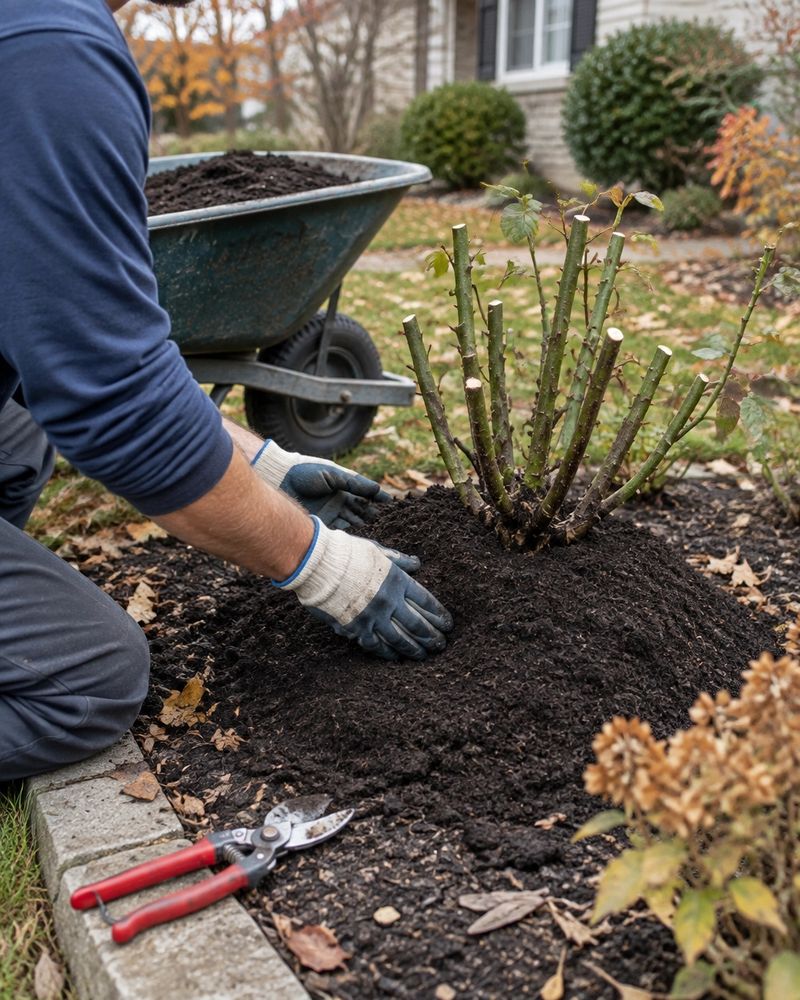
In cold regions, a rose dies from cold roots and frozen canes, not from being too tall. That is why protecting the plant can do more good than a dramatic fall trim.
Cover is a blanket. Pruning is only a haircut.
Timing matters here, too. Illinois Extension advises delaying protection until after a hard killing frost.
Its example is hilling with 10 to 12 inches of loose, well-drained material.
Minnesota gives more detail by rose type. According to University of Minnesota Extension, hardy shrubs may need 2 to 4 inches of mulch.
Tender hybrid teas get 8 to 12 inches of soil or compost over the crown after the ground freezes.
Notice how the numbers shift. A tough shrub in one state and a delicate hybrid tea in another need different blankets.
Those depths and materials are regional and rose-type examples, not rules for every yard.
If you live somewhere with mild winters, you may need little or no cover. If you live where winters bite, ask your local Extension office what suits your rose and your zone.
Then pile on the protection and let the plant rest.
Next June Is Not A Guaranteed Prize
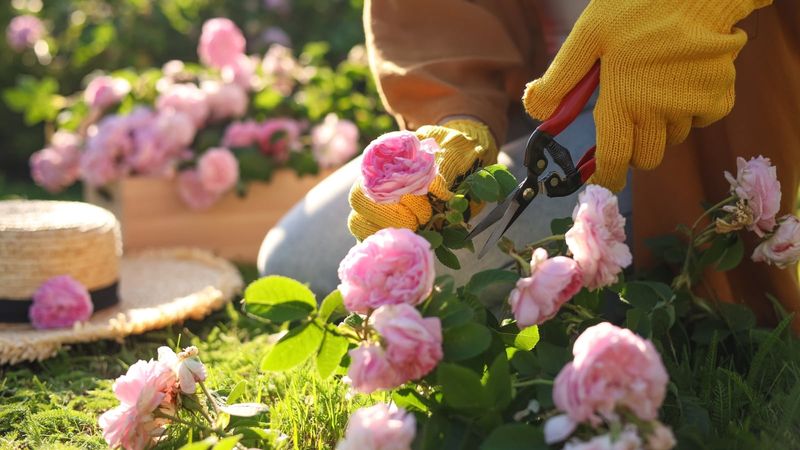
Good news and honest news. Pruning can shift when your roses first bloom and how many flowers they make.
It cannot promise a big June show.
Timing is part of the story. Oregon State says later spring pruning means a later first flush of flowers, and that statement comes from the Willamette Valley.
It is not a fixed date for the rest of the country.
Bloom size is a special case. Mississippi State Extension says show hybrid teas pruned to 18 inches can give fewer but larger blooms, while 24 inches can give more but smaller ones.
That trade-off belongs to show hybrid teas.
For modern shrub roses, the opposite worry applies. As Illinois Extension notes, severe pruning can reduce flower production.
Rose type, winter survival, pruning date, and spring weather all shape what you see.
So here is your rule. Clean up damage now, prevent breakage where you need to, identify your rose, and time the big cuts locally in spring.
A rose is a patient neighbor, and it rewards the gardener who waits.
