
Turk’s Cap Is A Texas Native Worth Trying In Sun Or Shade, If Your Site Fits
Follow us on Google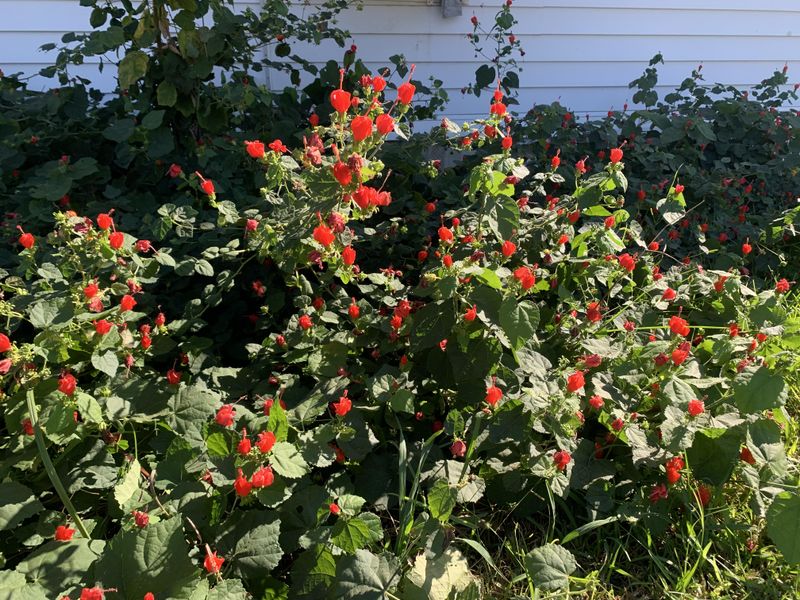
You step outside on a hot July morning in Texas, and a hummingbird is already hovering at a red flower that looks half-opened. That flower belongs to Turk’s cap, a tough native shrub that blooms when many other plants give up.
It can grow in shade or sun and in several soil types, but it has clear likes and limits. Here is how to tell whether it fits your yard.
A Texas Native With A Real Range
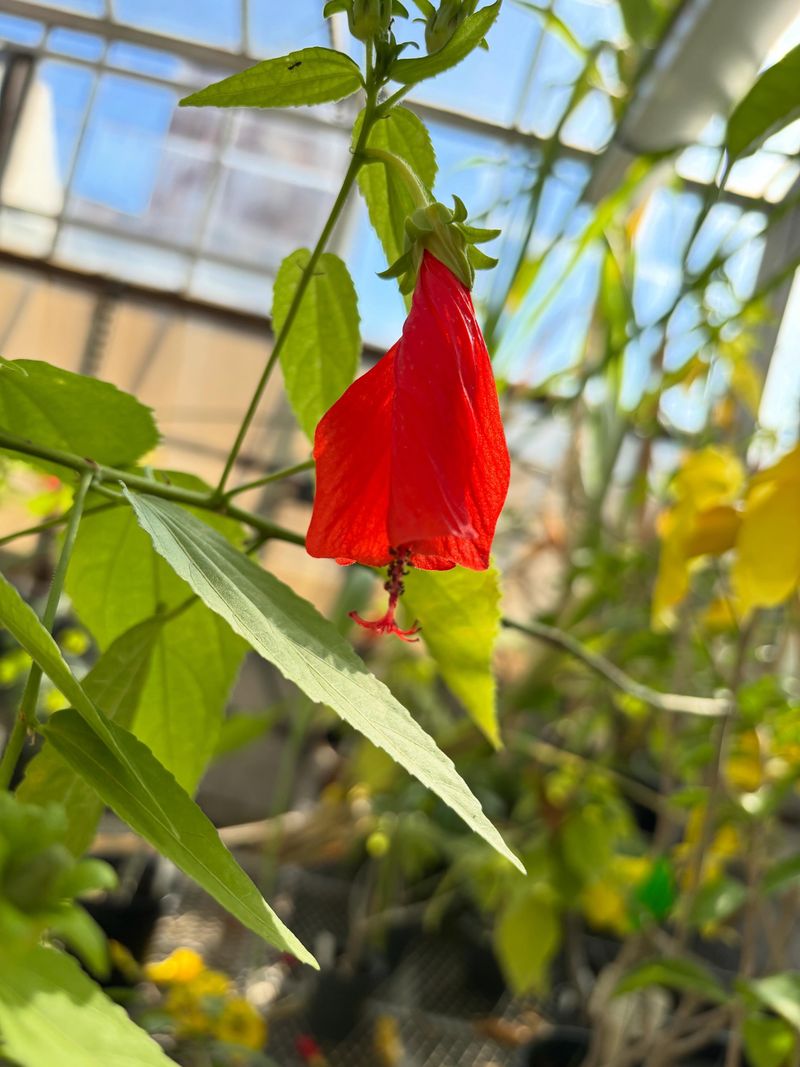
Turk’s cap, known to botanists as Malvaviscus arboreusdrummondii var. , has a reputation as a plant that handles almost anything. There is truth in that.
It is a hardy native shrub with red, twisted blooms that look like they never quite finish opening.
Still, a reputation is not a guarantee. You may also see it listed as Malvaviscus drummondii, which is a synonym, so do not be confused if a nursery tag uses the older name.
Here is the first thing to know. Native to Texas does not mean equally happy in every corner of Texas.
The Lady Bird Johnson Wildflower Center lists its native range as Central Texas and eastward. Austin’s city plant guide, found in the City of Austin plant guide, points to the Edwards Plateau as its local home territory.
That means a yard in the Hill Country or East Texas starts with a natural advantage. A yard in the Panhandle or far West Texas deserves more caution and a closer look at local conditions.
The idea running through this article is simple. There is a difference between what Turk’s cap can tolerate and what it prefers.
It can tolerate shade or sun, and several kinds of soil. It prefers partial shade and moist, well-drained ground.
Plan for the preferred conditions where you can, and treat the tolerated ones as a safety net. That is how you get a shrub that looks good instead of one that merely survives.
How Much Sun Can It Handle?
By late afternoon in August, a west-facing bed can feel like an oven door left open. Some plants shrug that off.
Turk’s cap tolerates more than you might expect, but it does not love it.
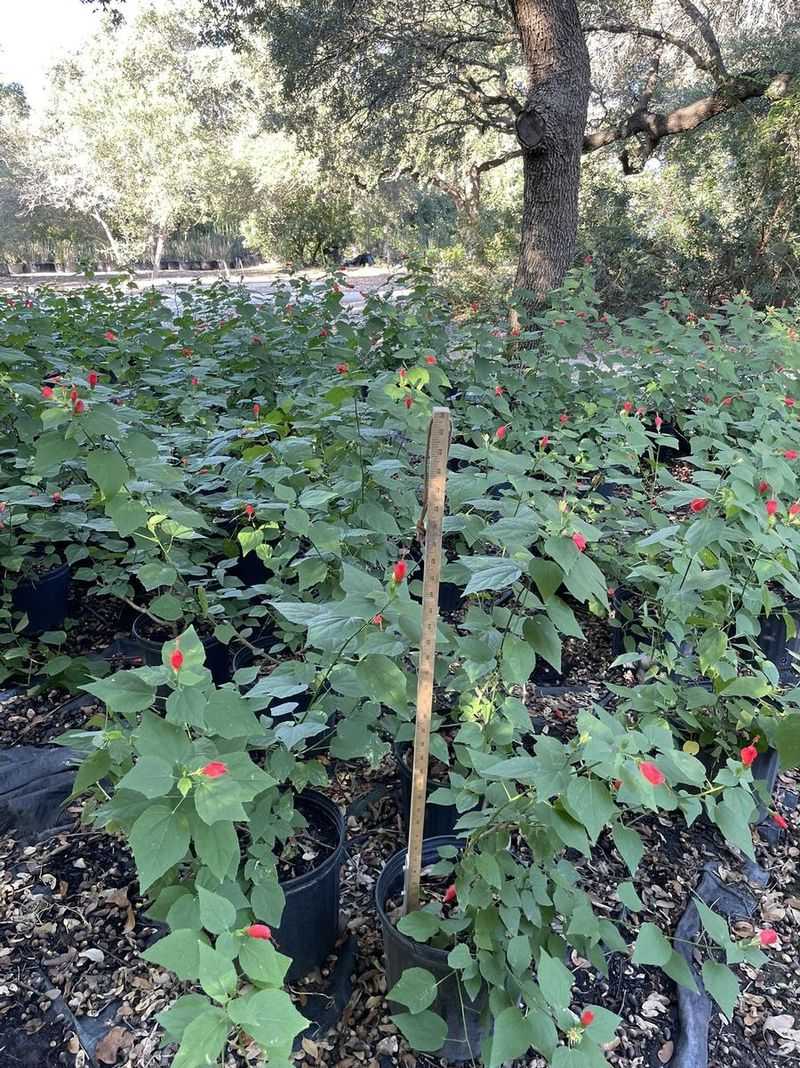
The shrub can grow in shade or in full sun. That flexibility is real, and it is why you see it tucked under oaks in one yard and along a sunny fence in another.
But the two settings do not give the same results. The Wildflower Center describes partial shade as preferred and warns that persistent sun can stress the foliage.
In harsh light, leaves can turn smaller, rougher, darker, and puckered.
So think of full sun as possible, not ideal. Partial shade is the safer choice across Texas, especially where afternoon sun is intense, such as South Texas or an open West Texas lot.
Here is a practical way to choose. Watch your bed on a sunny day.
A spot with morning sun and afternoon shade, or light filtered through tree branches, is a strong candidate.
If your only open spot is in full sun, you can still try it. Give it good soil and careful watering, and keep an eye on the leaves.
Puckered, dark foliage is your clue that the site is asking too much.
The takeaway is a modest one. Shade is not a limit for this plant, and sun is not a death sentence.
Partial shade is simply where it looks its best.
A Soil Range, Not A Blank Check
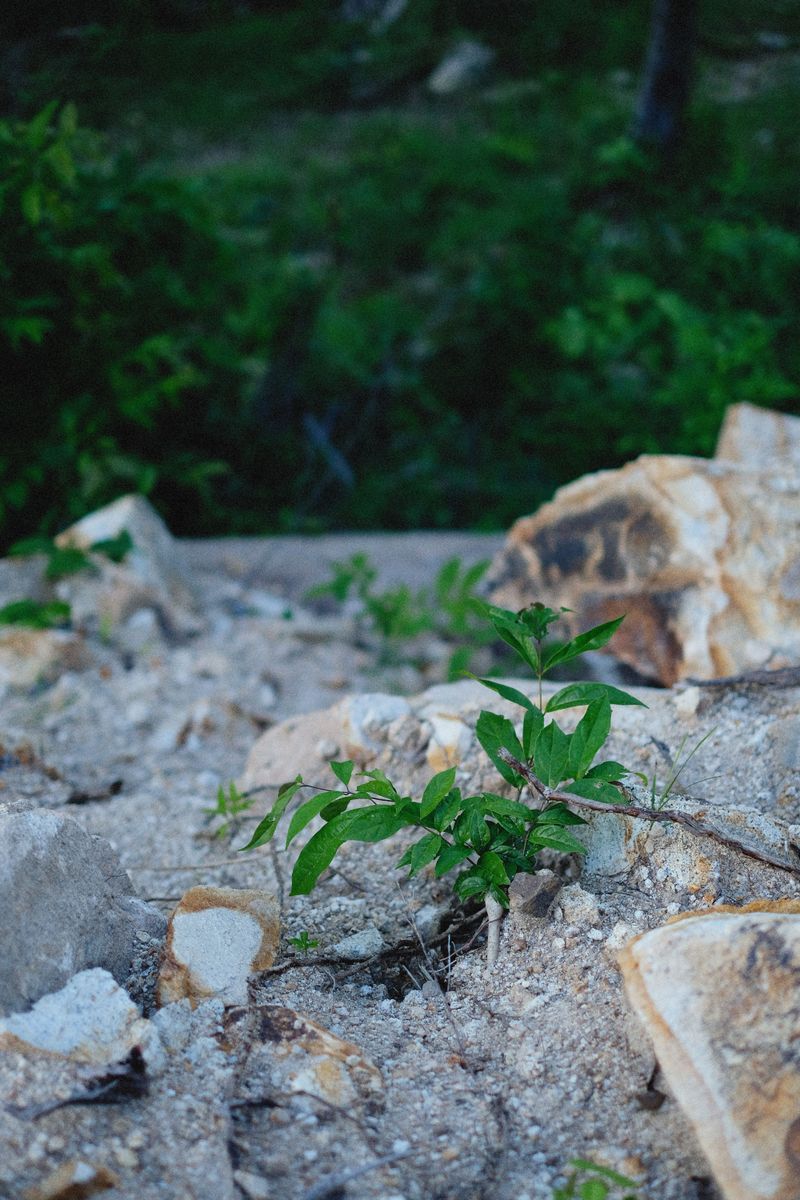
Texas soil is a patchwork. Blackland clay in the north, sand in the east, and thin limestone ground in the Hill Country can all show up within a few hours of driving.
That is why Turk’s cap gets so much praise. The Wildflower Center profile says it adapts to sandy, loamy, clay, and limestone soils, including heavy soil.
Now the catch. Tolerating a soil is not the same as loving it.
The same profile names moist, well-drained woodland soil as the best match.
Think of the plant as a good houseguest. It will sleep on the couch if it must, but it prefers a real bed.
If you have heavy clay, drainage is the thing to watch. Look at the spot after a hard rain.
If water stands for a long time, consider a raised area or a different location.
In sandy ground, expect it to dry out faster, so new plants may need closer attention while roots settle. Mixing in compost can help hold some moisture, though it is one layer of care, not a cure-all.
Establishment matters in every soil type. A young shrub with a small root system has fewer options than a mature one.
Give it a fair start and it will have more room to show off its adaptability later.
So the honest answer is this. Many soils can work, but none of them are a free pass.
Give The Shrub Room To Spread
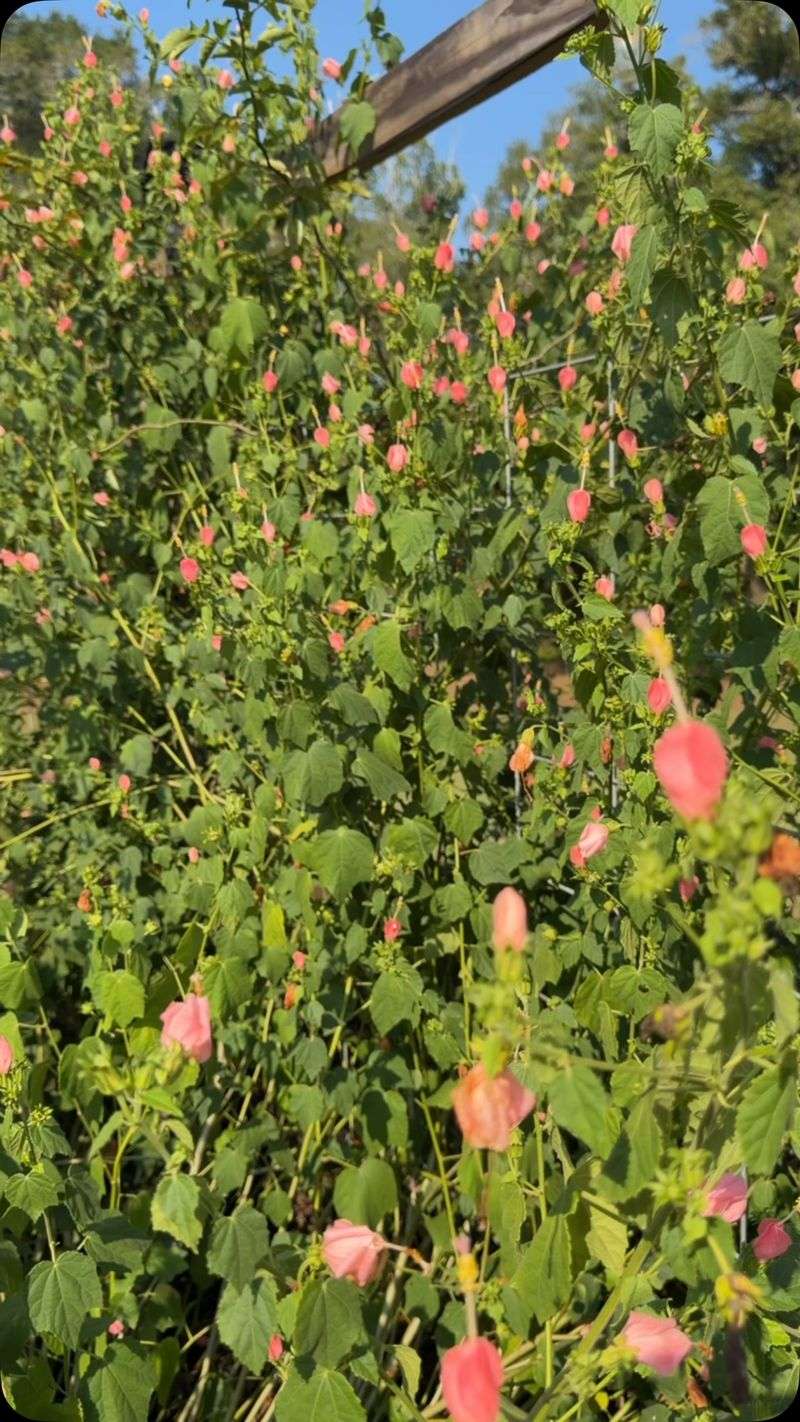
Size numbers for Turk’s cap depend on who you ask. That is not a flaw in the sources, it is just how this plant behaves in different places.
The Wildflower Center lists it as commonly 2 to 3 feet tall, sometimes reaching 10 feet. Austin’s plant guide gives 2 to 6 feet tall and 3 to 5 feet wide.
A Harris County Master Gardener article reports a typical range of 3 to 6 feet in both height and width. Treat all of these as ranges, not promises.
Growth habit matters too. Austin describes the shrub as forming expanding colonies that are easy to contain, and the Harris County gardeners report suckers, which are new shoots that pop up from the roots.
That does not make it a bully. It simply means the plant wants room, and a spot beside a narrow walkway or tight against a foundation may lead to trimming.
Before you plant, picture a circle about 5 feet wide and leave it open. A spot along a fence, under a tree, or at a bed’s back edge often works well.
If suckers appear where you do not want them, pull or dig them out while they are small. A little pruning keeps it tidy.
Plan for the space once, and the shrub becomes a pleasant surprise instead of a problem.
Water Deeply While Roots Settle
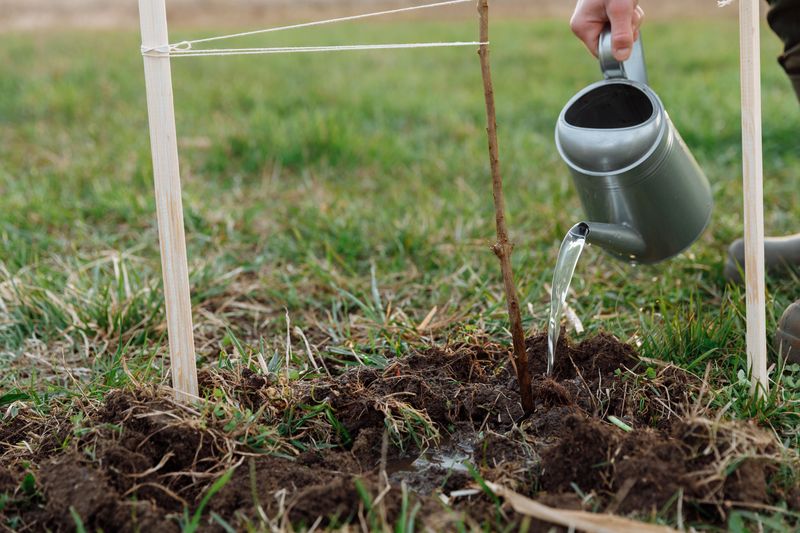
A new shrub is a bit like a new neighbor. It needs more attention at first, then settles in and asks for less.
That is the heart of watering Turk’s cap. New plantings need water more often than established ones, but there is no magic weekly schedule that fits every yard.
Rainfall, soil type, and season all change the answer. Sandy soil drains fast, clay holds water longer, and a hot July dries a bed faster than a mild October.
So how do you know when you have watered enough? The Texas Water Development Board’s landscape watering guide, developed with Texas A&M AgriLife Extension, recommends checking that water reaches 4 to 6 inches into the soil.
You can test it with a small trowel or a screwdriver. Push it into the soil after watering.
If it slides in easily to that depth, the water went deep.
The guide also favors deep watering over shallow watering. Frequent light sprinkles keep roots near the surface, where heat can reach them quickly.
A slow, deep soak encourages roots to move downward, which helps a shrub handle dry stretches. A layer of mulch can help hold moisture, though it is one part of the plan.
Give the roots time, and you will water less as the season goes on.
Winter Changes The Perennial Promise
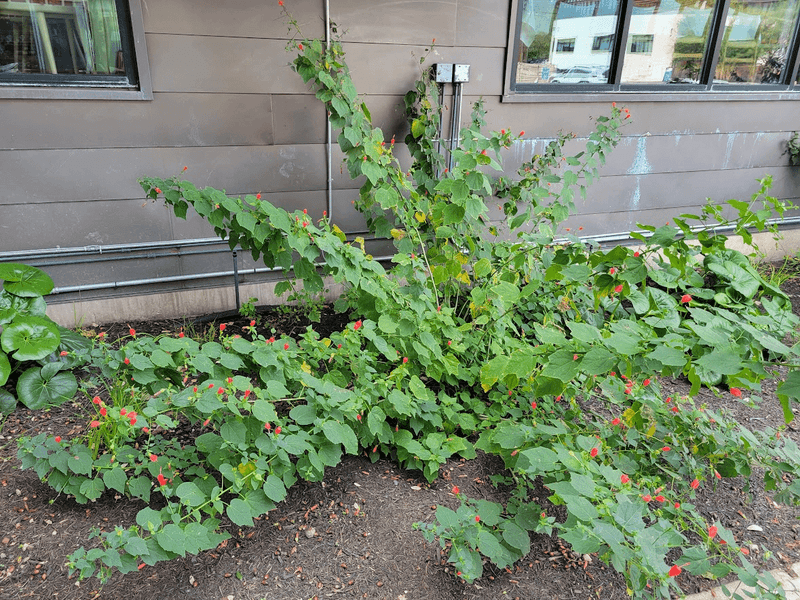
After a hard freeze, a Turk’s cap can look like it has quit. Brown, limp stems and bare branches can fool you into thinking the plant is gone.
Often it is not. Austin’s plant guide notes that the top of the plant may freeze.
That is a normal risk, not a sign of failure.
But winter behavior is not the same across Texas. The Harris County Master Gardener article cautions that in North Texas it may act as an annual, while in South Texas it can persist as a root-hardy perennial.
Root-hardy means the roots survive even if the top dies back. In milder areas, new shoots may come up from the base in spring.
So the promise of a perennial depends on where you live and what kind of winter you get. Do not count on a carefree return every year.
If you garden in North Texas or the Panhandle, plan for the possibility of replacing it. If you are along the Gulf Coast or in South Texas, your odds of a comeback are better.
The Harris County article calls spring the preferred planting time locally. That is helpful guidance for that area, not a rule for the whole state.
Before you treat it as a permanent fixture, think about your own winters. A little realism now saves disappointment later.
Flowers Feed Adults, Fruit Feeds Wildlife
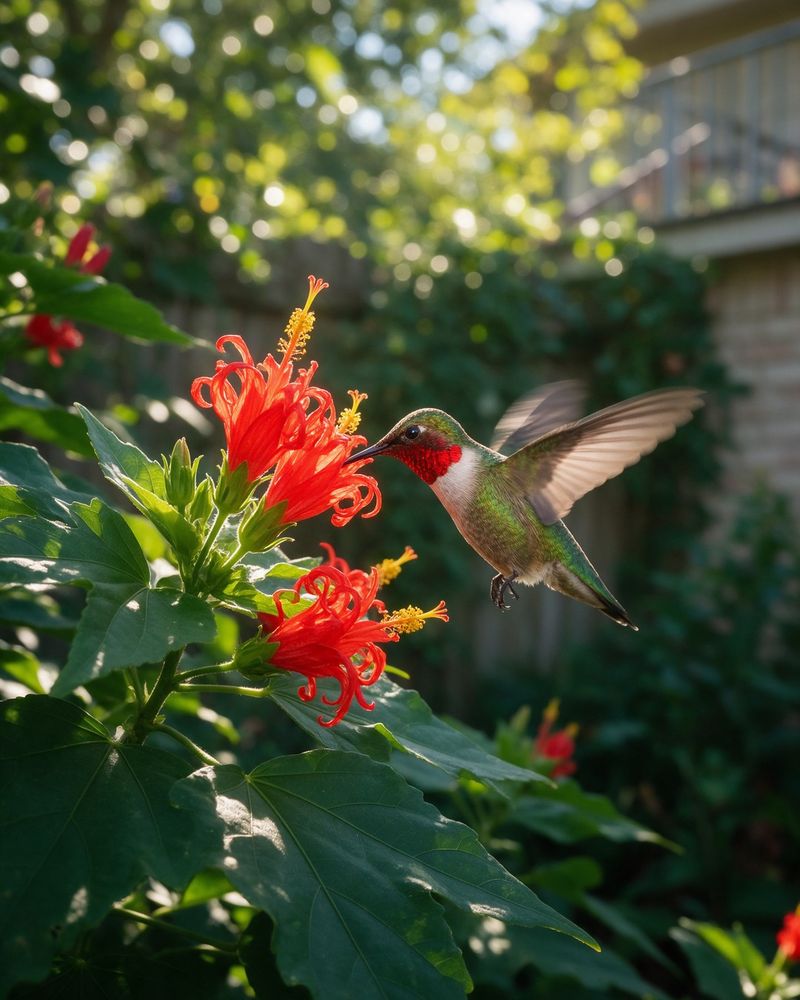
On a warm afternoon, you may notice a hummingbird working the red blooms, hovering just long enough to sip. That sight is a big part of why gardeners plant Turk’s cap.
According to the Wildflower Center, the flowers provide nectar for hummingbirds and butterflies, and the fruit is eaten by birds and mammals. Those are two different jobs.
Flowers feed visitors with nectar, and fruit feeds animals later in the season.
Now for a point that gets muddled. Monarch butterflies often get lumped into any pollinator plant claim.
There is no clear proof that monarchs visit Turk’s cap for nectar, so it is fair to say only that butterflies in general can use it.
And Turk’s cap is not a monarch caterpillar host plant. Monarch Watch and its partner groups explain that monarch larvae need milkweeds, while adults need nectar flowers.
If you want to help monarchs, plant native milkweeds suited to your region alongside nectar plants. Turk’s cap can be one piece of that garden, not the whole picture.
What it can offer is steady summer color, hummingbird visits, and fruit for wildlife, in the right spot with the right care. That is a solid contribution without any exaggeration.
Some plants earn their place by doing a few things well. This one does.
