
Putting Out Corn for Deer in Your North Carolina Yard? Read This Before Winter Feeding Starts
Follow us on Google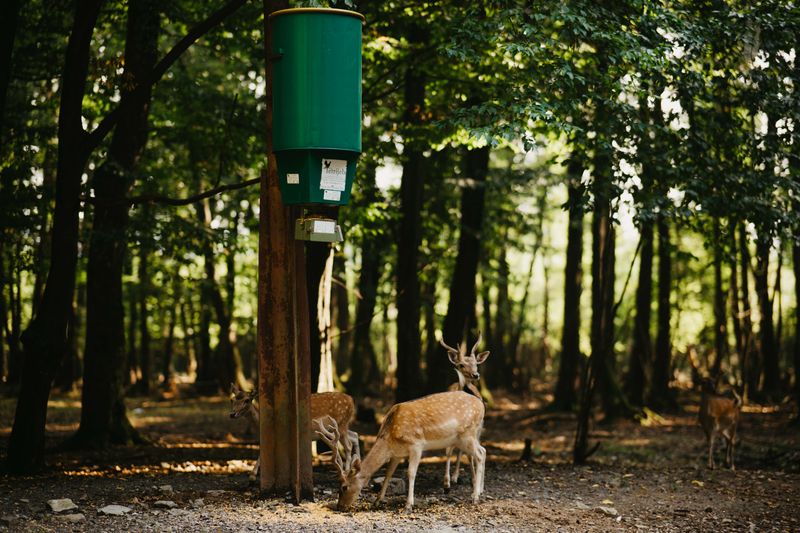
Putting out corn for deer in your North Carolina yard can be against state rules, and even where it is allowed, wildlife officials discourage it. It depends on your county and the date.
You scatter a scoop on a cold January evening, hoping to help, and the deer show up right on time. Here is how to check your rules and what helps wildlife more than a pile of corn.
Where and When Food Placement Is Restricted
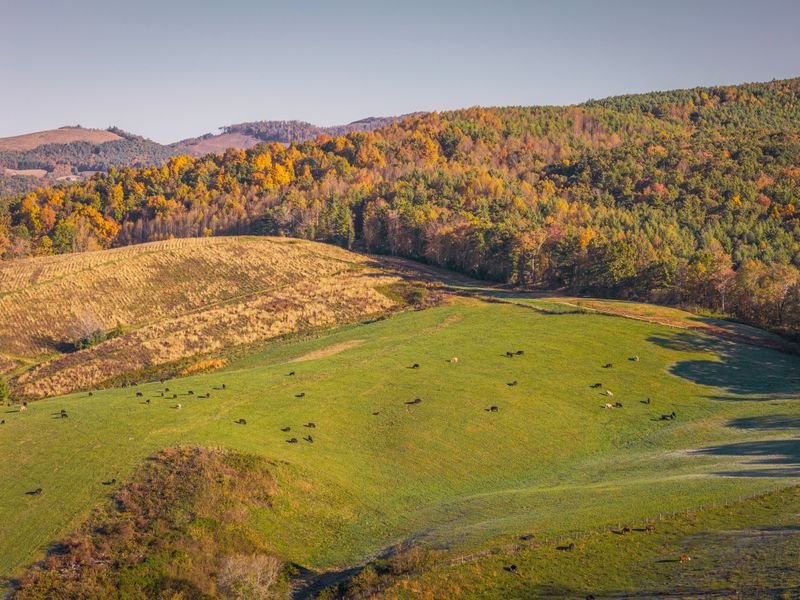
Here is the first surprise. North Carolina does not ban deer feeding everywhere.
The rule is tied to certain counties and certain dates.
For the 2026-27 season, the Wildlife Resources Commission restricts placing food to congregate wildlife from January 2 through August 31 in designated Chronic Wasting Disease (CWD) areas. Those areas cover 11 counties: Cumberland, Forsyth, Sampson, Stokes, Surry, Wilkes, Yadkin, Edgecombe, Halifax, Martin, and Pitt.
Seven of those counties are CWD Management Areas. They are Cumberland, Forsyth, Sampson, Stokes, Surry, Wilkes, and Yadkin.
The other four, Edgecombe, Halifax, Martin, and Pitt, are CWD Surveillance Areas. The January 2 through August 31 restriction applies in both types.
The wording matters. The rule covers food, bait, or food products placed to purposefully congregate wildlife.
That is not the same thing as a hunting bait rule, a food plot, or feeding the dog on your porch. The state’s regulations summary lists exceptions, including bird feeders, certain urban archery hunting, and activities specifically permitted by the Commission.
In other counties, the state says there are no additional CWD-related feeding restrictions. Still, designations and rules are season-specific.
Check the current county list before you put anything out, and again each year.
A two-minute look at the official page beats a surprise conversation with a wildlife officer.
Why Feeding Sites Raise CWD Concerns
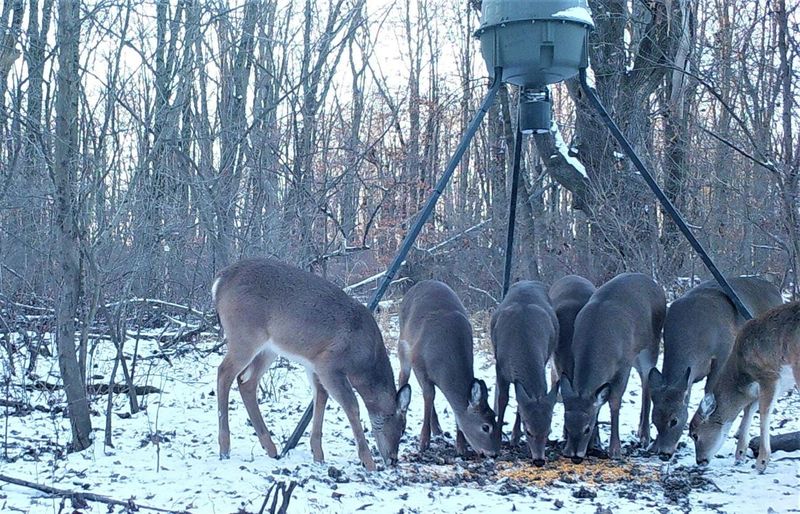
Picture one pile of corn and five deer. Instead of drifting through the woods and browsing here and there, they stand shoulder to shoulder at the same spot.
That crowding is the heart of the CWD concern. Chronic Wasting Disease is a disease of deer, and corn does not cause it.
The worry is that artificially congregating animals raises the risk of contact, and that infected deer could contaminate the site.
The Wildlife Commission also says that feeding sites can increase disease-transmission risk, and that soil and vegetation around unnatural food sources can become contaminated.
Researchers have looked at this. In a Wisconsin field study, deer used the tested feeding sites more intensively and had closer contact with each other there.
That is a finding about those sites. It does not mean every feeding spot causes disease, and it does not predict what would happen in your yard.
You may be tempted to scatter the corn wider so the deer spread out. Do not count on that.
The Wisconsin study did not show that the tested feeding methods removed the concern, and contaminated ground is still a worry.
Good intentions are fine. The trouble is what a food pile quietly sets up.
Too Much Corn Can Disrupt Deer Digestion
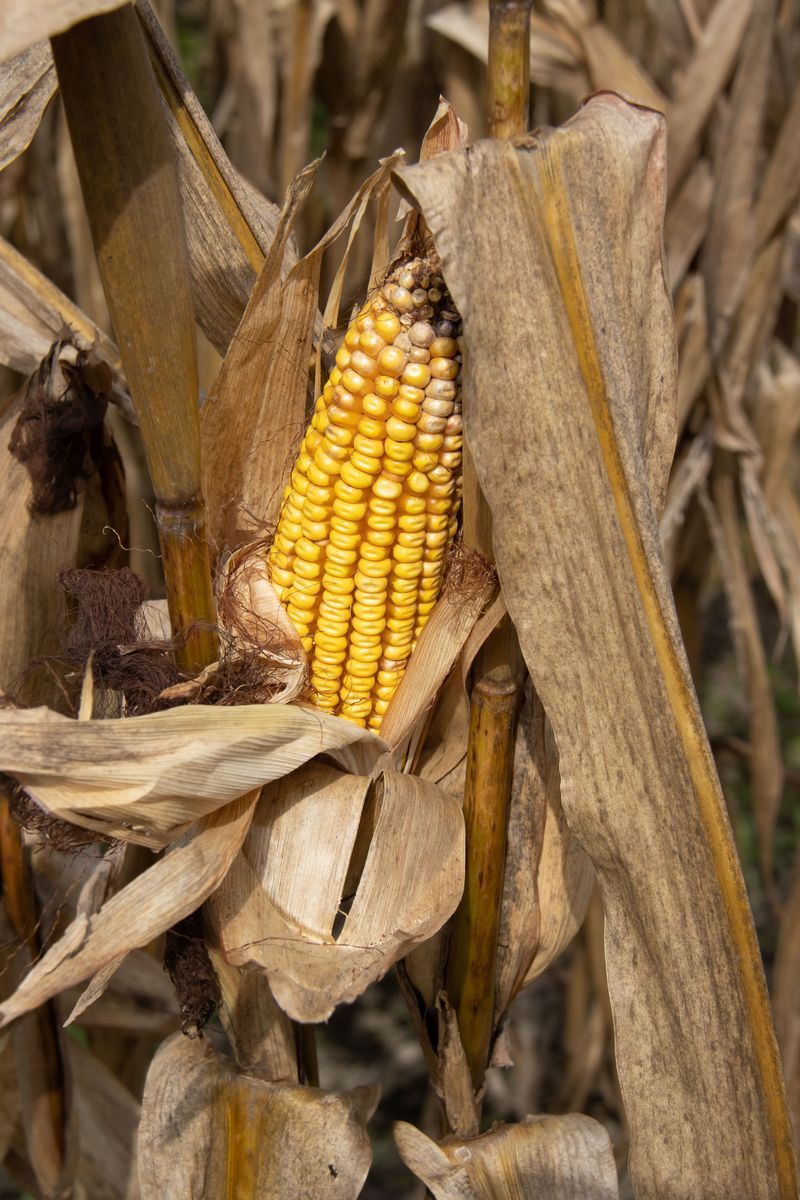
Corn looks like a treat, and deer will certainly eat it. That is part of the problem.
A deer’s stomach is built for browse like twigs, buds, and leaves, which are high in fiber. Corn is the opposite, low in fiber and rich in carbohydrates.
The Wildlife Commission warns that deer can become ill or die after eating too many carbohydrate-rich foods such as corn or apples.
In plain terms, a big meal of the wrong food can upset the gut’s balance. The agency’s guidance describes problems including severe diarrhea, dehydration, and acidosis, which means the stomach turns too acidic.
Notice the key word, too much. The warning is not that every kernel is dangerous or that one small taste will hurt a deer.
But the commission gives no safe backyard portion, so there is no amount we can tell you is fine.
That also means a generous pile, refilled each evening, is the kind of habit that deserves a second look. Deer do not stop at a polite serving size.
A treat that can make an animal sick is not much of a kindness.
How Feeding Can Change Deer Behavior Around Home
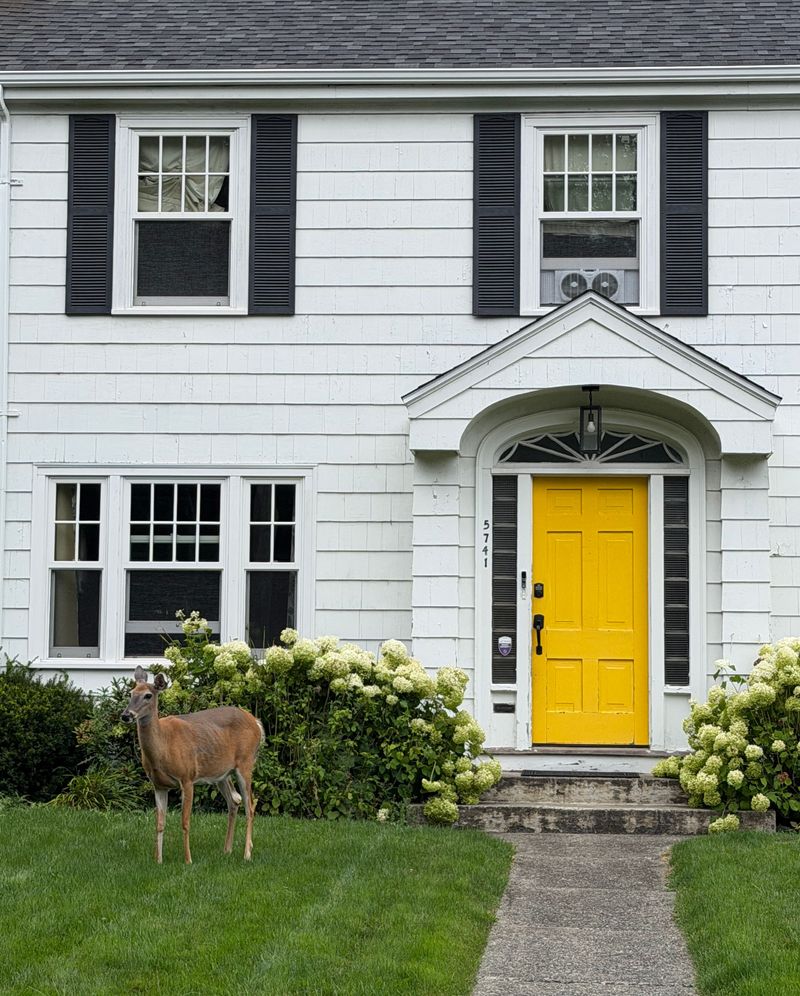
Deer that find food at your house tend to remember it. That is what wildlife officials call conditioning, and it is where the trouble can start.
The Wildlife Commission cautions against hand-feeding deer or feeding them so they get used to people. In its warning about turning deer into pets, it points to risks for people, pets, and the deer themselves.
Think about the porch at dusk. A deer that expects a handout may walk closer than is wise, and a startled animal near a dog or a child can go badly.
That is a possible problem, not a certain one.
Other wildlife agencies describe related issues. Florida’s wildlife agency notes problems such as landscaping damage and vehicle collisions where deer become used to neighborhoods.
Not every household will see these, but a deer lingering near your street is more likely to be near traffic.
There is also your hydrangeas and azaleas to think about. Deer that gather at a yard for food are close to the plants you spent money on.
The goal is deer that stay wild, wary, and a little distant. That is the version that is safest for everyone.
How to Wind Down an Established Feeding Routine
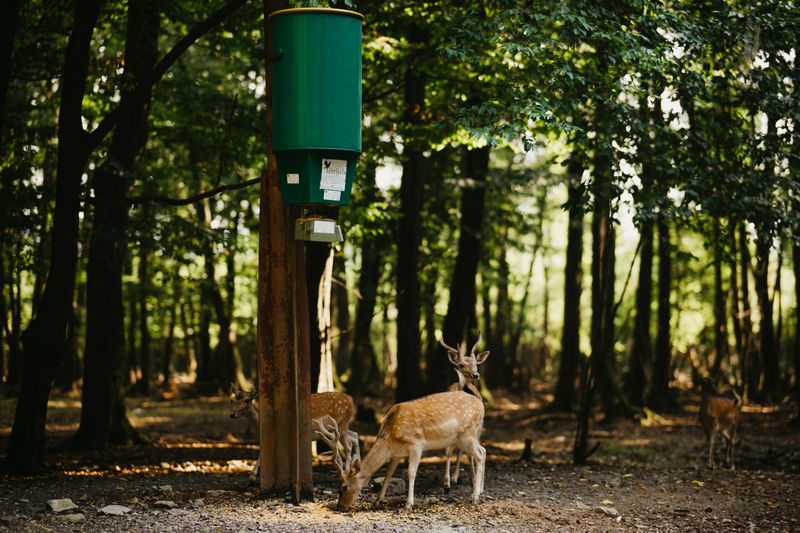
If you already have a routine, you do not need to quit in one dramatic move. The Wildlife Commission has a simple suggestion.
For a lawful routine, NCWRC recommends reducing the amount slowly over several weeks. That gives deer time to adjust their browsing and go back to natural food.
A practical way to do it is to cut back a little each week, put out food at the same time of day, and finish the taper completely. Keep notes on your calendar so you do not drift.
Now the part about timing. If you live in a designated county, the restriction starts January 2.
The state’s regulations are what you follow, so finish winding down before that date.
Tapering is never a reason to keep feeding where the rules say no.
You may worry the deer will go hungry. There is no evidence in the commission’s materials that deer depend on your corn or will starve when it stops.
Deer were finding winter food long before your yard existed.
It is a small, quiet change, and it is one you can do from the back steps.
Support Wildlife With Native Habitat
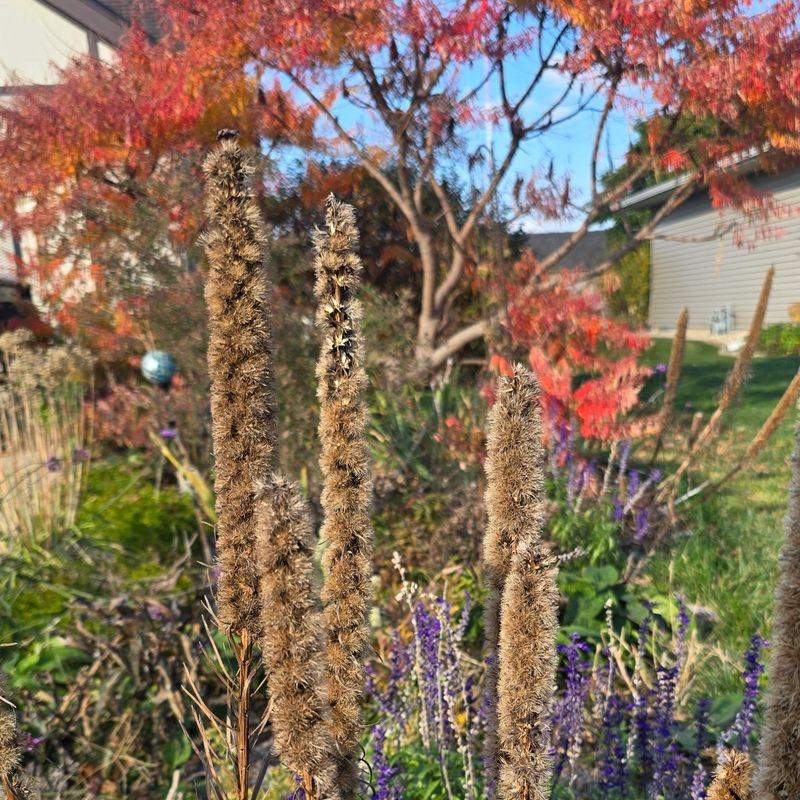
If you want a yard that feels alive in winter, there is a better project than a corn pile. It is habitat.
The Wildlife Commission suggests planting native flowers, shrubs, and trees to support wildlife. Think dogwoods, coneflowers, and goldenrod, plants that belong in the Piedmont and across the state.
It also suggests leaving dried flower heads and fallen leaves in place. Seed heads can attract songbirds, and leaf litter gives insects and other small creatures a place to shelter.
Your yard may look a bit less tidy, and that is the point.
Be honest about what this does. Native plantings are habitat support.
They are not a guaranteed winter food supply, and they will not keep deer out of your garden.
It is a slower kind of help, measured in seasons rather than evenings. But it builds something that lasts and that does not draw animals into a crowd.
Before you put any food outdoors, check the current rules for your county. A quick look keeps you and the wildlife on solid ground.
