
These 9 Smells Mice Refuse To Cross, So Your Shed And Stored Bulbs Stay Untouched All Winter
Follow us on Google
It’s a chilly October morning, and the shed smells like damp soil and old burlap. You reach for the mesh bag of tulip bulbs and spot a few dark droppings beside a stack of clay pots.
One bulb has a neat bite taken out of it. Mice have found your spring display, and winter hasn’t even started.
The good news is that a mouse lives by its nose, and certain strong smells can make your shed feel like the wrong address. Scent alone won’t seal a shed, but layered with a few simple habits, it can keep your bulbs whole until planting time.
Here are nine smells worth putting to work, and exactly how to use each one.
1. Peppermint Oil Floods The Trails Mice Follow
A mouse does not wander your shed at random. It follows invisible scent trails left by other mice, a bit like a commuter following highway signs.
Peppermint oil, made from Mentha x piperita, can scramble those signs. The menthol is sharp enough to overwhelm a nose that is far more sensitive than yours, so treated corners feel confusing and unsafe.
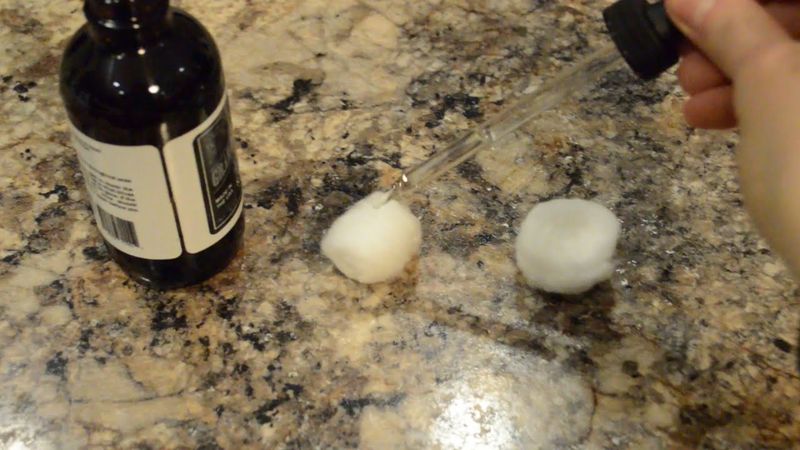
Use pure 100 percent essential oil, not a diluted fragrance blend. Put 10 to 15 drops on a cotton ball and set one every 3 to 5 feet along walls, beside the door gap, and on top of your bulb crates.
The catch is staying power. Peppermint fades fast, so plan to refresh the cotton balls every 3 to 5 days.
A spray of 2 teaspoons oil in 1 cup of water works on hard shelves once a week.
Keep concentrated oil away from dogs and cats, since it can upset them if licked or swallowed. Used with care, it is the easiest first layer of defense, and your shed will smell better than it has all year.
2. Eucalyptus Oil Makes A Doorway Smell Like Danger

Here is a surprising fact. The same medicinal smell you know from cough drops comes from a compound called cineole, and mice find it deeply off-putting.
Eucalyptus oil, pressed from the leaves of Eucalyptus globulus, works best at the edges of your shed. Think door gaps, window frames, and the spot where the floor meets the wall.
Those are the on-ramps mice use before they ever reach your bulbs.
Mix 2 teaspoons of eucalyptus oil with 1 cup of water and a few drops of dish soap. The soap helps oil and water blend, so shake the bottle before every use and spray once a week.
For tighter spaces like a cabinet or a lidded bin, place cotton balls with several drops of pure oil about every 4 feet. Swap them weekly, and sooner if your shed is drafty.
One honest warning. Eucalyptus is toxic to cats and dogs, so keep it high or inside closed storage if pets roam the yard.
Treat it as a guard posted at the gate, not a guard sleeping on top of the bulbs.
3. Whole Cloves Outlast Most Oils In Storage Bins

Picture a cardboard box of daffodil bulbs on a back shelf, untouched for three months. That is exactly the kind of quiet spot mice love, and exactly where cloves shine.
Cloves come from the flower buds of Syzygium aromaticum, and their spicy bite is strong enough to make a nesting mouse think twice. The big advantage is slow release.
Whole cloves give off scent steadily, without the daily fuss of oils.
Fill small muslin bags or old socks with a handful of whole cloves. Tuck one into each bulb crate, a few on shelves, and one in each shed corner.
Replace them every 2 to 3 weeks, or when a sniff test comes up weak.
If you prefer oil, 10 to 15 drops of clove oil on a cotton ball near entry points works too. Refresh it every 5 to 7 days, and wear gloves, because clove oil can irritate skin.
Cloves act like a grumpy landlord in a shoebox. They do not kick anyone out, but they make the place feel unwelcoming, which is often enough to keep a mouse moving along.
4. Cayenne Pepper Burns Noses At The Threshold

Many gardeners assume cayenne only works if a mouse eats it. Not so.
The capsaicin in the powder irritates noses and eyes on contact, so even a sniff stings.
That makes cayenne a threshold tool. Sprinkle a thin line along the inside of the door, beside foundation cracks, and around the base of stored bulb boxes.
Mice tend to run along edges, so the line catches them where they travel.
For outside walls, stir 2 tablespoons of cayenne into 1 cup of water with a few drops of dish soap. Spray weekly along the shed base and door frame.
Rain is the antagonist here. In wet regions like the Pacific Northwest or the humid Southeast, outdoor cayenne can wash away after a single storm, so reapply after every soaking rain.
Inside a dry shed, a line can last a few weeks.
Keep it out of spots where kids or dogs play, since it bothers their eyes and paws just as much. Placed carefully, it works like a hot stove sign at the door.
5. Crushed Garlic Sends A Short, Loud Warning

Garlic is loud, but it is not long-winded. When you crush a clove of Allium sativum, it releases allicin, the sulfur compound behind that sharp smell, and the punch fades within days.
So use garlic where mice are clearly active right now. Fresh droppings near a shelf are your cue.
Crush 3 to 5 cloves, set them in a small open dish, and replace them every 2 to 3 days.
For a spray, crush a few cloves into a cup of water, let it steep overnight, and strain it. Mist gaps and entry points, then reapply every few days.
Garlic powder lasts longer. A thin line around the edges of storage areas, or a light dusting on the tops of bulb containers, keeps working for a week or two in a dry shed.
Think of garlic as an alarm bell rather than a fence. It can break a habit fast, but it should not be your only layer.
Garlic is toxic to dogs and cats, so keep dishes out of reach of curious snouts.
6. Cinnamon Sticks Keep Working Quietly For Weeks
Cinnamon smells like holiday baking to you. To a mouse, it smells like a fog bank rolling over the road.
The scent of Cinnamomum verum can mask the pheromone trails mice use to find food and each other. Pheromones are chemical messages animals leave behind, and when they are blurred, a mouse loses its easy route to your bulbs.
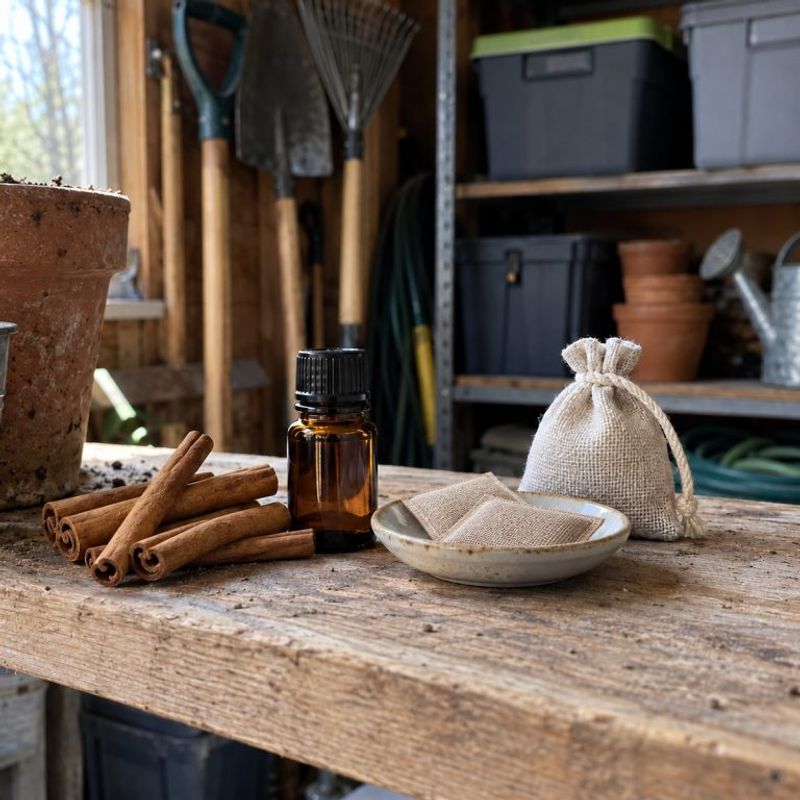
Sticks are the low-maintenance choice. Tie 4 or 5 into small bundles and slip them into bulb bags, drawers, and shelf corners.
Refresh them every 2 to 3 weeks, or sand the surface lightly to wake the scent back up.
Cinnamon oil hits harder but fades faster. Put 15 to 20 drops on a cotton ball near entry points, and replace it every 5 to 7 days.
A spray of 20 drops per cup of water works on hard surfaces.
Cinnamon is a steady background player, not a star. But for the reader who wants a set-it-and-check-it option tucked among the bulbs, it is hard to beat, and it makes the shed pleasant to step into.
7. White Vinegar Erases The Map Mice Already Drew
Once mice visit, they leave a scent map behind. Other mice read it like directions to dinner, which is why one visitor so often turns into a crowd.
White vinegar does two jobs. Its acetic acid smell is unpleasant to mice, and it helps break down the urine and scent marks along their routes.
You are not just posting a warning, you are tearing up their map.
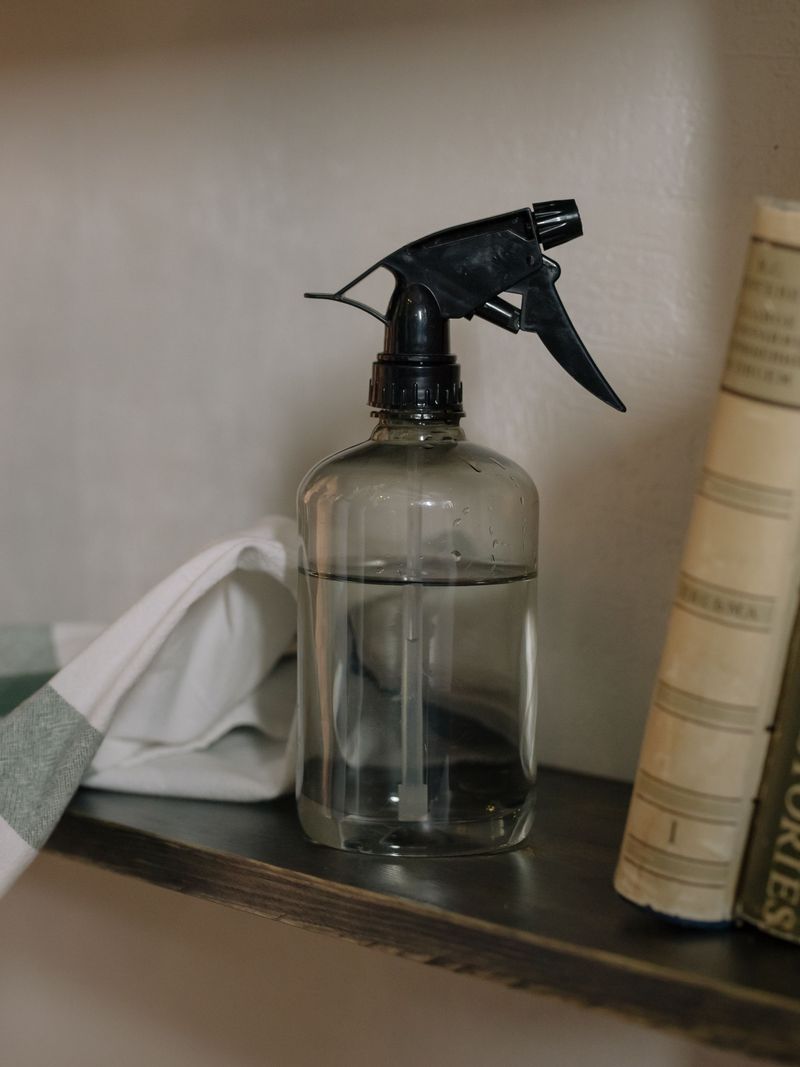
Mix equal parts white vinegar and water in a spray bottle. After cleaning up droppings, wipe down shelves, baseboards, and the inside of empty bins.
Reapply daily in busy areas for the first week, since the smell fades as it dries.
Cotton balls soaked in straight vinegar can sit in corners, swapped every 1 to 2 days. Never spray it near plants or the base of potted perennials, because vinegar can kill foliage.
When cleaning droppings, the CDC advises spraying them with disinfectant and waiting 5 minutes before wiping, rather than sweeping, to avoid stirring up dust. Do that first, then follow with vinegar.
Clean shelves give every other scent on this list a fresh start.
8. Citronella Oil Guards The Outside Of Your Shed

That bottle of citronella left over from summer porch evenings has a second job. Its lemony smell, from Cymbopogon nardus, can confuse a mouse’s sense of direction around the outside of your shed.
Outdoor scent work matters because mice often scout from the yard first. Garbage cans, birdseed spills, and woodpiles near the shed draw them close.
Treating that outer ring may help keep them from testing the walls at all.
Mix citronella oil and water in a spray bottle, shake well, and spray around the shed base, door frame, windows, and nearby bins. Inside, place cotton balls with 10 to 15 drops in bulb crates and storage bins.
Replace them every 3 to 4 days, and more often on warm or windy stretches. In mild-winter places like coastal California or the Gulf Coast, you may need to keep refreshing well into December.
Citronella acts like a porch light left on. It will not stop a determined visitor, but it tells passersby someone is watching.
Pair it with tidy surroundings and it pulls real weight.
9. Lavender Protects Bulbs And Makes The Shed Pleasant

Lavender calms people. Mice get no such comfort, because the strong floral scent of Lavandula angustifolia, often called English lavender, reads to them as a crowded, unsafe space.
It also closes the loop nicely if you grow it. Cut stems in summer, hang them to dry for 2 to 3 weeks, and you have free sachet filling for winter.
Fill small cloth bags with dried buds and tuck them among bulbs, on shelves, and in corners. Refresh them every 2 to 3 weeks.
For a stronger hit, use 10 to 15 drops of pure lavender oil on cotton balls and replace every 3 to 5 days.
Now the honest part. No scent on this list is a force field.
University of California IPM and other extension sources point out that exclusion works best, since a mouse can slip through a gap about 1/4 inch wide, roughly the width of a pencil.
So seal gaps with steel wool and hardware cloth, store seed and pet food in lidded metal cans, and swap cardboard for plastic bins. Then layer in these scents.
Come spring, you open the crate, and the bulbs are firm, whole, and ready to plant.
