
Stung by a Scorpion While Stacking Firewood in North Carolina? Here’s What Actually Helps
Follow us on Google
If a scorpion stung you while you stacked firewood in North Carolina, wash the spot with soap and water, cool it with a wrapped cool pack, and call Poison Control at 1-800-222-1222. Yes, North Carolina really has scorpions, and woodpiles are the kind of place they like to hide.
It is a surprise for most people, so the first few minutes can feel confusing. Here is what to do, what to watch for, and how to lower the odds of it happening again.
Scorpions Do Live in North Carolina
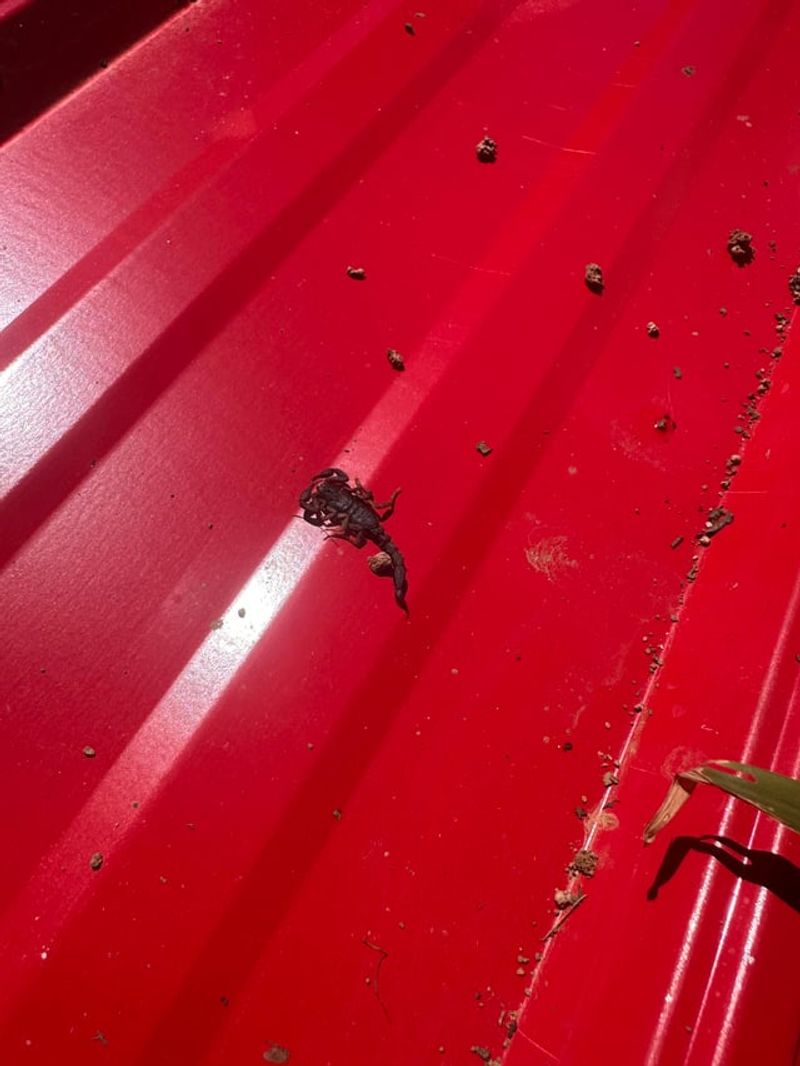
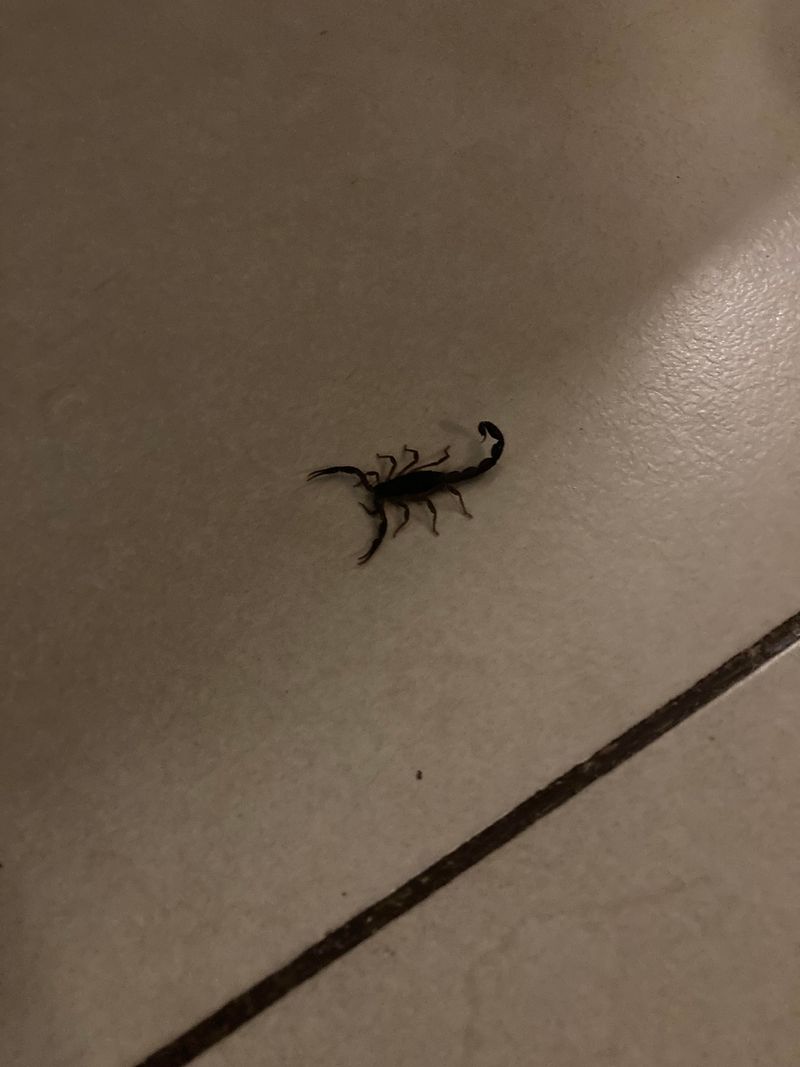
Most folks are shocked to learn it, but scorpions are part of the North Carolina story. NC State Extension says the native one is the southern unstriped scorpion, found primarily in the western part of the state.
It is small, brownish, and shy.
Here is where it gets tricky. Not every scorpion found in the state is that native species.
The striped bark scorpion and the Hentz striped scorpion have been accidentally transported into North Carolina, likely hitching rides in cargo or household goods. The state arachnid checklist records those species too, and some records may be introductions rather than established local populations.
So what does that mean for you? Scorpions occur in North Carolina, and a run-in near a woodpile is plausible.
But they are not common everywhere, and your odds are not the same in every region. A homeowner in the western mountains and foothills has a better chance of meeting one than someone on the coast.
The state records also say the native species may turn up in the western Piedmont. Reports farther east may involve scorpions that traveled in on something else.
Knowing that helps you stay calm instead of guessing.
Why Firewood Can Provide Shelter
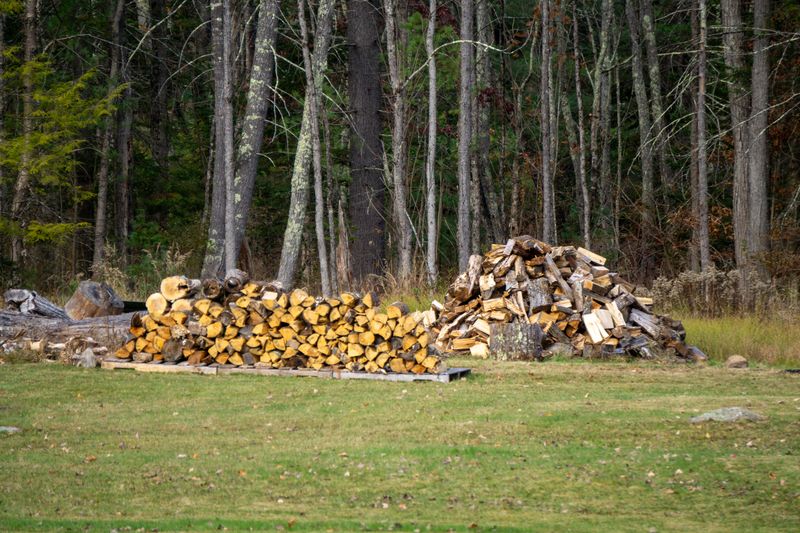
Picture a cool evening and an armload of logs headed for the fireplace. A woodpile is basically a hotel with dozens of tight, dark rooms.
Scorpions like hiding spots, and the gaps between logs fit the bill.
NC State Extension notes that woodpiles can provide hiding places. That does not mean every stack is crawling with scorpions.
It means a stack can create the chance for a bare hand to meet a hidden one.
Location still matters a lot. The NC Biodiversity Project describes the native species’ stronghold as the low mountains of the southwest.
If you live there, a woodpile deserves a little extra respect.
Farther east, a scorpion record may point to a transported specimen rather than a local resident. Firewood hauled in from elsewhere is one more way a hitchhiker could show up, though that is a possibility, not a promise.
The takeaway is simple. Treat a woodpile like any tucked-away spot where small critters shelter.
Pay attention when you reach into it, and your hands will thank you.
What to Do Right Away

The sting hits fast, and your first instinct may be panic. Slow down and follow three steps.
They are simple, and you can do them in about two minutes.
First, wash the area with soap and water. Both Poison Control and Mayo Clinic recommend it.
Second, hold a cool pack or cool compress wrapped in a cloth against the spot. Never put ice directly on skin, and do not soak the area in ice water, which CDC guidance cautions against.
Cooling is for pain. It does not stop venom from spreading, so do not count on it as a fix.
The American Heart Association supports a cool pack for local pain in its 2024 first aid guidelines.
Third, call North Carolina Poison Control at 1-800-222-1222. The state health department lists it as the place to call for poisoning help, and the folks there can give advice for your situation.
Calling is free and does not mean you are overreacting.
For pain, over-the-counter acetaminophen or ibuprofen may help. Follow the label, and skip any medicine that is unsafe for you.
When to Get Medical Help
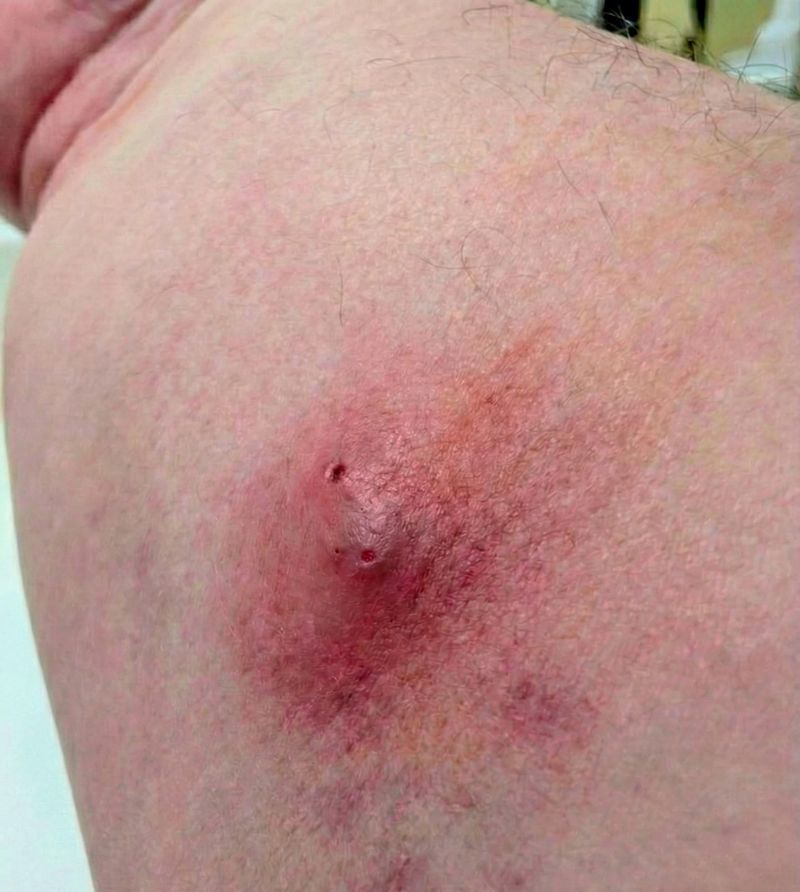
Most of the time, a sting from the native species means local pain. Still, some signs mean you stop everything.
Call 911 for trouble breathing, confusion, dizziness, or muscle rigidity. Whole-body symptoms like these are not something to wait out.
Medical care is also wise for severe, uncontrolled, or spreading pain, or if there is an open wound. The American Heart Association draws the line there.
Here is a wrinkle. First-aid sources do not agree on how broadly to seek care.
The Red Cross says to get medical care for scorpion stings in general, while Poison Control and the AHA are more tailored. So staying home is not a blanket rule.
Let Poison Control or a clinician sort out your case.
Allergies and health conditions matter too. Someone allergic to other insect venoms, or with another health issue, should be more cautious.
The native species is not generally considered a public-health threat, but its sting can hurt.
If a child is stung, call Poison Control promptly. The American Academy of Pediatrics advises immediate medical attention because symptoms can worsen.
With kids, lean cautious.
Avoid Risky Sting Remedies
Everybody has heard a cure from a cousin. Do not cut the sting, do not suck on it, do not apply electricity, and do not use a tourniquet.
Poison Control says no to tourniquets.
The Red Cross adds that cutting, suction, tourniquets, and electricity do not slow venom and may cause harm. These tricks add injury to a sting.
Skip them all.
Now about the culprit. You may be tempted to catch it for proof.
Please do not. CDC guidance and MedlinePlus both caution that collecting or identifying a scorpion should not risk another sting.
If it is safe, snap a quick photo from a distance. If it is not, leave it be.
A photo may be handy, but it is optional.
You also do not need a species identification before calling Poison Control or seeking care. Several species are recorded in North Carolina, and stings may not leave a telling mark.
Call with what you know, and let the experts guide the next step.
Make the Woodpile Safer to Handle
A little routine can lower your odds of a surprise. None of it is a guarantee, but each step is one layer.
Together they make a real difference.
Start with gloves. NC State Extension recommends wearing them when handling firewood and debris.
Before logs come inside, check them, and knock them against a hard surface outdoors.
Next, clear debris piles near the house. Then move the firewood stack away from the walls.
A woodpile hugging your siding gives hiders a short trip indoors.
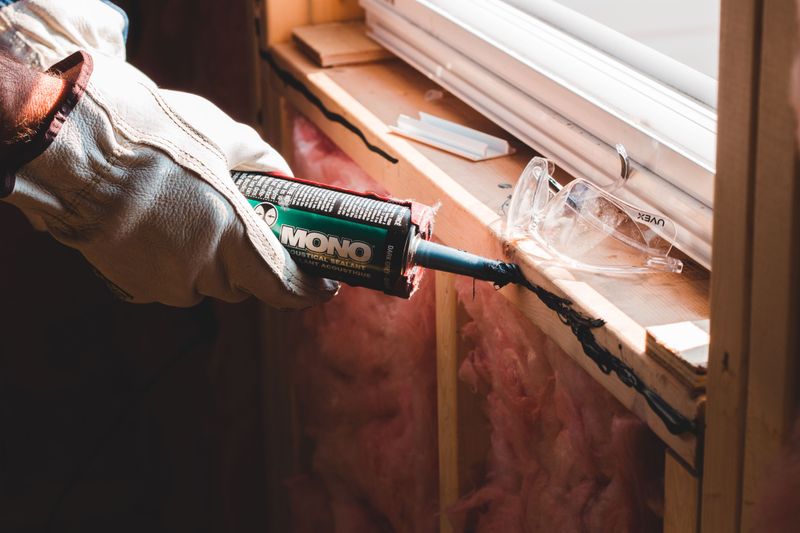
Seal the gaps, too. Scorpions can slip in around doors, windows, plumbing, and foundation cracks, so a tube of caulk and some weatherstripping go a long way.
What about spraying? Extension calls chemical control difficult, so it is not the first or surest fix.
If treatment is truly warranted, professional application may be the safest route.
Gloves on, wood checked, stack set back. Your next fire can stay about the glow and the marshmallows.
