
Your Fig Tree Grew A Jungle Of Leaves And Barely Any Fruit, And What You Do Before Dormancy Fixes Next Summer
Follow us on Google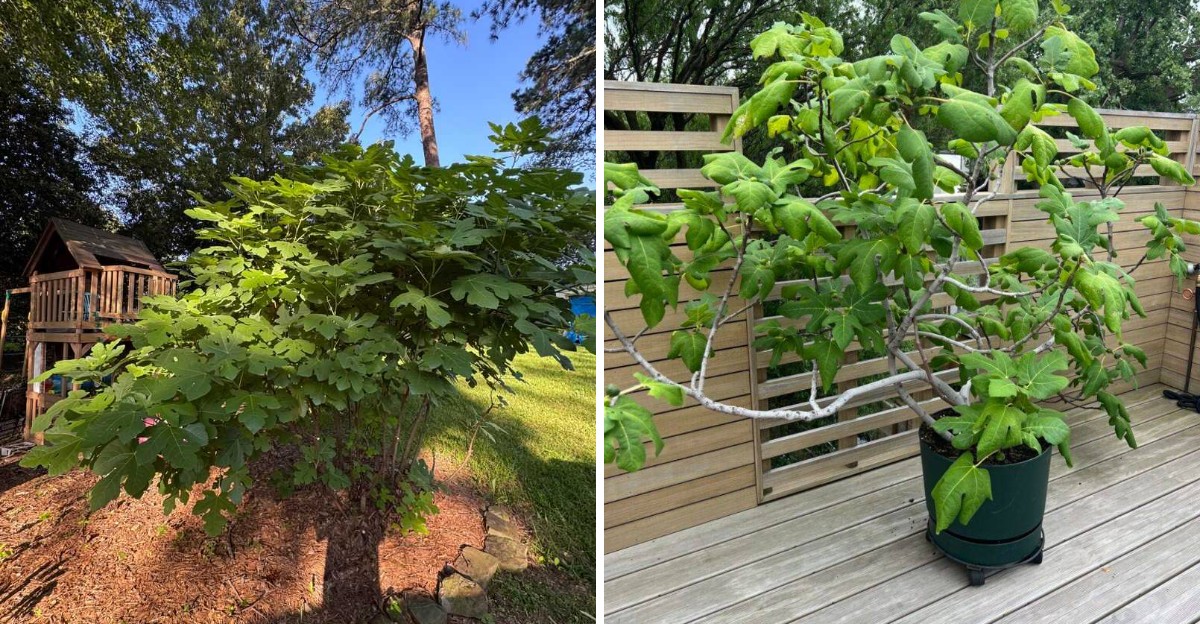
It’s a late September evening, and your fig tree is towering over the patio, glossy leaves rustling in the warm air. But when you reach in for figs, there’s almost nothing there.
Don’t worry, because all that leafy growth is a clue worth reading. Here is how to read it and what to do (and not do) before winter sets in, so the tree has a better shot at next year.
Leafy Growth Is a Clue, Not a Diagnosis
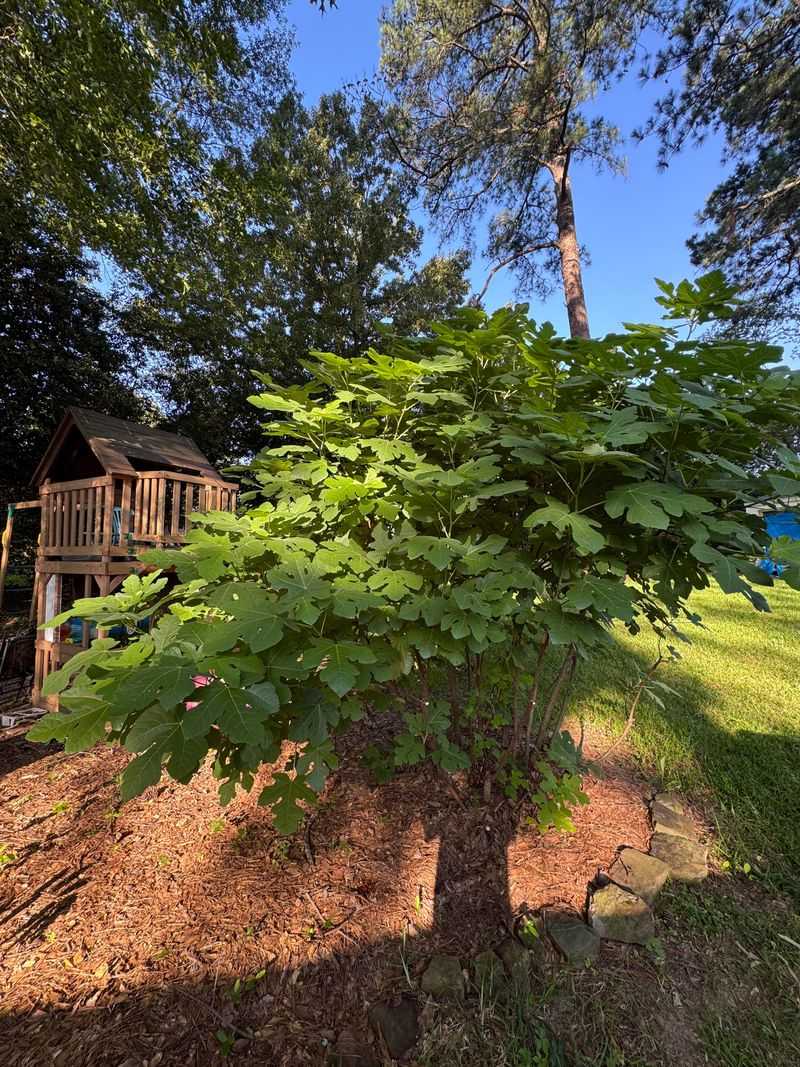
Picture the scene. The fig tree has shot up past the fence, every branch is wrapped in broad green leaves, and you can count the figs on one hand.
It feels like the tree is showing off and forgetting the one job you gave it.
Here is the honest truth. Lots of leaves can go along with weak fruiting, but leaves alone cannot tell you why.
A leafy tree is like a check engine light. It says something is off, not what.
According to UC IPM guidance on fig drop and no fruit, the possible causes include too much nitrogen, water stress, shade, cold damage, and a tree that is simply too young. Some trees may take two to six years to reach fruiting maturity.
If yours is only in its second or third summer, patience may be the main fix.
Variety and climate matter too. Rutgers Cooperative Extension points out that cold injury and the length of the local growing season can limit a crop, since figs need enough warm weeks to ripen.
A cultivar that does well in a long, hot season may stall in a short one.
So before you change anything, play detective. Ask how old the tree is, how much sun it gets, how often it is watered, what it was fed, and whether last winter hurt it.
Write the answers down. Those notes will guide every choice that follows, and they keep you from fixing the wrong problem.
Could Nitrogen Be Feeding the Leaves?
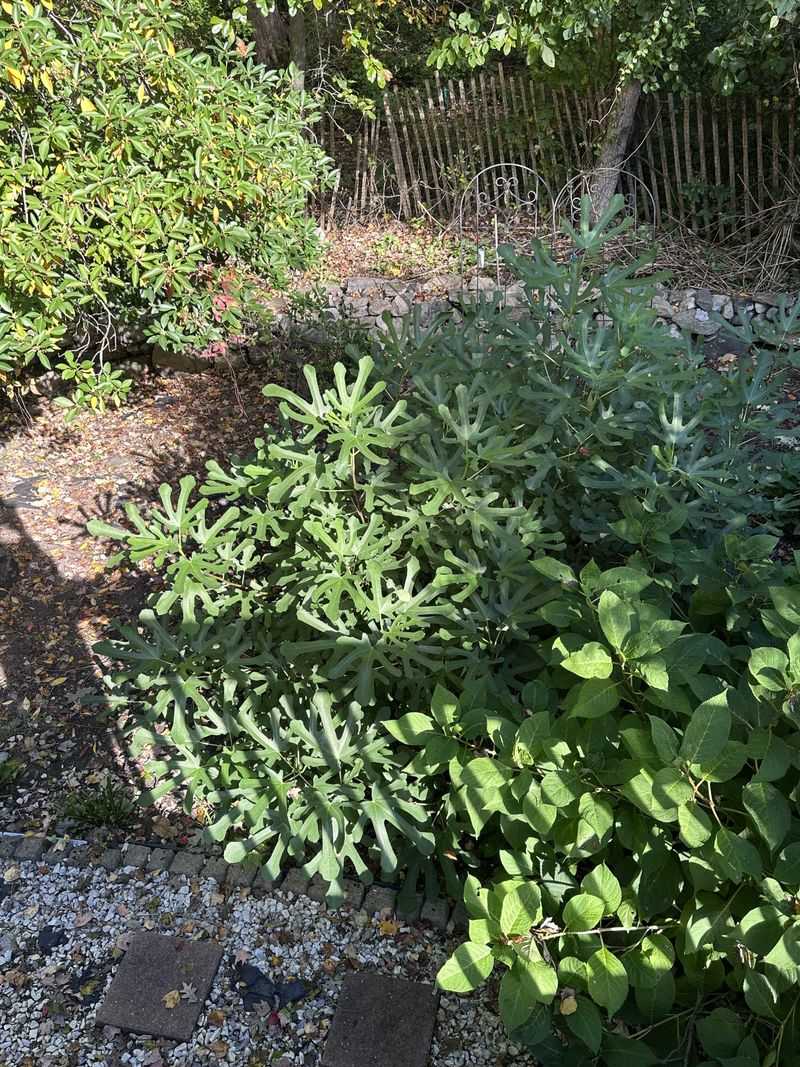
Blunt claim first. Too much nitrogen can grow a gorgeous green tree with hardly any fruit.
Nitrogen is the nutrient that pushes leaves and stems, so a heavy dose tells the tree to build more of both.
UC IPM says heavy nitrogen fertilization can produce excessive leaves and branches while suppressing fruit. It advises fertilizing figs sparingly and stopping if growth is already very vigorous.
Think of nitrogen as a gas pedal. Press too hard and the tree races ahead without ever settling down to fruit.
But a leafy tree does not prove you overfed it. Look back at your own history.
Did the tree share a bed with a heavily fed lawn or vegetable garden? Did you spread a high nitrogen product in spring and again in summer?
Runoff and shared roots can deliver more than you meant to give.
Here is the tempting mistake. A poor crop makes you want to feed the tree more.
That can make the problem worse, so hold off until you know what the soil actually needs.
A soil test is the neighborly answer. UGA Extension recommends testing to find real nutrient needs and notes that too much fertilizer or drought can keep fruit from maturing properly.
Its guidance is for Georgia, including a benchmark of about 1 foot of yearly shoot growth for mature bushes in South Georgia. Treat that as a regional yardstick, not a rule for every climate or cultivar.
Fruit Needs More Than a Fertilizer Fix
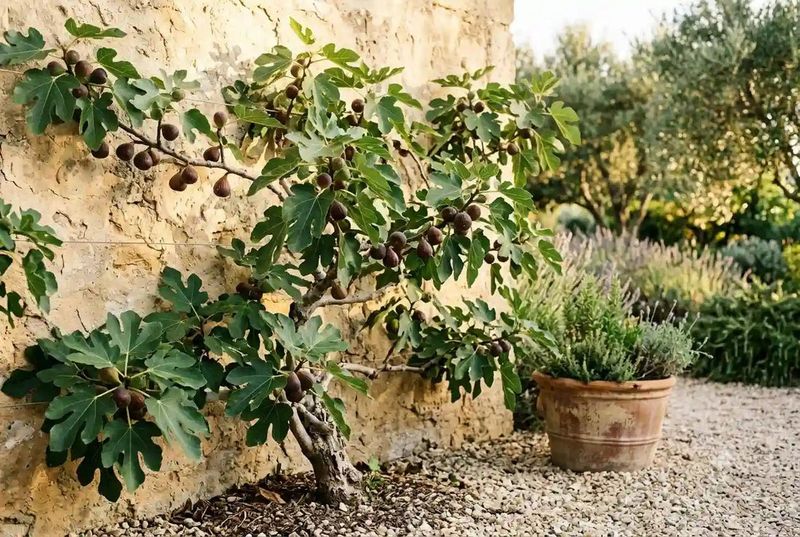
Many gardeners notice that a fig in a shady corner behaves like a houseplant that never got the memo. It grows tall, reaches for light, and forgets to fruit.
Sun is the first place to look once fertilizer is ruled out.
UC IPM’s cultural tips point to full sun and well-drained soil as the foundation for good fruiting. If a neighbor’s new fence or a maturing maple now shades the tree for much of the day, that could matter more than any product.
Water is the next suspect. UC IPM notes that too much or too little water can cut fruit production or cause fruit drop.
Soggy clay and bone-dry stretches both stress the tree. Push a finger 2 to 3 inches into the soil and let that, not the calendar, guide watering.
Age, cultivar, and season length round out the list. Young trees may not be ready yet, and some varieties need more warm weeks than your area offers, as Rutgers explains.
One myth worth clearing up is pollination. Common figs, the kind most home gardeners grow, generally set fruit without it.
Some other fig types do need pollination, as Mississippi State Extension describes, so know your variety if fruit never forms. Check conditions first, and avoid chasing a single universal fix.
Fall Is for Restraint, Not a Reset
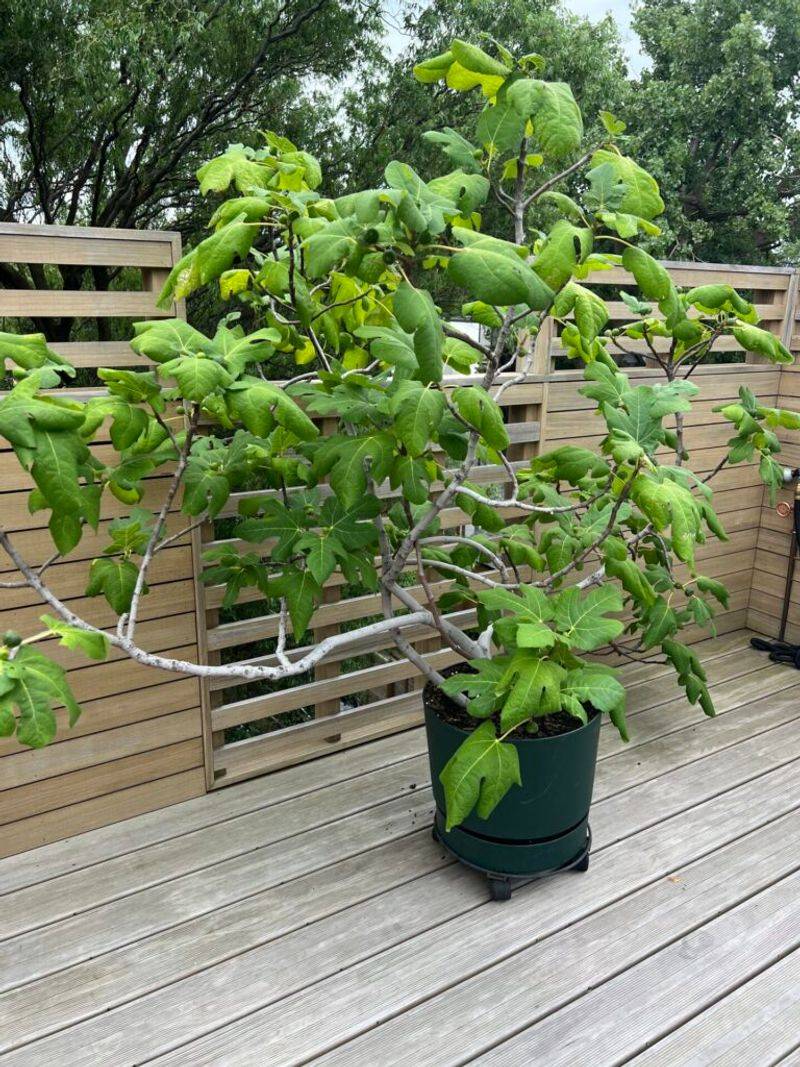
Here is the part the headline gets wrong. Nothing you do in October can promise a crop next July.
Fall is a time to be steady, so the tree enters dormancy, its winter rest, without a fresh shock.
Start with fertilizer. A poor crop is not a reason to feed late, because new growth pushed by fall feeding may not harden before cold arrives.
Wait for a soil test and for spring.
Next, put the pruners down unless a branch is broken or dead. UC IPM places key pruning tasks in the dormant season, and Maryland Extension recommends pruning dead, crowded, low, and weak wood in March or April for its region.
Your timing may differ, so check with your local extension office.
Container figs are their own story. Penn State Extension says small potted figs generally should not be pruned or fertilized until spring.
Their roots sit above ground and need more protection than a tree in the soil.
So the fall to-do list is short. Keep the soil from drying out completely, hold off on feed and big cuts, and plan your winter protection.
Restraint is a real job, and it quietly protects the tree.
One Hard Cut Can Cost a Breba Crop
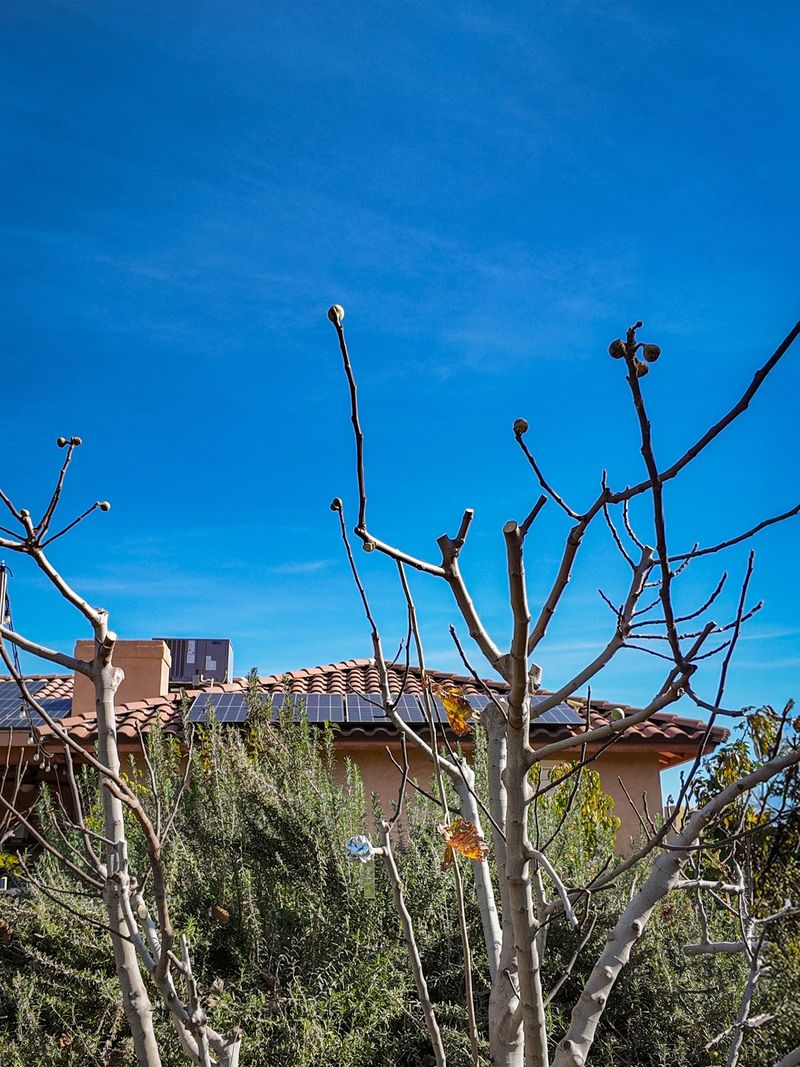
Many gardeners think a tough haircut will shock a fig into fruiting. It usually does the opposite.
To see why, you need to know that figs can bear two crops.
The main crop grows on the current season’s shoots. Some cultivars also make a breba crop, an early crop that forms on last year’s wood.
Rutgers Cooperative Extension describes both, and not every cultivar produces both reliably.
Now picture a hard cutback in fall. You remove last year’s shoots, and with them the breba crop on varieties that make one.
That early harvest can be gone before it ever began.
This does not mean pruning is bad. UC IPM notes that mature figs fruit on current-season growth, so dormant pruning matters less for the main crop than for some other fruit trees.
Shaping is still useful, just not as a cure for a shy tree.
So leave the big decisions for the right window. Maryland Extension suggests removing dead, crowded, low-growing, and weak wood in March or April.
In your region, the window may open earlier or later.
Until then, think of last year’s wood as a savings account. Spend it carefully, and only after winter has shown you what survived.
Protect Stems Now, Judge Them in Spring
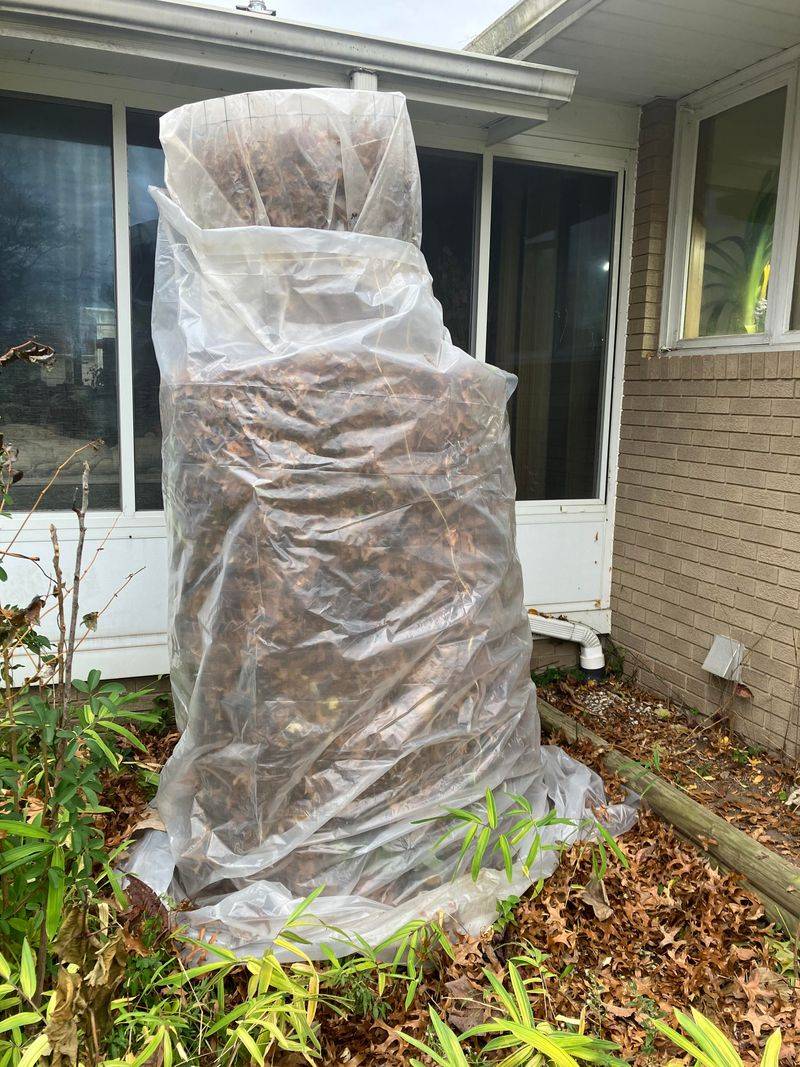
A cold January night can undo a whole summer of growth on a fig’s stems. Yet the roots may survive and send up fresh shoots in spring.
That split between roots and stems is why fall protection is worth planning.
Here is one regional example. Maryland Extension reports that sustained temperatures below 20°F can injure unprotected aboveground fig growth in Maryland.
That number belongs to Maryland. It is not a universal cutoff, since cultivar, exposure, and location all change the risk.
So adapt it to your yard. Learn your local winter lows, and think about wind and where the tree sits.
A tree against a warm south wall faces a different winter than one in an open field. Multi-stem bush forms are easier to protect in Maryland, because the stems can be gathered and wrapped.
Then wait. Maryland’s winter damage guidance is a good reminder that plants often need time to show what is alive.
In early spring, scratch a little bark and look for green, then remove winter-killed branches when local timing allows.
Protection improves the tree’s chances, nothing more. It cannot promise a harvest.
But a tree that comes through winter with healthy wood has a fair shot, and that is a good place to stand.
