
These Pennsylvania Greenhouses Turn A Gray Winter Day Into A Tropical Escape
Follow us on Google
It is a January afternoon in Pennsylvania, the sky is the color of dishwater, and your boots crunch on old gray snow. Then you open a glass door and warm, wet air hits your face like a summer porch evening.
Orchids glow, butterflies drift past, and your winter coat suddenly feels silly. Here are eight real Pennsylvania greenhouses and conservatories where you can trade the gray for green without buying a plane ticket.
1. Longwood Gardens Puts Nearly Three Acres Of Summer Under Glass
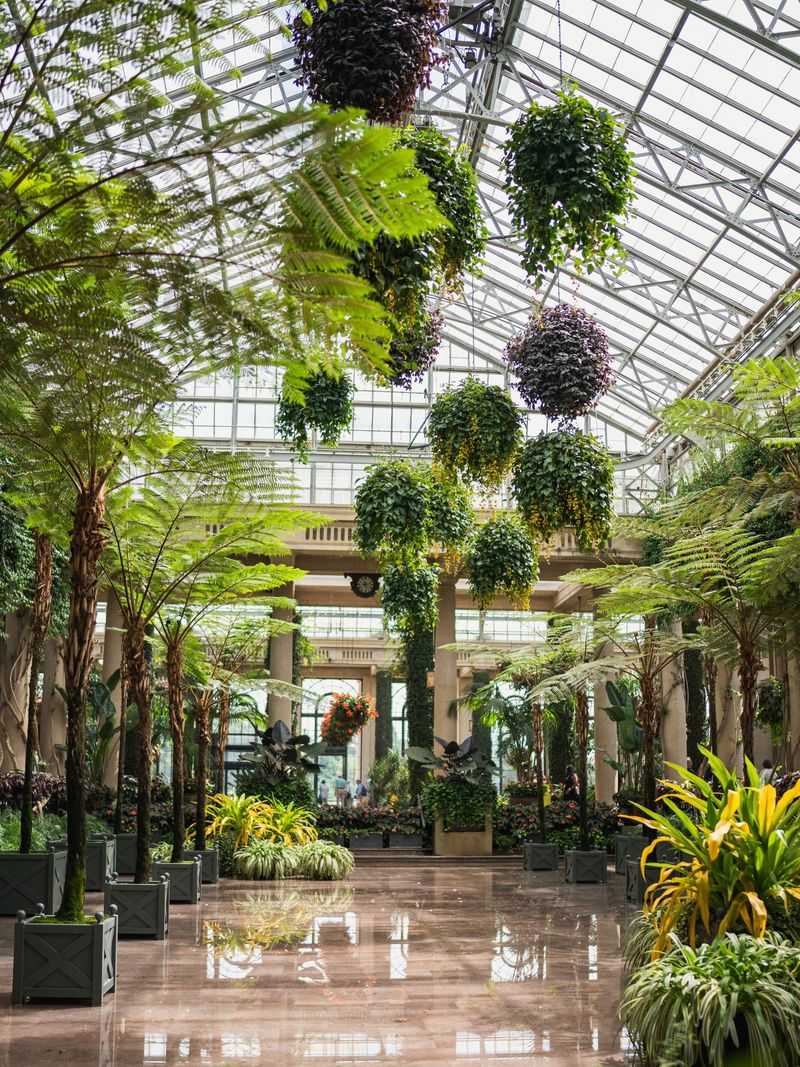
You leave the parking lot in Kennett Square with your scarf pulled tight, and the wind off the frozen fields finds every gap. Then the conservatory doors close behind you.
The air turns soft, warm, and sweet with flowers, and the sound of fountains replaces the wind.
Longwood Gardens holds nearly three acres under glass, which makes it the giant of this list. Its Winter Wonder season runs from mid-January through March, and it is built for exactly the mood you are in.
Overhead, baskets of blue Streptocarpus spill down like waterfalls, while orange Guzmania bromeliads glow at eye level.
The Orchid House is the quiet hero here. Longwood keeps more than 4,500 orchid plants representing about 2,500 types, and staff rotate the displays three times a week so blooms always look fresh.
In mid-March, you may even catch the rare blue Himalayan poppies, which are genuinely hard to grow anywhere in southeastern Pennsylvania.
The West Conservatory, opened in 2024, adds 32,000 square feet of Mediterranean gardens with floating canals, bay laurels, and cypress. Some February weekends bring Tropical Nights events with live music.
Plan at least three hours, and check the website for timed tickets before you go.
You walk back out into the cold, but it feels lighter now.
2. Hershey Gardens Keeps Butterflies Flying At 80 Degrees
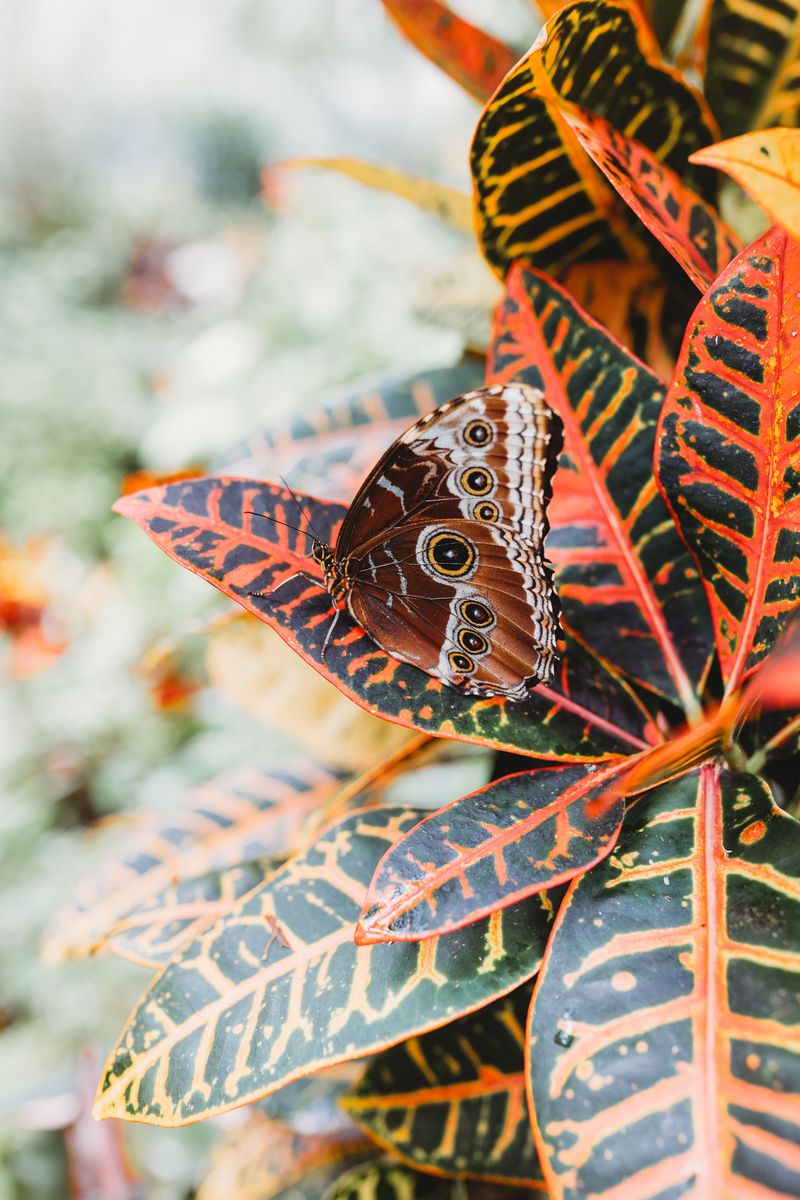
Here is a surprising fact for a snowy Tuesday. Hundreds of tropical butterflies are flying right now in the Susquehanna Valley, inside the Butterfly Atrium at Hershey Gardens.
The atrium holds a steady 80 degrees with about 70 percent humidity, the kind of muggy air that usually belongs to a July cookout. It is one of only about 25 indoor tropical butterfly atriums in the country.
On any given day, 40 to 60 species drift around you, from shimmering blue morphos to owl butterflies with big painted eye spots that actually help fool hungry birds.
Do not skip the chrysalis cabinet. You can watch butterflies hatch from their pupal cases, and early mornings give you the best odds of seeing one unfold its wings.
The plants deserve attention too. Golden shrimp plant (Pachystachys lutea) lights up the paths, fragrant plumeria scents the air, and vanilla orchids climb the posts.
And yes, in the town built on chocolate, a cacao tree (Theobroma cacao) grows here, even though it naturally lives within 20 degrees of the Equator.
Wear light layers, because your glasses will fog the second you step inside. Kids will chase butterflies with their eyes, and you will probably do the same.
3. Phipps Conservatory Brings A Rainforest To Western Pennsylvania
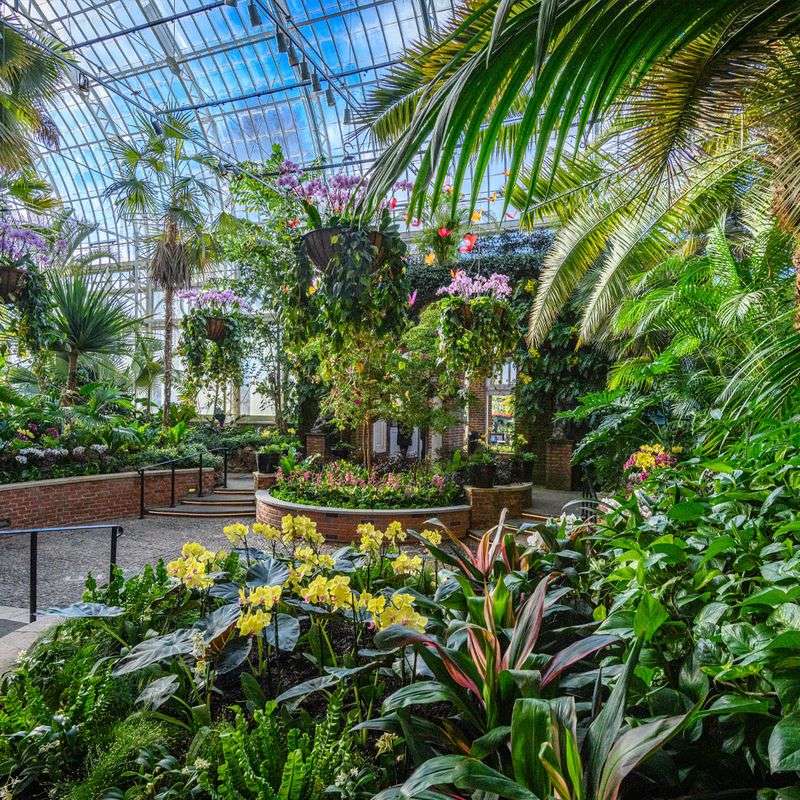
Many people assume a Victorian glasshouse must waste heat and feel stuffy. Phipps Conservatory in Pittsburgh quietly proves that idea wrong.
Its Tropical Forest Conservatory covers 12,000 square feet under ceilings about 60 feet high, with waterfalls, a fish pond, and winding paths. The theme changes every few years, so it can feel like a new country each time you return.
Earth tubes buried around 15 feet underground use the steady ground temperature to help cool the space, and the building uses about 40 percent less energy than a traditional glasshouse.
When western Pennsylvania skies stay gray for weeks, the Stove Room is your shortcut to the tropics. It is a hot, humid room where coffee, vanilla, and cacao plants grow side by side, and the scents genuinely change from step to step.
Orchid lovers should save time for the slipper orchid collection, one of the most complete in the country, with roughly 3,000 orchids shown through the year. Plan 90 minutes to two hours, and park early on winter weekends.
Outside, Schenley Park sits under snow. Inside, you are sweating a little, and that feels like a win.
4. Fairmount Park Horticulture Center Offers A Quiet Philadelphia Retreat
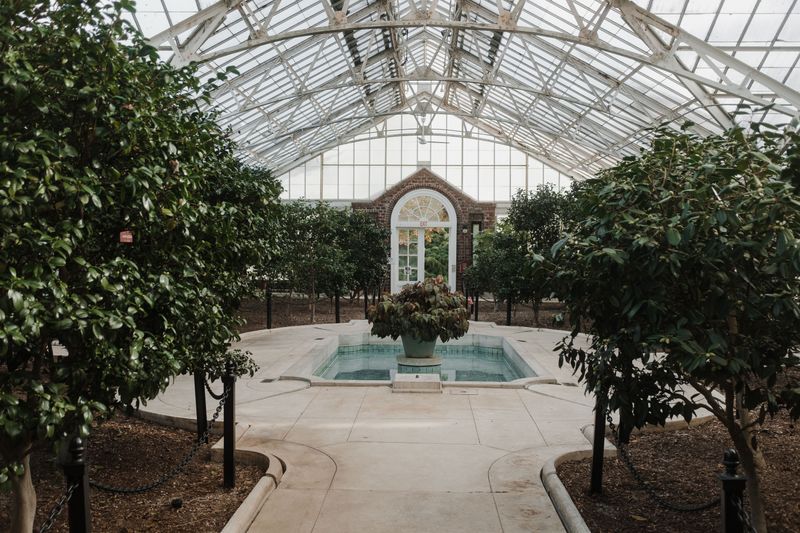
Picture a gray Saturday in the Delaware Valley, when every mall and museum feels packed. Tucked into West Fairmount Park, the Horticulture Center offers something different, a calm greenhouse escape that rarely feels crowded.
The building stands near the site of the old Horticultural Hall from the 1876 Centennial Exhibition, one of America’s first big world’s fairs. The modern center keeps that spirit alive with a display greenhouse full of tropical and subtropical plants, plus a reflecting pool that catches the winter light.
It is not huge, and that is honestly the charm. You can walk through in 30 to 45 minutes, sit a while, and let the warm air loosen your shoulders.
Philadelphia’s urban heat keeps winters slightly milder here, but February still feels long, so this pocket of green earns its place.
Hours and access can change with city programming, so check Philadelphia Parks and Recreation before heading out. Pair the visit with the nearby Shofuso Japanese House grounds for a gentle afternoon.
Sometimes the best escape is the small one close to home.
5. Morris Arboretum Fernery Is A Victorian Time Machine
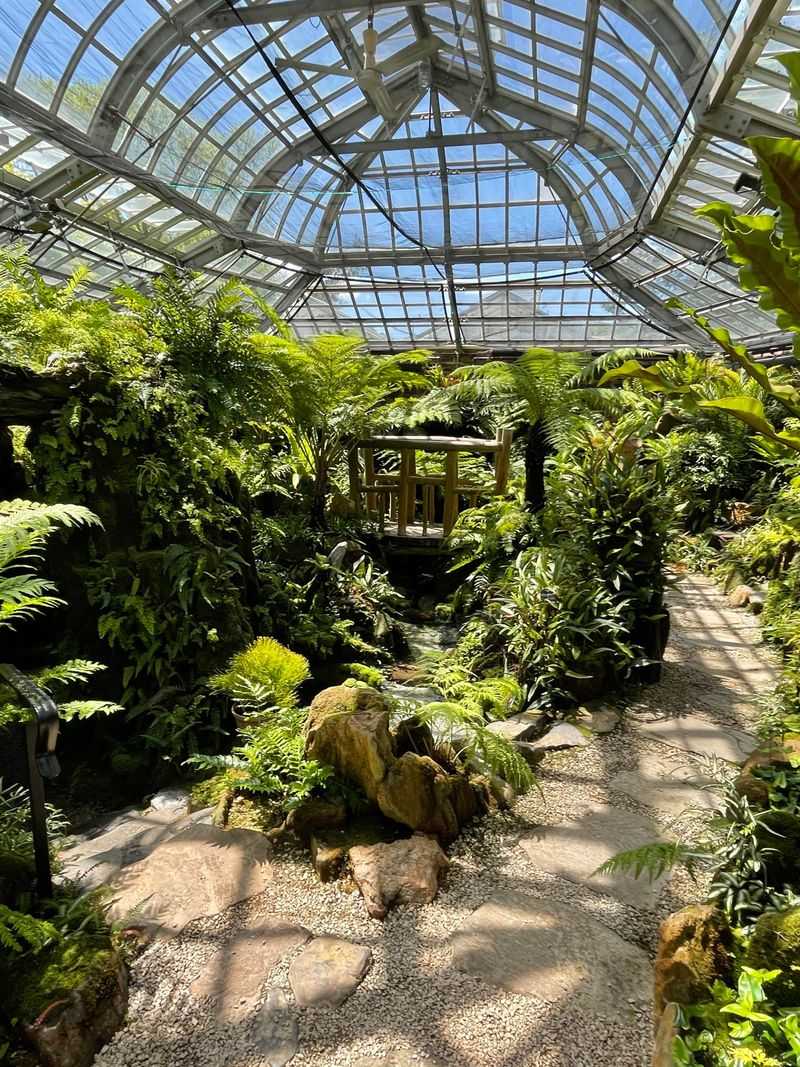
Ferns, of all plants, once drove the Victorians a little wild. Collectors in the 1800s caught what was called fern fever, and Morris Arboretum and Gardens in Chestnut Hill preserves a glowing piece of that craze.
The Dorrance H. Hamilton Fernery, built in 1899, is believed to be the only remaining freestanding Victorian fernery in North America.
Step inside and you walk among tree ferns, mossy rocks, a small pool, and green so thick the glass looks misted. It feels like a fairy tale forest that refused to go dormant.
Here is where it gets interesting for home gardeners. The fernery shows how shade, moisture, and steady warmth let delicate plants thrive, the same lessons that help your houseplants survive dry Pennsylvania furnace air.
A pebble tray of water under a fern can raise humidity a little, though it is no substitute for grouping plants together.
Plan an hour for the fernery and nearby winter paths. Dress for both rooms, because the outdoor grounds can sit near 30 degrees while the glasshouse feels like late spring.
You leave knowing a little old history, and you feel smarter for it.
6. Tyler Arboretum And Delaware Valley Orchid Shows Bring Winter Color
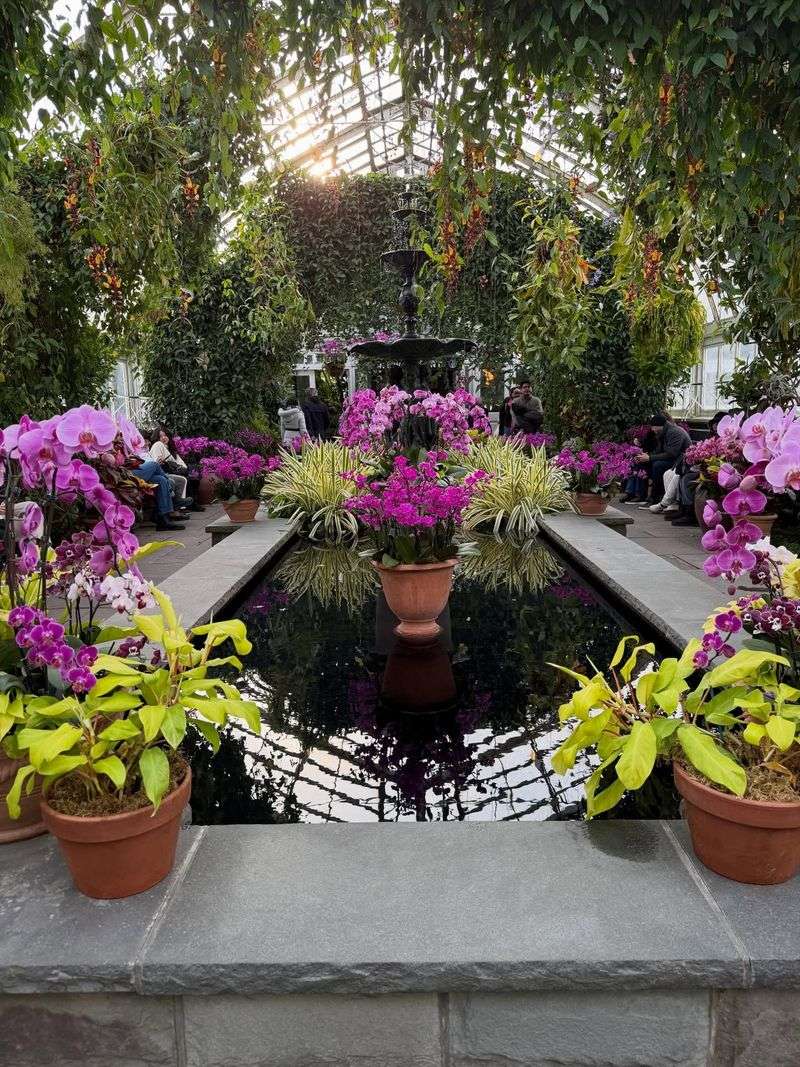
Not every tropical escape needs a permanent glass palace. Some of the brightest winter color in southeastern Pennsylvania shows up at seasonal orchid events, often hosted by local orchid societies and public gardens.
Late winter is orchid show season because many tropical orchids naturally bloom when days start stretching again. Groups like the Southeastern Pennsylvania Orchid Society have long held shows in the region, filling rooms with hundreds of blooms, vendor tables, and growers happy to answer questions.
Dates and venues change year to year, so check their schedules in January.
The bonus is practical. You can talk to people who actually grow these plants in Pennsylvania homes, where winter air can drop below 30 percent humidity.
Many will tell you a moth orchid on an east windowsill, watered about once a week, is the easiest place to start.
Bring a small cooler bag if you plan to buy, since a 20-degree car ride can damage blooms in minutes. Your orchid deserves a gentler ride home than that.
One plant on a kitchen sill can carry the tropics through March.
7. Penn State Conservatory Shows Off Tropical Science In Central Pennsylvania
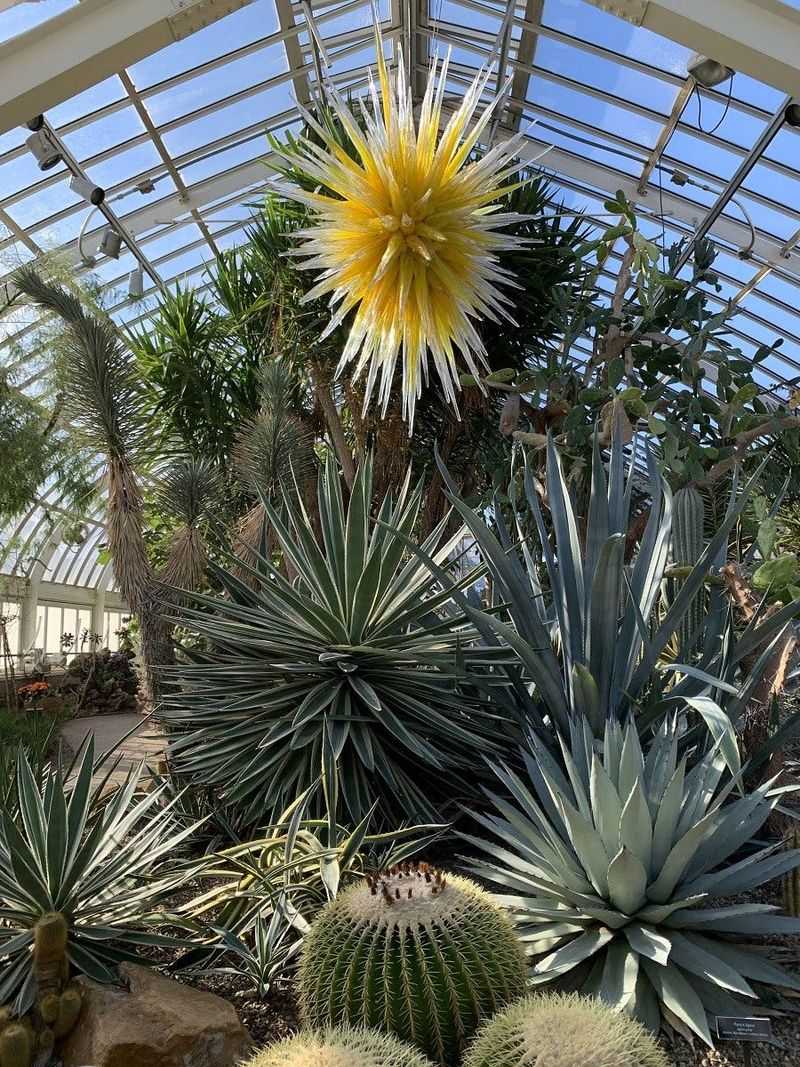
The central valleys get serious winters, with snow lingering for weeks around State College. Yet on Penn State’s University Park campus, a teaching greenhouse keeps tropical plants alive for students and curious visitors.
The university’s conservatory and plant collections exist mainly for teaching and research, so this stop feels more like a science lesson than a resort. You may see bananas, cacti, carnivorous plants, and economic crops that show how food, spices, and medicine grow in warmer climates.
Public hours are limited and can change during breaks, so check ahead.
Penn State Extension is also a great winter resource while you are in the area. Its experts recommend keeping most tropical houseplants above 55 degrees at night and away from cold drafty windows, which is a common reason leaves suddenly drop in January.
Think of this stop as the backstage tour of the tropics. It is smaller than Longwood, but the plants here have homework to do.
You leave with fewer selfies, maybe, but more answers.
8. Your Own Sunny Window Can Become A Small Tropical Getaway
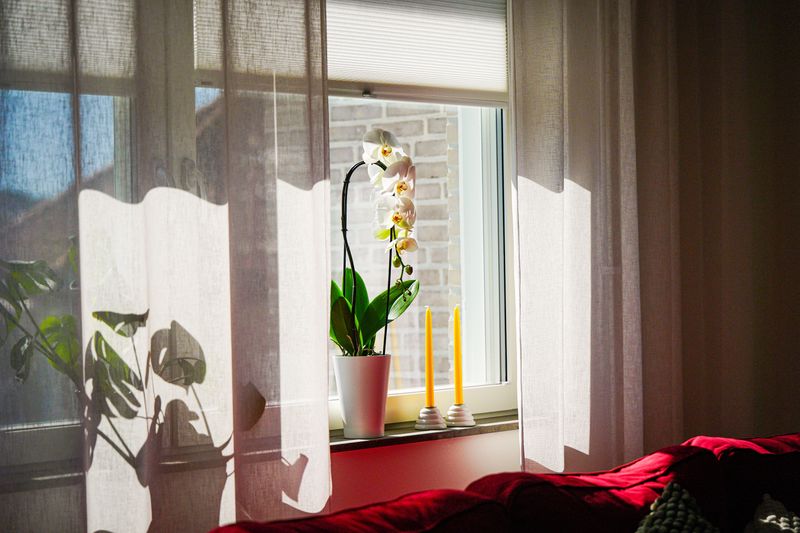
After a day at Longwood or Phipps, the drive home can feel a little sad. But the warm green feeling does not have to stay behind the glass.
Your south or east window is a mini conservatory waiting to happen. Group three to five tropical plants together, such as a moth orchid, a bromeliad, and a Boston fern, since plants share moisture like friends huddled around a campfire.
Set them on a tray of pebbles with water just below the top of the stones.
Keep them at least 6 inches from cold glass on nights below 20 degrees, especially in the Poconos and northern tier. Water when the top inch of potting mix feels dry, and skip fertilizer until days lengthen in March.
It will not be the Butterfly Atrium, and that is fine. It is one small layer of warmth you can look at every morning with coffee.
And on the grayest day in February, you will glance at that windowsill and feel a little proud that you grew your own escape.
