
The Spots Copperheads Rest in North Carolina Yards Right Before Your Hand Reaches In
Follow us on Google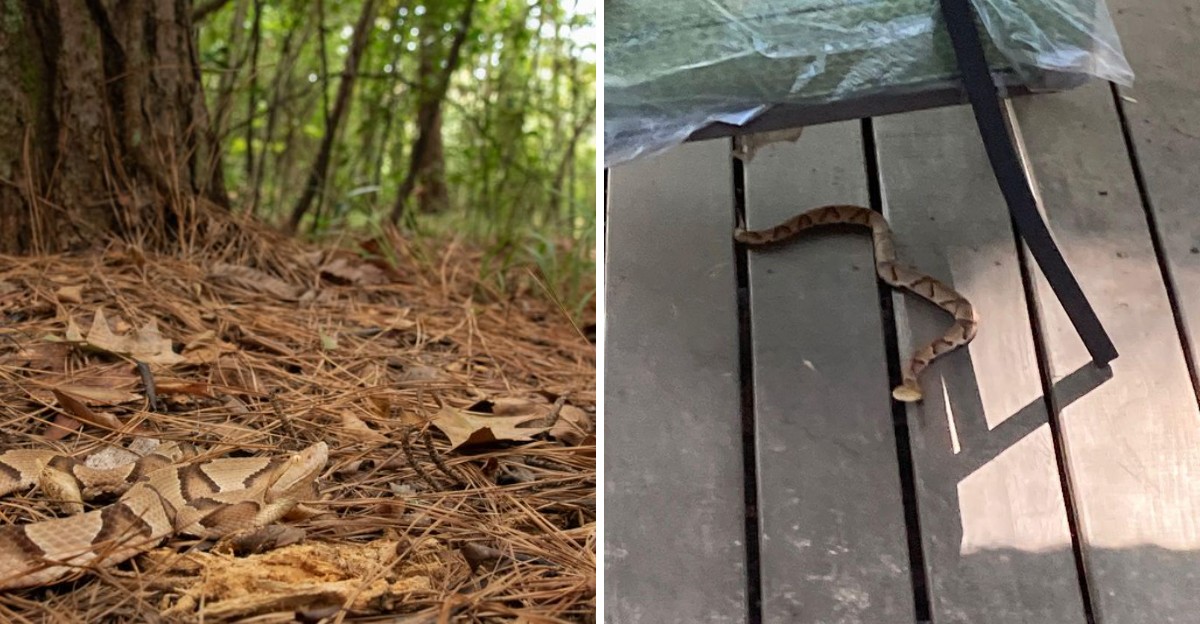
You kneel by the azaleas on a muggy July evening, reaching under the leaves for one stubborn weed, and a coppery hourglass pattern shifts two inches from your fingers. That is how most copperhead bites in North Carolina happen, not from chasing snakes, but from hands reaching into places we cannot see.
These snakes are ambush hunters that sit still and trust their camouflage, so knowing their favorite resting spots genuinely changes how you garden. Here are the eight places they tuck in, and the simple habits that keep your hands safe while your yard stays full of life.
1. Leaf Litter and Mulch Beds Hide Them in Plain Sight
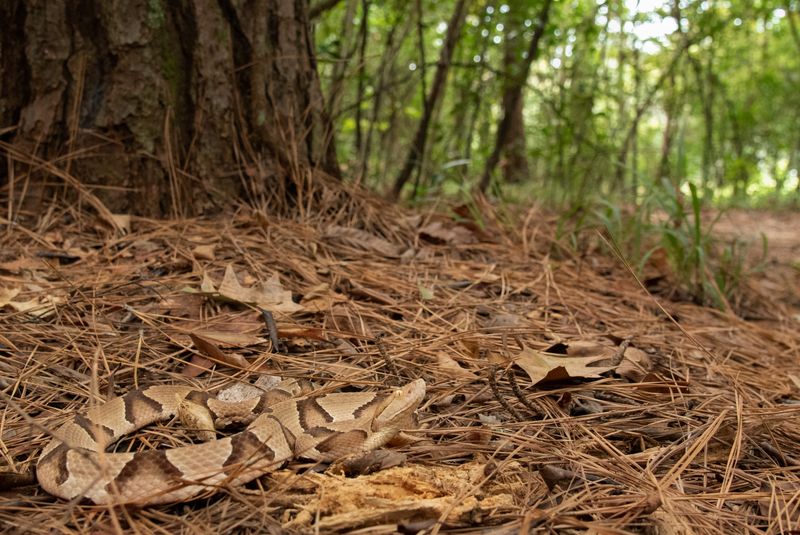
Copperheads are built for fallen leaves. Their chestnut bands, shaped like hourglasses, break up their outline so well that a coiled snake looks like three or four scattered oak leaves.
Here is where it gets tricky. The eastern copperhead, Agkistrodon contortrix, does not hunt by roaming.
It sits motionless for hours, sometimes days, waiting for a mouse or cicada to wander past, and deep mulch or leaf piles hold the moisture and prey it wants.
Keep mulch around 2 to 3 inches deep instead of heaped high, and clear leaf drifts along paths, steps, and play areas. Rake first, then reach, never the other way around.
A long-handled rake gives you about 4 feet of distance, which is plenty.
You do not need to strip every bed bare. Leaves under shrubs far from foot traffic still feed fireflies and box turtles, so just keep the busy edges tidy.
2. Firewood Stacks Serve Up Shelter and Dinner Together
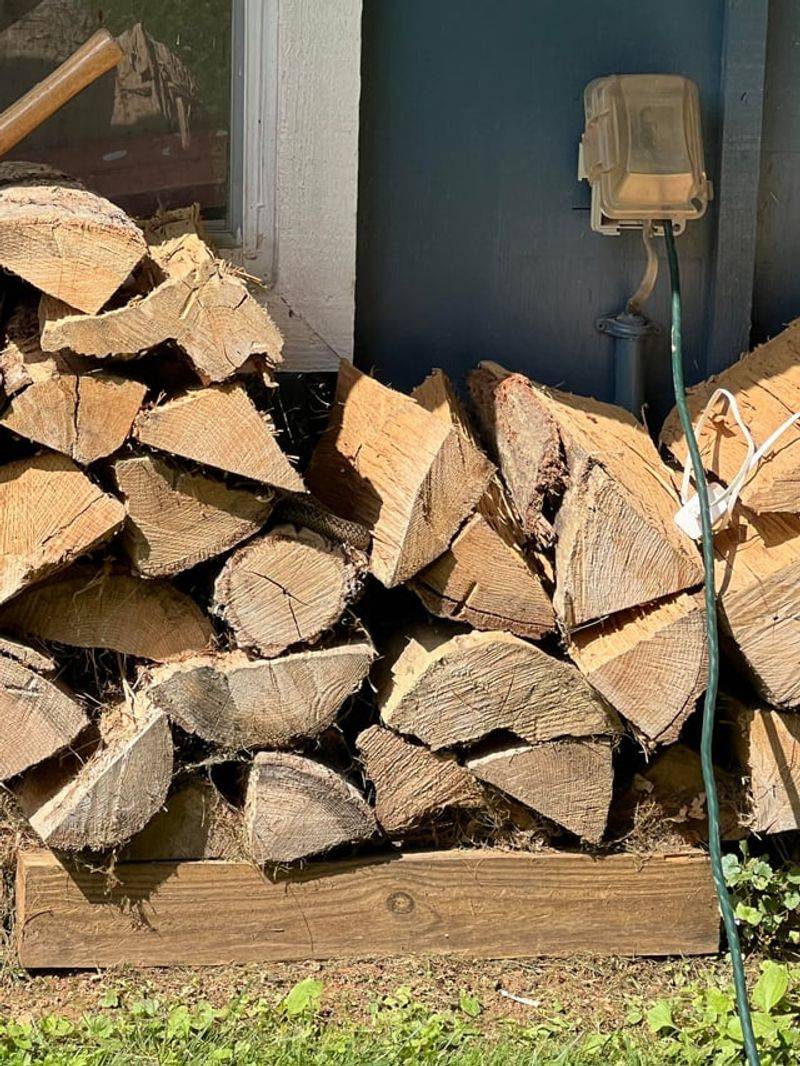
A woodpile is two gifts in one for a snake. The gaps between logs stay cool and dark, and they draw mice and chipmunks, which are a copperhead’s favorite meal.
Many Piedmont homeowners discover this the same way, grabbing a split log for the fire pit on a cool October night and feeling something shift underneath. October matters because copperheads are active right up until steady cold, often into early November.
Move firewood at least 10 feet from the house and raise it about 6 to 8 inches off the ground on a rack. Pull logs from the top and sides, and wear leather gloves.
A flashlight helps after dark, since copperheads often hunt at night in summer.
Fewer rodents and less cover adds up fast. Your fire pit evenings stay cozy, not jumpy.
3. Dense Azaleas and Hydrangeas Give Them a Shady Roof
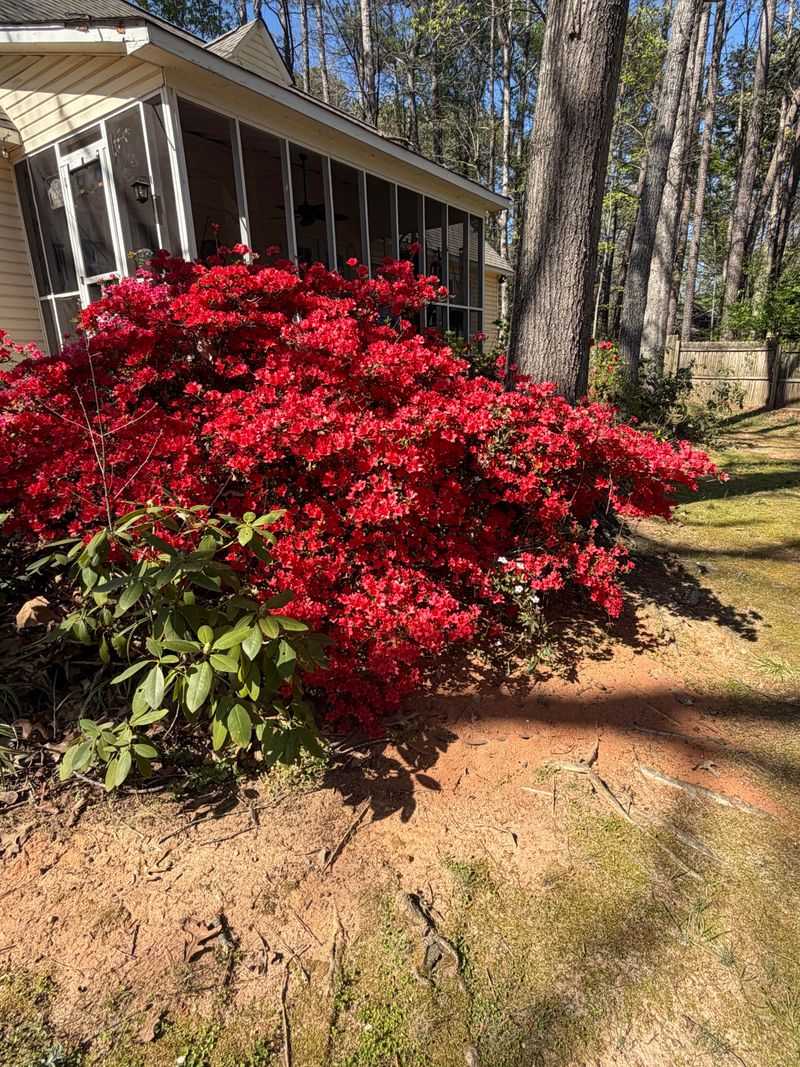
Picture the shrub by your porch steps, the one you prune without even looking. That shady pocket under azaleas (Rhododendron species) or bigleaf hydrangea (Hydrangea macrophylla) is a cool spot for a snake on a 92 degree afternoon.
Thick foliage traps shade and humidity, and frogs, lizards, and insects gather there too. A copperhead resting at the base is basically sitting at a lunch counter.
Limb up shrubs near doors and walkways so you can see 6 to 12 inches of open ground underneath. Trim in daylight, scan before you reach, and use loppers instead of bare hands for low branches.
Thick gloves help, though they are not a guarantee against fangs.
The shrubs still bloom and still shelter songbirds. You just get to see what is beneath them.
4. Rock Borders and Stone Walls Work Like Heating Pads
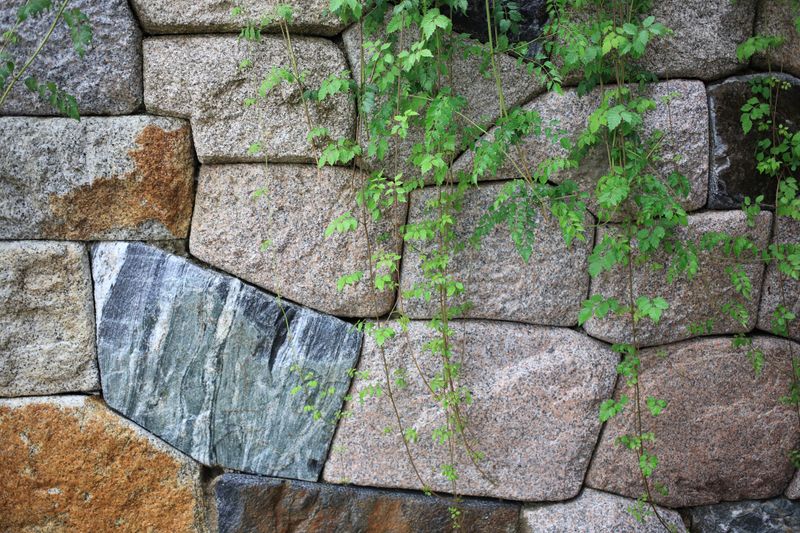
Rocks hold heat long after the sun moves on. On a 60 degree spring morning in the mountains, a stone wall can feel noticeably warmer than the air around it.
Copperheads are cold-blooded, so they use that warmth to get moving in April and again in cool fall stretches. Crevices between stones also give them a quick exit, and skinks and mice live there too.
Fill gaps in low walls where you can, and keep a clear strip of a foot or so between rock borders and the plants you tend most. Look before you sit on a sunny wall edge or reach into a rock garden.
Step on top of rocks and logs rather than over them, so you see the far side first.
Your stonework stays handsome. You simply learn to read it like a snake would.
5. Decks and Foundations Offer Cool Summer Hideouts
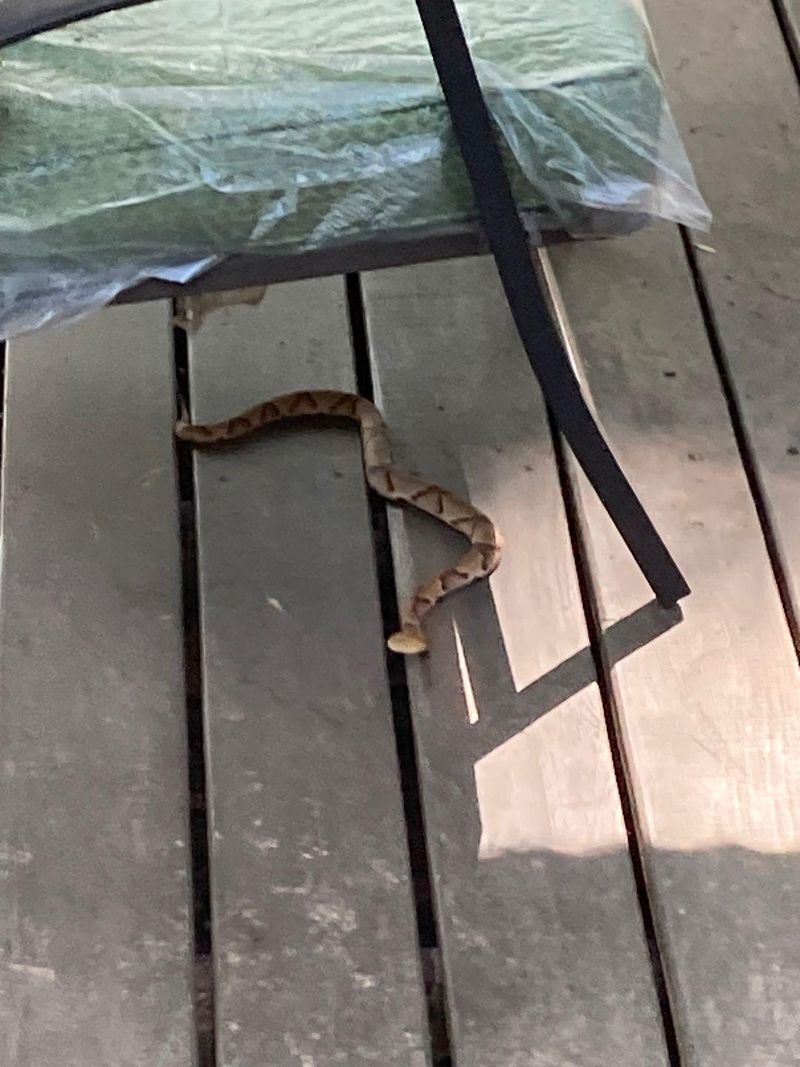
Blunt truth: the dark gap under your deck is one of the coolest spots on your property in August. Snakes know it too.
North Carolina summers push snakes toward shade during the heat of the day. Decks, crawl space vents, and foundation edges stay cooler, and mice often nest nearby, so the space works as both shelter and pantry.
Close gaps wider than about a quarter inch with hardware cloth, a stiff wire mesh, buried a few inches into the soil. Check crawl space vent screens and door sweeps on sheds.
In sandy Sandhills and Coastal Plain soil, bury mesh a little deeper, since critters dig easily there.
It is not a perfect seal, but it closes the guest rooms you never meant to offer. Your evenings on the deck feel calmer for it.
6. Forgotten Tarps and Boards Become Instant Snake Shelters
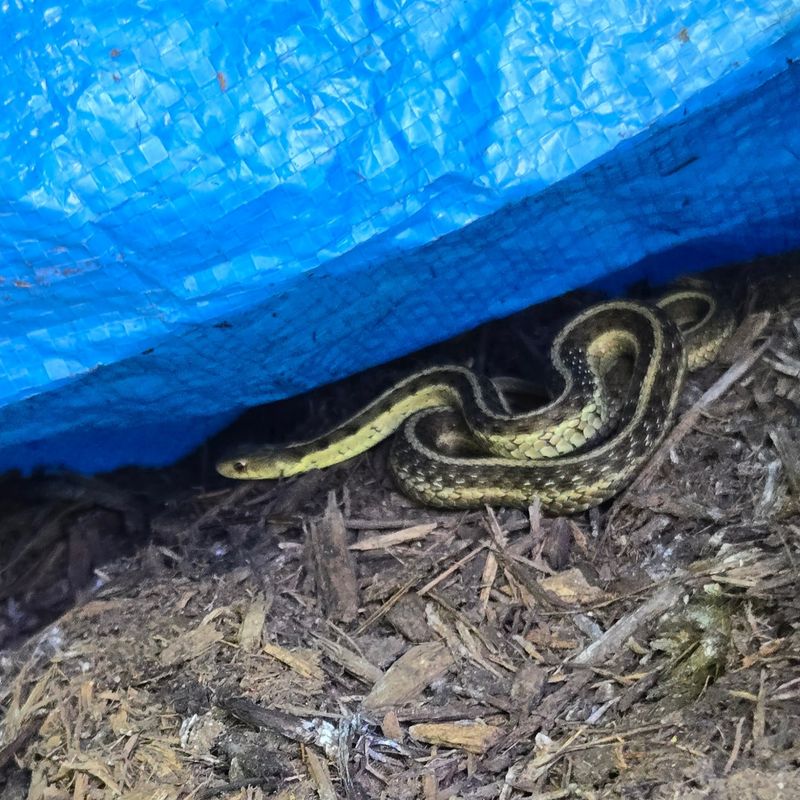
Wildlife researchers actually lay plywood on the ground on purpose to find snakes. They call them cover boards, and they work beautifully.
So that tarp from last spring’s project, the stack of leftover pavers, or the kiddie pool flipped upside down is doing the same job in your yard. Flat items trap warmth and moisture below while hiding everything underneath.
Pick up clutter you are not using, and store the rest on racks or shelves. When you must lift a board or tarp, grab the far edge and pull it toward you, so the opening faces away and anything underneath leaves the other way.
One cleared weekend can remove a dozen hiding spots. That is a quick win you can feel.
7. Tall Grass Edges Let Them Slip Close Unseen

A myth floats around that copperheads chase people. They do not.
Most bites come from stepping near one hidden in tall grass or brushing it with a hand.
Fence lines, ditch edges, and the strip behind the shed often go unmowed through stormy summers. Grass taller than ankle height hides a snake that may be only 2 to 3 feet long.
Keep grass near paths, play sets, and doors mowed short, and string-trim fence lines every couple of weeks in peak season. If you want a pollinator patch of goldenrod or Joe Pye weed, give it a spot away from foot traffic with a mowed path around it.
Wildflowers and safety can share a yard. They just need clear borders.
8. Rodent Hot Spots Quietly Call Copperheads In
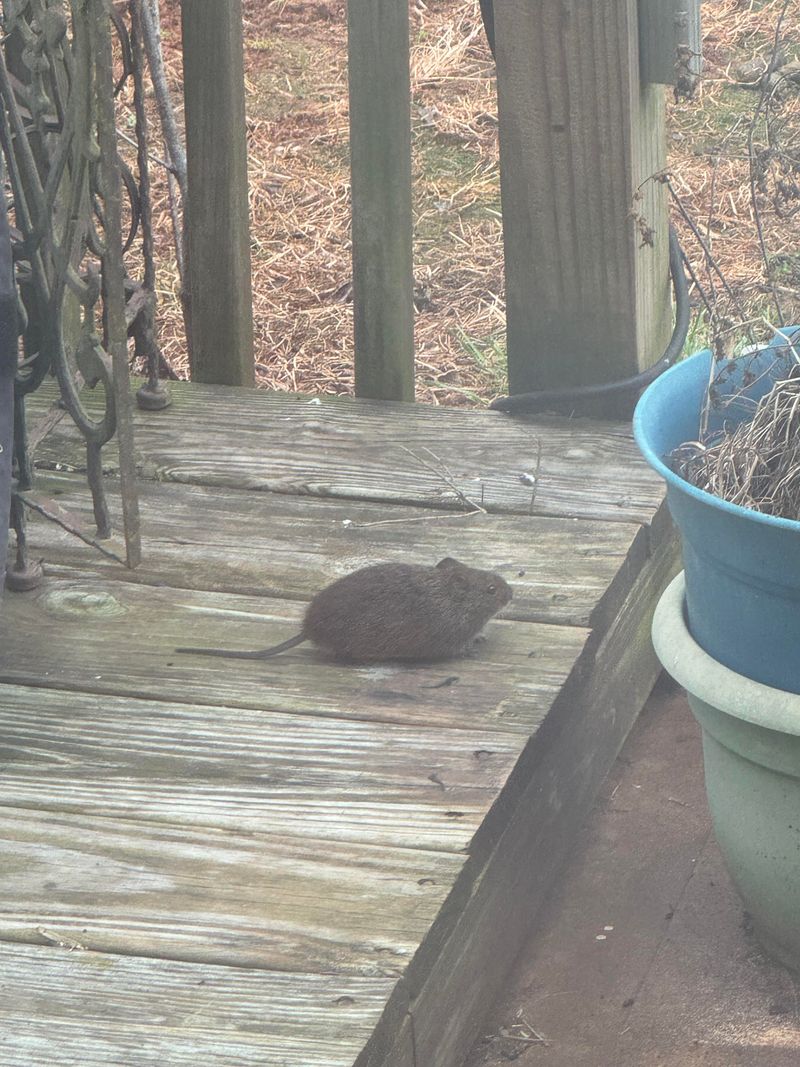
Snakes follow food, plain and simple. The bird feeder spilling seed, the open trash can, or the pet bowl left out overnight can bring mice, and mice bring copperheads.
NC State Extension and the NC Wildlife Resources Commission both point to food and cover as the real drivers. Remove those, and snakes tend to move along on their own.
Use a tray under feeders, lock trash lids, and bring pet food in by dusk. Leave opossums, black rat snakes, and owls alone, since they help keep rodents and even copperheads in check.
If you see a copperhead, back away about 6 feet and let it leave. Call a professional for removal rather than trying it yourself.
Wear closed shoes outside at night and use a flashlight. Do these things together, and your yard feels safer while staying alive with fireflies, birds, and turtles.
