
7 Florida Native Plants That Bring Tree Frogs In To Hunt The Roaches By Your Porch Light
Follow us on Google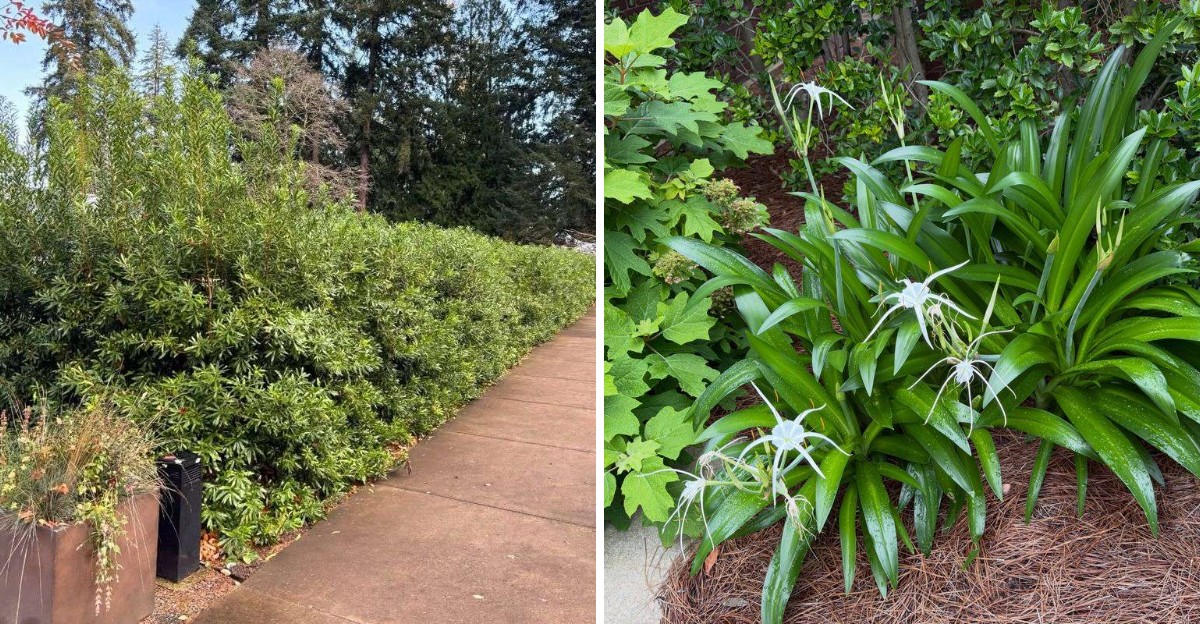
It’s 9 p.m. in Florida, the porch light is buzzing, and a palmetto bug just skittered past your flip-flop. Here’s the good news: the right native plants can pull green tree frogs in close, and those frogs hunt the bugs that gather at your light.
You set the stage once, and the night shift shows up on its own. These seven plants give frogs shade by day, moisture to stay hydrated, and a steady trail of insects leading right to your door.
It is not a magic roach cure, but it is a quiet, chemical-free layer of help that genuinely works with Florida’s own wildlife.
1. Firebush Keeps The Insect Buffet Running All Season
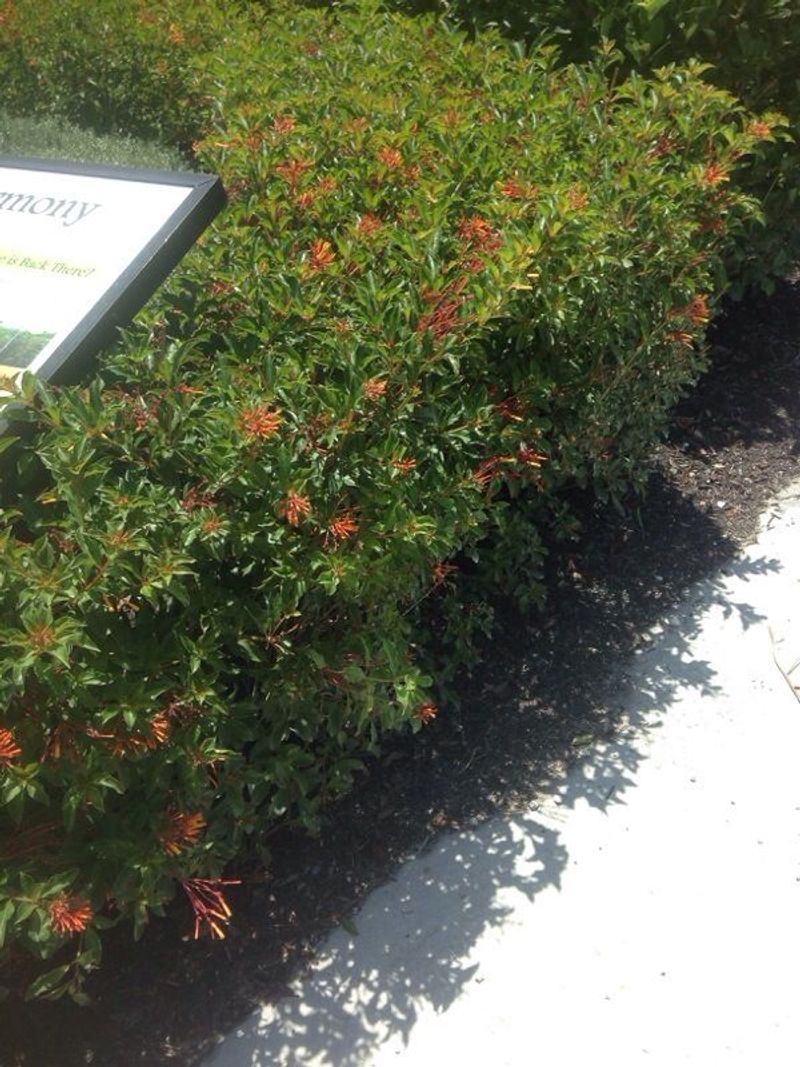
Firebush is the busiest shrub on the block. Hamelia patens blooms orange-red from late spring until the first cool snap, and zebra longwings and gulf fritillaries treat it like a diner that never closes.
That traffic matters. Where flowers pull in insects, frogs follow, and a dense firebush gives them leafy cover to wait out the hot afternoon before the porch light flips on.
Plant it 3 to 5 feet from your porch in full sun or light shade. In South Florida it stays evergreen and can hit 15 feet, so trim it to 5 to 8 feet.
In North Florida a freeze may knock it to the ground, but it usually returns in spring. Give it sandy, well-drained soil and it asks for little else.
One shrub, a whole evening of entertainment.
2. Southern Wax Myrtle Builds A Frog Fortress Near Your Door

Most people plant wax myrtle for privacy and never realize they built a frog apartment complex. Morella cerifera grows thick, many-stemmed, and evergreen, which is exactly the shady hideout tree frogs want on a 92 degree August day.
It also forgives a lot. Wax myrtle handles soggy low spots and dry sand alike, and it shrugs off salt spray along the Atlantic and Gulf coasts.
Space plants about 6 to 8 feet apart for a screen that can reach 10 to 20 feet tall.
Here is the honest part. Wax myrtle can get leggy and sometimes suckers, so plan a light trim each late winter.
Water deeply twice a week for the first 2 months, then let rain take over.
Frogs tuck into the branches by day and slip out to the porch light by night. You just enjoy the breeze.
3. Wild Coffee Turns Shady Corners Into Daytime Hideouts
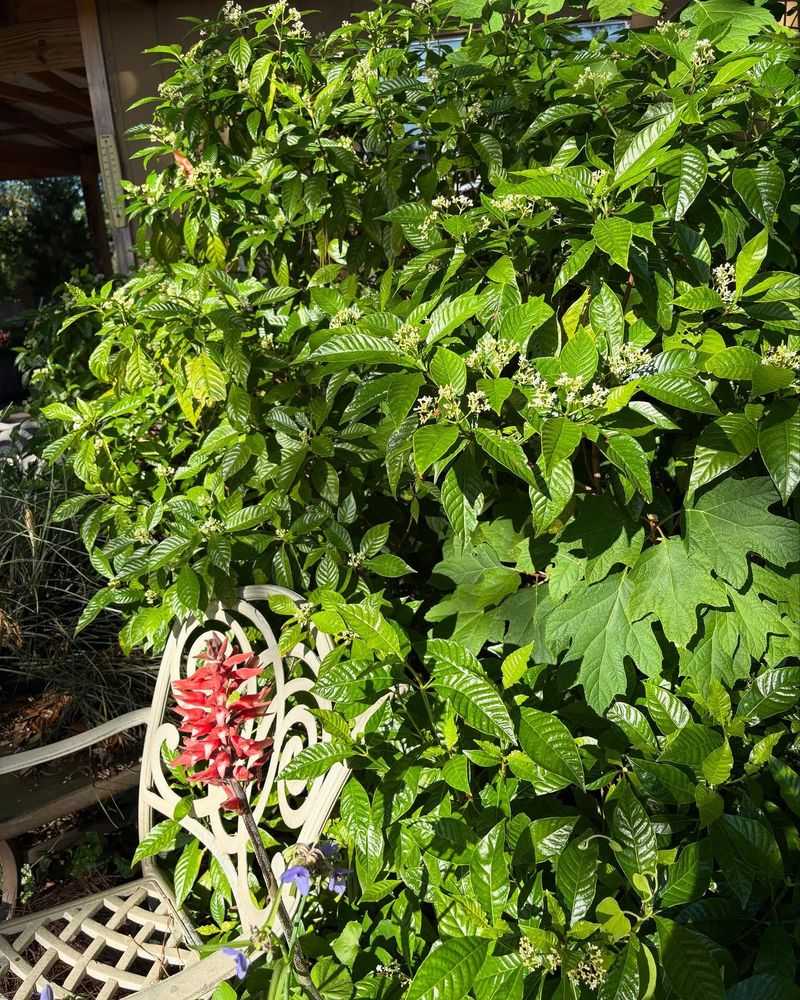
Shady porch corner that kills everything you plant there. Wild coffee, Psychotria nervosa, actually prefers it.
The glossy, deeply grooved leaves hold a little coolness and humidity, so frogs rest on them through the heat of the day. Small white flowers bring insects in summer, then red berries feed cardinals and mockingbirds in fall.
It grows 4 to 6 feet tall in most yards and works well in Central and South Florida. North Florida gardeners should know a hard freeze below about 28 degrees can damage it, so plant it against a wall that holds warmth.
Space shrubs 3 feet apart and mulch 2 to 3 inches deep to keep roots moist.
The spot you gave up on becomes the frogs’ favorite lounge.
4. Cinnamon Fern Supplies The Moisture Frog Skin Needs

Tree frogs breathe partly through their skin, and dry skin is a crisis for them. Cinnamon fern, Osmundastrum cinnamomeum, quietly solves that by holding damp, shaded air low to the ground.
It grows naturally in swamps and wet woods across much of Florida, minus the far southern tip. Clumps reach 2 to 4 feet tall, with fertile fronds that turn a rusty cinnamon color in spring.
Plant it in moist shade, ideally near a downspout or a low birdbath with a flat stone ramp. Keep the soil damp, not flooded, and refresh the birdbath every 2 to 3 days to prevent mosquito breeding.
Think of it as a tiny rainforest humidifier. The frogs will find it.
5. Fakahatchee Grass Gives Frogs Cover Where Water Pools
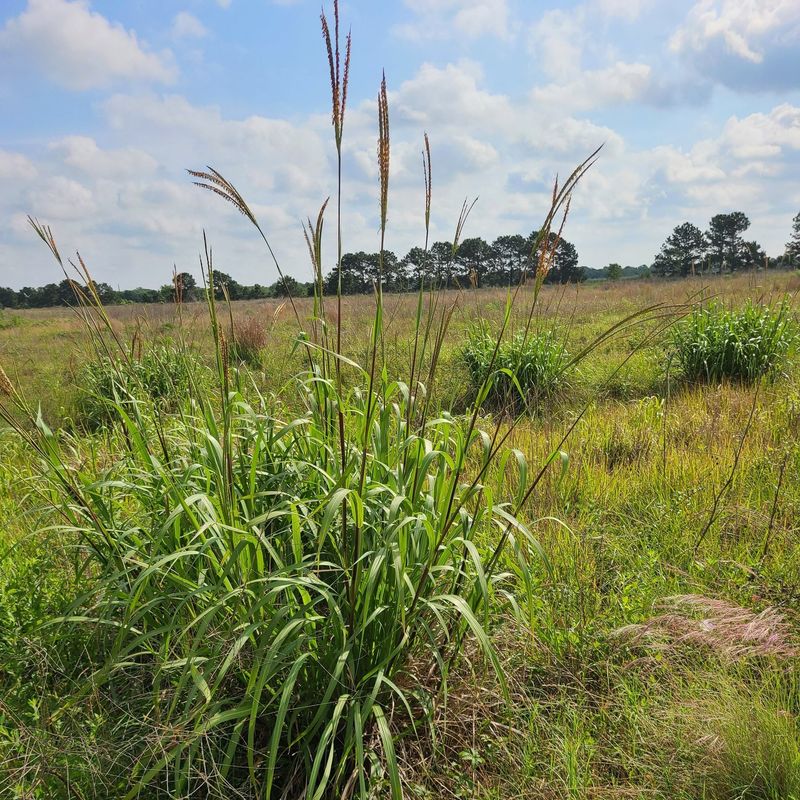
Every yard has that low spot that turns into a pond after a summer downpour. Fakahatchee grass, Tripsacum dactyloides, loves it.
Big arching clumps make a cool, shaded tunnel at the base where frogs rest during the day. It handles full sun, brief flooding, and dry spells once rooted, which suits Florida’s feast-or-famine rain.
Give each clump 4 to 5 feet of room. Water about an inch a week for the first 2 months, then mostly leave it alone.
Cut it back to 12 inches in late winter if it looks ragged. Tight on space, try dwarf Fakahatchee, Tripsacum floridanum, which stays near 2 to 3 feet.
Your soggy problem spot just became prime frog real estate.
6. String Lily Offers Cool Leaves For The Afternoon Heat
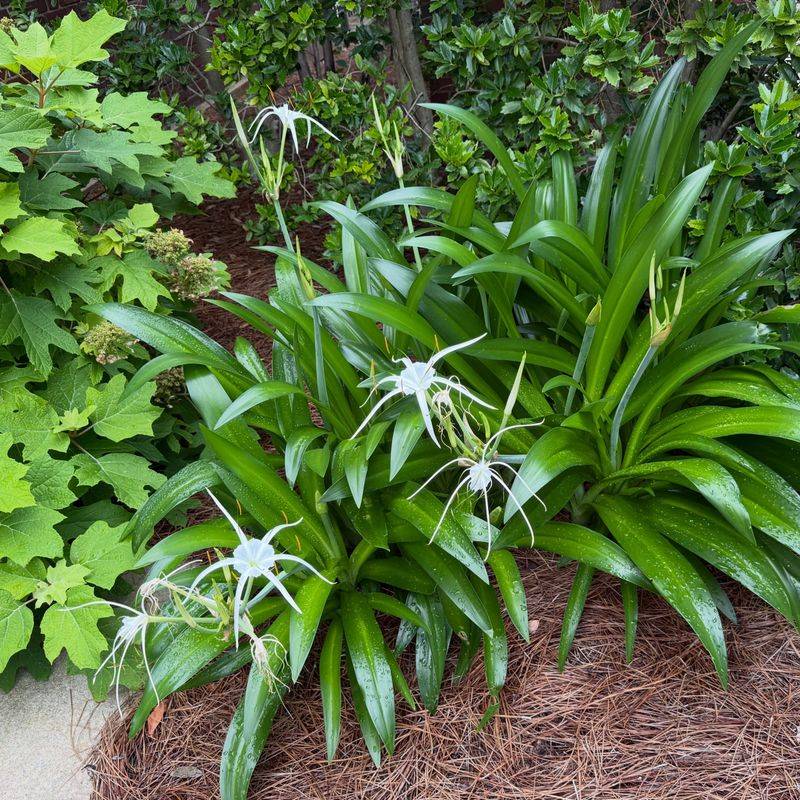
Myth: pretty flowering plants do nothing for wildlife. String lily, Crinum americanum, proves otherwise.
Its long strap leaves, up to 3 or 4 feet, cradle moisture near the base, and frogs settle there when the afternoon sun bakes everything else. Fragrant white spidery blooms show up spring through fall and draw night-flying moths, which are frog snacks.
Plant bulbs about 2 feet apart in part shade, in any damp spot, even one that floods for days. It grows across nearly all of Florida.
Keep the soil moist and add a thin layer of compost each spring.
Beautiful by day, busy by night.
7. American Beautyberry Feeds The Whole Porch Food Web
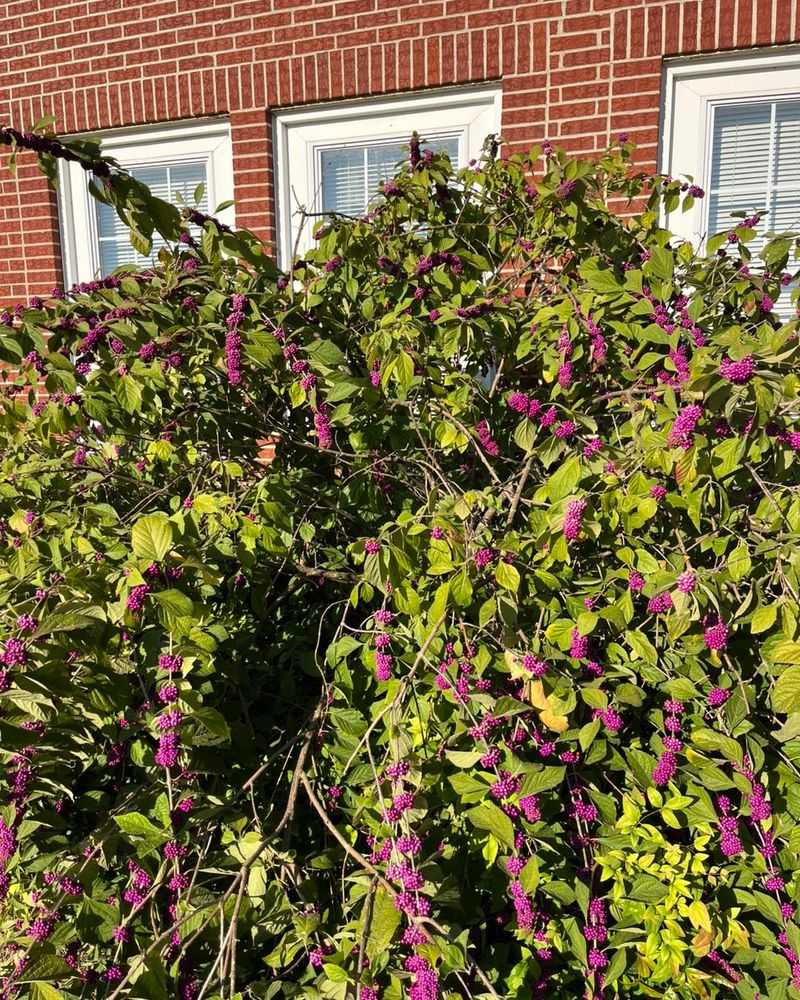
Late summer in a Panhandle yard, and the beautyberry is loaded with magenta clusters. Callicarpa americana is the plant that ties the whole system together.
Small pink summer flowers bring bees and other insects, and those insects keep frogs fed. Birds then strip the berries in fall.
UF/IFAS Extension lists it as a tough native for most of the state, from North Florida into South Florida.
Plant it 4 to 6 feet from the porch in sun or part shade. Cut it back hard, to about 12 inches, in late February, since it blooms on new growth.
Crushed leaves may even help deter mosquitoes, a nice bonus on a muggy night.
So when the porch light clicks on and a little green frog takes its post, you will know you set that table yourself.
