
8 Evergreen Climbers That Keep A Texas Fence Green Straight Through Winter
Follow us on Google
You step outside on a gray January morning, coffee in hand, and the fence line looks like bare bones against the sky. Your neighbor’s yard, though, still has a thick green wall humming with a hummingbird or two.
The difference is not luck, it’s picking climbers that actually hold their leaves when a Texas cold front rolls through. Here are eight that genuinely stay green, plus where each one fits best across the state.
1. Carolina Jessamine Blooms While The Rest Of The Yard Sleeps
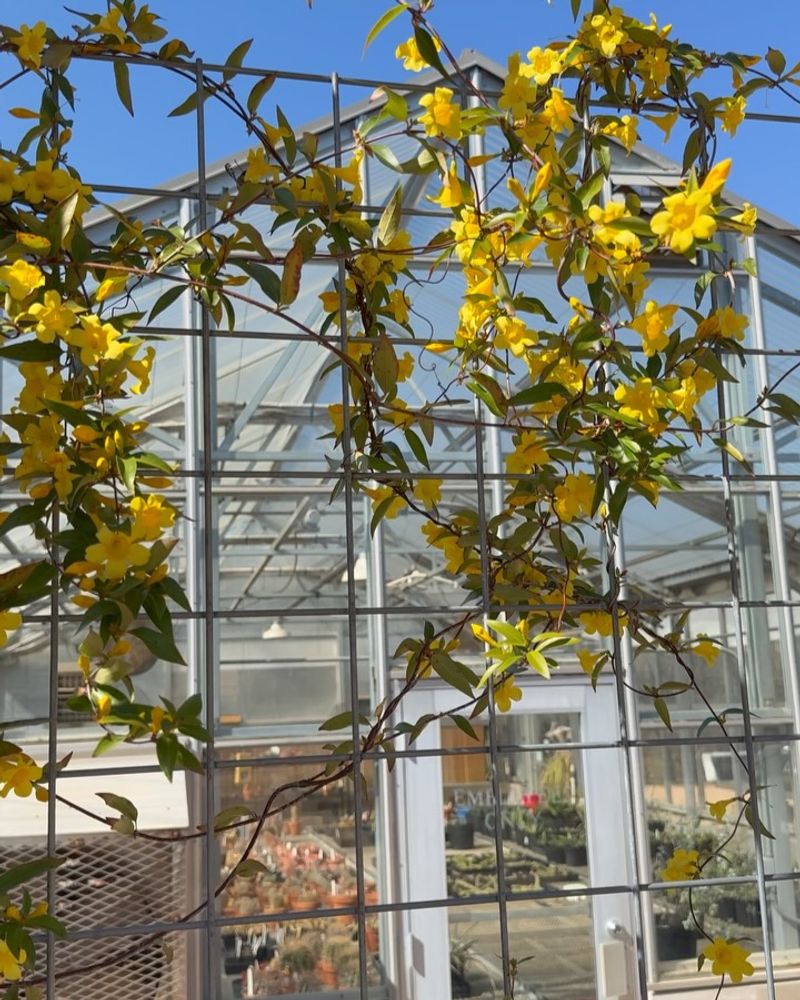
Late February, and most of the yard still looks asleep. Then one fence panel suddenly glows yellow, smelling sweet enough to stop you on the way to the trash cans.
That is Carolina jessamine (Gelsemium sempervirens), a native of East Texas that keeps its glossy leaves all winter. A hard freeze may tint the foliage bronze or purple, but the vine shrugs it off by spring.
Here is why it works so well. It twines, which means it wraps its stems around anything thin, so chain-link or a few horizontal wires give it all the grip it needs to climb 10 to 20 feet.
Plant it in fall, about 4 to 6 feet apart, in full sun to part shade. It loves the acidic sand of East Texas, and it handles blackland clay in North and Central Texas if you mix in 2 to 3 inches of compost.
Water deeply once a week the first year, then mostly let rain do the job.
One honest warning. Every part of this plant is poisonous if eaten, so skip it where toddlers or chewing puppies spend their afternoons.
But for an early bee buffet and a fence that never goes bald, it is hard to beat.
2. Crossvine Handles Nearly Every Corner Of Texas
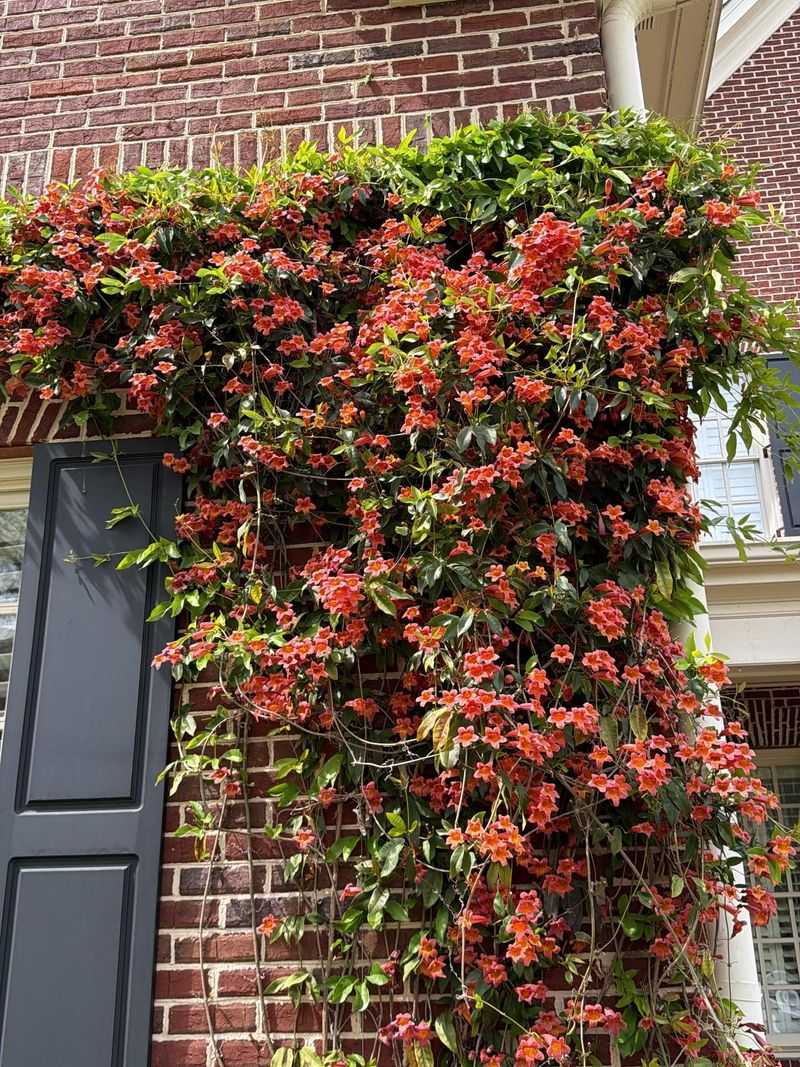
Some vines are picky. Crossvine (Bignonia capreolata) is the friend who is happy at any party.
It grows in USDA zones 6 through 9, which covers nearly all of Texas from the Panhandle down to the Gulf Coast. Its leaves stay green through most winters and pick up a purple-bronze blush after a sharp cold snap, like cheeks after a brisk walk.
The surprise is how it climbs. Tiny tendrils end in sticky little disks that grab wood, brick, or stucco without extra wire.
That is handy on a solid privacy fence.
The popular Tangerine Beauty selection often opens orange trumpets by late February or March in Central Texas, right as hummingbirds start passing through hungry.
Space plants 5 to 8 feet apart in full sun for the heaviest blooms, though it tolerates shade better than most bloomers. It does not care whether you have clay, sand, or alkaline Hill Country soil.
Water weekly through its first summer, then only during long dry stretches.
And when August hits 105 degrees, it keeps going. That kind of toughness earns a fence spot.
3. Confederate Jasmine Builds The Thickest Privacy Screen
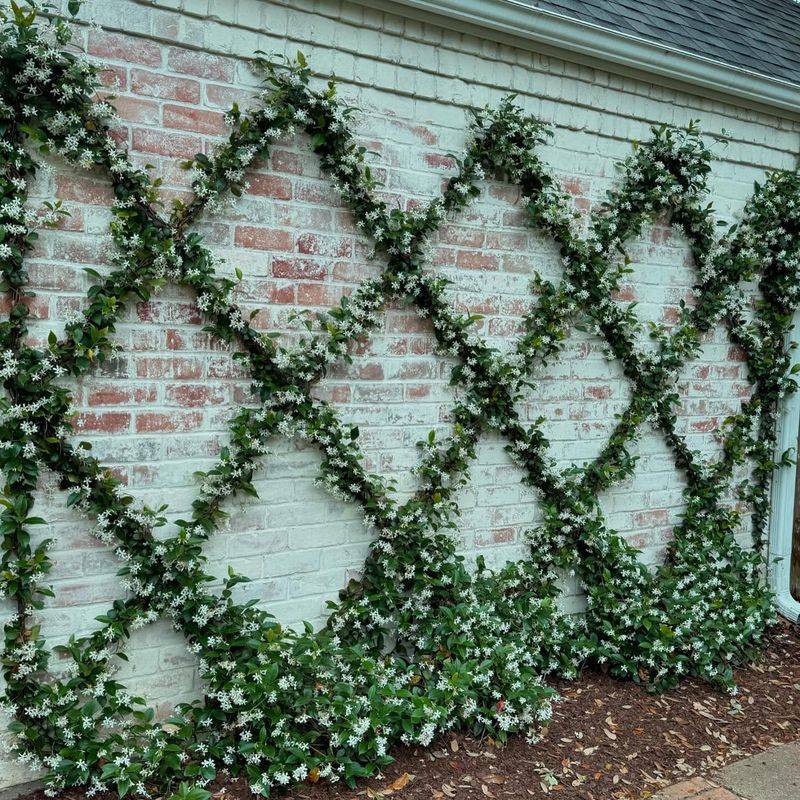
Myth number one about jasmine says it is too delicate for Texas. Tell that to the fences across Houston and San Antonio buried under it.
Confederate jasmine (Trachelospermum jasminoides), also called star jasmine, forms a dense mat of glossy leaves that hides a chain-link fence completely. It is rated for zones 8 through 10, so Central, South, and East Texas plus the Gulf Coast are its home turf.
Here is where it gets tricky. In North Texas, a 15-degree night can scorch the leaves.
Look for the Madison selection, which handles zone 7 cold much better.
Plant 3 to 5 feet apart for a solid screen within about two seasons. It reaches around 20 feet if you let it.
Give it full sun to part shade, decent drainage, and a deep soak every 10 to 14 days during summer droughts once established.
In spring, those tiny white stars perfume the whole patio. Your evenings outside will smell like a fancy hotel lobby, minus the bill.
4. Creeping Fig Turns A Plain Fence Into Green Wallpaper
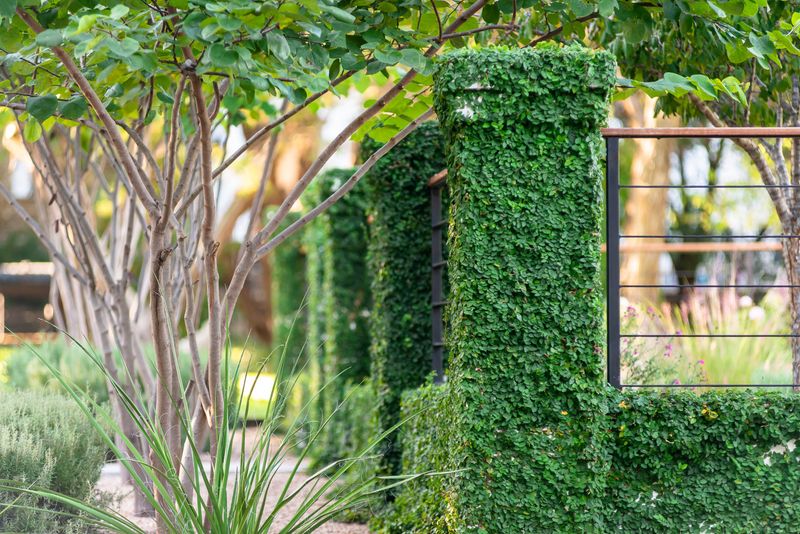
Picture an ugly block wall in Corpus Christi. Two years later, it looks like it was upholstered in tiny green hearts.
Creeping fig (Ficus pumila) clings with small aerial rootlets, little roots that grow right out of the stem and glue themselves to the surface. The result is flat, tight coverage no other vine on this list matches.
It is happiest in zones 8 through 11, which means the Gulf Coast and South Texas. In North Texas, a hard freeze can burn it back, especially on exposed west-facing walls.
It usually regrows from the base, but not always.
Plant it in part to full shade, about 3 feet apart, and keep the soil evenly moist the first year. It can easily cover 15 feet.
Trim it two or three times a year to keep those small juvenile leaves, because mature branches push out bigger, coarser foliage.
Know the catch before you plant. It grips so hard that removing it can peel paint and damage wood fences.
Use it on masonry or a fence you plan to keep forever.
Get that right, and it genuinely feels like a living wall.
5. Coral Honeysuckle Feeds Hummingbirds Without Taking Over
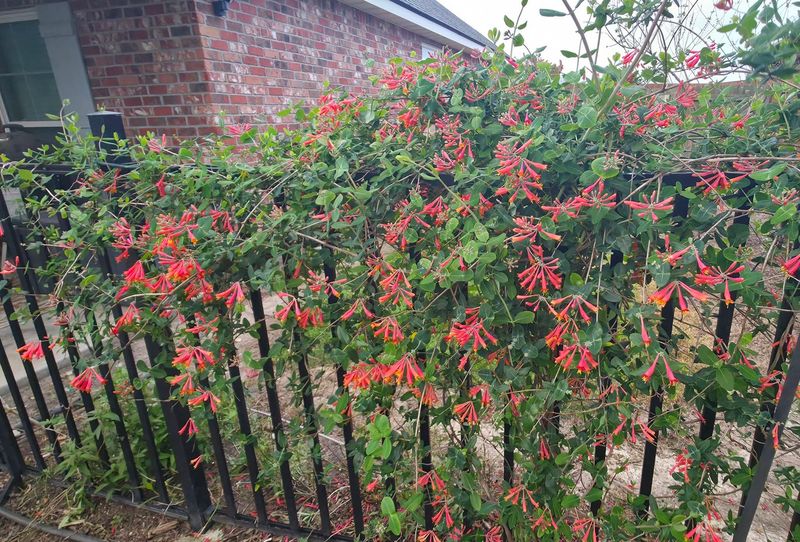
Mention honeysuckle and many Texans groan. The Japanese kind swallows fences and woodlands whole.
Coral honeysuckle (Lonicera sempervirens) is the well-mannered native cousin. It twines politely, staying between 10 and 20 feet, and it does not send runners all over your yard.
In Central Texas and points south, it stays evergreen in most winters. In the Panhandle and North Texas, it may drop some leaves after a hard freeze, then bounce back fast.
The real gift is those red tubular blooms. They open in spring and keep flashing off and on into fall, perfect timing for hummingbirds and the fall monarch migration crowd looking for a nectar stop.
Birds then eat the red berries.
Plant it in full sun for the most flowers, about 5 feet apart along wire or chain-link. Texas A&M AgriLife Extension lists it as an adaptable native that handles many soil types.
Water deeply every week or two during the first summer.
Aphids sometimes cluster on new tips in spring. A strong spray from the hose usually clears them in a day or two.
6. Lady Banks Rose Gives Thornless Green For Decades
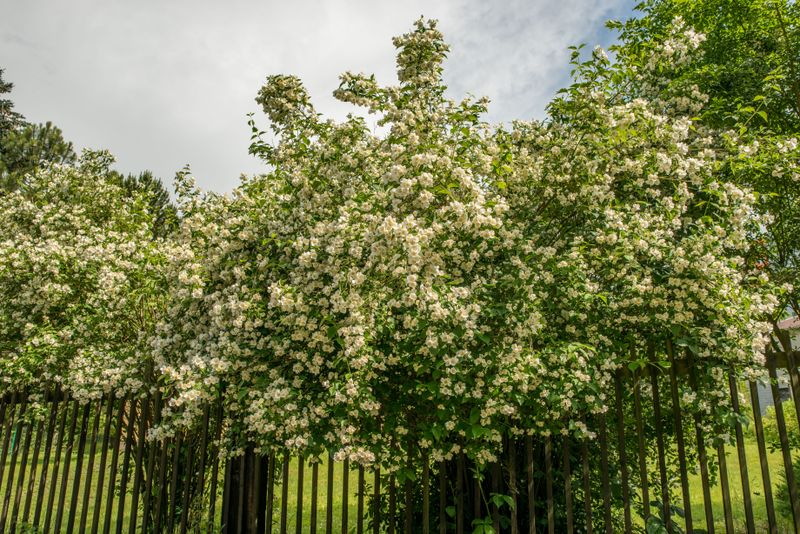
Old Texas homesteads have a telltale sign. A huge Lady Banks rose still rambling over a fence long after the house is gone.
Lady Banks rose (Rosa banksiae) is nearly thornless and holds its fine green leaves through most Texas winters. It is a big, easygoing grower that can reach 15 to 20 feet or more, with a single flood of small yellow or white blooms each spring.
So why does it last for generations? It resists the common rose diseases that plague fussier roses, and it shrugs off heat and drought once its deep roots settle.
Give it at least 6 hours of direct sun. Plant one every 10 to 15 feet along a sturdy fence, because this rose gets heavy.
Water weekly the first summer, then deeply only during long dry spells. Prune right after spring bloom, never in winter, or you cut off next year’s flowers.
Fair warning, it needs room. A short 4-foot fence will disappear.
But give it space, and you plant something your grandkids may still enjoy.
7. Armand Clematis Brings Big Leaves And Late Winter Perfume
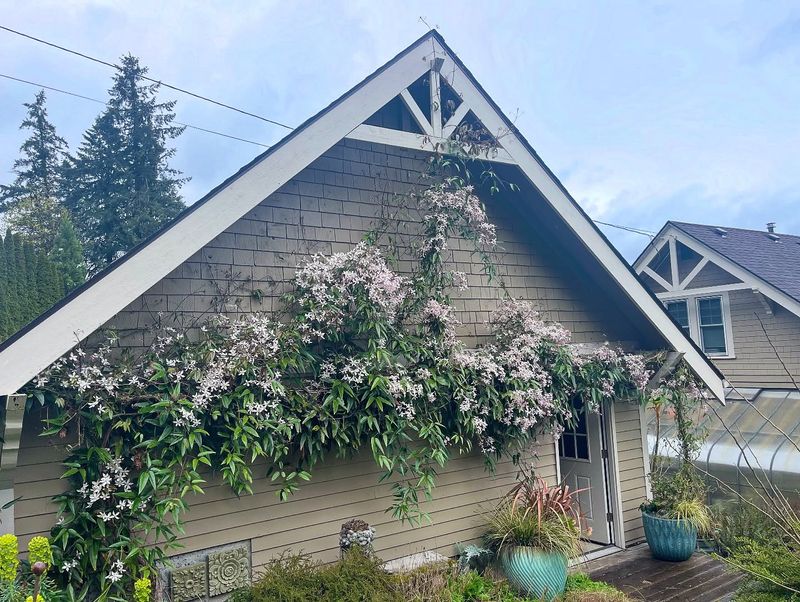
Most clematis vanish in winter. Evergreen clematis (Clematis armandii) breaks the rule with long, leathery leaves that stay dark green all season.
Then, around late February or March, white star-shaped flowers smelling faintly of almonds cover the vine. On a mild afternoon you notice the scent before the blooms.
It suits zones 7 through 9, which makes North, Central, and East Texas the sweet spot. It struggles in hot, dry West Texas and the deep south of the state.
Here is the classic trick. Clematis wants its head in the sun and its feet in the shade.
Spread 3 inches of mulch over the roots, or tuck a low shrub in front, and let the vine climb toward light. Morning sun with afternoon shade works best in Texas heat.
Plant about 6 to 8 feet apart, in rich, well-drained soil. Heavy blackland clay needs compost worked in, or the roots may rot.
Water deeply weekly through the first summer.
It is not a set-and-forget plant, honestly. But for a shady fence, that leathery green is actually worth the extra attention.
8. Espaliered Pyracantha Paints A Fence Red All Winter
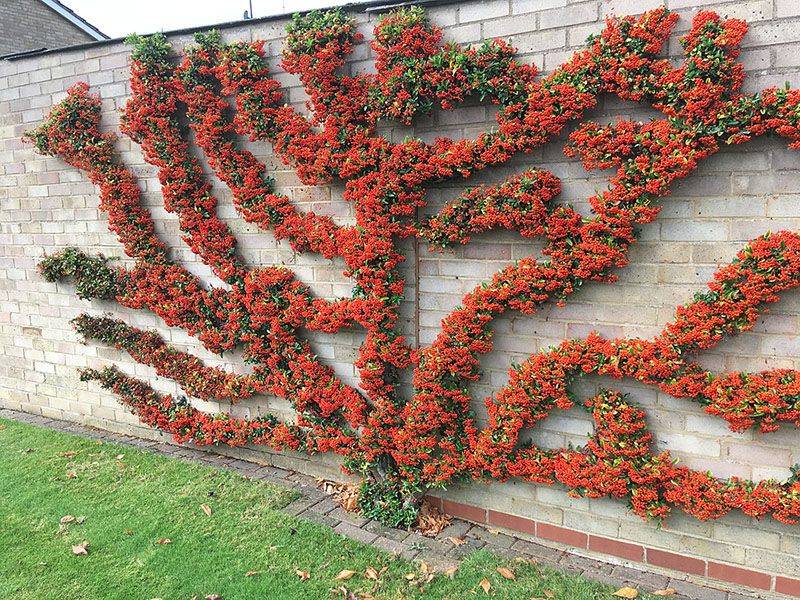
Here is the oddball of the list. Pyracantha (Pyracantha spp.) is a shrub, not a vine, yet trained flat against a fence it becomes a living mural.
Gardeners call this espalier, which simply means pruning a plant to grow in a flat pattern against a wall or wire. The leaves stay green, and from fall through winter clusters of red or orange berries pop against them.
Cardinals and mockingbirds notice. On a cold December morning, your fence becomes a bird diner.
Plant in fall, 6 to 8 feet apart, in full sun for the most berries. It handles most Texas soils and zones, from the Panhandle to Central Texas.
Tie young branches to horizontal wires spaced about 18 inches apart, and prune lightly after spring bloom to keep the shape.
It does carry sharp thorns, so wear thick gloves and keep it away from walkways where kids run.
Give it a few seasons of patient shaping. Then step back on a gray winter day, look at that green and red fence, and know you built it yourself.
