
8 Venomous Texas Critters That Move Closer To Your House As Nights Turn Cold
Follow us on Google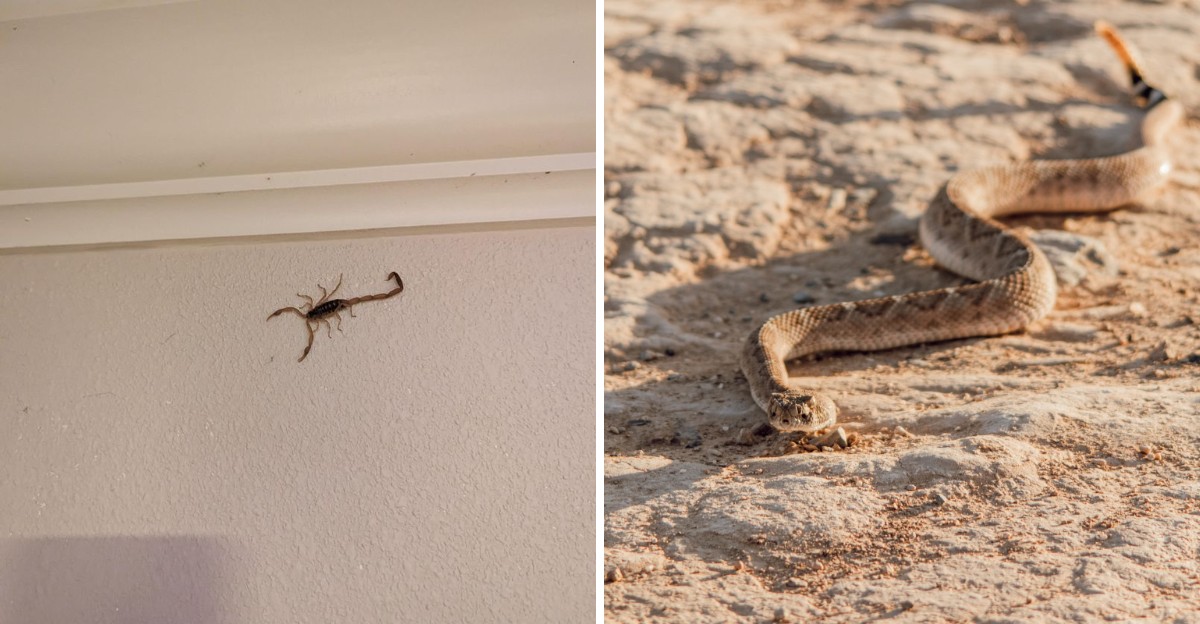
You step onto the back porch on the first cool October night, coffee in hand, and something small and tan skitters along the baseboard by the door. Cold nights do not send Texas critters away.
They send many of them straight toward your walls, your garage, and your woodpile, because your house holds heat long after the yard goes chilly. Here are the eight venomous neighbors most likely to move in closer, plus the simple steps that keep them outside where they belong.
1. Striped Bark Scorpion
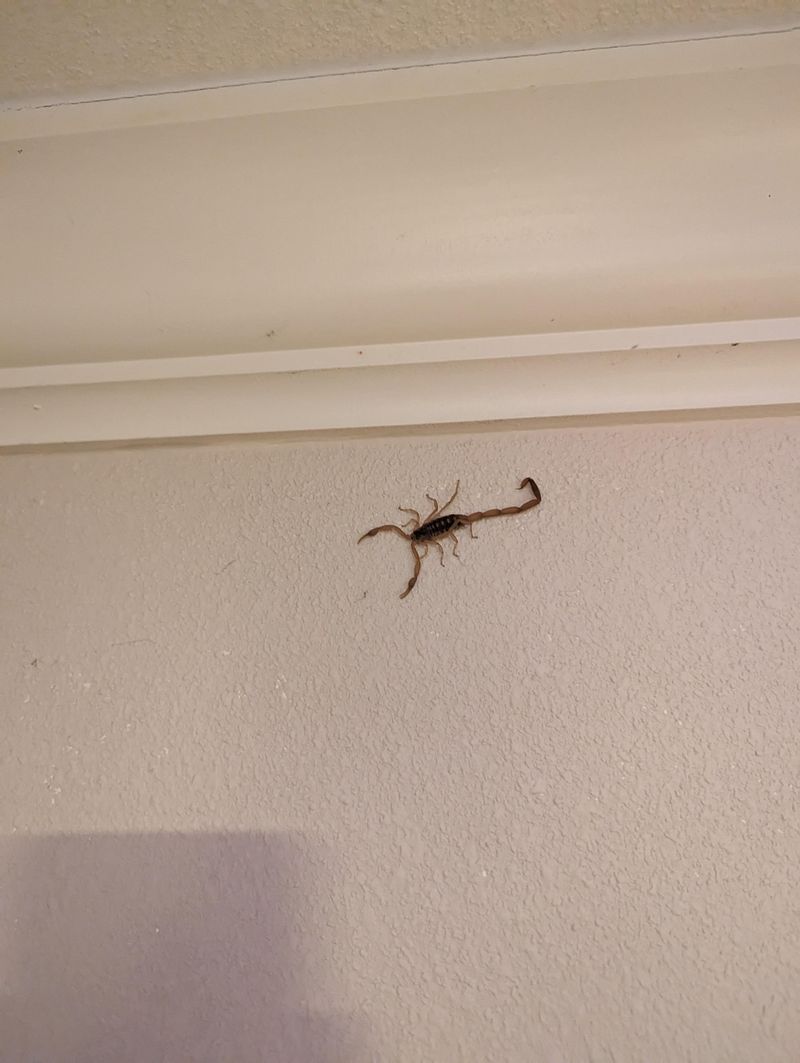
Scorpions do not hibernate the way most people assume. The striped bark scorpion (Centruroides vittatus) simply slows down when nights drop into the 50s, then slips into wall voids, attics, and the gap under your back door looking for steady warmth.
Adults run about 2 to 2.5 inches long, tan with two dark stripes. Here is the fun part, they glow blue-green under a black light, so a ten-minute flashlight walk after dark can genuinely tell you how many are hanging around your foundation.
A sting feels like a hot needle and usually causes swelling and tingling. Small children, older adults, and anyone with allergies should get medical care promptly.
Your fix is mostly about gaps. Seal cracks around doors and windows, add door sweeps, and move firewood at least 20 feet from the house.
Trim shrubs and vines so nothing touches your exterior walls, since scorpions use them like ladders.
Do that in early fall, and the bathtub surprise becomes a rare story instead of a weekly one.
2. Brown Recluse Spider
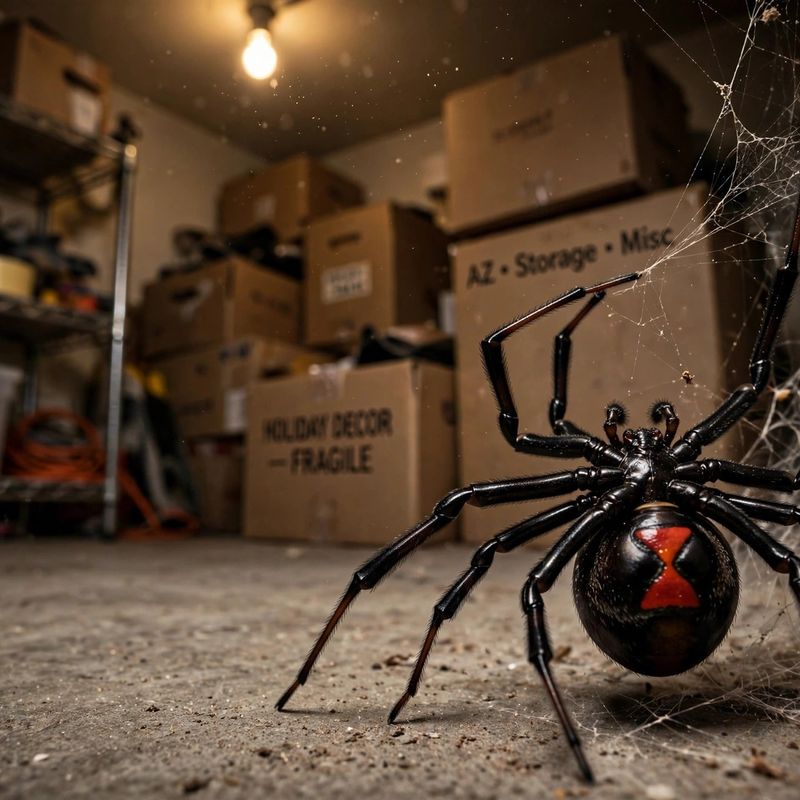
Picture pulling the Christmas wreath box down from the attic in late November. That quiet, dusty box is exactly the kind of spot a brown recluse (Loxosceles reclusa) loves once the weather cools.
Not every brown spider is a recluse, and that myth causes plenty of panic. The real one is light tan, about 0.25 to 0.5 inches long, with six eyes in three pairs and a dark violin shape on its back.
Bites are often painless at first. Some turn into slow-healing sores that need a doctor, so take any suspicious bite seriously.
Inside climate-controlled spaces, recluses stay active all winter. So shake out stored jackets, garden gloves, and boots before you slip them on.
Store decorations in sealed plastic bins instead of cardboard, and clear clutter from garage floors and closets across North Texas homes, where these spiders are common.
Less clutter means fewer hiding spots. It is a small habit that pays off every holiday season.
3. Black Widow Spider
Most black widow bites happen to a hand, not a foot. People reach blindly into a woodpile or water meter box, and the spider defends itself.
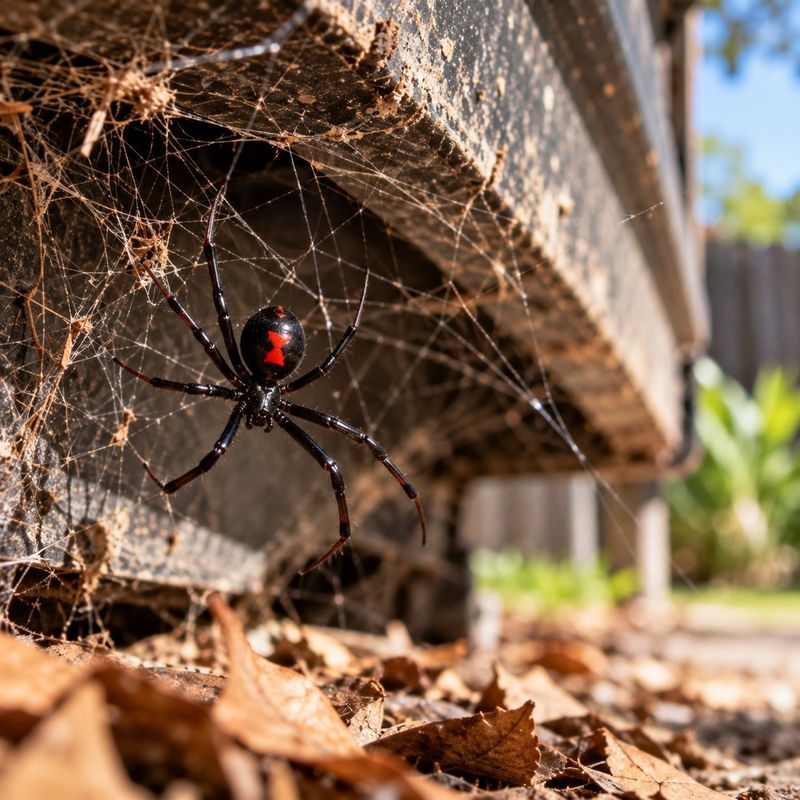
The black widow (Latrodectus mactans) seeks secluded, sheltered places as temperatures fall. Females are glossy black, about half an inch long, with a red hourglass underneath.
Their webs look messy and tangled, usually low to the ground under deck rails or stacked lumber.
The venom affects nerves and can cause muscle cramps and nausea. Children and older adults face the most risk, and any bite deserves a call to a doctor.
Wear thick leather gloves when you grab firewood, every single time. Use a stick or flashlight to check meter boxes before opening them fully.
Knock down webs around the foundation with a broom each week through fall.
Those habits feel minor. But they actually remove the exact moment when most bites happen.
4. Puss Caterpillar
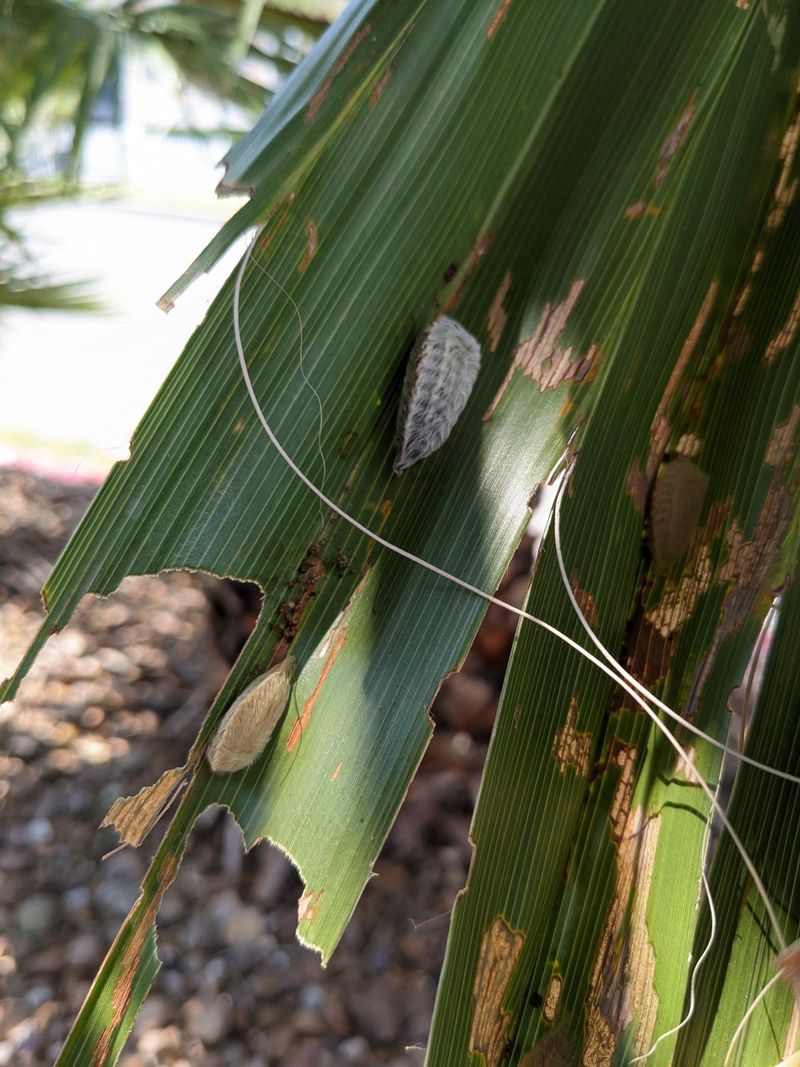
It looks like a tiny fur toupee. Kids want to pet it, and that is the trap.
The puss caterpillar (Megalopyge opercularis), sometimes called an asp, hides venomous spines under that soft coat. Its sting ranks among the most painful in North America.
Fall brings a second wave of them on oaks and elms across Central and East Texas, along with fence rails and picnic tables.
They grow to about an inch long, cream to orange to gray. A sting causes throbbing pain that can climb an arm within minutes, sometimes with grid-like red marks and an upset stomach.
If stung, press clear tape on the spot and lift it away to pull out broken spines, then apply ice. Seek care if symptoms spread or worsen.
Wear gloves when raking leaves under live oaks, and teach kids a simple rule, look but do not touch.
That one sentence may save a whole afternoon of tears.
5. Giant Redheaded Centipede
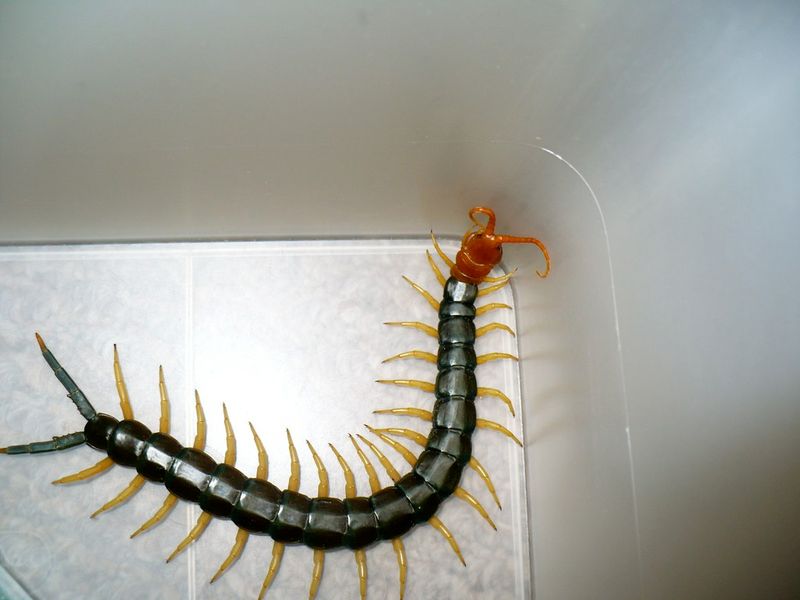
Eight inches of legs on the laundry room floor will wake you up faster than coffee. The giant redheaded centipede (Scolopendra heros) averages 6 to 8 inches, and some top 9.
In the Hill Country, it normally lives under limestone slabs and leaf litter. As nights cool, it hunts for damp warmth, which leads it to bathrooms, laundry rooms, and crawl spaces.
Here is where it gets tricky. A centipede indoors often means other bugs are indoors too, since it eats roaches, spiders, and silverfish.
Its bite is painful but rarely dangerous to healthy adults.
Run a dehumidifier in damp rooms and fix leaky pipes. Rake leaf litter and debris at least 3 feet back from your foundation, and seal cracks at ground level.
Dry the house and starve the buffet. The centipede usually moves on.
6. Western Diamondback Rattlesnake

A 65-degree afternoon in December feels perfect for yard work. Rattlesnakes think so too.
The western diamondback (Crotalus atrox) spends winter in dens, often rocky crevices, old burrows, or the space beneath buildings. On mild days, it comes out to bask on warm rocks, sidewalks, and trails, especially in West Texas and the Panhandle.
Adults can pass 5 feet, marked with diamond patterns and a ringed tail. And yes, they can strike without rattling first, so silence proves nothing.
A bite is a true emergency. Call 911 and get to a hospital, since antivenom is often needed.
Watch where your hands and feet go around rock walls and brush piles. Keep grass mowed short near the house and close off openings under porches and sheds with hardware cloth.
Texas A&M AgriLife Extension also recommends reducing rodent food sources, since mice draw snakes close.
Clean edges, careful steps, calm afternoons.
7. Cottonmouth
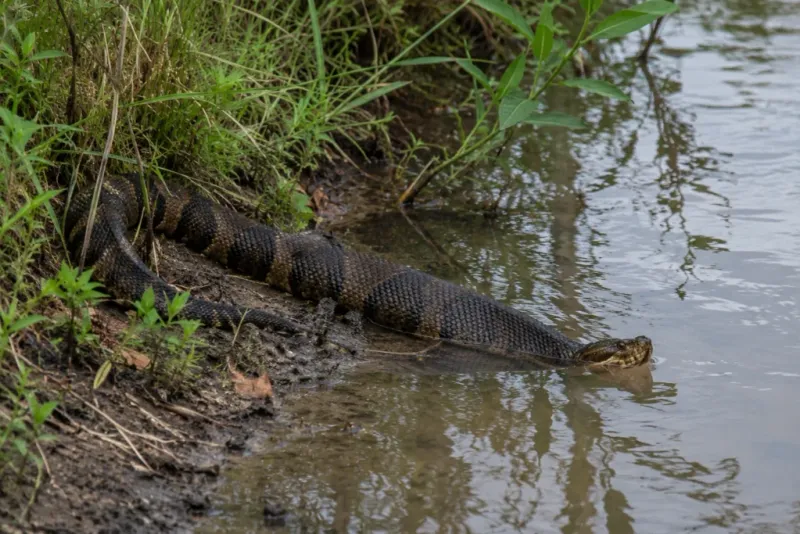
Live near a creek or stock pond in East Texas or along the Gulf Coast, and you share space with cottonmouths. Fall pushes them toward sunny banks, rock piles, and fallen logs where they warm up between cold nights.
The cottonmouth (Agkistrodon piscivorus), also called a water moccasin, is thick-bodied with a blocky head and heat-sensing pits. Many harmless water snakes look similar, so treat any heavy dark snake near water with respect.
They do not truly hibernate. They just slow down and wait for warm days.
A bite is a medical emergency, so call 911 right away. To cut down encounters, clear brush and debris from pond edges and keep a 10-foot mowed buffer along banks you use.
Never reach into tall grass or under logs you cannot see.
Your pond can stay a peaceful spot. It just needs open, sunny edges where nothing can hide.
8. Texas Coral Snake
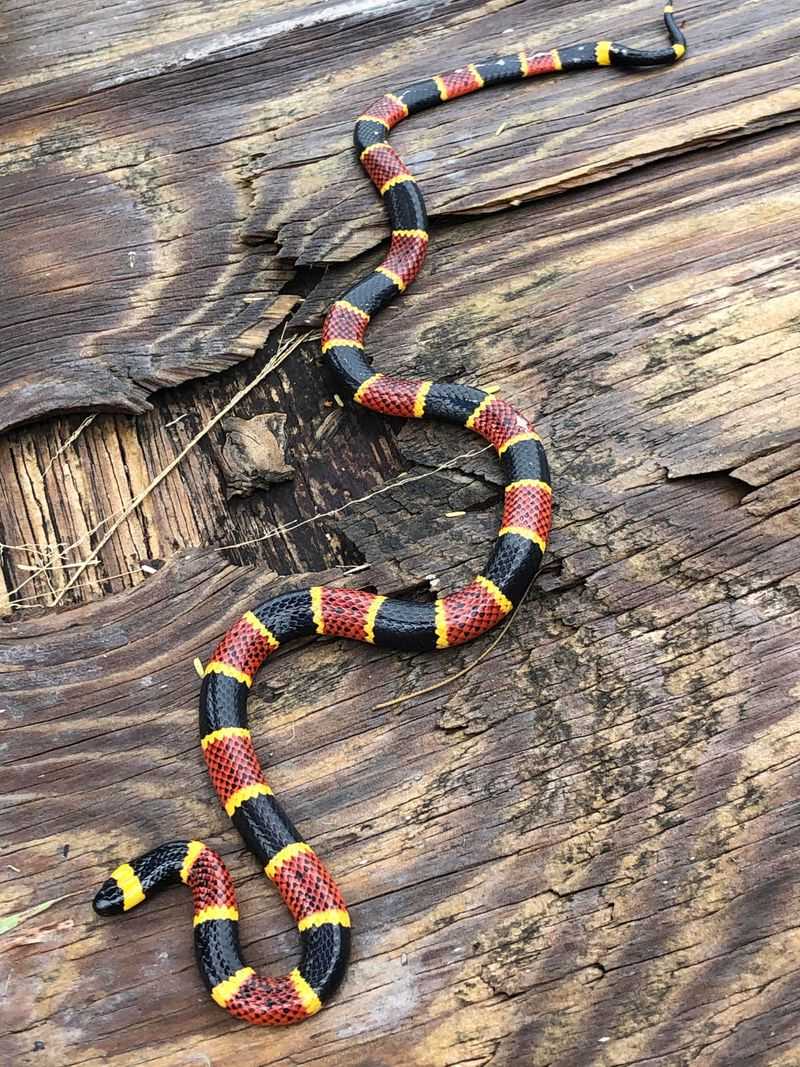
Bright bands of red, yellow, and black make the Texas coral snake (Micrurus tener) one of the prettiest snakes in the state. It is also one of the most secretive, spending much of its life under leaf litter and loose soil.
As weather cools, coral snakes look for protected spots to overwinter, often the same thick garden beds and mulch piles near your house. The old rhyme helps, red touches yellow, kill a fellow.
Still, rhymes are not foolproof, so leave any banded snake alone.
Bites are rare, and Texas sees only one or two deaths a year from all venomous snakes combined. A coral snake bite can still affect the nervous system, so call 911 immediately, even without early symptoms.
Wear gloves and closed shoes when you clean out fall beds or move stones. Use a rake, not your hands, to lift leaf piles.
With those habits, you can work your garden this fall feeling genuinely prepared, and a little proud of how well you know your Texas yard.
