
The Florida Native Tree That Brings Giant Polyphemus Moths To Your Porch Light
Follow us on Google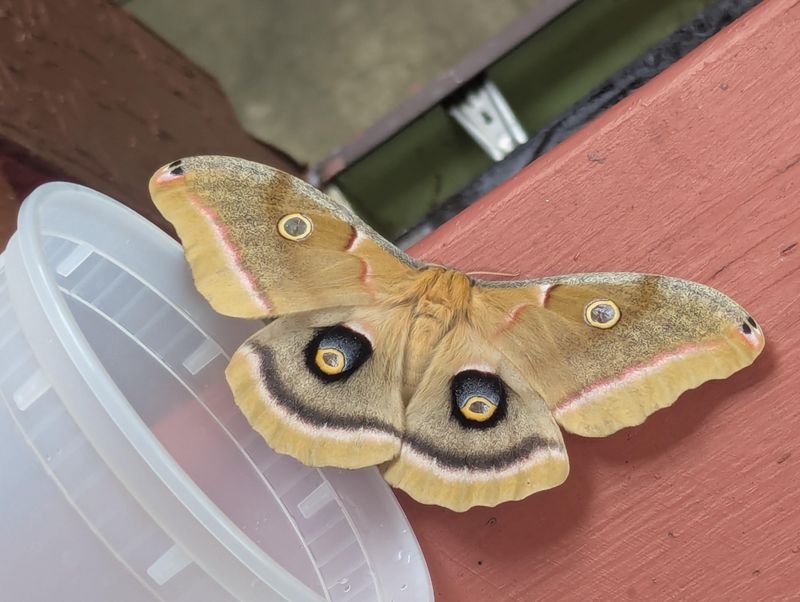
You step onto the porch after dark in Florida, and a tan moth the size of your palm is clinging to the screen, staring at you with two glassy eye spots. That is a Polyphemus moth, and the story behind it starts with a tree.
Here is the twist, though. A native oak can feed the caterpillars, but it cannot promise an adult at your porch light.
Let’s sort out what a tree really does and what it does not.
Live Oak Is One Florida Host Option
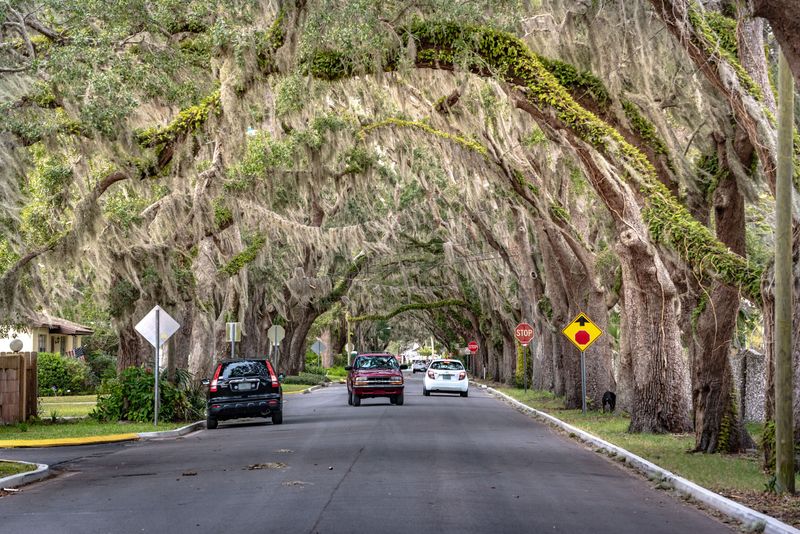
Picture a big live oak (Quercus virginiana) shading a Florida yard. Somewhere in those leaves, a green Polyphemus caterpillar may be chewing away.
Oaks are documented host plants for this moth, and UF/IFAS Featured Creatures lists them among the foods its caterpillars eat.
Here is the part the headline needs to correct. A live oak supports the caterpillar stage.
It does not lure adult moths to your porch, and it does not guarantee a visit.
Live oak is also one host among many, not the only one and not a required one. Many broad-leaved trees can feed these caterpillars, so a yard without an oak is not automatically out of the running for a sighting.
Before anyone heads to the nursery, there is a size warning. UF/IFAS Extension lists mature live oaks at roughly 60 to 80 feet tall with a spread of 60 to 120 feet, and says they suit large landscapes.
That makes live oak a wonderful tree for a big property and a poor choice for a small lot. If you already have one, you own a quiet piece of caterpillar habitat.
If you do not, there is no need to squeeze one in.
What A Host Plant Does
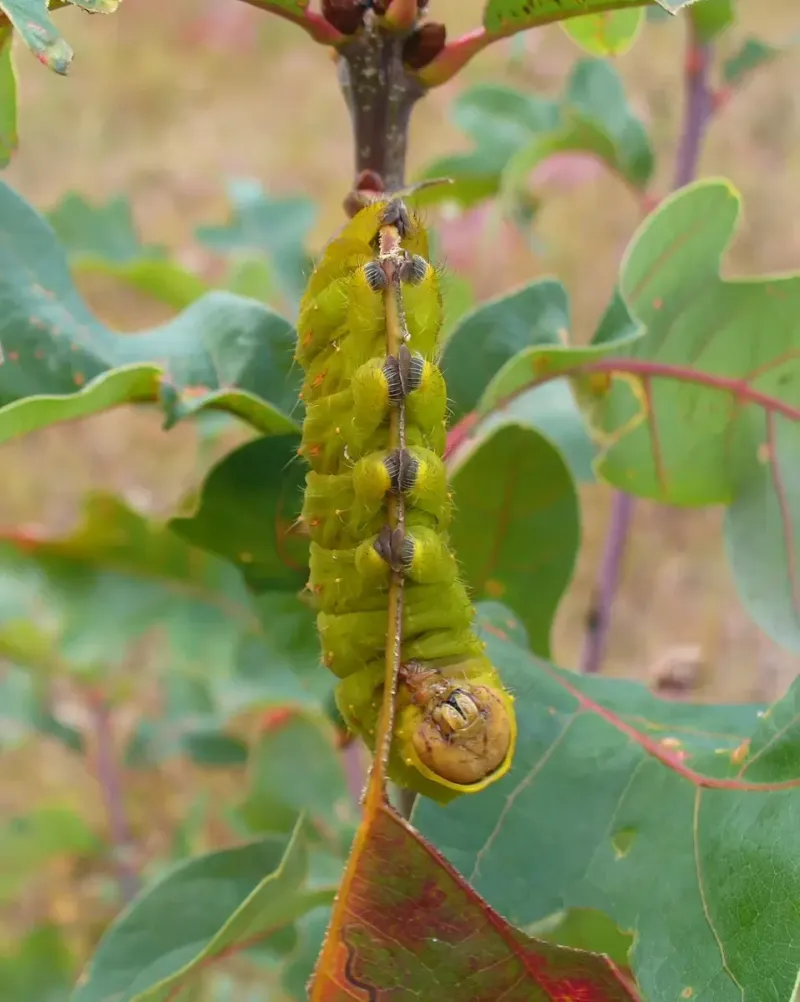
Gardeners toss around the phrase host plant, but the meaning is simple. A host plant is food for the caterpillar stage.
That is the whole job.
Polyphemus caterpillars are not picky eaters. UF/IFAS reports they feed on more than 50 species of broad-leaved plants, and its guide names several genera besides oak, including willow, birch, maple, elm, basswood, and hickory.
You can read the full list in the UF/IFAS moth profile.
So think of a suitable tree as a pantry, not a doorbell. It can help provide breeding habitat for the next generation.
It does not mean an adult must emerge from your exact tree before showing up at your porch.
The adult is a different animal with a different set of needs, and the species sign from the UF Natural Area Teaching Laboratory reminds us that adults do not even eat.
No single tree has to grow in your yard for this moth to exist nearby. A mix of broad-leaved trees in the neighborhood is a genuinely good sign, and that is a comfort if your lot is small.
Recognize The Briefly Seen Adult
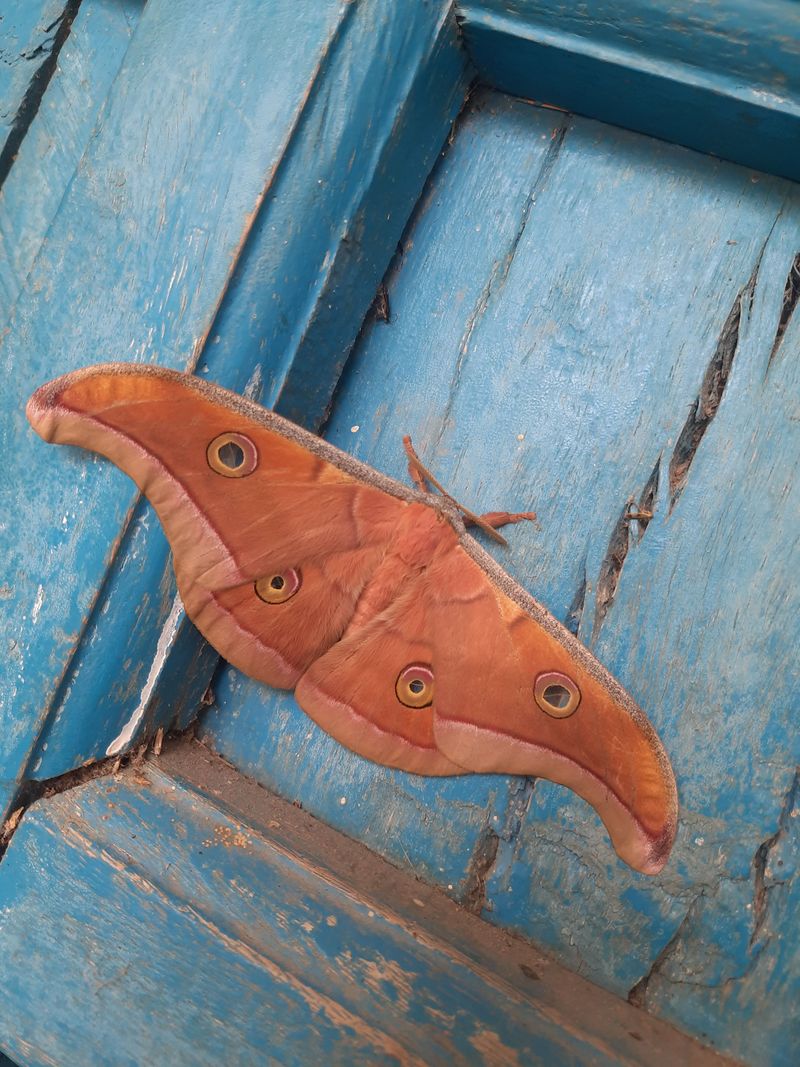
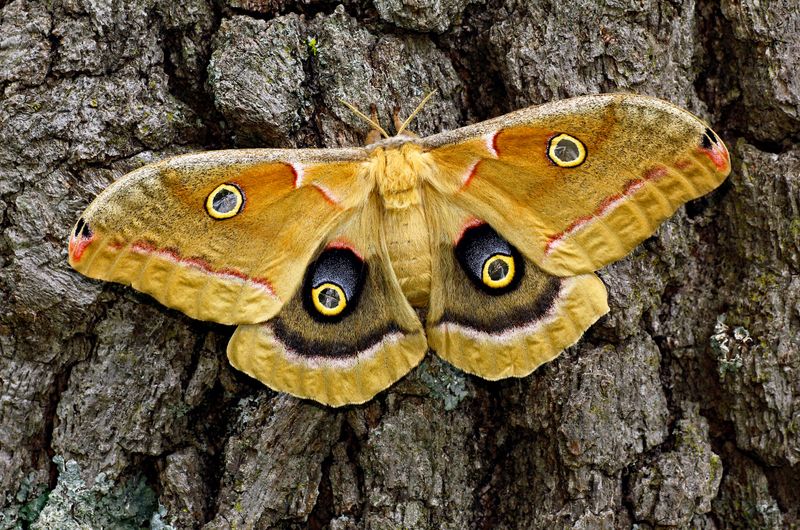
If you spot one, you will know. The adult Polyphemus moth is big, tan to brownish, and roughly 6 inches across with wings spread.
That is about the size of a small bird in the dim light.
The giveaway is on the hindwings. Each carries a large eyespot, which is where the name comes from, borrowed from the one-eyed giant of Greek myth.
Those spots can make a resting moth look like it is watching you.
Now for two separate facts. According to the UF Natural Area Teaching Laboratory, adults do not feed and live about four days.
That short life is simply how the species works, since the eating happened back in the caterpillar stage. It says nothing about whether a tree draws a moth to a porch, so keep those ideas apart.
What it does mean is that any sighting is a brief gift. If you find one on the wall in the morning, take a photo and enjoy it.
A few days later, it is gone.
Porch Lights Are A Separate Attraction
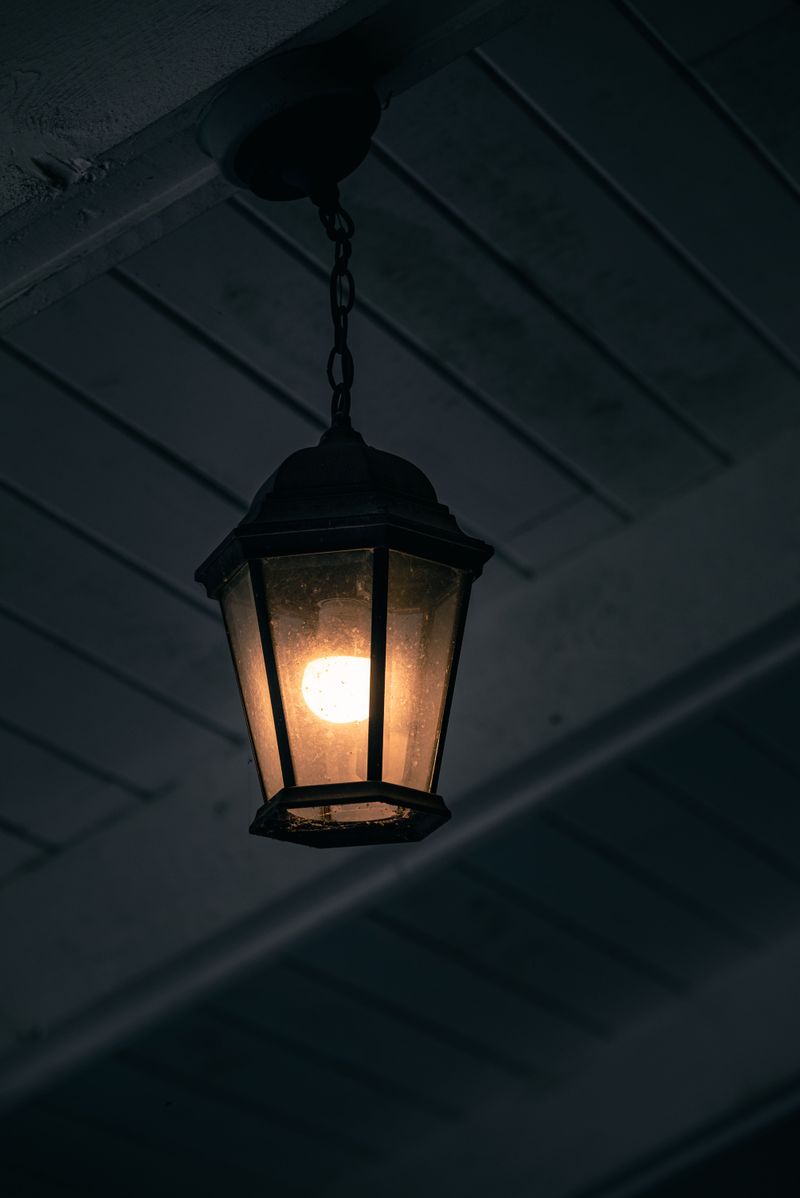
Trees feed caterpillars. Lights pull in adults.
Those are two different stories, and mixing them up causes the headline myth.
UF/IFAS reports that adult Polyphemus moths are strongly attracted to light, particularly ultraviolet wavelengths, as described in its moth profile. That is why one may show up at your bulb.
Still, no particular bulb or tree can promise a sighting. A moth on your wall tells you it found the light.
It does not tell you how far it traveled or which tree it came from.
Here is the tradeoff. A review in Insect Conservation and Diversity looked at how artificial light at night may affect moths, and it describes disruptions to moth activity and other behaviors across their life cycle.
So a bright light may give you a view, but it can cost wildlife. It is not habitat improvement, and a stronger or UV bulb is not a kind gift to moths.
The cautious move is simple. Turn off exterior lights you do not need.
If a moth does visit a light you already use, enjoy the guest and leave the rest of the night dark.
Adults May Appear In Any Florida Month
Many people assume giant moths belong to summer only. In Florida, the calendar is looser than that.
UF/IFAS says adults may be found in any month because emergence is staggered, meaning not every moth comes out at the same time. You can find that detail in the UF/IFAS profile.
Read that carefully. Any month is possible.
That does not mean every month is equally likely, and it does not mean seasons make no difference.
Florida is long, with cooler winters in the Panhandle and year-round warmth in the far south, so timing may look different from place to place. No statewide peak has been established, so do not trust anyone who names a perfect week.
The practical lesson is patience. A night in January is not a wasted night, and a night in July is not a sure thing.
If you like watching for moths, keep your eyes open when you are already outside. Check walls and screens near existing lights in the morning, and treat each sighting as a bonus rather than a schedule.
A Few Chewed Leaves Are Usually No Emergency
You spot ragged leaves on your oak and your stomach drops. Take a breath.
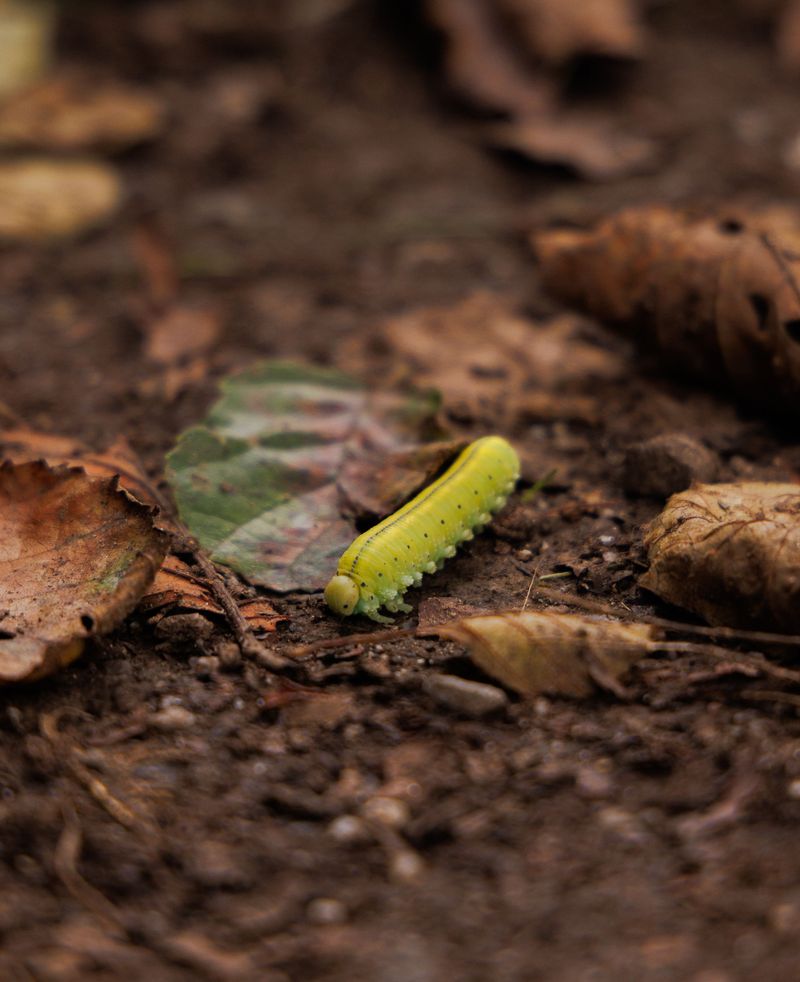
A few chewed leaves are usually just a caterpillar eating lunch.
Polyphemus caterpillars feed on leaves and live solitary lives. UF/IFAS reports they rarely become numerous enough to cause significant damage to host trees, as noted in its moth profile.
A few chewed leaves or a scatter of droppings do not, by themselves, mean your tree has a serious problem. The UF/IFAS Extension Escambia County says the caterpillars rarely cause enough damage to permanently injure their host.
Now think about cocoons. They may be attached to twigs, tucked among foliage, or lying on the ground in fallen leaves.
So not every cocoon hangs where you can see it.
If you find one, leave it undisturbed when possible. That includes raking carefully around leaf litter under host trees.
The caterpillar did its eating, and the cocoon is the quiet pause before the moth. Your best move is to step back.
Support Habitat Without Expecting A Guarantee
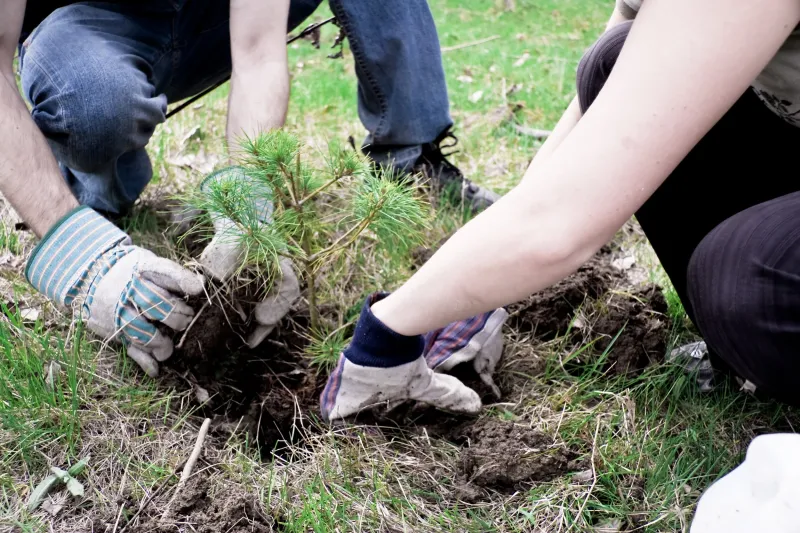
Helping this moth does not take a big project. Start with what you already have.
Where practical, keep suitable existing hardwoods, since the UF/IFAS Extension Escambia County names birch, maple, and oaks as preferred food trees.
If you are thinking about planting, live oak only makes sense where space allows. UF/IFAS lists mature trees at roughly 60 to 80 feet tall with a 60 to 120 foot spread, so it belongs in large landscapes.
Other documented hosts, such as willow, elm, and hickory, can also feed caterpillars, according to UF/IFAS Featured Creatures. Choose what suits your site rather than chasing one tree.
Leave cocoons alone, accept some chewed leaves, and switch off lights you do not need. Those are small acts, and they are genuinely kind.
None of it guarantees a moth on your screen. A tree can set the table, but the guest decides whether to come.
Some nights the porch stays empty, and the oak keeps working anyway.
