
The Useless Patch Of Florida Lawn And The Plants That Actually Do A Job There
Follow us on Google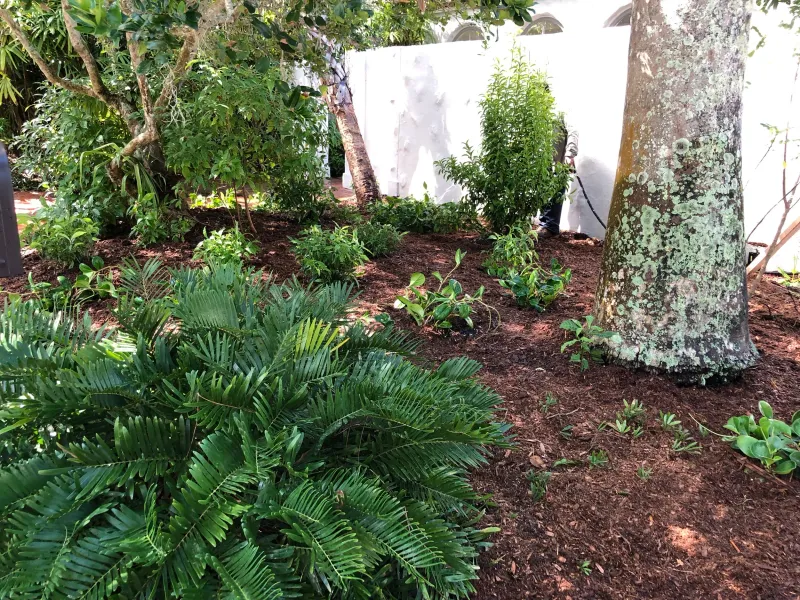
That strip of grass beside your fence or behind the patio probably gets mowed every week and watered on schedule, but nobody ever sits there, plays there, or even looks at it on purpose.
Florida yards have plenty of those patches, and the honest question is whether a little planned planting could put that same space to better use.
Swapping grass for the right native shrubs, groundcovers, or host plants can add nectar, berries, shade, and wildlife value without turning your yard into a jungle.
The key is choosing the right patch, the right plants, and going in with clear eyes about what the change actually takes.
Replace the Underused Patch, Not the Whole Lawn
Most Florida lawns have at least one patch that earns its water bill on paper but gives almost nothing back in practice.
Maybe it is the strip between the fence and the AC unit, the narrow run beside the patio, or the shady triangle under a big live oak where grass grows thin no matter what you do.
That space is not useless, exactly, but it is underused, and that is a meaningful distinction.
Before pulling a single blade of grass, think honestly about what the patch actually does right now.
UF/IFAS research on home lawn management notes that healthy turfgrass can reduce erosion, filter stormwater, cool the surrounding air, and trap sediment and pollutants moving toward drains.
Grass near a slope, a play area, a dog run, a frequently used path, or an outdoor dining space is doing a real job.
Keep it.
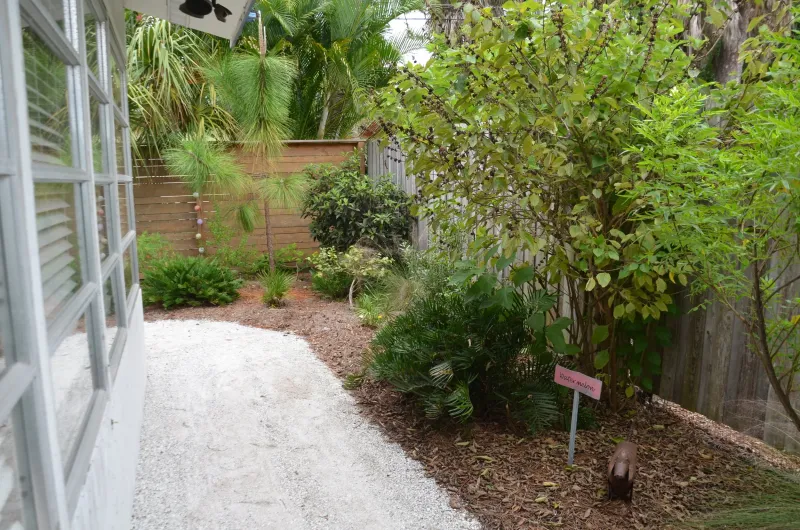
The patches worth reconsidering are the low-traffic ones: the side-yard corner nobody crosses, the fence-line strip that takes 90 seconds to mow and serves no other purpose, the tree-edge area where roots make mowing awkward and shade makes turf thin.
UF/IFAS wildlife-friendly landscaping guidance specifically recommends reducing mowed lawn in low-traffic corners and replacing those areas with groundcovers or native plantings.
When you do make the switch, a defined bed edge keeps the planting from looking like neglect.
A clean border dug or edged between the new bed and the remaining lawn signals intention.
Florida-Friendly Landscaping guidelines suggest keeping an approximately 4-foot mown access strip along the outer edge of naturalistic beds when a tidy appearance matters to neighbors or HOA reviewers.
That single strip of grass does a surprising amount of visual work, making the planted area read as designed rather than forgotten.
Give the New Bed Several Jobs
A single ornamental plant surrounded by bare mulch is a decoration.
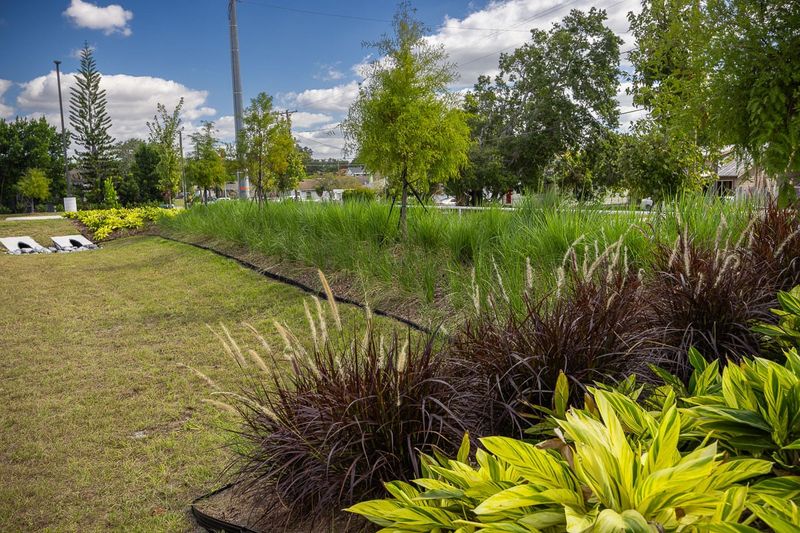
A planting that combines nectar flowers, larval host plants, berry-producing shrubs, and structural grasses is actually doing something.
The difference matters more than the plant list, because wildlife value comes from layering, not from a single specimen standing alone in a bed.
USDA pollinator habitat guidance explains that meaningful habitat requires several elements working together: food sources across seasons, cover from predators, nesting space, water, and structural variety from ground level to shrub height.
One firebush does not create that.
A layered combination of firebush, grasses, groundcovers, and host plants starts to.
A recent study of residential landscapes in the Orlando area found that native-based yards attracted more pollinators than conventional, mostly non-native landscapes, though the study was small and conducted in newly built Central Florida neighborhoods, so it is limited evidence rather than a universal promise.
Think about each featured plant as filling a specific role.
Firebush, Hamelia patens, pulls hummingbirds, zebra longwings, gulf fritillaries, and fruit-eating birds with its tubular orange-red flowers and dark berries.
UF/IFAS notes firebush grows in a wide range of Florida conditions and has moderate salt-spray tolerance, though it can die back after a hard freeze in North Florida and may reach 15 feet in South Florida without pruning.
Pink muhly grass, Muhlenbergia capillaris, earns its space with dramatic fall plumes and clean structure the rest of the year.
Muhly grass is an ornamental accent, not a lawn substitute, but massed in a sunny spot it adds movement and texture that plain grass never delivers.
Coontie, Zamia integrifolia, handles partial shade and is the only larval host plant of the atala butterfly in Florida.
Coontie stays low, rarely needs water once established, and works well in mass plantings under trees.
American beautyberry, Callicarpa americana, produces clusters of vivid purple fruit that birds and small mammals eat through fall and winter, while its flowers support insects in summer.
Beautyberry tolerates poor sandy soil and drought after establishment, but should not go in coastal sites because it does not handle salt exposure.
For butterfly larvae, Florida has 21 native milkweed species to consider, and choosing locally appropriate ones matters more than defaulting to tropical milkweed, which UF/IFAS flags for concerns related to year-round growth and disease.
Let the Site Choose the Plants
Walk the patch at different times of day before you buy a single plant.
Note where shade falls at 9 in the morning and again at 2 in the afternoon.
Dig a small hole after a rainstorm and check whether water drains away in an hour or sits there for half a day.
Smell the air on a windy afternoon if you are near the coast.
Those observations will do more to predict success than any statewide plant list.
Florida spans a wide range of climates, from occasional hard freezes in the Panhandle to year-round warmth in the Keys, and a plant that thrives in a South Florida yard may freeze to the ground or simply sulk in a North Florida winter.
Rather than relying on a single statewide recommendation, check your current local hardiness zone and your county extension office for regionally specific guidance.
The Florida Native Plant Society database lets you search by county, sunlight, and moisture conditions, which makes it a practical first stop.
Sunlight is the most common mismatch.
Full-sun plants like muhly grass and firebush need at least 6 hours of direct sun to perform well.
Tucking them under a tree canopy and expecting the same result is a setup for disappointment.
Coontie genuinely handles partial shade, which is why it works under live oaks where little else fills in cleanly.
Beautyberry is a good inland shrub but should stay away from exposed coastal sites because it does not tolerate salt.
For those salt-spray situations along the Gulf Coast or Atlantic Coast, consider native grasses and groundcovers that are actually built for the exposure.
UF/IFAS salt-tolerant plant guidance covers options like saltmeadow cordgrass, sea oats, railroad vine, and gopher apple, though even these need fresh water during establishment and periods of stress.
Drainage is its own variable and should not be confused with drought tolerance.
A low pocket that holds water after a sudden Florida downpour needs wet-site plants or a drainage fix, not a drought-tolerant shrub planted in saturated soil.
Firebush can freeze back in colder parts of the state and may regrow from the roots in spring, which is useful to know before assuming it will anchor your North Florida bed year-round.
Prepare the Ground Before You Plant
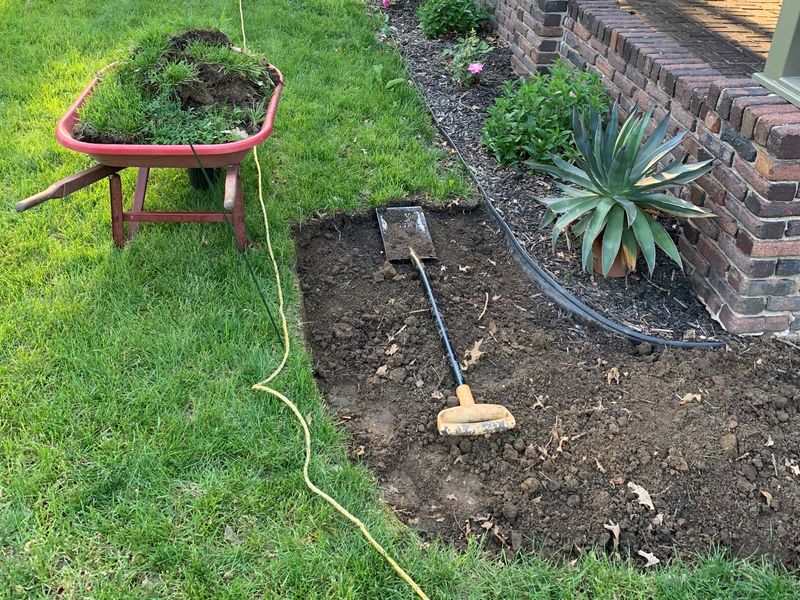
Skipping ground preparation is the fastest way to turn a promising native bed into a weed patch with a few struggling plants in the middle.
The lawn that used to occupy that space did not disappear when you decided to replace it.
Its roots, runners, and seeds are still down there, ready to reclaim every inch you do not actively defend.
Start by removing or suppressing the existing turf.
For bermudagrass especially, plan for persistence.
UF/IFAS lawn establishment guidance warns that chemical suppression of bermudagrass may require a second herbicide application 14 to 21 days after the first if the initial treatment does not fully knock it back.
Whatever product you use, follow the label exactly, keep it off pavement, and do not apply it before heavy rain is in the forecast.
After the existing turf is gone or suppressed, test the soil if you can.
Many Florida yards have acidic sandy soil that drains fast and holds few nutrients.
Low areas or compacted spots may drain poorly and need amendment or a grading fix before plants go in.
Correcting a drainage problem after the plants are in the ground is much harder than addressing it first.
Once the bed is prepped and plants are in the ground, mulch is your next move.
UF/IFAS Florida-Friendly mulching guidance recommends a settled depth of at least 2 inches and no more than 3 inches, with mulch kept away from plant trunks and stems to prevent rot.
That layer does three things at once: it slows evaporation so you water less frequently, it suppresses weeds trying to reclaim the bed, and it gives the planting a finished appearance while the plants are still small and filling in.
A clean mulch line around a new bed signals that someone made a deliberate choice, which matters if neighbors or an HOA are watching.
Plan for Establishment, Then Adjust Care
Here is where a lot of people get surprised.
They plant a drought-tolerant native, skip watering after the first week, and watch it die in the August heat.
The drought tolerance a plant is known for describes its mature behavior, not what it needs while it is getting its roots into unfamiliar soil.
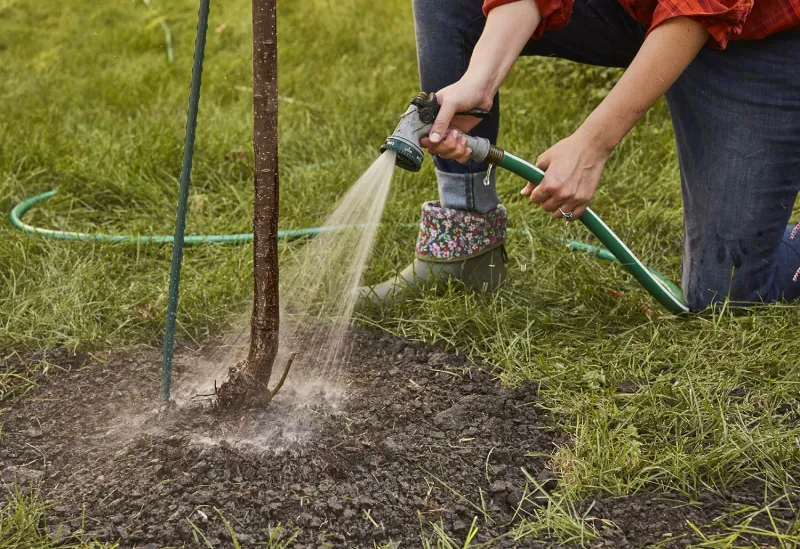
Every new plant, native or not, needs regular supplemental water during establishment.
UF/IFAS irrigation research specifically identifies overwatering behavior as a major source of wasted water in Florida landscapes, but it also documents that one study found Florida native shrubs required the same irrigation as non-native shrubs during the establishment period.
The water savings come later, after roots spread, not on day one.
How long establishment takes depends on the plant, the soil, the season, and the rainfall.
A general rule for Florida is that woody shrubs need consistent watering for at least the first 3 to 6 months, with frequency tapering as the rainy season provides natural support.
UF/IFAS drought guidance recommends deep, infrequent watering after establishment rather than shallow daily irrigation, adjusted for actual rainfall, soil type, and drainage.
A rain shut-off device paired with microirrigation is a practical setup that prevents watering during a downpour.
Spacing matters more than many homeowners expect.
Muhly grass should be spaced 24 to 36 inches apart to allow for its mature spread of 2 to 3 feet.
Coontie needs 3 to 5 feet between plants at maturity.
Crowding plants together to get a full look faster creates competition, poor airflow, and fungal problems down the road, especially in Florida’s long humid summers.
Poor drainage and overwatering can erase every expected benefit of switching from turf to natives.
A plant sitting in waterlogged soil after every rain will struggle regardless of how well it performs in a properly drained bed.
Match the plant to the drainage reality of the site, not to the drainage behavior described for average conditions.
Keep Habitat Safe and Intentional
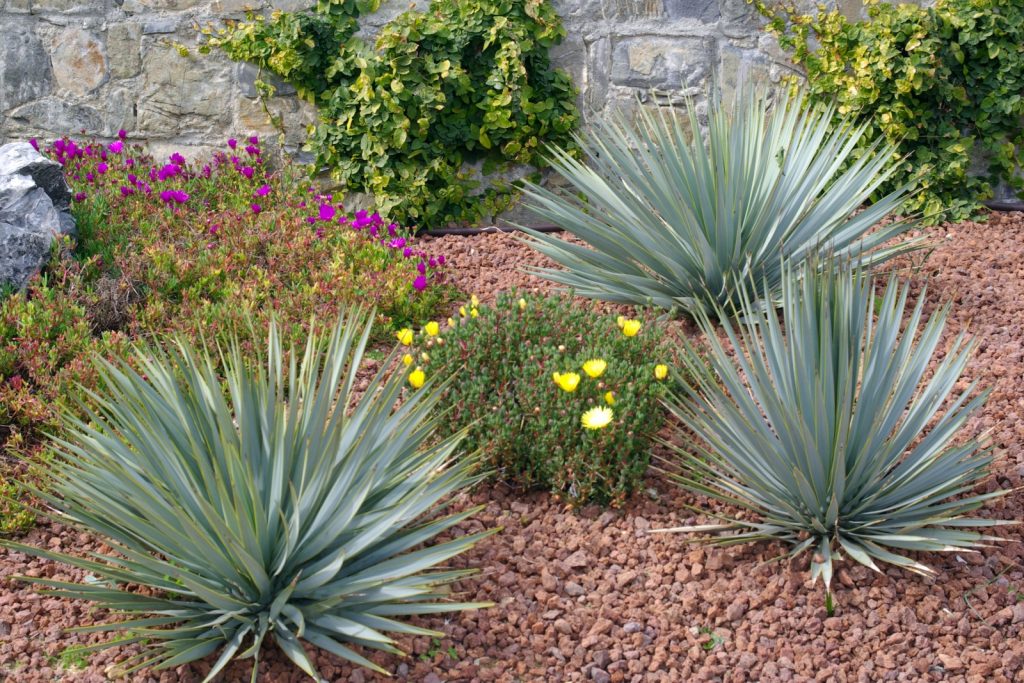
A naturalistic planting that nobody manages is not a habitat, it is a liability.
Dense vegetation close to a structure can trap moisture against siding, block sight lines, harbor pests, and in dry stretches, become a fire risk.
The ecological value of a well-designed bed depends on it staying well-designed, which means ongoing attention, not a one-time installation.
UF/IFAS firewise landscaping guidance cautions that even plants with relatively sparse foliage can become highly flammable when grouped densely or allowed to accumulate dead material near the ground.
Maintain clear horizontal and vertical separation between plants and between the planting and any structure.
Remove dead stems, dry leaf litter, and spent growth regularly, especially heading into Florida’s dry season.
Coontie is genuinely valuable as an atala butterfly host plant, but every part of it is poisonous if eaten, with the seeds being especially toxic.
UF/IFAS toxic landscape plant guidance confirms the risk.
Keep coontie away from any area where children or pets might chew on plant material, and do not place it along a play area edge simply because it is low-growing and tidy.
Before adding any plant to the bed, cross-check it against the Florida Invasive Species Council 2025 list.
Some plants sold at garden centers as ornamentals or even as wildlife plants are on that list, and planting them in a naturalistic bed where seeds can spread is a real problem.
Native does not automatically mean non-invasive for every Florida region.
Flowering plants can support pollinators and some predatory insects, but they do not eliminate chinch bugs, whiteflies, scale, or fungal diseases.
Integrated pest management remains necessary, and that includes reading every pesticide label before use.
UF/IFAS guidance on natural pest management products notes that oils, pyrethrins, and copper-based products can burn plants, harm fish, affect pets, or injure beneficial insects when misapplied.
Keep all fertilizer and pesticide granules swept off pavement, and follow EPA yard care guidance by avoiding applications before heavy rain to prevent runoff into drains and nearby water bodies.
Start With One Patch and Watch What Works
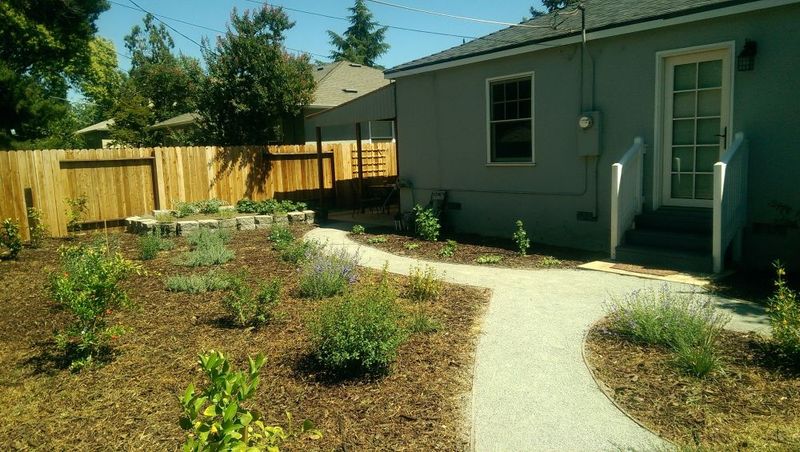
Pick one patch.
Not the whole side yard, not the fence line and the patio border and the tree edge all at once.
One low-traffic corner where grass is already thin, mowing is awkward, or the space genuinely serves no one.
Start there, watch it through a full Florida wet season and one dry stretch, and let the site teach you what it actually needs.
UF/IFAS wildlife-friendly landscaping guidance supports exactly this partial-conversion approach, recommending that homeowners reduce mowed lawn in low-traffic areas while retaining practical turf near gathering spaces, play areas, and frequently used paths.
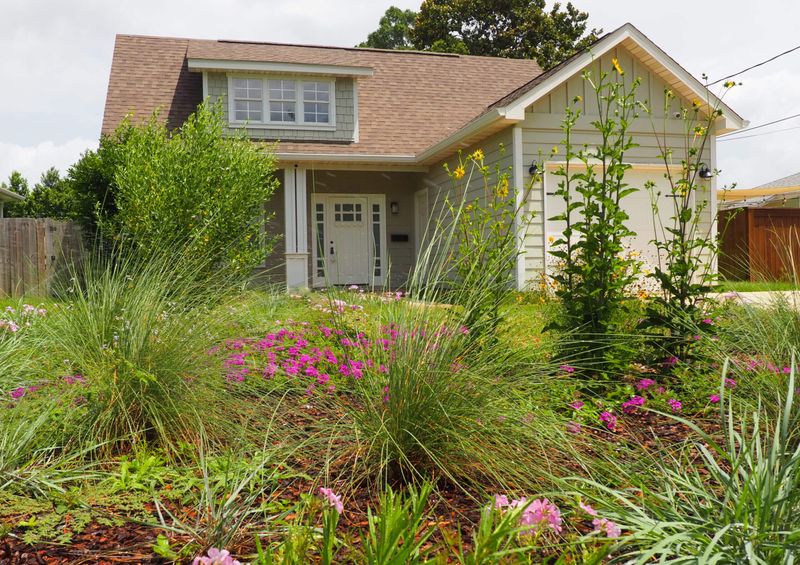
A yard that mixes turf where people actually use it with planted pockets that offer flowers, berries, host plants, shade, and shelter can do more for the household and for local wildlife than either a pure lawn or a total native conversion.
As the planting establishes, you will notice things no plant database could have told you.
Maybe one corner stays wetter than expected after summer downpours and needs a different plant than you originally chose.
Maybe the firebush on the south-facing side takes off while the one in more shade sits still for months.
USDA habitat guidance reinforces that real habitat value builds over time as plants mature and the layered structure develops, not in the first season.
One thoughtfully prepared patch, matched to the actual site conditions and maintained through establishment, can genuinely work harder for your yard than the same square footage of mown grass ever did.
That is not a promise that native plants need no care, because they do.
It is the more honest version of the same idea: the right plant in the right place earns its water.