
These 7 Pennsylvania Backyard Birds Eat Ticks All Day And Are Easier To Attract Than You Think
Follow us on Google
You step into your Pennsylvania yard on a humid August morning and find a dark speck clinging to your pant leg.
Just a leaf bit, you think, until it starts to move.
Ticks are a quiet disruption to a good summer, and Pennsylvania leads the nation in reported Lyme disease cases.
But here is the good news, certain native birds happily eat ticks all day, and inviting them is easier than you think.
With the right plants and a little patience, these seven feathered helpers can make your porch evenings and cookouts feel a lot safer.
1. Eastern Bluebirds Swoop Down For Tiny Pests
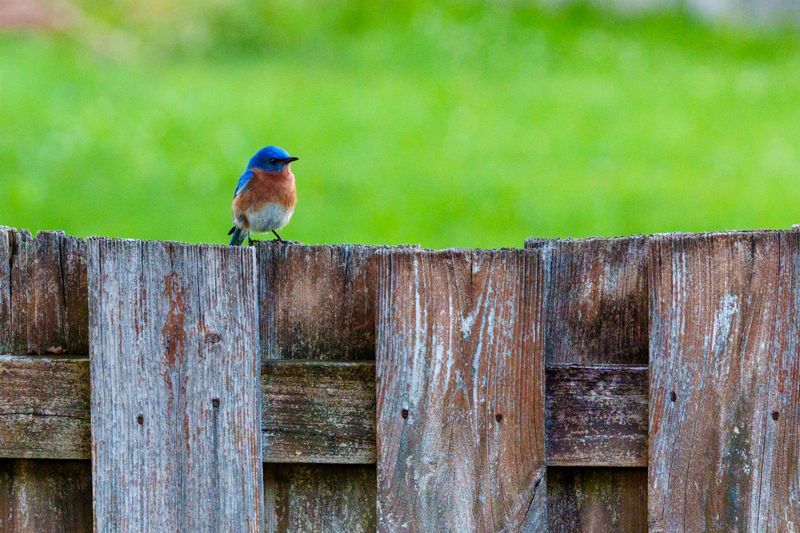
Picture a flash of sky-blue dropping from a fence post onto the grass.
Eastern Bluebirds (Sialia sialis) look delicate, but they are serious insect hunters, and that makes them a welcome sight in any Pennsylvania yard.
Bluebirds love the semi-open edges where lawn meets woods, exactly the setup many suburban backyards already have.
They perch low, watch the ground, then swoop to snatch insects from short grass and low plants.
That is the same zone where tick nymphs, those tiny disease-carriers, sit and wait for a host.
Attracting them comes down to habitat.
Give them open hunting ground plus native berry shrubs like serviceberry (Amelanchier species), which fruits in early summer, or silky dogwood (Cornus amomum) that ripens by late summer.
Bluebirds nest in cavities, so a nest box helps a lot.
Mount it between 5 and 25 feet high, facing generally northeast to dodge the harsh afternoon sun.
A single bluebird pair can range across five acres or more, so even a small contribution counts.
Watching that blue streak cut across your garden, you will feel a quiet pride knowing it is genuinely on tick patrol.
2. Chickadees Scour Bark And Leaves All Day
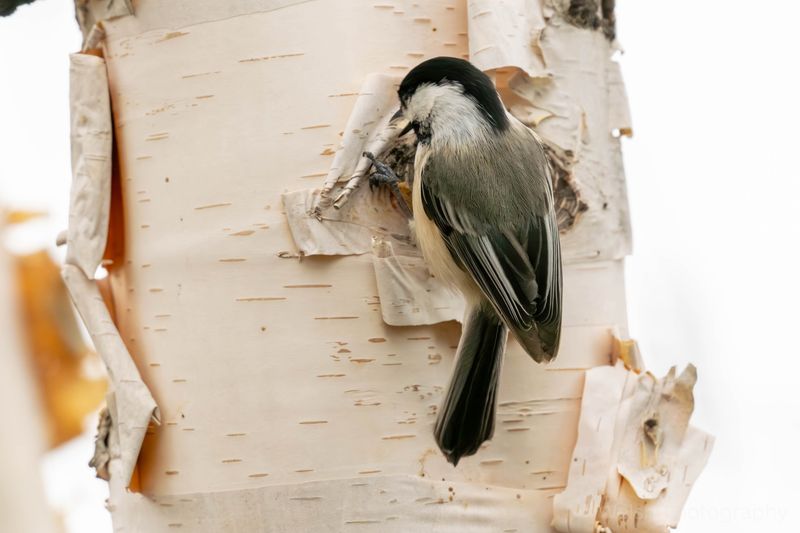
A cheerful little flock of chickadees follows you through the winter woods even in the coldest corners of the Allegheny Plateau.
That constant motion is great news for tick control.
Both the Black-capped Chickadee (Poecile atricapillus) and the Carolina Chickadee (Poecile carolinensis) live across Pennsylvania, and both are hungry insect eaters in spring, summer, and fall.
They scour bark and leaves, often hanging upside down, gleaning caterpillars, spiders, insect eggs, and other pests.
They pick off the very things hiding where ticks lurk.
Want them around?
Build a diverse native landscape.
Birch (Betula species) and oak (Quercus species) trees each host hundreds of insect species chickadees love, and native sumacs (Rhus species) offer winter berries when bugs are scarce.
In the cold months, add suet or black oil sunflower seeds.
Offer a shallow water source too, maybe a heated birdbath through a hard central Pennsylvania winter where temperatures dip below 20 degrees.
Let these tiny dynamos do what they do, and you have added a real layer of defense without lifting a finger.
3. American Robins Are Ground-Foraging Tick Eaters
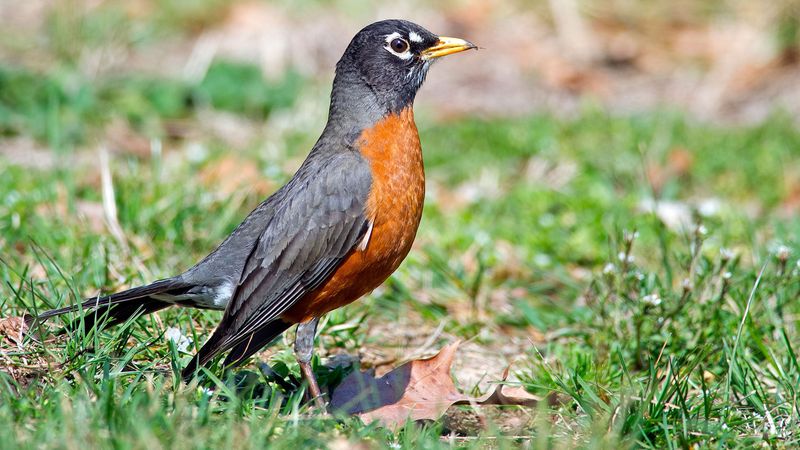
An American Robin (Turdus migratorius) hopping across the lawn is as sure a Pennsylvania spring signal as the first blooming eastern redbud (Cercis canadensis).
Everyone knows them for pulling worms, but that is only half the story.
Robins are actually major insect eaters, especially in early summer when they feed their young.
They work through leaf litter and short grass, using sharp eyesight to catch movement, and that movement often includes ticks at various life stages.
To make a robin-friendly yard, keep some open lawn but plant plenty of native berry producers.
Serviceberry (Amelanchier species), flowering dogwood (Cornus florida), and winterberry (Ilex verticillata) all pull their weight, and winterberry holds bright red fruit deep into the cold.
In the humid summers of southeastern Pennsylvania, leave leaf litter in garden beds instead of raking every scrap away.
It feeds robins and shelters beneficial insects.
Just keep the paths people actually walk mowed short.
Add a birdbath for the dry spells that sneak in between sudden thunderstorms, and you will host a busy little tick-eater from March through fall.
4. Blue Jays Patrol Trees And Shrubs
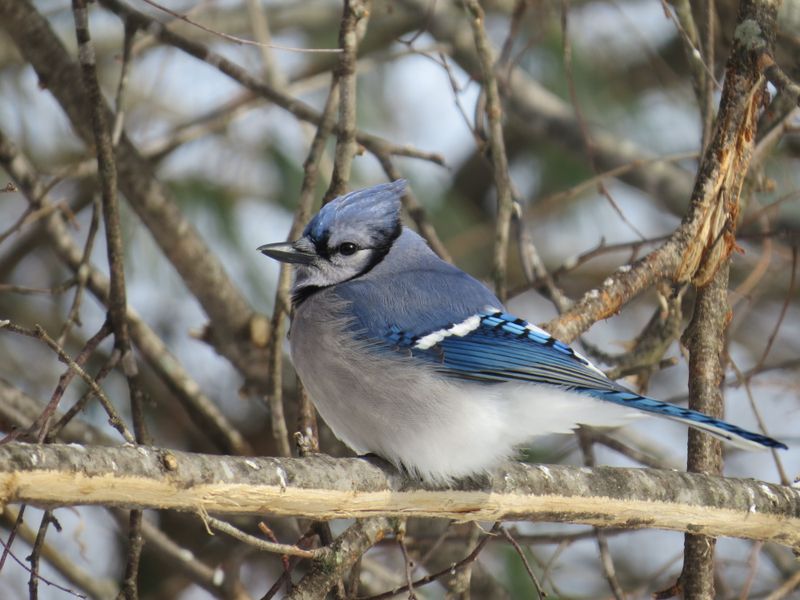
Loud, smart, and impossible to ignore, the Blue Jay (Cyanocitta cristata) is more than an acorn thief.
This bold Pennsylvania resident is an opportunistic insect eater too.
Jays search trees, shrubs, and the ground for a meal, which means they pick off ticks wherever they run into them, from an oak canopy down to the tangle beneath a spicebush.
They are generalists, and that flexibility works in your favor.
Native oak trees (Quercus species) are the anchor if you have the room.
Oaks feed countless insects that in turn feed birds, and the acorns are a jay favorite.
Round it out with black cherry (Prunus serotina), hawthorns (Crataegus species), and elderberry (Sambucus canadensis) for fruit and the insects those plants draw.
Blue Jays are adaptable, at home in the warmer streets of Philadelphia and up in the cooler Poconos alike.
They like a mix of tall perching trees and dense shrubs for cover.
Set out a birdbath and these clever birds will drink, preen, and stick around.
Their nosy patrols are actually working for you.
5. Woodpeckers Find Ticks In Hidden Crevices
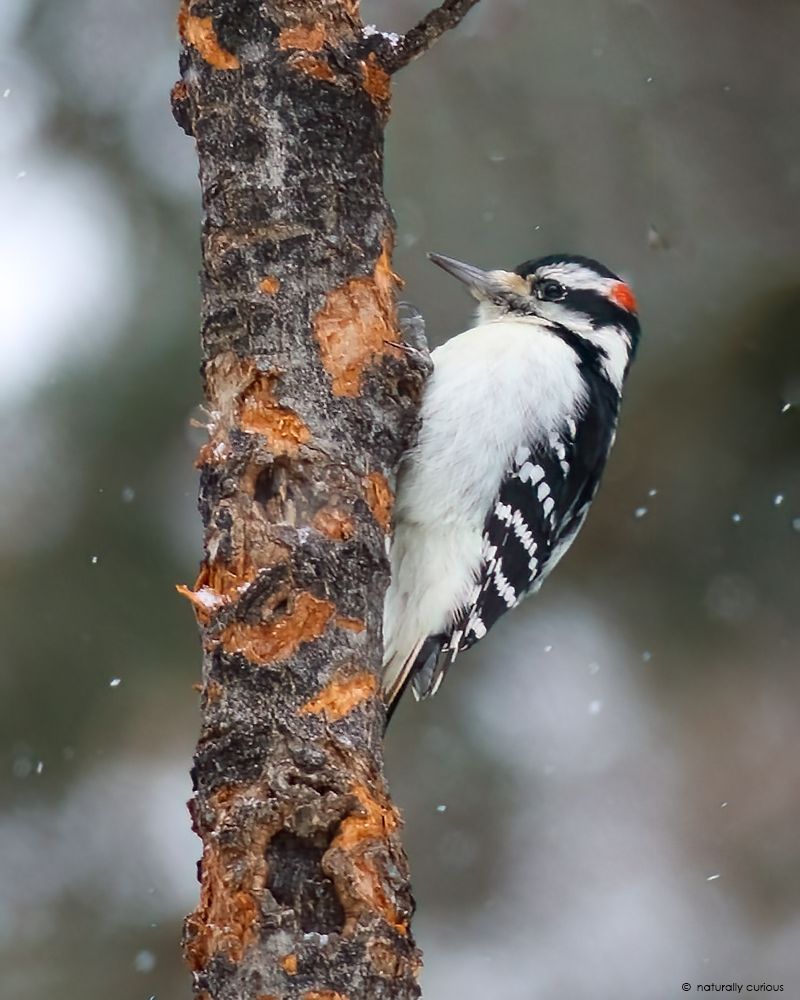
The rhythmic drumming of a woodpecker rolls through Pennsylvania woods and plenty of backyards.
That sound is a pest-control specialist clocking in.
Downy Woodpeckers (Picoides pubescens) and the larger Hairy Woodpeckers (Picoides villosus) are mostly insect eaters, hunting grubs and bugs tucked inside bark.
With chisel beaks and long sticky tongues, they pull insects and ticks out of the nooks and crannies other birds cannot reach.
That is a job nobody else on this list does quite as well.
To draw them, protect older trees and, if it is safe, leave a dead trunk or two standing.
Gardeners call these snags, and they crawl with insects while offering nesting spots.
Native pines (Pinus species) and hickories (Carya species) add more good habitat.
Woodpeckers also hit suet feeders eagerly, especially through the snow-covered months of a northern tier winter when temperatures can sit near 10 degrees.
Spot one working a trunk from top to bottom and you know your backyard ecosystem is genuinely thriving.
6. Carolina Wrens Dig For Ground-Dwelling Ticks
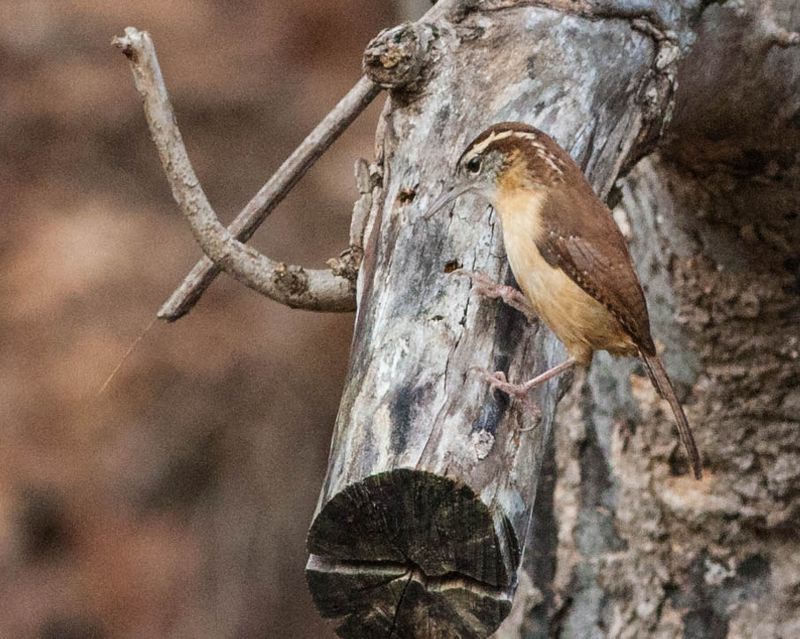
Small, rusty-brown, and loud out of all proportion to its size, the Carolina Wren (Thryothorus ludovicianus) sings a bubbling song and cocks its tail like a tiny drill sergeant.
And it stays put all year across much of Pennsylvania, even through rough winters.
Here is where it gets useful.
Carolina Wrens are voracious insect and spider hunters that spend most of their time near the ground.
They probe leaf litter, poke under brush piles, and comb decaying logs and bark for prey, the same shady, damp spots ticks love.
Their patient ground searching genuinely helps knock back the low-lying ticks other birds miss.
To welcome them, create dense low cover.
A brush pile at the yard’s edge is like a five-star hotel, offering both food and shelter.
Add native shrubs like spicebush (Lindera benzoin) or native viburnums (Viburnum species) for thick branching and berries.
Wrens nest in odd places, from old flowerpots to a forgotten boot, but they also use small birdhouses set less than 6 feet up.
Keep a clean birdbath filled and you will hear that big voice all season.
7. Gray Catbirds Snatch Pests From Thickets
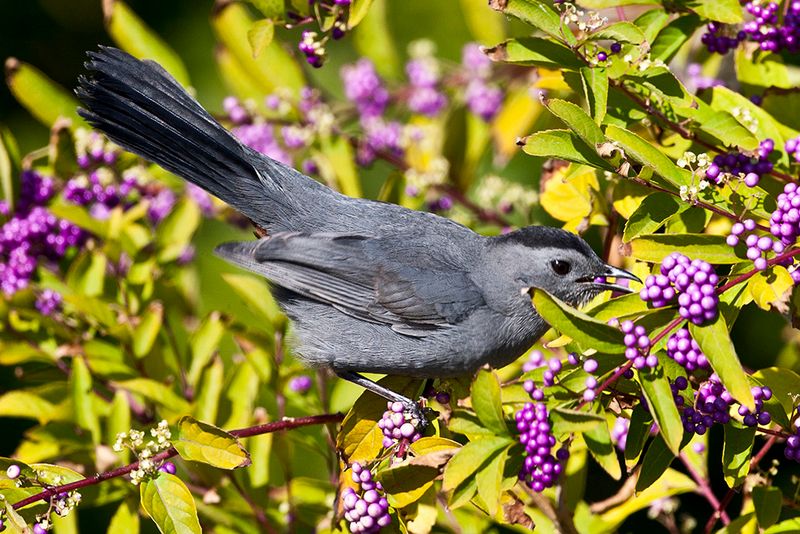
That cat-like mew coming from the shrubs is not a stray kitten.
It is a Gray Catbird (Dumetella carolinensis), a slate-gray mimic with a secret talent for tick control.
Catbirds are avid insect eaters all summer, and they work the places ticks favor most.
They forage deep in dense thickets, shrubs, and undergrowth, snapping up ants, caterpillars, beetles, grasshoppers, moths, and yes, ticks.
Their love of shrubby cover puts them right in the tick’s hideout.
To invite them, plant dense, low native shrubs and small trees.
Native dogwoods (Cornus species), elderberry (Sambucus canadensis), and viburnums (Viburnum species) supply both insects and the berries catbirds crave.
They build cup-shaped nests low in thick shrubs or vines, usually around 4 feet off the ground.
In the warmer, wetter Delaware Valley where catbirds are common, mixing native plants with overlapping fruiting seasons keeps food coming all summer long.
Give them a tangle to hide in and they will patrol it daily.
It is the kind of quiet help you notice only when you stop finding ticks on your socks.