
7 North Carolina Perennials That Triple In Size In One Season And Look Established Day One
Follow us on Google
You drag your patio chair into the shade and finally settle in, and then your eyes catch that one bare patch in the bed. It still looks like you scooped the plant out of its nursery pot yesterday.
Most gardeners in North Carolina know that sinking wait for beds to fill in, sometimes for two or three seasons. But a handful of perennials, many of them native to our own red clay and sandy soil, actually triple in size their first year and look settled from the start.
1. New York Ironweed Soars With Instant Height
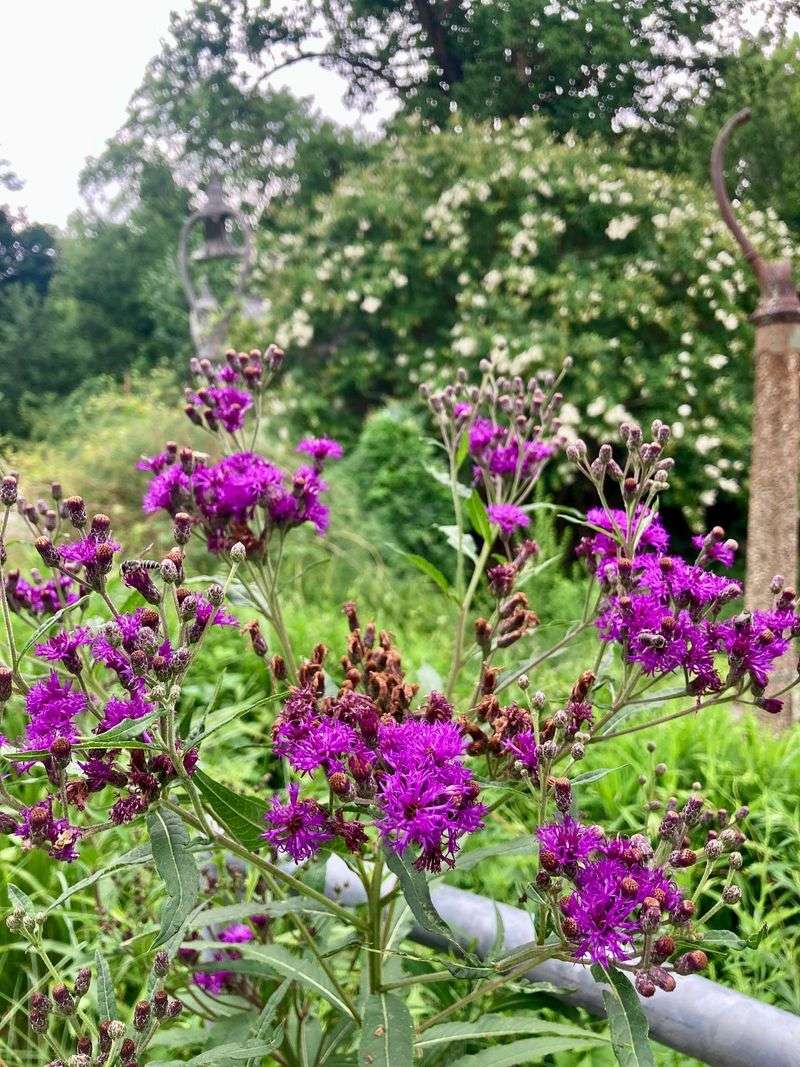
Some plants just sit there their first year, adding a whisper of green but no real presence. New York Ironweed (Vernonia noveboracensis) does the opposite.
It shoots up fast and hands your garden instant backbone.
Many Piedmont gardeners watch these reach 5 to 8 feet tall in a single season, forming a dense, statuesque clump. The plant pours early spring energy into stem development, so a small transplant becomes a real presence by mid-summer.
It thrives in the heavy clay of the Piedmont or the wetter spots of the Coastal Plain, as long as it soaks up plenty of sun.
Then the fluffy purple flower heads open from August through October, right when other blooms are winding down. Native bees and swallowtails show up in numbers, which turns a filler spot into a working habitat corner.
If you have a large, moist gap to cover fast, this quiet giant will naturalize easily and give you that established look without fuss. It is not a tidy little edger, so give it room at the back of the bed.
2. Swamp Sunflower Spreads Gold Quickly
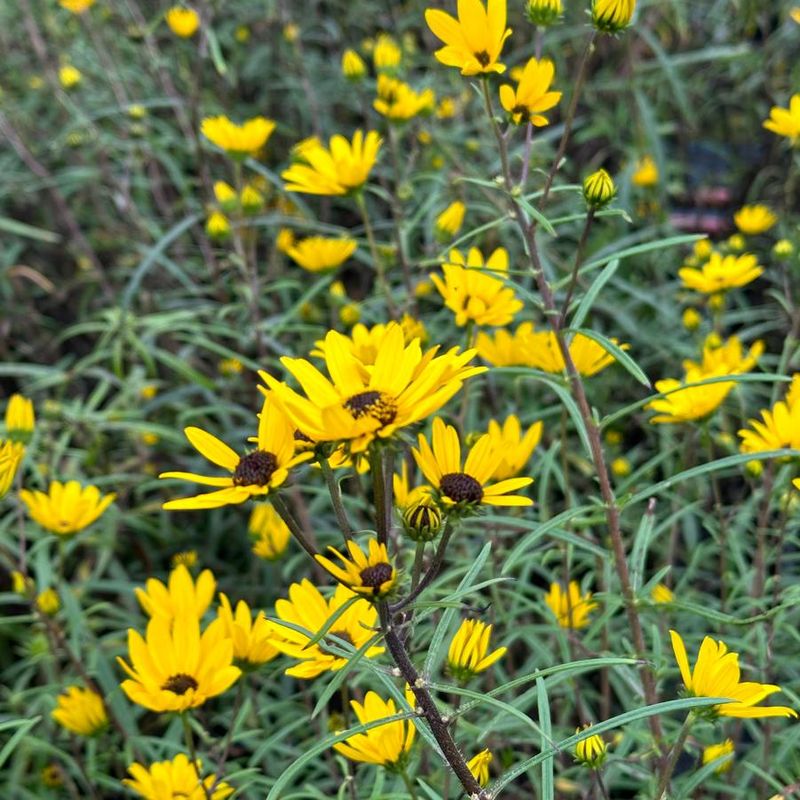
Walk past a new planting and you expect tentative, thumb-sized growth. Then you spot the Swamp Sunflower (Helianthus angustifolius) already trying to run the whole bed.
This North Carolina native stretches 6 to 8 feet tall and 2.5 to 4 feet wide in one season, easily tripling its footprint. It spreads through underground rhizomes, building dense colonies that swallow empty space at surprising speed.
You will see it happy from the Coastal Plain to the Piedmont, in moist, acidic, sandy or clay loam under full sun.
The payoff arrives with a flood of yellow daisy-like flowers from mid-summer until the first frost. Pollinators cover the blooms, and songbirds like goldfinches work the seed heads into late fall.
Here is where it gets tricky. That enthusiasm can crowd smaller neighbors, so prune it back by about a third in June.
That trick encourages branching and keeps the plant a touch shorter without stealing its show. Give it a big sunny corner and it does the rest.
3. Garden Phlox Explodes With Summer Color
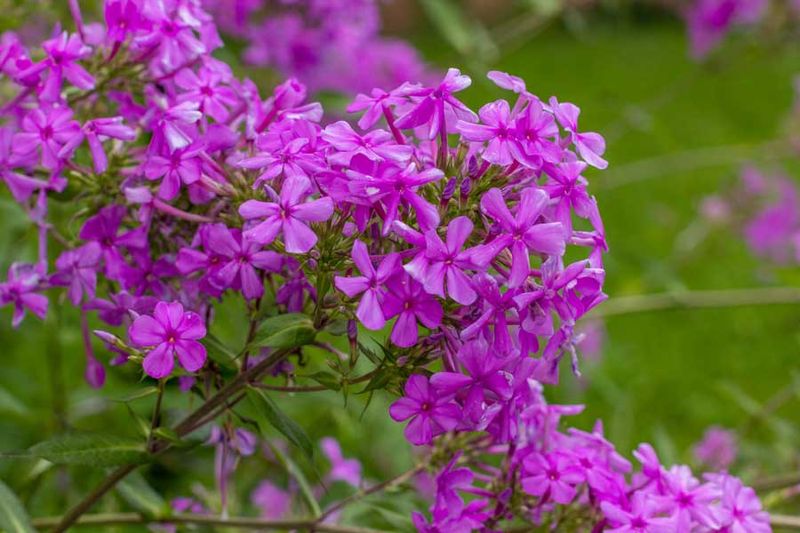
Waiting for a perennial bed to look full tests anyone’s patience, especially through North Carolina’s long growing season. Garden Phlox (Phlox paniculata) gets that impatience and answers it fast.
A clump-forming perennial with a quick habit, it establishes rapidly and reaches 2 to 4 feet tall with a matching spread in its first year. It likes moist, fertile, well-drained soil and does well in sun to partial shade, which is why you find it from mountain roadsides to Piedmont backyards.
The turn comes when clusters of fragrant flowers, in pink, purple, and white, open in mid-summer and carry into fall. That long run fills a bed with color and scent almost overnight.
Powdery mildew, what gardeners call that dusty white film on leaves, is the scheming antagonist here. Beat it by giving plants good air flow and thinning crowded stems in spring, spacing clumps about 18 to 24 inches apart.
Do that and your new bed reads as lived-in and settled surprisingly fast.
4. Goldsturm Black-Eyed Susan Lights Up The Landscape
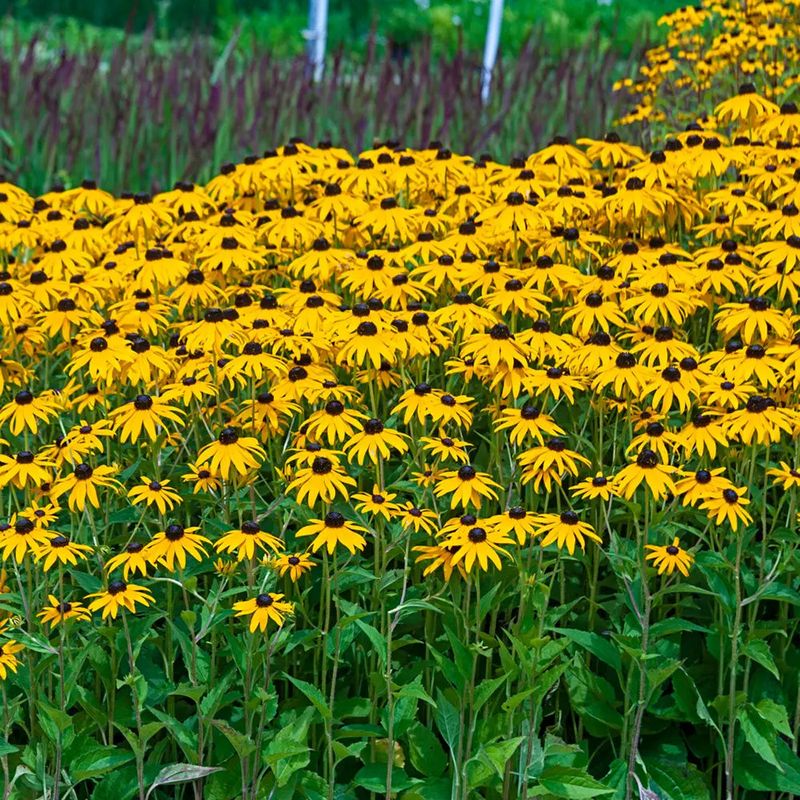
You want a plant that pays off the same year, not one that makes you wait three seasons for a real show. Rudbeckia fulgida ‘Goldsturm’, the classic Black-Eyed Susan, is that plant.
It grows fast, forming bushy upright clumps roughly 1.5 to 2 feet tall and wide, so it carries weight in a bed almost right away. Gardeners lean on it because it is low fuss and blooms nonstop, throwing out rich yellow daisies with dark chocolate centers from mid-summer until the first frost.
Fun fact worth knowing. ‘Goldsturm’ handles urban grit and pollution better than most, so it is a genuine workhorse near driveways and street beds.
It takes almost any North Carolina soil, from stiff clay to loam, as long as drainage is decent and it gets at least six hours of full sun. Butterflies and bees mob it, adding movement to a bed that just went in.
You end up with a patch of gold that looks like it has held that spot for years.
5. Purple Coneflower Fills With Robust Bloomers
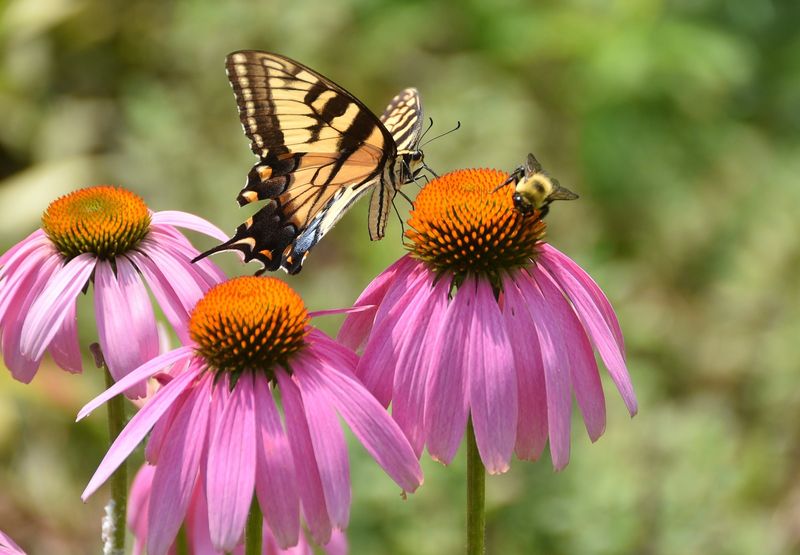
Plenty of folks try to build a pollinator haven from scratch, then stare at sparse little plants for far too long. Purple Coneflower (Echinacea purpurea) shortens that wait dramatically.
A North Carolina native, it grows quickly, reseeds with ease, and often blooms its very first year. Expect it to reach 3 to 4 feet tall and wide, building a full, robust look that erases bare spots in a hurry.
It bends to our varied conditions, from sandy Coastal Plain ground to heavy Piedmont clay, asking mostly for well-drained soil and full sun to light shade. Once settled, it shrugs off drought, a real relief during those muggy summer dry stretches when the water bill starts climbing.
Iconic pinkish-purple daisies open from early summer into mid-fall, feeding butterflies and bees the whole way. Leave some seed heads standing through winter, because goldfinches and other birds work them for food.
According to NC State Extension, coneflower is one of the most dependable native perennials for home landscapes, and its first-year hustle is a big reason why.
6. Wild Geranium Carpets Shady Spots
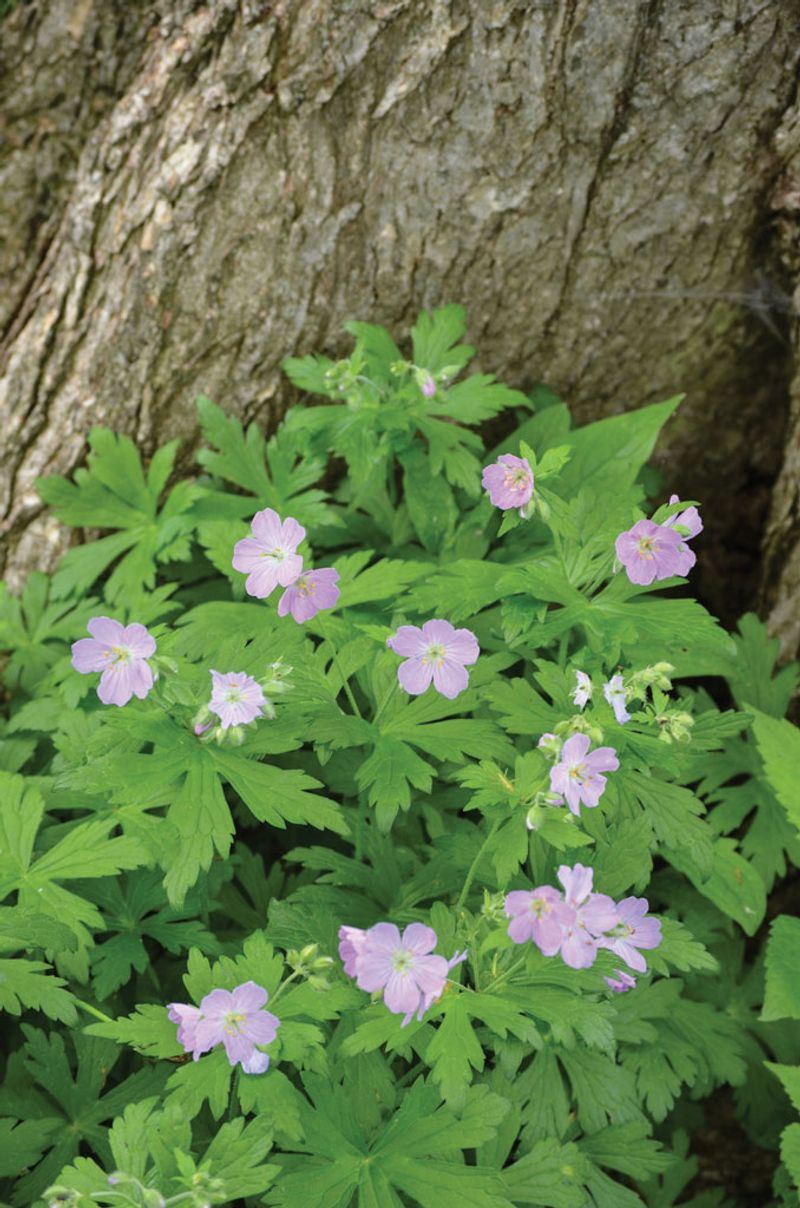
Those dim spots under mature trees, where nothing seems to catch hold, tend to stay stubbornly bare. Wild Geranium (Geranium maculatum) was practically made for that problem.
The native perennial takes hold quietly and spreads, carpeting difficult woodland corners with soft mounds of lobed leaves. It fills in fast, reaching roughly 1 to 2 feet tall and wide in its first go, so a raw shaded edge starts looking intentional.
It asks for very little once rooted, handling partial shade or even morning sun as long as the soil stays moist and rich with organic matter. Busy homeowners appreciate a plant that does not beg for attention every weekend.
Delicate five-petaled pinkish-purple flowers appear in mid-spring, soft and natural against the woodland floor. Deer tend to leave it alone, which is a genuine gift in much of North Carolina where they treat gardens like a buffet.
Tuck it along a shaded border and that awkward, empty stretch finally reads as lush and finished.
7. Fireworks Goldenrod Creates Explosive Fall Fill
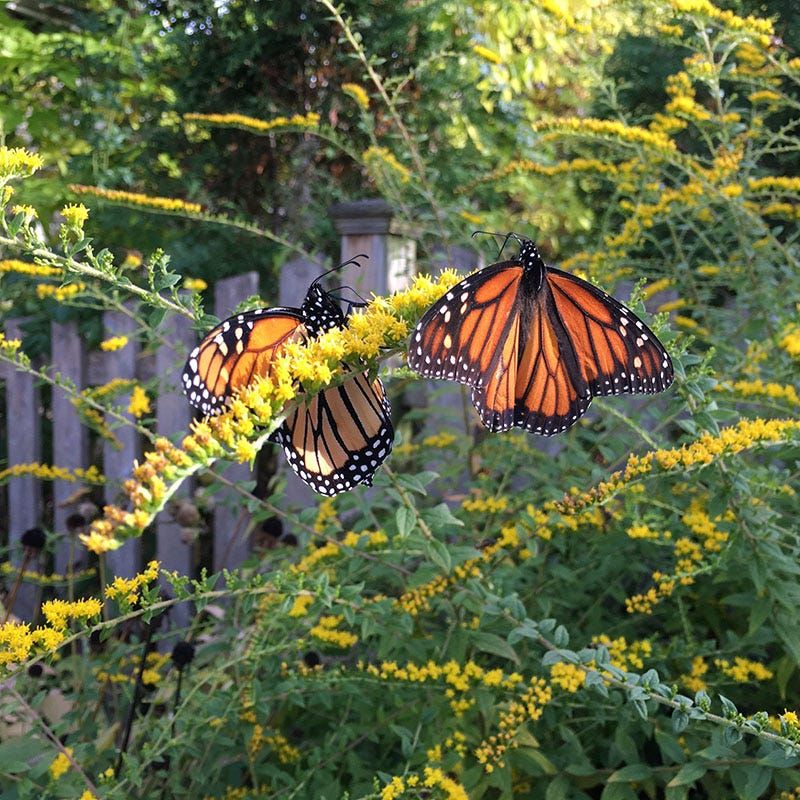
You want a plant that plants its flag and claims the space like it has always been there. Solidago rugosa ‘Fireworks’, a wrinkle-leaf goldenrod, does exactly that.
The cultivar comes from a North Carolina native goldenrod, and it grows strong, forming a bushy upright clump 3 to 4 feet tall and 2 to 3 feet wide. It spreads slowly by rhizomes, so it stays polite, but its vigorous first-year size makes it look established in a single season.
Here is a detail worth savoring. ‘Fireworks’ was originally selected from a wet coastal plain habitat right here in North Carolina, so it belongs in our soil. It thrives in full sun and average to moist, well-drained ground, taking both clay and sand across the state.
Late summer and fall bring the real show, when arching stems erupt with tiny bright yellow flowers that genuinely look like fireworks frozen mid-burst. Those blooms feed butterflies, bees, and fall monarchs fueling up for the journey south.
And no, goldenrod is not the plant making you sneeze, that is ragweed getting the blame.