
Texas Plants, Owls, and Rats: Build the Habitat Right and Handle Rodents the Smart Way
Follow us on Google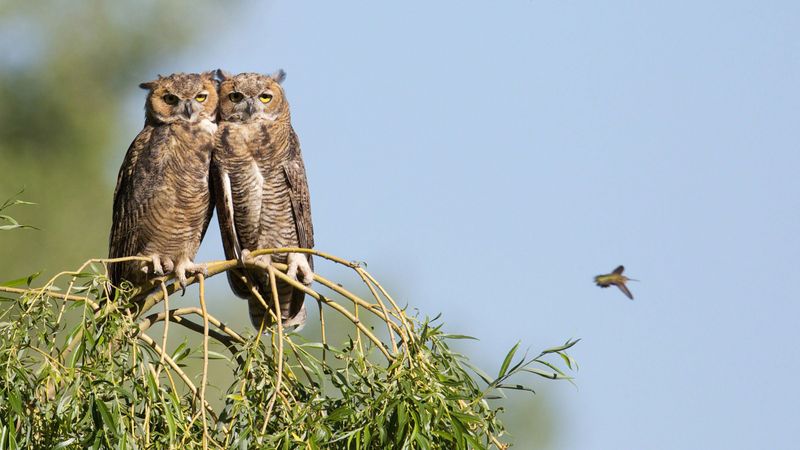
Somewhere between the wishful headline and the real world, there is a gap worth closing.
No Texas plant will summon an owl to your yard or make your rat problem disappear on its own, but the right native trees, shrubs, and grasses can genuinely make your property more useful to owls that are already nearby.
That matters, because owls are real ecological neighbors in most Texas communities, and a yard designed with them in mind is a better yard in almost every way.
The trick is doing two things at once: building habitat that works for wildlife and cutting off the food, shelter, and entry points that let rats set up shop near your house.
Plants Build Habitat, Not Guarantees
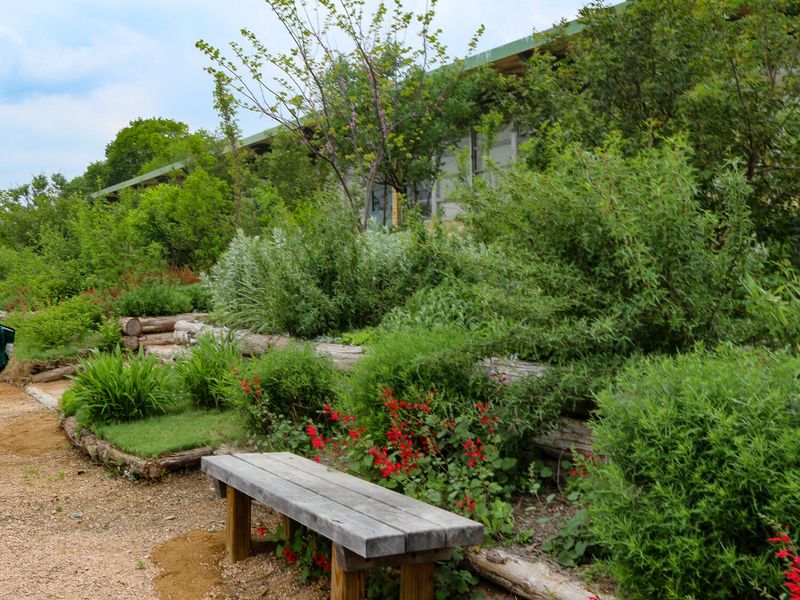
Step outside on a quiet evening in Central Texas and you might hear a screech-owl calling from the tree line.
That owl did not show up because of one flower or shrub.
It found your neighborhood because the landscape offered something useful: a perch, a cavity, a reliable food source, or some combination of all three.
No single Texas plant reliably draws owls into a yard or independently solves a rat infestation.
That is the honest starting point, and it is worth saying plainly before you spend money at the nursery.
What plants can do is contribute structure, shelter, insects, and small-mammal habitat to a landscape that may become more welcoming to owls already moving through the area.
Texas Parks and Wildlife Department’s Wildscapes guidance frames it exactly this way: layered native vegetation, natural cavities, snags, and correctly designed nest boxes are the building blocks of wildlife habitat, not a guaranteed owl delivery system.
So the approach here runs on two tracks at once.
On one track, you build functional wildlife habitat by adding the right plants, preserving useful old wood, and providing clean water.
On the other track, you deny rats the food, shelter, and access points that let them thrive near your home.
A flower or shrub cannot control a mobile wild predator.
Owls decide where to hunt based on prey availability, habitat structure, territory, and season.
They may hunt a neighbor’s field tonight and your yard next week, or they may never visit at all.
Plants set the stage, but the owl makes its own choices.
Building good habitat is worth doing for its own sake, and that is a realistic, satisfying goal.
Regional Layers Beat a Single Plant
Many Texas gardeners hear “owl-friendly plants” and immediately start searching for one magic species to drop into the corner of the yard.
That search tends to go nowhere useful.
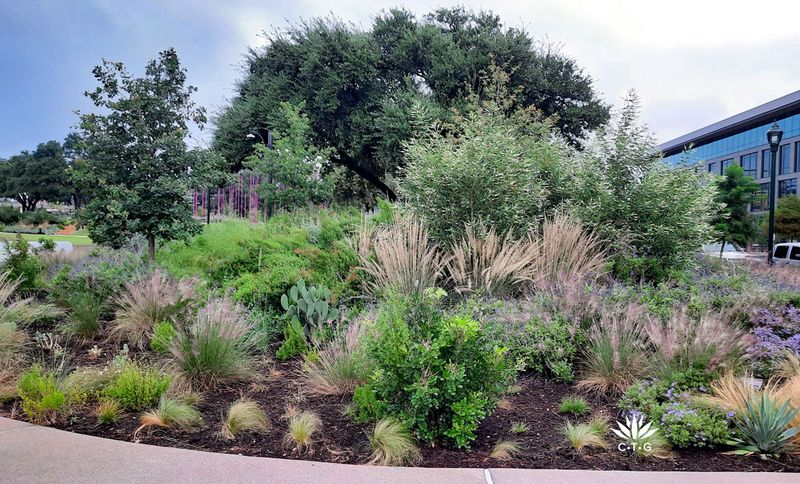
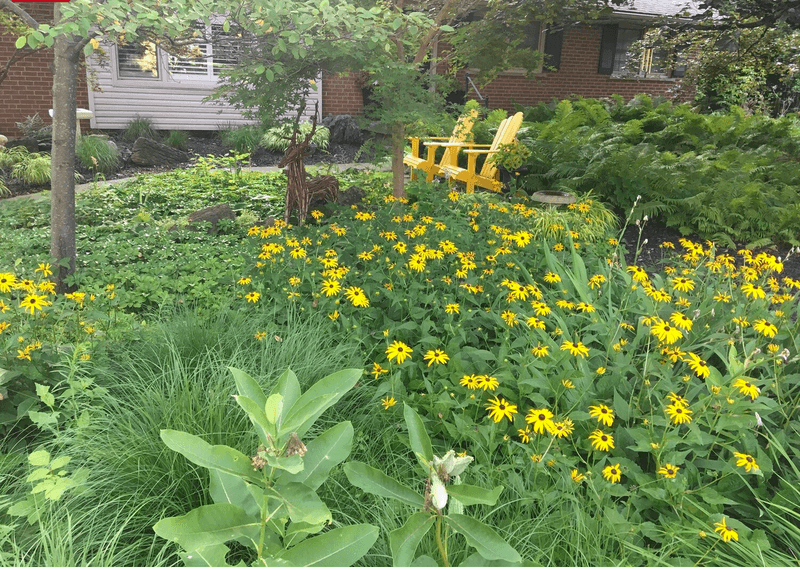
What actually creates functional wildlife habitat is a layered landscape: tall canopy trees overhead, smaller trees beneath them, understory shrubs, perennials, native grasses, and groundcovers at the base.
Each layer provides something different, and together they create the kind of structural variety that makes a yard genuinely livable for birds and the prey animals that attract them.
TPWD’s Wildscape design guidance recommends exactly this multilayered approach, and it emphasizes matching plants to your specific ecoregion rather than treating the whole state as one gardening climate.
That last part matters enormously in Texas.
In parts of East and Central Texas, a woodland structure built around live oak (Quercus virginiana), yaupon (Ilex vomitoria), and American beautyberry (Callicarpa americana) fits the local soils and rainfall patterns.
TPWD’s East-Central Texas Plains ecological description identifies these species as characteristic of that regional system.
Native grasses weave through the understory and provide both cover and insect habitat.
Move into South Texas and the picture shifts toward thornscrub species: mesquite (Prosopis glandulosa), huisache (Vachellia farnesiana), and Texas persimmon (Diospyros texana) are adapted to heat, thin soils, and long dry spells.
TPWD’s Tamaulipan thornscrub profile documents these as core components of that habitat system.
West Texas and the Panhandle demand even more drought tolerance, open structure, and attention to wind and heat.
None of these plants are proven owl attractants.
They are habitat components, and choosing the right ones for your corner of Texas is where the work begins.
Old Wood Gives Owls More Options
Before you buy a single new plant, walk your yard and look at what is already there.
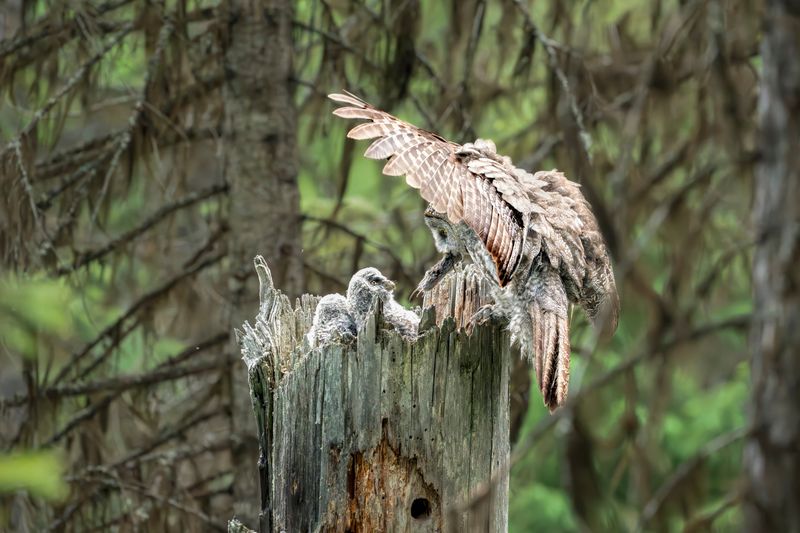
A mature tree with a hollow branch, an old woodpecker hole, or a rough-barked cavity can matter more to a nesting owl than anything you plant this season.
Eastern screech-owls (Megascops asio) are probably the most common owl in Texas suburbs, and TPWD’s screech-owl profile notes that they use hollow stumps and old woodpecker holes as nest and roost sites.
Dead trees, what gardeners call snags, can provide those cavities along with food in the form of insects and shelter for cavity-nesting birds more broadly.
A safe snag is genuinely valuable habitat infrastructure.
The key word is safe.
Retain a dead tree only when it poses no realistic danger to people, buildings, vehicles, or utility lines.
A leaning trunk over the driveway or a dead limb above the back porch is a hazard, not a habitat feature.
Have a certified arborist assess any snag you are unsure about, and remove or professionally manage it if conditions change.
The goal is to keep the wood that can stay safely and deal honestly with the wood that cannot.
Water is another supporting feature worth mentioning here.
A shallow birdbath or ground-level water dish can make a yard more functional for many birds.
Keep it relatively shallow, change the water every 2 to 3 days, and scrub the basin regularly to prevent algae buildup and limit mosquito breeding.
Clean water is a practical addition, not an owl magnet, but it rounds out the habitat picture without much effort.
Your Local Owl Sets the Strategy
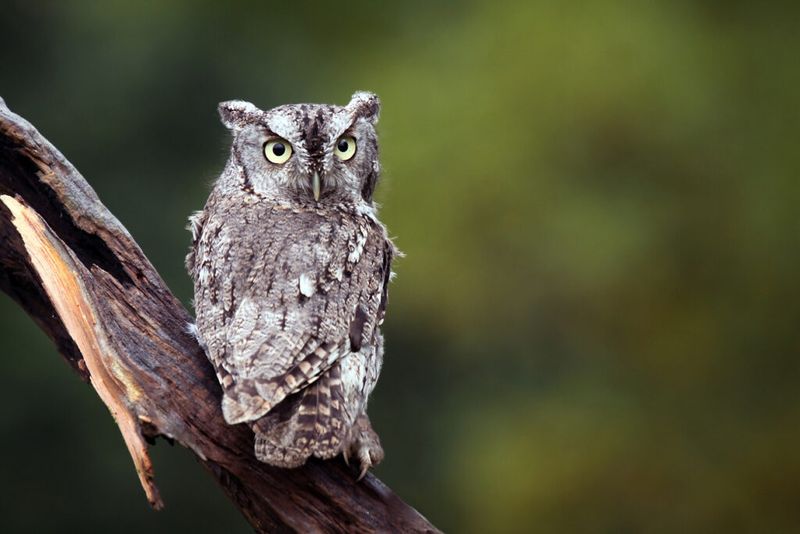
The word “owl” covers a lot of ground in Texas, and the species using the landscape around your home matters more than any generic owl-attracting advice.
Matching your habitat design to the owl actually present nearby is the difference between useful action and wasted effort.
Eastern screech-owls are realistic possibilities in wooded and suburban settings across much of the state.
TPWD describes them as adaptable birds that use parks, woodlands, and residential neighborhoods.
They eat a varied diet that includes insects, reptiles, amphibians, spiders, scorpions, and small mammals.
Rats are not their primary focus.
Barn owls are associated with open habitats: fields, ranchlands, working barns, and similar structures.
Cornell Lab’s barn owl life history confirms that they are genuine rodent hunters, taking rats and mice regularly, but they favor open hunting grounds rather than shaded suburban backyards.
A densely planted Central Texas lot is not automatically useful barn owl territory.
Burrowing owls (Athene cunicularia) are ground-dwelling birds tied to open grasslands and deserts.
TPWD notes they commonly breed in the Panhandle and West Texas, not in most suburban settings farther east.
Elf owls in West Texas present a different situation entirely.
TPWD’s elf owl profile makes clear that they primarily eat insects and only sometimes take mice.
Expecting an elf owl to thin out a rat population is genuinely unrealistic.
Know which owl lives near you before you design your habitat or your expectations around it.
A Nest Box Offers More Direct Support
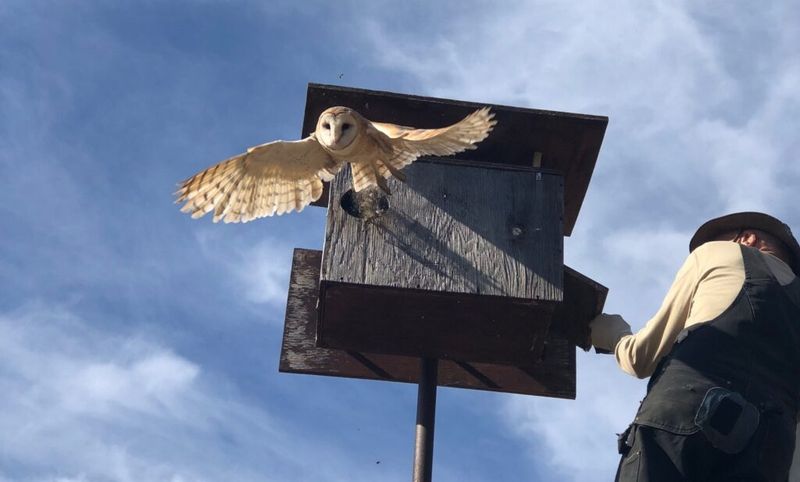
Planting native vegetation is a long game.
A correctly built and placed nest box is a more direct invitation, though it still carries no guarantees.
The box has to match the owl species likely to use it, and the site has to make sense for that bird.
TPWD publishes specific dimensions for both common species.
A barn owl box calls for a 10-by-18-inch floor, 15 to 18 inches of interior depth, a 6-inch entrance hole, and placement 12 to 18 feet above the ground.
A screech-owl box uses an 8-by-8-inch floor, 12 to 15 inches of depth, a 3-inch entrance, and placement 10 to 30 feet up.
TPWD’s nest box specifications page gives these figures directly, and using the wrong dimensions for the wrong species wastes everyone’s time.
Placement matters as much as construction.
Mount boxes away from busy roads, active outdoor living spaces, and any structure where noise, pellets, or prey remains would create a problem.
Occupied boxes can be loud, messy, and occasionally defended aggressively by adult owls.
A University of California Agriculture and Natural Resources guide on barn owl boxes recommends using poles rather than trees to reduce predator access, orienting entrances to face north or east in hot climates to limit heat buildup, and cleaning boxes annually or every other year between October and December, when birds are less likely to be nesting.
A box may sit empty for one season or several.
Other wildlife, including squirrels or non-target birds, may move in first.
Even an occupied box does not guarantee measurable rodent reduction.
TPWD notes that owls and their active nests are protected under state and federal law, so once a bird moves in, you cannot disturb it.
Install a box because you want to support owl conservation in your area, and treat any rodent benefit as a welcome bonus rather than a promise.
Keep Habitat From Becoming Rat Shelter
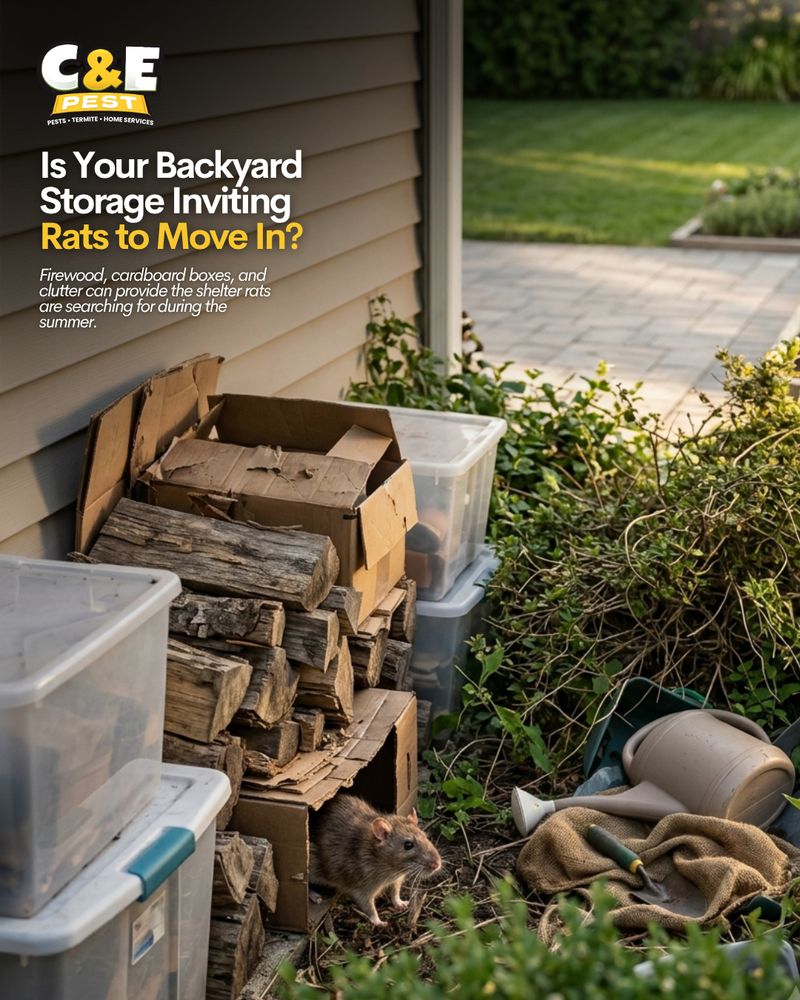
Here is where the two-track approach gets its most urgent workout.
The same dense vegetation that provides cover and insects for wildlife can also give rats exactly what they need: shelter, warmth, and a protected runway to your house.
Building habitat without managing the rat side of the equation is working against yourself.
The sequence that actually works starts with the house itself.
Seal gaps in the foundation, roofline, around pipes, and under doors.
Rats can squeeze through an opening roughly the size of a quarter, so anything larger than that needs attention.
CDC guidance on rodent exclusion recommends this as the first and most durable step in any rodent control effort.
From there, work outward.
Secure garbage cans with lids that actually latch.
Store pet food in sealed hard-sided containers, and do not leave bowls out overnight.
Bird feeders are a real problem: spilled seed on the ground is a free buffet for rats.
Move feeders at least 10 feet from the house and clean up spilled seed regularly.
UC IPM’s rat management guidance identifies unsecured food as one of the primary drivers of residential rat activity.
Firewood and stored materials deserve specific attention.
Move woodpiles at least 100 feet from the house when that is practical on your property, and always elevate firewood at least 18 inches off the ground, which is what the CDC recommends, not the 1-foot figure that sometimes circulates online.
Keep dense plantings and shrubs trimmed back from the foundation so rats do not have a covered corridor straight to the wall.
Do not use rodent poison as a strategy for attracting owls.
Poisoned rats expose owls and other predators to toxic residues through secondary poisoning, and the EPA specifically recognizes this risk to birds and other wildlife.
Traps and exclusion protect both your home and the predators you want nearby.
Owls May Hunt Rodents, but Results Vary
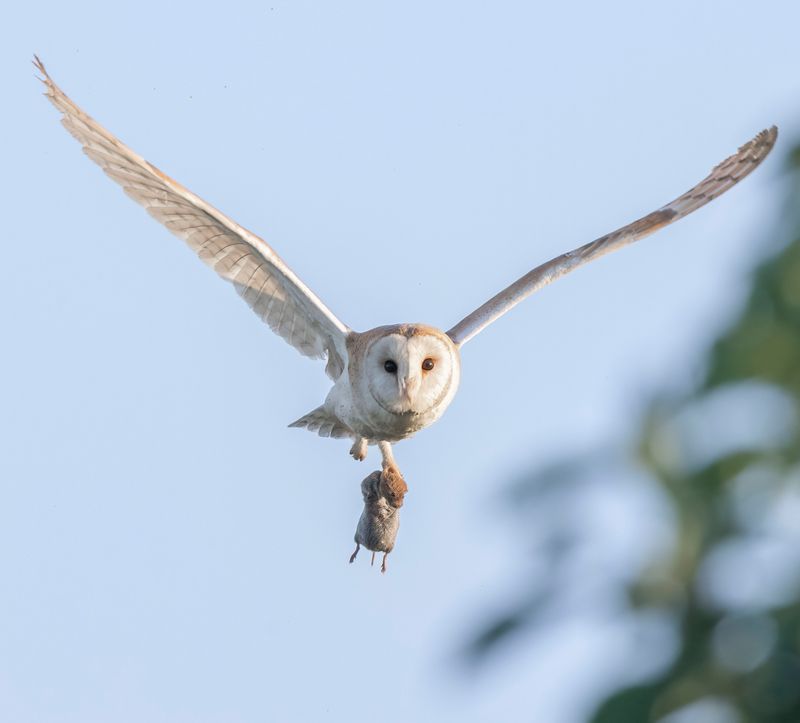
Barn owls are genuine rodent hunters, and that part of the story is real.
Cornell Lab’s barn owl life history confirms that their diet centers heavily on small mammals, including rats and mice, and they hunt efficiently in open areas at night.
The question is not whether owls eat rodents.
The question is whether attracting owls to your specific suburban Texas yard will meaningfully reduce the roof rats or Norway rats causing problems at your house.
The research gives a mixed answer.
A 2026 vineyard study found 38 to 52 percent lower abundance of rodents in areas under barn-owl hunting pressure, which is a genuinely encouraging finding.
But the rodents in question were predominantly deer mice in an agricultural setting, not the roof rats or Norway rats typical of Texas residential neighborhoods.
That distinction matters.
An earlier study in California’s Napa Valley, evaluating barn owl nest boxes in vineyards, found reduced gopher activity but no statistically significant effect on mouse abundance from nest boxes alone.
The researchers called the overall results inconclusive.
Two agricultural studies, two different outcomes, neither of them set in a Texas suburb.
Prey choice also shifts with season, local availability, and the surrounding landscape.
A USGS evaluation of barn owl exposure to rodenticides documents how prey composition varies by location and habitat, reinforcing that no single figure captures what any given owl will eat in any given yard.
Owls are one possible layer of ecological pressure on rodent populations, not a guaranteed pest-control service.
Supporting them is worth doing, and it is most honest to say so without overpromising the outcome.
Build the Yard in Two Directions
Getting this right comes down to a clear sequence.
Start by learning which owl species actually uses the landscape around your home.
A screech-owl in a wooded East Texas neighborhood, a barn owl in a South Texas ranchland setting, and a burrowing owl in the Panhandle all point toward different habitat designs and different expectations.
From there, add layered native structure that fits your ecoregion.
Choose plants that match your soil and rainfall, and use TPWD’s Wildscape design resources to build a plant list grounded in your specific region rather than a generic Texas list.
Preserve any dead wood that can stay safely, and remove what cannot.
Add a shallow water source if it fits your yard, and commit to keeping it clean.
If the site makes sense for a nest box, install the right dimensions for the likely local species, place it away from busy areas, and clean it every year or two in the fall.
Then shift attention to the house itself.
Seal gaps, secure food, manage stored materials, and follow CDC rodent exclusion guidance for elevating firewood at least 18 inches and moving woodpiles as far from the structure as your property allows.
A box may sit empty.
An owl may visit and eat insects all summer.
A barn owl may genuinely reduce rodent pressure in the open field behind your fence.
All three outcomes are possible, and TPWD’s owl overview frames conservation value and pest control as separate benefits that sometimes overlap.
The realistic goal is a yard that works better for wildlife and makes your house harder for rats to enter.
That is a goal you can actually reach, and it is worth more than any single magic plant ever promised.