
What It Means When A Toad Chooses To Hide In Your Pennsylvania Garden Beds
Follow us on Google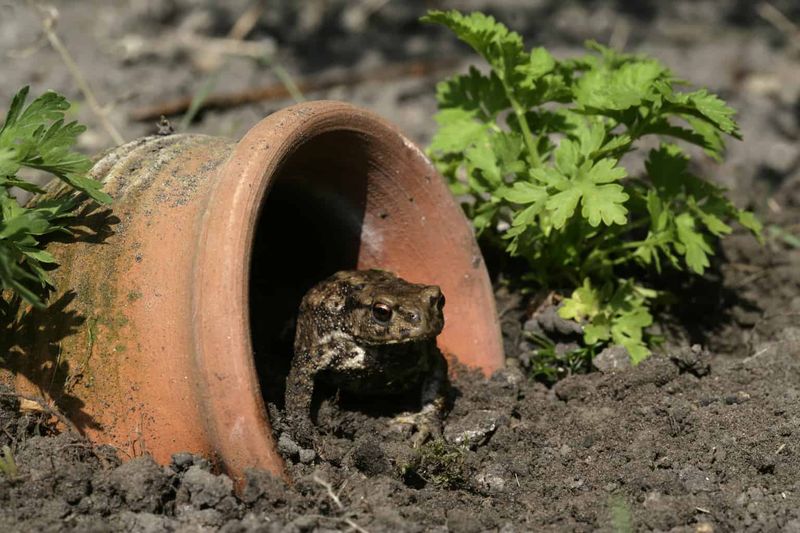
You flip over a clay pot or pull back a handful of mulch and there it sits, a squat, warty little creature blinking at you from the cool dark.
Finding a toad tucked into your garden bed is one of those small surprises that stops you mid-task.
That toad is not there by accident, and understanding what drew it in can change how you care for the space around it.
Pennsylvania gardens host these animals more often than most homeowners realize, and what the visit tells you is genuinely worth knowing.
The Likely Resident Is the American Toad
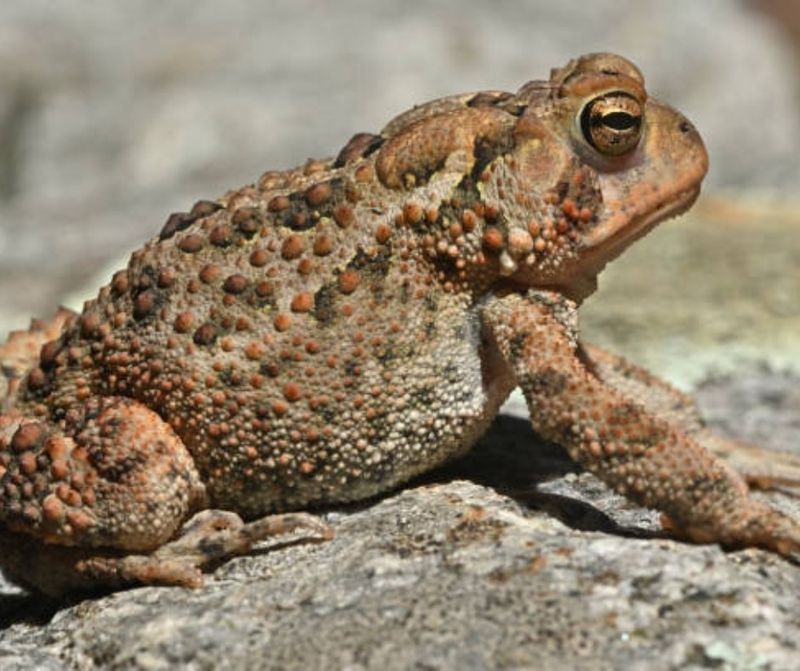
Chances are good that the toad under your mulch is an eastern American toad, Anaxyrus americanus americanus, the most widespread toad species across Pennsylvania.
Adults typically measure about 2 to 3.5 inches long, roughly the size of a large strawberry, and their brown or gray-green skin blends so well into damp soil and dead leaves that many gardeners walk right past them for weeks.
According to the Pennsylvania Fish and Boat Commission, the eastern American toad is found in a wide range of habitats across the state, from suburban backyards to woodland edges.
The toad you found is almost certainly following a nocturnal routine.
It hunts after dark, working through the bed for slugs, beetles, and other invertebrates, then retreats before sunrise to a cool, damp hiding spot.
Leaf litter, loose rocks, thick mulch, and the undersides of low plants are all fair game for a daytime resting spot.
The animal is not sick or lost when you find it motionless in the shade; it is simply resting between hunts.
Come late autumn, the story shifts underground.
Forest Service species accounts for Anaxyrus americanus document that American toads burrow into the soil to overwinter, with recorded depths ranging from roughly 5 to 23 inches depending on conditions.
In northern Pennsylvania and higher elevations like the Pocono plateau, where the ground freezes harder and earlier, that burrowing instinct matters a great deal.
The sighting in your bed does not certify anything about your garden’s quality.
It says the spot offers conditions the animal can actually use right now.
What Does a Toad Actually Signal?

A toad choosing your bed is a habitat signal, not a soil report.
The animal may have been drawn in by a patch of shade from a nearby shrub, moisture left by a recent thunderstorm or drip irrigation, a loose layer of mulch to hide beneath, or a steady supply of insects and slugs moving through the area.
Access through the surrounding landscape also plays a role, and the toad likely moved through your yard to reach the bed, though that does not mean the route was free of hazards.
Those same conditions, shade, humidity, cover, and prey, can exist in excellent loam, rocky fill dirt, compacted clay, or heavily amended raised-bed soil.
The Pennsylvania Fish and Boat Commission notes that American toads use a broad range of habitats, which is part of why they turn up in so many different garden types.
The toad did not test your pH, check your drainage, or sample your compost before settling in.
Here is where it gets tricky.
Amphibians genuinely do contribute to environmental science, but that work involves monitoring whole communities of species over time, not reading a single backyard sighting.
USGS guidance on using amphibians as ecosystem indicators makes clear that presence or absence alone is not a reliable measure of overall ecosystem or wetland health.
One toad cannot tell you that your soil is free of contaminants, well-drained, or biologically balanced.
The accurate conclusion is narrower and still worth something: your bed is usable habitat for a native Pennsylvania amphibian, and that is a real, quiet win.
Its Pest Patrol Has Limits
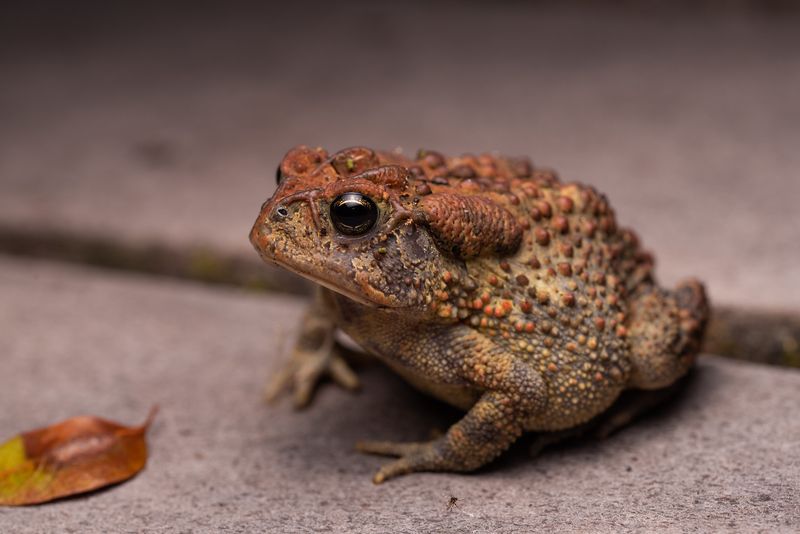
American toads are generalist predators, meaning they eat whatever live prey is available and easy to catch.
Their diet includes insects, slugs, snails, spiders, ants, beetles, larvae, millipedes, and earthworms.
Some of those animals are genuine garden pests.
Others, like ground beetles and rove beetles, are actually beneficial predators that help keep pest populations in check on their own.
A 2026 Pennsylvania field study published in Agrosystems, Geosciences and Environment put the pest-control angle to a careful test.
The Douglas et al. research found that toads in vegetable enclosures consumed predatory insects, reduced ants and ground beetles, and did not measurably reduce pest damage or improve kale production.
That finding does not mean the toad is useless; it means the net effect on your specific crops depends on which pests are present, how many other predators are working the bed, and what the toad happens to encounter on a given night.
The frequently repeated claim that one toad eats 10,000 insects in a summer is not supported by field research as a general or Pennsylvania-specific result.
Treat it as folklore rather than a number you can rely on for crop planning.
According to USGS amphibian science resources, American toads are broadly active feeders, but broad feeding activity is not the same as guaranteed pest reduction.
The practical takeaway is to welcome the toad as one genuine layer of garden biodiversity while keeping your other pest-management habits in place.
Penn State Extension’s integrated pest management guidance recommends scouting, sanitation, physical barriers, and targeted treatment as the foundation of a solid approach.
The toad belongs in that picture, not as a replacement for those steps, but as a small, free contribution alongside them.
Build a Refuge Instead of a Pond
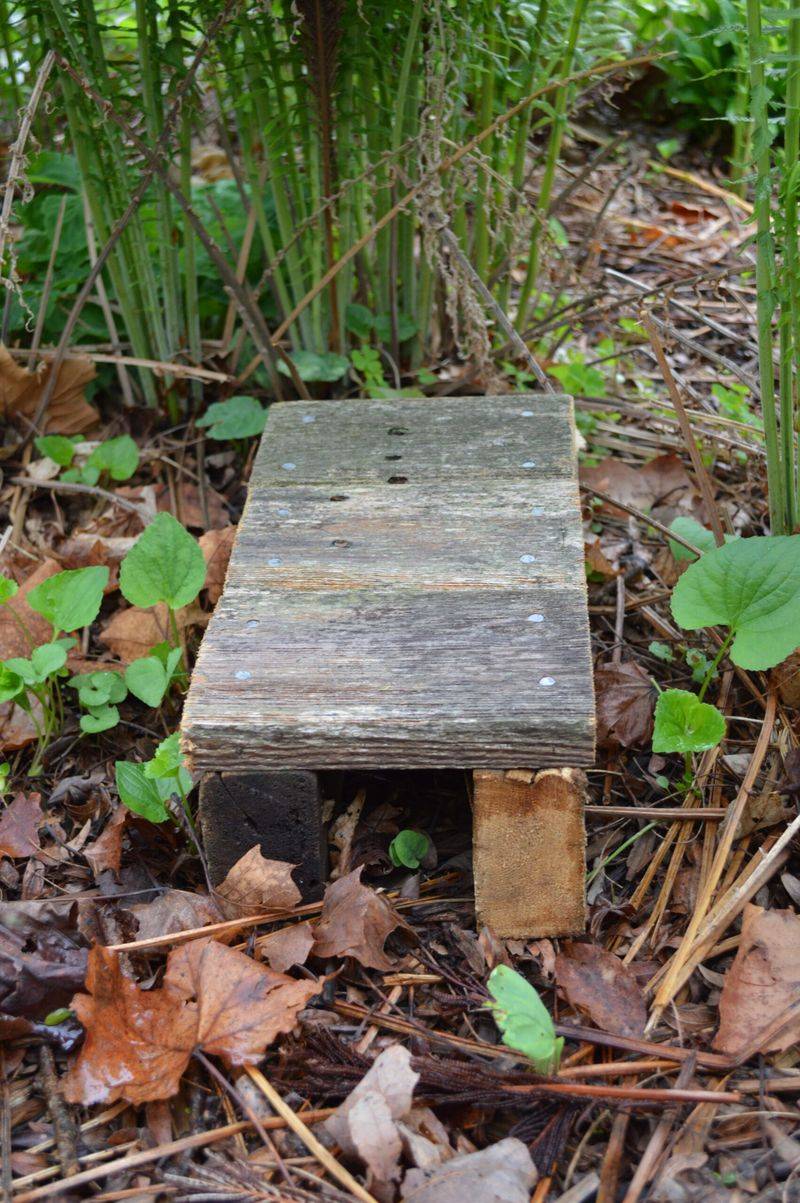
Making your garden bed more welcoming for a toad does not require a pond, a water garden, or a construction project.
The goal is cool, damp shelter within easy reach of a small, clean water source.
That is actually a modest ask.
According to Penn State Extension’s Master Gardener guidance on garden toads, a simple overturned clay pot with a ground-level opening, set in a quiet shady corner, works as well as anything more elaborate.
A loose rock pile, a thick layer of leaf mulch, or a dense low-growing plant like Pennsylvania sedge can serve the same purpose.
The hiding spot should stay in the shade for most of the day, especially during the hot, humid Pennsylvania summers that push afternoon temperatures above 85 degrees Fahrenheit in many parts of the state.
Southeastern Pennsylvania and the Delaware Valley tend to see the most intense summer heat, so shade matters even more there.
For water, use a low, wide container, something like a clay saucer or a shallow ceramic dish, and set it partly into the soil so the toad can step in and out without effort.
Keep the water no more than an inch deep.
Refresh and clean the dish every 2 to 3 days to prevent mosquito larvae from developing and to keep algae from building up.
Stagnant water is not a kindness to the toad or to your neighbors.
The Pennsylvania Fish and Boat Commission notes that American toads need moist conditions, not waterlogged ones.
Avoid turning the bed into a permanently wet area.
Soggy soil invites root rot and does not make the toad any happier than it already is in a damp, shaded corner.
A modest refuge is genuinely safer and simpler than anything that involves a shovel and a liner.
Leave Some Cover Through the Seasons
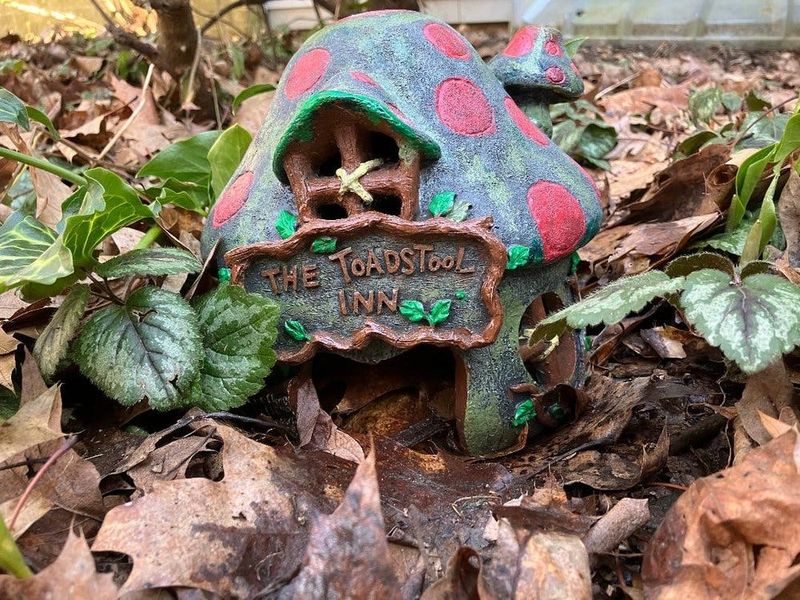
Fall cleanup is one of those moments where good intentions can accidentally make the garden less welcoming.
Many Pennsylvania gardeners rake every leaf and pull every stem in October, leaving bare soil through the winter months.
Leaving selected natural cover in place is one of the simplest things you can do to support a resident toad through the colder part of the year.
Penn State Extension’s fall garden care guidance recommends leaving leaf litter and some plant debris in protected areas, particularly beneath shrubs and trees, because many beneficial organisms use that material through winter.
For a toad, that same leaf layer provides cover, holds moisture, and insulates the soil above its overwintering burrow.
You do not need to leave the whole yard messy; a patch beneath a spicebush or a low pile near the back of the bed is enough.
Adjust your timing and approach to local conditions rather than following one statewide calendar.
In the northern tier and along the Allegheny Plateau, hard freezes can arrive by mid-October, so leaving cover in place before then gives the toad time to settle in.
In southeastern Pennsylvania, where the growing season can stretch closer to November, the window is longer.
Watch your local weather rather than a fixed date.
One more point worth knowing: an adult toad spending the summer in your bed does not mean the bed contains a breeding site.
Pennsylvania’s natural heritage vernal pool guidance identifies American toads as users of seasonal breeding habitats, typically quiet, shallow water away from your garden.
The Pennsylvania Fish and Boat Commission confirms that adults can spend summer well away from ponds.
Your dry garden bed is a summer residence, not a nursery.
Protect the Toad Before You Spray
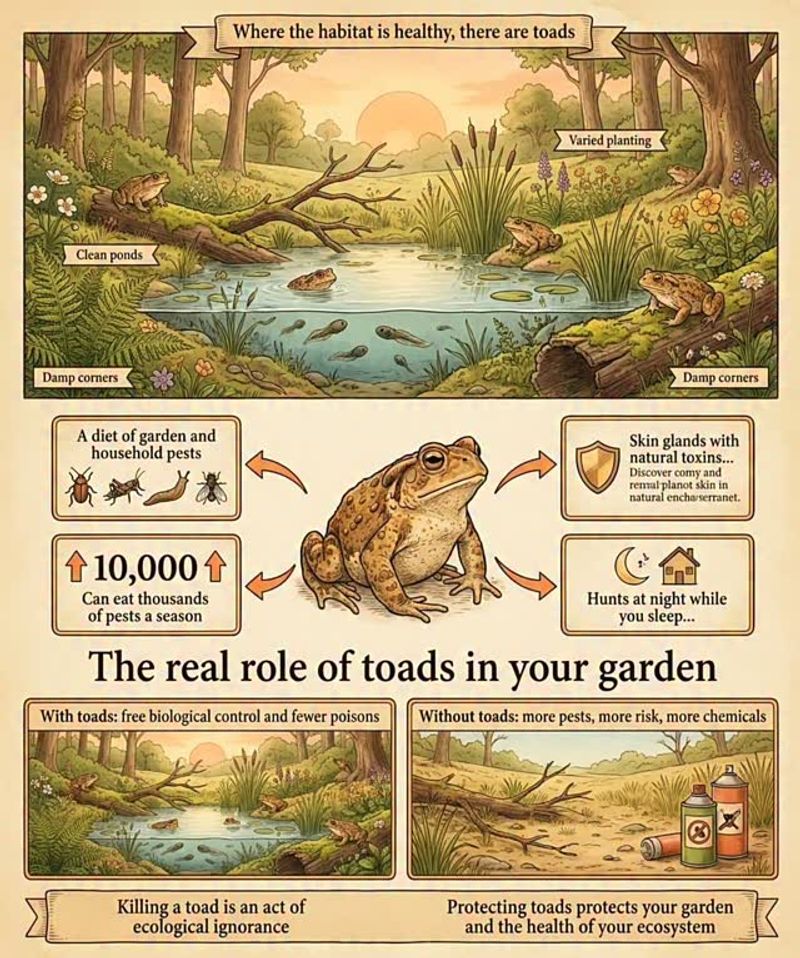
Pest damage shows up fast in a Pennsylvania summer garden, and the instinct to grab a spray bottle is understandable.
Before you reach for one, the toad in your bed deserves a moment of consideration.
Amphibian skin is permeable, meaning it absorbs water and, unfortunately, chemicals from the environment around it.
EPA research on pesticide uptake in frogs and toads documents that pesticides can enter through the skin and affect amphibians even without direct spraying.
The better path starts with identifying the pest correctly.
A chewed kale leaf could be cabbage loopers, slugs, or flea beetles, and the right response is different for each one.
Monitor the damage over several days to see whether it is spreading or stable.
Try cultural adjustments first, like removing affected leaves, improving air circulation, or adding a row cover.
Physical controls like hand-picking, copper tape for slugs, or sticky barriers often solve the problem without putting the toad at risk.
If a pesticide is genuinely necessary after those steps, the EPA is clear that pesticide labels are legally enforceable, and those labels include specific restrictions on where, when, and how a product may be applied.
Follow every instruction on the label, including any product-specific restrictions involving wildlife, water, wind, rainfall, and runoff.
Avoid spraying directly on the toad, on its shelter, or near the shallow water dish.
Penn State Extension’s pest management steps frame this well: choose the narrowest effective response rather than a broad application that harms organisms you did not intend to target.
Protecting the toad and managing crop damage are not opposing goals; they work together when you slow down and identify the actual problem first.
Let the Toad Stay Wild
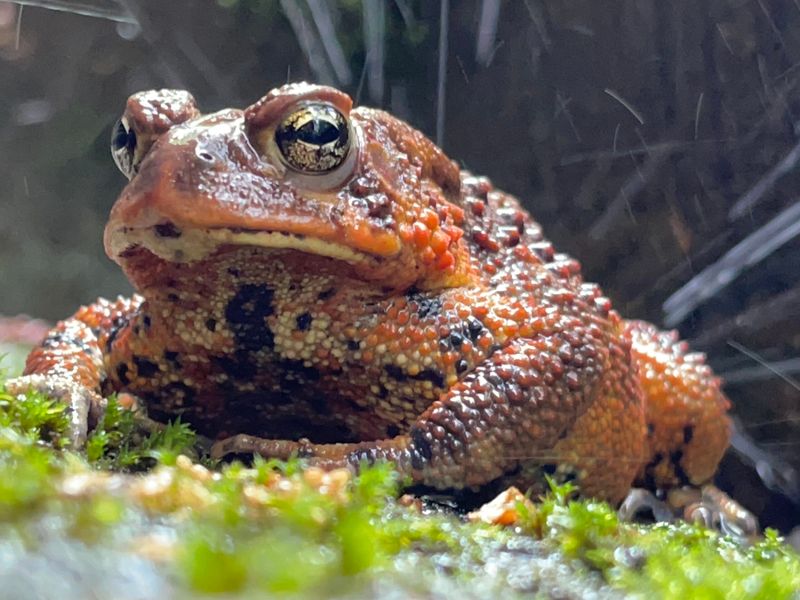
The toad does not need your food, your help relocating, or a companion you ordered online.
Feeding a wild toad is unnecessary because it already knows how to forage, and leaving food out can attract raccoons, rodents, and other animals you did not invite.
Pennsylvania Fish and Boat Commission regulations address the taking and possession of native amphibians, and the Commission advises against releasing pets or nonnative animals into the wild.
Buying toads for pest control and releasing them carries real risks, both to native populations and to the animals themselves.
On the wart question: touching a toad does not give you warts.
That myth has been circulating for generations and has no basis in biology.
What toad skin secretions can do is irritate mucous membranes, so rubbing your eyes after handling one is a bad idea.
Amphibians can also carry Salmonella.
CDC guidance on reptiles and amphibians recommends that children under 5 not handle wild amphibians, and that everyone wash hands thoroughly after any necessary contact.
The Pennsylvania Fish and Boat Commission’s Beautiful Bufo educational material echoes the same hygiene advice for handling toads.
Keep dogs and cats from biting or mouthing wild amphibians.
Pennsylvania’s garden toads are not the same animal as the cane toad documented in southern U.S. states, but a mouthed toad is still a stressed, potentially injured wild animal.
The best response to finding a toad in your bed is to leave it where it is.
It found a pocket of usable cover, shade, and prey on its own.
Protect that habitat, keep pest management targeted and careful, and the toad will handle the rest of its life without any help from you.