
The Underrated North Carolina Native Vine That Covers A Bare Fence Before Summer Ends
Follow us on Google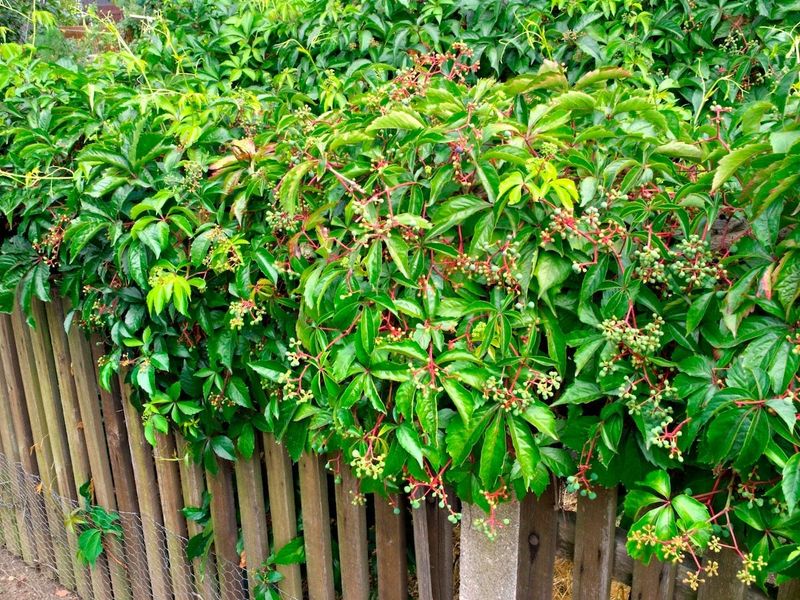
Most North Carolina homeowners stare at a bare backyard fence all spring and wonder if anything can fix it before the cookouts start. One native vine has been quietly doing exactly that job for decades, and most people walk right past it without a second look.
Virginia creeper grows fast, grips a sturdy fence on its own, and turns an exposed wood barrier into a leafy green backdrop that songbirds will actually use. The catch is that it comes with a few real limits worth knowing before you plant it.
Virginia Creeper Is An Overlooked Fence Hero
Parthenocissus quinquefolia, commonly called Virginia creeper, has been growing along fence rows, woodland edges, and creek banks across North Carolina since long before anyone was planting it on purpose. It is a woody perennial vine native to eastern North America, and NC State Extension’s plant database describes it as rapid-growing and capable of reaching 30 to 50 feet or more at maturity, with a listed width of approximately 5 to 10 feet.
That is a lot of vine, and on a bare six-foot fence, it can mean the difference between staring at weathered boards and sitting behind a wall of summer green.
What makes it genuinely useful for a fence is the way it climbs. The vine sends out tendrils that end in small adhesive holdfasts, sticky pads that grip surfaces without requiring wire, zip ties, or a separate trellis in many situations.
Picture a slow-motion hand pressing itself flat against wood or chain link, spreading its fingers, and holding on. That is essentially what the holdfasts do, and once they set, they hold through North Carolina’s afternoon thunderstorms and muggy August heat.
Most people overlook this plant because it looks ordinary during the week you buy it. A small pot at the nursery gives no hint that the vine is capable of covering serious ground in a single warm season under the right conditions.
It is not a rare plant or a secret discovery. It is a well-documented native that wildlife organizations, extension programs, and experienced NC gardeners have recognized for years.
The reason it feels underrated is simply that nobody talks about it the way they talk about knockout roses or crape myrtles. Once a Virginia creeper gets established and finds a sunny fence to run along, the transformation from exposed boards to leafy summer backdrop can be startling.
A One-Season Screen Needs A Head Start
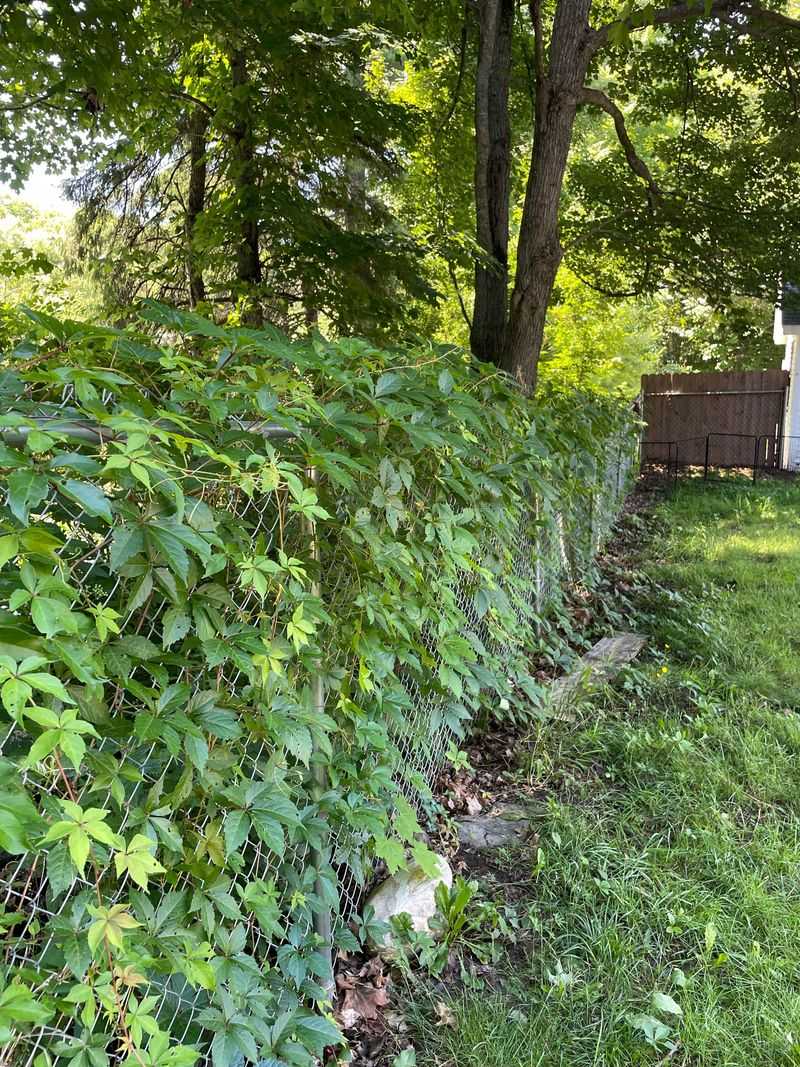
Fast coverage by the end of summer is genuinely possible with Virginia creeper, but the headline version of that promise deserves a closer look. NC State lists the plant’s mature length, not a measured annual growth rate, and the difference matters when you are standing in the nursery deciding what to buy.
A newly planted small vine may spend its first summer mostly getting its roots settled, then explode with growth in year two or three. An established plant or a large nursery specimen planted early in a favorable spot has a much better shot at producing a dramatic first-season result.
Several variables work together to shape how much fence the vine covers before fall. Starting plant size is probably the biggest factor, so buying the largest healthy specimen your budget allows gives you a real head start.
Planting date matters too. Getting the vine in the ground in early to mid-spring, while North Carolina’s soil is warming but before the worst of summer heat arrives, gives roots time to anchor before the vine is asked to push hard growth.
Consistent moisture during that establishment window makes a measurable difference, especially in Piedmont red clay where drainage can be unpredictable.
Sun exposure, fence height, and soil drainage round out the picture. A six-foot fence in full sun with decent drainage gives the vine a clear target and the energy to reach it.
A taller fence in part shade with compacted soil sets a harder challenge. None of those conditions make coverage impossible, but they do shift the timeline.
The honest version of the headline promise is this: Virginia creeper can transform a bare North Carolina fence quickly in the right situation, and the right situation is one you build deliberately rather than one you stumble into.
Its Holdfasts Can Make The Fence Work
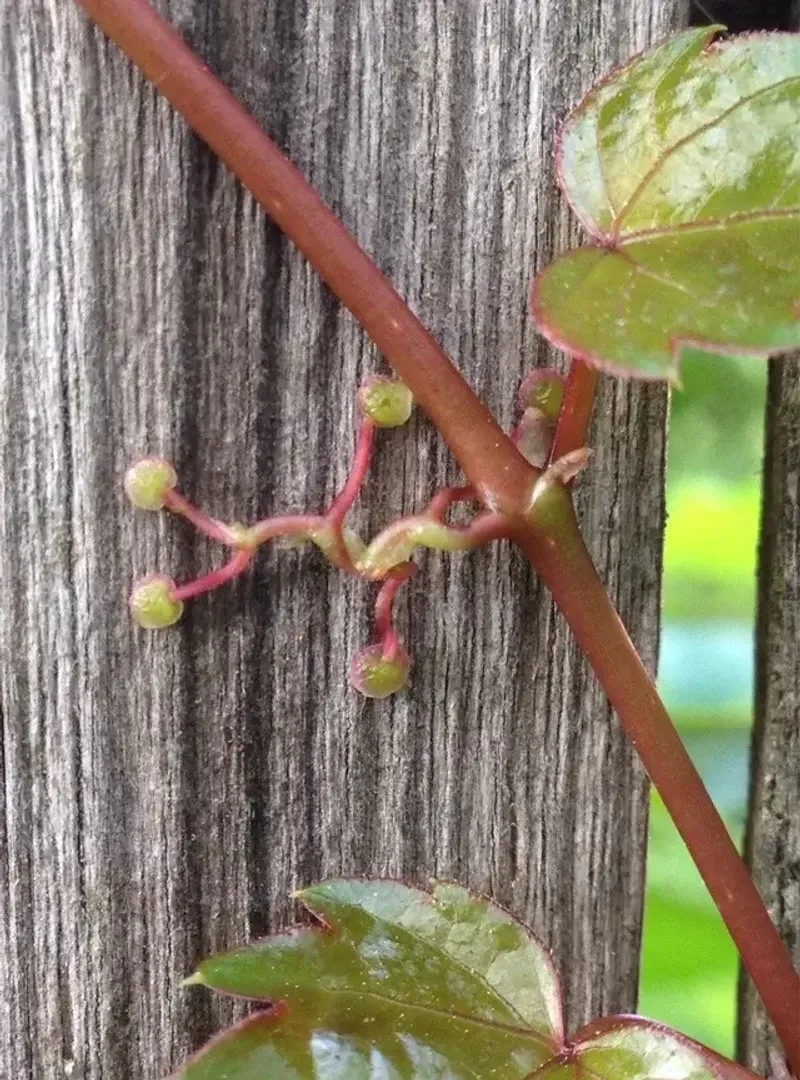
Here is where it gets tricky. The same adhesive holdfasts that make Virginia creeper so useful on a fence can become a problem on anything you ever want to paint, repair, or inspect.
NC State specifically warns against planting Virginia creeper near wood or shingle walls because removal can damage painted surfaces, and the same logic applies to gutters, shutters, wiring, and roof edges. The holdfasts leave marks, and pulling a vine off a surface it has been gripping for two or three seasons is not a quick Saturday morning task.
A sturdy, freestanding fence with secure posts and solid boards is the right host for this vine. Chain link, cedar, and pressure-treated wood all give the holdfasts enough texture to grip without immediately creating a repair problem, provided the fence is structurally sound before the vine arrives.
A fence with loose boards, weak posts, or fresh paint is a worse candidate. The vine will find the weak spots and make them harder to reach.
Keeping the vine off the house matters more than most people expect. Give the fence at least several feet of clearance from siding, vents, and any surface connected to the structure.
That gap is your inspection corridor, the space where you can see what the vine is doing before it does something expensive. NC State also recommends sturdy support for vertical spaces, so if a section of fence is already wobbly, fix it before you plant.
A vine that weighs down a failing fence post does not make the fence more useful. It makes the repair harder and the mess bigger.
The goal is a fence that can hold the vine and still be worked on when it needs attention.
Light And Space Shape The Screen
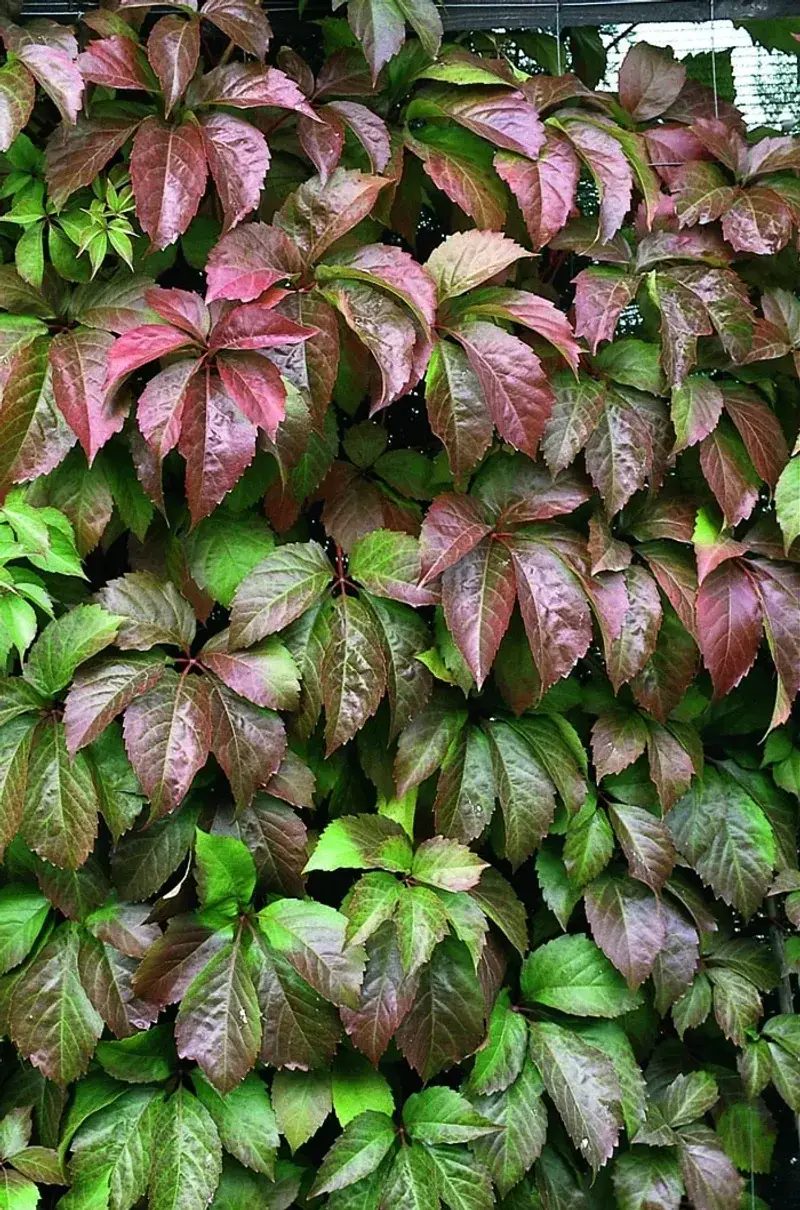
Placement is the decision that determines whether you get a dense green screen or a thin, patchy vine that never quite delivers. According to NC State Extension, Virginia creeper grows in full sun to part shade and tolerates full shade, but full sun or ample direct light generally favors denser summer growth and stronger fall color.
If the fence you have in mind sits in the shadow of a two-story addition most of the day, the vine will survive, but it may not give you the solid screen you are picturing.
The plant’s tolerance list is genuinely impressive. It handles Piedmont red clay, compacted soils, heat, drought, salt, air pollution, and deer pressure better than most ornamental vines.
That means a fence along a busy suburban street or a coastal yard with sandy soil and salt wind is still a workable situation. Mountain yards in the western part of the state and Sandhills properties with fast-draining soil can support the vine too, as long as moisture and drainage are adequate during establishment.
The tolerance for tough conditions does not eliminate the need for reasonable soil moisture, especially in the first growing season.
Spacing deserves attention before you buy multiple plants. The listed mature width of 5 to 10 feet means each plant needs lateral room to spread without crowding its neighbors into a tangled mess.
Leaving several feet between plants along the fence gives each one space to fill its section, makes future pruning easier, and keeps air moving through the foliage. Packing plants tightly together might seem like a shortcut to faster coverage, but it usually creates a maintenance headache by year three.
One well-sited plant in the right spot will outperform three cramped ones every time.
Early Training Keeps The Vine In Bounds
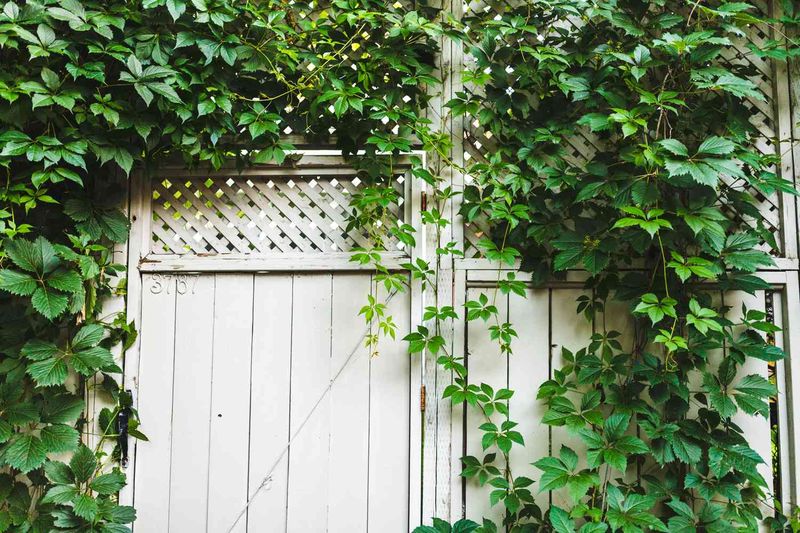
The first few weeks after planting are the easiest time to point this vine in the right direction, and skipping that step is how a fence project turns into a tree project. Young stems are flexible and easy to redirect.
Gently weave them through fence boards or lay them against the surface you want covered, and the holdfasts will start doing their job within a few days of contact. Once the vine decides it likes a direction, it moves fast, so the initial guidance matters more than most people expect.
NC State recommends trimming Virginia creeper regularly to keep it in bounds, and in North Carolina’s growing season that recommendation is not casual advice. From late spring through early September, the vine can push new growth quickly during warm, humid stretches.
Checking it every two to three weeks during peak summer growth gives you a chance to redirect stems before they reach something you do not want covered. Priority inspection points include any place where the vine approaches roof edges, gutters, windows, electrical wiring, neighboring trees, or the gap between the fence and the house.
Native status does not mean hands-off behavior. NC State actually labels Virginia creeper as weedy, which is a useful word to sit with before you plant.
A weedy native is still native, still ecologically valuable, and still the right plant for a fence screen in many North Carolina yards. But it will not stay politely on its side of the fence without your involvement.
The pruning routine that keeps it beautiful is also the routine that preserves your ability to repaint a fence board, inspect a post for rot, or replace a section without fighting through two seasons of accumulated growth. Think of the pruning as the price of admission, and it feels much more manageable.
Summer Privacy Gives Way To Winter Stems
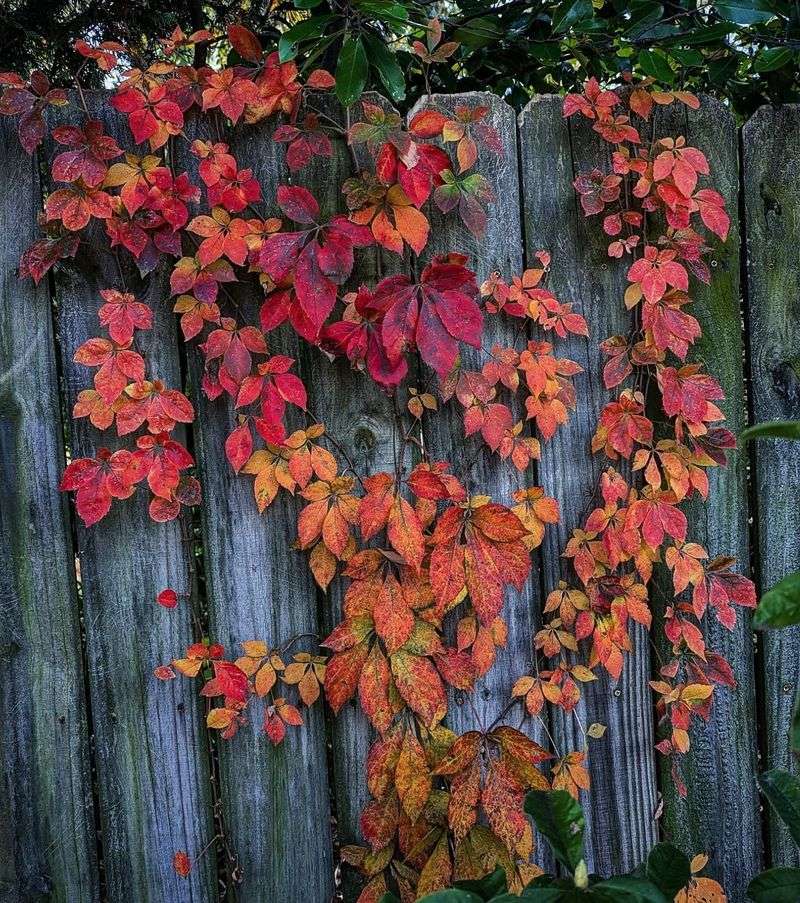
The view from your porch in July, when Virginia creeper is in full leaf and the fence has disappeared behind a wall of green, is genuinely satisfying. That same fence in January tells a different story.
Virginia creeper is deciduous, and after leaf drop in fall, the bare stems and fence boards come back into view. Anyone who plants this vine expecting year-round privacy will be surprised by the first winter, so setting that expectation clearly before planting saves real disappointment.
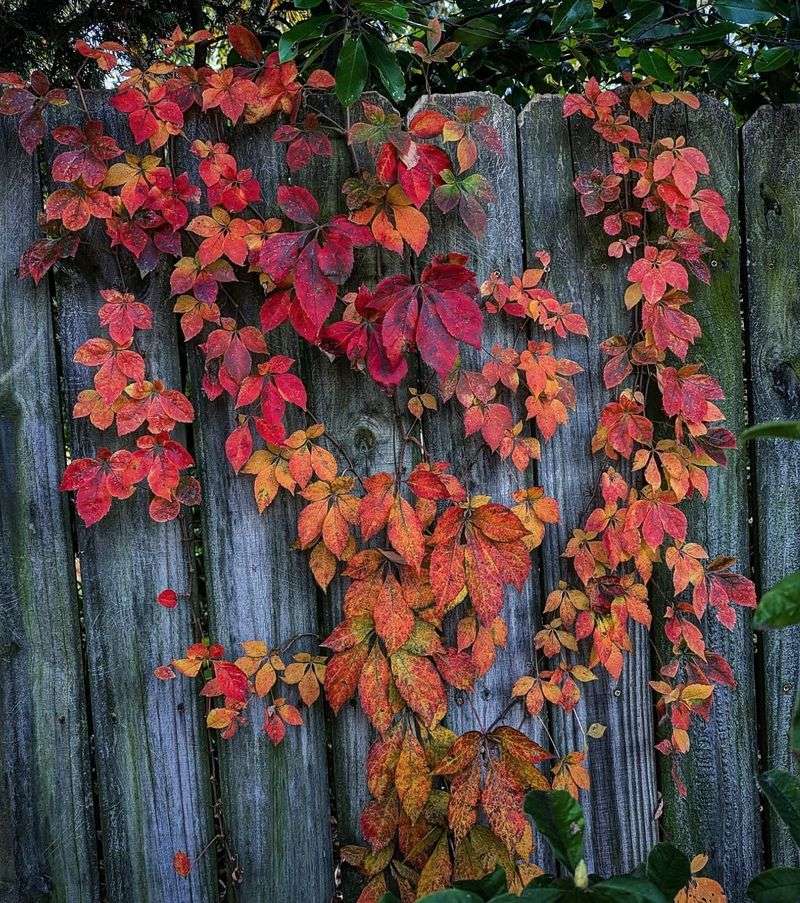
Fall color is a potential bonus worth mentioning. The leaves can turn brilliant red and burgundy before they drop, and in a good year on a sunny fence, that display is striking enough to make the seasonal tradeoff feel worthwhile.
The intensity of fall color varies by site, sun exposure, and the particular conditions of any given autumn, so it should be treated as a likely benefit rather than a guarantee. What you can count on is the bare-stem period, and planning for it might mean pairing the vine with an evergreen shrub along the same fence line for winter structure.
The seasonal rhythm also shapes the vine’s wildlife value, which runs on its own schedule. The flowers are small and easy to overlook, but they produce nectar that bees and other pollinators use during summer.
Later in the season, the blue-black fruits ripen and become a food source for songbirds and small mammals. NC State’s wildlife landscaping guidance includes Virginia creeper as a fruit-producing vine with genuine habitat value.
The birds are not eating all summer, the fruit comes later, and the nectar comes first. Understanding that sequence helps you see the vine as a seasonal habitat asset rather than a year-round wildlife solution.
The Berries And Fire Risk Change Where It Belongs
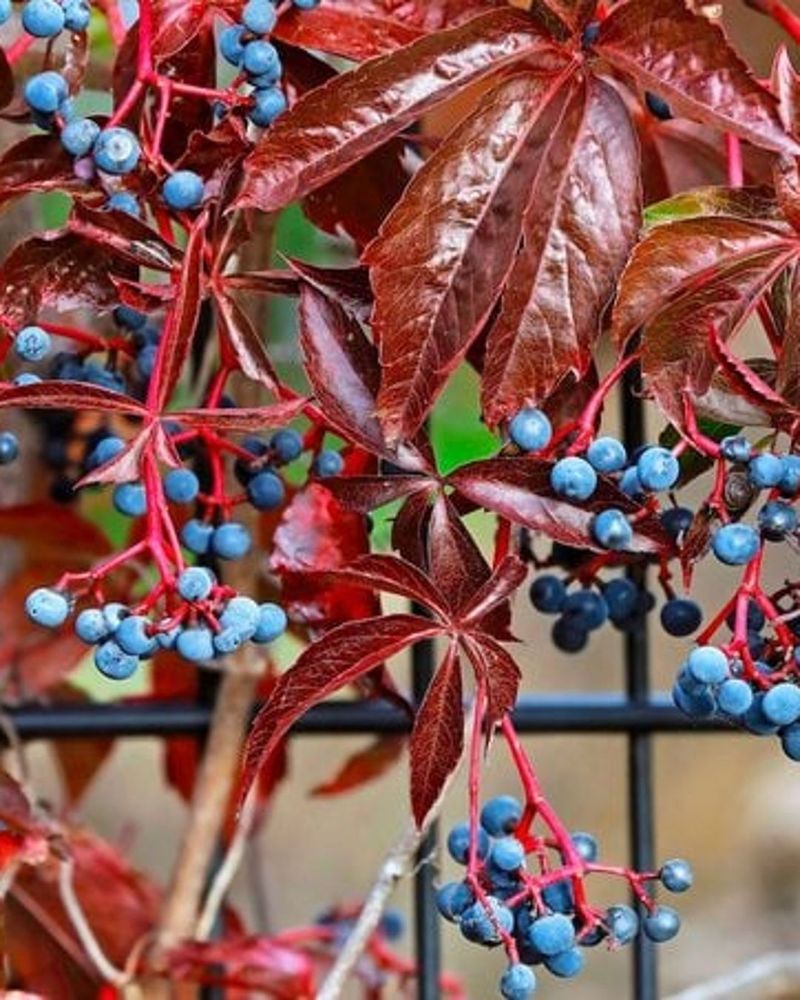
Two facts about Virginia creeper change the placement conversation entirely, and both of them deserve a clear-eyed look before you decide where to plant. The first involves the fruit.
The blue-black berries that ripen in late summer and fall are poisonous to humans. NC State lists the fruit as high-severity poisonous, with potential effects including nausea, abdominal pain, vomiting, diarrhea, and in serious cases, potentially fatal poisoning.
If your yard includes young children who pick up berries out of curiosity, or anyone likely to handle or eat the fruit, keep this vine away from play areas, patios where berries may fall and collect, and any spot where fallen fruit is likely to be picked up off the ground.
The poison ivy confusion comes up often enough to address directly. NC Cooperative Extension’s leaf identification guidance notes that poison ivy usually has three leaflets, while Virginia creeper generally has five leaflets radiating from a single point.
That difference is a useful starting clue, but Virginia creeper can occasionally produce three to seven leaflets, so leaflet count alone is not a reliable identification method in every case. The important distinction is that Virginia creeper’s leaves and stems do not contain the urushiol oil that causes poison ivy’s rash, as Alexander County Extension confirms.
That is a meaningful difference, but it does not make the plant safe in every way. The fruit is a separate and serious concern.
The second placement issue is fire. NC State assigns Virginia creeper a high flammability rating, and NC State’s fire-resistant landscaping guidance supports keeping high-flammability plants out of the defensible space immediately surrounding a home.
Keep this vine away from decks, vents, propane equipment, siding, and any ignition-sensitive feature. A fence several feet from the house, with a clear gap between the vine and the structure, is a safer host than a fence that runs directly alongside the foundation or under a deck overhang.
Both the berry risk and the fire risk are manageable with deliberate placement. They just require knowing about them before the vine goes in the ground.
Use Its Speed Without Losing Control
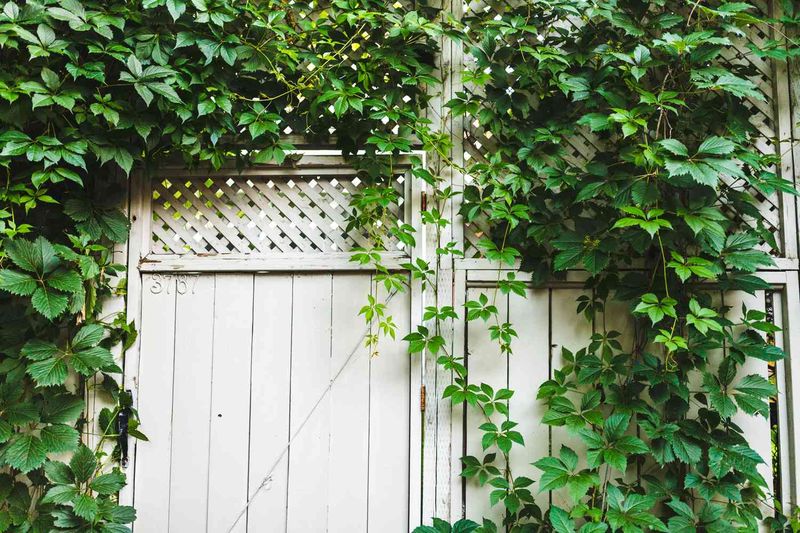
Choosing a sturdy fence well away from the house is the first real decision, and it shapes every other choice that follows. A fence with solid posts, sound boards, and enough clearance from siding and roof edges gives you a host the vine can actually use without creating a repair problem.
Once you have that fence, the planting decision comes down to site conditions: ample direct light if possible, reasonable drainage, and enough lateral room between plants to let each one fill its section without crowding.
Start with the largest healthy nursery specimen your budget allows. NC State’s plant profile makes clear that Virginia creeper’s 30-to-50-foot-or-more mature length reflects eventual size, not a guaranteed first-season sprint.
A bigger starting plant gives you a better shot at meaningful coverage in year one, especially if you get it in the ground in early spring and keep it watered through the establishment period. Guide young stems toward the fence from the start, and check the vine every two to three weeks through summer to redirect growth before it reaches gutters, windows, or neighboring trees.
Virginia creeper can genuinely transform a bare North Carolina fence in a single warm season under favorable conditions. The result depends on a head start, a good site, and a simple but consistent maintenance routine.
Fast coverage is the reward, and the ongoing trimming is the price. A vine that knows its boundaries stays useful for years.
One that gets ignored for a season or two starts writing its own agenda, and that agenda usually involves the oak tree at the back corner of the yard. Plant it with intention, keep your eyes on it through summer, and it will do the heavy lifting.