
The Florida Native Plants That Bring Gopher Tortoises In And The Legal Weight That Follows
Follow us on Google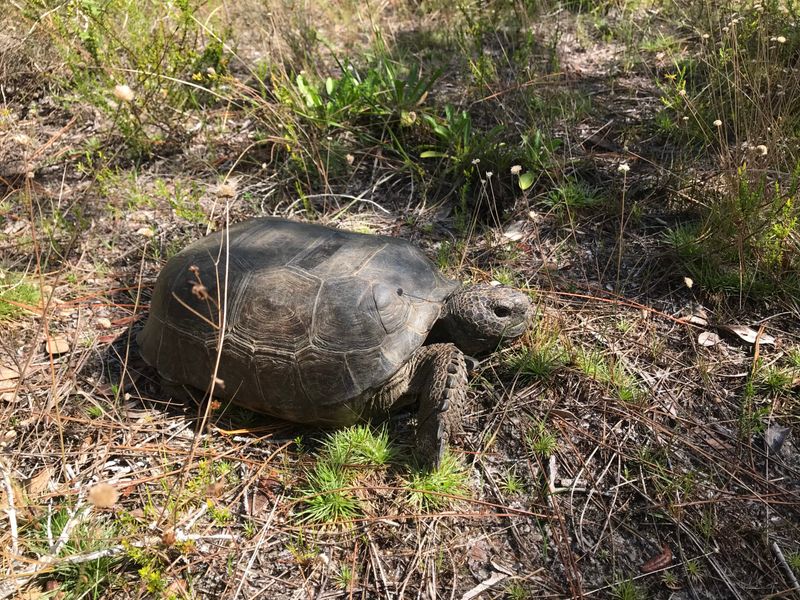
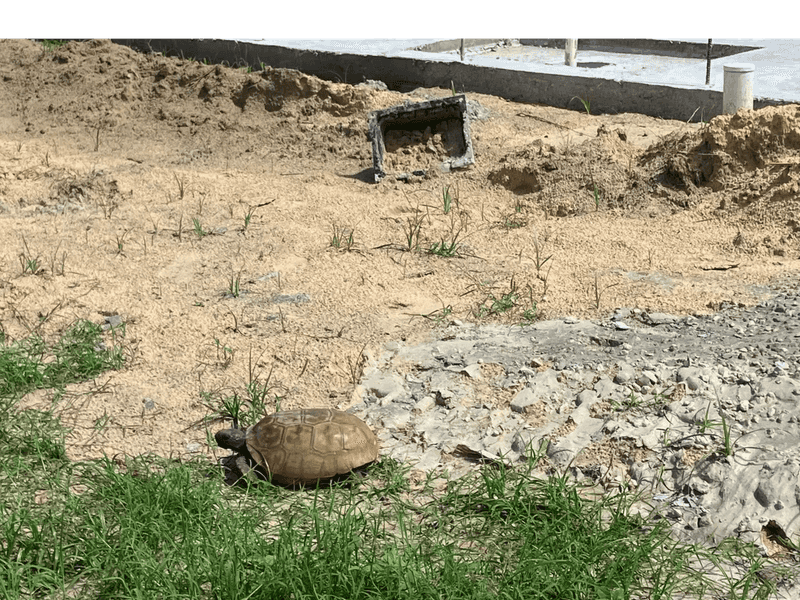
Step outside on a warm Florida morning and you might spot a slow, deliberate visitor crossing your yard, a gopher tortoise heading somewhere with quiet purpose.
Florida homeowners are planting more native species than ever, and some of those plants genuinely do make a yard more useful to one of the state’s most remarkable upland animals.
Knowing which plants help, and what the law requires the moment a burrow appears, can save you from a costly mistake and turn your yard into something worth being proud of.
Plants Improve Forage, Not The Odds Of A Guaranteed Visit
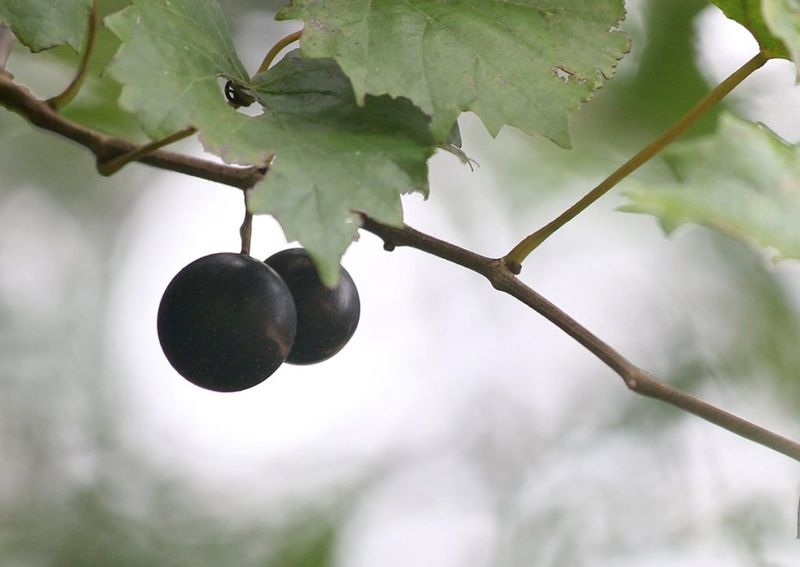
Wild grape, Vitis rotundifolia, scrambles along a sunny fence in North Florida and produces fruit that gopher tortoises will actively seek out.
That image captures something real, but it also captures something easy to misread.
Planting native forage can make suitable habitat more useful to a tortoise already living or moving nearby, yet no plant or combination of plants can guarantee that a tortoise will show up in your yard.
The Florida Fish and Wildlife Conservation Commission, known as FWC, rates forage plants on a four-level scale: very high, high, moderate, and low.
FWC’s gopher tortoise plant guide explains that very-high-rated plants are preferred and produce substantial food biomass, while high-rated plants are actively sought but contribute somewhat less.
Tortoises generally forage within roughly 160 feet of their burrow, though they may travel more than twice that distance, so a well-planted patch close to suitable habitat can genuinely matter.
Among the strongest candidates, wild grape (Vitis rotundifoliaVitis aestivalis) and summer grape () both earn very-high forage ratings.
Paintbrush, Carphephorus spp., also rates very high and adds a splash of rosy purple to a late-summer yard.
Gopher apple, Licania michauxii, is a low-growing groundcover rated high, and it spreads slowly across sandy soil in a way that mimics the natural ground layer tortoises depend on.
Vines, wildflowers, native grasses, and low groundcovers form the backbone of a tortoise-friendly planting because they stay within reach of an animal that browses close to the ground.
Seasonal fruiting shrubs add variety, though FWC’s forage plant PDF notes that many shrubs and trees receive moderate or low ratings because their food is available for shorter periods.
A planting that layers vines, flowers, and groundcovers gives a tortoise more options across more months of the year.
Food Helps Only Where Habitat Fits
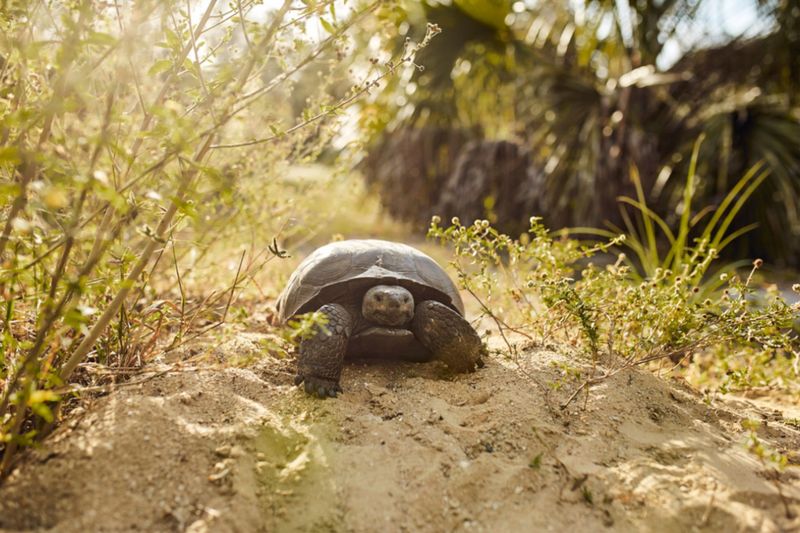
A perfectly planted bed full of native forage will not move a gopher tortoise into your yard if the conditions underneath and around that bed are wrong.
Gopher tortoises are creatures of well-drained upland habitat, the kind of open, sandy, sunlit ground that much of Florida’s Panhandle and Central Florida scrub once provided in abundance.
A shaded ornamental bed with compacted clay soil or a soggy low spot near a drainage swale is simply not where a tortoise wants to be, regardless of what grows there.
According to FWC’s December 2024 Gopher Tortoise Management Plan, tortoises are strongly associated with sparse canopy cover, abundant low-growing vegetation, and the sandy or otherwise loose, well-drained soils they need to excavate their burrows.
A yard that holds standing water after Florida’s afternoon downpours, or one shaded by a solid canopy of live oaks, offers poor digging conditions even if the forage is excellent.
Safe access matters just as much as soil and sun.
Roads, privacy fences, solid walls, and dense development pressure between a tortoise population and your property can reduce the chance that any individual tortoise finds its way to a yard, no matter how well planted it is.
Forage is one piece of habitat enhancement, and a meaningful piece, but it works best when the surrounding conditions already lean toward the open, dry, sunny upland that tortoises prefer.
Think of your native planting as improving the value of ground that is already reasonably suitable rather than converting unsuitable ground into tortoise territory.
A sunny, sandy patch along the south or west side of a Florida home, kept low and open, gives forage the best chance of doing its job.
Choose Plants From Your Florida Region
Florida stretches across more than 400 miles from the Panhandle to the Keys, and a plant that thrives in Leon County may struggle or simply not be native to Collier County.
FWC divides its gopher tortoise planting guidance into four regional guides, and matching your choices to your region is one of the most practical things you can do before buying a single plant.
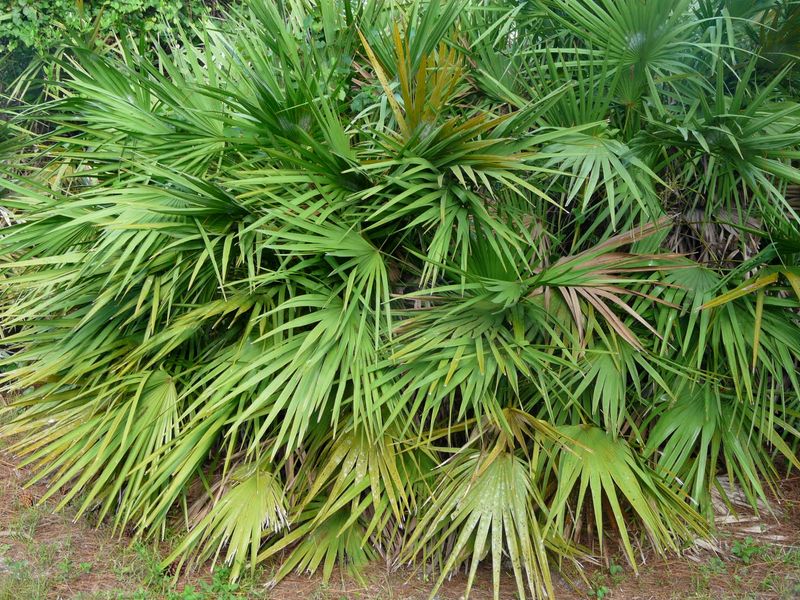
In the Northwest and North Central regions, which cover the Panhandle and areas around Gainesville and Tallahassee, FWC’s Northwest and North Central plant guide highlights saw palmetto (Serenoa repensVaccinium corymbosumVaccinium darrowiiVaccinium myrsinitesRubus spp.Callicarpa americanaGaillardia spp.), blueberry (, , and ), blackberry (), American beautyberry (), blanket flower (), gopher apple, native asters, and native grasses as strong candidates.
These plants are genuinely at home in the sandy, acidic soils common across much of North Florida.
The Northeast guide adds wild grape and summer grape as very-high-forage options suited to the Atlantic Coast corridor.
Moving south, the Southwest guide features gopher apple and prickly pear (Opuntia spp.) as well-adapted choices for the Gulf Coast uplands.
The South guide leans toward beautyberry, coco plum (Chrysobalanus icaco), white stopper, native hibiscus, weeping lantana, and blackberry for properties from the Greater Miami area through the southwestern coast.
FWC’s yard-recognition program recommends planting at least three high- or very-high-forage species as a program criterion.
That recommendation belongs to the recognition program specifically, not to every Florida homeowner as a legal requirement.
Still, aiming for at least three regionally appropriate forage species, as described in the FWC yard-recognition guidelines, gives your planting enough variety to support a tortoise across different seasons and food preferences.
Create A Forage Patch Without Creating New Risks
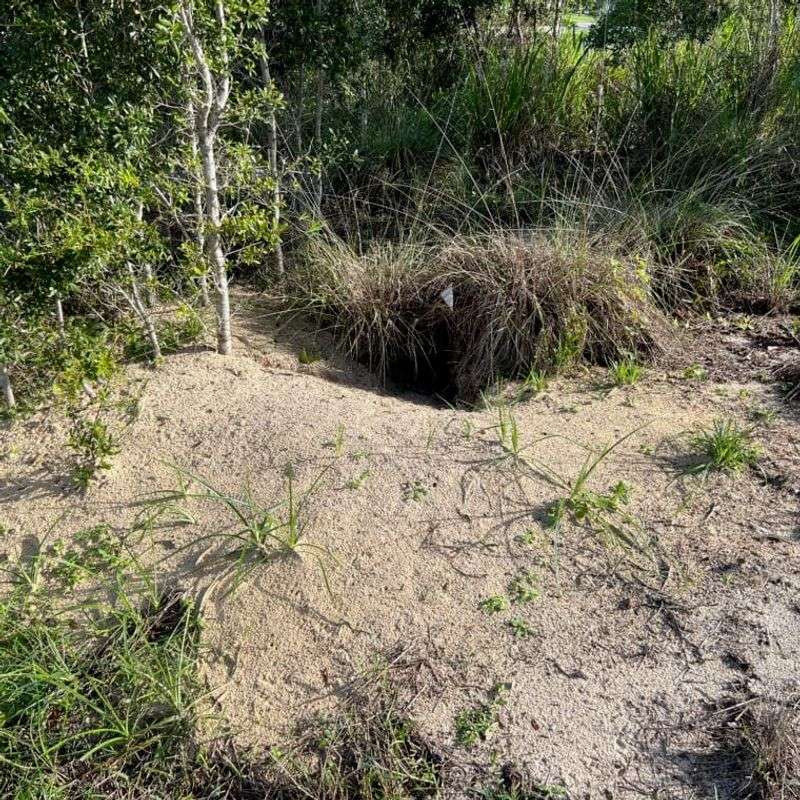
A good forage patch is simpler than most gardeners expect.
Pick a spot that gets at least 6 hours of direct sun, keep the canopy open overhead, and combine several of your regionally appropriate forage plants so the tortoise has choices.
Low-growing species, groundcovers, native grasses, and spreading vines work better together than a single dominant shrub surrounded by bare mulch.
Seasonal fruiting shrubs and small trees can supplement that base, but many receive moderate or low forage ratings because their fruit is available for only a few weeks each year.
They are worth including as one layer, not as the entire planting strategy.
FWC’s forage plant guide also warns that invasive plants can displace native forage and degrade tortoise habitat over time, so check any new addition against Florida’s invasive species list before planting.
Here is where herbicide use deserves a second thought.
Many plants that homeowners routinely spray as weeds, including some native clovers, native dayflower (Commelina spp.Amphicarpum muhlenbergianum), and blue maidencane (), are actually rated high-forage plants for tortoises.
Treated vegetation can pose a risk if a tortoise eats it shortly after application, so limiting herbicide use in and around a forage area is a practical protective step, not just an environmental preference.
There is also a meaningful difference between planting in a yard where no burrow exists and digging, grading, or moving soil near a suspected existing burrow.
Planting and gentle habitat improvement before a burrow is present is straightforward gardening.
Once a burrow appears, FWC’s permitting guidance becomes relevant for any work that could disturb the ground nearby, and the next sections explain exactly what that means.
The FWC yard-recognition program also offers practical planting layout ideas worth reviewing before you break ground.
Protection Applies Before A Yard Gets A Sign
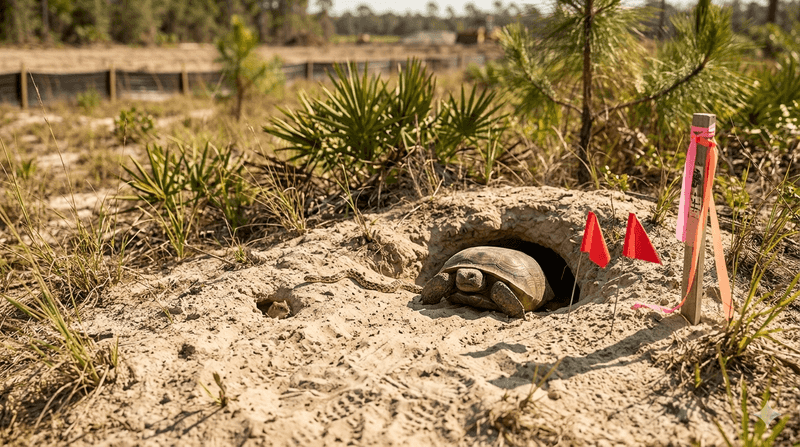
Florida law does not wait for a yard to earn a recognition sign before it protects a gopher tortoise.
The protection is already in place.
Florida Administrative Code Rule 68A-27.003 lists the gopher tortoise as a state-designated Threatened species and prohibits taking, harassing, capturing, possessing, transporting, or harming a tortoise, its eggs, or its burrow unless authorized by an FWC permit or covered by an approved guideline.
That protection applies regardless of whether you planted anything, enrolled in a program, or even knew the tortoise was there.
When a suspected burrow appears in your yard, the practical response is to pause potentially damaging development-related work in or near the applicable protection area.
That means clearing, grading, excavation, construction, hardscape installation, and staging heavy equipment should stop pending FWC guidance.
The protection area and the 25-foot development buffer described in the next section apply to those kinds of activities, not to every step you take in your yard.
The ecological stakes behind this protection are worth understanding.
FWC’s 2024 management plan notes that a typical gopher tortoise burrow averages about 14.8 feet long and 6.6 feet deep.
That tunnel can shelter roughly 350 to 400 other species, including gopher frogs, eastern indigo snakes, Florida pine snakes, and Florida mice.
A burrow is not just a tortoise’s home; it is a shared resource for a surprising slice of Florida’s wildlife.
Importantly, FWC expressly states that receiving a friendly-yard recognition sign does not authorize relocation or disturbance of a tortoise or burrow.
The sign reflects a planting commitment, not a legal exemption.
Apply The Twenty-Five-Foot Rule Precisely
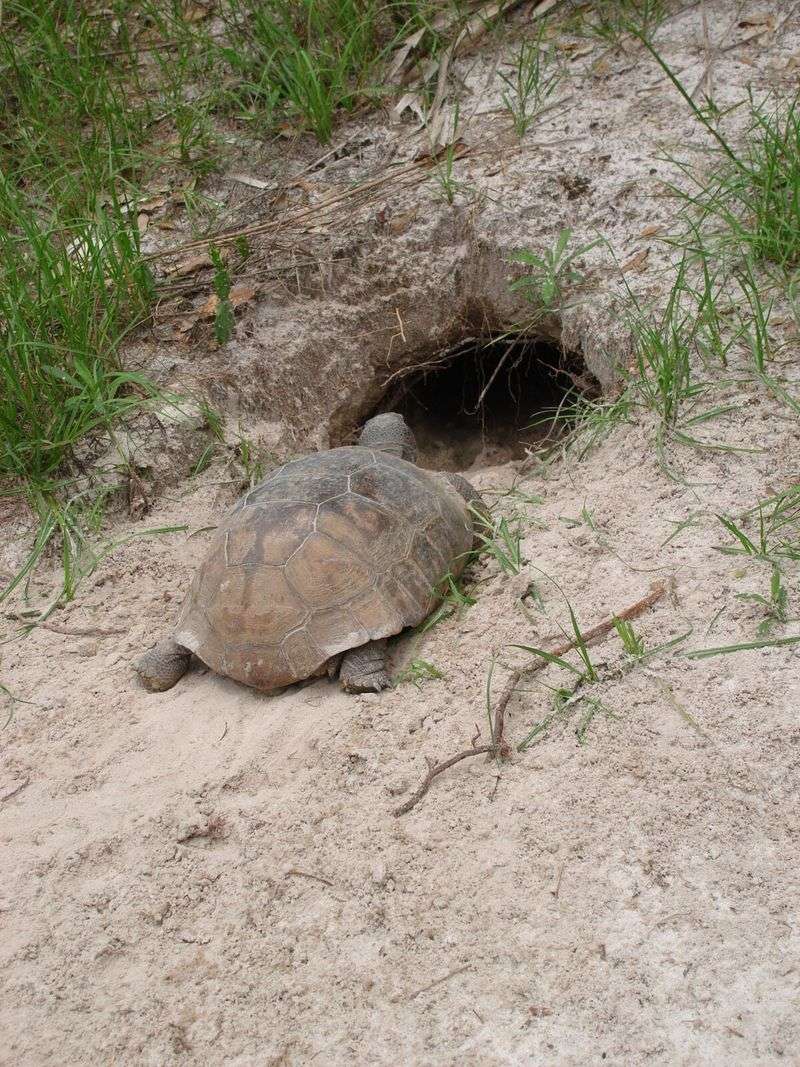
Twenty-five feet sounds like a clear line, and in some situations it is.
But applying it carelessly in either direction can lead to real problems, either leaving a tortoise unprotected or causing unnecessary alarm about ordinary yard tasks.
According to FWC’s gopher tortoise permitting page, development or construction activity within 25 feet of a gopher tortoise burrow generally requires a relocation permit unless the work is covered by an applicable exemption or approved guideline.
The activities that trigger that concern include clearing vegetation for development, grading, soil movement, excavation, construction of structures or hardscape, and staging heavy equipment.
Those are not casual gardening tasks; they are the kinds of activities that can collapse a 14.8-foot tunnel without the operator even realizing it.
Routine lawn care is treated differently.
FWC’s guidance makes clear that mowing, planting, and landscaping activities that do not harm the tortoise or collapse the burrow generally do not require a permit.
Planting a blanket flower 20 feet from a burrow entrance is not the same as running a skid steer across that same ground.
The difference is whether the work poses a genuine risk to the animal or its underground home.
The FWC enforcement policy reinforces that distinction.
Never treat the 25-foot figure as an automatic ban on every action near a burrow, and never use it as permission to proceed with excavation or construction simply because you think the work is minor.
When you are uncertain whether a planned task qualifies as routine maintenance or as potentially damaging disturbance, contact FWC before starting.
That one phone call is genuinely the safest move available.
Care For The Yard Around The Burrow
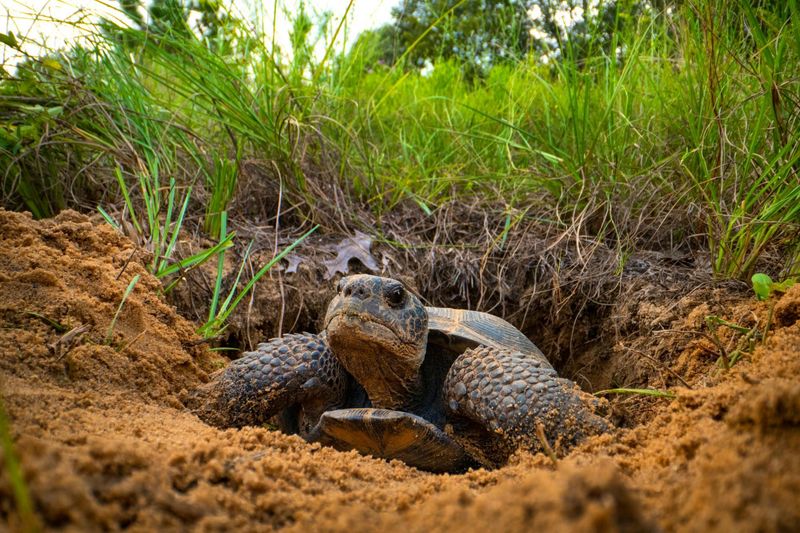
Routine yard care can continue around a burrow without harm to the tortoise, provided you follow a few specific adjustments.
FWC’s yard-recognition guidance recommends keeping riding mowers at least 13 feet away from a burrow entrance.
A handheld weed trimmer is the right tool for the area closer in, used carefully and without pressing the guard against the soil near the burrow opening.
Mower blade height matters more than many homeowners realize.
Setting blades as high as possible reduces the chance of scalping the low forage plants a tortoise depends on and lowers the vibration transmitted through the soil.
FWC’s yard-recognition program also recommends operating mowing equipment during the warmer part of the day from May through October, when tortoises are more likely to be inside their burrows, and during the cooler part of the day from November through April, when they tend to bask during midday warmth.
Timing your mow to match those patterns reduces the chance of an unexpected encounter.
Pets are a genuine concern.
Dogs can stress or injure a tortoise quickly, and a curious dog sniffing at a burrow entrance can cause the tortoise to abandon a burrow it has spent considerable energy digging.
Keep dogs leashed or supervised in areas where a tortoise is active.
Never fill, block, probe, or drive over a burrow.
Never handle a tortoise to reposition it for a better photograph.
FWC’s tortoise-sightings guidance states that moving or handling a wild tortoise can be illegal and may prevent it from finding its way back to its home range.
Staging equipment, lumber, gravel, or soil near a burrow also falls under the kinds of disturbance that require FWC review before proceeding.
Know When To Call FWC
Some situations go beyond what a garden plan can handle, and that is when FWC becomes your most useful resource.
One of the best preventive steps available to a Florida homeowner is installing a physical barrier before any burrow is established, discouraging a tortoise from digging beneath a driveway, pool edge, foundation, or other unsafe location.
FWC’s yard-recognition program gives practical examples: a barrier buried at least 8 inches deep, a border of gravel, pavers, or logs placed along the edge of a structure before digging begins.
That kind of prevention is straightforward and legal when done before a burrow exists.
Once a burrow is present, those same materials must not be used to block or alter the entrance.
A burrow that looks empty is not necessarily abandoned.
FWC distinguishes between potentially occupied and abandoned burrows, and an abandoned status must be established through a proper survey consistent with FWC guidelines, not by probing the entrance, filling it partway, or watching it for a few days.
Homeowners should not make that determination on their own.
Do not add artificial water sources to attract a tortoise, and do not hand-feed one.
UF/IFAS Extension guidance notes that gopher tortoises obtain most of their water from the plants they eat and from rainfall.
They are upland animals and should never be relocated toward a pond or lake.
Fruit, lettuce, and pet food are equally off the list.
Before any work that could disturb a suspected burrow, including grading, excavation, construction, or heavy-equipment staging, contact FWC through its regional office or permitting page.
A tortoise-friendly yard can remain a living, working garden, but it earns that status through regionally appropriate forage and activity-specific care, not through good intentions alone.